The annual fee is 2100 yuan, the Premier League is starting to build its own "Netflix".
The league that is best at selling football copyrights worldwide has begun to try to distribute its own matches directly.
The new season is approaching, the Premier League has launched its self-operated streaming platform Premier League+ in Singapore, allowing fans to subscribe directly to watch all 380 league fixtures.
Prior to this, European football has seen many similar attempts: LaLiga+, which has been in operation for over a decade, has just shut down, while Ligue 1's own Ligue 1+ quickly gained millions of subscribers, but still has a long way to go to reach the revenue level of traditional copyright licensing.
So the question arises: why does the Premier League want to enter the streaming business itself, when La Liga and Ligue 1 have not fully figured out this model?
399 Singapore Dollars per year: The Premier League starts broadcasting its own matches
In Singapore, Premier League IP is a "highly sought-after asset" in the eyes of broadcasters.
Back in 2007, StarHub secured Premier League rights for three seasons for approximately SGD 250 million. Starting from the 2022/23 season, StarHub re-signed a six-year contract with the Premier League that runs through the 2027/28 season. In recent seasons, Singaporean fans can watch all Premier League matches via StarHub's TV channels and streaming platforms.
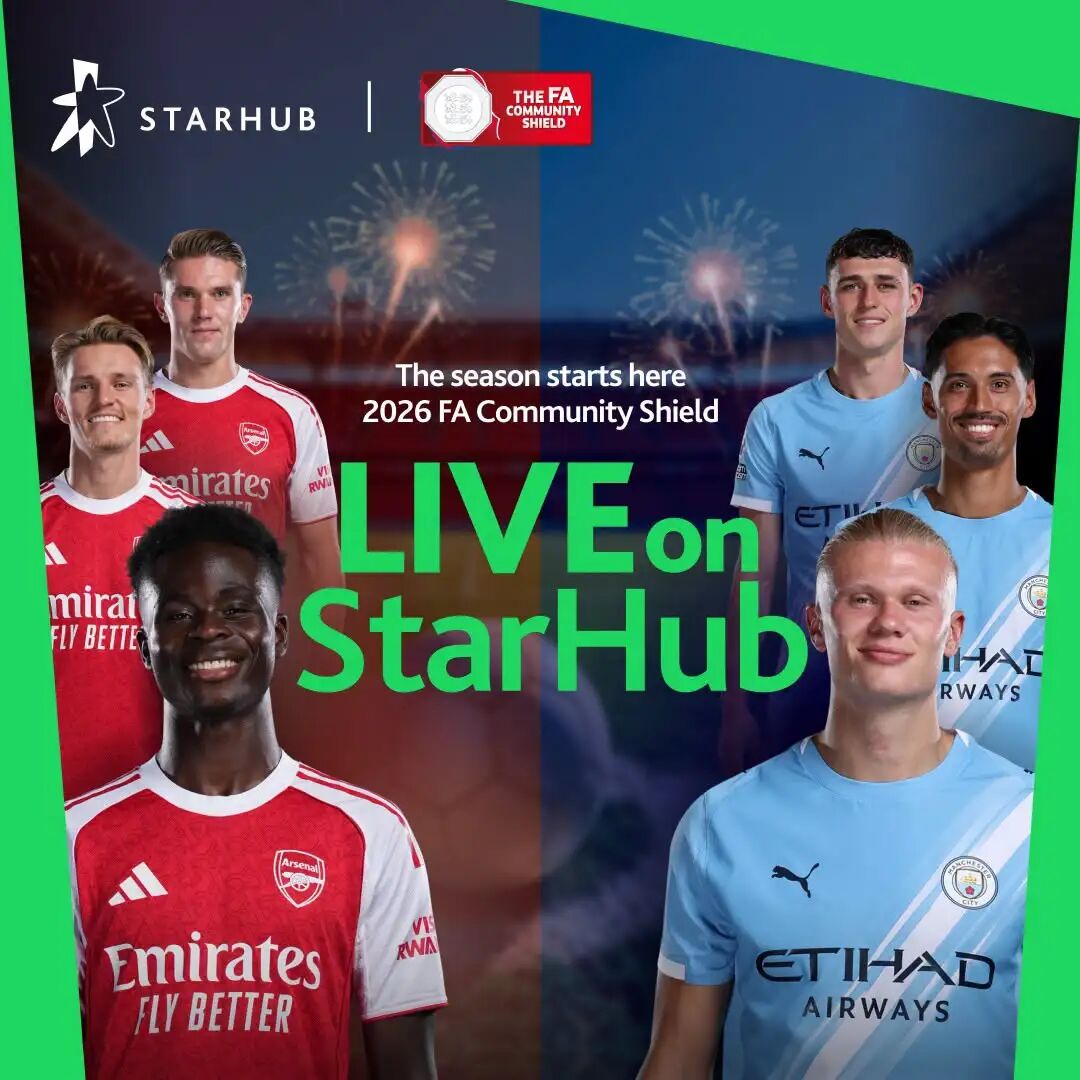
The current Premier League+ is not an alternative "TV channel" launched by the Premier League to bypass existing broadcasters. Earlier this year, Premier League CEO Richard Masters stated that this service is jointly developed by the Premier League and StarHub.
In the new season, StarHub will retain its existing Premier League broadcasting business, and every user who subscribes to the Premier League through StarHub will also get access to Premier League+ at no extra cost.
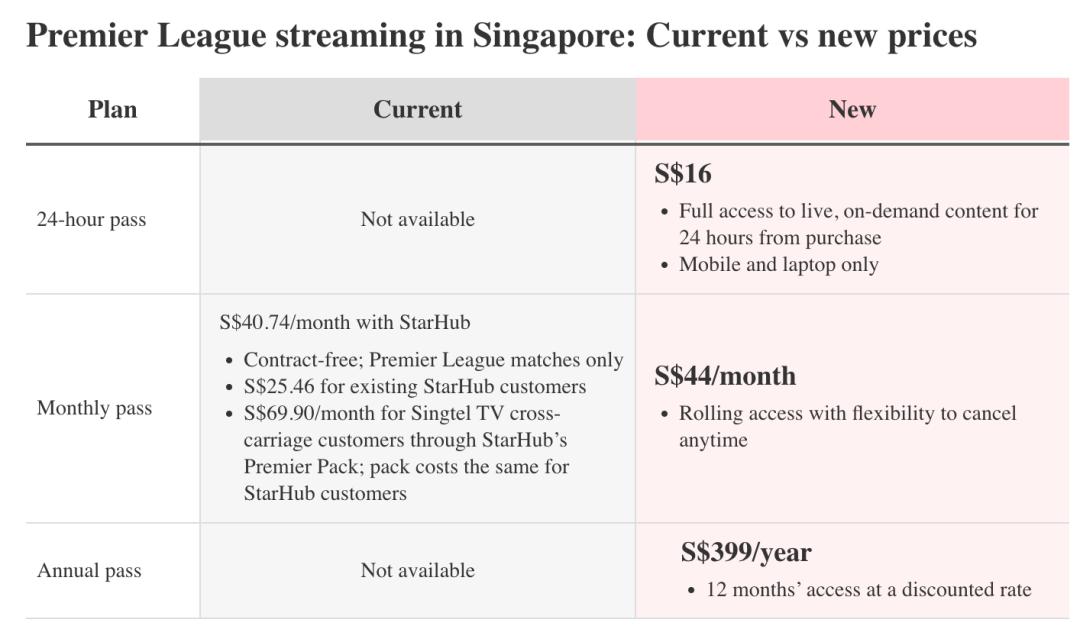
Compared with the existing TV and streaming packages, Premier League+ offers fans more flexible subscription options: a 24-hour access pass costs 16 Singapore Dollars, the monthly subscription is 44 Singapore Dollars, and the annual price is 399 Singapore Dollars (approximately 2100 RMB).
In addition to the 380 Premier League matches, the platform will also provide FA Cup fixtures, FA Community Shield matches, full match replays, a 24-hour dedicated channel, and add features such as 4K resolution, multi-camera angles, real-time statistics and personalized team pages during live broadcasts.
StarHub will continue to leverage its advantages in package design and user system of traditional broadcasting platforms, and has specially launched a new annual subscription plan: eligible existing users only need to pay 238 Singapore Dollars, while other users pay 380 Singapore Dollars, both prices are lower than the 399 Singapore Dollars annual subscription fee for direct sign-up on Premier League+.
The Premier League chose Singapore to launch this streaming experiment, which is directly related to the local market environment.
Singapore has long had a stable base of paying Premier League fans, mature TV and streaming consumption habits, and a relatively limited market size. Even if the new model fails to meet expectations, it will hardly shake the Premier League's overall overseas copyright revenue.
Furthermore, the Premier League set up its Asia office in Singapore as early as 2019. For many years, it has been handling commercial development and copyright protection for the Asia-Pacific market locally, and is very familiar with the local fan base, media environment and consumption habits.
Before Premier League+ was officially launched, the Premier League had actually been preparing for years to take more media operations directly under its control.
In November 2024, all Premier League clubs unanimously agreed to establish a new in-house media operation business. Starting from the 2026/27 season, the Premier League will bring all production and distribution of international media content in-house, ending its 20-year partnership with IMG and launching its own Premier League Studios.
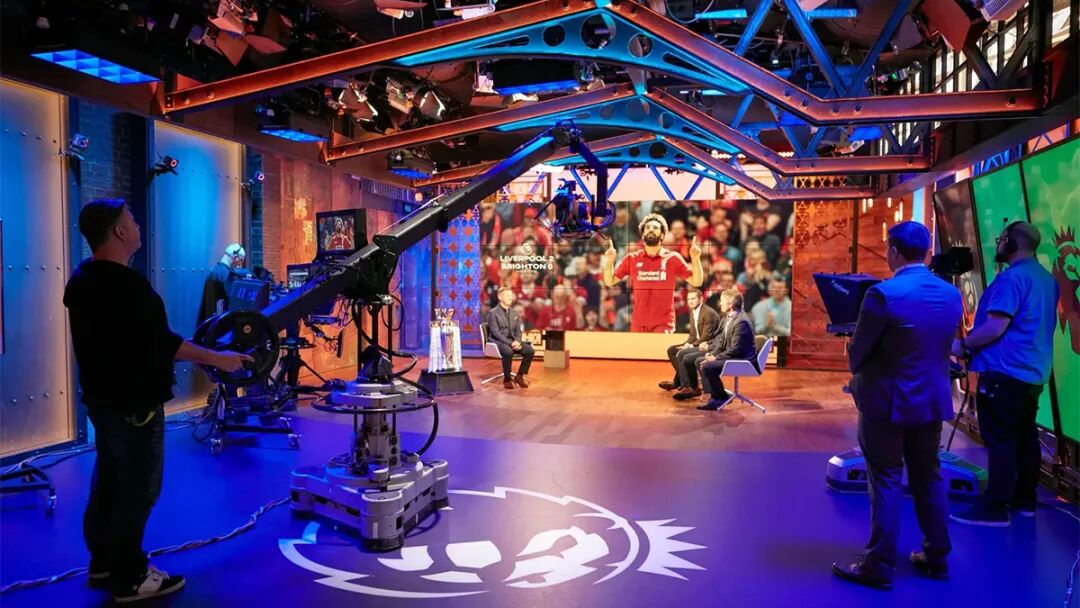
From content production, platform operation to the first direct-to-consumer service, Premier League+ is more like a further step forward in the Premier League's overall media business restructuring.
However, compared to simply selling copyrights in the past, selling subscriptions is actually a "thankless" business for IP rights holders.
Is self-operated streaming a good business?
Before the Premier League started its streaming trial, La Liga and Ligue 1 had already started their own streaming layout, but the paths and outcomes of the two leagues were far from smooth.
As early as 2014, La Liga began to build its own video platform. La Liga TV, launched in 2014, initially focused on broadcasting Segunda División matches and providing La Liga highlights, before being officially upgraded to LaLigaSportsTV in 2019, covering a large number of Spanish sports with limited traditional TV coverage such as motor racing, water polo and triathlon.
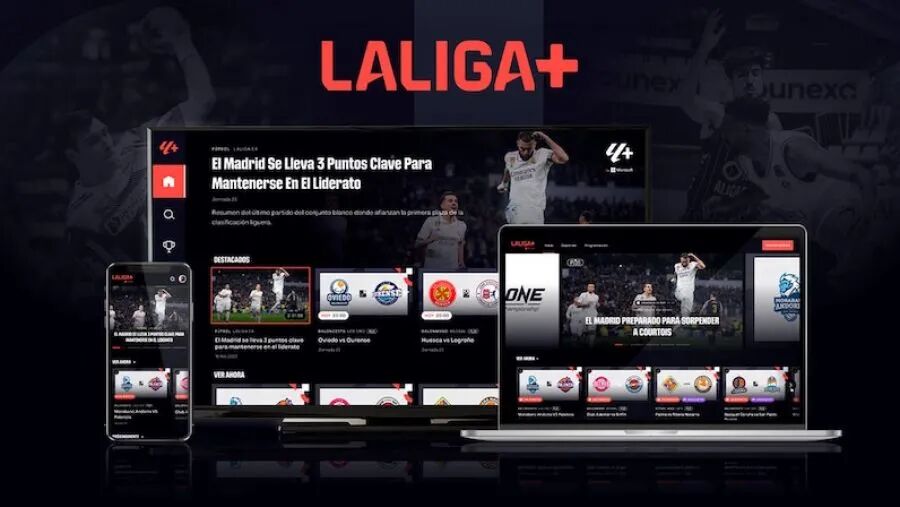
In 2023, the platform was further renamed LaLiga+, adding more international competitions including Campeonato Brasileiro Série A, AFC Champions League and volleyball events. La Liga clubs can also open their own dedicated zones on the platform to publish training live streams, youth academy content, interviews and documentaries.
But the platform never got involved in live broadcasting of La Liga copyright matches. Until the end of June this year, the long-operated LaLiga+ was officially shut down, and La Liga explained that the platform had completed its phased mission of increasing exposure and building audiences for niche sports events.
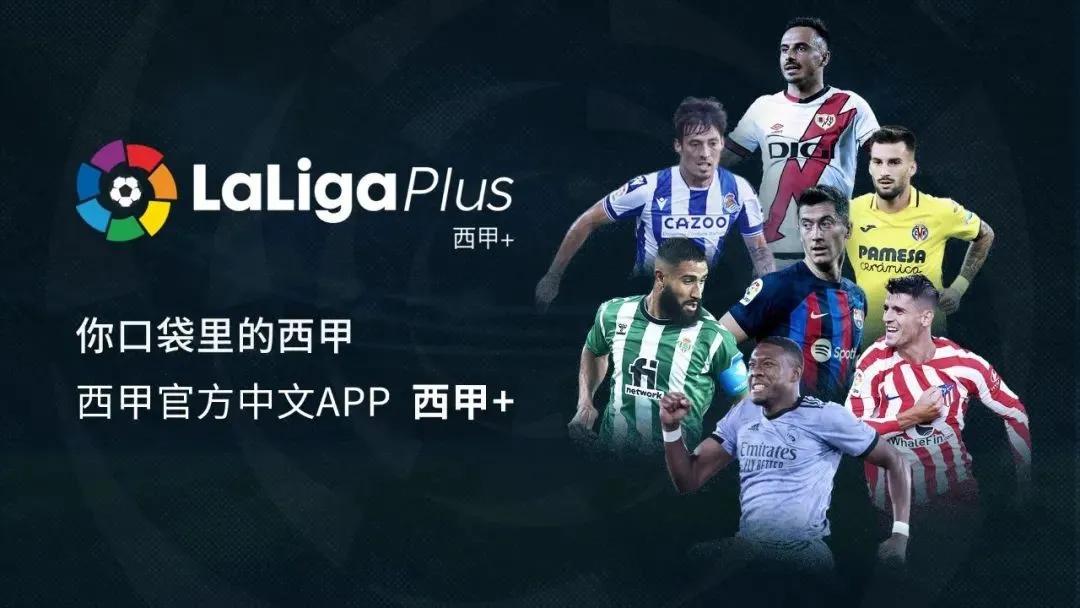
In fact, La Liga once conducted a more aggressive DTC experiment in the Chinese market. In the 2022-23 season, La Liga signed a six-year strategic cooperation with Beijing Stream Media, launching the Chinese version of LaLiga Plus, with all 380 La Liga matches and 462 Segunda División matches available on the platform. La Liga even called it the core of its China market strategy for the coming years at that time.
However, the cooperation originally planned for six years only ran for less than half a year. In early 2023, Stream Media encountered capital chain problems, with employees, commentators, guests and program producers all facing unpaid wages, and the outsourcing teams participating in platform development withdrew one after another, before LaLiga Plus subsequently ceased operations in China.
For La Liga, which has long hoped to bypass traditional copyright distributors and directly operate Chinese fans, this attempt quickly returned to the traditional copyright distribution system, with matches continuing to be broadcast on traditional copyright platforms such as Migu.
Compared with La Liga who actively explored DTC possibilities, Ligue 1 took this path for far more passive reasons.
In the summer of 2024, after DAZN secured most of the domestic French rights, its subscriber growth never met expectations, and the high broadcasting revenue that was highly anticipated failed to materialize. The two sides ended their cooperation early after only one season.
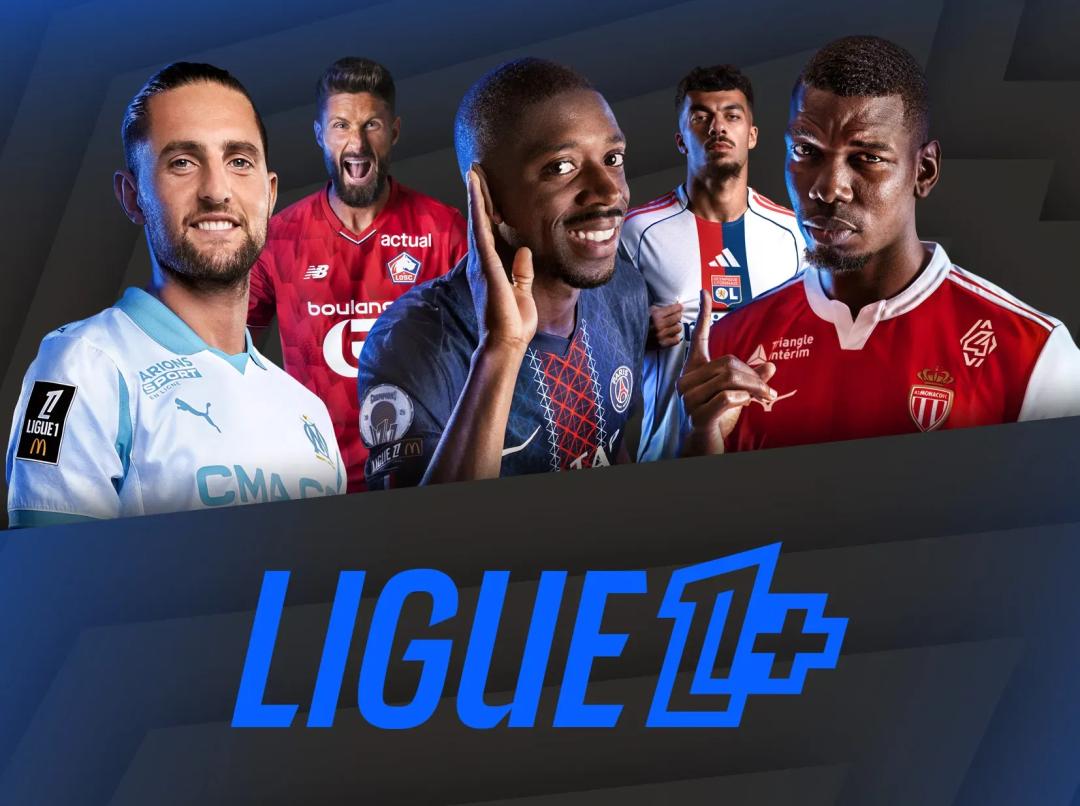
As the new season was approaching, the Ligue de Football Professionnel decided to take over the broadcasting business itself, and launched Ligue 1+ in August 2025, directly streaming most Ligue 1 matches to fans.
Judging from user numbers alone, this attempt was quite successful. One month after launch, the platform exceeded 1.02 million subscribers, approaching the 1.15 million subscriber target for its first season ahead of schedule.
But this revenue is far from making up for the revenue Ligue 1 used to get from traditional TV copyrights. LFP Media estimates that Ligue 1+ can generate approximately 170 million euros of revenue in its first season, but the broadcasting revenue that can be distributed to clubs in the first two seasons will still be significantly lower than in the past.
According to its long-term plan, the platform needs to further increase its subscribers to 2.25 million in the 2028/29 season to have the opportunity to scale this business to a larger size.
When the league itself becomes a streaming platform, new problems also emerge: beyond the 38 rounds of Ligue 1 matches per year, during the months-long content off-season, what can make users continue to pay for subscriptions?
LFP Media once spent approximately 20 million euros to bid for all paid copyrights of the 2026 World Cup, hoping to fill the content gap during the off-season with the one-month World Cup tournament, but eventually lost the bid to beIN Sports at the final stage.
Starting from the end of July, Ligue 1+, which had run out of options, turned to streaming more than 30 pre-season friendly matches of Ligue 1 clubs, so that paying users still have matches to watch during the league off-season.
The entire set of work that used to be undertaken by TV broadcasters, from building the platform, acquiring new users, producing content to maintaining subscriptions, now falls on the league itself — the pressure is imaginable.
Compared with Ligue 1 and La Liga, the market background for the Premier League to launch Premier League+ now is obviously different.
It should be noted that the Premier League's traditional copyright business still ranks at the top of European football, with Sky, NBC and regional copyright partners still willing to pay huge sums of money for Premier League rights.
The new round of UK domestic copyright contracts starting from the 2025/26 season covers four seasons, with a total value of 6.7 billion pounds; at the same time, the Premier League's international copyright revenue has exceeded its domestic revenue, reaching approximately 2.1 billion pounds per year.
However, when the copyright business reaches such a large scale, it becomes increasingly difficult to achieve growth in the traditional way.
In the new round of UK domestic copyright contracts, the number of live matches per season increased from 215 to 270, but the annual copyright revenue only increased from approximately 1.63 billion pounds to 1.67 billion pounds. Converted, the copyright value corresponding to each match has dropped by about 10%. In overseas markets, as major mature markets have basically completed layout, the room for value appreciation is also shrinking.
In this context, the birth of Premier League+ may bring new possibilities for the Premier League's future copyright business.
More choices for IP rights holders in the streaming era
When Premier League CEO Richard Masters announced the plan in February this year, he positioned Singapore's significance as a "learning" market.
He stated: "For the first time, the Premier League will own its own customers." For a league that has approximately 1.87 billion audiences across 189 countries and regions, this means the Premier League has for the first time established a more direct payment relationship with its fans.
When talking about this business, Masters repeatedly mentioned another word: optionality, which means more choices for future copyright distribution.
The next time a market enters copyright negotiations, if local TV broadcasters are still willing to raise their bids, the Premier League can continue to sell the copyrights to them; if market competition is limited and copyright quotes have long failed to keep up with the scale of local fans, operating its own platform becomes an additional viable option.
Part of the confidence for this choice comes from the real consumer data accumulated by Premier League+. In the past, the Premier League largely judged the value of a market through the quotes from broadcasters; now the Premier League can more directly understand the local market's payment capacity and consumption scale, and apply this information to product pricing, platform operation, and even the next round of copyright negotiations.
From a longer-term perspective, this also means that the same event content can be continuously restructured, and sports copyrights are gradually transforming from an asset sold every few years to a "content product" that can be continuously operated.
In the past, when the copyright of a sports event changed, fans usually had no choice but to "migrate" along with the copyright holder. Now that the league adds a DTC entry, the same match can have different purchase options at the same time, including TV packages, streaming subscriptions and even single-day pay-per-view.
More importantly, when the league starts to bind users directly, platform changes brought by copyright cycle renewal will be more difficult to cut off the long-established consumption relationship between events and fans. For IP rights holders, user relationships and content services can thus continue to precipitate across round after round of copyright contracts.
This trend has also emerged in other sports markets. As the Regional Sports Networks (RSN) system in the United States continues to shrink in recent years, more and more teams have begun to take local broadcasting business back into their own hands.
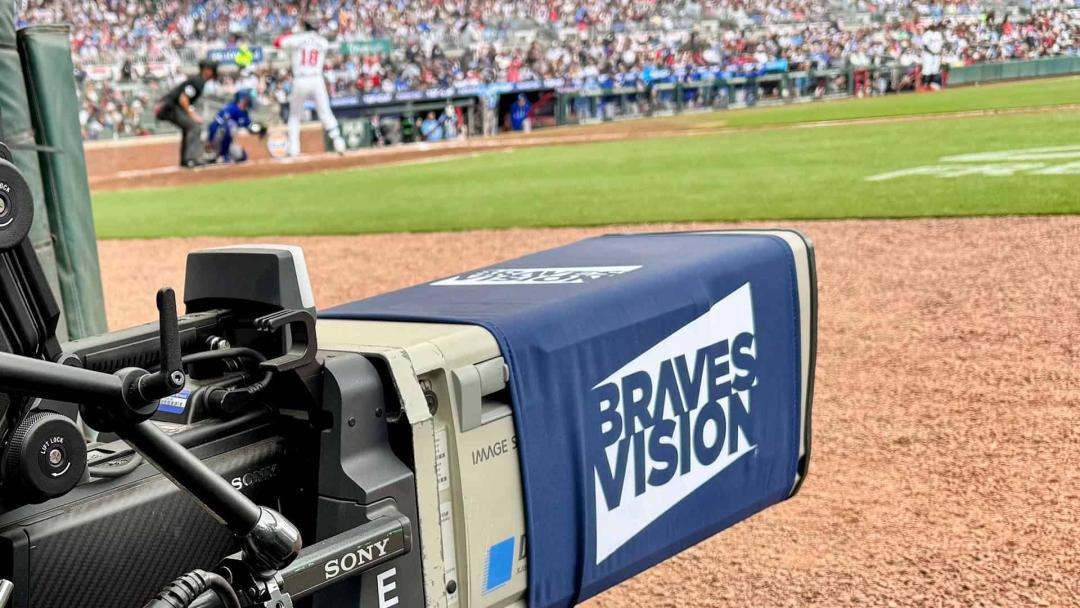
The Atlanta Braves established BravesVision starting from the 2026 season, with the team directly responsible for the production, sales, marketing and distribution of more than 140 local matches, while providing streaming subscriptions to local users via Braves.TV.
But after the team took back the broadcasting business, it did not exclude traditional channels. Matches produced by BravesVision are still distributed through platforms such as Spectrum, DIRECTV and Xfinity, and some matches are also broadcast on free-to-air TV.
It can be seen that as leagues and teams have their own platforms, while continuing to use TV broadcasters, operators and streaming