Even an annual salary of 700 million yuan cannot retain him, YU Jiahui has resigned from Meta to start his own business.
$100 million can't keep him!
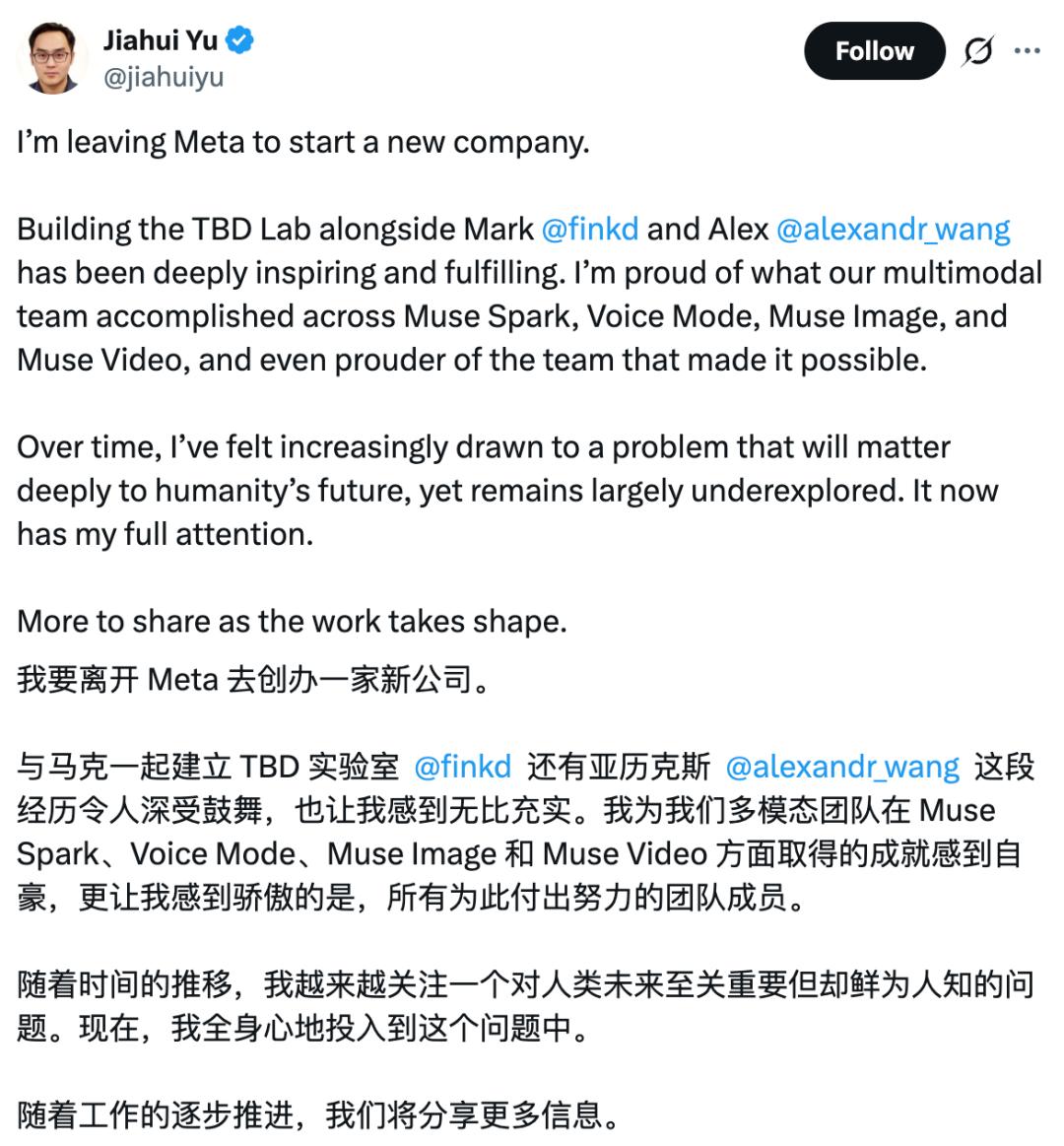
Just now, Jiahui Yu officially announced his departure from Meta to start his own business.
From the end of June 2025 when he joined, to the announcement of his departure on August 14, 2026, it has been just over a year and one month in total.
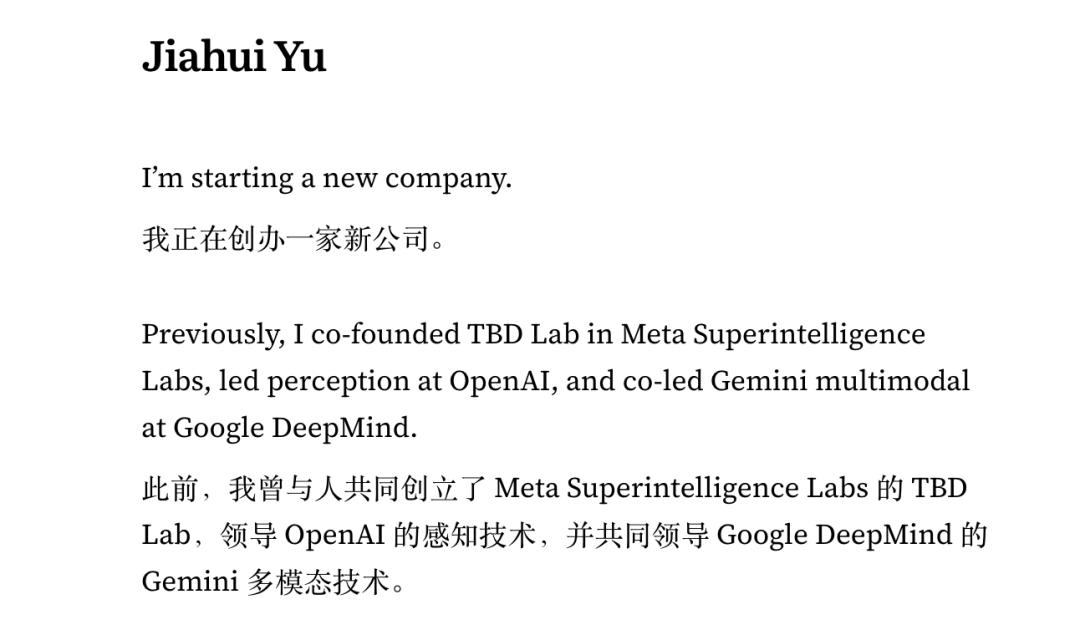
His personal website has also updated his resume.
Just a few days before his resignation, Meta just launched Muse Spark 1.2.
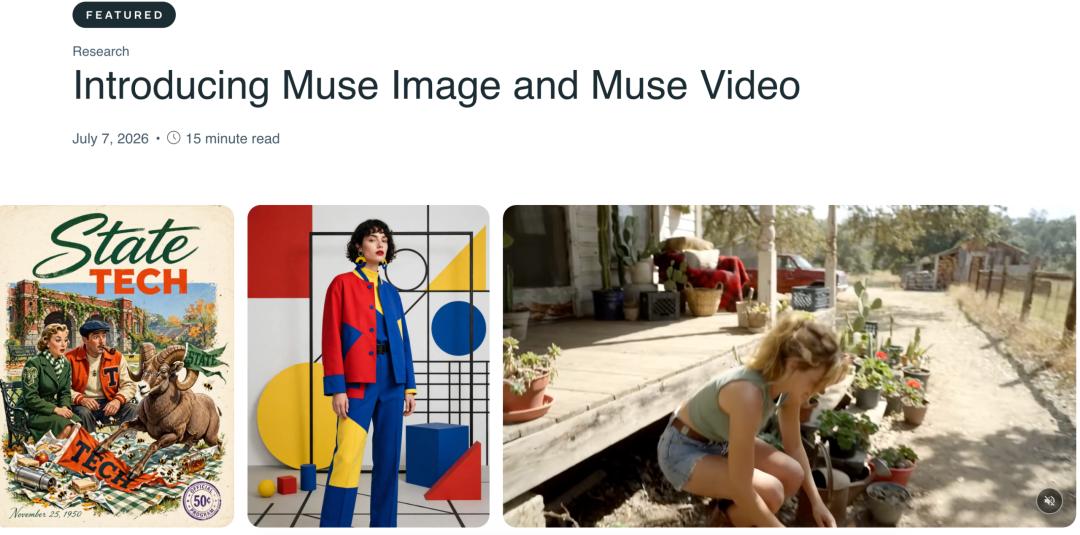
Over the past few months, the multimodal team led by Jiahui Yu has successively delivered Muse Spark, Voice Mode, Muse Image and Muse Video.
Jiahui Yu stated in the official announcement that the experience of building TBD Lab together with Mark Zuckerberg and Meta's Chief AI Officer Alexander Wang was "very inspiring and fulfilling".
He also specifically named several achievements made by the team in the past year, and said that he has been increasingly attracted to a problem that is "extremely important to the future of humanity but has not been fully explored yet".
Now, this problem will get all his attention.
As for what the new company will be called, what specific research it will conduct, and who the partners are, he didn't say a word more:
More to share as the work takes shape.
More information will be shared as things take shape gradually.
Right after delivering the full Muse product suite, he left
Over the past year, Jiahui Yu has indeed put in a lot of work.
At the end of June 2025, Jiahui Yu, along with other OpenAI researchers including Shengjia Zhao, Shuchao Bi and Hongyu Ren, was exposed to have collectively joined Meta's newly formed superintelligence team.
Mark Zuckerberg personally poached him, and the rumor of "$100 million annual salary" broke the record of the AI talent market.
A few days later, Mark Zuckerberg officially announced the establishment of Meta Superintelligence Labs, namely MSL.
The lab is led by Alexander Wang. For this, Meta invested $14.3 billion in Scale AI, and intensively poached talents from companies including OpenAI, Google DeepMind and Apple.
TBD Lab is one of the core model research teams under MSL, responsible for developing Meta's next-generation cutting-edge models. Jiahui Yu is a founding member and also the head of the multimodal direction.
In April this year, this team delivered its first important milestone: Muse Spark.
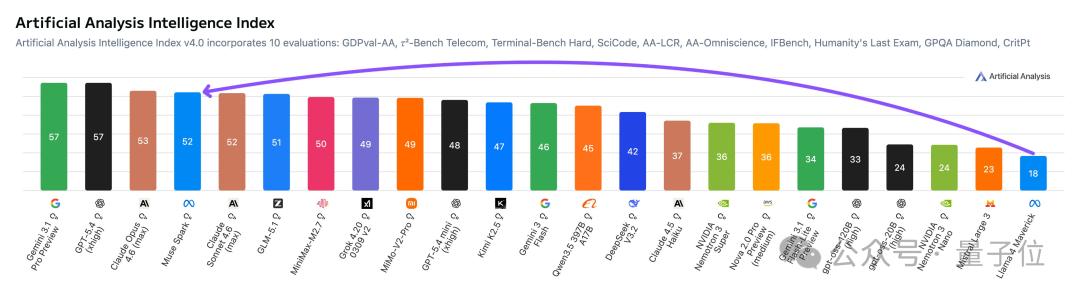
This is the first foundational model released after the establishment of MSL, marking that Meta's cutting-edge models have officially shifted from the Llama series to the Muse series.
Subsequently, the team where Jiahui Yu works continued to launch Voice Mode, Muse Image and Muse Video, covering speech, image and video generation.
The recently updated Muse Spark 1.2 has further focused on programming, long-horizon Agent tasks and multimodal capabilities.
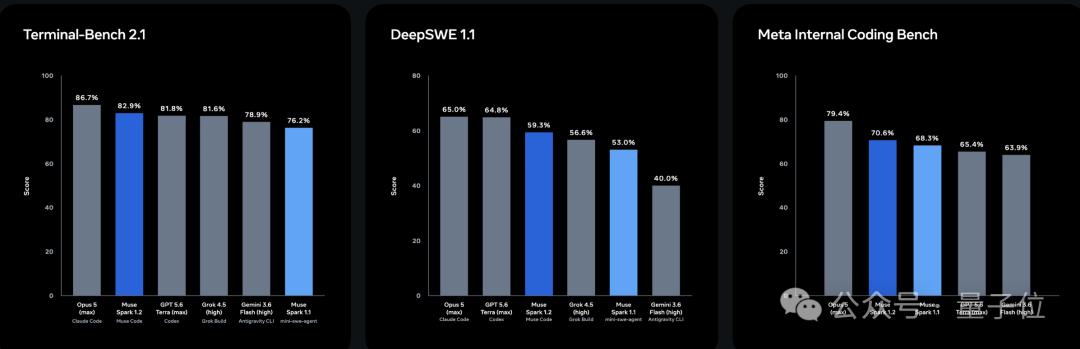
During his one year at Meta, Jiahui Yu can be said to have built the team from scratch, re-architected the technical stack, and then launched the full Muse product suite one after another.
Meta researcher Zhiqing Sun revealed that Jiahui Yu was also one of the people who recruited him into Meta.
He still remembers that the two had dinner at a Daeho restaurant in San Francisco, where Jiahui Yu convinced him to join TBD Lab. Later, the two of them worked together on multimodal capabilities and Computer Use.
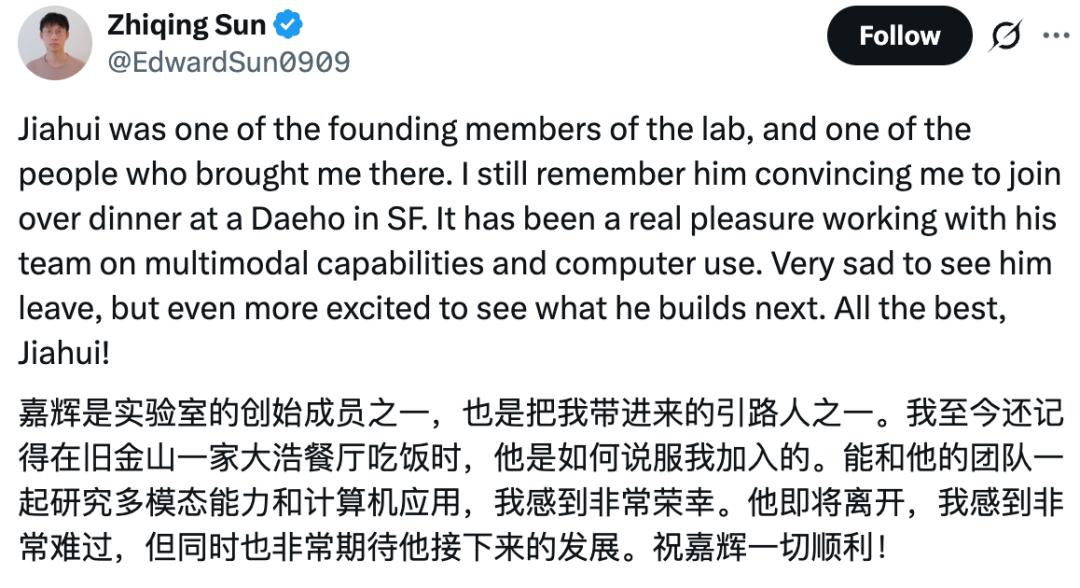
A year later, the people Jiahui Yu recruited himself are seeing him off.
Zuck, Zuck, this $100 million annual salary... did it end up being wasted after all?
Rumor has it the pay package hit $100 million, why did Zuck poach him specifically?
There is no official answer to how much Jiahui Yu was paid exactly.
But in last year's Silicon Valley talent war, he was undoubtedly one of the most high-profile names.
At that time, Sam Altman publicly stated that Meta offered some OpenAI employees a $100 million signing bonus and higher annual compensation.
Subsequently, WIRED reported that the compensation packages provided by Meta for a small number of top AI talents reached a maximum of $300 million over four years, and the total compensation in the first year could exceed $100 million.
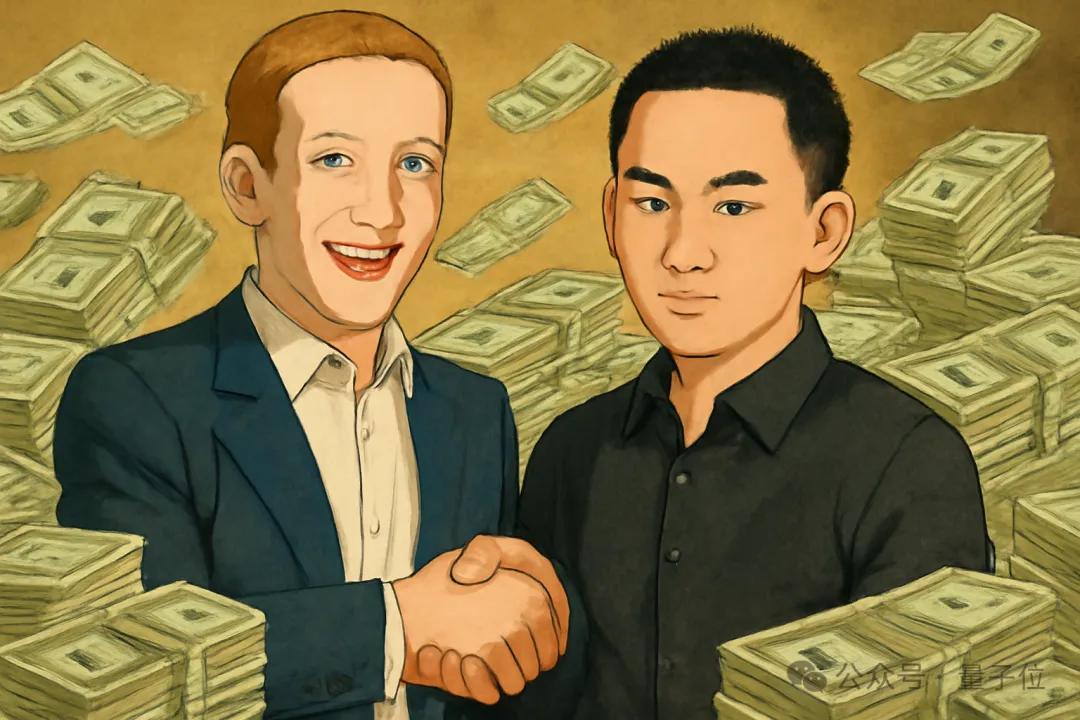
However, Meta CTO Andrew Bosworth later clarified that the rumored $100 million is not available to everyone, nor is it a one-time signing bonus paid out immediately after joining. It may be a total compensation package that includes stocks, bonuses, tenure and performance conditions.
So we have no idea whether Jiahui Yu himself actually got the "$100 million annual salary".
(Shrugs)
Even so, Jiahui Yu has been included in the story of the "9-figure salary talent".
His resume has almost touched every most popular keyword in the large model field in the past few years.
Jiahui Yu studied at the School of the Gifted Young of the University of Science and Technology of China for his bachelor's degree, then went to UIUC to pursue his doctorate, under the supervision of computer vision scholar Thomas S. Huang.
During his PhD, he participated in the development of DeepFill. Simply put, it allows AI to erase unwanted objects from photos and automatically complete the background.
Later he joined Google Brain, where he advanced from computer vision to multimodal large models, participating in and co-leading the multimodal direction of Gemini.
At the end of 2023, he moved to OpenAI, where he led the Perception team and participated in the development of GPT-4o, GPT-4.1 and a series of o-series models.
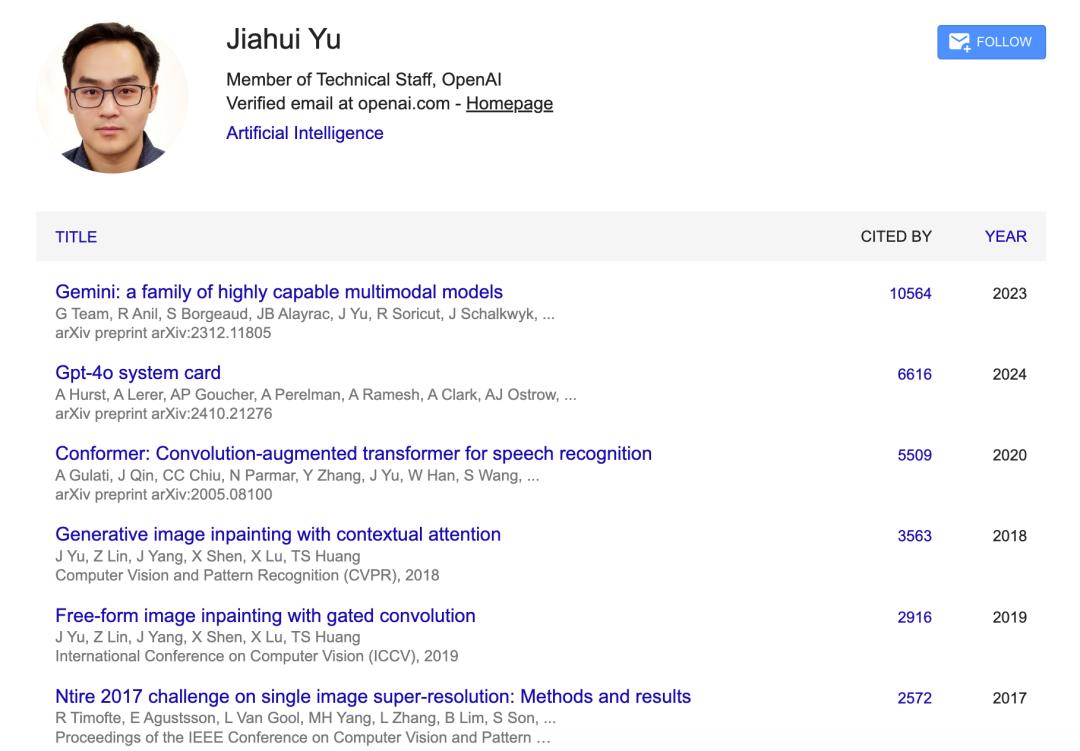
That was exactly the kind of talent Meta was lacking at the time.
With Llama 4 underperforming expectations, Meta urgently needed a team to rebuild its cutting-edge model capabilities.
Compared with those who only made breakthroughs in a single paper, Jiahui Yu has not only done underlying vision research, but also participated in large model development at Google and OpenAI, and has experience in pushing multimodal capabilities to real products.
A year ago, people might still be discussing:
Is Jiahui Yu really worth the rumored 9-figure compensation package?
But now the question has become:
What on earth does a person who can't be retained even with this level of compensation, computing power and product opportunities want to do after leaving?
Indeed, for researchers who have reached Jiahui Yu's level, the conditions that large tech companies can offer are almost at the ceiling of being an employee.
Moving further up, the only remaining path seems to be becoming a founder himself~
Meta, how many people have left your company?!!
Right after Jiahui Yu left, netizens started counting Meta's turnover casually.
You never know until you check, and the number first shocks everyone:
929.
The research paper platform alphaXiv pulled up a list of departing Meta researchers, stating that before Jiahui Yu, more than 200 well-known researchers had already left Meta.
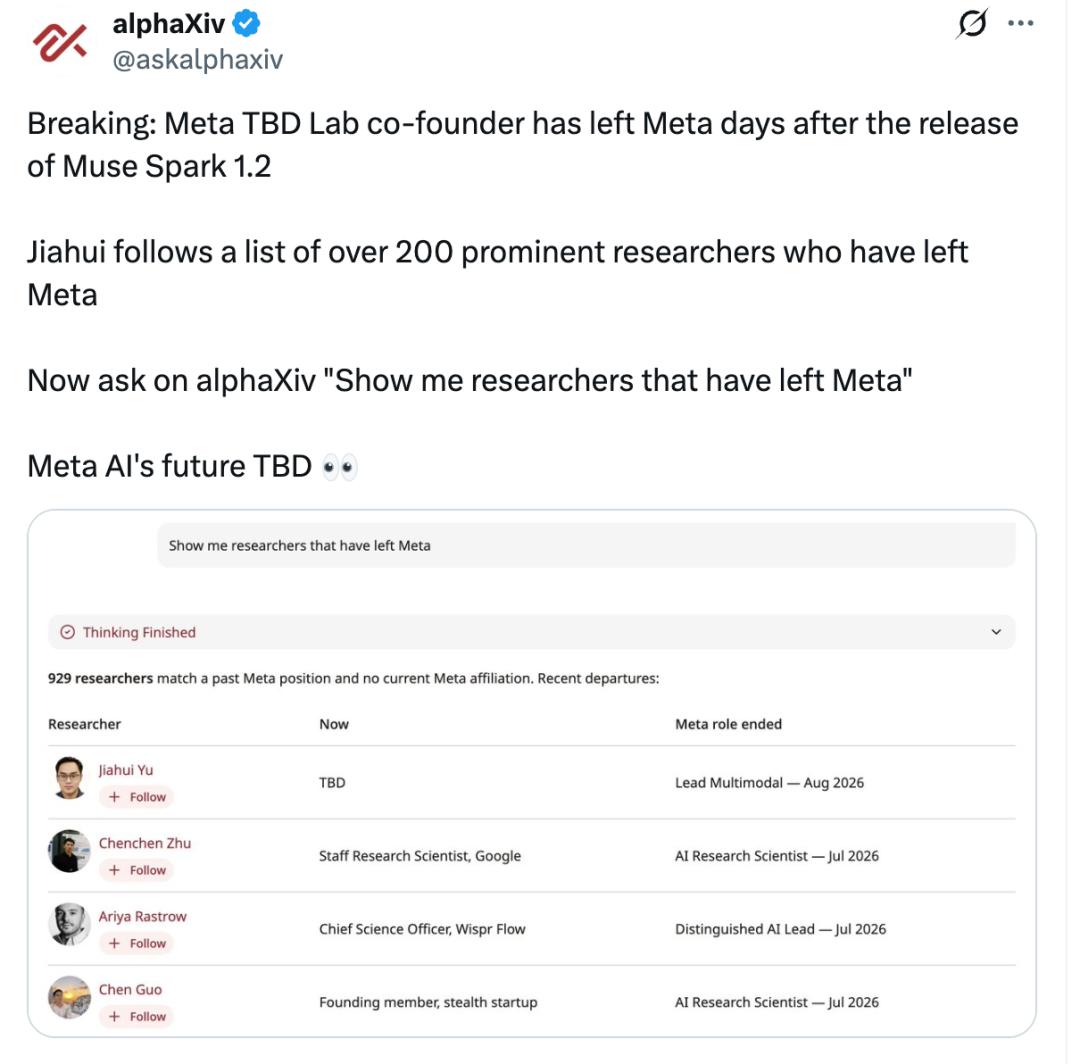
Its search page shows that a total of 929 researchers meet the condition of "once worked at Meta and are no longer employed by Meta".
Jiahui Yu is at the top of the list.
Following closely are other researchers who recently moved to Google, served as chief scientists at startups, or joined stealth startup projects.
alphaXiv also did not miss the existing meme of TBD, and directly wrote:
The future of Meta AI is also TBD (To Be Determined).
Wow, at first glance, Meta is not so much a lab as an AI talent transfer station...
Last year, when Meta waved checks to poach talents, Sam Altman once said:
The missionaries will eventually beat the mercenaries.
Now, Jiahui Yu, whom Meta poached at great expense, has also left.
Is Zuck's talent poaching strategy, which has been satirized as a "mercenary" strategy, a success or not?
The answer is also TBD.
References:
[1]https://x.com/jiahuiyu/status/2087936732939616299?s=20
[2]https://x.com/askalphaxiv/status/2087973800952623416?s=20
This article is from the WeChat official account "QbitAI", written by Yu Ting, and authorized for release by 36Kr.