$2 million, the world's most expensive AI film has been released. Is it a banger or a flop?
How much does a $1 million AI-generated film deliver in terms of effects?
The most expensive 100% AI-generated film in cinematic history has been born, with a cost of 2 million US dollars.
There are plenty of cool AI short films, but very few watchable AI feature films. Now, Higgsfield, a platform specializing in AI film and television creation, aims to build the first "success story" in the AI film industry.
To this end, it spent 500,000 US dollars in the first half of the year to produce a 95-minute AI film Hell Forged, and a few months later spent 2 million US dollars to shoot a 114-minute AI film Cali Boy.
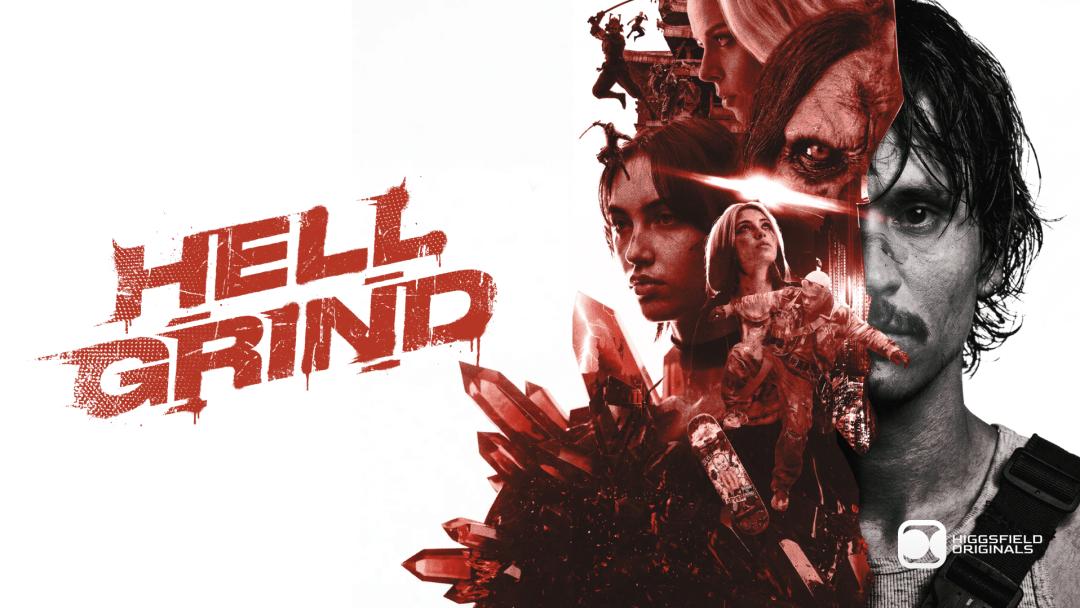
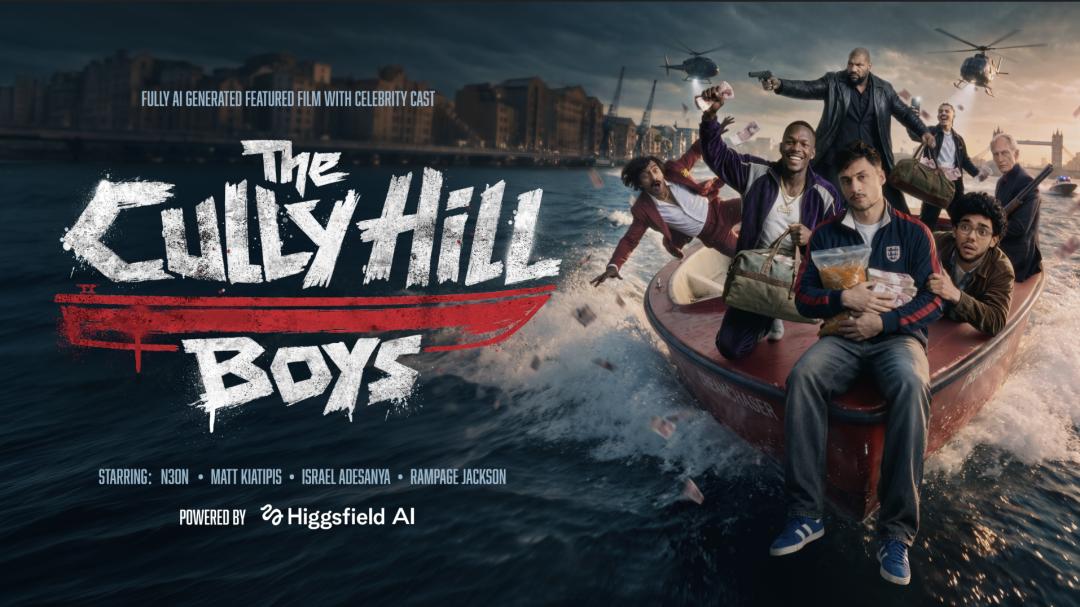
Last week, the full version of Hell Forged was released online; two days ago, the full version of Cali Boy was also launched online. Higgsfield's attitude is very clear: it is not for making money, but to let everyone see whether making films with AI is worthy of serious attention from audiences and professionals.
I have two questions about Higgsfield's approach.
First, the two films cost a total of 2.5 million US dollars. Is AI computing power that expensive? Where exactly did all this money go?
Second, isn't the bottleneck of AI films lying in technology? To what extent can more investment improve the quality of an AI film?
Does Higgsfield have any exclusive tricks that others can learn from?
As for the quality of the two AI films Hell Forged and Cali Boy, opinions vary, and everyone can judge for themselves. From the perspective of Geek Film, technically speaking, these two works are well worth in-depth research.
01
Not for profit, but to win recognition!
Is AI filmmaking worthy of serious attention?
In the first half of this year, Higgsfield brought the 95-minute AI film Hell Forged to the Cannes Film Festival for an industry screening. At that time, the Cannes side specifically came out to clarify that the film was not included in the competition section.
Director Guillermo del Toro shouted "Fuck AI" at the Cannes screening event of Pan's Labyrinth, which well represented the mainstream sentiment of the film industry at that time.
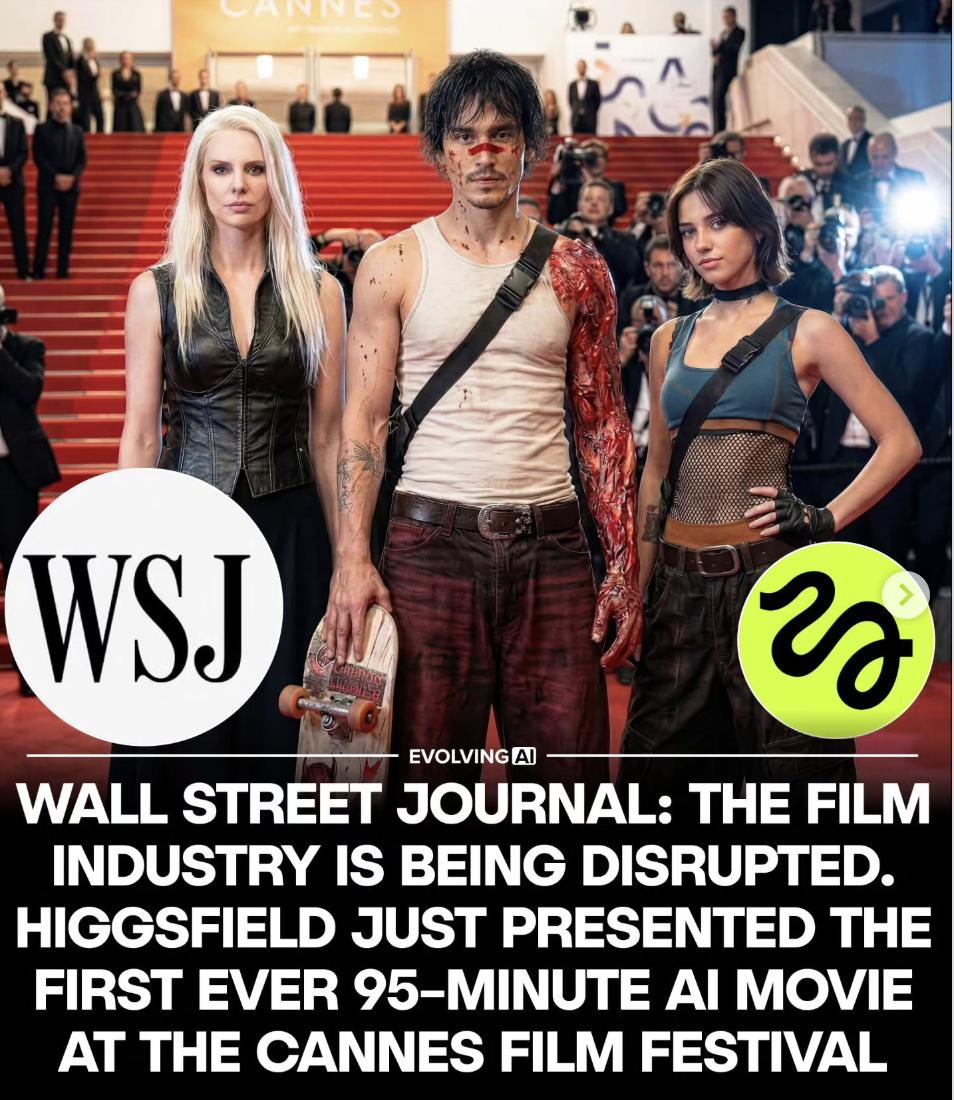
The screening of Hell Forged at Cannes attracted attention and also sparked controversy
Higgsfield later admitted that Hell Forged "annoyed some people in the film circle". So a few months later, they produced the second AI film Cali Boy and held its premiere in New York.
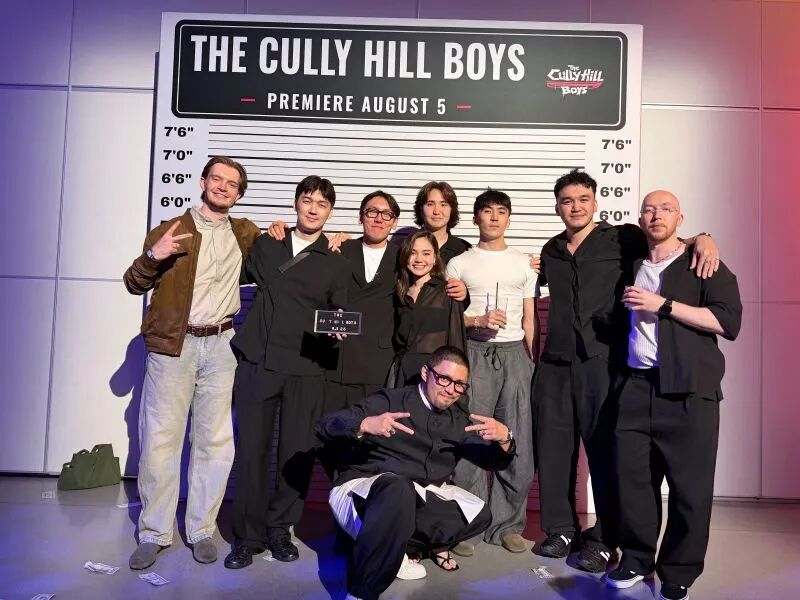
Cali Boy had a high-profile premiere in New York
These two AI films are two successive works produced by the same company using the same set of tools within a few months.
Hell Forged is a fantasy action film: four street thieves trigger a mysterious artifact during a museum heist, opening a passage to hell... The 95-minute full-length film was produced by a 15-person team with a budget of nearly 500,000 US dollars.
The main video model used is Seedance 2.0, with Veo 3 also involved. Character faces and scenes are generated by the self-developed Soul Cinema, and image modification calls Nano Banana Pro, Seedream 4.5, GPT Image 2, with multiple models running in parallel.
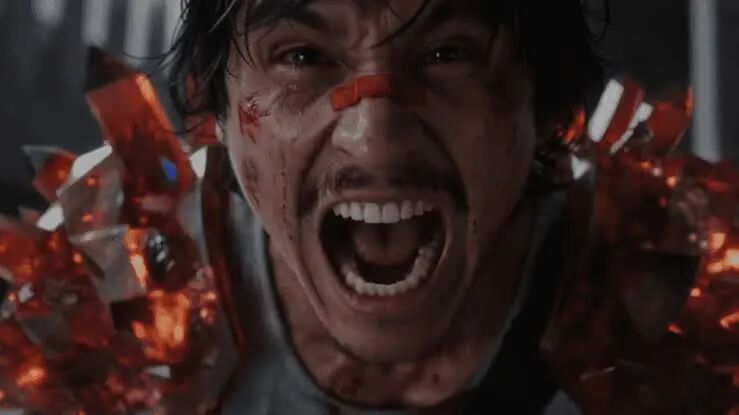
Cali Boy tells the story of three little-known rappers who want to shoot a music video to become famous, only to find 2 million pounds of blood-stained drug money in a modified yacht, and are forced to get involved in a drug war.
The 114-minute film is nearly 20 minutes longer than Hell Forged, and was produced by a 28-person team with a budget of about 2 million US dollars. This time, all the models used are the newly launched Seedance 2.5.
The biggest feature of Cali Boy is that all four leading actors have obtained real-person authorization — basketball content creator Matt Kiatipis, UFC fighter Israel Adesanya, live streamer N3on, and MMA veteran Quinton "Rampage" Jackson "starred together" in this AI film.
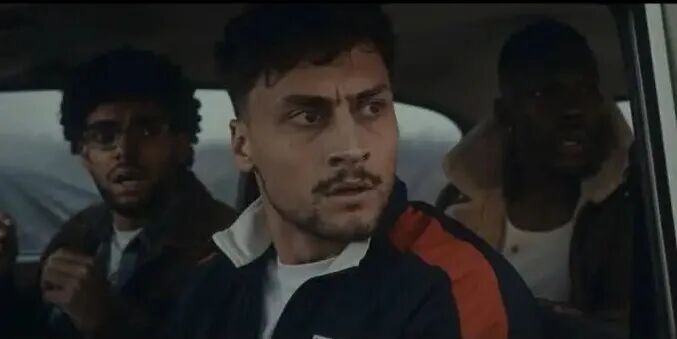
The script is also a "legitimate feature film script".
Higgsfield purchased this mature script from screenwriter Timothy W. Pragan, which was once shortlisted for Hollywood's "Black List" — a list of high-quality unfilmed scripts that are collectively favored by industry executives.
Interestingly, Higgsfield spent real money producing these two AI films, but has no intention of making money from them — the full versions of both films are now available online for everyone to watch for free. The production processes of the two films are also fully open source for all interested people to access.
Higgsfield CEO Alex Mashrabov once bluntly explained the reason why they produce AI films: they are "sales business cards" for Hollywood.
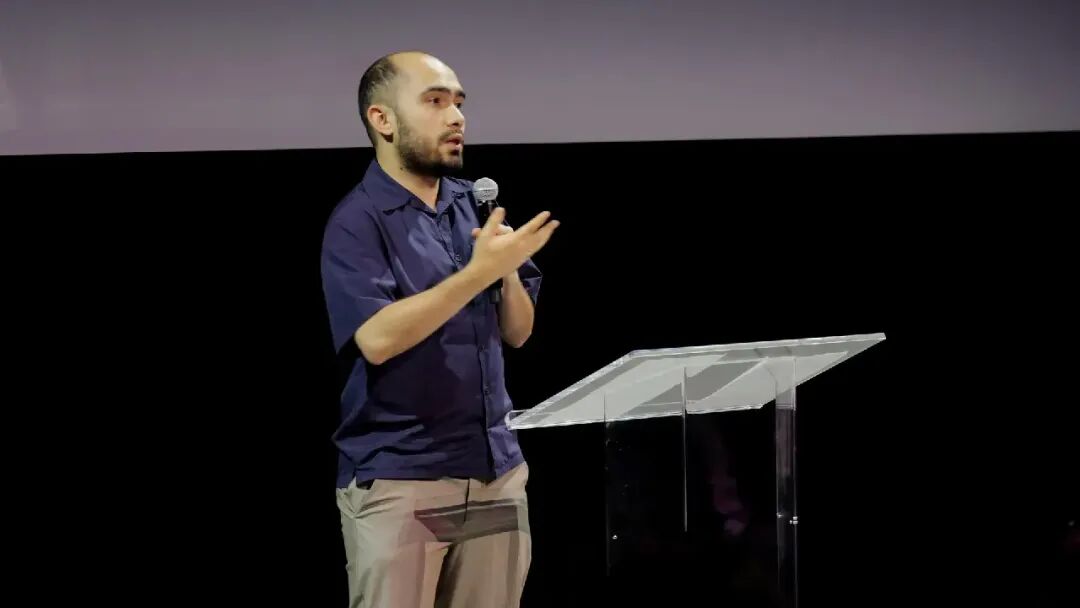
Higgsfield CEO Alex Mashrabov
Producing a cool AI short film is one thing, producing a standard-length AI feature film is another. So far, there has been no universally recognized successful case whose quality is good enough to make people take this "new species" seriously.
Because the standard is by no means low.
Higgsfield wants people in the film industry to believe that using its platform, producing a qualified AI film has become possible, or will soon become possible.
From this perspective, the positioning of the two AI films Hell Forged and Cali Boy is less of a finished work, and more of a demo reel.
Leaving aside the AI element, Hell Forged can only be regarded as a mediocre B-grade action film, while Cali Boy is more interesting, but not particularly brilliant. But considering that they are both fully AI-generated, many people may describe them as "impressive".
Because there are so few flaws, you will often forget that "it is generated by AI" while watching.
The biggest challenge for a standard-length AI feature film is to maintain cross-shot consistency, and Higgsfield has explored a relatively reliable process to reduce "flaws" through these two films.
The establishment of the AI film genre should start with the establishment of its own methodology.
02
Where did the $500,000 for Hell Forged go?
The lessons it paid for do not need to be repeated by latecomers
Nearly 500,000 US dollars were invested to produce a 95-minute AI film. The Hell Forged project sounds a bit expensive.
The recently emerged AI version of Odyssey, which claims to "compete head-on" with Nolan's Odyssey, is 135 minutes long and costs only a few thousand US dollars. Where did all the 500,000 US dollars for Hell Forged go?
According to Higgsfield's disclosure, about 100,000 US dollars of that sum was used to pay the labor cost of the 15-person team, as well as post-production expenses for editing, color grading, sound design and music.
The remaining roughly 400,000 US dollars was all spent on computing power. Furthermore, the vast majority of computing power was not spent on the final finished film, but on discarded footage.
For only the first 25 minutes of the film, the team generated 16,181 clips, and only 253 usable clips were retained in the end, with a scrap rate of about 64 to 1.
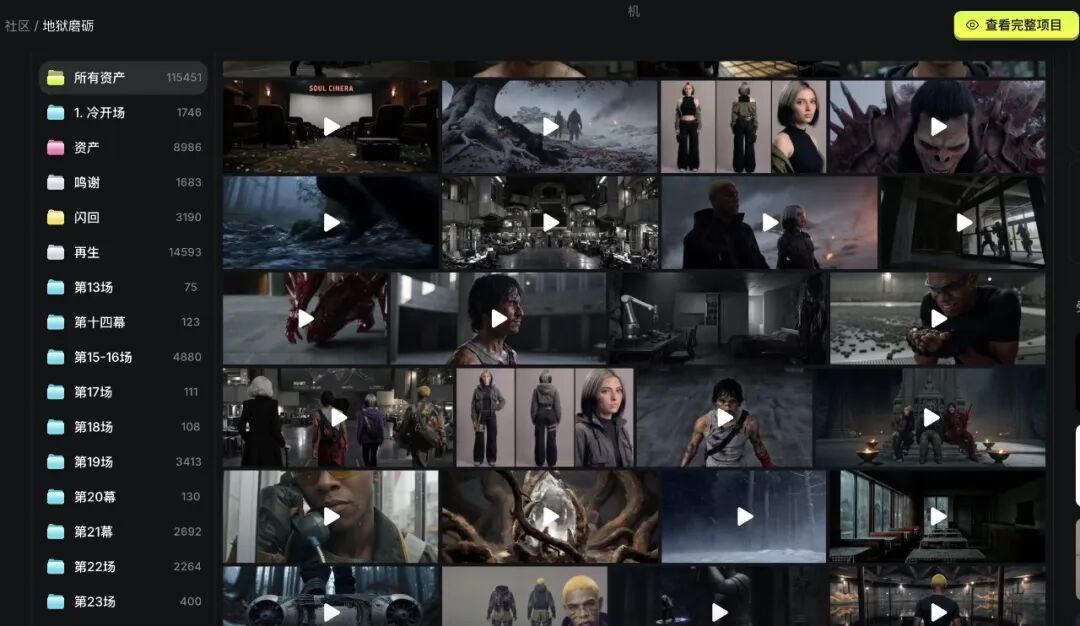
The full production process of Hell Forged has been open sourced
Why is the scrap rate so high? Because Higgsfield's goal is to build Hell Forged into a feature film that can support a 95-minute coherent narrative.
Video models have no memory, and the quality of individual clips is unstable. To ensure that the characters and scenes do not collapse across shots, the only way is to generate a huge amount of clips for screening. In this process, Higgsfield took many detours and summed up a set of AI film production methodology, which is exactly the most valuable by-product of Hell Forged.
There are some clever tricks in it that are well worth learning for latecomers.
Asset First
Do not generate a single frame until every character, scene and prop is locked and has passed stress tests. This rule saves more money than all the subsequent skills combined.
How to do it specifically? Each character is first made into a pair of "text description + reference image". The descriptive words are written into every prompt word word by word, and the reference image is used as an anchor point to ensure that the character is the same person in every frame.
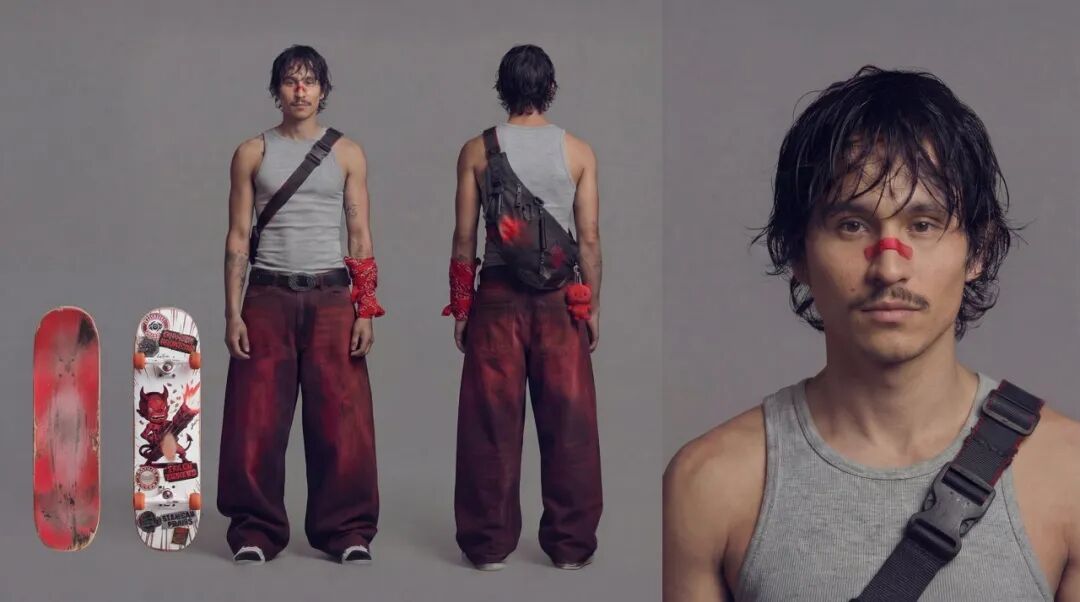
The character reference image is very particular, it contains three images: a close-up of the face, a full-body front view photo without the head, and a back view photo.
Removing the head sounds absurd, but it can avoid many discarded shots. Because in the panorama, the model always tends to borrow a blurry face from the small full-body photo. If the head is removed, the model has nowhere to borrow from, and can only use the face in the close-up.
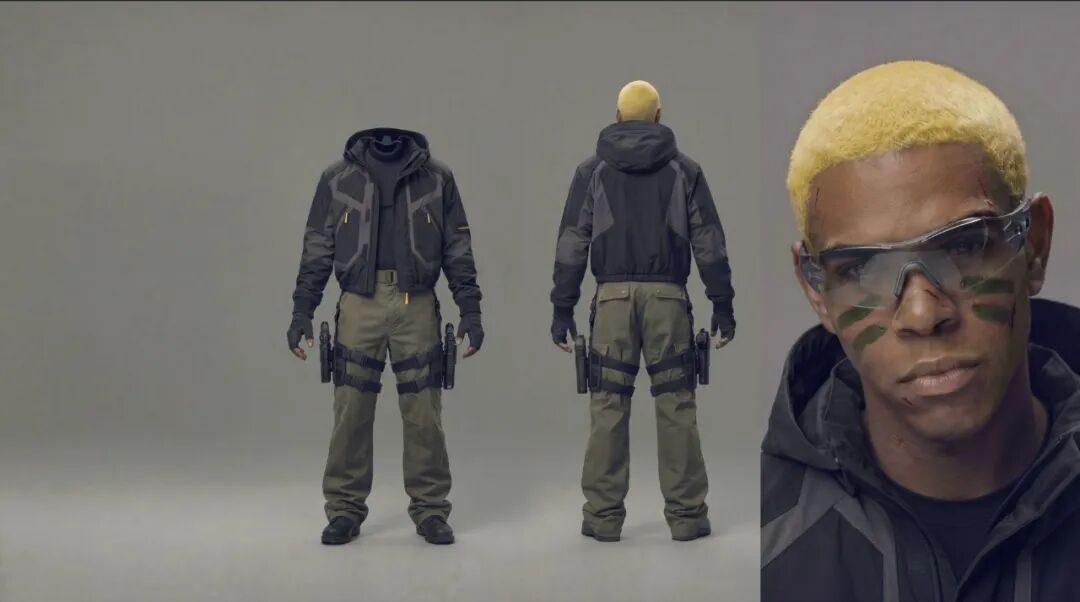
Character faces are generated in Higgsfield's self-developed character and face generation tool Soul Cinema. The team will select the "most realistic" image instead of the "most beautiful" one, and will check whether there is a highlight in the pupil. Without highlights, the face looks "lifeless".
Clothes and bloodstains are modified locally with masks. The same image will never be processed by the model twice, because each extra pass makes the texture more prone to distortion and the color more prone to deviation.
Each asset must also pass a stress test before being put into use: generate ten times for different poses and different lighting conditions; only if the character can be recognized in all ten generations, and can still be recognized when placed next to other characters and under the light of a real scene, can the asset be locked.
Give the model less freedom
AI has no memory. The more freedom you give it, the more absurd the distortion will be.
One of Higgsfield's tricks is the "space map": draw a pure floor plan for each scene, only marking landmarks, left and right directions, and camera positions, without writing characters or actions, but embed it into every frame, so that characters will not teleport or shift positions out of nowhere.
At the beginning of each shot, the Higgsfield team will first let the model "capture" the character's standing position and light for one second to establish a benchmark, so that the subsequent content will not be chaotic.
Every state of characters and scenes must also be split into independent assets, for example, daytime, night and rainy states of the same scene are three separate assets.