The first Hilton hotel in Northwest China has been renamed again, and its mysterious owner has still not made a public appearance.
Information from multiple OTA platforms shows that Hilton Xi'an R&F has been officially renamed "Hilton Xi'an City Wall".
As the first Hilton-branded hotel in northwest China, this property has welcomed its third owner after being held by Wanda and R&F successively.
Hotel Finance Review paid attention to the auction of this project three months ago, and a mysterious owner based in Shandong acquired the relevant assets at a discounted price. However, the new name of the hotel does not follow the usual "owner + brand" convention. Instead, it integrates the scenic spot characteristics of the project's location into the new name, which also reflects the low-profile and mysterious nature of the owner.
In fact, after R&F sold off its hotel assets, multiple capital forces tried to buy the assets at a low price, and the identities and backgrounds of the new owners of many hotel projects have become a hot topic in the industry.
What Hotel Finance Review pays more attention to is, from a longer-term perspective, who is the biggest beneficiary in this massive transfer of hotel assets? What changes and inspirations will it bring to the future development of local high-end hotels?
"Hilton Xi'an City Wall" is here, the owner remains mysterious
Although it has not been officially announced, the former Hilton Xi'an R&F has been renamed "Hilton Xi'an City Wall" on Ctrip. Many promotional images on this platform still show the trace of the original hotel name.
Hotel Finance Review noticed that the hotel is not accepting reservations for all remaining dates in August, and will officially reopen after September 1. The minimum reservation price of nearly 600 yuan conveys the competitiveness of this established high-end hotel to the outside world.
This hotel is the first Hilton hotel in northwest China, which opened in 2011. Initially, its owner was Wanda, and the hotel was named "Hilton Xi'an Wanda".
After the "century deal" in 2017, R&F took over, and its name was naturally changed to "Hilton Xi'an R&F".
This year, Hilton Xi'an R&F entered the auction market. In early May, during the second auction, a mysterious buyer from Shandong successfully "bottom-fished" at a price of 330 million yuan, which is 56% of the assessed value of the assets.
At that time, people had discussions about the identity of the new owner. During this renaming process, the owner still did not disclose relevant information about itself, but integrated the core selling point of the hotel's geographical location into the name.
The former Hilton Xi'an R&F is located inside the Ming City Wall of Xi'an, with many famous scenic spots around, and you can walk to the Ming City Wall, Bell and Drum Towers, Yongxingfang and other sites. It is not difficult to see that the "City Wall" element in the new name has a very clear positioning implication.
In fact, according to the publicly disclosed information, the buyer who snapped up the above assets at a low price is Yantai Shuhang Business Service Co., Ltd. This company, which was established only in September last year with a registered capital of only 500,000 yuan, is most likely the entity undertaking this acquisition, and there must be other capital forces behind it.
Tianyancha information shows that its controlling shareholder has been changed from a natural person to Hainan Zhenhao Technology Co., Ltd. The actual controllers of the latter are Yu Zhenyang, Yu Haoyang and Liu Fujuan, and Liu Fujuan is married to Yu Fanyi, the chairman and actual controller of Shandong Aiwei Energy Investment Group.
There are market rumors that Yu Zhenyang is the son of Yu Fanyi and Liu Fujuan, but this information has not been confirmed.
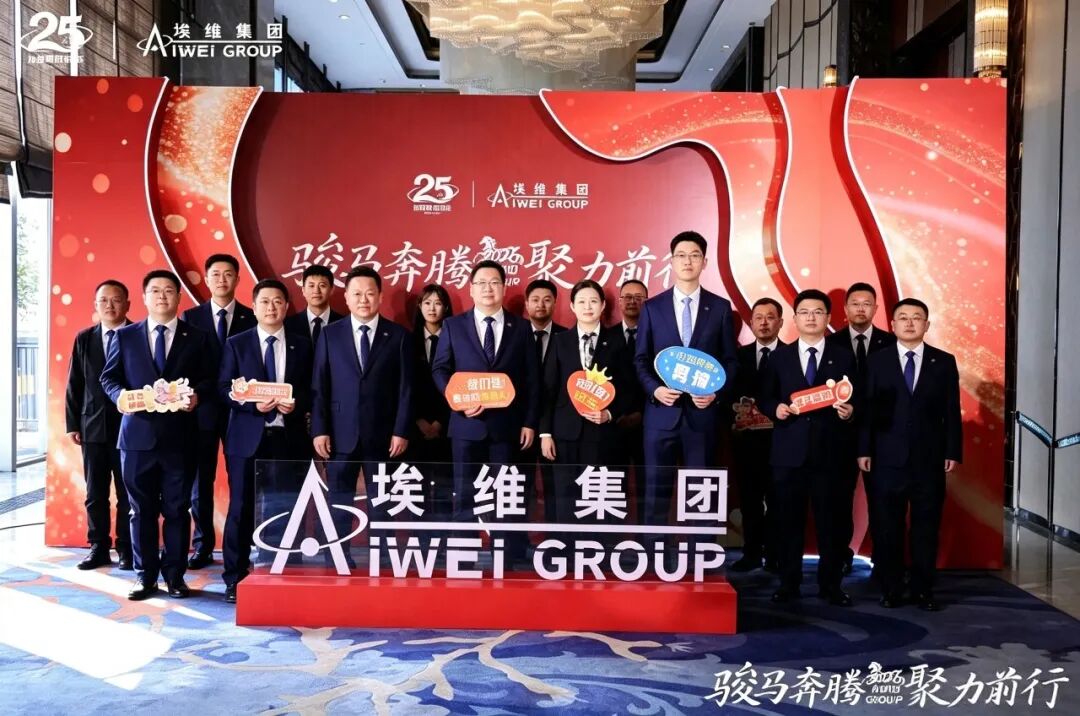
Yu Fanyi, Liu Fujuan, Yu Zhenyang (fourth, fifth, sixth from the left in the front row)
Hotel Finance Review noticed that the three are not only closely related in the "Aiwei System" enterprises, but also entered the top ten tradable shareholders of the listed company Oriental Electronics together in 2025.
In addition, Yu Fanyi and his wife were once the third largest shareholder of OLO Home. The two once shocked the market due to illegal share reduction.
Apart from their identities as investors, the Shandong Aiwei Energy Investment Group under their actual control owns industries including energy, trade, real estate, education, cultural tourism and hotels in Yantai.
In terms of cultural tourism business, as early as 2023, the company acquired the assets of Yantai Binhai Holiday Hotel through judicial auction. In 2026, it signed a contract with InterContinental Hotels Group to build the first five-star hotel named "InterContinental" in Yantai, which is scheduled to open in May 2027.
In fact, this kind of story that family assets accumulated from the original main business are invested in real estate that can be inherited across generations has been staged continuously in the past two or three years, and many high-end hotels are the main conversion paths.
As for Hilton Xi'an City Wall, the problem facing the new owner is that the hotel is a little old. Before the acquisition, the property had been in operation for 15 years, which means that the demand for redecoration and renewal is increasingly urgent.
"R&F Hotels suffered losses, all kinds of capital gained profits"
In the "century deal" in 2017, R&F Properties acquired 71 hotels from Wanda and became the largest owner of luxury hotels in the world. However, restricted by its own capital liquidity problems, R&F has pushed these assets into the judicial auction market.
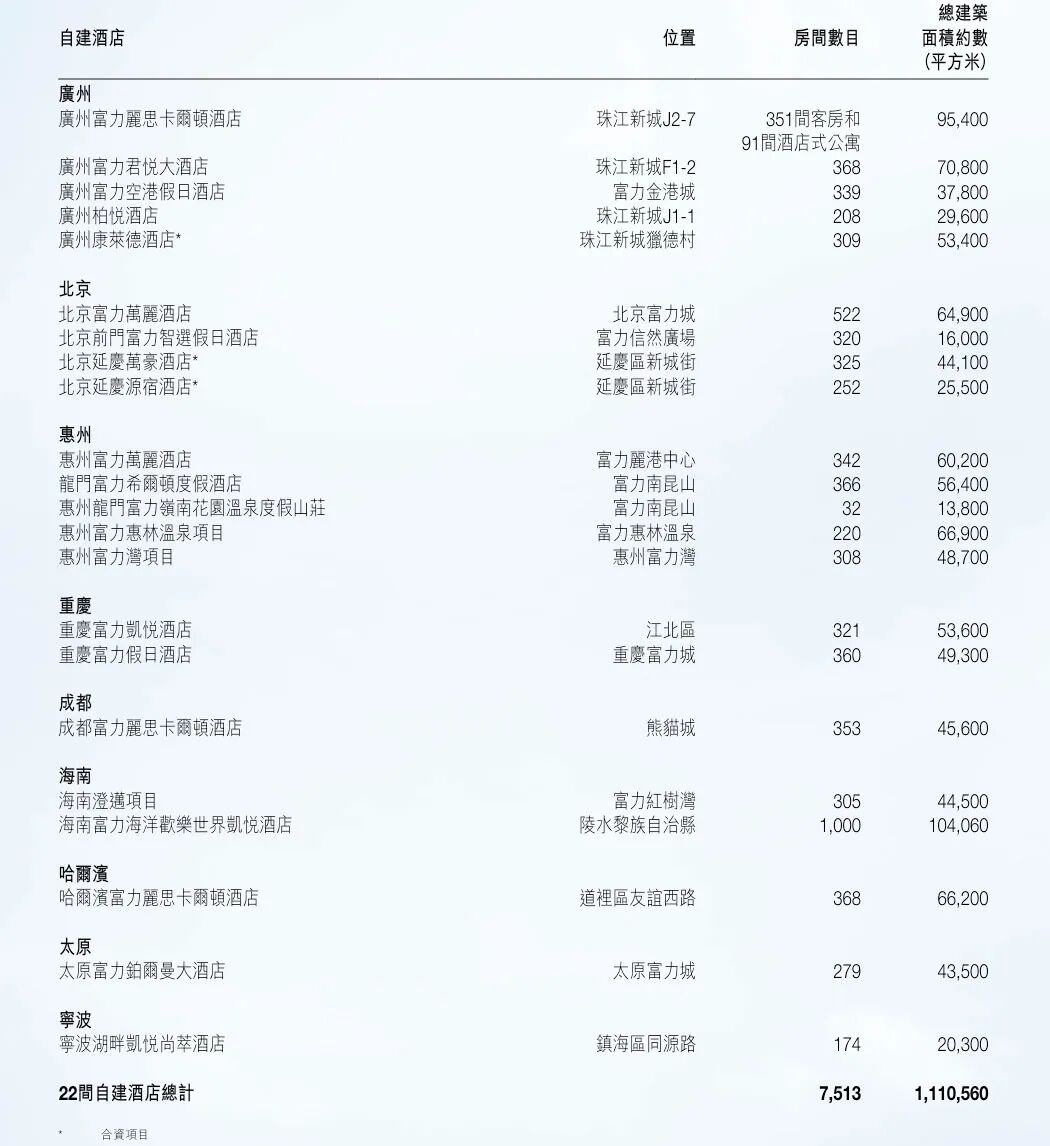
Source: 2025 Annual Report of R&F Properties
According to statistics from media on the information of JD Asset Trading Platform and Ali Asset Platform, there have been 32 R&F hotel asset auction projects applied for execution by China Merchants Bank Guangzhou Branch, involving 33 hotels and 1 office building.
The projects still in the auction process include Hilton Harbin R&F, InterContinental Tangshan R&F, Hilton Dalian R&F, Wanda Realm Bengbu Anhui R&F, Wanda Realm Nanning Guangxi R&F, Wanda Realm Dongguan Guangdong, Wanda Realm Fushun Liaoning R&F, etc.
Among the nearly 20 projects that have been completed, the transaction price of Hilton Xi'an R&F is not high. Hotel projects in Quanzhou, Zhengzhou, Kunming and other places all fluctuate around 300 million yuan, and the highest one is the Changsha project with a transaction price of more than 500 million yuan.
Hotel Finance Review noticed that the new owners who took over the above projects show a high degree of complexity in their identities and backgrounds.
The owner of Hilton Xi'an City Wall is an energy capital from Yantai; Bi Weiguo, a building materials tycoon in Ningbo, successively acquired three R&F hotels through auctions; Xu Shiyong, the owner of a chain car wash shop in Yiwu, acquired Wanda Realm Yiwu R&F; Rong'ai Beijing Medical Investment, which bought Le Meridien Qingdao, is deeply engaged in the medical, elderly care and health industries; Zhengzhou Cultural Tourism Group and enterprises under the actual control of the State-owned Assets Supervision and Administration Commission of Shiyan City also acquired the relevant R&F hotel assets in their respective provinces.
There has always been a joke in the industry: R&F Hotels fell, all kinds of capital got full.
In fact, this investment logic is easy to understand. Many of R&F's hotel assets in first-tier and quasi-first-tier cities still have competitiveness. The sell-off is mostly due to its own capital problems, and has little to do with the operating conditions of these hotel projects.
At the same time, in many other industries, many family enterprises rooted in traditional industries have accumulated more family assets.
However, the growth of their main business is restricted, and other investment projects face great uncertainty. Hotels, as a business form with stable cash flow and intergenerational inheritance value, have become the main export of investment. However, this kind of investment still greatly tests professional ability and vision. Because overall, the overall profitability of R&F's hotel sector is still in a loss state.
The annual financial reports of R&F Properties show that its hotel sector suffered losses of over 900 million yuan, over 3.6 billion yuan and nearly 1.2 billion yuan in 2023, 2024 and 2025 respectively. It should be noted that most of the losses come from heavy financial costs, depreciation, asset impairment, etc., which is not equal to the operating loss of the hotel projects themselves.
According to the information obtained by Hotel Finance Review, the high-end hotels of R&F in the core locations of high-tier cities still have strong profitability, but some projects in second- and third-tier cities are still in a loss state.
In addition, most of R&F's hotel assets are positioned as high-end business hotels. In this segmented track, there are more and more competitors, and the richness of its products still has certain deficiencies.
For all kinds of capital eager to take over, "bottom fishing" is acceptable, but it should not be blind. Hotel Finance Review suggests that all kinds of capital should make the optimal choice among city, location and brand.
Who will own the future high-end hotels?
When a lot of capital with hot money crosses into this field, its impact on China's high-end hotel industry is obvious.
First of all, the era of real estate hotels is gone forever. The contractor, the owner and the brand party are completely separated. This model allows professionals to do professional things.
In the past, real estate enterprises were the construction party of the buildings, and also the owner of the properties. Even after using international brands, they could still interfere in the hotel operation.
At present, the owner only makes investments, and the hotel operation is entrusted to a professional hotel management group, without interfering too much in the daily operation affairs.
For high-end hotels, Hotel Finance Review does not recommend that owners blindly develop self-operated brands. At the current stage, high-end hotels need to balance the revenue per unit area and operating efficiency, and at the same time achieve brand premium and asset appreciation. Frankly speaking, many cross-industry capitals can hardly take all these into consideration.
Second, with the diversification of owner identities, the possibility of industrial integration in the future is greatly improved.
Rong'ai Beijing Medical Investment, which acquired Le Meridien Qingdao, has spread the news that it will focus on health and wellness hotels, which is conducive to breaking the homogenization dilemma of high-end business hotels.
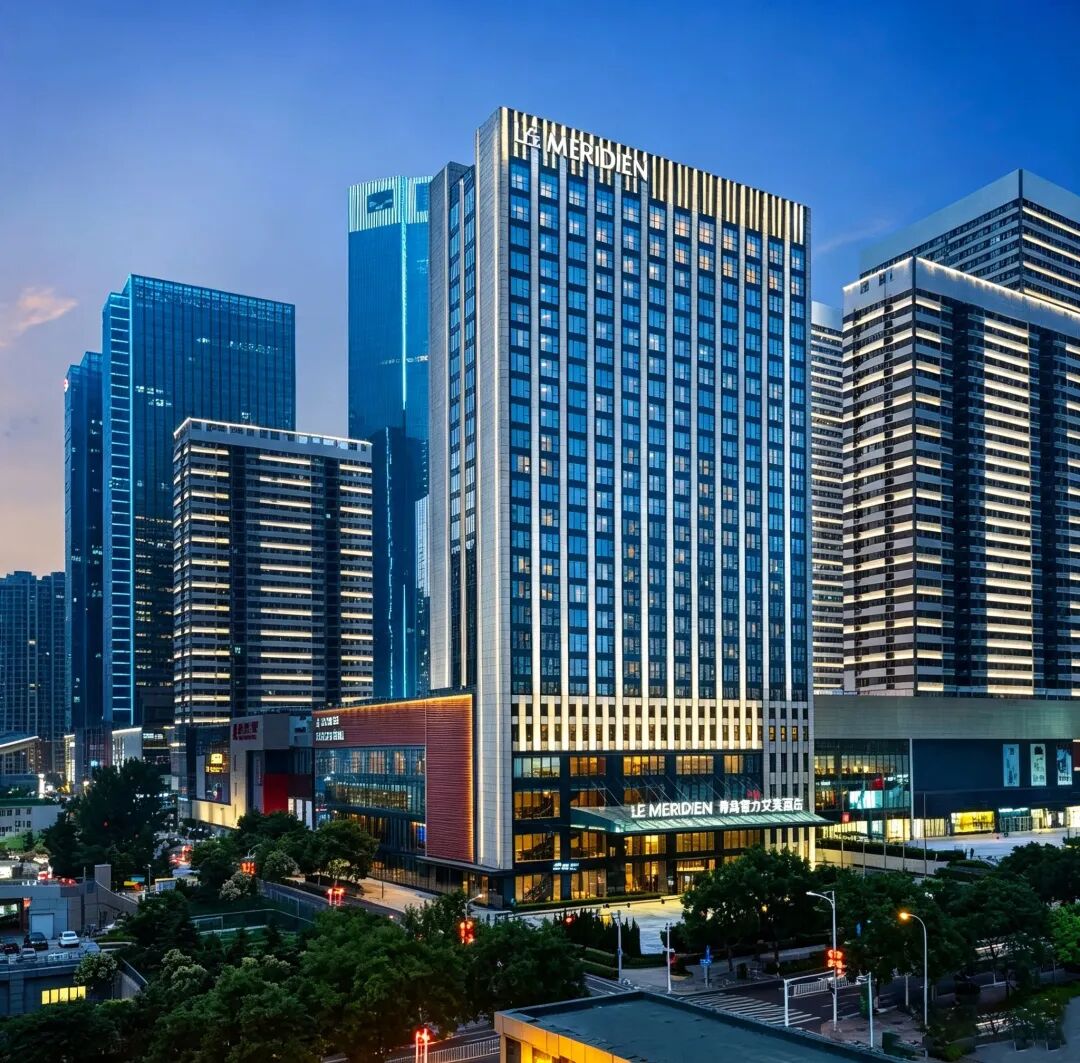
Le Meridien Qingdao R&F; Source: Ctrip
Not only medical capital, after manufacturing and energy capital enter the market, they will also bring new demands such as exhibition and industrial reception. In the future, high-end hotels will no longer be just a simple carrier for business travel accommodation, and can extend to diversified forms such as industrial exhibition hotels and health and wellness hotels, the proportion of non-room revenue is expected to further increase, breaking away from the involution track of simply competing on room price and hardware configuration.
However, integration is not as simple as superimposing business forms. How to convert the main business resources into implementable hotel products is a problem that cross-industry owners need to solve.
Finally, the future high-end hotels will gradually get rid of the supporting role, and the core competition will turn to stock property renovation and refined operation. In this process, local high-end hotel brands welcome new development opportunities.
At present, a large number of high-end hotel properties have changed hands, and the asset value is no longer tied to land dividends, but defined by occupancy rate, average room rate and operating cash flow.
In this wave of stock restructuring, local high-end hotel brands are facing rare development opportunities. Many cross-industry owners, out of the consideration of controlling management fee costs and adapting to domestic consumption demands, voluntarily break away from the international brand trusteeship system, and throw out trusteeship olive branches to local high-end brands such as Jin Jiang, Huazhu, Jinling and Junsu.
Local brands have a better understanding of the needs of domestic business travelers, and have advantages in stock renovation and localized service creation. They are expected to undertake a large number of stock renovation projects, and gradually rewrite the brand pattern of domestic high-end hotels.
However, it should also be noted that the future of high-end hotels never belongs to the capital that only holds the properties, but to the participants who understand assets and are more proficient in operation. The property is only the foundation, and what really determines the value of the hotel is still the service capability, product power and brand power.
This article is from the WeChat official account "Hotel Finance Review", author: Lao Dian, published with authorization from 36Kr.