Earn 350,000 yuan from one single IPO share allotment? Behind the IPO frenzy of Unitree, Wang Xingxing was asked "Are you a remote-controlled toy company?"
The final IPO lottery results for Unitree Robotics have been officially released, with a total of 19414 valid winning numbers online, the final winning rate stands at roughly 0.018%, far lower than the 0.47% winning rate of Changxin Technology.
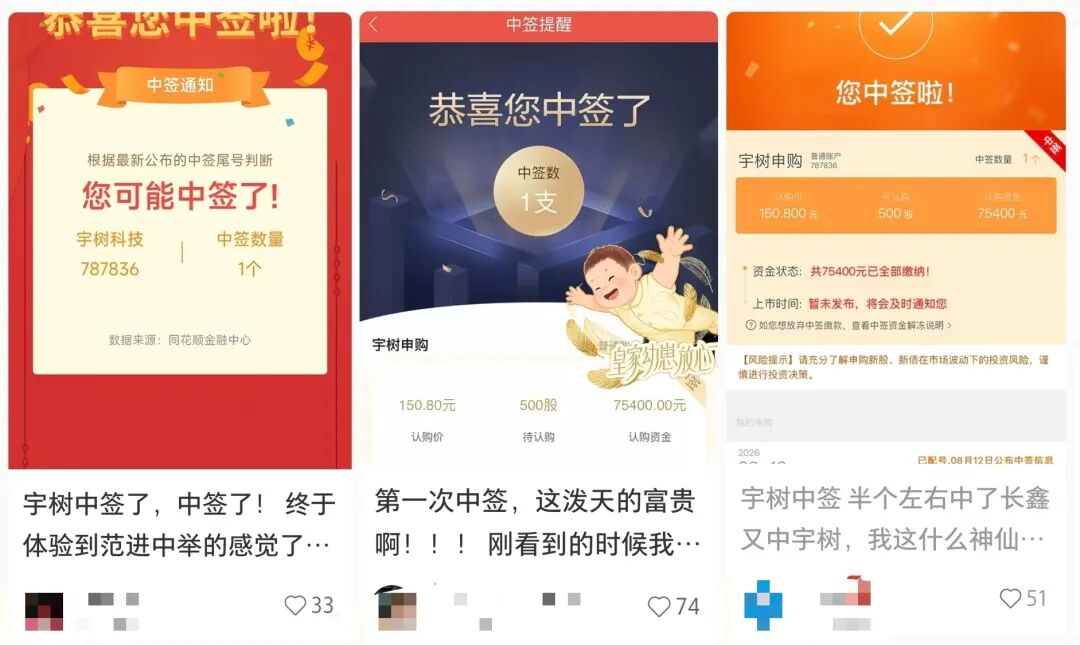
Image Source: Internet
As soon as the lottery results came out, a wave of sharing winning records immediately swept across social platforms. If measured against the 466.61% average first-day gain of new STAR Market stocks this year, the profit from one winning allotment could reach 351,800 yuan.
However, behind the hype, concerns from investors have also emerged simultaneously.
The issue price of 150.80 yuan per share is 45% higher than the 104 yuan previously estimated by the market based on the fundraising amount. Even CITIC Securities, the sponsor of Unitree Robotics, set a target market value of 50.6 billion to 55.9 billion yuan for the 6-to-12 month period before the inquiry, which is lower than the 60.993 billion yuan issuing market value.
Is Unitree Robotics really worth long-term allocation? These questions have lingered in investors' minds ever since the new share subscription opened.
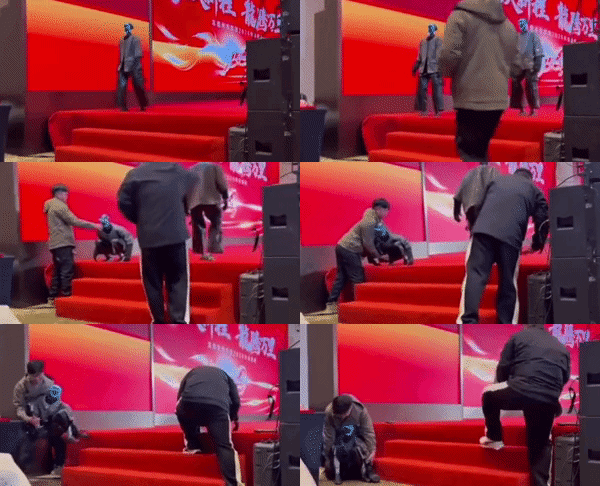
Many netizens believe that current humanoid robots are nothing more than "remote-controlled toys". For example, at the annual meeting of a certain enterprise, two Unitree robots could not even walk down the steps after their performance, and had to be carried off the stage by staff members in the end.
If we set aside the issue of the current technical maturity of humanoid robots for now, is there an existing reference that can help us predict the future development path of Unitree Robotics?
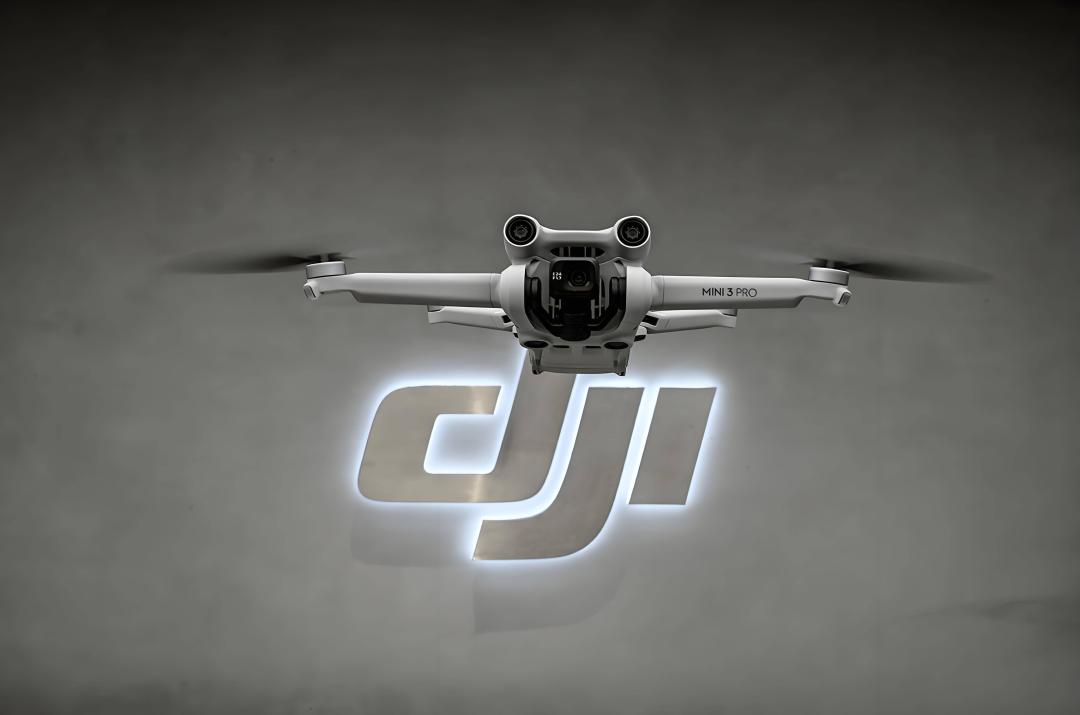
Photo shows DJI's drone products. Image Source: Internet
A sample that may be used for reference is DJI.
The two companies not only have past investment connections, but Unitree's current development path is also highly similar to the strategy DJI adopted in its early years.
So is investing in Unitree Robotics buying a capital story, or betting on the next DJI in advance? How long will it take for the "Phantom Moment" when humanoid robots ignite the mass market to arrive?
01
The Departure of a "DJI Man"
Wang Xingxing's career started right at DJI.
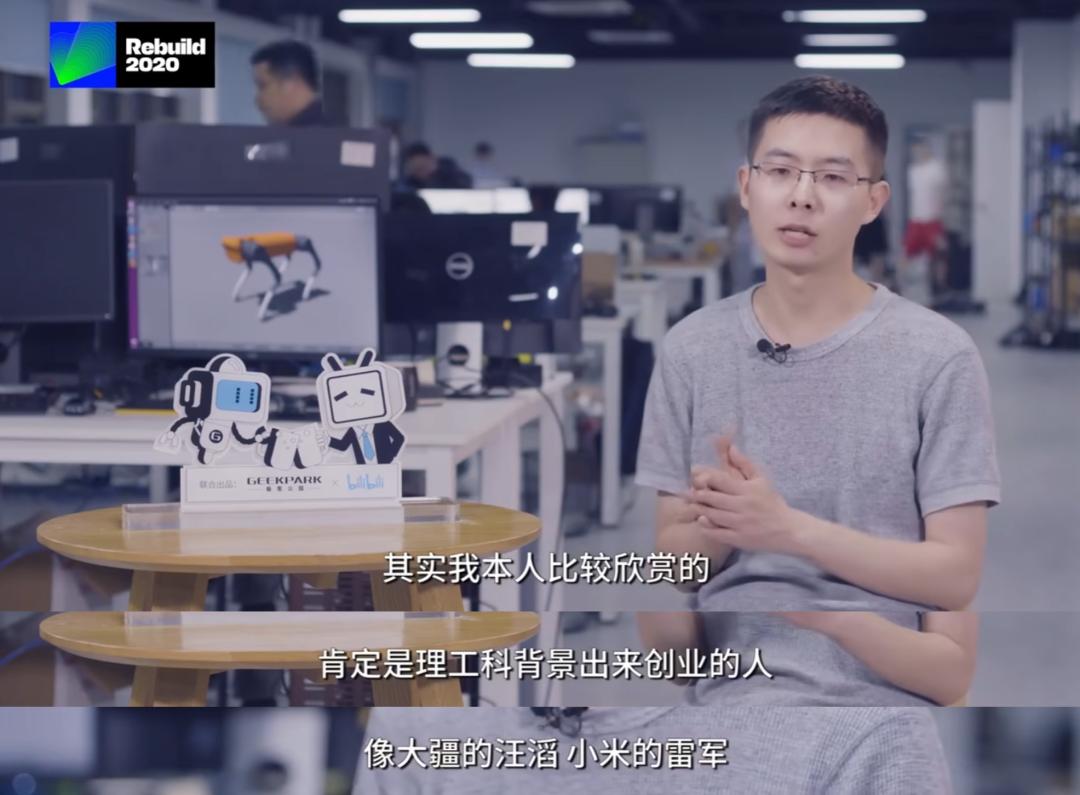
Photo shows Wang Xingxing in an interview in June 2020. Image Source: Internet
When asked about the entrepreneur he admires most, the first name that comes to Wang Xingxing's mind is DJI founder Frank Wang.
Back in 2016, Wang Xingxing, who had just graduated with a master's degree, received an offer from DJI to work on motor control related tasks. But he left the job after only two months.
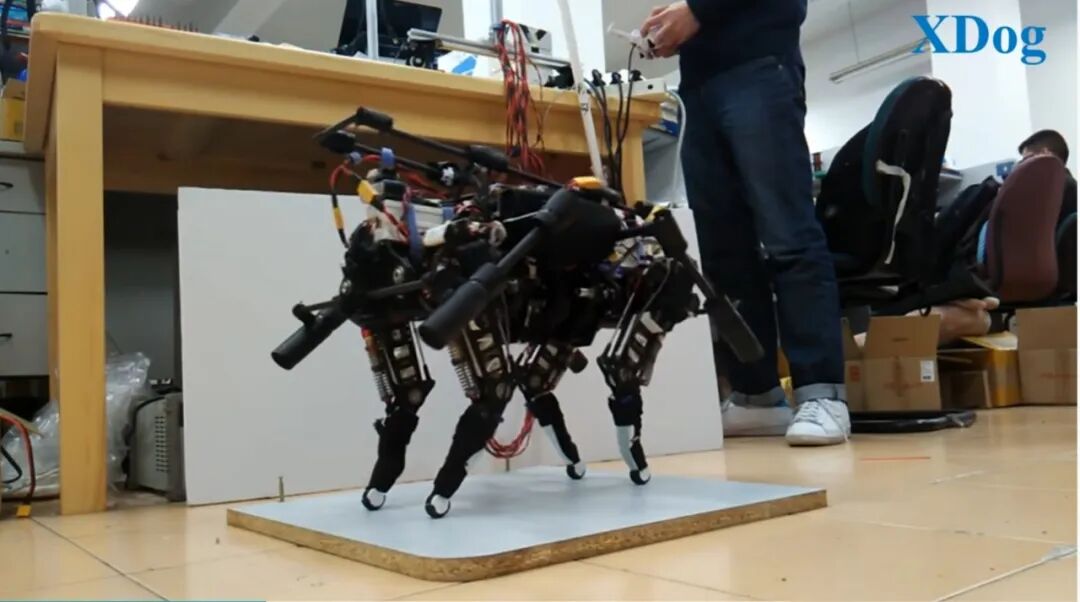
Photo shows the XDog robot developed by Wang Xingxing. Image Source: Internet
Shortly after joining DJI, the test video of the XDog quadruped robot he developed during his master's studies unexpectedly went viral overseas. Some investors took the initiative to contact him, so Wang Xingxing decided to resign and start his own business.
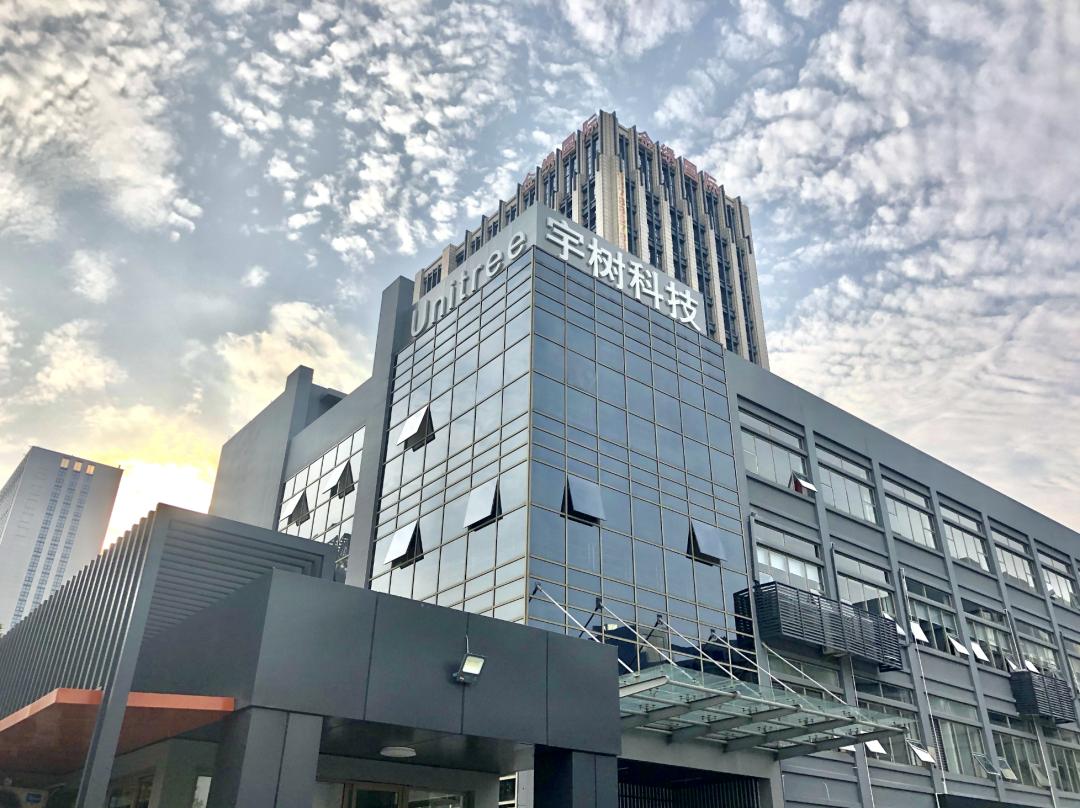
Photo shows the office of Unitree Robotics. Image Source: Internet
After leaving DJI, Wang Xingxing spent a whole month in Shenzhen looking for investment. Due to the overly strict terms from institutional investors, he finally only received 2 million yuan from an individual investor to register Unitree Robotics.
Wang Xingxing later recalled his mood when he first started his business in 2016: "I had no capital on hand, I had quit my job, the investor's money had not arrived yet, and I was always worried that large companies would also enter this track. That kind of anxiety was far more intense than in all the following years, even more than now."
But the fate between DJI and Unitree did not end there. Two years after Unitree Robotics was founded, DJI had a chance to "make up for it".
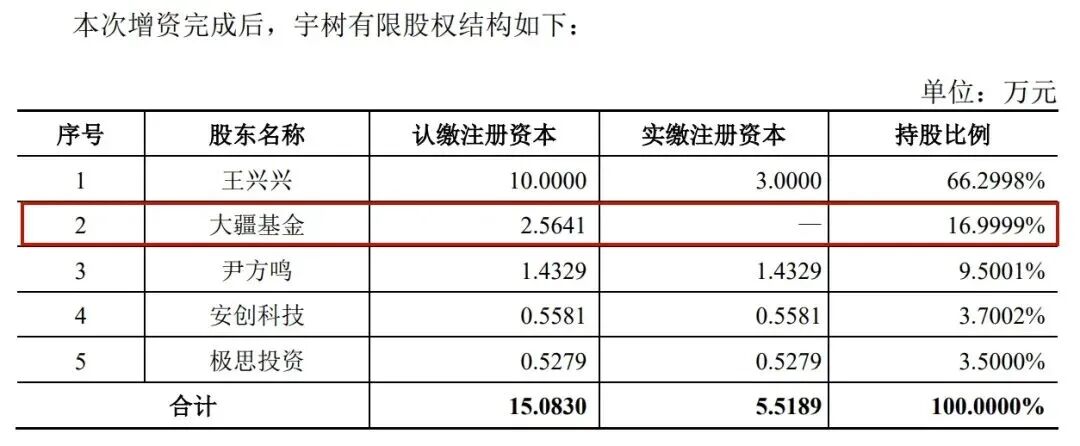
Photo shows the equity structure of Unitree after the second capital increase in 2018. Image Source: RSM Audit Report
In April 2018, DJI's subsidiary DJI New China PE Fund-1 L.P. signed a Capital Increase Agreement with Unitree Robotics, planning to invest 10.1286 million yuan (1.53 million US dollars) to subscribe for 25,641 yuan of new registered capital of Unitree Limited. After the transaction, DJI would hold approximately 17% of the shares, corresponding to a post-investment valuation of about 60 million yuan.
This capital increase once completed the industrial and commercial registration, making DJI the largest external shareholder of Unitree at that time, but the funds were not actually paid in, so the investment was not finally implemented.
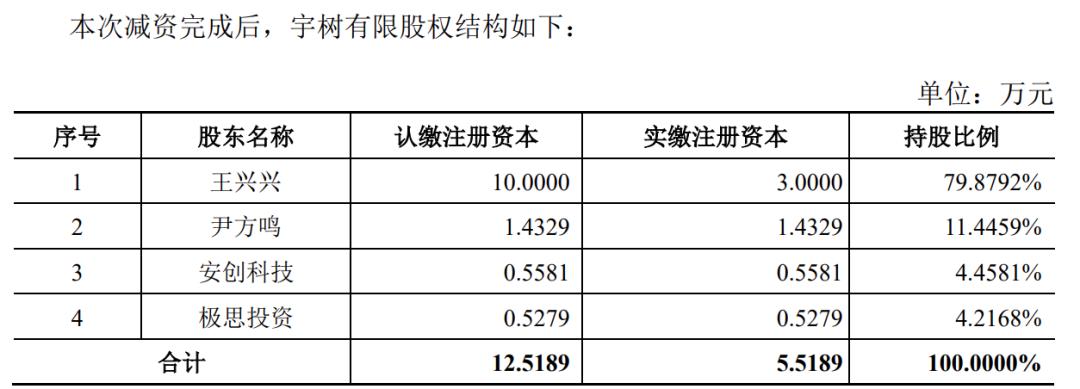
Photo shows the capital reduction of Unitree in 2019. Image Source: RSM Audit Report
According to reports from multiple media outlets, the DJI investment professional in charge of this project at that time was implicated in a large-scale internal anti-corruption review at the company, and all external projects of the investment department were suspended for re-examination.
As a result, the DJI fund launched the exit process through capital reduction. On August 28, 2020, the relevant industrial and commercial change registration was completed, and DJI New China was officially removed from Unitree's historical shareholder list.
Calculated based on the issue price of 150.80 yuan per share and the total post-issue market value of about 61 billion yuan, referring to the dilution ratio of early shareholders such as Jisi Investment in the same period (about 5.2 times), the actual corresponding market value of the equity that DJI planned to hold after IPO is about 1.984 billion yuan.
Interestingly, in the years when Unitree has been steadily moving forward from quadruped robots to humanoid robots, its old employer DJI has also quietly shifted its focus from the sky to the ground.
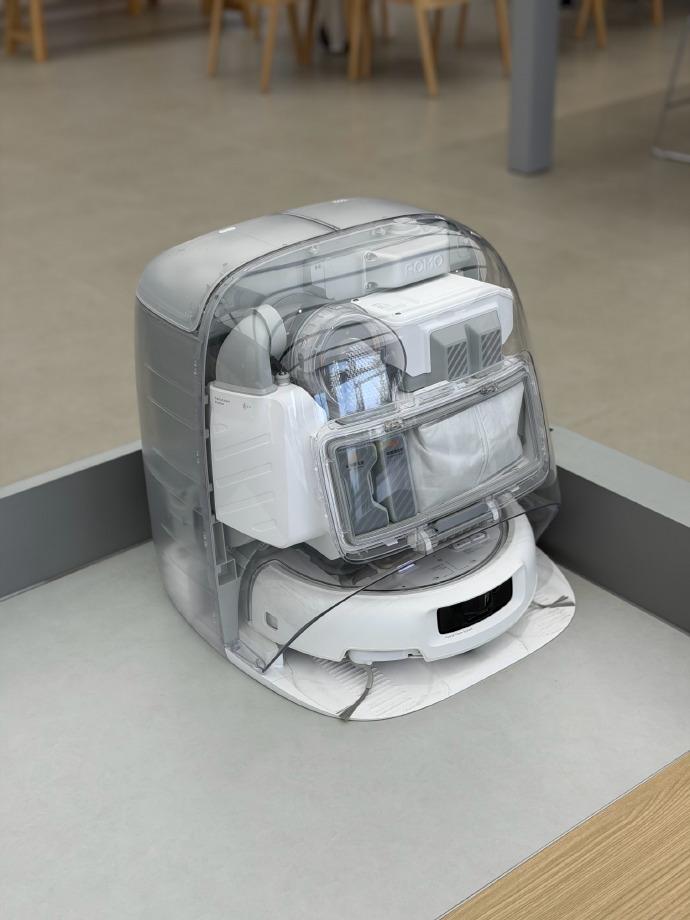
Photo shows DJI's ROMO sweeping robot. Image Source: Internet
In December 2023, DJI changed its business scope to add "intelligent robot R&D". On August 6, 2025, DJI's first sweeping robot ROMO was officially launched globally, with technologies directly migrated from the visual SLAM, lidar and path planning algorithms accumulated in the drone field.
According to public patent information, DJI holds a number of valid invention patents in the field of motor control. The underlying technologies involved, including motor drive, multi-motor coordination and torque control, are highly homologous to the core capabilities required for joint actuators of humanoid robots.
Therefore, although the track DJI has currently chosen does not overlap with Unitree, in terms of technical capabilities, DJI can enter this field at any time.
02
Is Unitree Replicating the "DJI-style" Strategy?
What is the "DJI-style" strategy?
It means first grasping the most core components and algorithms in the industrial chain, opening up the technological gap through self-research and self-production, then lowering prices through in-depth supply chain integration, taking the lead in opening up the mass market with cost-effective products, and extending the technology base to industry-level scenarios with high willingness to pay, and finally locking in its leading position through scale effects and ecological barriers.
By reviewing DJI's rise in the drone track, we can feel the power of this strategy more intuitively.
The lifeline of drones is the flight control system, which directly determines whether the aircraft can fly stably, whether it will crash, and whether it can return automatically when the battery is low.
In the early model aircraft community, the bulk purchase price of a third-party flight controller was as high as 200-400 US dollars per set, and users also needed to manually adjust parameters, making newbies very prone to crashing the aircraft.
Since its establishment, DJI has been committed to full-stack self-research of flight control systems, keeping core capabilities such as multi-sensor fusion attitude control algorithms, GPS hovering, one-key return, and low-battery forced landing in its own hands, solving the industry pain points of "unstable flight and easy loss".
The direct result of independent technology research is that DJI has gained the initiative in pricing.
DJI replaced high-priced imported components with self-developed flight controllers and gimbals, cutting most of the cost of core components, while using the smartphone industrial chain to further dilute costs.
As a result, drones gradually moved from the expensive model equipment category to the price range of mass consumer electronics.
In 2013, the Phantom 1, priced at 679 US dollars, took the lead in opening up the mass market and ignited the consumer drone category.
The mature software and hardware technology base was soon extended by DJI to industry-level scenarios such as film and television aerial photography.
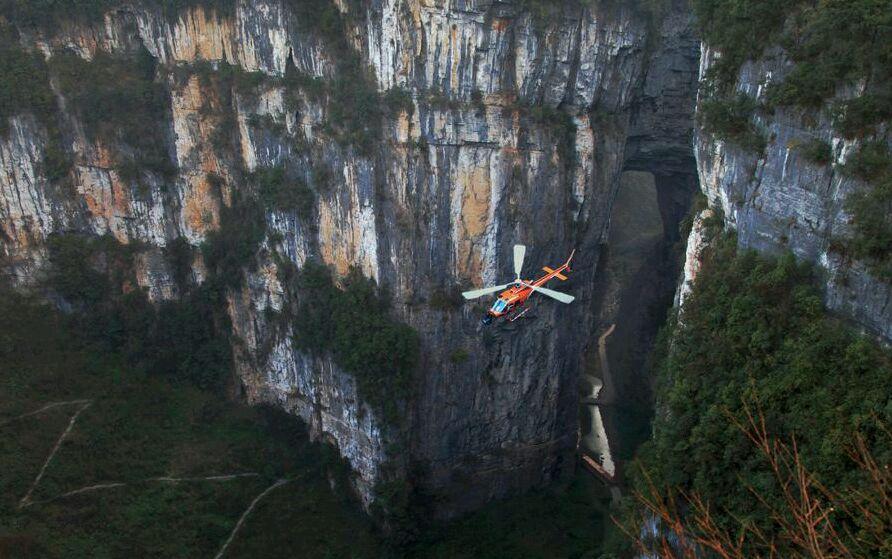
Photo shows the helicopter shooting scene of "Transformers 4". Image Source: Internet
During the filming of "Transformers 4" in 2014, the high-altitude panoramic shots relied on a manned helicopter carrying a Shotover K1 professional gimbal worth more than 3 million yuan, with a daily rental cost of over 10,000 US dollars and a crew of more than ten people.
In the aerial shot of the Tianlong Bridge cave in Wulong, the helicopter propeller was only 3 meters away from the cliff, which was extremely risky. Moreover, action shots in narrow terrain and low-altitude shuttle could not be completed by helicopters at all.
It is precisely these blind spots of traditional solutions that gave DJI the opportunity to enter the market.
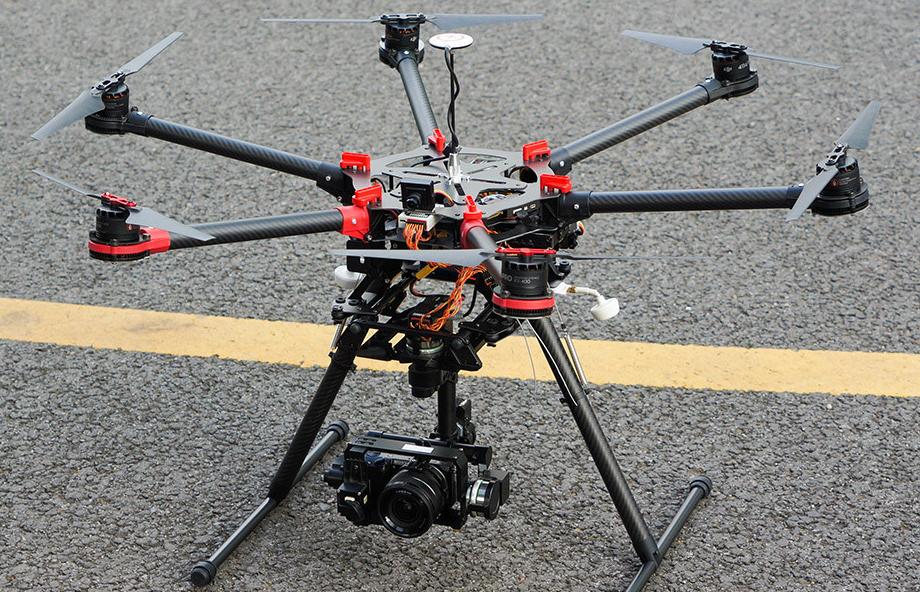
Photo shows DJI S900 equipped with a camera. Image Source: Internet
In the same period, DJI's professional S900 model had been applied in the overseas film and television industry, greatly reducing the cost of film and television aerial photography. Since then, drones have gradually changed from "auxiliary supplements" to core equipment in the film and television field.
After sales volume increased, DJI's scale advantage was fully demonstrated.
Around 2015, DJI captured nearly 70% of the global consumer drone market share, and its bargaining power over the supply chain was unmatched by other competitors.
As a result, DJI's new products every year came with more configurations and lower prices. Competitors either followed the price cuts and lost money until their cash flow broke, or held on to their original prices and watched their market share being eroded.
What is more insurmountable than scale is the user ecosystem cultivated over a long period of time.
DJI integrated flight control, one-click shooting, and automatic editing into its official APP. Ordinary users can edit a short video suitable for sharing on social media within ten minutes after finishing a flight.
Countless third-party accessory manufacturers produce filters, batteries and storage bags for DJI products. Even in the second-hand market, the retention rate of DJI products is much higher than that of other brands.