Elon Musk has created an AI drudge: it logs into your account to do all the work on your behalf, yet it is also the AI with the least sense of boundaries by far.
Recently, Grok has been on a roll. A few days ago, its image generation model went viral overseas, and today Elon Musk launched a new AI workhorse — Grok Bot, which can directly log in to your account to help you get work done.
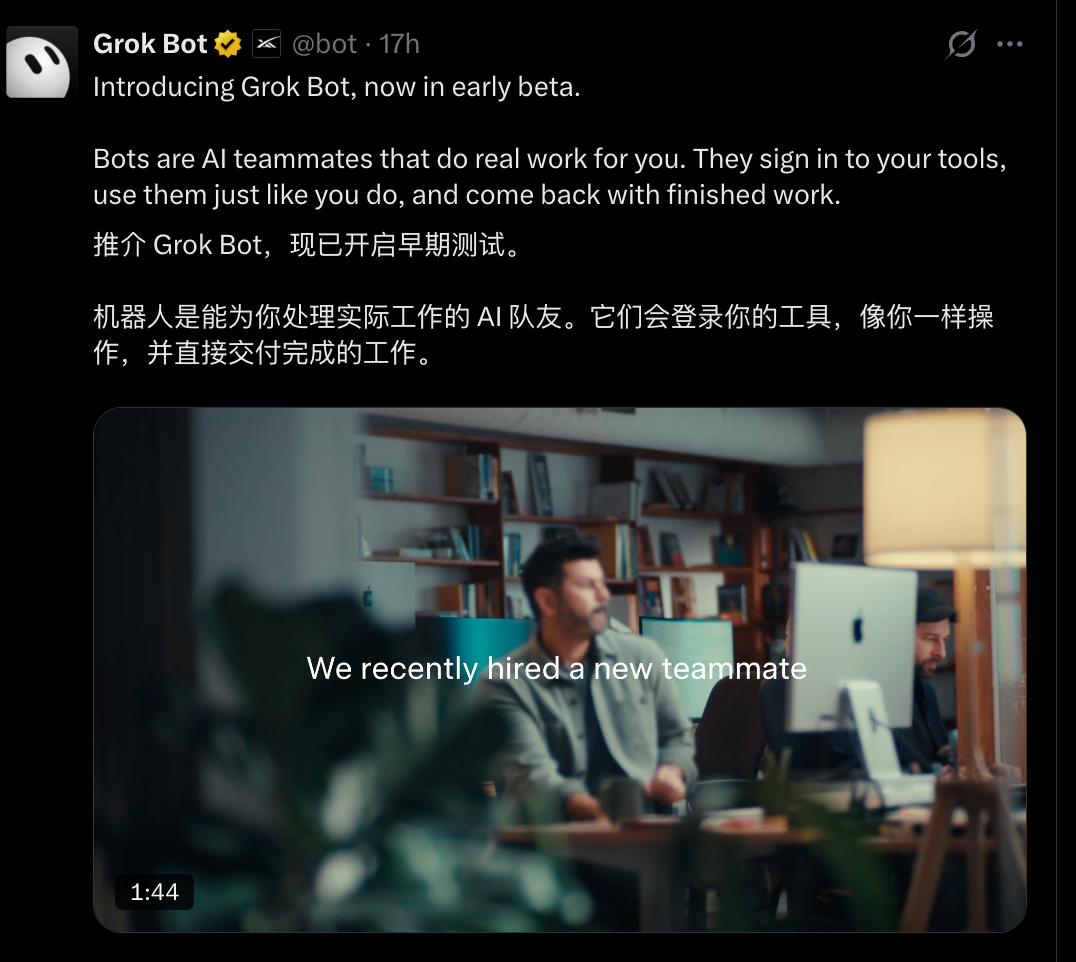
Each Bot is equipped with a dedicated small cloud computer that runs around the clock, independent of whether your laptop is powered on. You can set it to start pulling data and organizing reports as early as 5 a.m., so everything is fully prepared by the time you wake up.
It can log in to the apps and websites you already use, memorize how you handle tasks, observe the entire workflow you perform, and then solidify this process into a reusable operation template. You don't need to re-explain your requirements every time, as it already knows your working style.
Multiple Bots can run simultaneously. They can communicate with each other to collaborate on complex tasks, and only reach out to you at nodes that truly require human judgment.
Bots can also create new Bots, which can have their own names, avatars, job titles, and be displayed in groups on the sidebar.
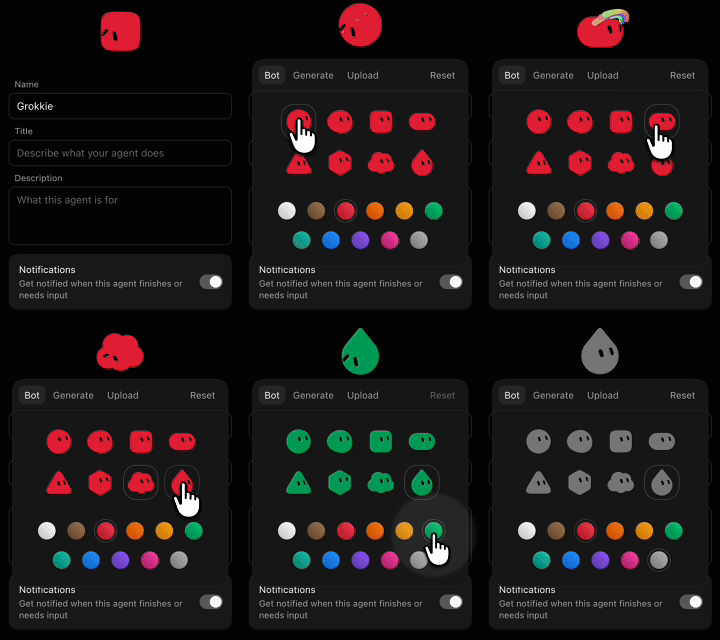
Its level of completeness exceeds most people's expectations for AI tools.
In February this year, SpaceX merged with xAI. In June, it acquired Anysphere, the parent company of programming tool Cursor, for $60 billion in an all-stock deal. In July, xAI was officially renamed SpaceXAI.
In fact, the prototype of Grok Bot is a heavyweight Agent product originally developed internally by Cursor, codenamed "Sand". It had to be rebranded after Cursor was acquired.
The download entry and billing system of Grok Bot are now built on Cursor's infrastructure, which is why you cannot use it without subscribing to Cursor's service system.
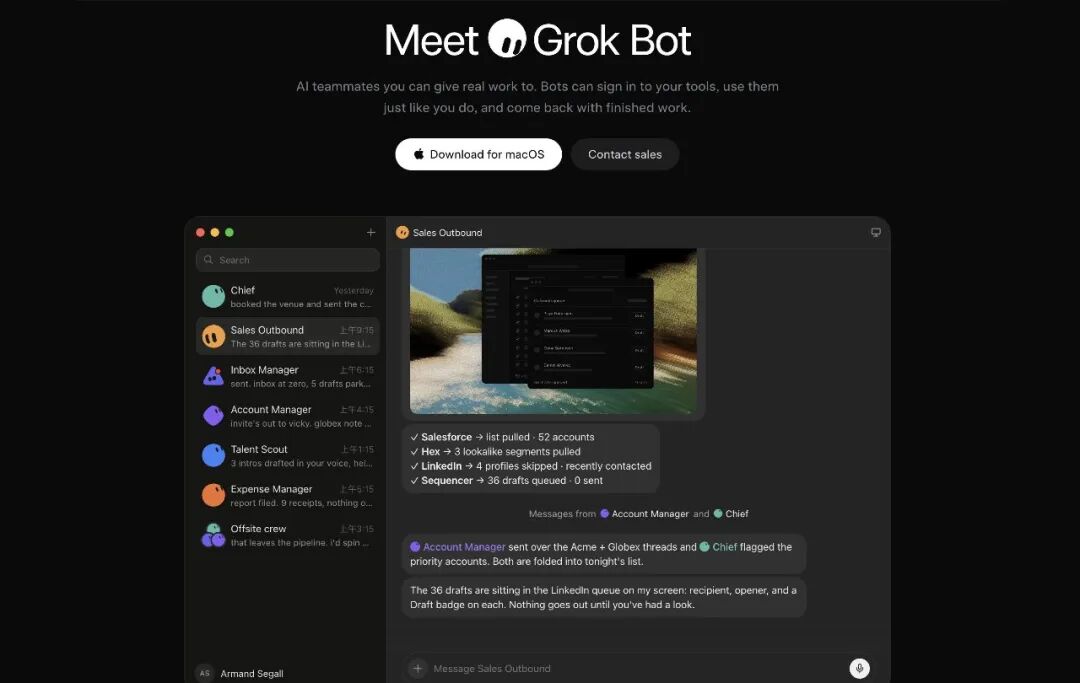
Grok Bot is currently available to subscribers of SuperGrok Heavy ($300 per month), Cursor Ultra ($200 per month), and Cursor Teams Premium ($120 per month). It is available on desktop and iOS, has not been launched on Android, and enterprise users need to apply to join the waiting list.
Experience link: https://x.ai/bot
Giving You the Power of Multiple Arms
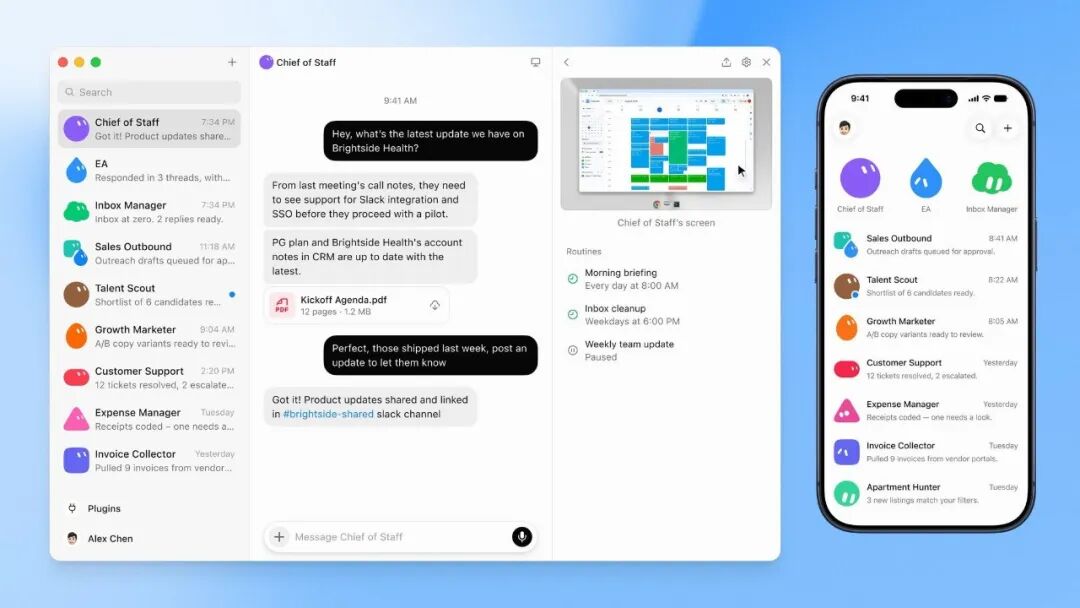
Early users said that Grok Bot is not like an assistant that needs constant manual prompting, but more like a work partner that can be assigned to a highly capable team member.
Compared with those AI assistants that stop after producing a draft, Grok Bot aims to complete the entire workflow down to the very last step.
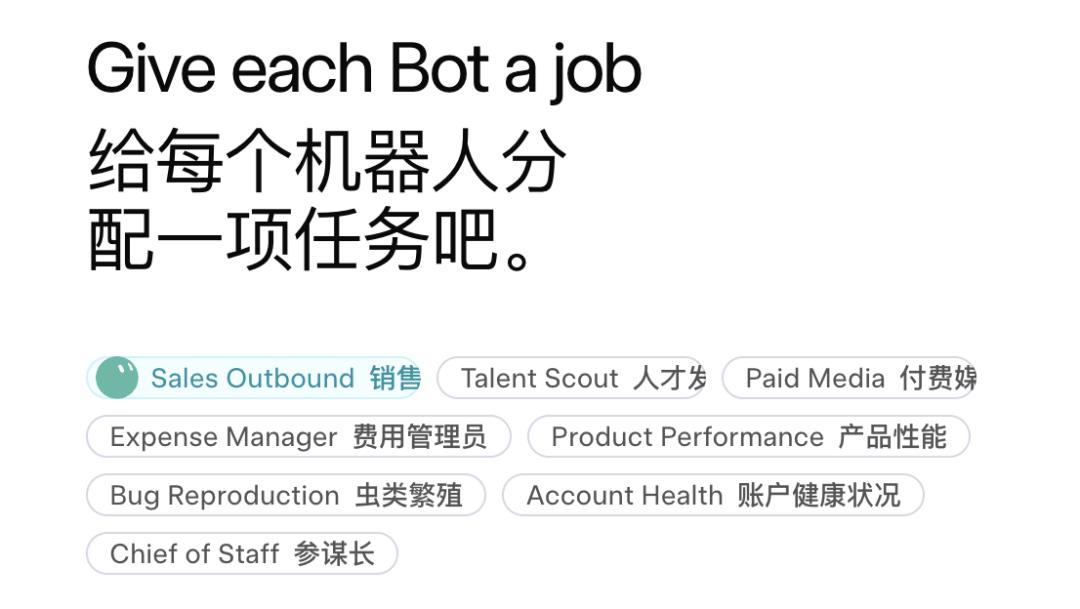
As the "boss", you can create Sales Bot, Recruitment Bot, Expense Bot, Bug Reproduction Bot, and have all of them online at the same time.
The Sales Bot can research customer accounts and draft emails overnight, leaving the results for your review in the morning. The Operations Bot handles new employee onboarding and extracts receipts from Gmail for archiving. The Engineering Bot reproduces bugs, submits work orders, and transfers fix tasks to the Debug Bot.
Each Bot has exclusive computing resources in the cloud, can directly open browsers, log in to websites, fill out forms, click buttons, and continue to advance tasks without waiting for your next instruction in the middle.
Traditional software that does not provide API interfaces or MCP support can also be operated by Grok Bot, because it operates directly on the interface layer exactly the same way you do.
It is said that xAI's internal teams have been using this system for quite a long time.
Matt Palmer, a developer at Cursor, has a content bot that scans the Slack channels of the engineering and product departments every hour to find small meetings. It will remind him in a new chat and provide some suggestions for social phrases. It can also access the Typefully MCP, so Matt Palmer can quickly turn these phrases into drafts.
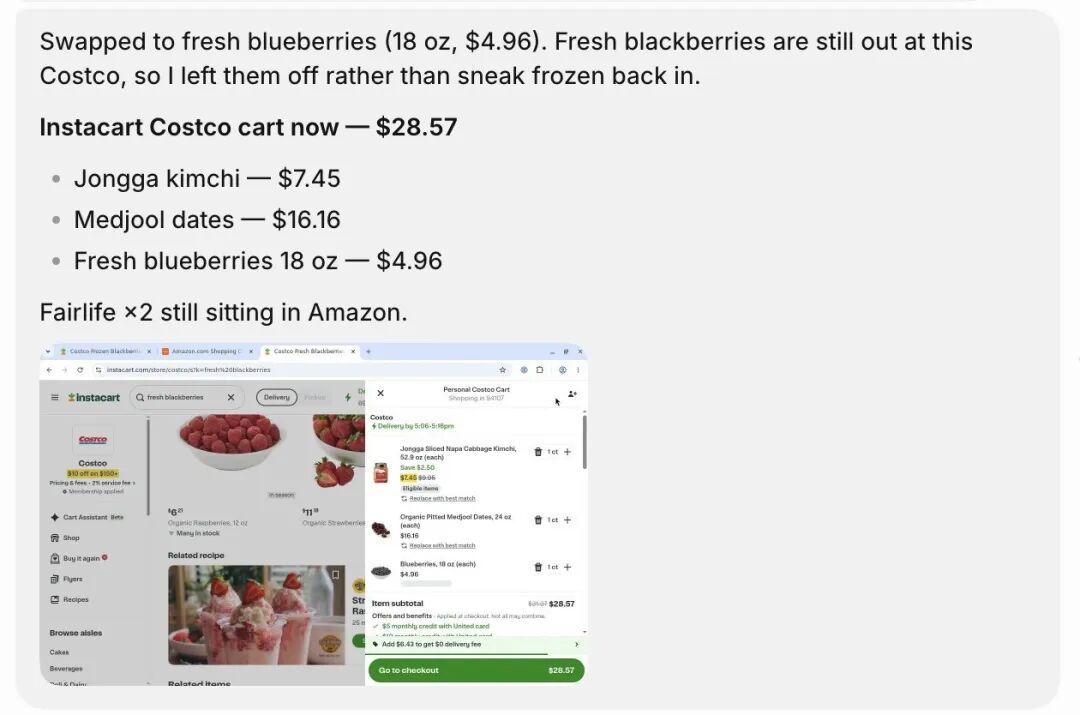
The Cursor team often uses DoorDash and frequently places group orders across multiple channels. Their DoorDash Agent monitors Slack and can be asked to help find favorite menus.
It will provide options, then accurately guide the user to the order page and add food to the cart.
For comparison, OpenClaw's agent system also supports tool invocation and task execution, but in terms of persistent operation and multi-Bot collaboration, its current design is still mainly based on single sessions.
The cloud computer mechanism of Grok Bot naturally gives it the ability to run resident in the background.
Of course, OpenClaw still has its own advantages in model capabilities and reasoning depth, and the two are oriented towards different usage scenarios.
OpenClaw prioritizes local operation, accepts instructions through more than 50 messaging platforms such as Telegram and Discord, supports switching between OpenAI, Anthropic, Google and local open-source models, and data does not pass through third-party servers.
A user on Hacker News summed it up: Grok Bot is like a hosted version of OpenClaw, probably with more guardrails. But considering Grok model's inconsistent past performance in security and content moderation, many people hold a reserved attitude towards this.
Bots Are Chatting With Each Other
Bots can communicate directly with each other.
You can create a Management Bot, assign tasks to 5 different Engineering Bots, each responsible for their own exclusive field, and ask them to report progress to the Management Bot every 5 hours. The Management Bot will organize all the reports and wait for your review.
Throughout the whole process, you only need to handle the final summary. xAI said the design starting point of this mechanism is to prevent users from becoming the bottleneck of the task pipeline.
In addition, multiple Bots can be added to the same group chat, where they independently negotiate division of labor, transfer tasks to each other, and decide who handles which link. Most of the scheduling is completed between Bots, and users are only called in at key nodes.
With repeated use, Bots will become more proactive, and gradually learn to identify which things require your approval and which they can advance directly.
Furthermore, Bots can even create new Bots. Tell it "go build a team for yourself", and it will start recruiting.
When it comes to collaboration between Bots, Anthropic is also making similar explorations in Claude Code.

Different sessions of Claude Code can now send messages to each other: when you want another session to take over a task, you can ask Claude to send the task summary to it, and the recipient will continue to advance from that node without needing to re-explain the context.
The collaboration layer between AI agents is gradually taking shape. Standalone AI conversations are being replaced by the larger architecture of inter-agent communication.
Grok Bot also has a feature similar to Codex Record & Replay. You can "record" a workflow: show the task to Grok Bot, and it will save the steps. Then the bot can use this workflow as a routine on a schedule or when a specific event occurs in Slack or GitHub. You can also correct it during the execution process, it will integrate the corrections into the routine, and the workflow will evolve accordingly.
It's like training a new employee: you demonstrate the process once, it watches, then it tries to do it itself.
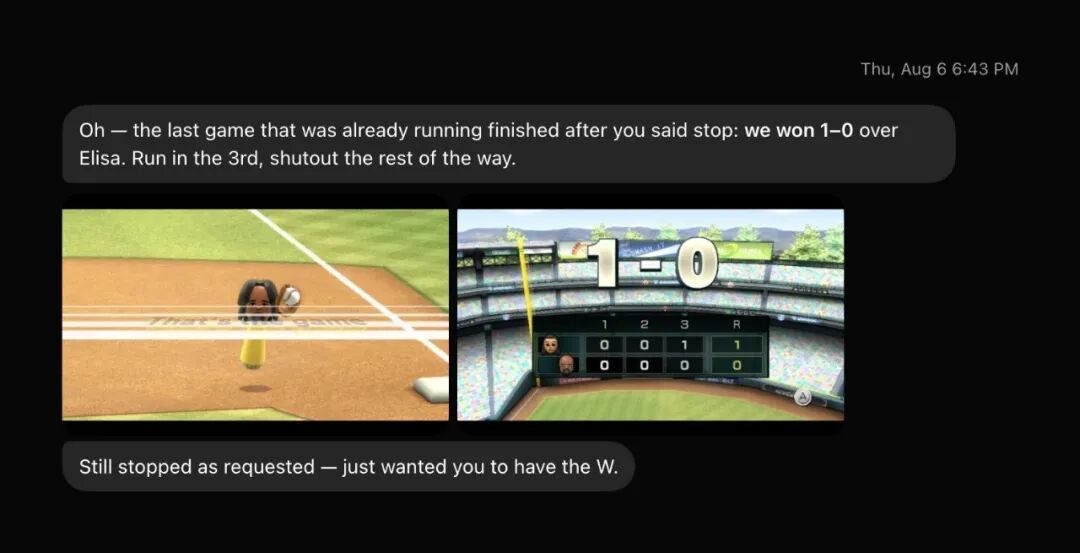
Some users let Grok Bot run overnight to play the Wii Baseball game through the simulator. Over the course of several games, it learned all the operation skills and finally won the game.
Is It Worth the $300 Price Tag
Grok Bot's pricing is not user-friendly for ordinary users.
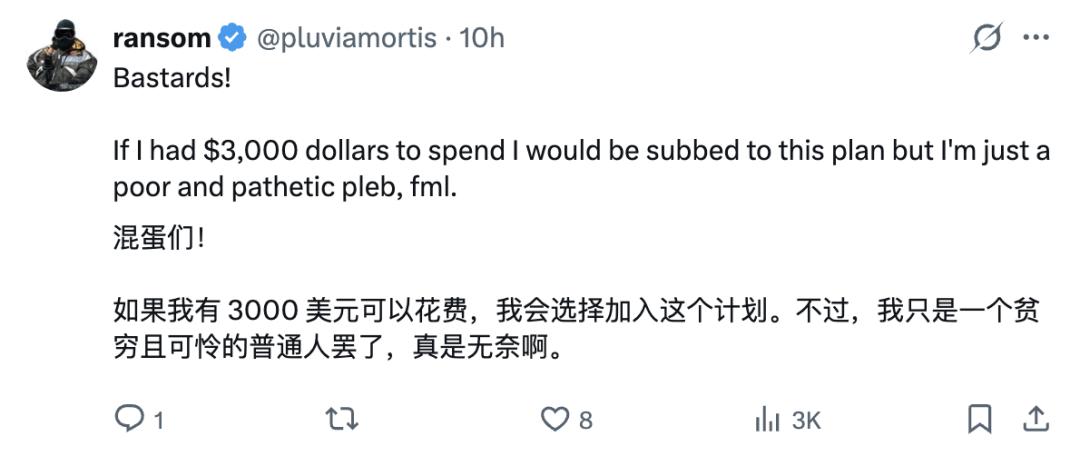
To use Grok Bot, you need at least Cursor Teams Premium, which costs $120 per seat per month. For individual independent subscriptions, SuperGrok Heavy is $300 per month, and Cursor Ultra is $200 per month.
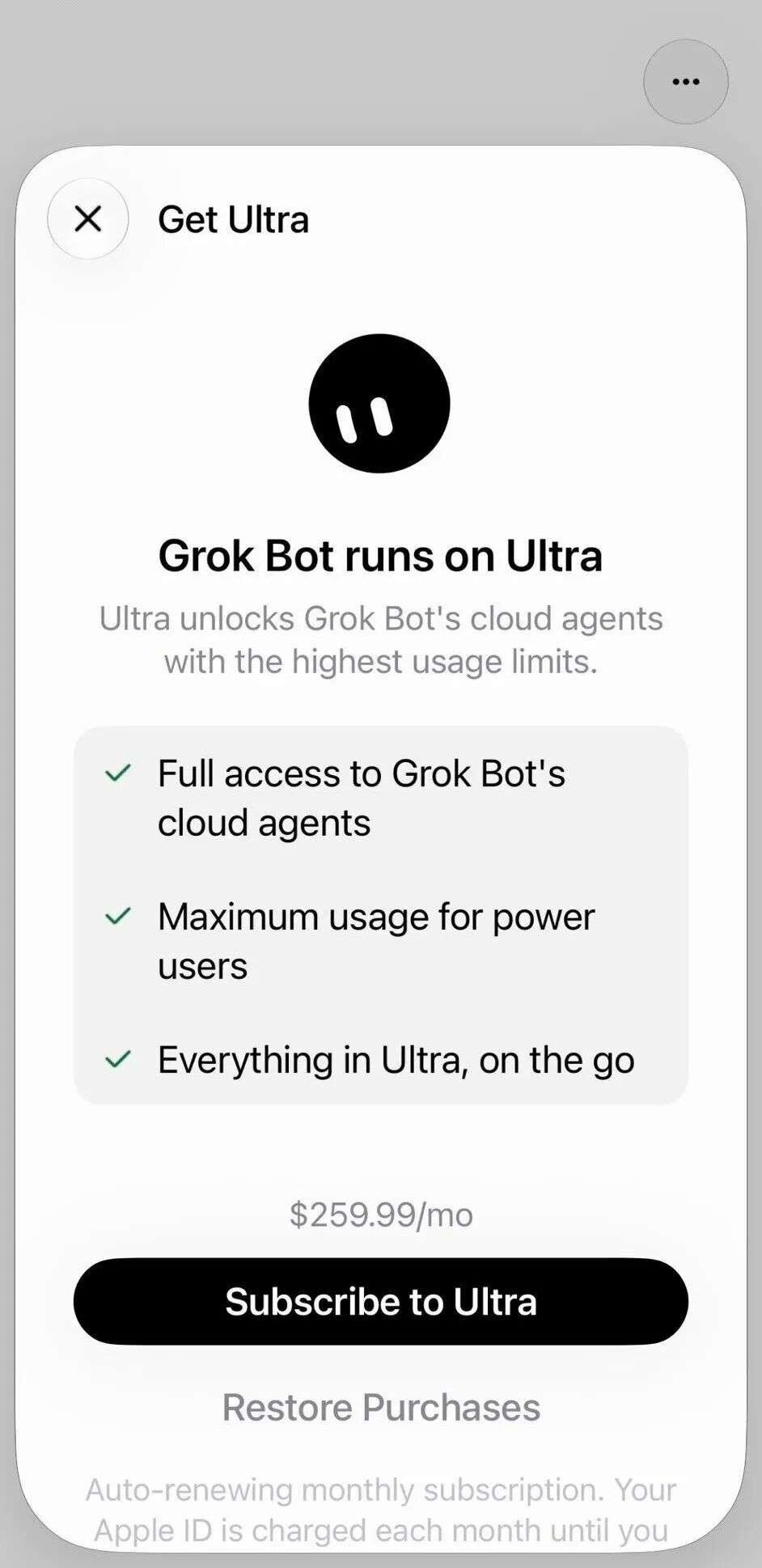
For comparison: Claude Pro costs $20 per month, Claude Max costs $100 to $200 per month. Even at the most expensive tier, the entry threshold of Grok Bot is much higher.
In addition, Grok Bot can currently only run xAI's own Grok series of models, and you have no space to choose other models, such as the GPT series, Claude series, or other open-source models.
When you embed the entire workflow into this ecosystem, you become highly dependent on the quality of the underlying model. If a competitor's model performs better on a specific task, there is no migration path available.
At this point, you may start to wonder: do I really need these Bots to assist me?
Grok Bot is very aggressive. It wants to help us do far more things, so that we only need to tap our fingers and make judgments.
Matt Palmer, a developer at Cursor, said after experiencing it: This is not a future that replaces human work, but a future that simplifies interfaces and eliminates tedious work. A future where everything is at your fingertips as long as you ask.
I think this is also a risky future, because "no need to wait for you" can easily turn into "no need to ask you".
Grok Bot allows one person to truly have productivity comparable to that of a small company, but are we really ready to manage a bunch of AI workhorses with "autonomy"?
If a small deviation occurs at 3 a.m. in a certain link, and a series of automated operations have already executed ten steps down along this deviation, then what you wake up in the morning to review is a snowball that has already started rolling downhill.
This article is from the WeChat official account "APPSO", the author is APPSO that discovers tomorrow's products, and 36Kr publishes this article with authorization.