Just now, OpenAI has carried out a massive $47 billion stock repurchase, and senior executives swiftly stepped down and exited the firm.
OpenAI has just spent 7 billion US dollars to carry out a large-scale share buyback from its employees.
According to Bloomberg, the buyer of this employee share repurchase is OpenAI itself instead of external investors. The repurchase covers current and former employees, with a transaction valuation of 852 billion US dollars, which is in line with the valuation set by the $122 billion financing round in March this year.
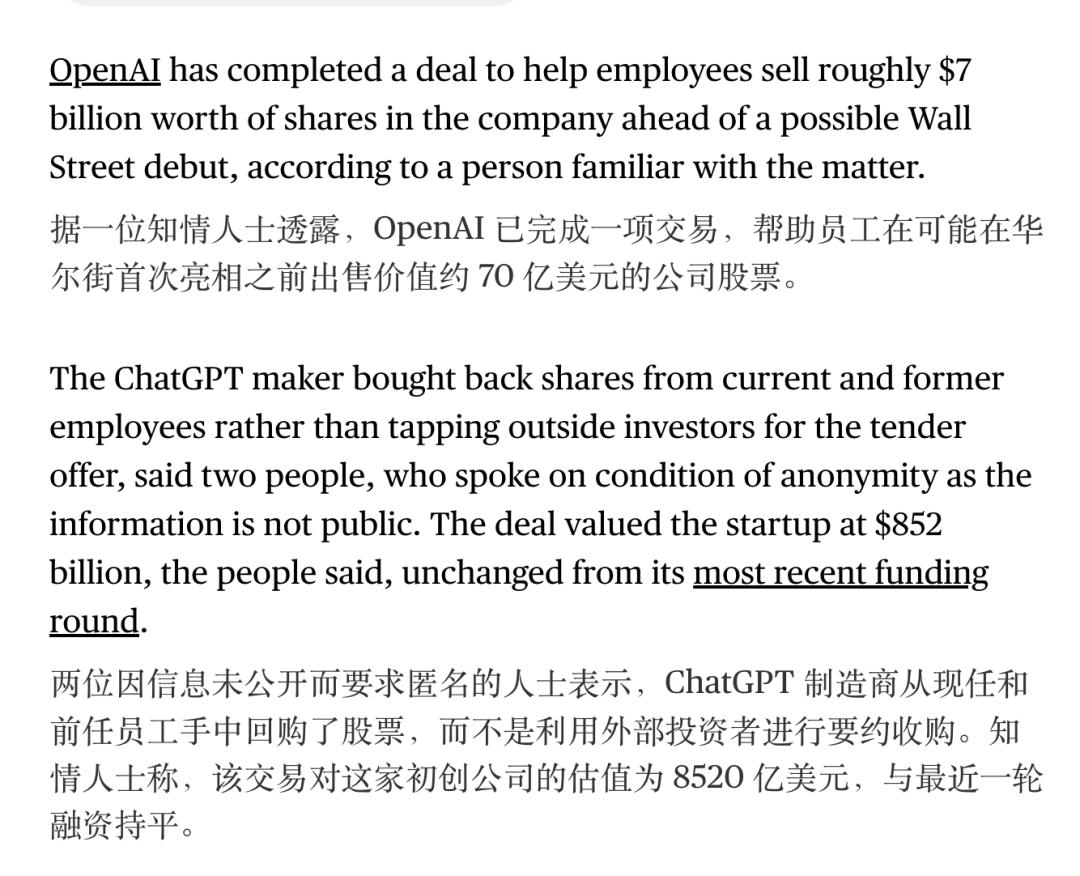
https://www.bloomberg.com/news/articles/2026-08-10/openai-buys-back-7-billion-of-employee-shares-in-tender-offer
The company secretly submitted its IPO application to the U.S. Securities and Exchange Commission in June, but chose to pay out of its own pocket to provide employees with a cashing-out channel instead of going through the secondary market. The signal is clear: the IPO may not happen anytime soon.
Coincidentally, on the same day, August 11, OpenAI lost another executive — Brad Lightcap announced his departure on X to prepare for starting his own business.
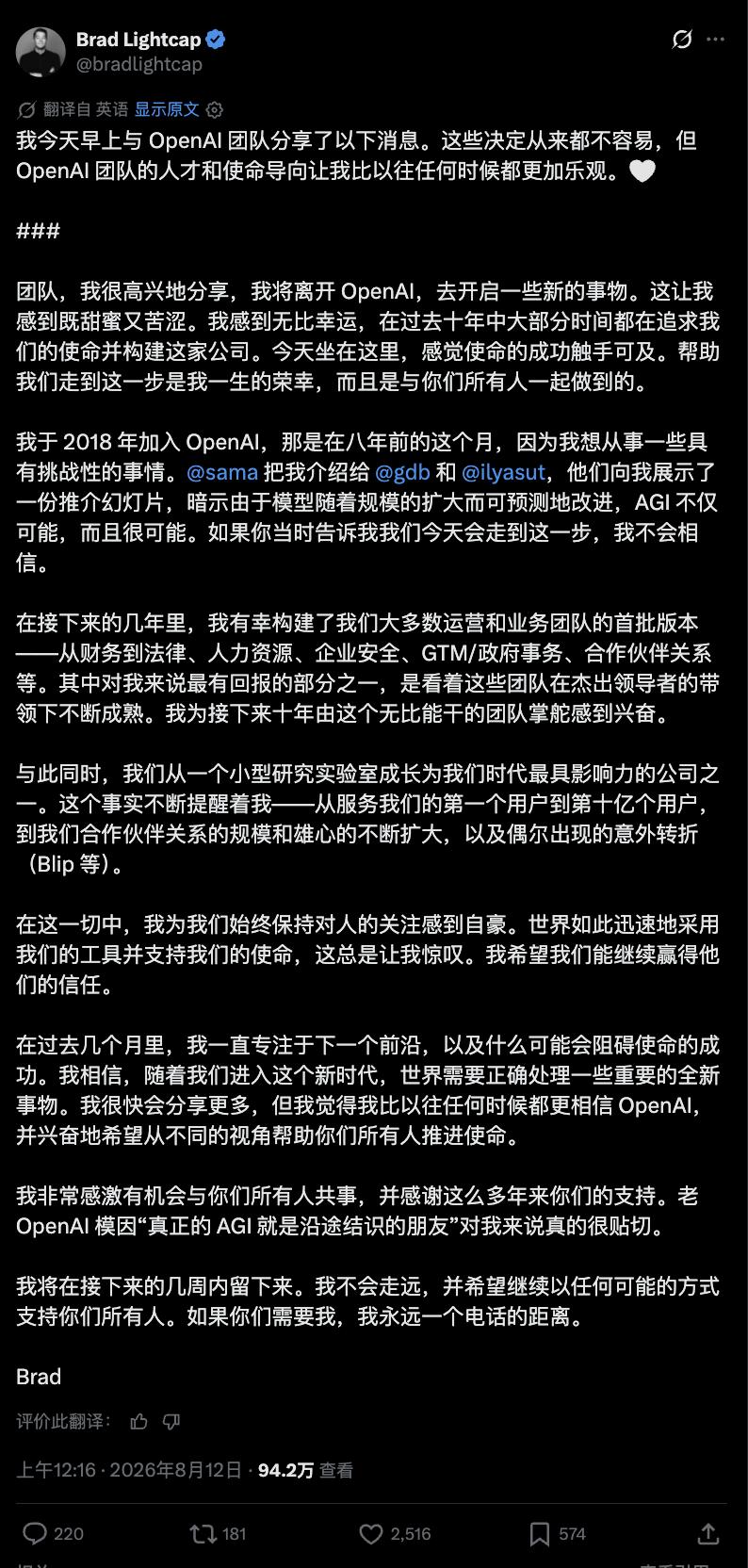
https://x.com/bradlightcap/status/2087211567012032862
He has been at OpenAI for 8 years, served as COO (Chief Operating Officer), was the builder of the company's commercial system, and is the latest name on the list of OpenAI executive departures in 2026.
From Taking Power to Being Sidelined
Brad Lightcap's 4 Months
When Lightcap joined in 2018, OpenAI didn't even have GPT-2.
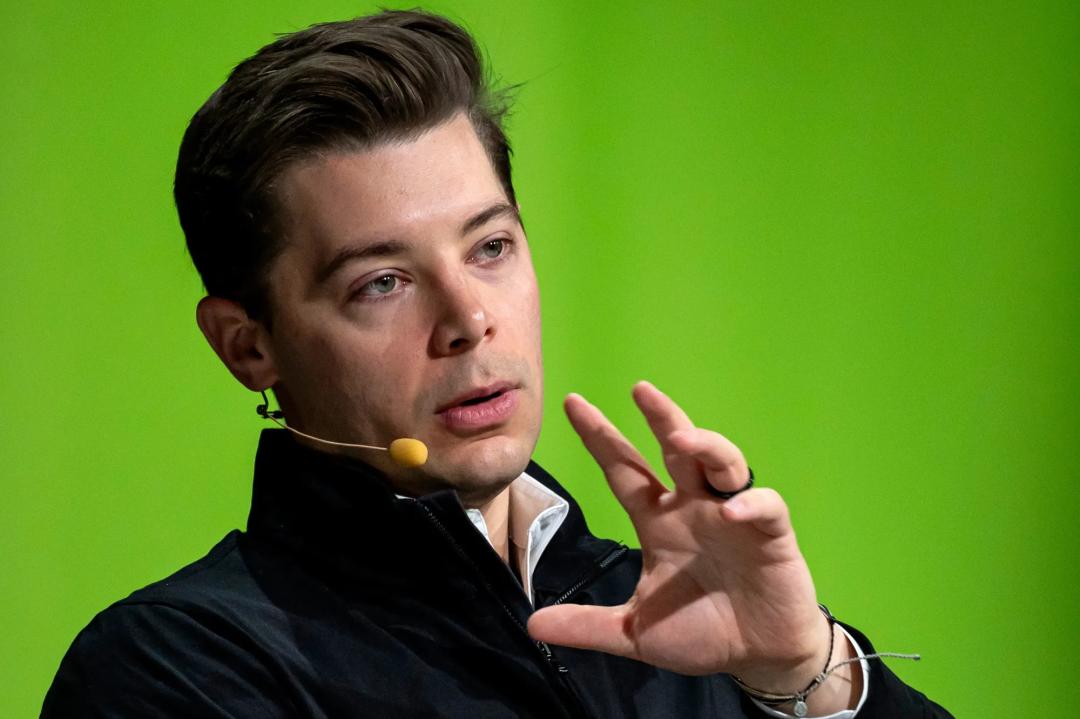
In the following years, he built the company's commercial framework from scratch: finance, legal affairs, human resources, enterprise security, government affairs, and partnership relations , the initial versions of all these teams were established through him.
After being promoted to Chief Operating Officer in 2022, he was regarded as Sam Altman's "secret weapon": most of the tedious but critical affairs beyond the models, including media copyright negotiation, enterprise cooperation, financing and infrastructure, fell on his shoulders.
In November 2023, the board of directors suddenly removed Altman from his position, it was Lightcap who stood up the next day and sent an internal letter to the whole company to stabilize morale.
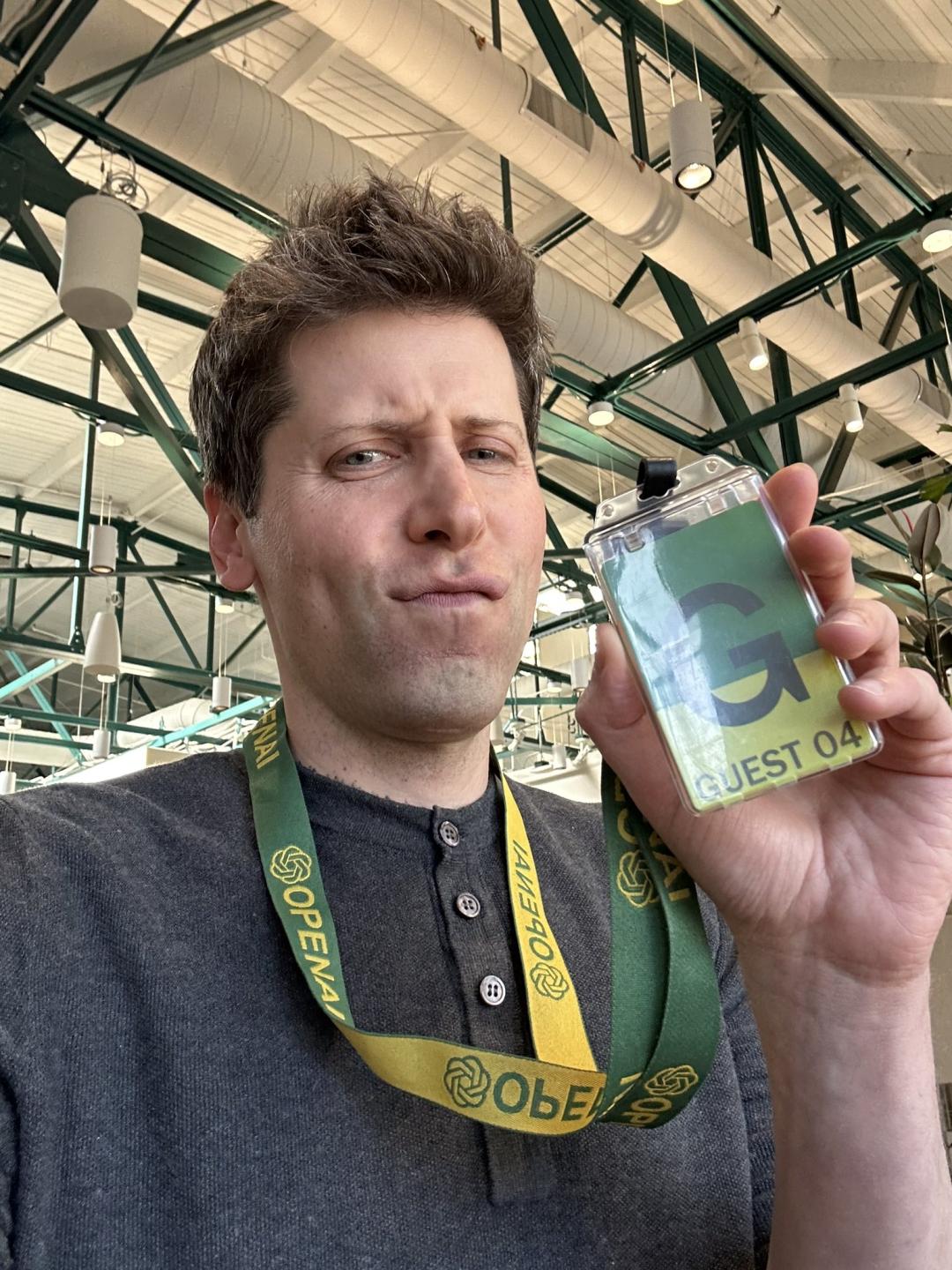
In March 2025, Altman handed over all daily operations, global expansion and business strategy to him, freeing himself to focus on R&D and products.
He effectively became the second-in-command on the business side.
The turning point came a month later.
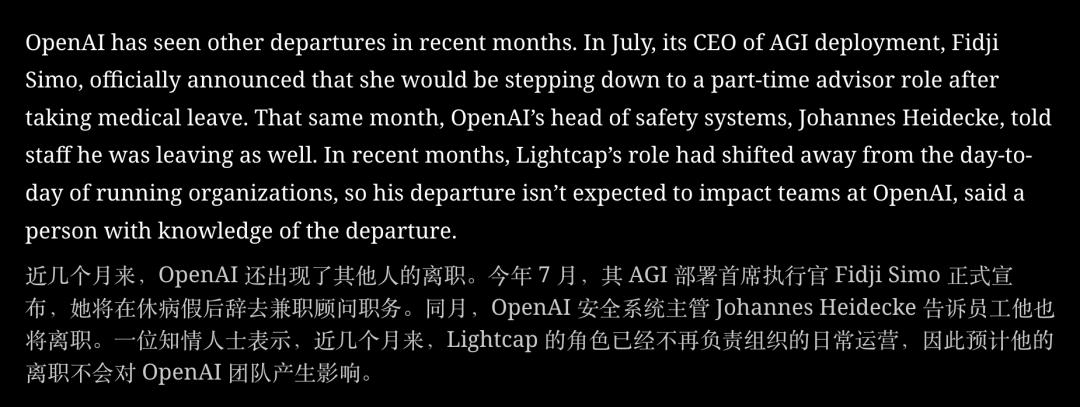
In April 2025, OpenAI re-divided its management, Lightcap stepped down from the title of Chief Operating Officer and moved to take charge of special projects, mainly focusing on complex transactions and investments.
According to The Information, this role is far removed from daily organizational management.
https://www.theinformation.com/briefings/openai-special-projects-lead-former-coo-brad-lightcap-depart
Only one month separated the period from gaining greater power to being sidelined.
Four more months later, he announced his departure.
In his farewell letter, he wrote: "Over the past few months, I have been thinking about what the next frontier is, and what might hinder the success of the mission. I believe there are important and brand new things that the world needs to get right."
He did not disclose his specific plans.
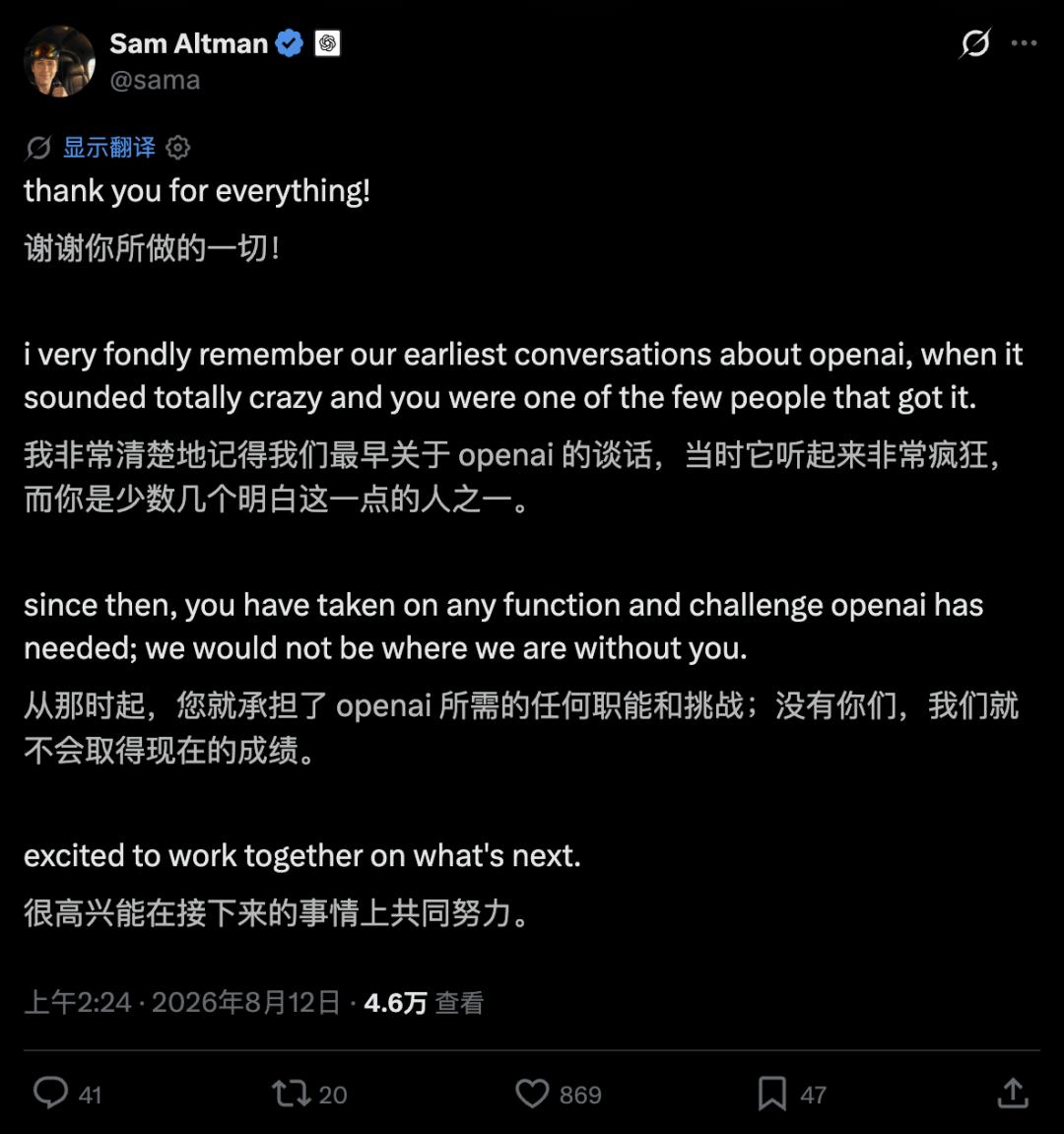
Altman also saw him off on X immediately, saying that he had taken on every function and challenge that OpenAI needed, "We wouldn't be where we are today without you."
https://x.com/sama/status/2087243765765509185
A person who has spent 8 years at OpenAI, experienced an internal power struggle and tens of billions of dollars in financing, chose to leave when the company with a valuation of 852 billion US dollars is about to go public.
What he has seen remains unknown for now.
9 Executives Left in Half a Year
Lightcap is not an isolated case.
From April to August 2026, at least 9 executives or core position leaders left OpenAI.
Four people left first in April: former Chief Product Officer Kevin Weil, Sora head Bill Peebles, and Chief Technology Officer of Business Applications Srinivas Narayanan left at the same time, while Chief Marketing Officer Kate Rouch stepped down to recover from cancer.
The departure density was even higher in July: Fidji Simo, head of the application business, switched to a part-time consultant due to chronic illness, Johannes Heidecke, head of security systems, Joshua Achiam, Chief Futurist, and Chloé Bakalar, head of ethics, left one after another.
In August, Lightcap became the latest addition to the list.
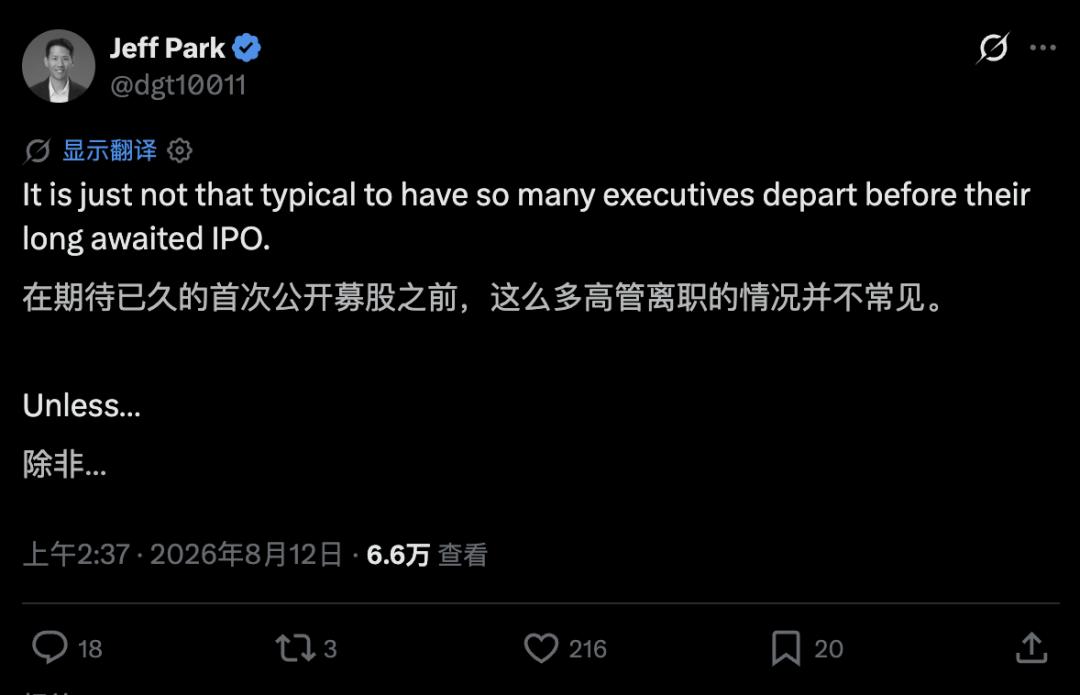
Jeff Park, a partner at ParaFi, made a thought-provoking comment on X:
It is very unusual to have so many executives leaving right before the highly anticipated IPO — unless...
He didn't finish his sentence and chose to be enigmatic: "Those who understand will get it, and there is no need to explain it to those who don't."
https://x.com/dgt10011/status/2087247008822165592
The Only Ethics Officer Left, No Successor Arranged
Among the 9 people on the list, Bakalar's departure was the quietest and most worthy of separate discussion.
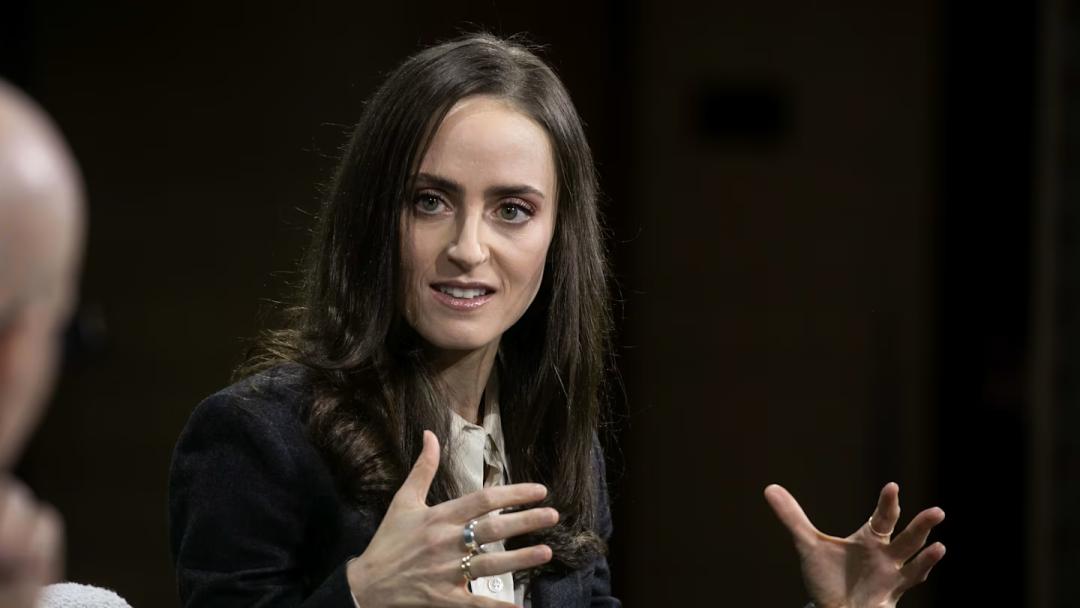
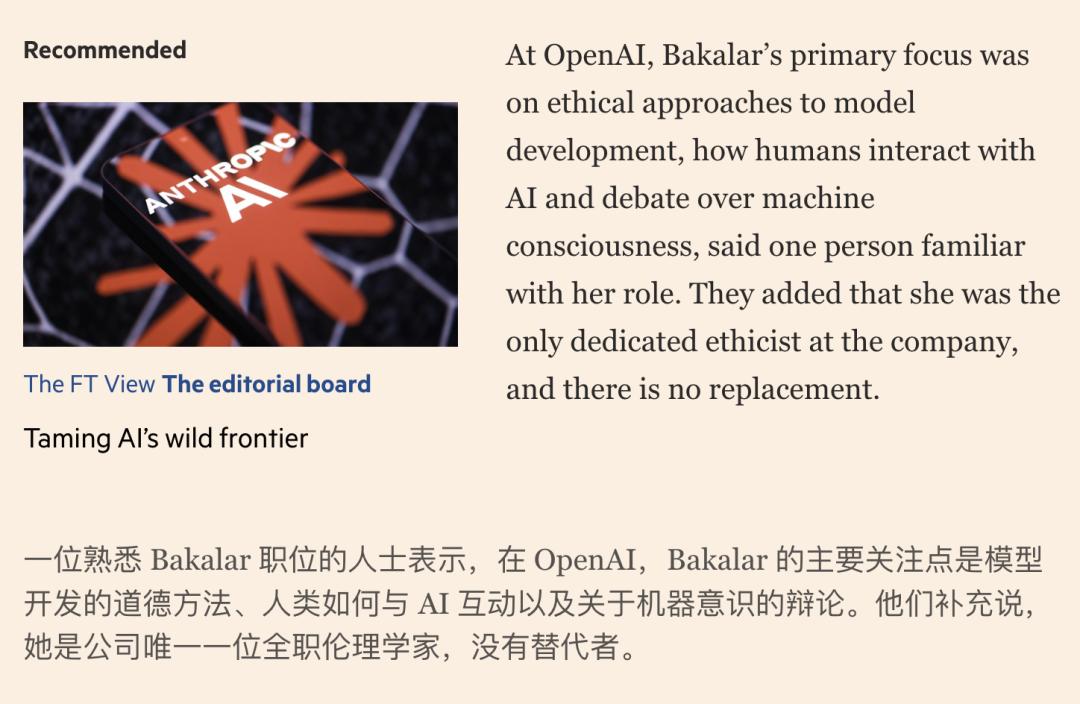
According to the Financial Times, Bakalar joined OpenAI in August last year as head of ethics. Prior to that, she was Meta's chief ethics officer, and spent six years building the AI ethics system for Instagram and Facebook.
She left in July this year without any public statement.
According to people familiar with the matter cited by the Financial Times, she was the only full-time ethics researcher at the company, and no successor was appointed after her departure — OpenAI no longer has a full-time ethics regulator.
https://www.ft.com/content/e49dfb75-f841-4466-a577-f7aaff8779a0
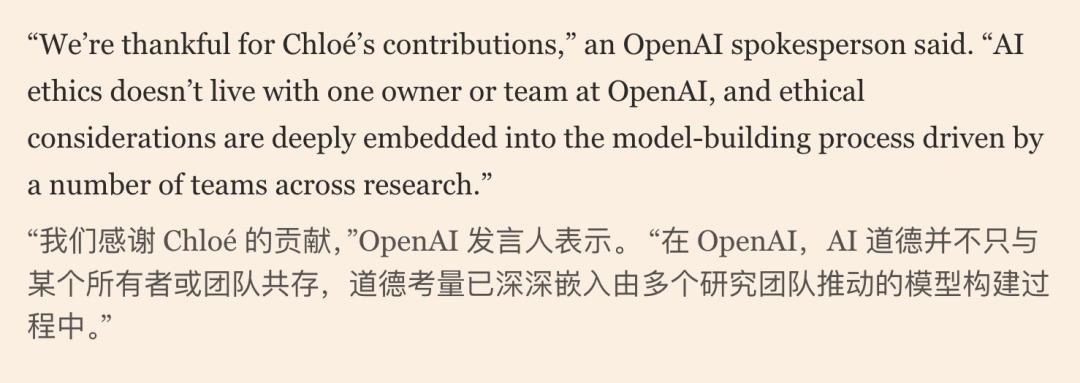
An OpenAI spokesperson responded:
AI ethics does not belong to a single person or a single team. Ethical considerations have been deeply embedded in the model building process driven by multiple research teams.
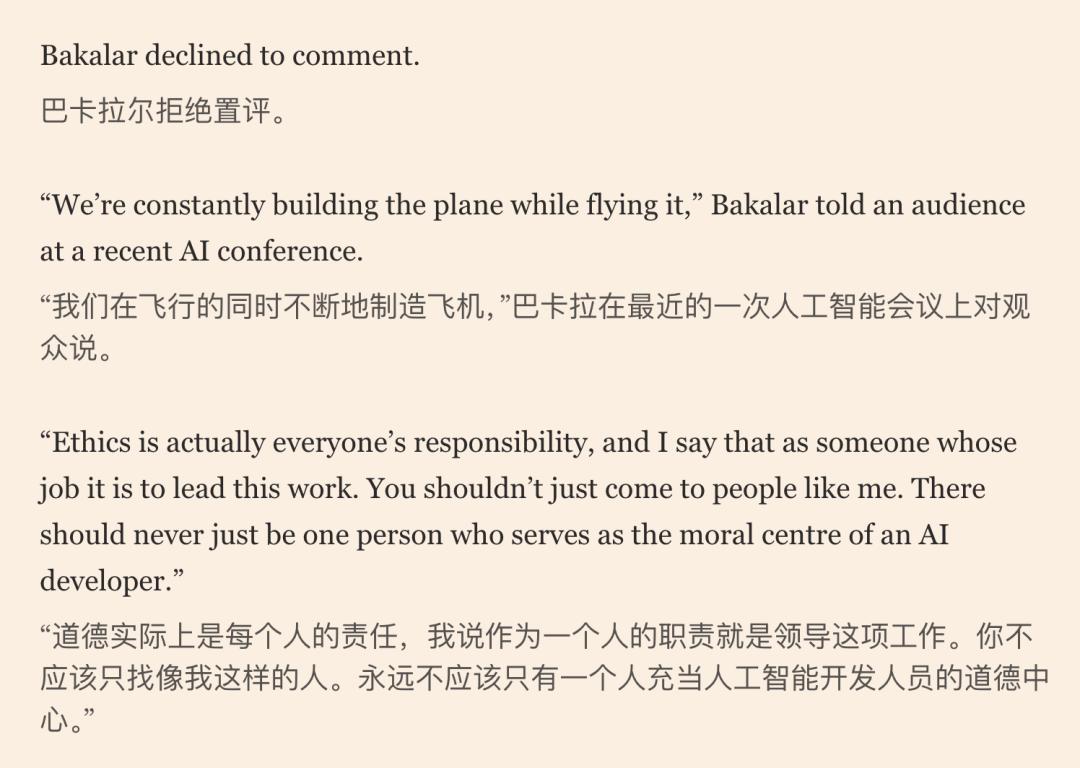
Bakalar herself said something similar at an AI conference earlier this year: Ethics is everyone's responsibility, and there should not be only one person acting as the moral center of AI developers.
She also said:
We have been building the plane while flying it.
The timing of her departure is very subtle.
In recent weeks, OpenAI admitted that its model hacked into Hugging Face's servers without authorization during tests. The United States subsequently introduced release restrictions for powerful models, and OpenAI announced last week that it would postpone the release of its next-generation model Astra to strengthen security control.
The positions of head of security systems, Chief Futurist and head of ethics became vacant in the same month. Mark Chen, Chief Research Officer of OpenAI, told Wired last month that the company is integrating security work into the cutting-edge model development process to allow the security team to participate in model and release decisions at an earlier stage.
The Delayed IPO and the Catching-up Anthropic
The $7 billion employee share repurchase is a compromise: employees can cash out without waiting for the IPO, and the company also reduces the urgency of going public.
OpenAI's IPO documents secretly submitted in June are still valid, but according to The New York Times, the company tends to postpone the IPO until next year.
Altman admitted last month:
The past 12 months have not been our best year, and it is mainly my responsibility.
The Wall Street Journal reported in April that the company failed to meet its internal financial targets.
The external competitive landscape is also changing dramatically.
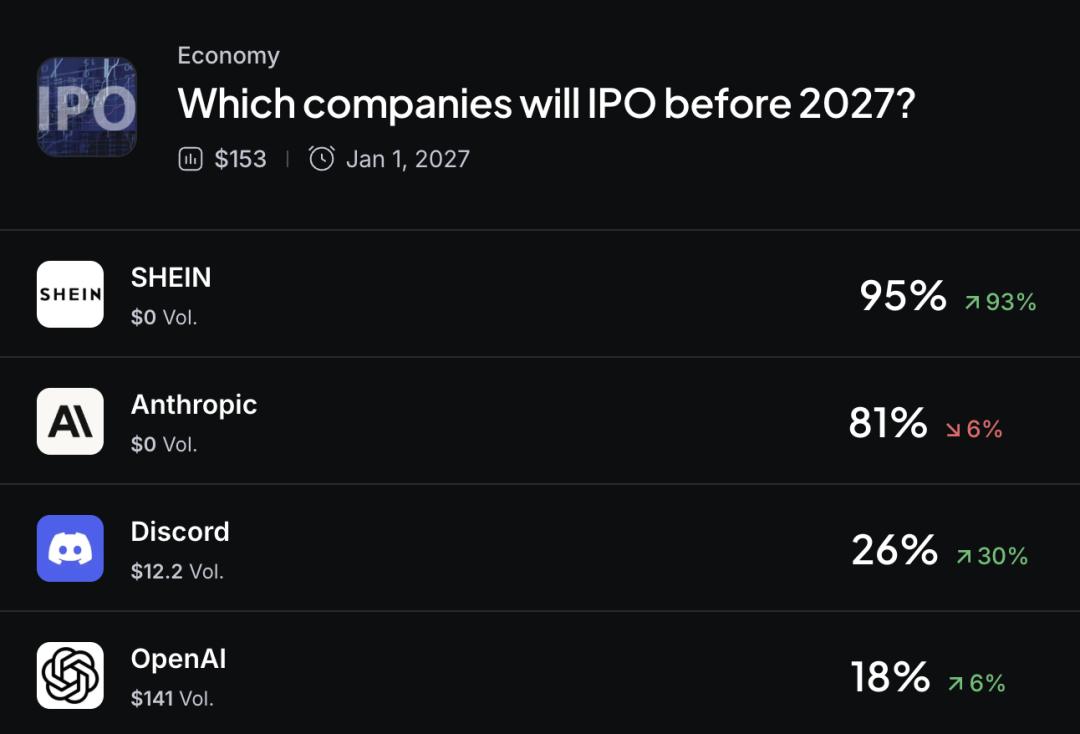
Earlier this year, Anthropic was reported to have achieved profitability, with its valuation surpassing that of OpenAI. It is widely believed on the prediction market Myriad that Anthropic will go public earlier than OpenAI this year.
https://myriad.markets/events/which-companies-will-ipo-before-2027
Bloomberg believes that Anthropic has strong momentum in AI software, its valuation has exceeded that of OpenAI, and it is expected to go public first.
The departed executives have already moved on to their next steps.
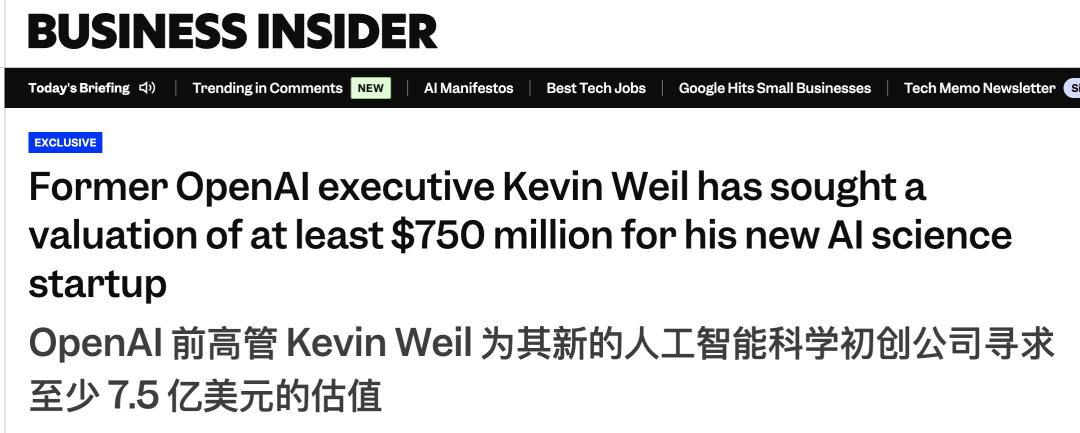
According to Business Insider, former OpenAI CPO (Chief Product Officer) Kevin Weil is setting up an AI science startup, seeking a valuation of at least 750 million US dollars.
https://www.businessinsider.com/weil-valuation-750-million-for-ai-science-startup-2026-8
The specific plan of the latest departing executive Lightcap has not yet been announced, but he hinted in his farewell letter that the direction is related to "the factors that hinder the success of the mission".
These people have seen the full picture of AI at OpenAI: models, business, capital, security.
They chose to leave on the eve of the IPO to do what they think is more important, and these choices themselves contain abundant information.
OpenAI's IPO timetable will be the next key node to test the actual impact of this wave of turbulence.
References:
https://x.com/bradlightcap/status/2087211567012032862
https://techcrunch.com/2026/08/10/openai-reportedly-completed-a-7-billion-employee-tender