CATL takes a step back, Li Auto carves out a slice of the market.
On August 7, Zhu Jiangming, founder of Leapmotor, handed over a D99 to Zeng Yuqun.
It is not the first time that Zeng Yuqun has stood in support of a customer as a car owner. Over the past few years, he has successively become the owner of models including Zeekr 001, M-Hero 917, Voyah Dreamer, and NIO ET9.
The D99 is the most special one, as it is the first time he has endorsed an automotive customer that only purchases cells from CATL.
In the cooperation with Leapmotor, CATL provides the innermost Cell, while Leapmotor completes the Pack and Battery Management System (BMS) on its own, and then integrates the battery with the vehicle structure through CTC technology. The 115kWh super hybrid cell that debuts on the D99 follows the same model.
CATL's current supply share in Leapmotor is not high either. In the first four months of 2026, its cell installation proportion was about 7.4%, ranking only fourth. But the cooperation is deepening, and CATL has become the exclusive cell supplier for Leapmotor's high-end D series this year.
A few years ago, CATL hoped to move in the opposite direction.
From cells to modules, battery packs, and then to the Rock chassis, the higher the value of batteries in automobiles, the more parts CATL wants to take over.
Now, a car whose battery pack no longer belongs to CATL is also worth Zeng Yuqun personally becoming its owner.
Two months before the delivery of the D99, another car went further.
The all-new Li L8 launched in June saw Li Xiang take back even the innermost cell. Li Xiang stated publicly that the battery pack is independently developed and manufactured by Li Auto, and the cells are also developed by Li Auto and then sent to Sunwoda for OEM production.
The two cars place CATL on both sides of a new boundary.
For more than a decade, CATL has been constantly expanding its own boundary in a car. Now, it needs to re-judge what can be handed over to customers and what must be kept in its own hands.
Selling only cells can also retain customers
Less than a month before the D99 was delivered, CATL announced that it had won the "Volkswagen Group Award" for 2026.
It was the only power battery enterprise that won the award that year. In its announcement, CATL reviewed the cooperation between the two parties: it has supplied ternary cells for Volkswagen's MEB platform since 2018, with a cumulative supply of more than 200GWh, covering 8 brands under the Volkswagen Group and 45 models.
This year, another item was added to the cooperation between the two parties, and CATL began to participate in the mass production of Volkswagen's "Unified Cell".
According to Volkswagen's plan, the Unified Cell will eventually cover most of the group's pure electric models, with self-owned factories and external partners jointly undertaking the production capacity.
Changes are also hidden here. Volkswagen's control over batteries is getting deeper and deeper, and CATL not only did not resist, but on the contrary, it accepted the new division of labor and became an important external partner in this system.
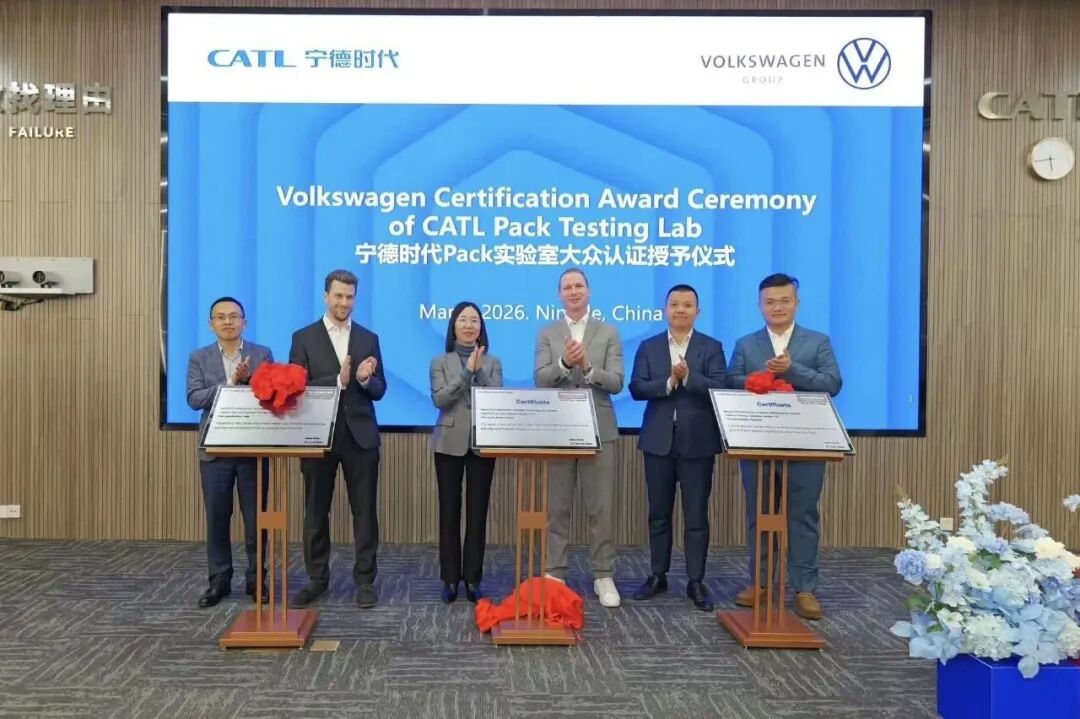
The boundary of cooperation has narrowed, but CATL's position in the supply chain has not become less important.
The D99 follows a similar cooperative relationship.
CATL entered Leapmotor's supply chain sporadically very early, but it was not a core supplier for a long time. Around 2024, the cells for Leapmotor's main models such as C11, C01 and T03 mainly came from Gotion High-Tech, CALB, Hive Energy, and Zhenlith New Energy.
The change started in 2025. The C10 that entered the Hong Kong market in June switched to CATL cells, and the B01 launched in July also assigned its long-range version to CATL.
By 2026, Leapmotor is no longer the new carmaker that needed to fight for living space in the past. In July, its monthly sales exceeded 100,000 units for the first time, making it the first domestic new car brand to achieve this scale, and it has ranked first in sales among new carmakers for consecutive months.
CATL also found an opening to increase its share in this year. It cut into Leapmotor's newly launched high-end D series and became the exclusive cell supplier.
For CATL, this is still not a complete battery business. Leapmotor keeps the battery pack, BMS and CTC in its own hands, and what CATL gets is the innermost cell. But as Leapmotor's sales continue to grow, this position is already important enough for Zeng Yuqun to personally guard.
Such customers are increasing.
For example, BMW's upcoming new Neue Klasse models. The sixth-generation cells are defined by BMW, and CATL, EVE Energy and other manufacturers are responsible for supply, while BMW will build its own high-voltage battery plant near the vehicle factory to assemble the cells into battery packs.
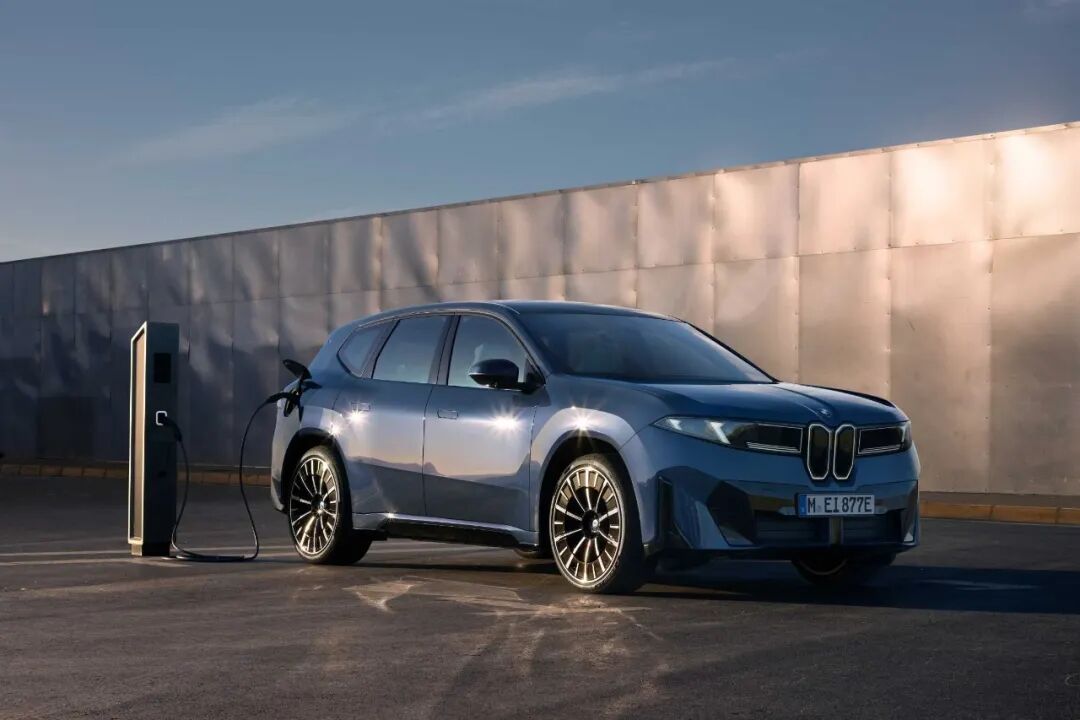
BMW Neue Klasse iX3
The entire Geely Starwish series uses CATL cells, but it is wrapped in Geely's own Shield battery architecture, BMS and energy management system.
Xiaomi is also moving fast. The SU7 has adopted its own integrated CTB battery technology, the standard version uses CATL or FinDreams cells, and Xiaomi completes the packaging. During the SU7 period, CATL once obtained about 90% of Xiaomi's battery supply orders, and the share dropped to about half for the YU7.
These carmakers still need CATL, but they no longer need a complete solution from cells to battery packs.
The "fewer layers" cooperation has not led to the shrinkage of CATL's power battery business. From January to May 2026, CATL's share of global power battery usage exceeded 40%, up 2.2 percentage points year-on-year. In the first half of the year, the revenue of its power battery system reached 192.1 billion yuan, a year-on-year increase of 46%. In the domestic power battery installation volume, CATL's share continued to rise.
Carmakers took over the battery pack, BMS and CTC, but CATL's cells were not taken away along with them.
For more than a decade, it has expanded its business from cells all the way to battery packs, CTP, CTC and chassis. Now, when customers have the ability to complete the subsequent parts on their own, CATL has begun to accept that it does not need to hold every layer of value in its hands.
The chassis did not become the second battery pack
In May this year, Zeng Yuqun appeared at another signing ceremony.
Contemporary Amperex Technology's subsidiary Contemporary Smart and Turkish new carmaker Togg announced a cooperation to develop a new B-segment vehicle platform based on the Rock chassis, covering three models, with the first model scheduled for mass production in 2027.
The division of labor between the two parties is very clear. Togg is responsible for user experience, product requirements and digital architecture, while CATL provides the complete chassis integrated with cells, electric drive and other components.
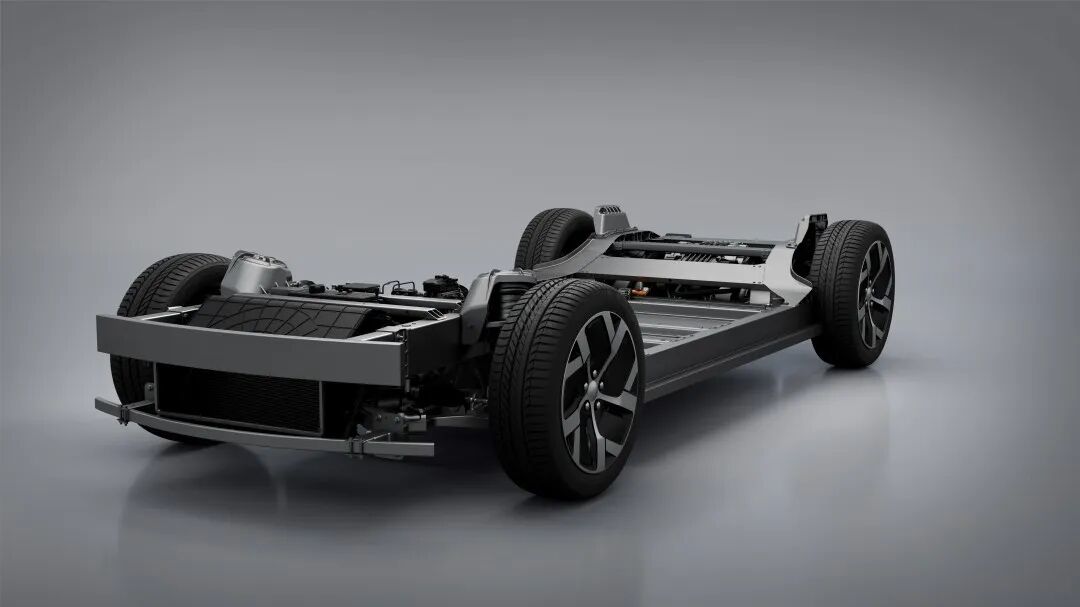
CATL Rock Chassis
CATL did not come up with the idea of pushing the business boundary to this point on a whim.
As early as 2020, Zeng Yuqun put forward the concept of CTC. In October 2022, CATL signed a cooperation agreement with Vietnamese new carmaker VinFast, and the CIIC integrated intelligent chassis was officially launched to the market as a business.
Prior to that, CATL and leading domestic carmakers had already found a mature binding method.
In 2017, SAIC and CATL established two joint ventures at the same time. Contemporary SAIC, which produces cells, is 51% owned by CATL, while SAIC Contemporary, which produces battery systems, is 51% owned by SAIC. After that, carmakers including FAW, Geely and Changan also successively established joint venture battery companies with CATL, most of which are controlled by CATL.
At that stage, carmakers needed stable battery supply, lower procurement costs, and also hoped to share the profits of the power battery business; CATL needed long-term orders and high capacity utilization. The joint venture tied the interests of both parties together, and the boundary was very clear: CATL took the lead in cell production, while carmakers participated in battery system development, capacity construction and profit distribution.
This model was very effective when a single standard battery pack could fit all scenarios. But around 2022, the things the two parties were fighting for changed.
Carmakers are also moving in the direction of deep integration of batteries and vehicle bodies. Also around 2022, the CTB of BYD Seal, the CTC of Leapmotor C01, and Tesla's Structural Battery Pack entered mass production one after another. The battery top cover and the vehicle floor began to merge, and the battery evolved from an energy storage component to an integral part of the vehicle body structure.
This change began to affect vehicle height, seat H-point, body stiffness, collision path, heat dissipation and fast charging. Everyone saw the same trend: the deeper the integration of batteries and vehicle bodies, the fewer redundant structures, and the easier it is to optimize space utilization, weight and body stiffness.
The paths of carmakers' CTB and CTC and CATL's CIIC are different, but the direction is the same. As a result, the originally clear boundary between the battery pack and the whole vehicle began to disappear, and the battery system is increasingly directly involved in the product definition of a car.
The commercial boundary also loosened accordingly, and the value that originally belonged to battery companies began to collide with the discourse power that originally belonged to carmakers.
This is no longer a problem that can be solved by the joint venture model. CATL saw the technology trend and chose to go deeper into the automotive sector; carmakers saw the same thing and chose to go deeper into the battery sector.
Leapmotor has been developing CTC since the C01, and later established Lingxiao Energy; carmakers including Geely, XPeng and Xiaomi are also getting more and more deeply involved in battery packs, BMS and battery systems. They continue to purchase external cells, but keep the parts that determine the vehicle's space, structure and experience in their own hands.
CATL's chassis business has failed to become the mainstream. Since the launch of CIIC in 2022, the publicly announced cooperative vehicle enterprises are mainly only VinFast, Hozon, Avatr, Changan Mazda and Togg.
Customers who need a ready-made chassis usually have weak capabilities and cannot achieve large-scale production; large-scale customers have strong capabilities and are unwilling to hand over their chassis business.
CATL has not given up the chassis business, but it has accepted that not all customers need it to go that deep. In its 2026 semi-annual report, CATL listed its power battery products from modules, electrical boxes, and battery packs all the way to cells, clearly stating that it can provide customized or joint R&D services according to customer needs.
Leapmotor only buys cells, traditional customers purchase complete packs, Huawei is deeply involved in technology definition, while Togg and VinFast buy the entire chassis.
When battery packs can no longer lock in customers for it all the time, CATL needs to return to the cell layer to make cells more irreplaceable.
Li Auto began to touch the last layer
On September 18, 2025, Li Xiang and Zeng Yuqun appeared in Ningde together.
Li Auto and CATL signed a five-year comprehensive strategic cooperation agreement. The two parties announced that they will continue to cooperate in battery safety, ultra-fast charging and other fields, and CATL will provide Li Auto with a variety of power battery products.
At that time, more than 1 million Li Auto vehicles had been equipped with CATL batteries.
Almost at the same time, Li Auto began to prepare for another battery system.
In September 2025, Li Auto and Sunwoda established a joint venture, with each party holding 50% of the shares. The i6 launched that year had already adopted a dual supply system of CATL and Sunwoda, and Li Auto even provided an additional 2-year or 40,000-kilometer battery extended warranty for the Sunwoda version.
In June 2026, the all-new L8 went a step further, with the entire series equipped with self-developed cells by Li Auto, manufactured by Sunwoda, and CATL was no longer in the supplier list.
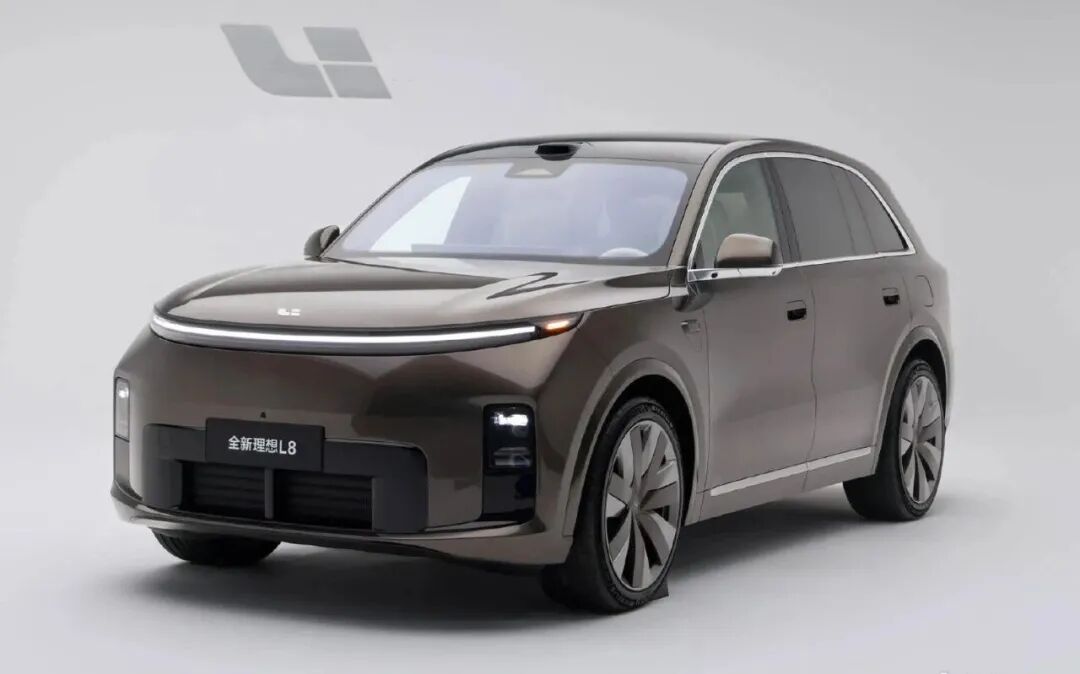
This is not the same as carmakers taking back battery packs. What Leapmotor and Xiaomi took away is the system value other than cells; even if Huawei is deeply involved in the material, performance and safety definition of the Whale battery, the suppliers still bring in their own cells.
Li Auto began to touch the cell itself. In the past, carmakers fought for the definition right of the battery system, while Li Auto began to fight for the product right of the cell itself. It is responsible for defining the product, then entrusts the manufacturing to Sunwoda, and takes the lead in putting this set of self-developed cells into a high-end model with a price of more than 400,000 yuan.
This division of labor is not yet as mature as the chip OEM model. Cell design and manufacturing are highly coupled, and materials, processes and yield rates are difficult to completely separate. But if the Li Auto model can be successfully implemented, what battery companies can retain in this type of cooperation may only be manufacturing capabilities.
This is exactly the sensitive boundary for CATL.
In its 2026 semi-annual report, CATL listed "intensified market competition" as a risk, and wrote in the response measures that it will serve end consumers, accelerate brand promotion, and improve end consumers' awareness of the company's products and brands.
As a result, advertisements such as "Choose CATL for your electric car" have begun to appear frequently in public places such as airports and high-speed railway stations.
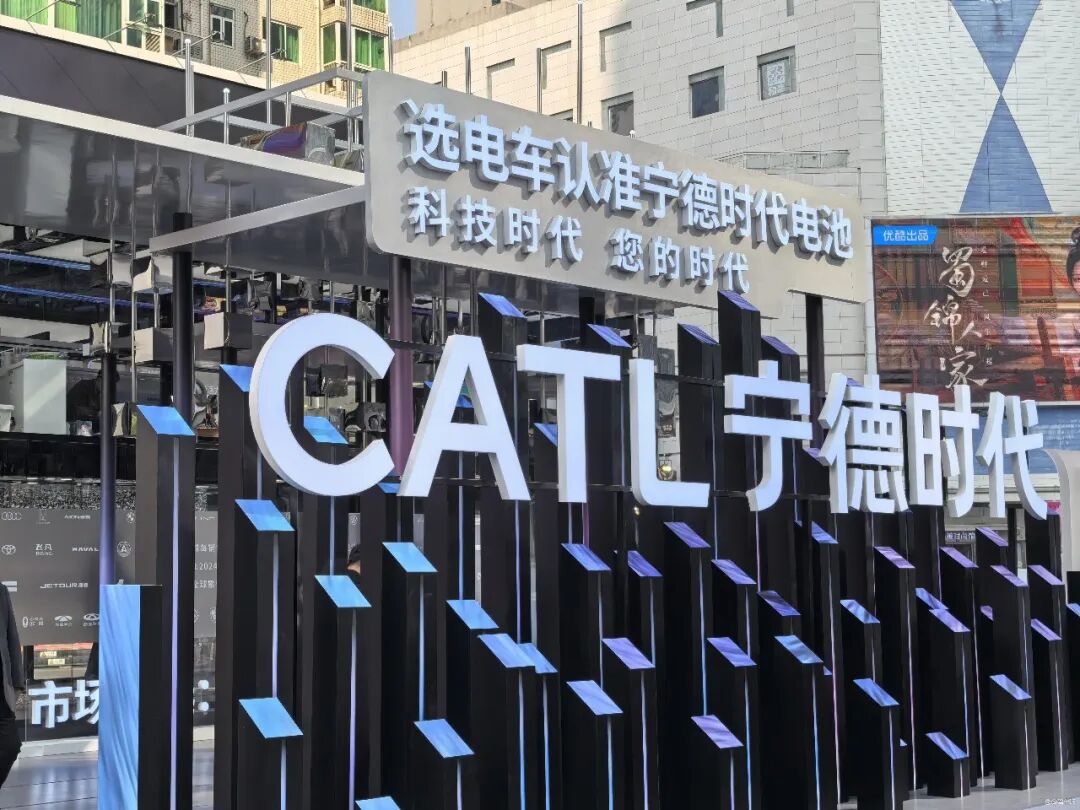
In the first half of 2026, CATL's sales expenses reached 2.164 billion yuan, a year-on-year increase of 33.44%. Among them, "promotion and office expenses" increased from 217 million yuan in the same period last year to 441 million yuan, almost doubling. This