Chinese automakers are breaking into the European market of tens of millions of units and making aggressive forays into Spain.
With a solid foundation in the automotive manufacturing industry, relatively low overall comprehensive costs, a favorable macro environment, and strong radiation capacity to the Spanish-speaking regions of Latin America, Spain is emerging as the beachhead for Chinese automakers to expand their presence in Europe.
On the other hand, regulatory risks in the era of de-globalization are continuously accumulating, and Chinese automakers represented by Geely are exploring new successful paths for Chinese auto exports through joint venture models.
This could very well be the best era for Chinese automobiles to go global.
Since 2022, China's automobile exports have maintained rapid growth. This year, it took only half a year to achieve an export volume of 5.096 million units, a year-on-year surge of 65.3%.
Facing this rapid growth momentum, institutions including the China Association of Automobile Manufacturers have predicted that China's annual automobile exports are expected to exceed 10 million units in 2026.
Even the EU market, which previously erected tariff barriers against Chinese new energy vehicles, cannot stop this momentum.
Data from the European Automobile Manufacturers' Association (ACEA) shows that in May this year, Chinese automakers sold a total of 138,000 vehicles in 31 European countries, a year-on-year increase of 65%. In comparison, the total sales of six Japanese automakers led by Toyota only reached 130,000 units, down 3% year on year.
Against the EU's tariff barriers, Chinese automakers have still outperformed Japanese car brands in the European market, and the gap in competitiveness is clear at a glance.
However, amid successive victories, the risk coefficient for Chinese automakers' overseas expansion is also rising.
Recently, multiple media outlets reported that the European Commission has completed the preliminary preparation work and plans to impose additional anti-subsidy tariffs on Chinese-produced plug-in hybrid electric vehicle (PHEV) models, extending the trade sanctions previously applied only to pure electric vehicles to the entire PHEV track.
Faced with potential tariff barriers, Chinese automakers are not passively waiting for losses. Instead, they are taking deep root in this huge market with annual new car sales exceeding 10 million units by directly investing in Europe.
Among all European countries, Spain has become a key anchor point for dense investment from Chinese automakers.
In the just-concluded July, Geely Holding reached an agreement with Ford Motor to establish a joint venture in Valencia, Spain. Through capacity sharing, the two sides will develop multi-energy vehicle products under the Ford and Geely brands for the European market, so as to accelerate the implementation of Geely's European localization strategy.
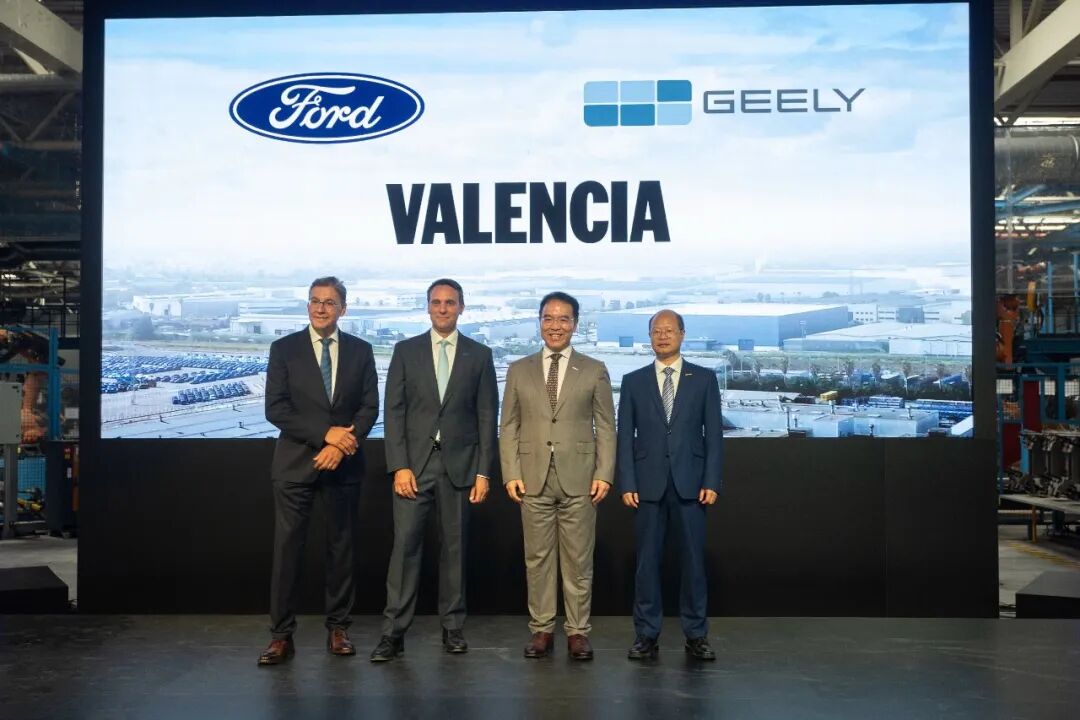
It is reported that after obtaining regulatory approval, the joint venture will be officially put into operation in the first half of 2027, and its first brand-new model will roll off the production line in 2028.
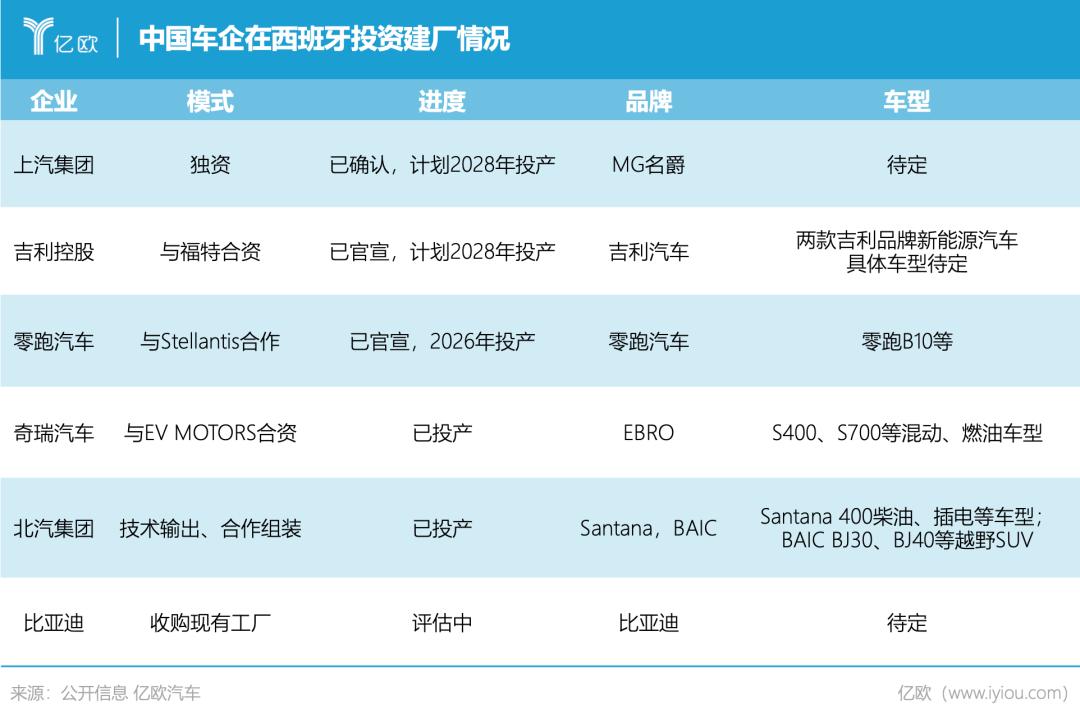
Long before Geely Holding entered Spain through a joint venture, SAIC Motor, Chery, BAIC and Leapmotor had all announced their plans to invest and build factories in Spain.
Among them, EBRO EV, a local Spanish automotive brand jointly built by Chery and Spanish automaker EV MOTORS, has officially started production. In future plans, the pure electric and fuel versions of Chery's Omoda 5, as well as the Jaecoo 7 model, will be successively put into production at the Spanish plant.
In the past impression of the Chinese public, Spain seemed to still be stuck in the debt crisis. Why has it suddenly become the common choice and consensus for so many Chinese automakers to enter Europe?
Four Major Advantages of Spain Beyond Tariff Exemption
Contrary to the impression of being mired in debt crisis, Spain's economy has long got out of the doldrums with the help of the EU's bailout mechanism. In 2025, Spain's GDP grew by 2.8%, far exceeding the EU's average growth rate of 1.5%.
As an EU member state, Chinese automakers that invest and build factories in Spain can avoid the tariff barriers set by the EU for Chinese automobile exports.
However, there are 27 member states in the EU. Why are Chinese automakers so fond of Spain?
From the perspective of Yiou Auto, the solid foundation of the automotive manufacturing industry, relatively low comprehensive costs, favorable macro political environment, and strong radiation capacity to the Spanish-speaking regions of Latin America are the four core factors for Chinese automakers to choose Spain.

When it comes to European automotive powerhouses, the first things that come to the minds of the Chinese public are often veteran powerhouses such as Germany, France and Italy.
But from the perspective of manufacturing, Spain's automotive industry strength should never be underestimated.
In 2025, Spain's new car output exceeded 2.2 million units, second only to Germany within the EU.
The automotive industry is a sector with highly concentrated resources and technologies. OEMs will drive suppliers to form a geographically concentrated cluster effect, which means that Spain has a highly mature automotive industry chain: the supply chain network covering engines, chassis, electronic systems and interior accessories is extremely complete.
In addition, as Chinese power battery companies such as CATL and Envision AESC have successively invested and built factories in Spain, Spain's new energy industry chain is also increasingly improved.
For Chinese automakers pursuing efficient production, setting up factories in Spain means they do not need to build a supply chain system from scratch, which greatly shortens the cycle from project approval to mass production.
The scale effect brought by such industrial accumulation is far beyond the reach of a newly built isolated factory.
On the other hand, in recent years, some multinational automakers have scaled back their production capacity, leaving modern idle factories and mature management teams. Chery's takeover of the former Nissan plant in Barcelona and Geely's investment in Ford's Valencia production line are typical cases.
Through this approach, Chinese automakers have greatly shortened the time cycle from signing contracts to putting into production.
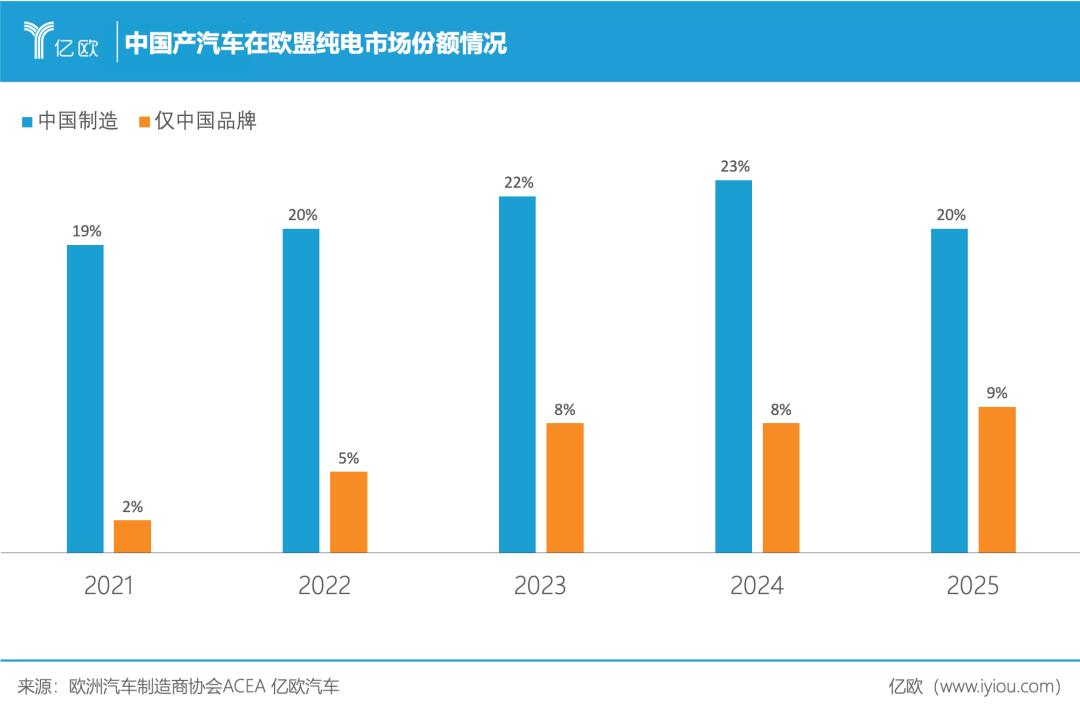
Secondly, although Spain is part of "European manufacturing", its overall comprehensive cost is relatively low.
Compared with Western European countries such as Germany and France, the hourly wage of Spanish auto workers is only about half of that of their counterparts.
But as mentioned earlier, Spain has a solid automotive manufacturing foundation, which has cultivated skilled industrial workers and high-quality engineer teams.
With low costs paired with high-quality talent, Spain has gained a unique "demographic dividend in the labor market".
In addition to labor resources, Spain's energy costs are also lower.
Thanks to its abundant solar and wind energy resources, the proportion of renewable energy power generation in Spain continues to rise, and industrial electricity prices are far lower than those in Central European countries.
For electric vehicle and battery factories with huge power consumption, this advantage is directly translated into considerable cost reduction space in the production process, allowing Chinese automakers to maintain price competitiveness while still securing reasonable profit margins.
Thirdly, the Spanish government's friendly attitude towards China is a non-negligible factor in the investment decision-making of Chinese enterprises.
In the 2024 EU vote on imposing additional tariffs on Chinese electric vehicles, Spain chose to abstain.
Spanish Prime Minister Pedro Sánchez has personally promoted investment attraction during multiple visits to China, meeting with executives of Chinese automakers such as Xiaomi, Changan and SAIC Motor to pave the way for project implementation.
At the same time, the Spanish government has promised to provide hundreds of millions of euros in supporting subsidies or financial support for Chinese enterprises such as Chery and CATL. This combination of "top-level promotion + policy support" effectively reduces the investment risks and macro uncertainty for Chinese automakers.
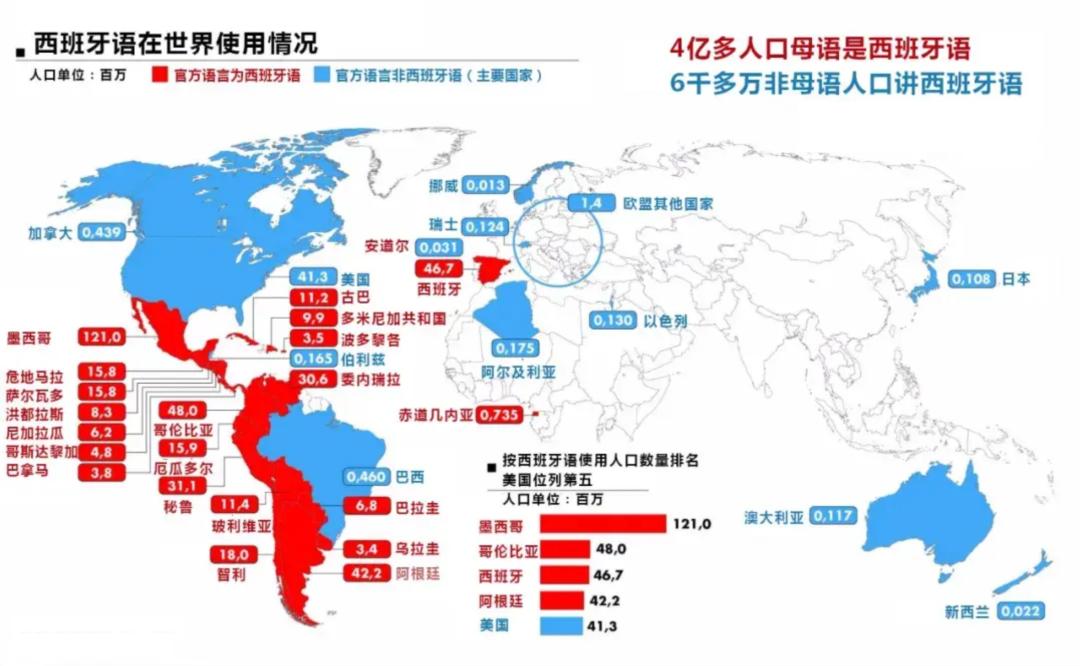
Image source: Instituto Cervantes, Hola Spanish website
Finally, as the birthplace of the Age of Discovery, Spain shares deep cultural ties with Latin America. Chinese automakers investing in Spain can indirectly radiate the Latin American market, which gives Spain strategic significance beyond its local market.
At present, Spanish is the official language of more than 20 countries in Latin America, and this common language brings great convenience for Chinese brands to promote their business in Latin America.
Once Chinese automakers build good brand awareness and accumulate promotion experience in Spain, they can effectively replicate such experience in Latin America.
Local Spanish talents have a far better understanding of the Latin American market than people from other European countries. If Chinese automakers can make good use of this advantage, it will greatly help them expand the Latin American market.
Joint Venture and Cooperation: The Overseas Expansion Wisdom of Chinese Automakers
Although Chinese automakers are actively deploying in Spain, the investment forms adopted by different enterprises are not the same.
Public information shows that SAIC Motor's factory located in the port of Ferrol, Spain, is a wholly-owned enterprise; Geely and Chery build factories through joint venture models; Leapmotor and BAIC choose to cooperate with European automakers for production to enter the European market.
Why have joint venture and cooperation models become the mainstream way for Chinese automakers to enter Spain?
Since the beginning of this year, multiple media reports have stated that EU member states have launched a new round of consultations on the Industrial Accelerator Act (IAA), and Chinese automakers investing in Europe may face rigid requirements such as equity restrictions and mandatory technology disclosure.
According to the draft, if Chinese automakers invest and build factories within the EU, they will be required to form a mandatory joint venture, with the maximum shareholding ratio of the Chinese side capped at 49%, and they also need to transfer part of their core self-developed technologies.
Although there are reports that this new act will not have retroactive binding force on projects that have already been invested, it undoubtedly sends a clear regulatory signal to Chinese automakers that plan to invest in Europe later.
Under such a macro environment, taking the lead in making layouts through joint venture models is not only a precautionary measure to avoid potential regulatory risks, but also a strategic choice to seize the initiative in policy making.
Furthermore, Chinese automakers have accumulated rich experience in joint ventures and cooperation in the process of overseas expansion.
The most representative one is Geely Holding.
From acquiring a 49.9% stake in Malaysia's Proton and taking the lead in its operation, to establishing joint ventures with Renault in South Korea and Brazil, then to setting up the HORSE powertrain company with each side holding a 50% stake, as well as restarting the Smart brand with Mercedes-Benz with each party holding 50% of the shares, Geely Holding's overseas expansion process has always been accompanied by in-depth cooperation at the equity level.
Judging from market feedback, these cooperations have not diluted Geely Holding's control. On the contrary, with the help of the local partners' channels, production capacity and regulatory resources, Geely has achieved rapid penetration and radiation in the host country and even the regional market.
Proton is a classic case. In 2026, due to sudden changes in Malaysia's macro policies, some Chinese automakers that entered the Malaysian market through complete vehicle exports encountered severe challenges.
However, as the Proton brand is Malaysia's national brand, its production and sales are not affected by import tariff fluctuations. Geely was not affected by the changes in regulatory policies. Instead, it sold more than 90,000 new vehicles in the first half of 2026, a year-on-year increase of nearly 23%.
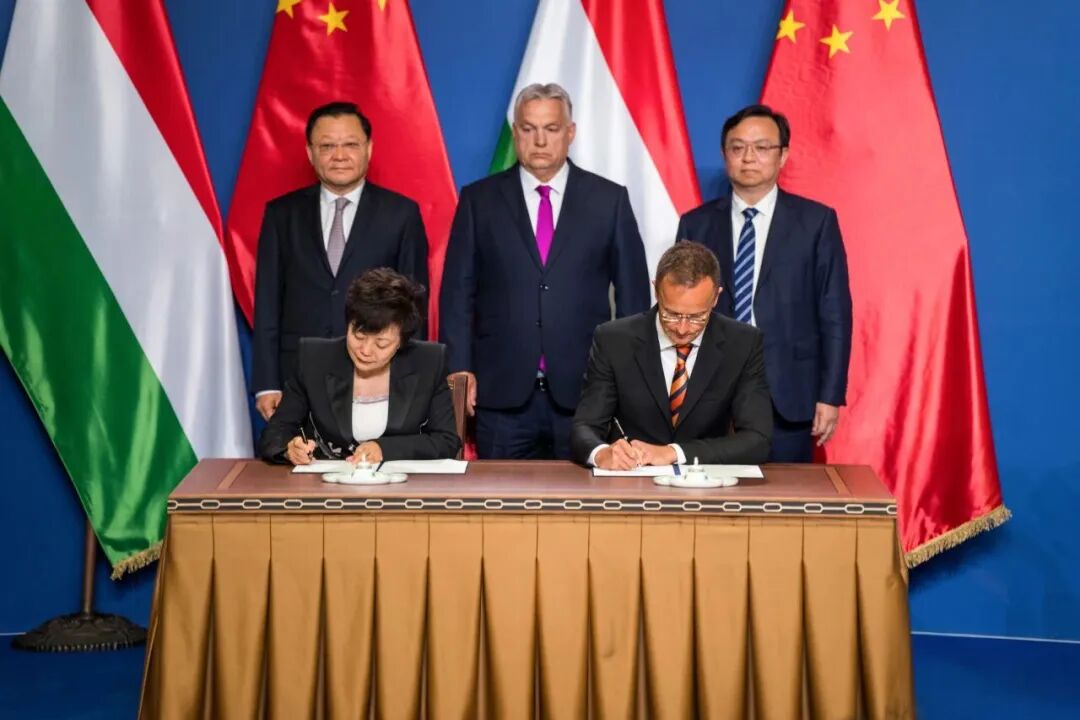
(From left to right in the front row) Li Ke, Executive Vice President of BYD, former Hungarian Foreign Minister Szijjártó Péter, (middle and right in the back row) former Hungarian Prime Minister Viktor Orbán, Wang Chuanfu, Chairman and President of BYD. Image source: BYD
On the contrary, Hungary, which is also within the EU, is a negative case.
Hungary used to be the bridgehead for Chinese automakers to enter Europe, but after the government changed in 2026, its policies changed drastically, and some local projects of Chinese automakers are facing great uncertainty.
From the joint venture boom in Spain to Geely's successful globalization practice, a clear main line is emerging:
In an era of rising trade protectionism and intensifying geopolitical games, simple capital export and technology export are no longer sufficient to ensure the safety of overseas assets.
By embedding into the local industrial ecosystem through joint venture models and leveraging the political capital and market resources of partners, Chinese automakers are exploring a more resilient paradigm for overseas expansion.
This is not only a manifestation of business wisdom, but also a survival rule to preserve globalization achievements in the era of de-globalization.
This article is from WeChat Official Account "Yiou Auto", Author: HUAIYI Guo, Editor: QIUHUI Hao, Published with authorization from 36Kr.