The commuter vehicle market is undergoing a major reshuffle, sales of micro cars have plunged by 55%, and automakers are collectively launching longer-wheelbase models to move away from the A00-class vehicle market.
The A00-class vehicle market has truly collapsed!
According to data released by Cui Dongshu, Secretary-General of the China Passenger Car Association (CPCA), the cumulative sales of passenger cars priced under 50,000 yuan in China in the first half of this year reached 130,000 units, plummeting 55% year-on-year.
The Wuling Hongguang MINIEV, which once recorded monthly sales exceeding 50,000 units and outperformed Tesla Model Y, sold 72,800 units in the first half of this year, a drop of nearly 100,000 units compared to the same period last year. Its rival Geely Panda Mini recorded cumulative sales of 19,900 units in the first half of this year, down 78.2% year-on-year.
Furthermore, the entire economy new energy vehicle market has shrunk to a certain extent.
Economy Vehicles Suffer a Crushing Defeat
When China's new energy vehicle market first began to rise, Hongguang MINIEV delivered impressive sales, outperforming Tesla Model 3/Y for multiple consecutive months.
For consumers at that time, a microcar with a range of over 100 kilometers, air conditioning, easy parking access and affordable price was perfectly suitable as a daily "grocery run" vehicle. After Hongguang MINIEV became a hit, other automakers launched similar models one after another, such as Chery QQ Ice Cream, Geely Panda Mini and many more.
Soon, the entire A00-class vehicle market achieved full electrification, becoming the first segment in China with a new energy penetration rate close to 100%. However, this does not mean that the A00-class vehicle market can continue to grow. Since 2023, the A00-class vehicle market has been on the decline.
The models with falling sales are far from limited to A00-class vehicles. The A-class vehicle market has witnessed the same situation. In a post on Weibo released on June 9 this year, Cui Dongshu summarized six major characteristics of China's passenger car market in May, one of which is that micro electric vehicles are under pressure, the A-class vehicle market is shrinking, entry-level consumption urgently needs support, and standards for economy electric vehicles are expected to be introduced.
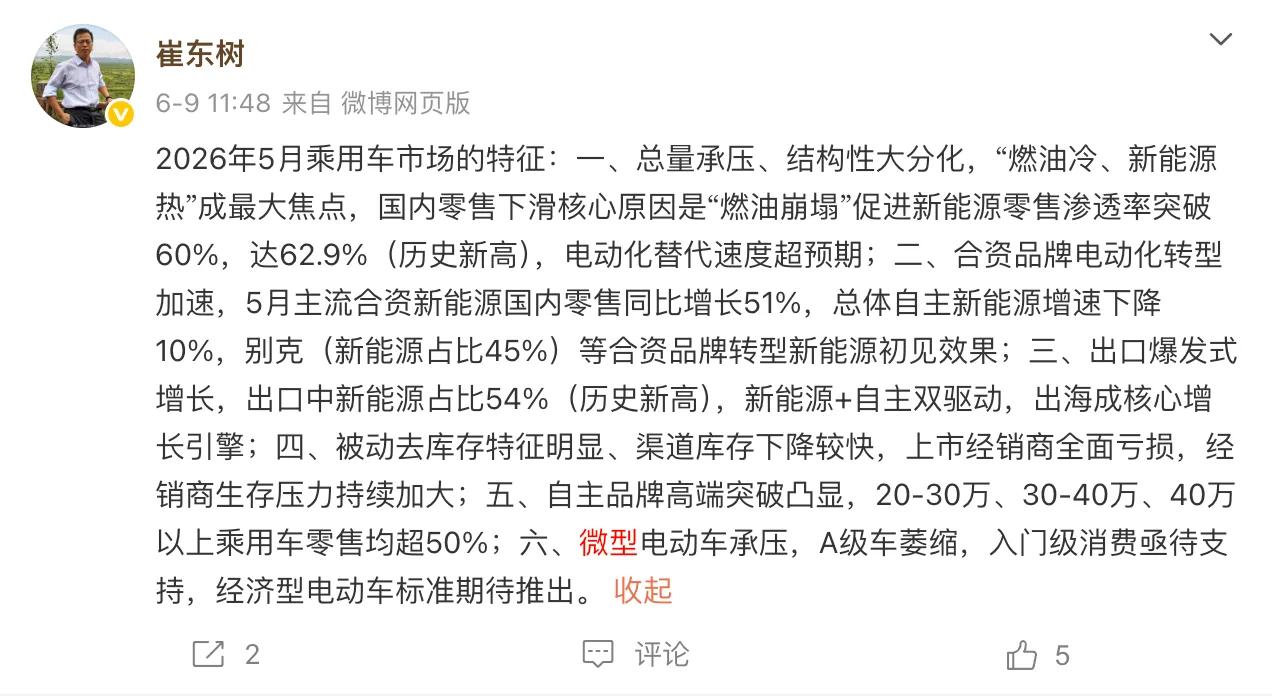
(Source: Screenshot from Weibo)
Of course, there is another type of model in the sub-market of A-class and lower segments that maintains growing sales, which is the A0-class vehicle.
According to CPCA data, China's A0-class vehicle market doubled in growth from January to July 2025. Amid the overall pressure on China's new energy vehicle market this year, wholesale sales of A0-class pure electric vehicles still reached 122,000 units in February, the off-season of the industry, up 3.9% year-on-year.
Looking at the A0-class vehicle market, models including Geely Galaxy Starwish, BYD Dolphin, Wuling Bingo Pro, Leapmotor A10 and Yuan UP all record monthly sales of over 10,000 units. Among them, the delivery volume of Starwish in the first half of this year reached as high as 194,200 units, ranking first in single-model sales across the Chinese market regardless of power type and vehicle class.
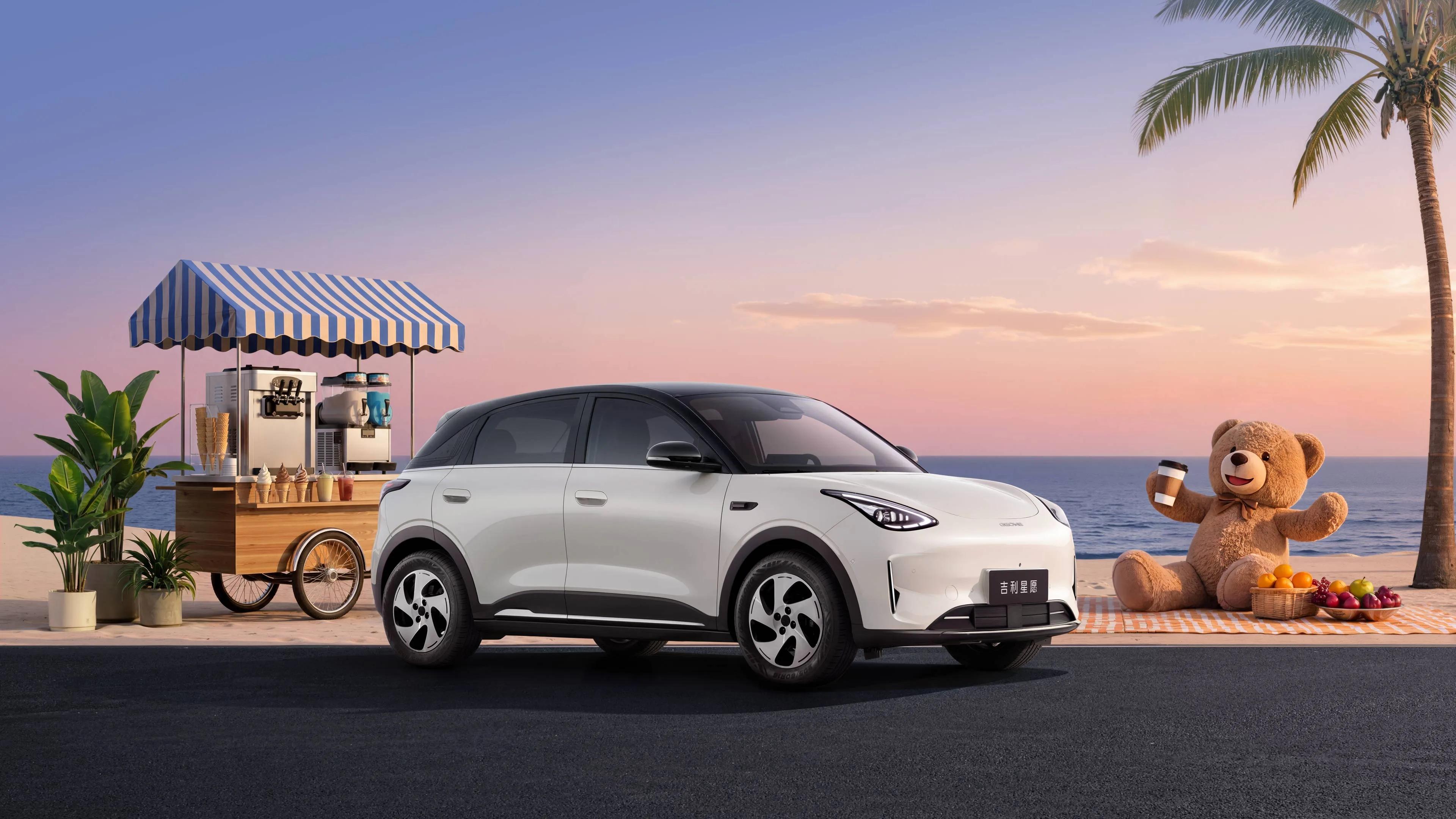
(Source: Geely Galaxy)
Vehicles ranging from A00-class to A-class are generally called "economy" vehicles, featuring low prices and low energy consumption. Especially with the support of preferential policies for new energy vehicles, advantages such as convenient license plate registration and low purchase cost once made A00-class vehicles extremely popular.
Now in the A-class and lower market segments, only A0-class vehicles can maintain sales growth. This does not mean that A00-class and A-class vehicles are no longer cost-effective, but that under the changes of new energy vehicle preferential policies and the industry, A00-class and A-class vehicles are no longer "economical", and consumer demands have also changed.
Economy Vehicles Are No Longer "Economical"
Starting from January 1, 2026, the new energy vehicle purchase tax policy has been adjusted from full exemption to 50% reduction, with the maximum tax cut per vehicle not exceeding 15,000 yuan.
The phase-out of national new energy vehicle subsidies and the adjustment of purchase tax from full exemption to 50% reduction reflect the growing maturity of the new energy vehicle industry, where automakers no longer rely on subsidies and preferential policies to survive. From the perspective of consumers, the most obvious feeling is that the cost of car purchase has increased.
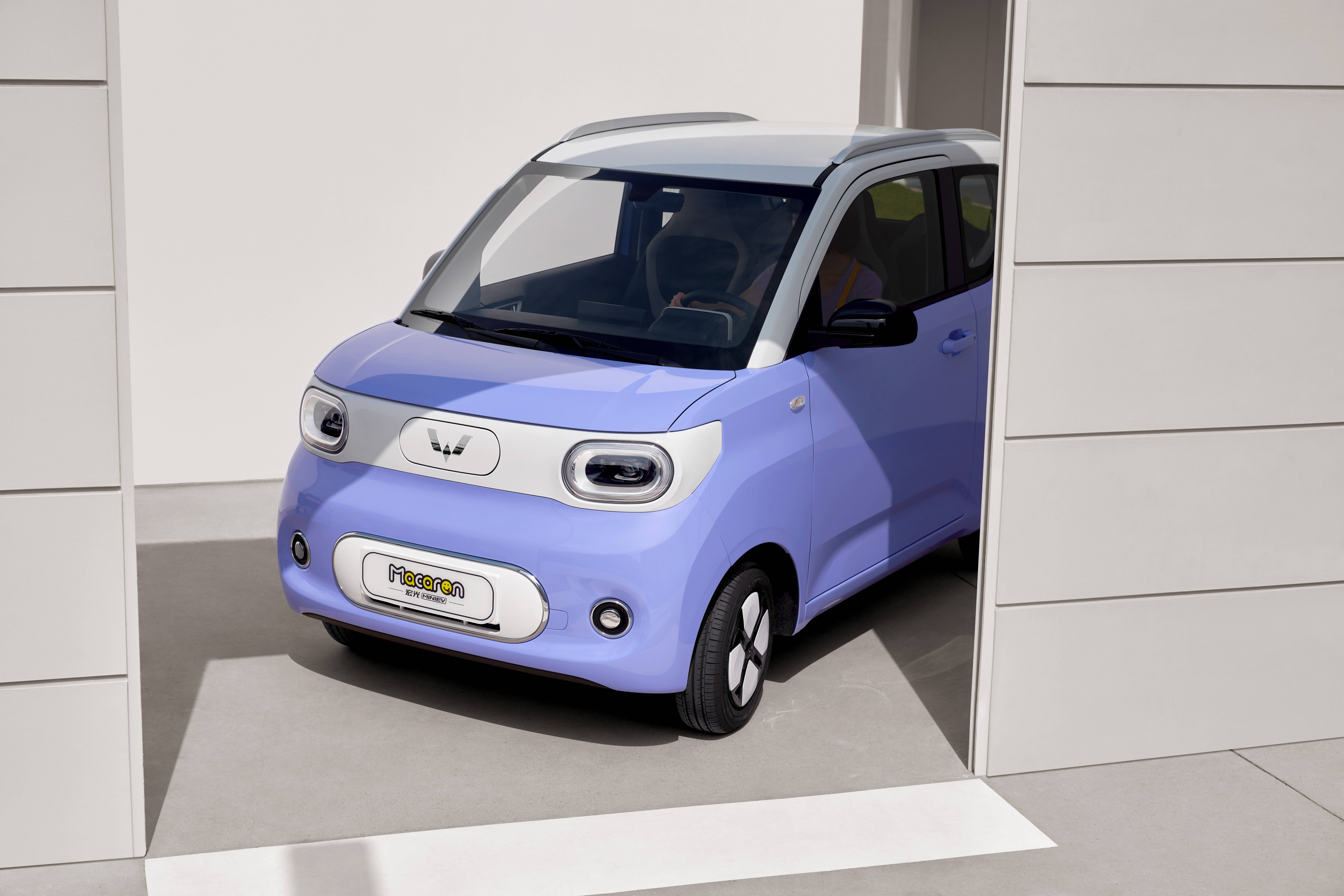
Some A00-class vehicles such as BYD Seagull and Leapmotor T03 have already reached a starting price of around 60,000 yuan, catching up with A0-class vehicles. The fifth-generation Hongguang MINI EV still maintains a starting price of over 30,000 yuan, but it is only 3268mm in length with a wheelbase of 2190mm, resulting in extremely limited interior space.
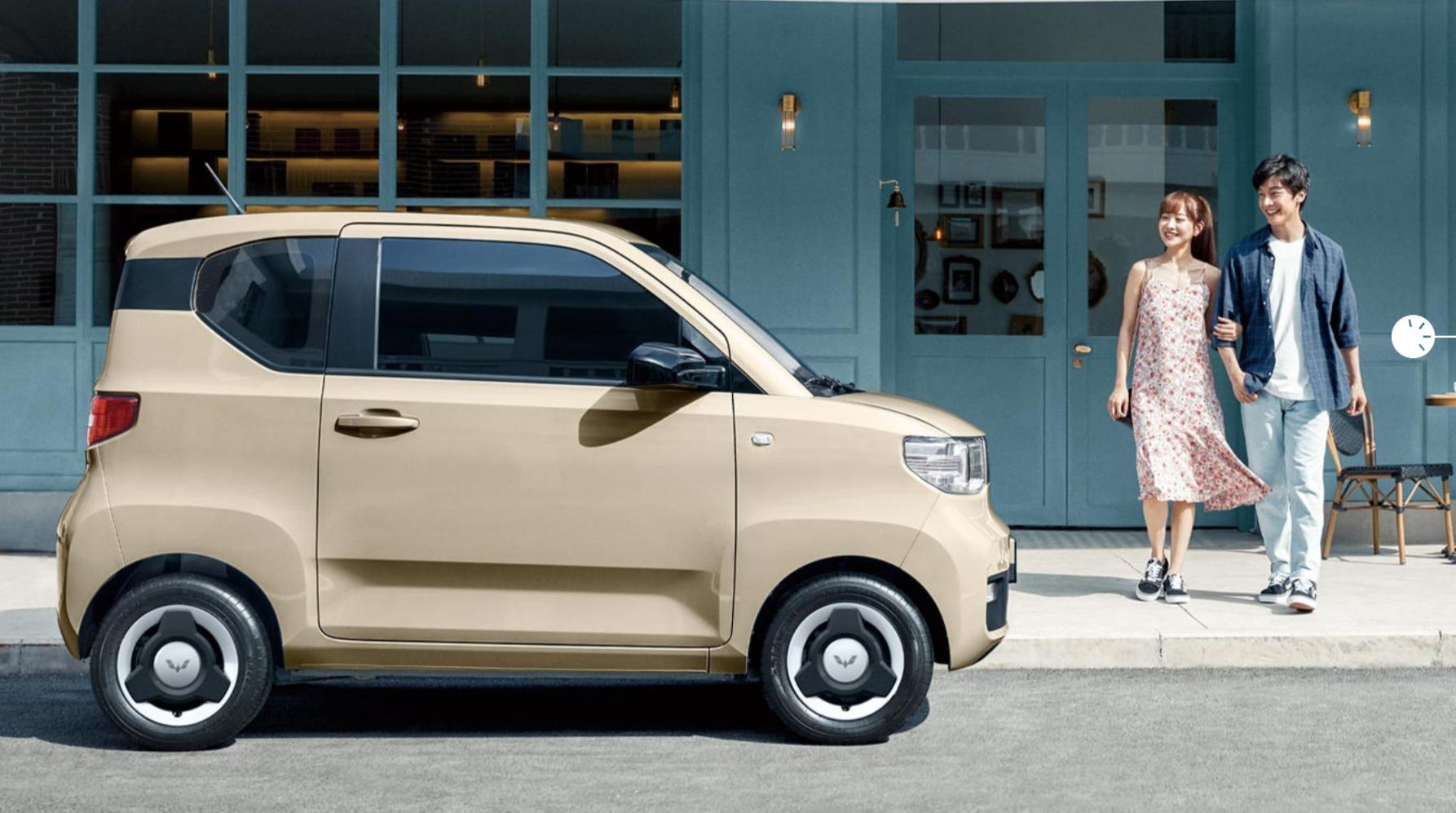
(Source: Wuling)
Moreover, the official guide price of the current fifth-generation Hongguang MINIEV 301km Premium Edition is 54,800 yuan. For only about 10,000 yuan more, consumers can buy the 2026 Geely Starwish 310km Aspiration Edition, which has fully upgraded body size and configurations, so rear passengers will not feel cramped in legroom and headroom.
Furthermore, A0-class vehicles including Wuling Bingo Pro, Chery QQ3 EV and Nano 01 continue to penetrate the lower-tier market, bringing a dimensionality reduction strike to the A00-class segment.
For consumers, the A00-class segment has seen a sharp drop in cost-effectiveness due to the subsidy phase-out, purchase tax policy changes, and rising prices of lithium batteries and storage chips. With an extra budget of 10,000 to 20,000 yuan, they can get a product with fully upgraded space, range and intelligent features, so they are naturally willing to pay more for a better option.
The reason for the falling sales of A-class vehicles is the same as that of A00-class vehicles: on the one hand, changes in relevant policies have reduced the cost-effectiveness of A-class vehicles, and on the other hand, they are facing a dimensionality reduction strike from B-class vehicles.
Models including Geely Galaxy A7 EM / Starlight 7, BYD Qin L / Seal 06, Arcfox Alpha S5 / Beta S3 continue to penetrate the lower-tier market, with their starting prices barely different from the high-end trims of some A-class vehicles. Consumers of A-class vehicles only need to pay an extra 10,000 to 20,000 yuan to get a B-class vehicle with a larger body size.
To adapt to the market, Chinese automakers are making changes. Take BYD as an example. Although the Seagull is still a hot-selling model, BYD has taken proactive steps to make drastic improvements to it.
The new version of BYD Seagull is prominently listed in the 409th batch of "Public Notice of New Products of Road Motor Vehicle Manufacturers and Products" released by the Ministry of Industry and Information Technology in July this year. Compared with the currently sold version, the new BYD Seagull has been resized to 4205×1810×1570mm with a wheelbase of 2650mm, meeting the standards of A0-class vehicles.
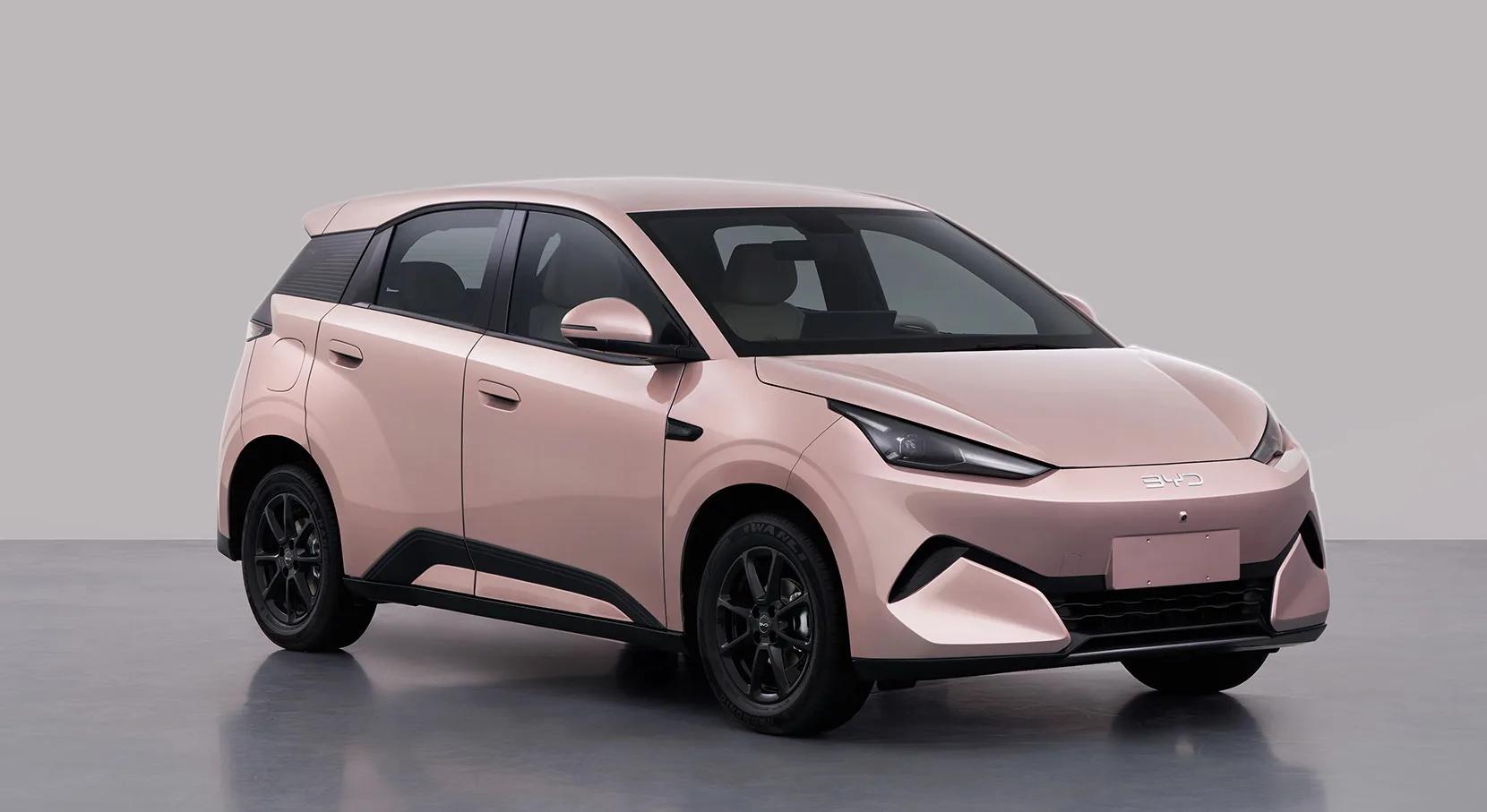
(Source: Ministry of Industry and Information Technology)
The third-generation Yuan PLUS, which debuted at the Beijing Auto Show in April this year, has a body length increased from 4455mm of the previous generation to 4665mm, no longer barely meeting the A-class vehicle standards.
The full phase-out of policy dividends is the underlying driver reshaping the economy vehicle market. The shrinking new energy purchase tax reduction and the gradual exit of local car purchase subsidies have narrowed the cost advantage of micro electric vehicles. Coupled with the stabilizing prices of core components such as batteries and chips, automakers can no longer compress profits to carry out low-price promotions, which greatly erodes the cost-effectiveness of A00-class vehicles, leading to a continuous cliff-like decline in market size.
The pattern of two-way market squeeze further accelerates the decline of the old market segments. With the full penetration of A0-class models into lower tiers, consumers only need a small price premium to upgrade from A00-class vehicles that lag far behind in space, range and safety configurations to highly practical A0-class commuter vehicles.
B-class new energy vehicles continue to cut prices and penetrate downwards, squeezing the living space of A-class vehicles, leaving A-class vehicles stuck in the mid-price range in an awkward dilemma of "failing to compete in quality with higher-tier models and failing to compete in cost-effectiveness with lower-tier models".
The collective adjustment of automakers' product strategies confirms the inevitable trend of industry upgrading. Popular models such as the new Seagull and the all-new Yuan PLUS have extended their wheelbases, enlarged their bodies and upgraded configurations, proactively moving up from A00-class and A-class segments.
A0-class and B-class Vehicles Are the Future of Family Cars
The era of A00-class vehicles relying on extremely low prices to drive high sales volume has come to an end, and the middle zone of traditional A-class vehicles is also being continuously eroded. Market resources for civilian vehicles are concentrating towards the A0-class and B-class directions, forming a pattern of "both ends growing stronger while the middle shrinks".
The core reason why the A0-class segment can absorb the lost commuting demands from the A00-class segment is not its extremely low price, but that it has found a balance point between cost and user experience. It does not require the high budget of A-class vehicles, but can deliver qualified interior space, sufficient range and basic intelligent configurations, perfectly matching high-frequency scenarios such as urban commuting and short-distance family trips.
For users with limited budgets, paying more than 10,000 yuan extra for a leap in safety and practicality also determines that the A0-class segment will gradually secure its position as the mainstay of the urban commuter track, instead of simply repeating the old path of low-price cutthroat competition that the A00-class segment used to follow.
B-class vehicles continue to penetrate downwards, redefining new standards for ordinary family cars. Ordinary household users only need to slightly increase their budget to get a larger body, better chassis texture and more complete intelligent driving configurations, bringing a very significant improvement in comprehensive experience in family usage scenarios. This makes a large number of consumer groups who originally targeted A-class family vehicles directly move up to the B-class camp, and the living space of traditional A-class vehicles is continuously compressed.
Even a small number of C-class new energy vehicles under Wuling, Chery and Geely have a starting price of under 150,000 yuan after discounts. In the future, B-class vehicles may face squeeze from C-class vehicles, leaving even less development space for A-class vehicles.
In the long run, the A0-class segment caters to entry-level commuting demands while the B-class segment caters to mainstream family usage demands, and the two sub-segments will continue to absorb the core consumption power of the market. However, the A00-class and A-class segments will not disappear completely. Both will gradually shrink and eventually stabilize. Automakers will also continuously adjust their product matrices, moving their products closer to the A0-class and B-class segments through upgraded facelifts to adapt to new consumer preferences.
This article is from "EV Insider", and is authorized for release by 36Kr.