Consumers are not buying in, yet capital is placing massive bets — what exactly is the home robot industry betting on?
In June, UBTECH U1 was released, positioned as "the next-generation intelligent terminal", with pre-orders exceeding 10,000 units, which also brought the controversy of "robots entering households" to the public eye for the first time.
At the WAIC held in Shanghai a month later, Fourier, Jaka, Digital Huaxia and other enterprises successively exhibited humanoid robots for home scenarios and education companionship; recently, Dobot also launched its first home humanoid robot "Lumeng", which is fully focused on the intelligent companionship track.
On one hand, new products are being released intensively and financing news keeps coming out, while on the other hand, the actual implementation effect of products is far less smooth than expected.
Shellbot secured financing of 100 million US dollars, and the goal set by its founder Xu Huazhe is no more than "being able to do 10 housework tasks first"; Ziliangshu cooperated with 58 Home Services to cover thousands of households, and the most frequently mentioned feedback from the backend is "the movement is a little slow" and "it gets stuck occasionally".
The hustle and bustle belongs to hustle and bustle, and the implementation belongs to implementation. Financing and controversy are rising simultaneously. This is the real current state of the home embodied intelligence track: The practicality of products is limited, repurchases are out of the question, commercialization is far from mature, and only the capital market remains extremely hot.
What capital is betting on is three more far-reaching narratives: the next-generation human-computer interaction terminal, the scarcest real data source for general artificial intelligence, and the trillion-level emotional consumption market.
Orders measure the present, while capital bets on the endgame ten years later. But beyond the business narrative, a more fundamental question is: Why do robots need to enter households?
The answer determines the final direction of the track, and also determines whether those robots that clumsily fold clothes, wipe tables, and fail repeatedly in real home environments will eventually become daily standard configurations, or just another overdrawn technology story?
Robots Entering Households: Exchanging Data for the Future, or Selling Companionship for Immediate Profit?
At present, the robot industry has generally divided into two paths for the implementation of home scenarios: one is represented by Ziliangshu, Shellbot, Future Not Far Robot and other enterprises, betting on the long-term technical value of "the home as the ultimate training ground for AGI"; the other is represented by UBTECH, Songyan Power, focusing on the immediate market rigid demand for human emotional companionship.
The former follows the long-term logic of technology, adheres to the core consensus that "home is the optimal training ground for AGI", regards commercialization only as a means to exchange data, does not make money from hardware in the short term, and the ultimate goal is to obtain the right to train general models.
Xu Huazhe, founder of Shellbot, pointed out the core reason for betting on the home scenario: standardized operations in industrial scenarios will only solidify the dedicated attributes of robots, and only the disordered and diverse complex scenarios at home can train real general robots with generalization capabilities. Shellbot focuses on 10 high-frequency housework tasks such as storage, delivery, and cleaning for steady iteration, and predicts that usable consumer-grade home robots will be available within two years.
Ziliangshu Robot has put this logic into practice: it has cooperated with 58 Home Services to serve more than 1,000 households, and the core purpose is not to make profits from housekeeping services, but to use small-scale commercial implementation to obtain behavior data, environment data and interaction data in real home scenarios. These data are core assets that can never be replaced by laboratory simulation data, and are also the core barrier for the iteration of general robots.
The "rent first and buy later" model of Future Not Far Robot with a monthly payment of 3000 RMB greatly lowers the threshold for user experience. As of July 2026, it has covered more than 500 households, accumulated service hours exceeding 50,000, and obtained nearly 1 billion RMB of Pre-A round financing, which verifies the real market demand for home robots from the market side.
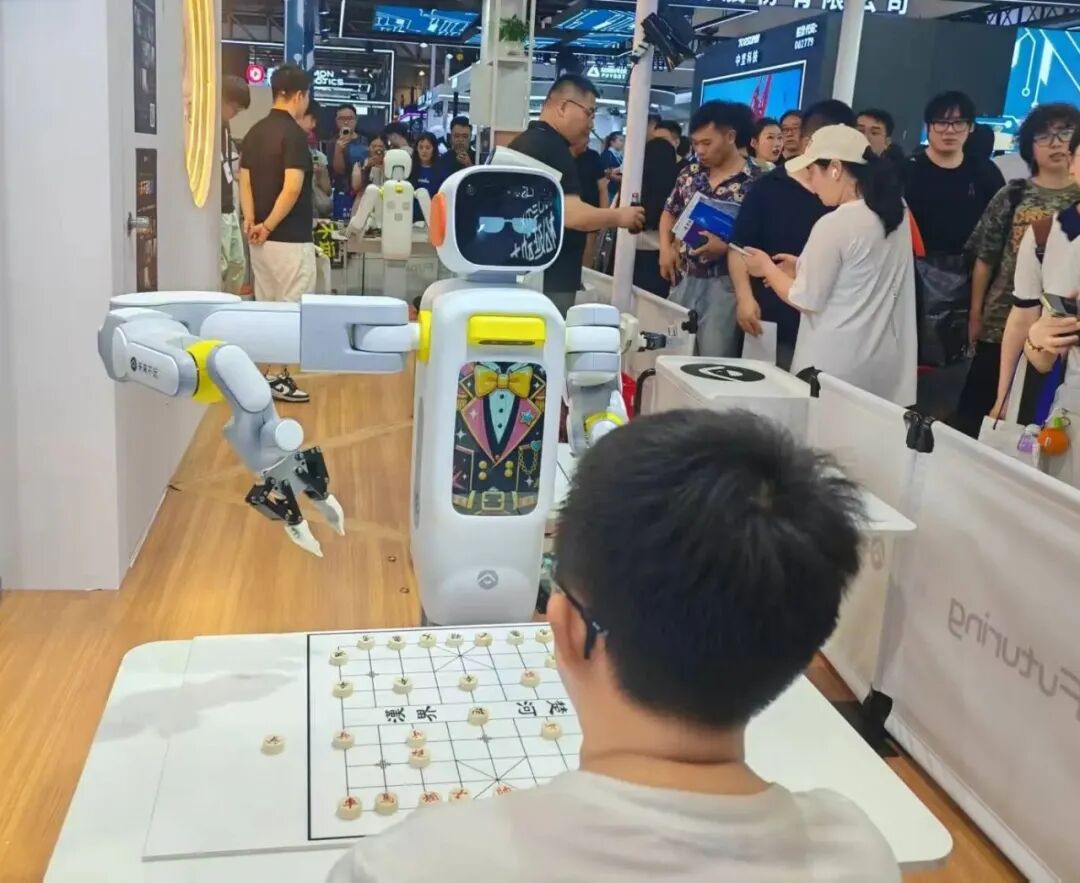
Relative to the labor value, enterprises represented by UBTECH, Fourier, Songyan Power, Jaka and Dobot step out of the hardware operation competition and focus on the rigid demand of human emotion and education.
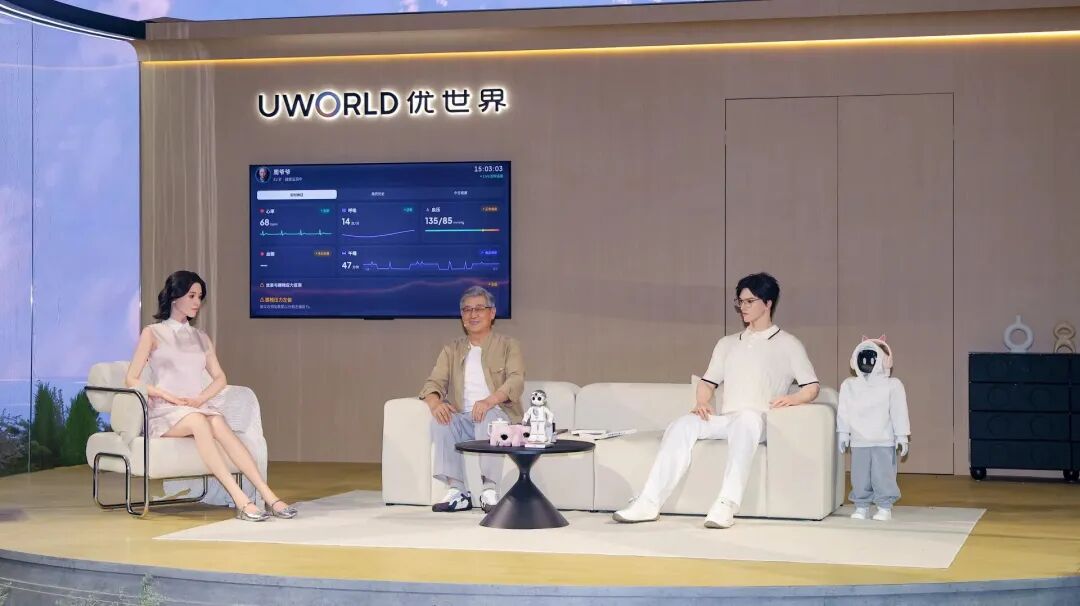
Zhou Jian from UBTECH judges that the emotional companionship demand of 400-500 million people in China has not been met for a long time. Compared with homogeneous industrial hardware, home robots with emotional connection will break through the tool attributes and become the next-generation AI interaction entrance.
Songyan Power is deeply engaged in the inclusive children's companionship track. Its 10,000-yuan product "Xiaobumi" focuses on the 7-13 year old group, featuring AI enlightenment, programming teaching and parent-child play, which accurately cuts into the segmented rigid demand. Relying on the strategic cooperation with Kidswant, Songyan Power achieves rapid large-scale implementation with the resource of tens of millions of parent-child members.
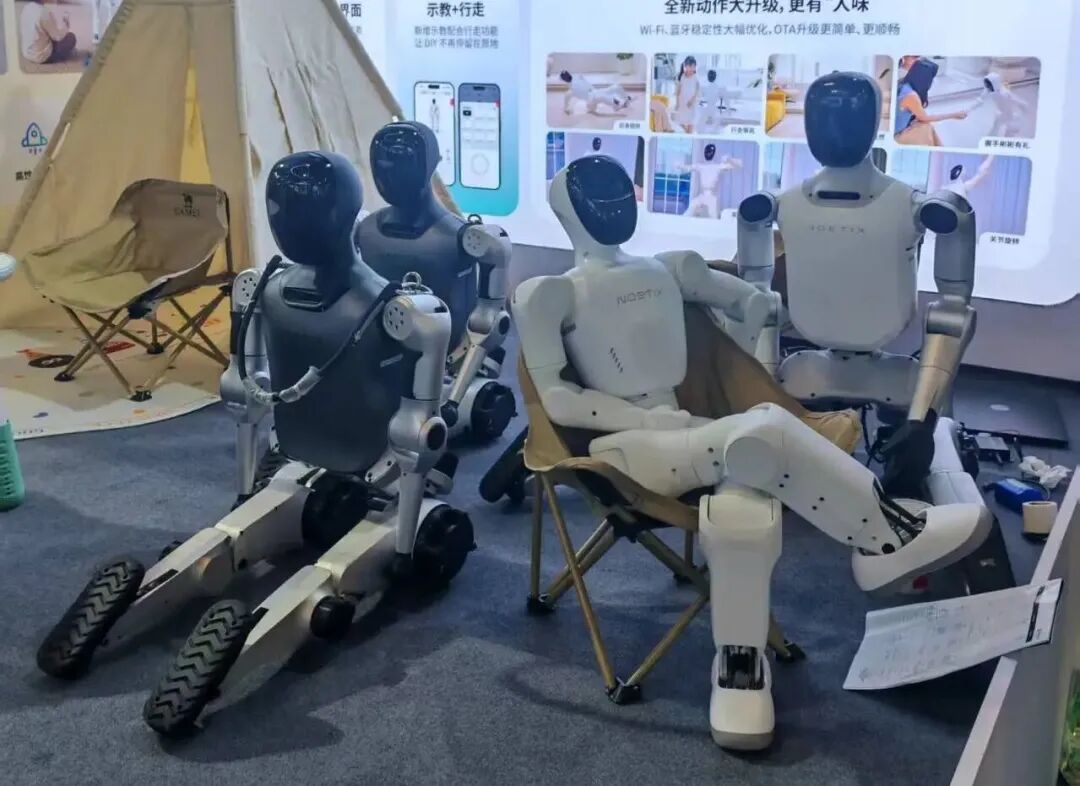
Data from IDC reports show that the market size of China's education companionship robot market will exceed 1 billion US dollars in 2026, with a year-on-year growth rate of 89%, and the track has strong growth momentum.
In addition, Jaka and Dobot have launched home companionship robots, and Digital Huaxia has also launched education companionship products, so the number of participants in the track continues to expand.
The two development paths seem to move in different directions, but their underlying logic is highly unified, and the final destination is the implementation of robots in households.
Players focusing on labor value bet on the long-term technical endgame, relying on massive interaction data in real home environments to train general humanoid robots with full-domain generalization capabilities. For this path, the core significance of the home is not the short-term consumer market size, but the irreplaceable ultimate test field for training general artificial intelligence.
Players focusing on emotional value aim at the current market demand. Spiritual demands such as elderly care, children's early education, and emotional counseling have an immediate payment base, and commercial realization can be achieved without robots completing complex housework tasks.
The two paths have different choices, but the industry has formed a unified consensus that the home environment has the highest complexity and the most diverse interaction scenarios, and it is also the highest-quality test soil for the iteration of embodied intelligence.
At this stage, home robots still have shortcomings in the ability to perform housework, and their commercial profitability is weak, but the industry cannot wait for the technology to be fully mature before making layouts. Only by cutting into the real home scenarios in advance can model iteration and capability evolution be completed in the continuous implementation process.
In short, the labor value path is betting on the long-term technical reform dividend, while the emotional value path realizes the current spiritual consumption demand. One is deeply cultivating long-term technical barriers, the other is cashing in short-term cash flow quickly. The two paths complement each other and jointly build a complete growth imagination space for the home robot track.
Users Are Not Paying, While Narratives Determine Valuation
At present, there is a distinct industry paradox in the home robot track: the practicality of products is insufficient, user repurchases are out of the question, and the implementation on the market side is not mature, but the capital market continues to be hot, with valuation and stock prices rising all the way.
Peeling off the bustling appearance of the industry, one reality that needs to be recognized is that embodied intelligence is still in the early stage of development at this stage. The real payers for this industry are not ordinary users in home scenarios, and various capitals are the core force supporting the rapid development of the track.
The first barrier for robots to enter households is safety. After passing this barrier, the decision-making logic of ordinary families is very simple — whether the robot can work, whether it is worth the price, and whether it can replace manual labor. Compared with the overall technical level of the current industry, most products at this stage do not meet the standards.
Leading practitioners in the industry have long reached a consensus that the commercialization of home scenarios is far from mature.
Peng Zhihui, co-founder and CTO of Unitree Robotics, publicly admitted in April this year that home service robots will not gain popularity in the short term. The industry will first test the implementation with the mode of robot door-to-door subscription service and manual remote backup, so as to avoid the shortcomings of immature technology and ensure human-robot safety. He also predicted that the current focus of the industry is still on industrial scenarios, and it will take at least five years for robots to enter households on a large scale.
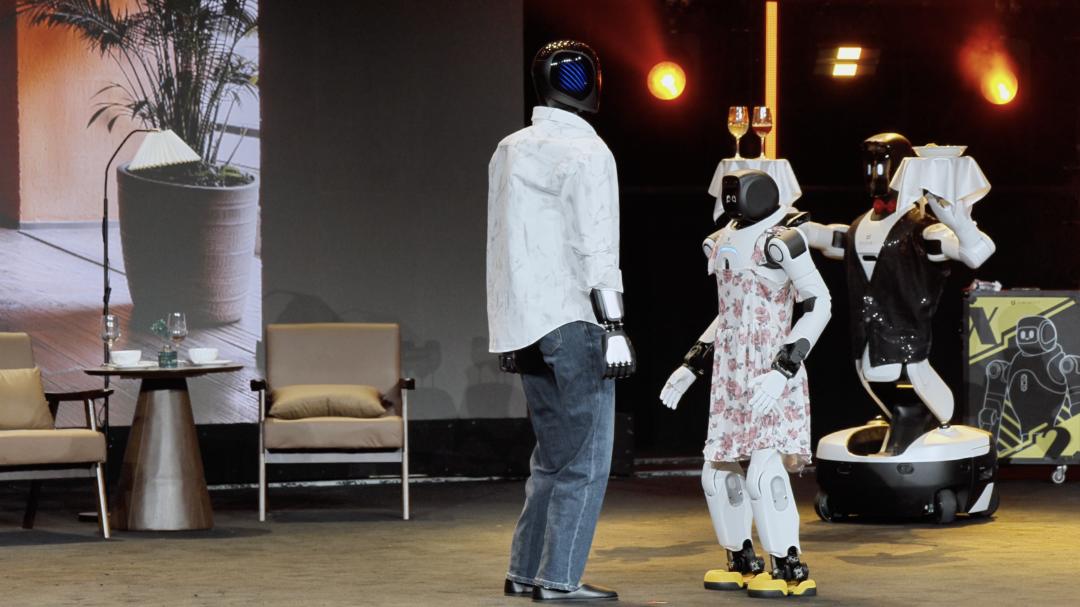
Unitree Technology also holds a similar view. Its CMO Wang Qixin said that the ultimate goal of humanoid robots is to serve thousands of households, but they must go through the polishing of industrial, commercial, health care and other scenarios before they can adapt to the complex home environment. Founder Wang Xingxing also pointed out in July this year that robots are becoming new consumer goods, but the commercial implementation on the home side is still in the early exploration stage.
On the whole, the core role of home users at this stage is only an experiencer, far from the time to pay.
In sharp contrast, the heat on the capital side continues to soar. Data from IT Juzi shows that the financing scale of China's embodied intelligence track in the first half of 2026 reached 935 billion RMB, a year-on-year surge of 5 times, with a significant head agglomeration effect, and the top 20 financed enterprises accounted for 60% of the industry's total capital.
Institutions that bet on the home robot track focus on three major long-term industrial narratives, which are also the core support for the high valuation of the track.
The first is the value of terminal entrance, humanoid robots are expected to replace mobile phones and become the next-generation general intelligent interaction terminal;
The second is the exclusive data value, the home is the most complex and highest-frequency real scenario, which is the core data mine leading to AGI and training embodied models;
The third is the blue ocean market value, the emotional companionship and home service market can open up new growth space beyond traditional hardware. The high valuation premium of the track comes from the expectation of the future endgame, not the current product performance.
Under the continuously hot market, the views within the capital are obviously divided, forming two camps: cautious wait-and-see and long-term bullish.
Deng Feng from Northern Light Venture Capital holds a prudent attitude, saying bluntly that there is an obvious valuation bubble in the home robot track, and the current valuation has overdrawn the performance of the next few years, and there is still a long way to go for the technology maturity and product implementation in home scenarios. But he also recognizes that the bubble of emerging industries has positive value, and the concentrated blood transfusion of capital is the necessary foundation for enterprises to continue R&D, scenario trial and error and technology iteration;
At the same time, leading institutions such as China Vision Capital, Xiaomi Strategic Investment and GL Ventures continue to firmly bet on the endgame value of the home embodied intelligence track, and are convinced of the long-term trend of home robots upgrading from tool hardware to integrated intelligent terminals.
Ji Wei from China Vision Capital believes that home is the most imaginative blue ocean market for embodied intelligence, and robots will upgrade from a single hardware to an integrated terminal integrating housework, care and interaction;
Cao Wei from BlueRun Ventures pointed out the iteration of investment logic, noting that 2026 is a watershed, and capital no longer pursues laboratory demos, but focuses on three core strengths: hardware stability, engineering implementation capability and data closed-loop iteration.
The actions of industrial capital are more direct. Xiaomi Strategic Investment has made layouts around the core nodes of the industrial chain, continuously increasing its stake in enterprises such as Ziliangshu and Shellbot, with a clear logic pointing to the home entrance. GL Ventures is also deeply engaged in this field. It is not only the cornerstone investor of Woan Robot's IPO, but also deployed the flexible companionship robot MoYa in June 2026.
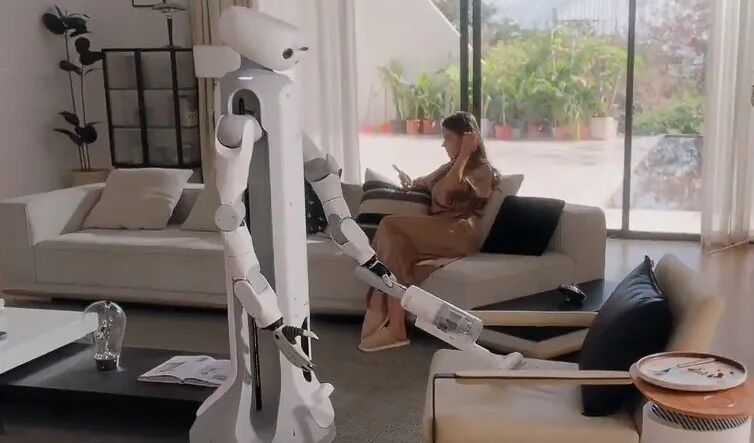
The development of AI hardware is shifting from efficiency tools to relationship terminals carrying human-computer emotional connections. Capital is willing to pay for phased losses, betting on a set of closed-loop logic: exchanging real scenarios for data, using data to iterate models, and using models to lock in the endgame. But whether this closed loop can really run through depends on whether a real industrial foundation is growing under the bubble.
Bubbles Create Illusions, and Also Gestate Reality
The controversy over humanoid robots has always revolved around the word "bubble". The intuitive feeling of ordinary consumers is that products are not easy to use, implementation is difficult, and commercialization is far away, but the valuation of the primary market keeps rising, and the outside world easily defines it as industry overheating spawned by concept speculation.
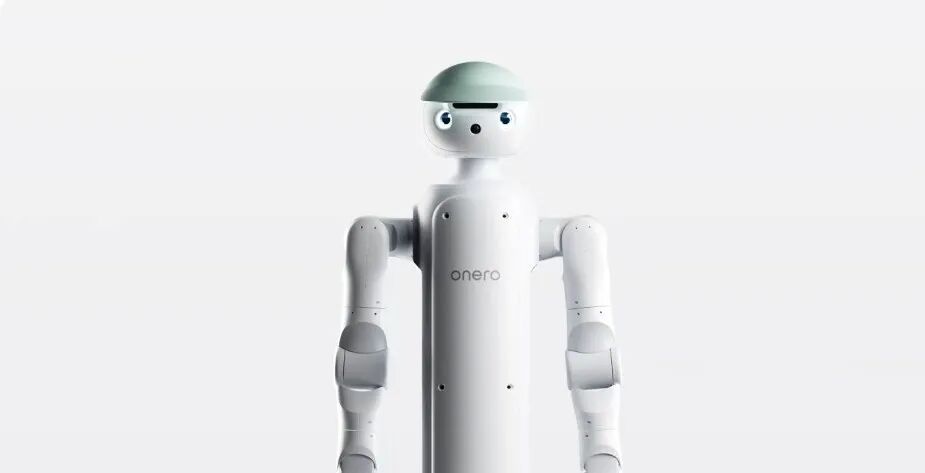
From the perspective of a longer development cycle, the leading industry expectation lags behind product implementation, which is a common process of the industrialization of disruptive technologies. The essence of the bubble is only the time difference formed by the asynchrony of industrial development.
Objectively speaking, there are indeed many irrational chaos in the current track. The heat of the industry has attracted a large number of followers to enter the market, homogeneous involution has intensified, many products lack the real ability to "do work", the interaction is superficial, and emotional companionship is only programmed words, relying on concepts such as humanoid robots and home AI to raise valuations, which further amplifies the market's doubts about the overheating of the track.
But the large-scale investment of capital is not worthless. High-tolerance capital investment essentially undertakes the trial and error cost for the early immature embodied intelligence technology, which greatly accelerates the implementation process of general robots.
At the same time, capital is also forcing the industry to clear out.