Unitree is open for subscription today, and overseas institutions point out that it is replicating the development path of BYD and DJI.
Robotics Insight August 10 News: Today, Unitree has launched its subscription on the Sci-Tech Innovation Board, officially debuting as "the first A-share humanoid robot stock".
With Unitree's listing on the Sci-Tech Innovation Board, the business logic behind its rapid growth has once again become the focus of public attention.
Previously, overseas research institution SemiAnalysis published a lengthy article dissecting Unitree's business model, asserting that Unitree is replicating the hardware strategies once adopted by BYD and DJI, and may take this path to dominate the global robotics industry.

According to the institution's analysis, Unitree's strategic context is extremely clear: by mastering core components, it first opens up the research and hobbyist market with low-cost products, then uses large-scale manufacturing and China's local supply chain to support product iteration, and gradually expands into larger commercial scenarios.
In addition, the institution learned that Unitree has very likely reached the delivery milestone of its 10,000th humanoid robot.
In 2025, Unitree's annual revenue achieved a 335.36% year-on-year increase, with gross margin approaching 60%. The company is also incorporating more manufacturing links into its in-house system, and plans to invest nearly 2.022 billion yuan in embodied model R&D.
Most critically, its pricing is already far lower than other humanoid robot products on the market.
According to the institution's estimates, for the overseas market, over the past 12 to 18 months, the selling price of Unitree G1 humanoid robot has dropped sharply from USD 50,000 (about RMB 338,000) to USD 27,300 (about RMB 184,000), and some transaction prices have even fallen to USD 20,000 (about RMB 135,000).
Even at this price point, its estimated gross margin remains at around 67%.
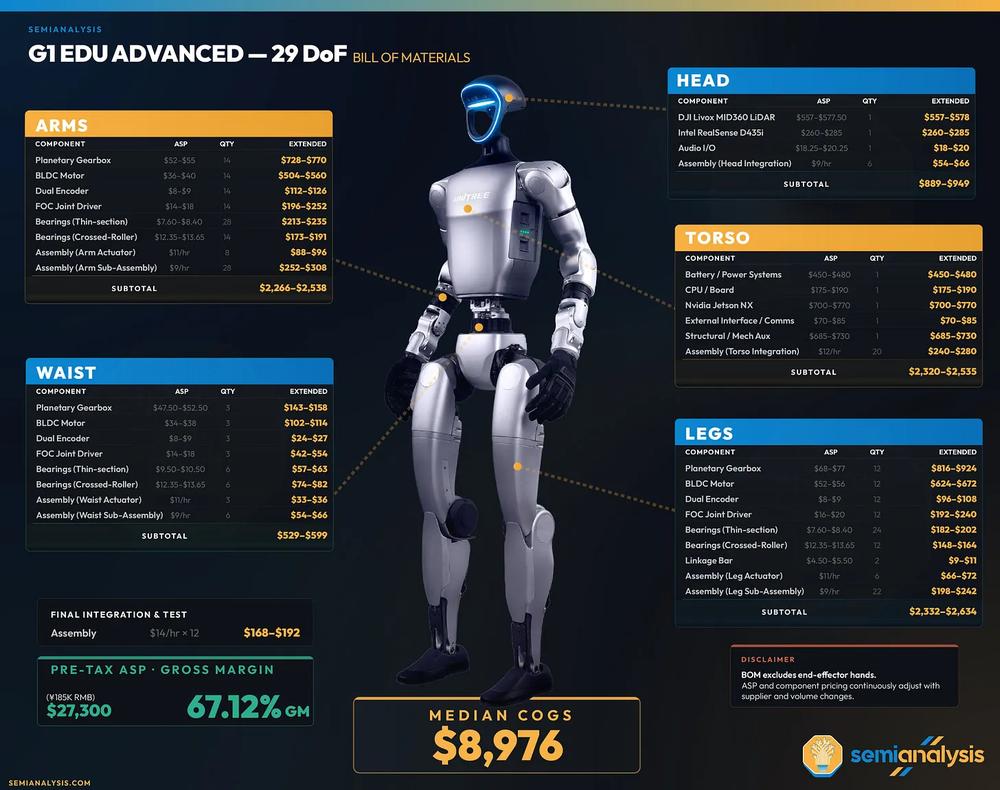
▲ G1 EDU ADVANCED Humanoid Robot (29 Degrees of Freedom) BOM Cost and Gross Margin Estimation Table (Source: SemiAnalysis)
This "dimensionality reduction strike" relying on the supply chain ecosystem has widened the gap between Unitree and its overseas competitors.
Just three years ago, Unitree was still defined as a quadruped robot company.
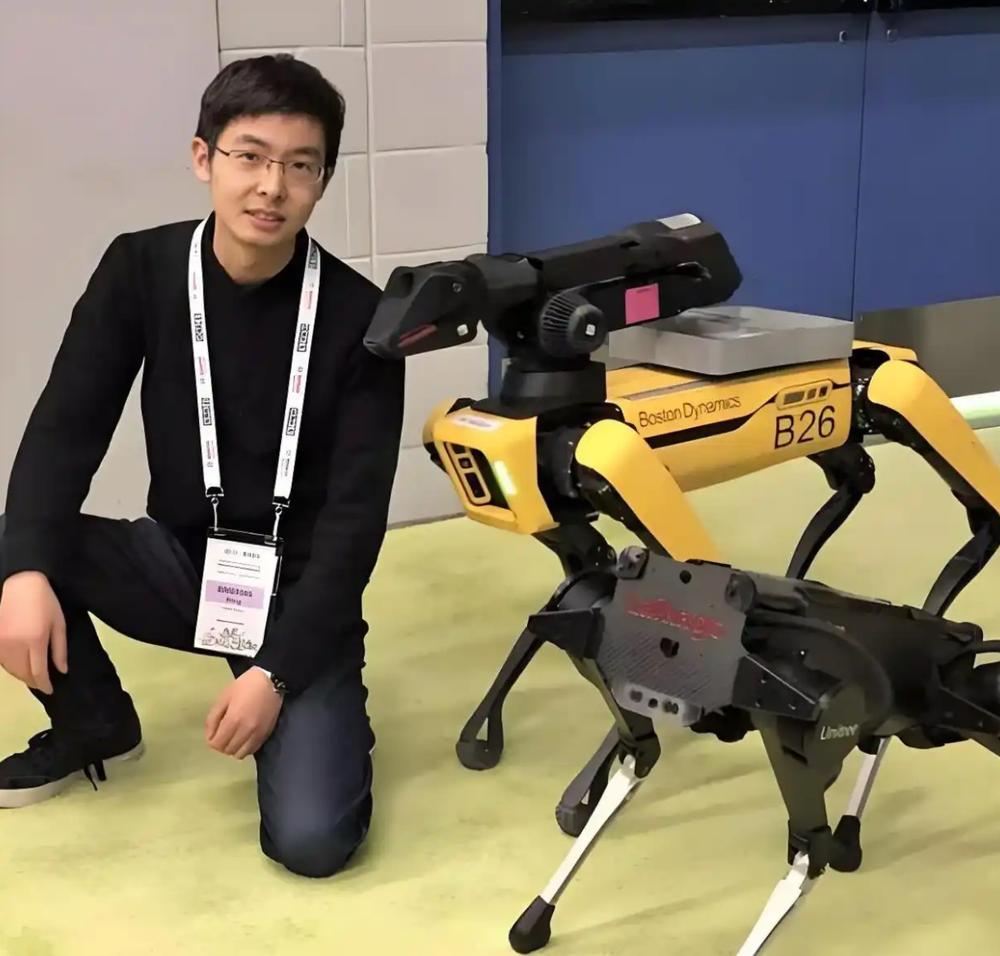
Now, the G1 has not only entered the actual usable deployment stage, but Unitree also holds three new designs under development, one of which will directly compete against top overseas products.
In the overseas market, although Tesla demonstrated the Optimus prototype as early as 2022, up to now, its products and those of other overseas peers are mostly still in the state of continuously polished "semi-finished products".
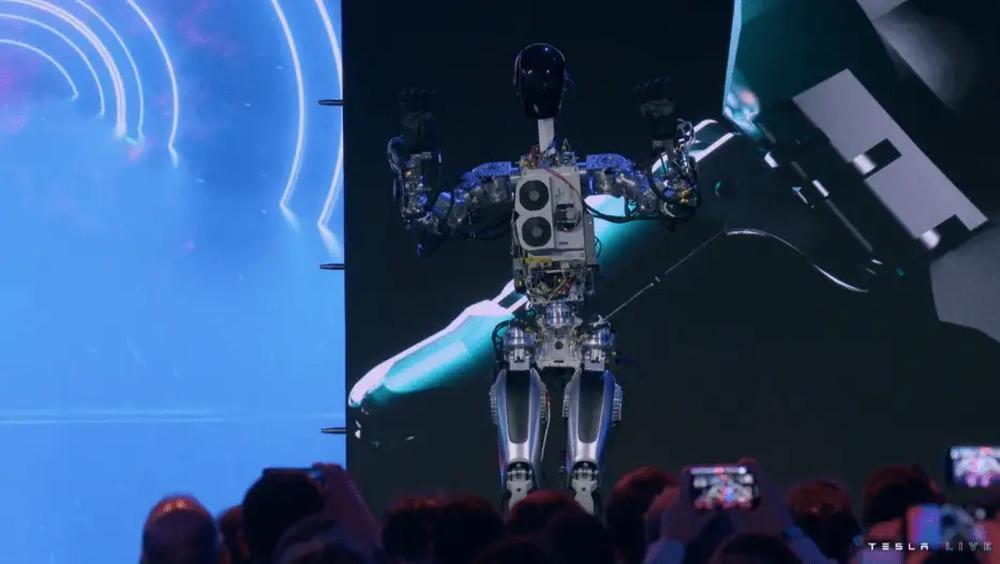
▲ Optimus Prototype
Today, when Unitree officially reaches the Sci-Tech Innovation Board subscription node, looking back at these figures, the significance goes far beyond "selling robots at low prices". From actuators, supply chains, manufacturing capabilities to product iteration speed, a Chinese hardware industry approach more similar to that of BYD and DJI is being reenacted on humanoid robots.
01.
The Script of BYD and DJI
Is Repeating on Unitree
The key to understanding Unitree is to first understand BYD and DJI.
BYD's core strategy is to master the most expensive and complex core components in the BOM (Bill of Materials), and build a compound cost advantage that competitors cannot match around them.
BYD first entered the battery cell track. Batteries once accounted for 30% to 40% of the BOM of electric vehicles, and this proportion has now decreased due to BYD's efforts. When BYD was founded in 1994, it entered the battery cell track that Japanese manufacturers withdrew from due to toxicity issues. After nearly ten years of internal development, it did not enter the electric vehicle market until 2011.
At that time, China's electric vehicle market barely existed. When BYD launched its first pure electric model e6 in October 2011, the annual national electric vehicle sales were only 8,159 units, accounting for 0.04% of new car sales.
Since then, BYD has continuously brought core components such as cells, drives, motors, IGBT and SiC power modules, gearboxes, chassis and engines into self-development and in-house manufacturing. Among them, IGBT and SiC power modules are core power devices in the electric vehicle electronic control system, with high barriers from design to manufacturing. BYD is also one of the few automakers in the world that can integrate such power devices into its internal manufacturing system. By the end of the 2010s, the vast majority of core components of electric vehicles were produced in BYD's own factories.
This positive cycle allows BYD to use new products to open up new markets.
Blade Battery is a classic case among them. The previous lithium iron phosphate battery (LFP) was cheap and safe, but low in energy density, and only suitable for forklifts that do not travel long distances or buses that return to fixed points. In 2020, through a new packaging structure, the Blade Battery increased the space utilization per kilogram of the battery pack by 50%, which instantly brought lithium iron phosphate batteries into the mainstream passenger car market.
The results were immediate: before the launch of the Blade Battery in 2020, BYD's new energy vehicle sales were 189,000 units; in 2021, the figure soared to 600,000 units; by 2025, BYD not only firmly took the top spot in global electric vehicles, but also surpassed Tesla in pure electric vehicle production.
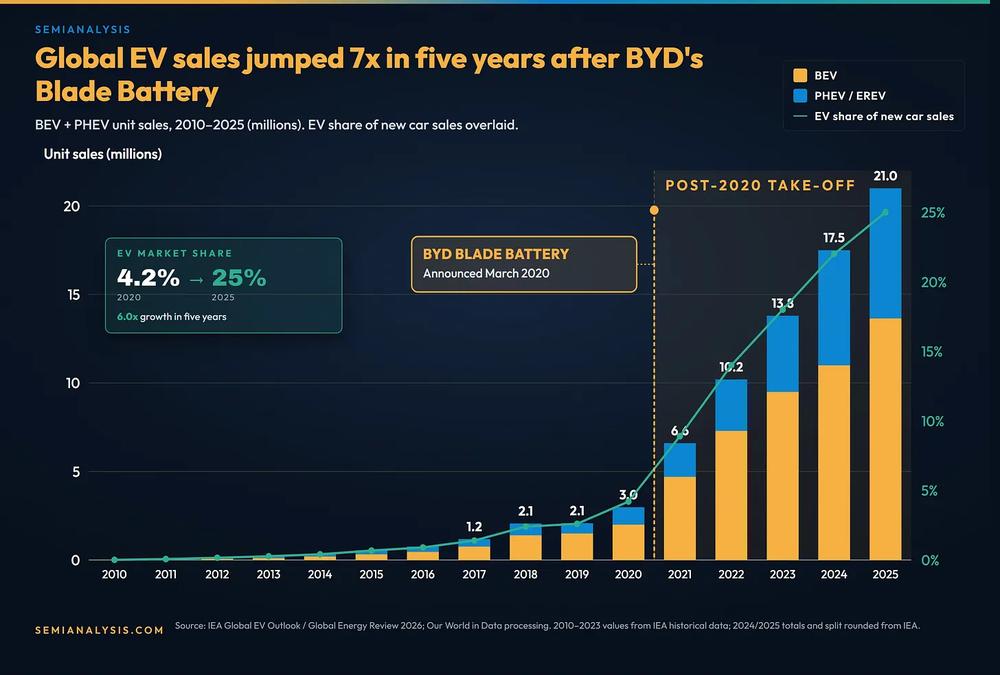
▲ After the release of BYD's Blade Battery, global electric vehicle sales increased 7 times in five years (2010–2025) (Source: SemiAnalysis)
Its cost structure is almost unshakable. For example, the Seagull launched in 2023 is priced at only about USD 11,000 (about RMB 74,000), and its new version in China is close to USD 8,000 (about RMB 54,000).
BYD has further extended upstream, established a smelting joint venture with Huayou Cobalt, and directly obtained the lithium ore mining right in Brazil's "Lithium Valley".
BYD's scale advantage has even forced Europe and the United States to adopt protective measures.
Volkswagen announced the first closure of its German plant in history, and Stellantis lowered its performance targets, attributing the pressure to Chinese electric vehicles. The United States even raised tariffs on Chinese electric vehicles to 100%.
Today, BYD has grown large enough to have its own ocean-going fleet to deliver its cheapest and best electric vehicles to the world.
DJI's development path is more similar to Unitree's current rhythm.
Around 2013, "usable consumer drones" were not yet a product category. The leading product Parrot AR.Drone at that time was classified as video game hardware at CES, with no gimbaled camera, no GPS, and could only shoot 640×480 pixel photos and videos.
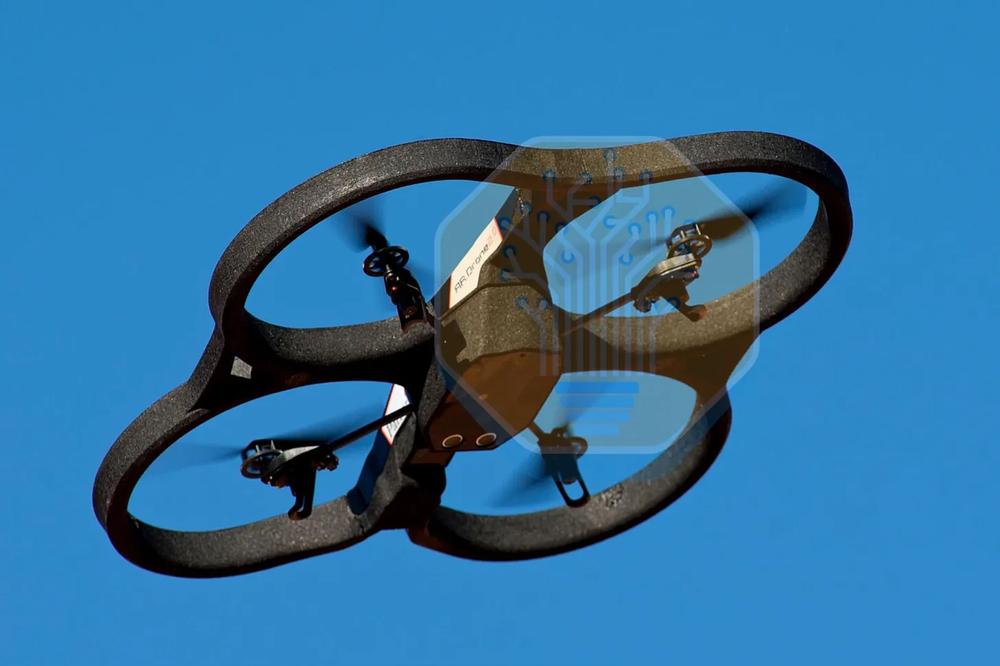
▲ AR.Drone 2.0
To do professional aerial photography, you either pay nearly USD 20,000 (about RMB 135,000) for a Draganflyer X6, or assemble the frame, motor, flight controller and gimbal by yourself. The cost of parts can exceed USD 1,200 (about RMB 8,123), and you have to spend dozens of hours assembling and debugging, with drone crashes being a common occurrence.
DJI's Phantom 1 was launched in January 2013 at a price of USD 679 (about RMB 4,596). It had no built-in camera, no gimbal, could only fly for 10 minutes, and had no real-time image transmission. It seems like a semi-finished product today, but at that time, it lowered the threshold to half that of self-assembled drones, and eliminated the hassle of assembly. This instantly detonated the market of researchers, hobbyists and early professional photographers.
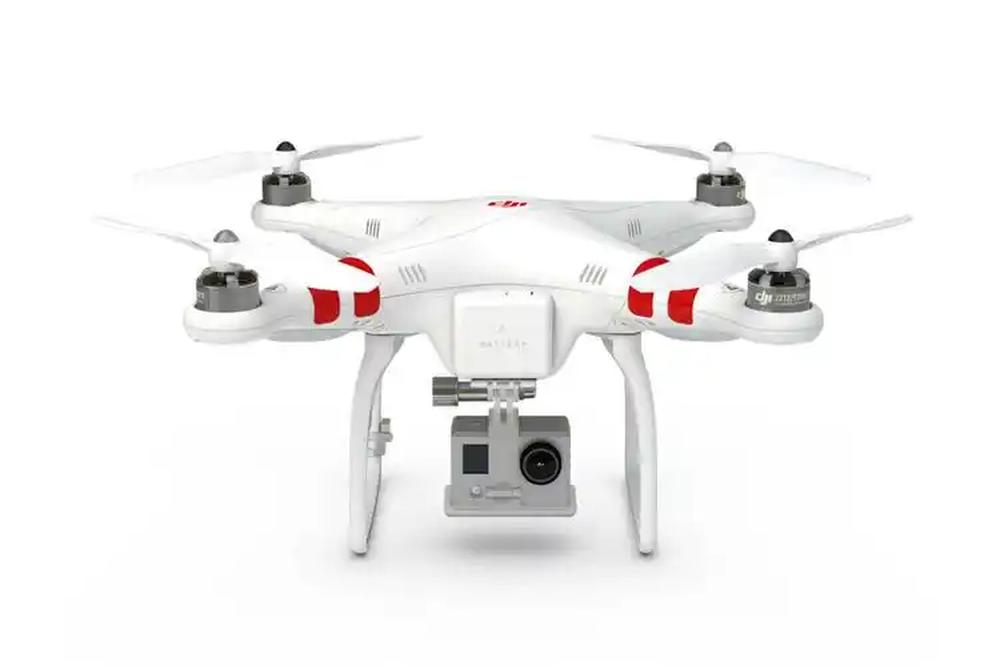
▲ Phantom 1
DJI's revenue soared from USD 4 million (about RMB 27.07 million) in 2011 to USD 130 million (about RMB 880 million) in 2013.
Subsequently, DJI went all out and took the lead in self-developing flight controller, a core component with high cost and high technical difficulty. At that time, even for bulk procurement, the price of third-party flight controllers was as high as USD 200 to 400 (about RMB 1,353 to 2,707). After that, DJI successively incorporated gimbals, motors, and ESCs into its in-house system.
Each new generation of DJI's products has almost opened up previously unreachable markets: the Phantom 2 Vision+ in 2014 integrated a 3-axis gimbal, making stable aerial photography no longer the privilege of Hollywood teams, and small companies could also use it to shoot real estate, record weddings, and produce news; the Phantom 4 in 2016 came with 4K resolution, 28 minutes of battery life and forward obstacle avoidance, which opened up enterprise-level markets such as inspection, mapping, and emergency response.
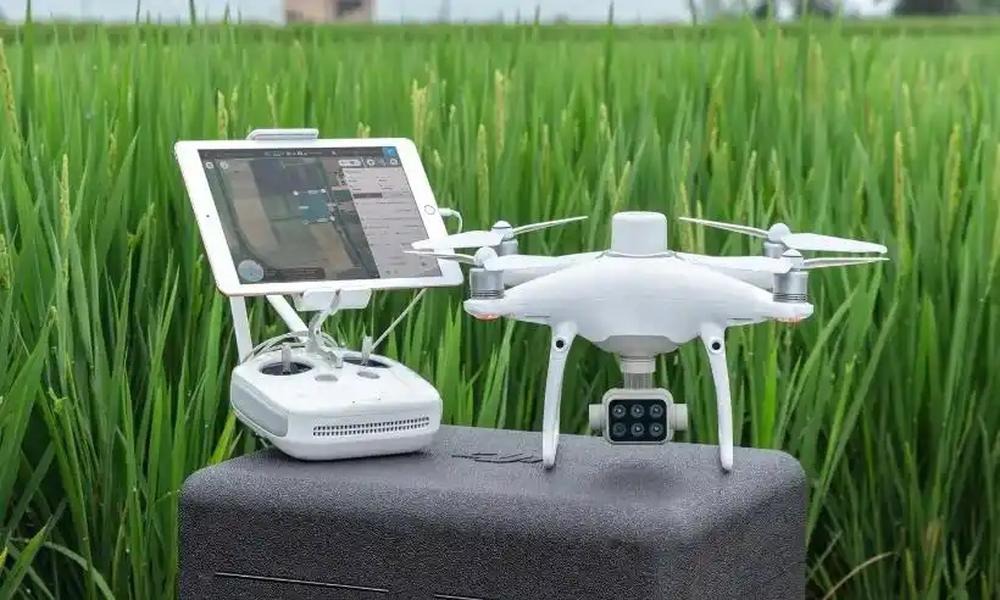
▲ Phantom 4
From 2016 to 2017, DJI captured about 70% of the global consumer drone market share, squeezing out competitors 3DR, GoPro Karma, and Parrot.
At this point, this strategy can be summarized as: First, take control of a core component, use imperfect but cheap products to win a group of early users who are willing to try new things, and rely on the supply chain ecosystem to iterate quickly, so that each generation of hardware unlocks and captures a larger market.
02.
Unitree: First Drive Down the Price of Quadruped Robots
Then Make "Them" Stand Up
Unitree's growth path is highly similar to that of DJI. The "core component" it chose is actuator.
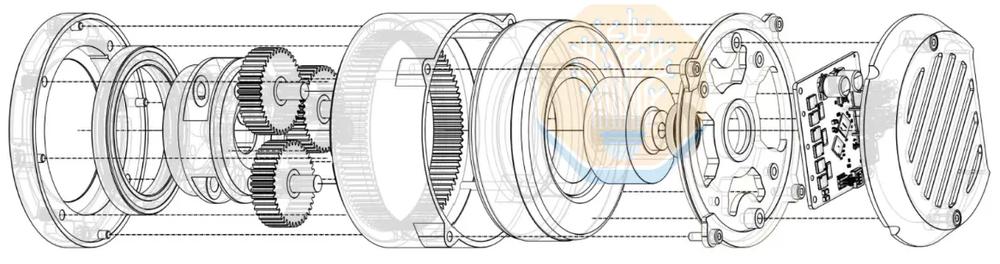
▲ Source: Thomas Godden
In 2016, Wang Xingxing, a former DJI employee, developed the low-cost quadruped robot XDog in his master's thesis, and then founded Unitree based on this technology.
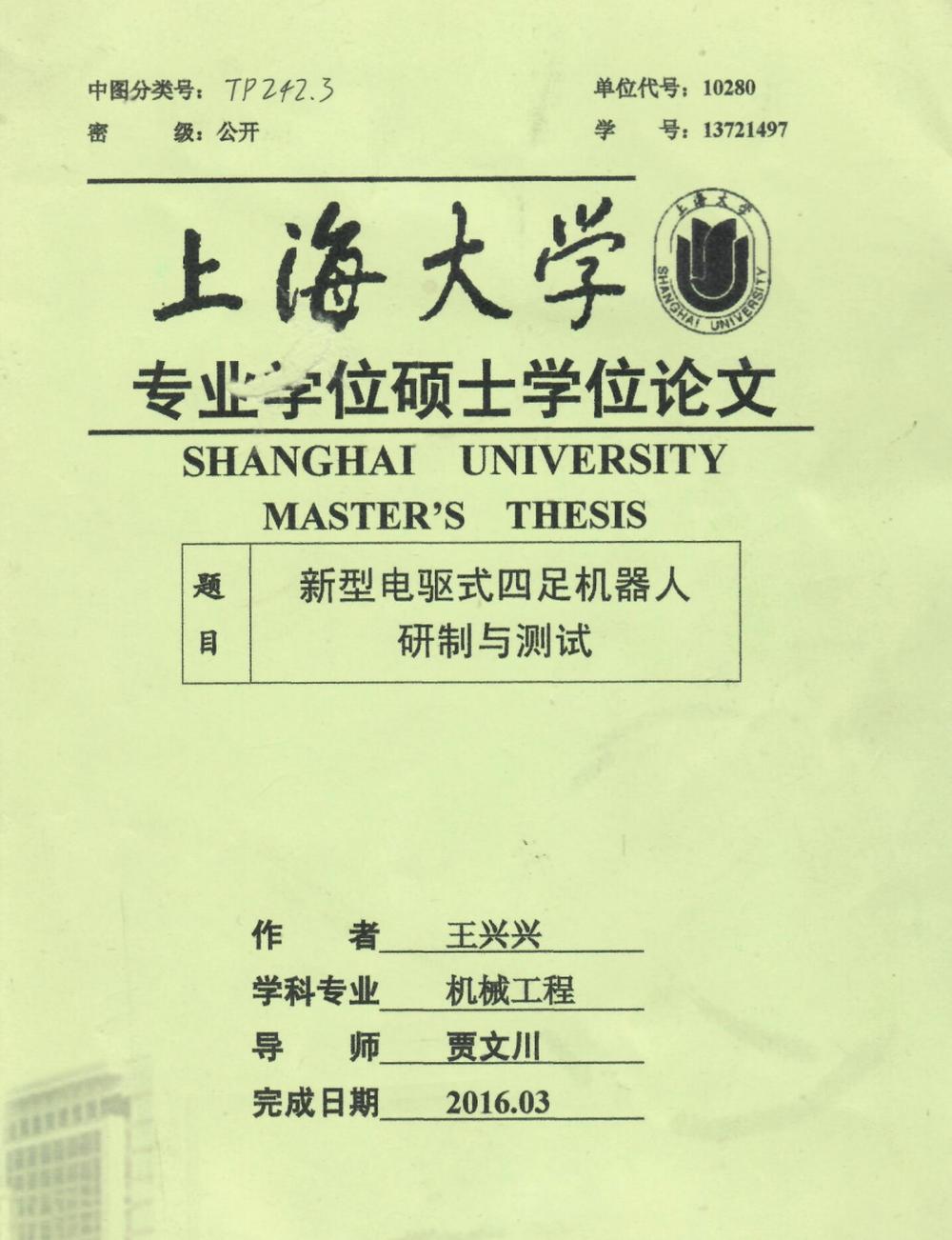
▲ Wang Xingxing's Master's Thesis
Just as BYD focused on batteries and DJI on flight controllers, Unitree set its sights on actuators — the integrated joints that drive the movement of robot limbs, which can account for 50% to 70% of the B