Giants are vying for the AI office market, putting AI smartphones in an awkward situation.
The focus of AI competition is shifting rapidly. One day, tech giants are scrambling for the super entrance; the next, AI office has suddenly become a key battlefield.
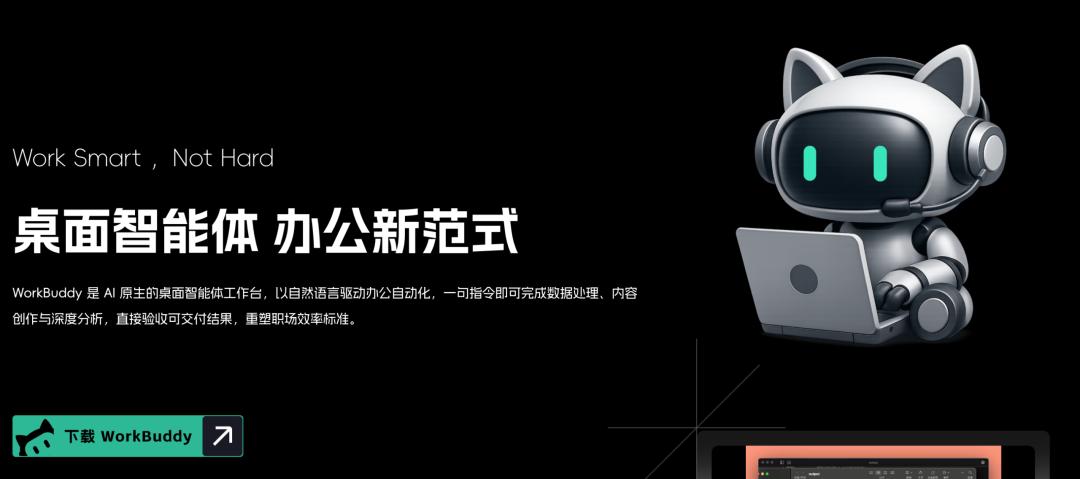
In March 2026, Tencent decided to go all-in on office AI agents, gradually allocating resources to WorkBuddy. Driven by factors such as first-mover advantage, large-scale promotion, and rapid iteration, WorkBuddy reached 20.97 million monthly visits in just five months, ranking first in the Chinese market.
Seeing Tencent take the lead in the AI office track, internet giants including ByteDance and Alibaba have all been stepping up adjustments to the focus of their AI businesses.
On July 30, ByteDance announced that the Feishu product team would be merged into Doubao, and the GTM (Marketing, Sales, Customer Service) team would be merged into Volcano Engine. Coincidentally, Alibaba also integrated three products including QoderWork, Wukong, and MuleRun, and launched the AI Agent office product Qianwen Office on August 3.
The competition among tech giants around AI office means that the battle for the super entrance has come to an end. Correspondingly, AI phones, as an important carrier of the super entrance, are no longer the focus of attention of tech giants. Positioned as productivity tools, PCs that were once neglected in the mobile internet era have instead become a must-win battlefield for all players.
So here comes the question: as a mass computing platform, why have smartphones been so slow to be reshaped by AI technology? Why are PCs more suitable for Agent implementation? Can the traditional smartphone form continue to adapt to the AI era?
01
Three years after the birth of AI phones, the "iPhone Moment" has not arrived
As early as around 2023, with ChatGPT sparking the AI revolution, smartphone manufacturers began to actively increase their investment in AI phones. Pete Lau, Chief Product Officer of OPPO, believes that "AI will definitely be the most important direction in the future. Those who fail to deploy large models immediately will be left behind."
Following the development path of AI technology from large models to Chain of Thought (CoT), and then to Agent, AI phones have mainly gone through three development stages.
The first stage is the integration of single-point AI technology, where phones start to support fragmented AI functions such as AI erasure, AI writing, and real-time call translation. The second stage is system-level multi-modal AI, where AI sinks from independent apps to the bottom of the system, connecting tools such as system settings, photo albums, and notes. At present, it has evolved to the Agent stage: after users issue instructions, the mobile AI assistant can directly perform specific tasks.
Source: Counterpoint Research
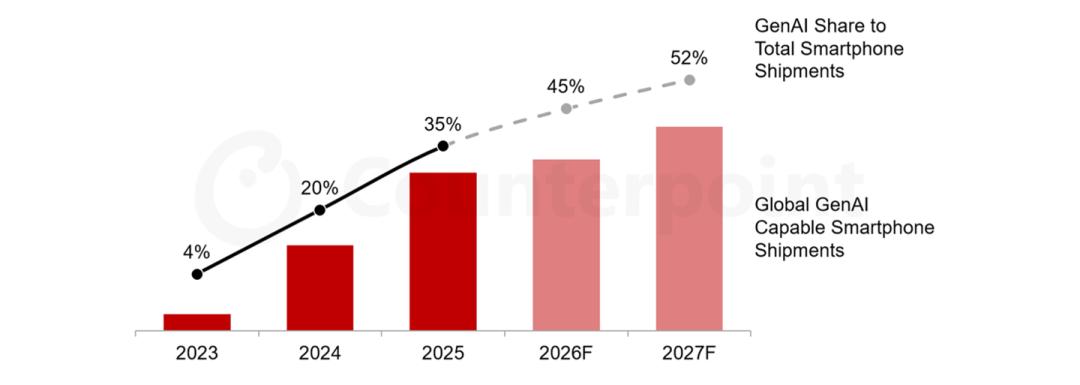
With the gradual improvement of functions, AI phones have actually successfully opened up the market and gradually become the mainstream choice of consumers. According to the research report disclosed by Counterpoint Research, it is expected that the share of AI phone shipments will reach 45% in 2026, up 9 percentage points year-on-year; in 2027, it will further rise to 52%, surpassing traditional smartphones.
However, it should be noted that AI phones do not attract a large number of users to replace their devices and generate huge incremental market dividends as smartphones did when they were first launched.
Data disclosed by Gartner shows that in 2010, three years after the birth of the iPhone, global mobile phone sales reached 1.6 billion units, a year-on-year surge of 31.8%. Among them, smartphone sales rose 72.1% year-on-year, accounting for 19% of the overall mobile phone market.
Source: Counterpoint Research
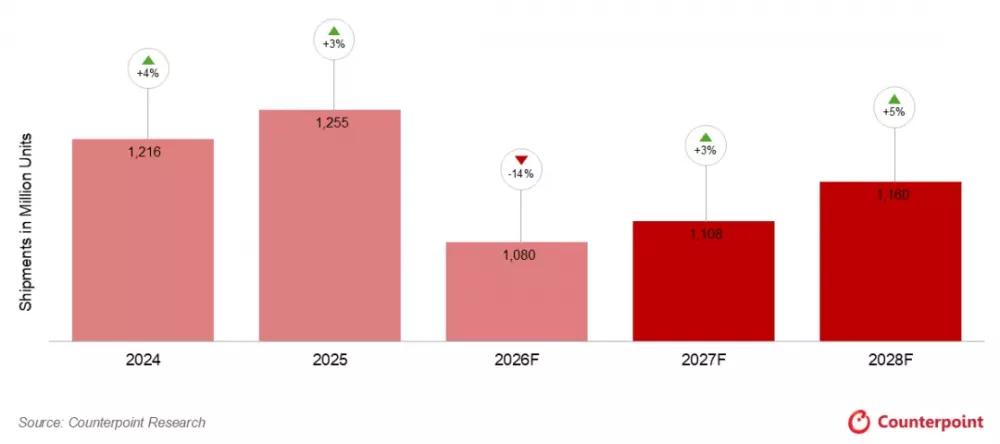
In contrast, although AI phones have also been born for three years now, the mobile phone market is facing huge downward pressure. According to the research report disclosed by Counterpoint Research, it is expected that global smartphone shipments in 2026 will be 1.08 billion units, down 13.9% year-on-year, hitting the lowest level since 2013.
Admittedly, the current high downward pressure on the smartphone market is partly related to the skyrocketing memory price, which curbs consumer demand. But looking at a longer time horizon, the global smartphone market has been mired in a downward cycle since 2022, and has not seen obvious improvement due to the wide application of AI technology.
It is obvious that three years after the birth of AI phones, the "iPhone Moment" has not arrived. Why is this exactly?
02
AI technology has the advantage of "efficiency improvement", but mobile phone users do not have urgent related demand
Although the main functions of AI phones in the three development stages are different, they can all be summarized as "efficiency improvement". Whether it is AI writing, system-level multi-modality, or Agent, it essentially reflects the underlying logic of tech companies trying to seize the AI trend by improving user operation efficiency.
In particular, the Agent on the mobile side was once regarded by tech companies as an important starting point to get the AI ticket. Since 2025, with the gradual maturity of model reasoning capabilities and the engineering implementation of tool calling capabilities, AI has broken out of the Chatbot paradigm and gradually gained the ability to independently complete complex tasks.
In this context, tech companies including Tencent, ByteDance, and Alibaba, as well as smartphone manufacturers including Honor, Xiaomi, and OPPO, are all actively deploying agent technology, trying to build their own AI assistants into the super entrance for the next era.
Source: Honor
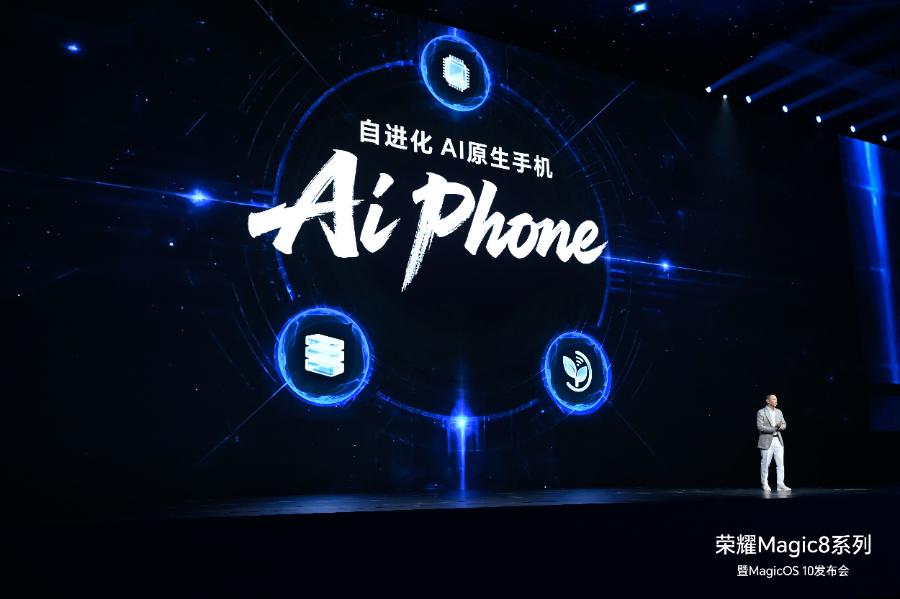
For example, in October 2025, Honor launched the Honor Magic8 series, positioned as "the most powerful self-evolving AI native phone". Its YOYO agent can provide eight AI experiences including shopping companion, food companion, and travel companion, supporting automatic execution in more than 3000 scenarios.
Coincidentally, in January 2026, Qianwen was fully connected to Alibaba's ecological businesses such as Taobao, Alipay, and Amap, supporting AI shopping functions such as ordering takeout, booking air tickets, and reserving hotels.
Combined with the experience of the mobile internet era, the super entrance does contain huge imagination space. Since Agent can perform specific tasks, if an AI assistant captures a large number of users like WeChat, it will override the mobile internet ecosystem and become a key entrance for users to access various services.
After controlling the super entrance on the mobile side, tech companies will not only have a stable basic market in the AI era, but also can subtly implant their own ecosystems with the right to call services, and take the initiative in the implementation of emerging businesses.
However, as mentioned above, AI phones have not swept the market, which is mainly because there are two inherent flaws in the super entrance.
First of all, the fragmented ecosystem of the mobile internet limits the task execution ability of AI assistants. In order to avoid being reduced to service pipelines, national-level apps such as WeChat, Alipay, and Meituan are not keen on fully opening data interfaces to third-party AI assistants. Although Doubao Phone broke the ecological barrier through GUI simulated click technology, it was jointly boycotted by internet giants and cannot continue to advance.
On the other hand, for most users, the underlying demand for using smartphones is not "efficiency improvement", but "emotional value".
Jack Ma, founder of Alibaba, once revealed: "About 17 million people browse Tmall and Taobao every night, but they don't buy anything. I don't know what these people are doing, they are just wandering around casually. So your website can't just be used for shopping, experience, fun, communication, sharing and other things are more important."
Source: Starmap Data
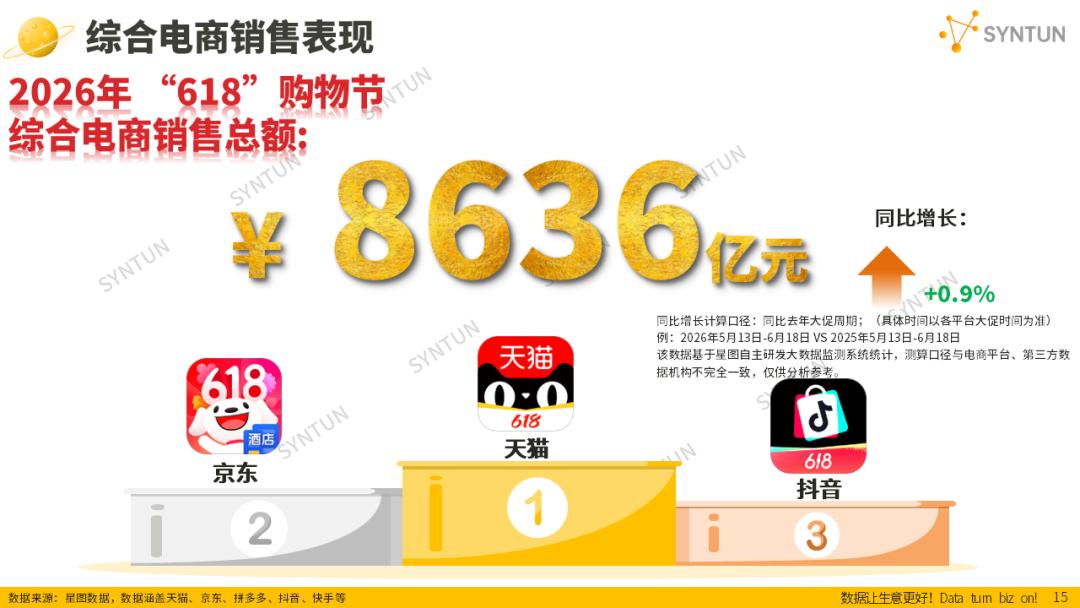
In this context, although AI technology is widely used on e-commerce platforms during major shopping festivals this year, it has not significantly released consumer demand. According to Starmap Data, the sales of comprehensive e-commerce platforms during the 2026 618 shopping festival reached 863.6 billion yuan, a year-on-year increase of only 0.9%, far lower than the 15.2% growth rate of the previous year.
Realizing that the advantage of AI technology in "efficiency improvement" deviates from the underlying demand of mobile phone users, tech companies have all changed their direction.
At the 2025 Q2 earnings call, Martin Lau, President of Tencent, still emphasized the importance of Yuanbao: "In the next few months, we will promote the integration of Yuanbao with Tencent's existing platforms to give full play to the company's advantages."
A year later, Martin Lau said calmly: "Finding high-value scenarios is as important as, or even more important than blindly acquiring a large number of daily active users and user time. This is a very critical difference."
Source: Tencent
At present, tech companies represented by Tencent are scrambling to deploy AI office businesses such as WorkBuddy. Because in productivity scenarios, users have clear demands for cost reduction and efficiency improvement, AI technology can release productivity immediately, and it is easier to persuade users to pay.
According to reports from Jiemian News, WorkBuddy has become one of the products with the highest strategic priority among Tencent's AI applications. This year, this product will most likely be selected into the "Famous Product Hall", the highest honor hall for Tencent's internal products, where heavyweight products such as WeChat Public Platform, Honor of Kings, and Tencent Meeting have all been selected.
03
Must AI terminals be in the form of smartphones?
In the past few years, smartphone manufacturers have been exploring AI phones based on touchscreen phones, seemingly ignoring a key question: will AI phones necessarily follow the form of traditional smartphones?
Looking back on the experience of upgrading from feature phones to smartphones, although both types of products are portable, their design concepts are essentially different.
On the outside of the body, smartphones eliminate physical keyboards and adopt touch screens, which can present complex content. On the inside, smartphones are also equipped with sensors such as electronic compasses, gyroscopes, and accelerometers, with stronger perception capabilities. The integration of internal and external features enables smartphones to support complex functions such as video playback, navigation, and photography, giving birth to a prosperous mobile internet ecosystem.
The same logic applies to AI phones. As Sam Altman, CEO of OpenAI, said: "iPhone is the best consumer hardware product ever made, but this device is not designed for AGI." The main way users interact with AI assistants is natural language dialogue. The configurations of smartphones such as high refresh rate screens, high-performance CPUs, and ultra-high pixel cameras do not help much to improve the AI function experience.
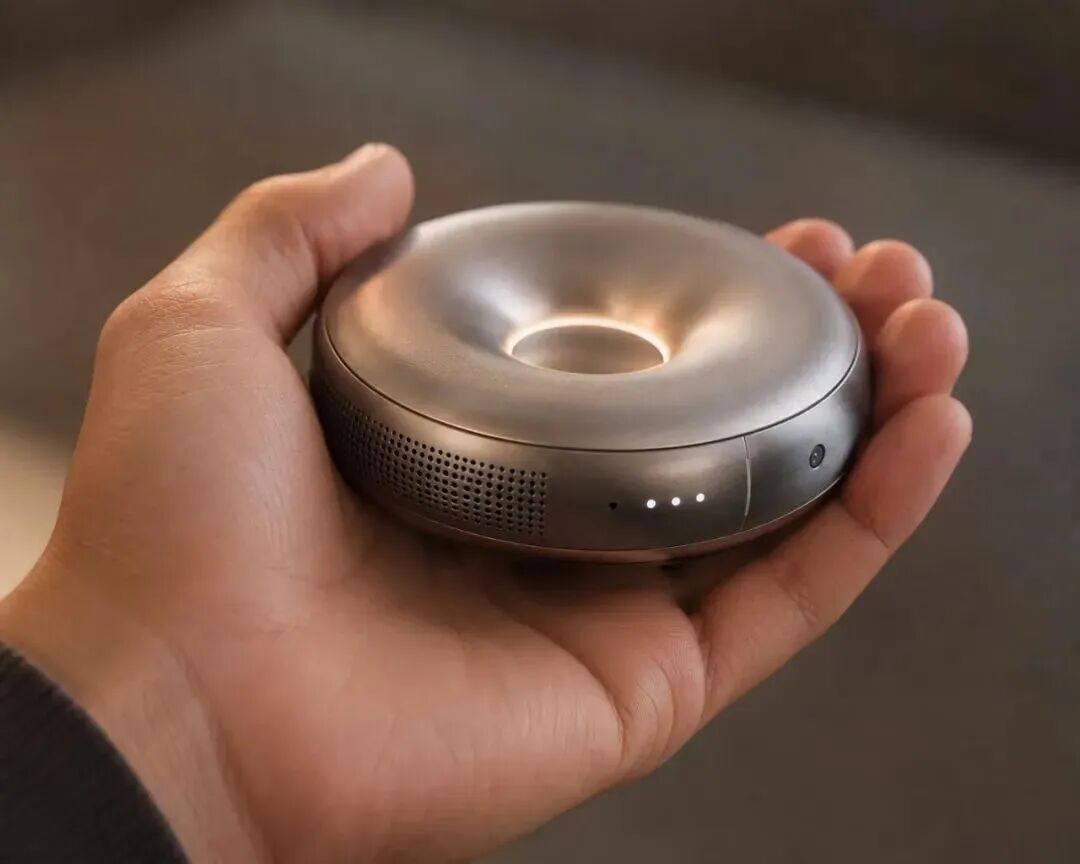
In view of the difficult transformation of traditional smartphones to AI, many tech companies are actively exploring cutting-edge innovative hardware.
Source: iKKO
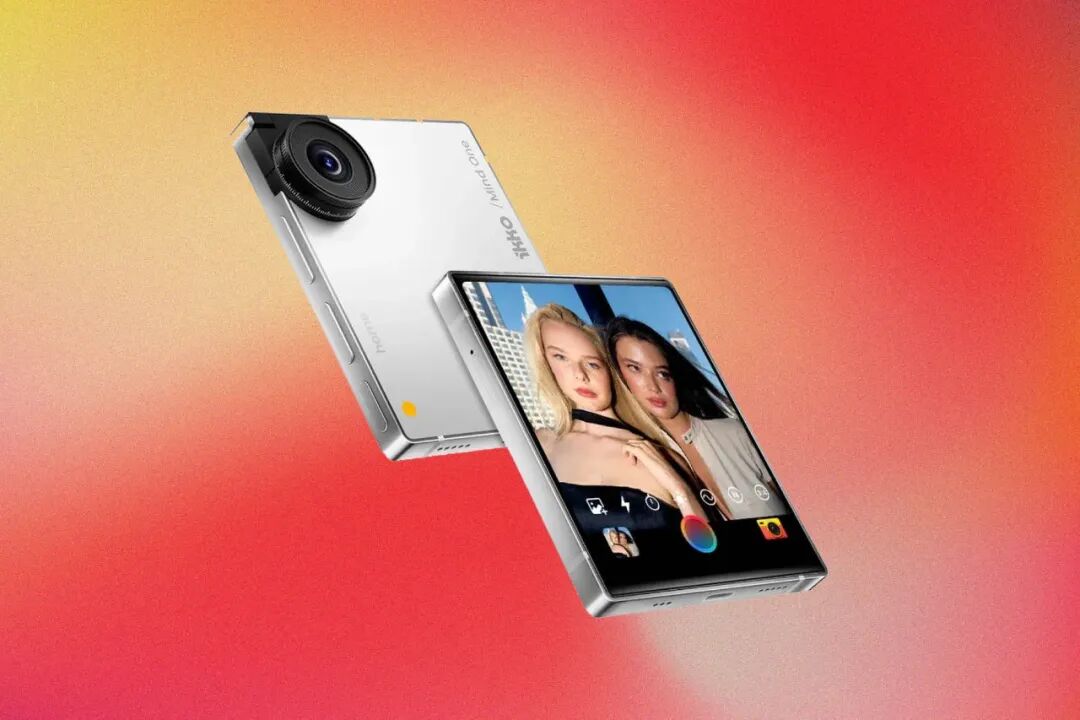
For example, in July 2025, iKKO launched the card-style AI phone Mind One. Although the underlying configuration of this product is unremarkable, its appearance and system have been deeply customized combined with AI technology.
Mind One adopts a square design, with a 4.02-inch screen on the front, and the camera can be adjusted front and back through a flip design, which is extremely portable.
Source: iKKO
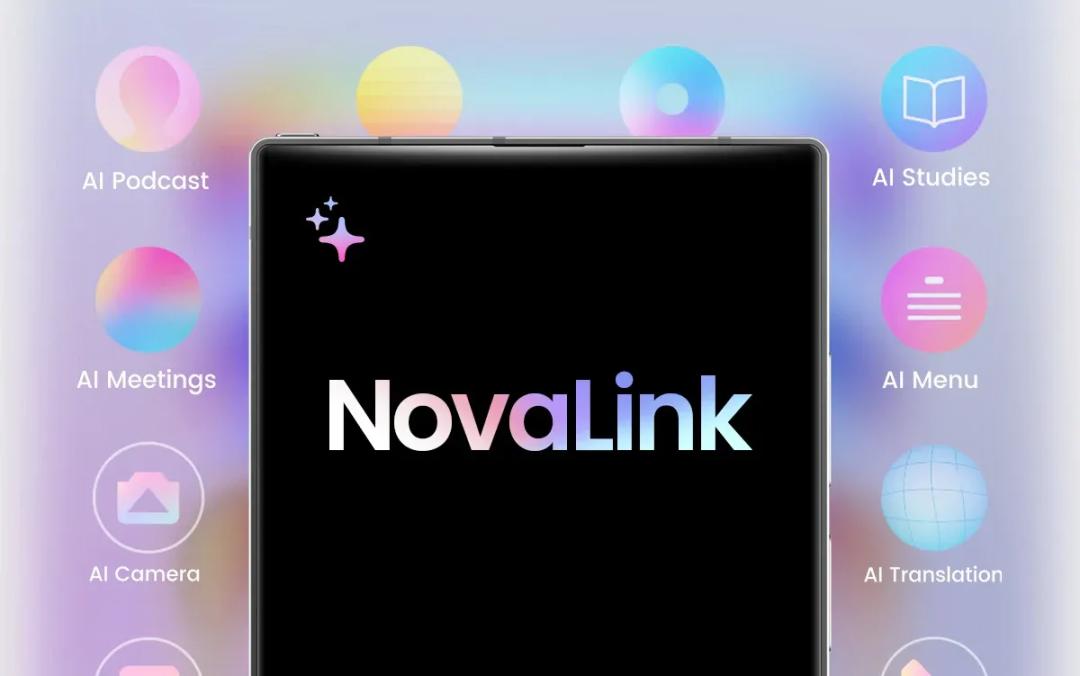
In terms of system, in addition to the conventional Android system, Mind One also has a built-in lightweight iKKO AI OS system, and users can quickly switch systems through physical buttons. With NovaLink technology, the AI functions of Mind One can still be used normally even without SIM card or WiFi.
Source: Honor
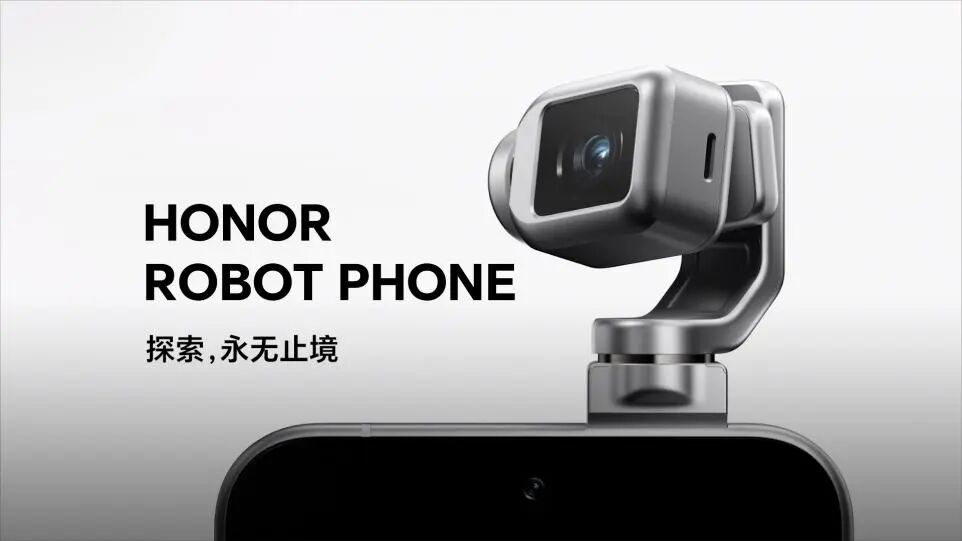
Coincidentally, due to the weak growth of traditional smartphone business, Honor is also actively building mobile products with innovative forms. On August 12, 2026, Honor will hold a new product launch event and launch the world's first robot phone Honor Robot Phone. The biggest highlight of this product is that a four-degree-of-freedom titanium alloy mechanical gimbal system is integrated on the top of the body, supporting one-touch pop-up and intelligent framing.
In this regard, Li Jian, CEO of Honor, said: "Mobile phones should not just be boring black squares with touch screens. We decided to endow it with a brain, and even more endow it with hands and feet, so we bring a bold, avant-garde and exploratory product design like the Honor Robot Phone."
Source: Trung Phan
Open