How easy is it to kill an original piece of software?
To be honest, after the arrival of AI, the biggest tangible change Shi Chao has felt is not the improvement of efficiency, but the fact that everything is getting more expensive. This is especially true for all kinds of digital devices, which we have talked about many times.
However, Shi Chao recently found out that there is a category of things that are going the opposite way: they are getting cheaper and less valuable thanks to AI.
You can take a guess first, and your salary is not counted here.
The answer is Apps.
Shi Chao has seen many Apps that he uses have their affordable alternatives created by AI. The other day, I scrolled through a post on Xiaohongshu, where someone quickly made a perfect alternative to Flomo using DeepSeek.
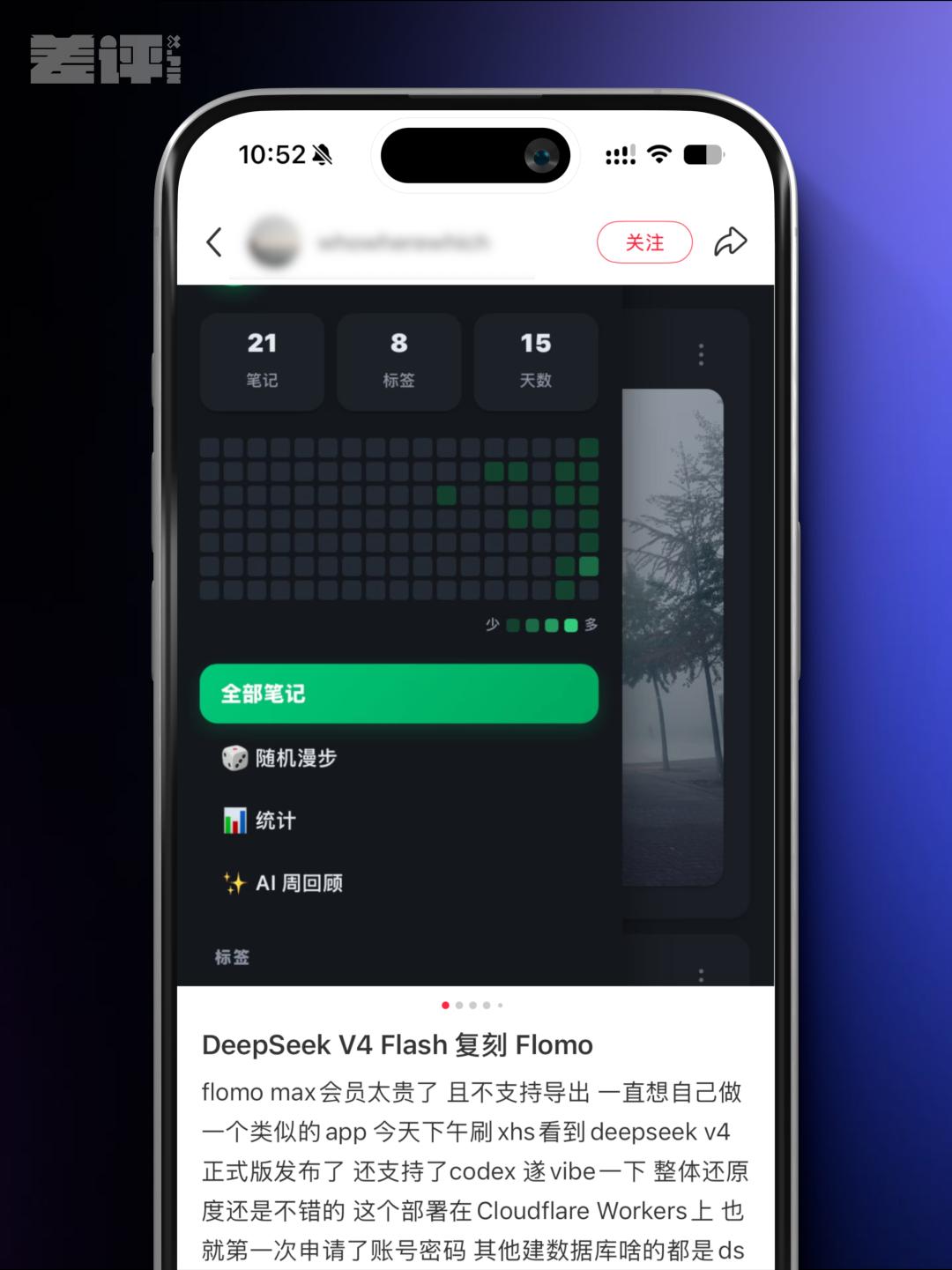
As someone who uses Flomo every day and even has a Max membership, my first reaction after seeing this post was to subconsciously calculate whether my 299-yuan membership is worth it, and whether I should write one by myself...
But note that the point is not the result of the calculation, but the very act of "calculating".
Two years ago, the thought of "should I recreate an App" would hardly ever cross my mind.
But now, if a product with a single function is priced at more than 20 dollars, 30 dollars, or even adopts a subscription model, I will start to consider making one myself with AI.
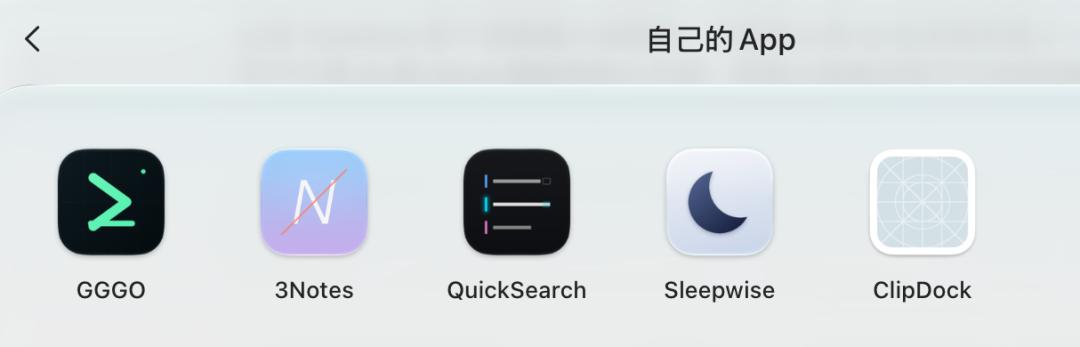
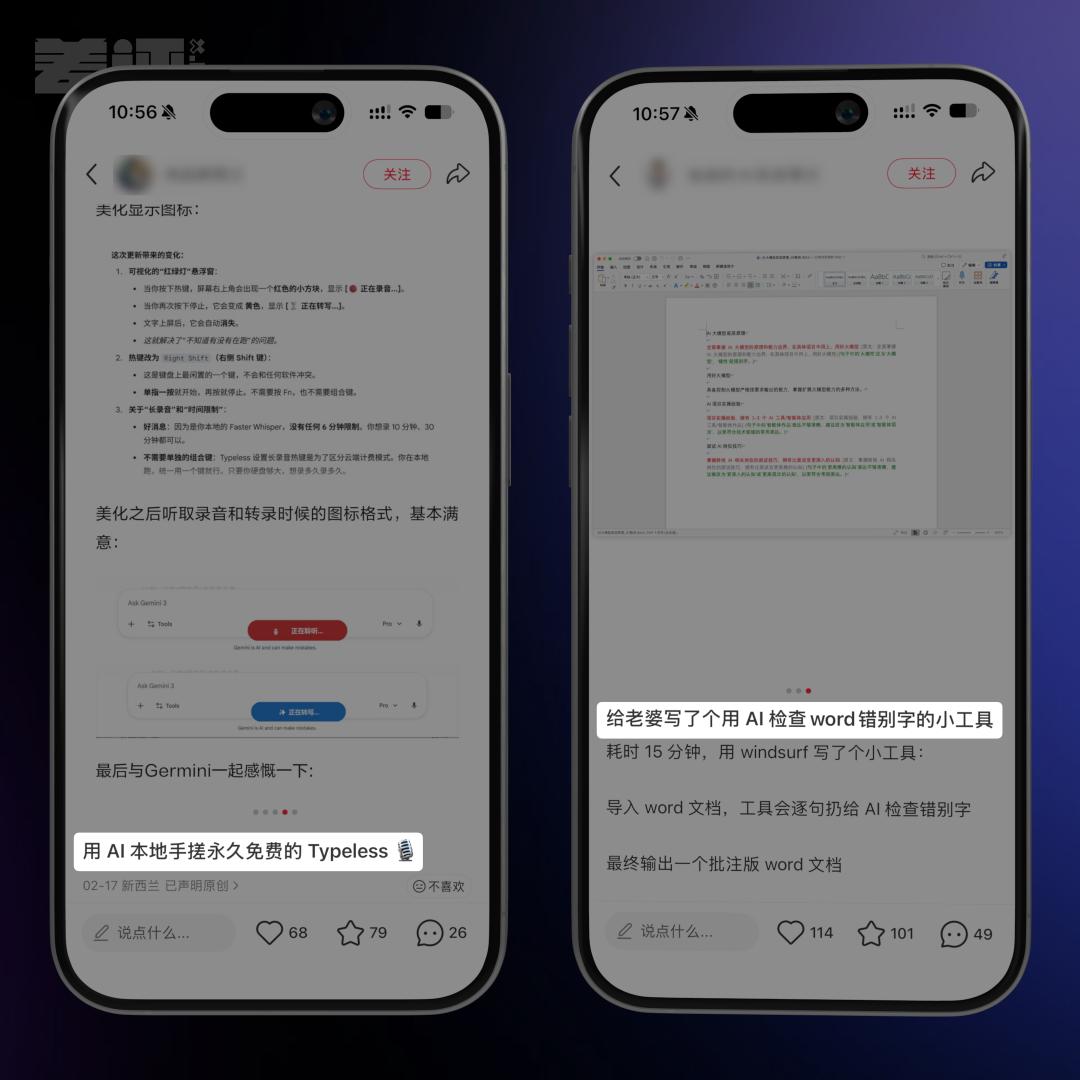
There are many people like Shi Chao, and you can often see all kinds of posts on social platforms saying "I made a tool with AI".
For example, the Typeless voice input method is extremely expensive, so someone used AI to build a permanent free local version by themselves; someone else spent 15 minutes writing a small AI tool for their wife to check typos in Word documents; others made their own file aggregation manager.
Everyone will calculate the cost before writing an App. Let's call this cost the "AI quotation" for the time being, which is equal to the sum of Token fees, time cost, and the energy spent on vibe coding.
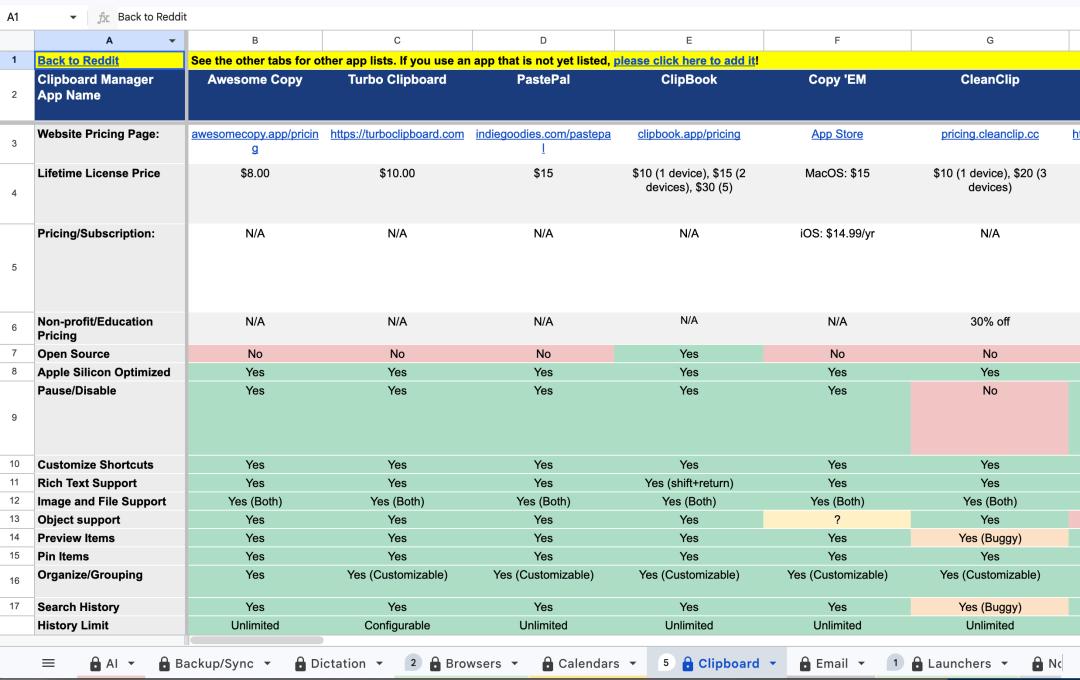
In the past, when we bought Apps, we made horizontal comparisons between multiple software, matching prices to corresponding functions, and finally chose one to purchase.
What about now?
Sorry, there is a new "AI quotation" on the market. After users calculate that making the product themselves is more cost-effective, they will no longer buy it.
Some time ago, a guy on Reddit posted the software he developed, priced at 20 dollars. A netizen commented that it was too expensive: he would buy it if it was 3 dollars, but if it was 20 dollars, he would just ask AI to write one for him.
In this case, developers will be very careful when pricing their products: if the price is too high, everyone will make their own version; if the price is too low, they can hardly earn back the cost.
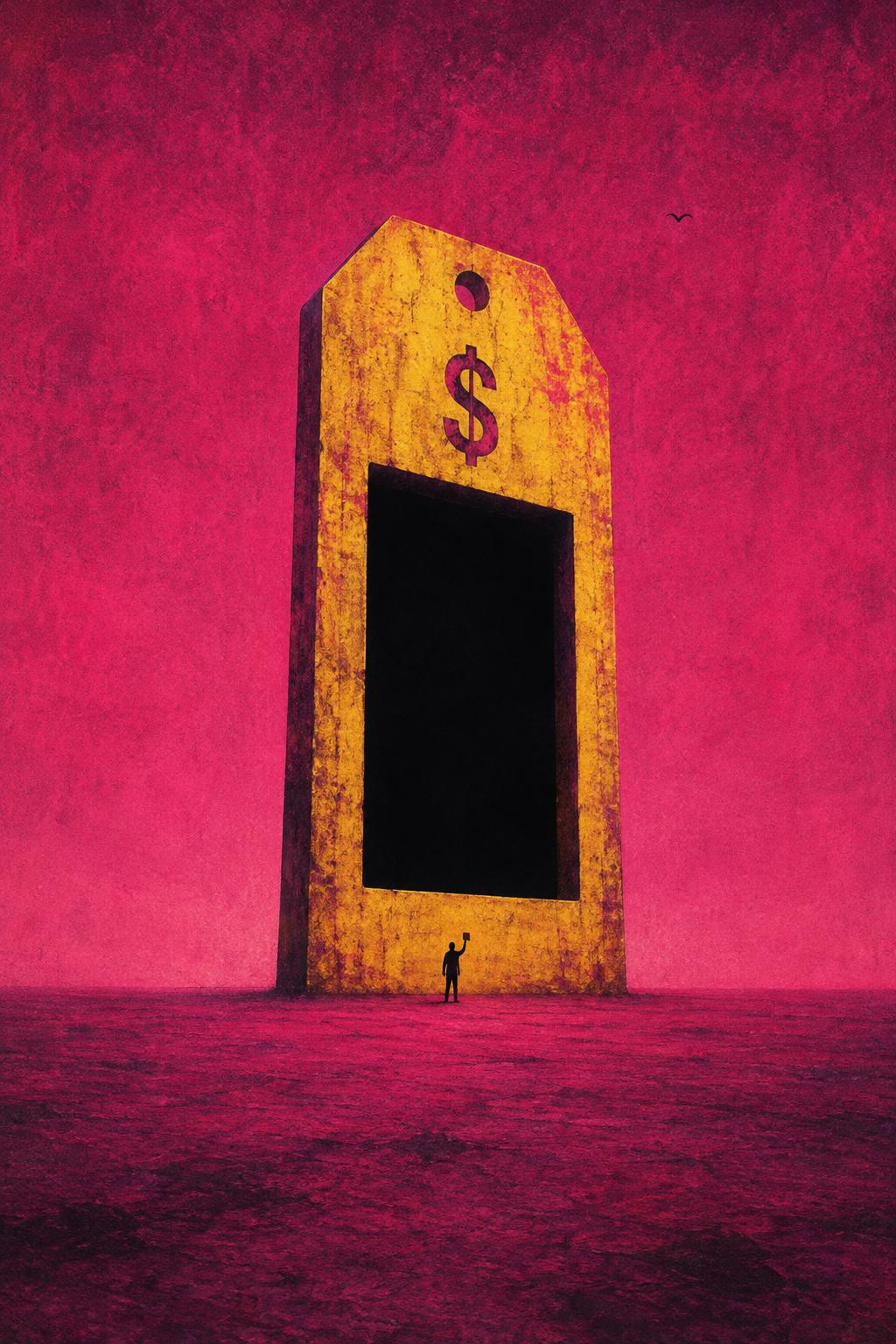
The ecosystem that has been most affected by the AI quotation is probably the App ecosystem on Mac.
Mac has a mature paid App system, where users are really willing to pay full price for good software. There are many high-quality but expensive Apps on Mac, such as the auto-zooming screen recording software Screen Studio which costs 30 dollars per month, and the launchpad tool Raycast which costs 8 to 16 dollars per month.
After the explosion of AI programming, low-priced alternatives to these two Apps have emerged rapidly.
Take Screen Studio as an example. The other day, someone on Twitter posted a thread soliciting "the best alternative to ScreenStudio", and a string of names popped up in the comment section, many of which are open-source or completely free.
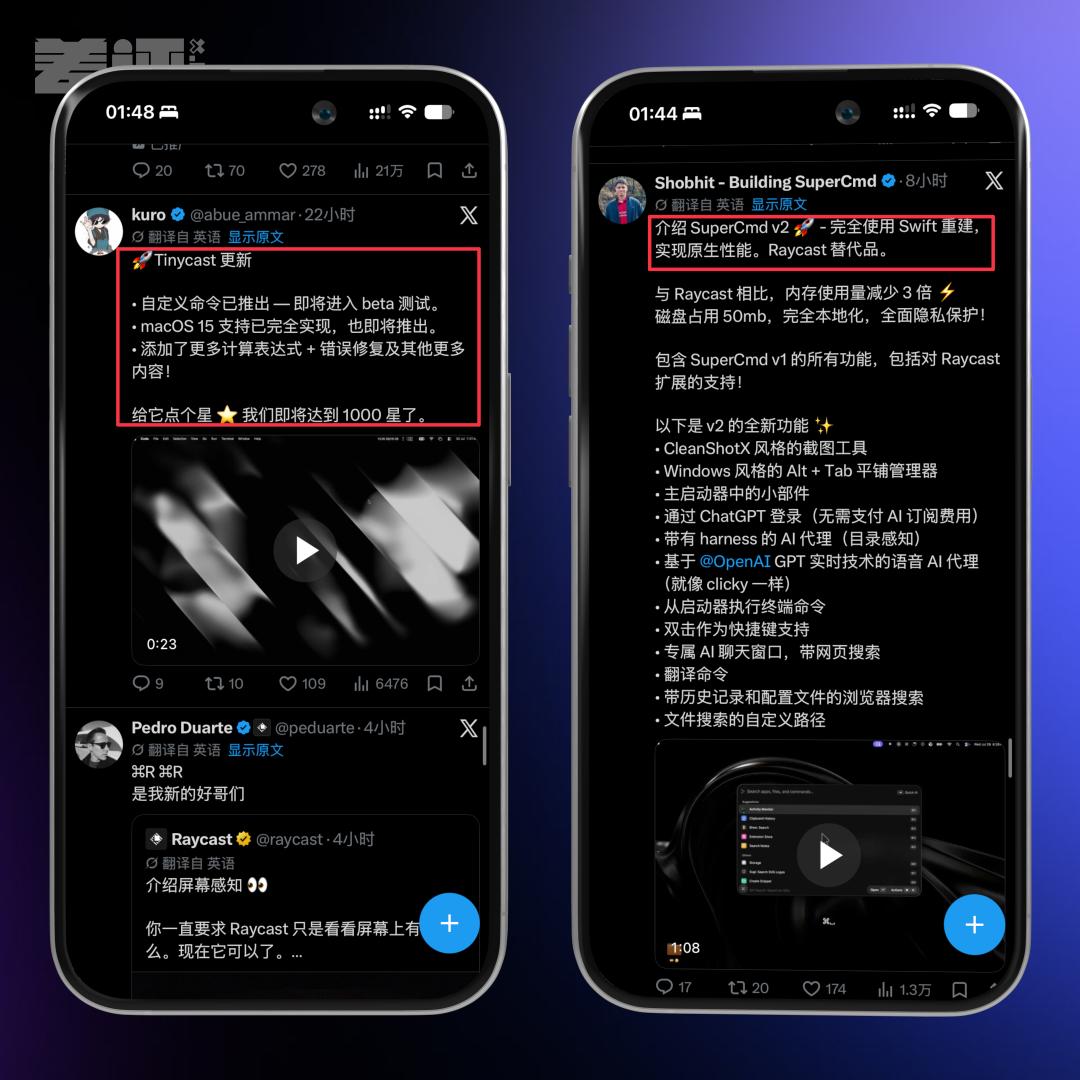
The Raycast ecosystem is even more lively. Several very popular low-priced alternatives have emerged recently, such as SuperCmd and TinyCast. The most outstanding one is SuperCmd, which is even compatible with Raycast extensions, making the migration cost almost zero.
Some netizens calculated that the features that Raycast Pro provides for 96 dollars a year are all available for a one-time payment of 19.99 dollars on SuperCmd. They plan to try SuperCmd for a period of time, and if it works well, they will cancel the Raycast subscription to save 96 dollars a year.
If we follow this logic, the story should end with all original developers going bankrupt, right?
But these two software products, which are most besieged by free and alternative software, have not reduced their prices at all, and even raised their prices.
The entry-level price of Raycast Pro is still 8 dollars per month. Screen Studio is even more exaggerated: it used to sell for 89 dollars, then rose to 229 dollars, and last October it completely canceled the one-time purchase model and changed to a 108-dollar annual subscription.
I don't know if their sales have changed, but at least for now, the impact of alternative software on them is not significant.
The reason is not hard to guess: every mature App has two layers: the replicable layer and the non-replicable layer.
The replicable layer refers to functions.
Most of the Apps you see on the Internet nowadays, as long as you can describe your needs clearly, you can ask AI to write the code, and you can replicate their core functions in one afternoon, no matter it is screen recording, PDF editing, bookkeeping, or to-do list management.
But the most important part of an App is its non-replicable layer.
Take Screen Studio as an example. Its numerous alternative Apps look very attractive, but users who have actually used them hold very different opinions.
Some people say that among all these alternatives, only DemoGet can be counted as a qualified one, while the experience of other products is terrible; others advise people not to try Minshot, which has obvious "vibe coding" traces and lacks details. As the saying goes, you get what you pay for.
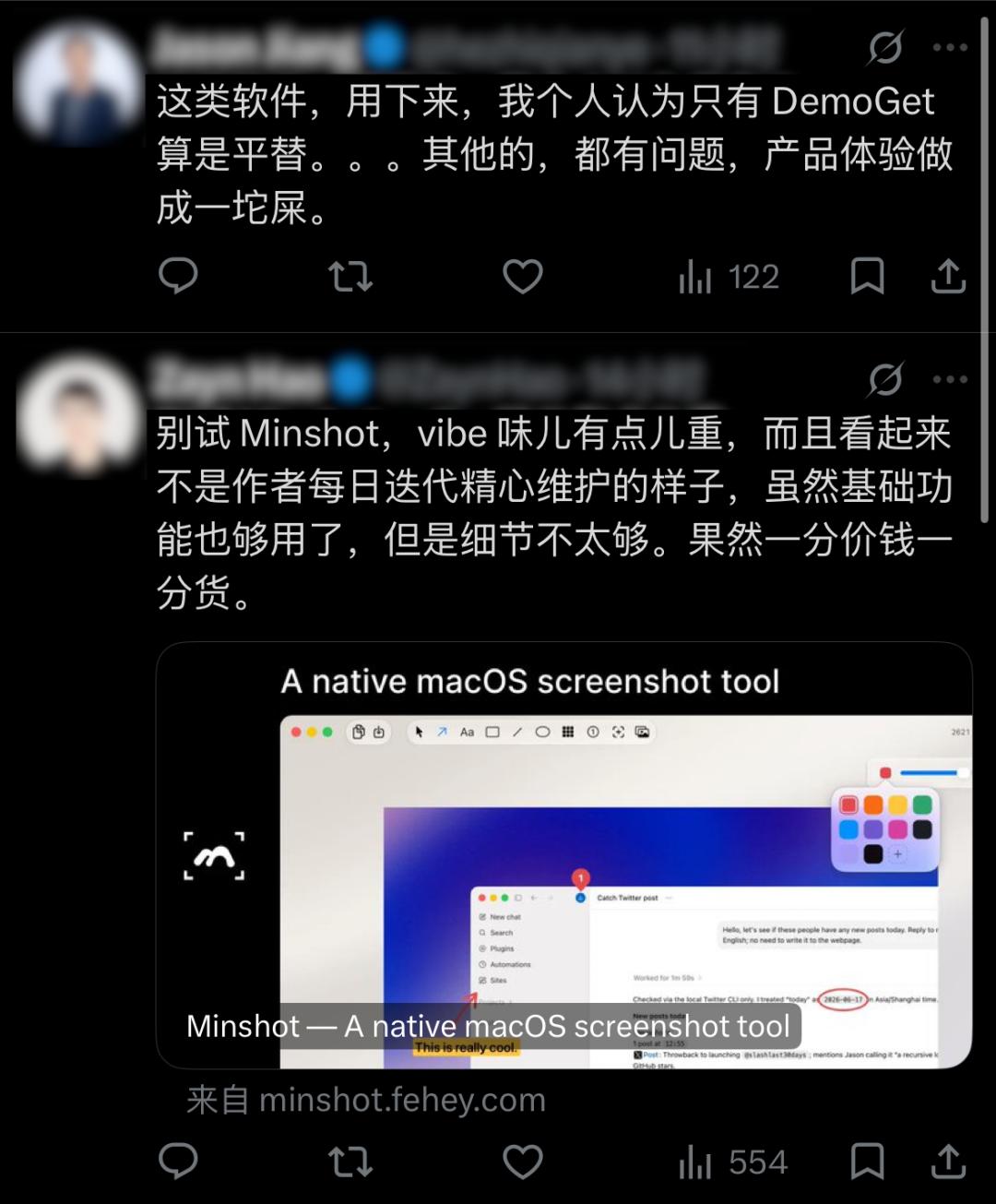
All the problems pointed out by these negative reviews lie in the non-replicable layer.
The top layer is stability: being able to write the code is one thing, but whether the software can run stably is another.
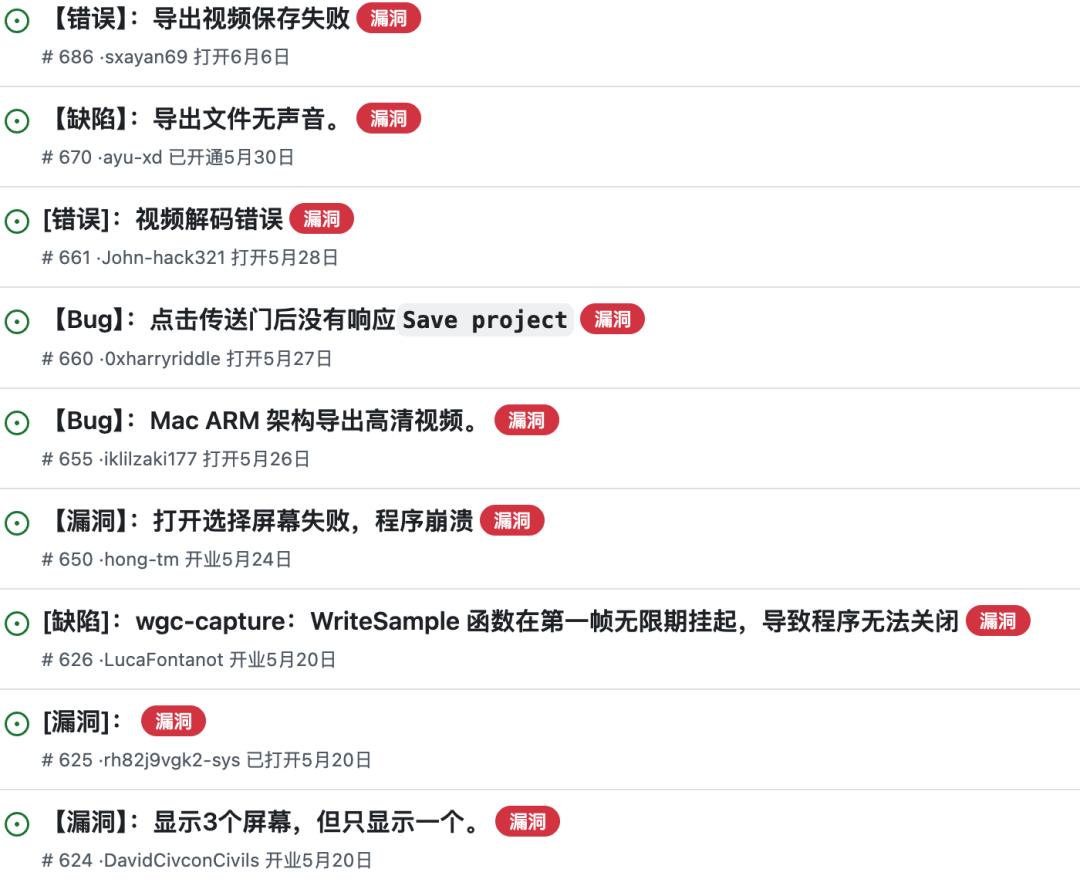
The stability of the original software is optimized by years of iteration and hundreds of thousands of users. AI cannot replicate this in just a few days. In fact, many pure AI-generated Apps are full of bugs.
Issues of a product that replicates Screen Studio
The deeper layer is taste and design.
We know that AI can write articles without typos, but if you ask it to write a funny sentence, it cannot do that, because it does not know what "funny" is at all.
Similarly, AI cannot judge whether an App's design is good-looking or not.
AI has no idea why the spacing is 12 instead of 16, or why the animation lasts 280 milliseconds instead of 200 milliseconds. It does not have sufficient ability to judge how to make an App look good.
For example, the Not Boring series of products have top-tier theme design, animations, vibration feedback, and light and shadow effects in the industry. I have never seen any replicated version of such products, because they cannot be replicated.
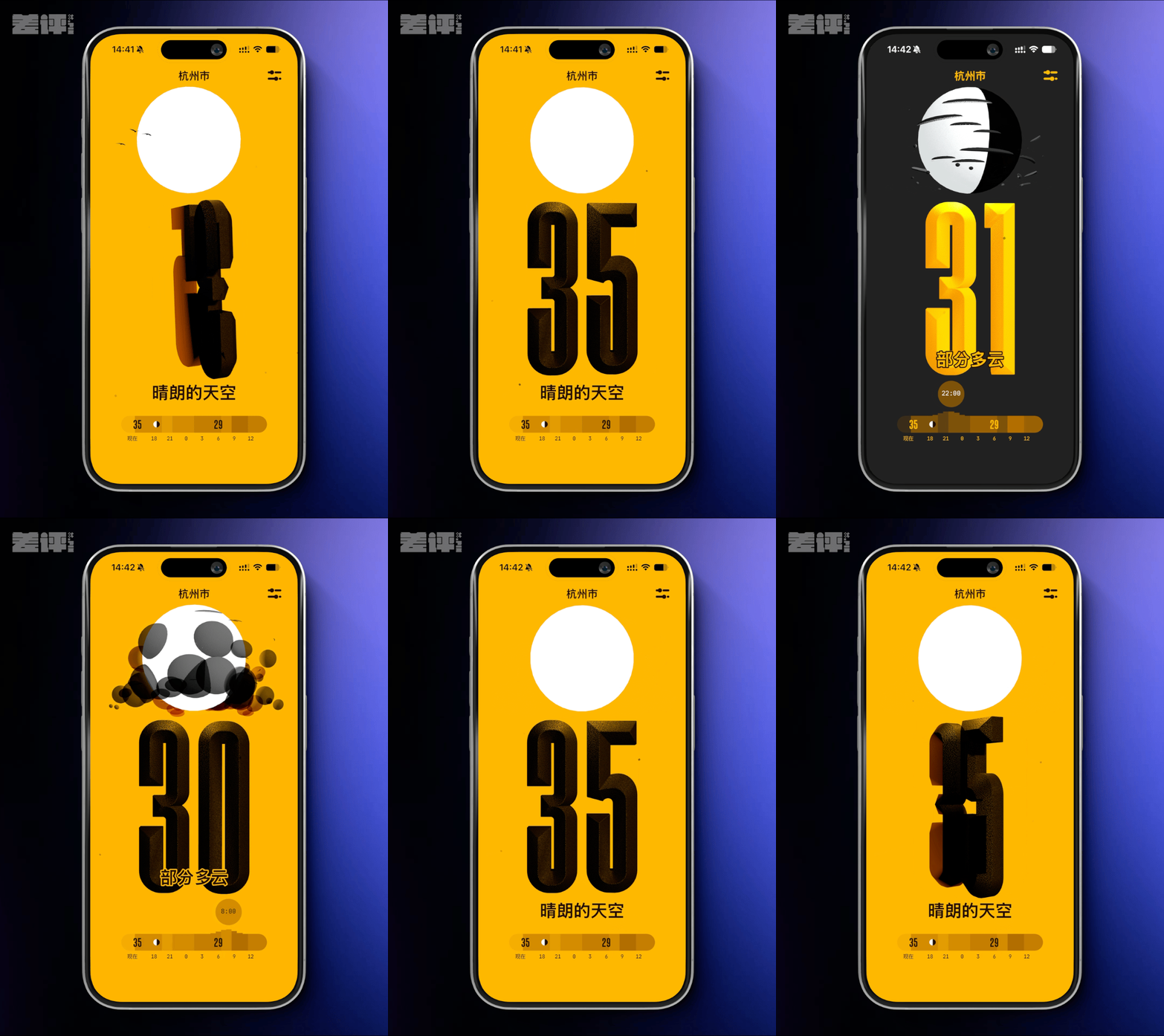
You can try to make one with AI and you will know. The following is a web version I replicated with GPT 5.6 Sol in 15 minutes.
It looks similar at first glance, because I provided the original reference video, and GPT compared it frame by frame.
But if you do not have top-level aesthetic and design capabilities to optimize it, this kind of work is just a plastic toy when it is put on the App Store.
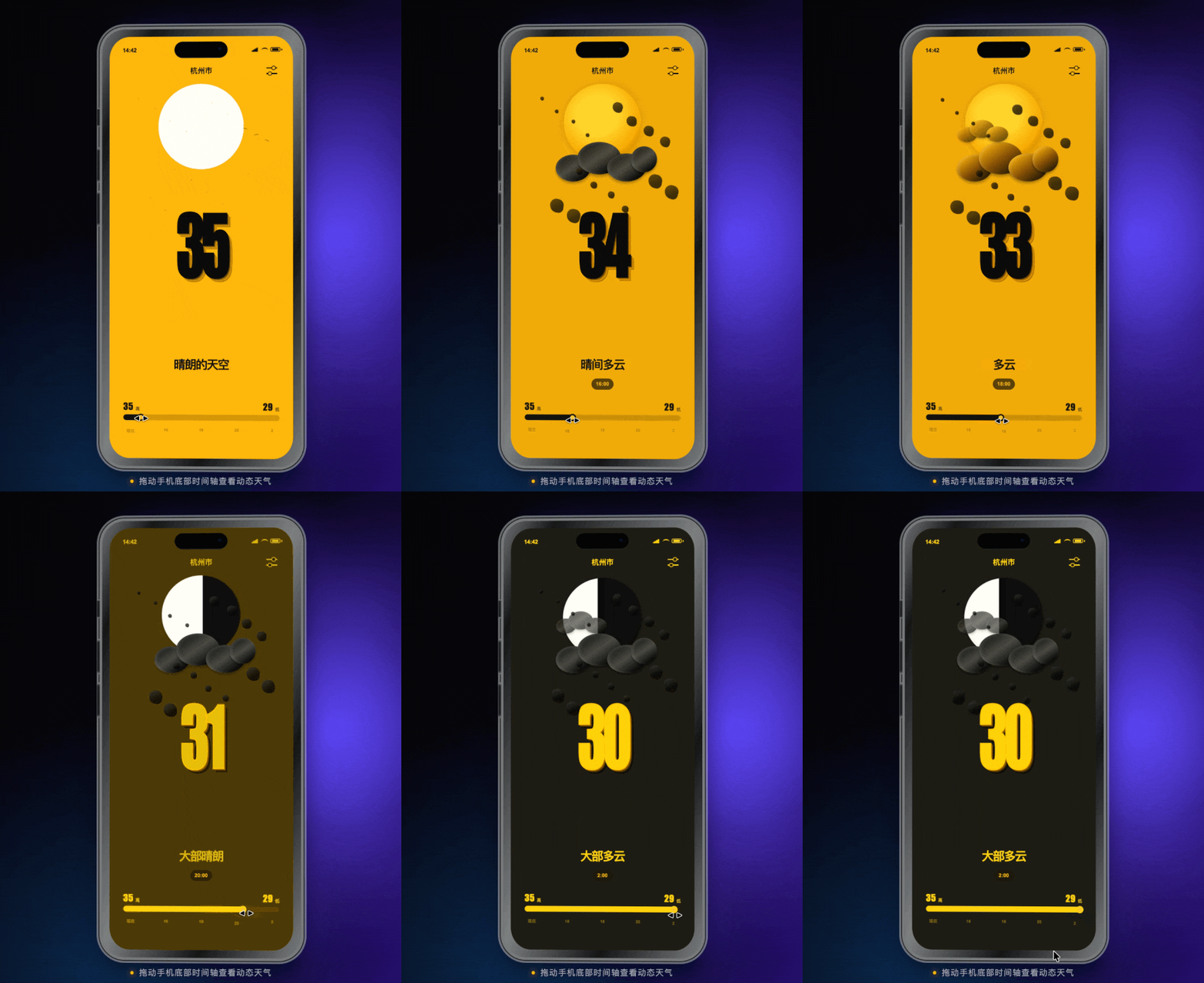
So those replicas on the Internet are often just superficial: they look quite similar, but when you actually use them and compare them with high-quality Apps, you will find that they are far behind, with frame drops and unrefined designs everywhere.
For users who are not price-sensitive, they pay more attention to experience and details, so alternatives can only be alternatives.
The last non-replicable layer is reputation and ecosystem.
I have been using Flomo for so many years that I am completely dependent on its ecosystem: its API interfaces, its plugins, and its stable user experience. I will not throw all these things away just for an alternative product.
The developer of SuperCmd, which replicates Raycast, obviously understands this truth, so he specially added the function of being compatible with Raycast community extensions, hoping that users can migrate without pain. But I think the core users will still not leave: after using the extension ecosystem for so many years, why would they switch to an alternative product that may have compatibility bugs and no guarantee of long-term operation?
AI cannot help you build an ecosystem.
Now we can understand that the AI quotation only hits products that only have the replicable layer. A 20-dollar independent small tool whose only value is its functions, with no design, taste or ecosystem, will lose all its competitiveness once users calculate the cost of making it themselves.
Although these top original Apps are not affected, is this trend of AI replication good or bad for the entire App market?
So many people use AI to replicate Apps, either selling them at low prices or making them free. This may be good news for users, but what about original developers? What about the entire App ecosystem?
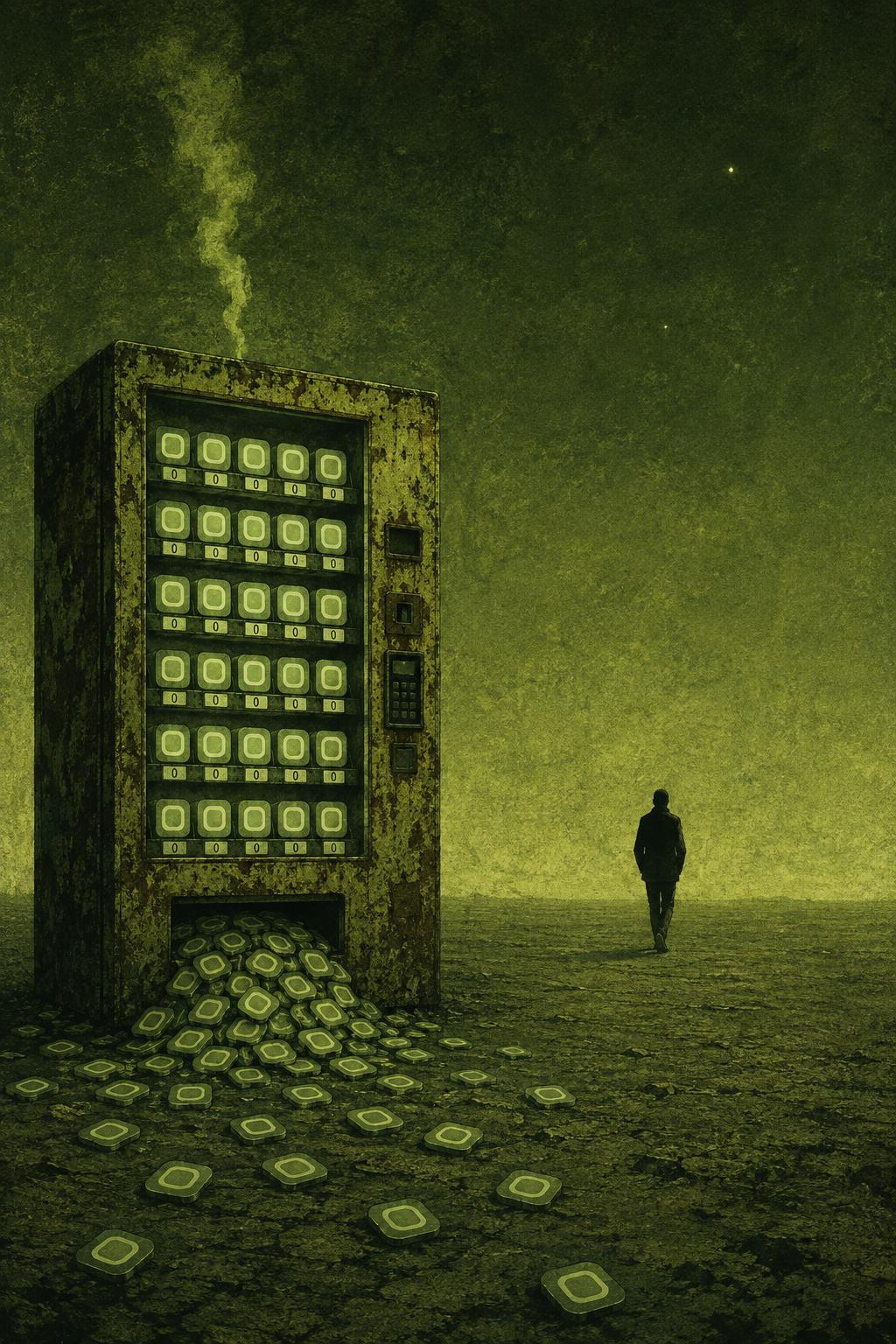
Shi Chao thinks it depends on the situation.
It is totally fine if you make an App for your own use with AI to meet your own needs. But if you openly replicate a product that others are selling, then open source it, or even resell it at a low price, the nature is completely different.
Although this is mostly legal in the legal sense, as long as you do not copy the interface and code pixel by pixel, making a similar product has always been considered "legal competition". But this kind of legal competition will really hurt every original developer.
Earlier this year, independent game developer Freya Holmér released a 50-second game demo: what if the Tetris board rotates as the blocks are stacked?
After the video went viral, two AI replicas appeared on the Internet immediately, and one of the authors only spent one day making it. And Freya herself had not finished her own game at that time.
She said later that she now feels anxious whenever she releases anything, because there will always be someone who finishes it for you and then monetizes it.
