Opus 5 burned through 690 million tokens to develop a game, while GPT-5.6 replicated it for just 5 US dollars.
It only takes 690 million tokens, 423 dollars and 1 prompt to create an American-style speedboat racing game that goes viral across the internet.
What's more, it is playable online, and anyone can pick it up and play easily.
This is what netizen Vyom said.
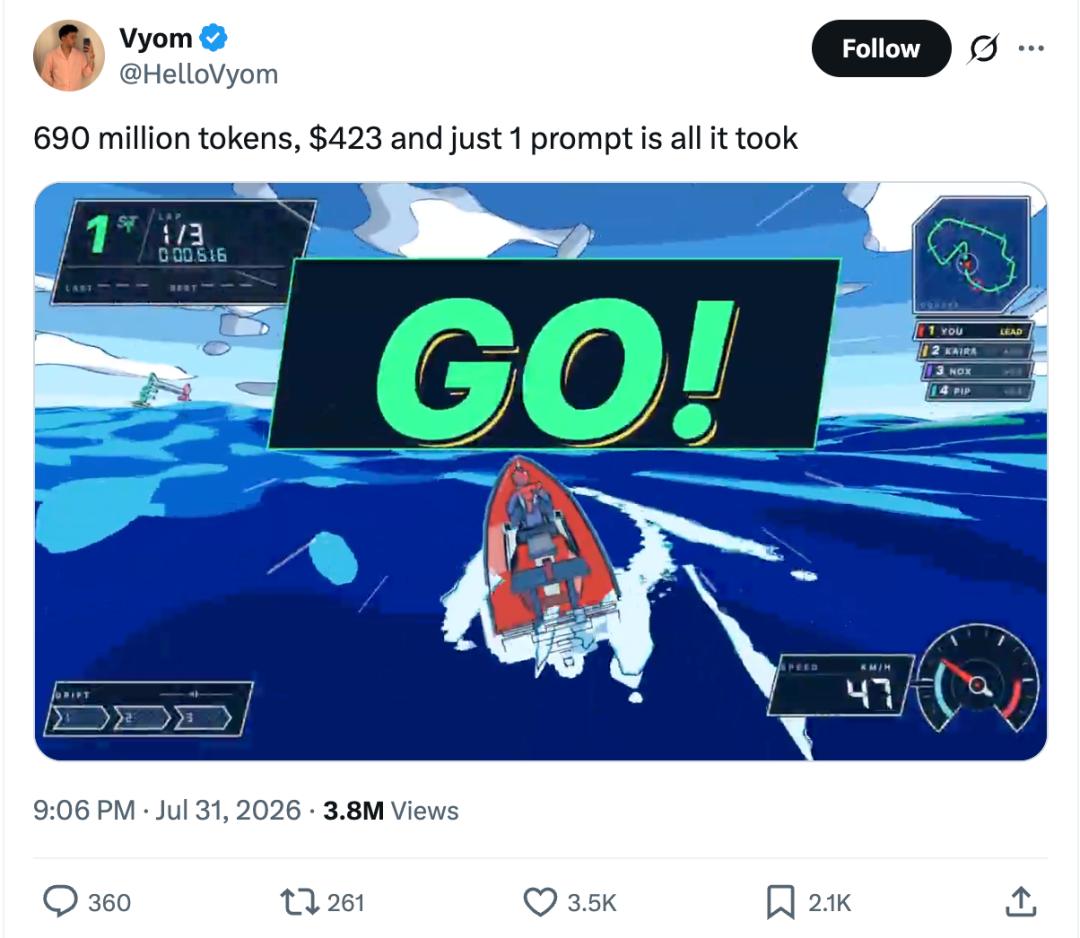
Take a closer look, and this game is indeed surprisingly well-made.
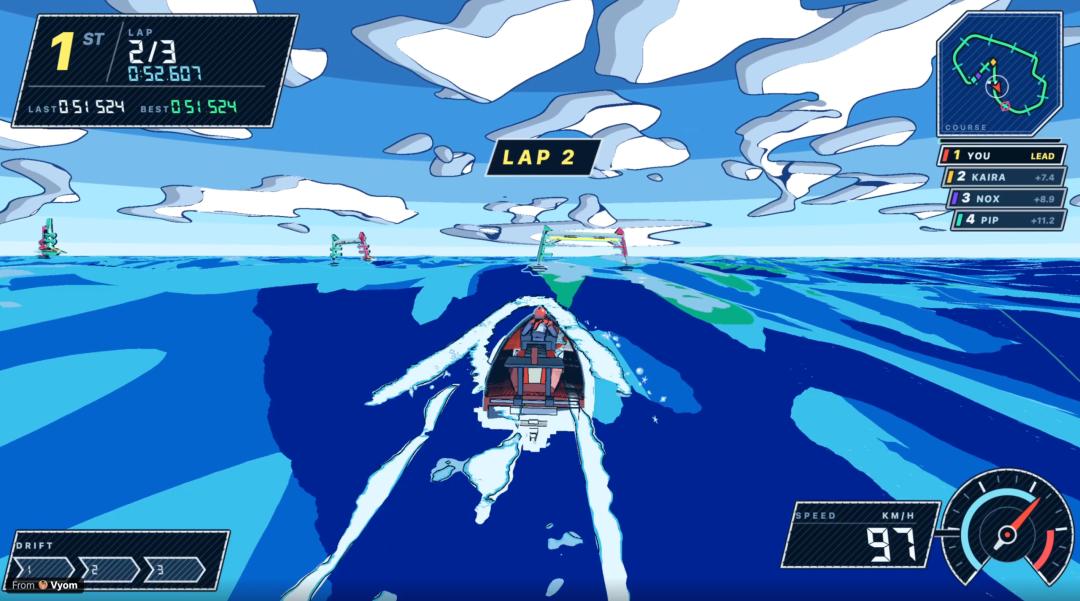
It features an American cartoon style and retro arcade speedboat racing gameplay, with a complete countdown, lap count and ranking system.
Even the entire UI is designed with a unified hardcore street racing dashboard style, making the gaming experience very immersive.
This is the effect generated directly by Opus 5 with a single prompt. It has to be said that Opus 5 is really impressive.
Before the excitement lasted for two days, another netizen recreated the game in Codex using GPT-5.6 Sol.
And it only cost 5 dollars!!!
Create a water racing game with Opus 5 and a single prompt
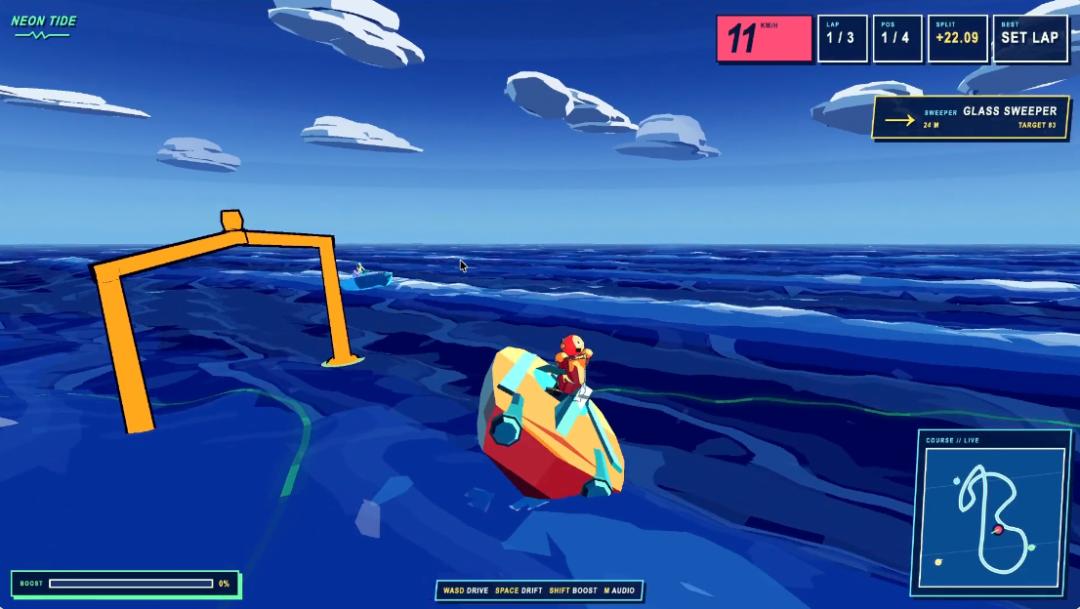
This water racing game created by netizen Vyom is called 《INK TIDE》.
The first second I opened the game, I have to admit I was blown away.
The visuals are in American cartoon style. When you control the boat to sail, the pitching and rolling of the hull are rendered very realistically.
There is a dashboard at the bottom right of the screen, and a mini map as well as a real-time ranking board at the top right.
There are obvious dynamic effects for charging and acceleration. If you take a wrong path or collide with an enemy boat, there will be clear prompts on the screen.
Overall, it is full of dynamism and very immersive.
The only flaw is that the 3 AI opponents are too weak, I can easily get first place even by driving casually.
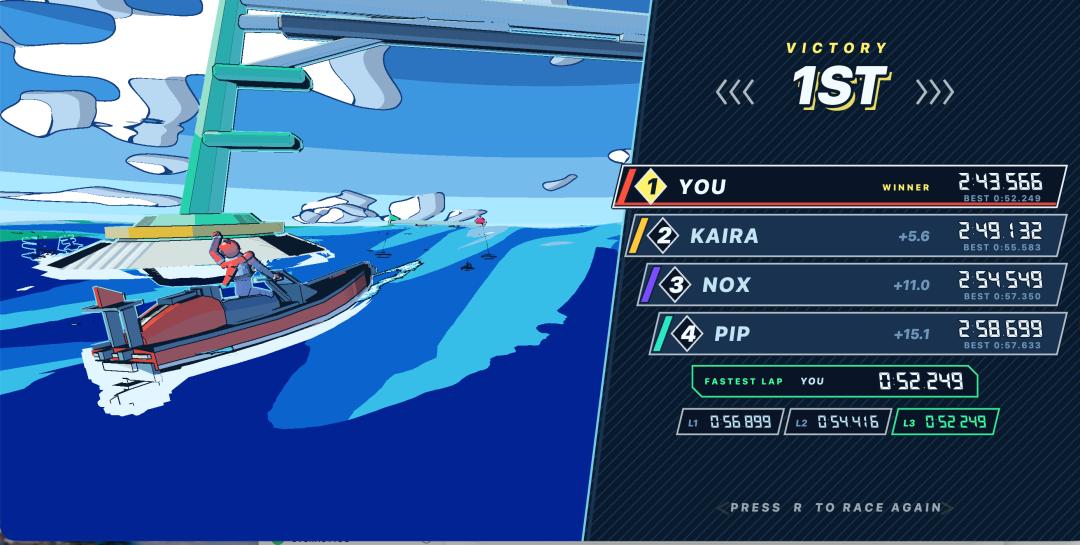
The author Vyom stated that this game was generated using only one prompt, one-shot.
It is true that it uses a single prompt, but you didn't mention that the prompt is as long as 2000 words...
be like:
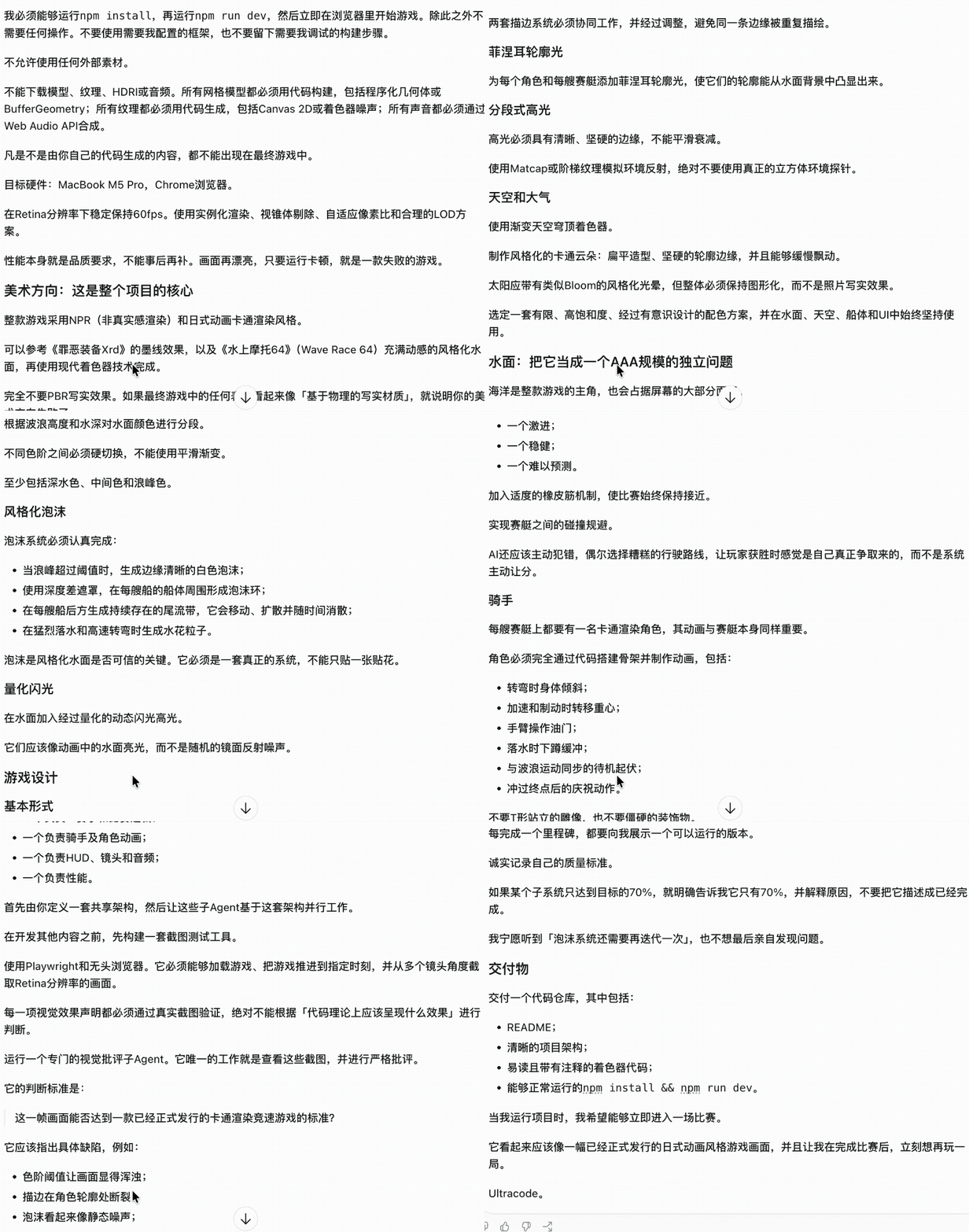
The game is developed with Vite, TypeScript and Three.js, no external resources are used at all, and all models, textures and sounds are generated by code.
No wonder such a delicate demo can be generated in one go. This is no longer just a prompt, it is a comprehensive requirement document.
The hierarchical structure inside is very clear: first define hard constraints, then define visual standards, then define functional requirements, then define the development process, and finally define delivery standards.
This is exactly the same order that human project managers follow when writing requirement documents.
We can also figure out from it why the water effect of this game is so well made: the prompt has a separate chapter dedicated to the water surface system.

It is worth noting that there is also a very detailed section of "Sub-agent Division of Labor" in the prompt.
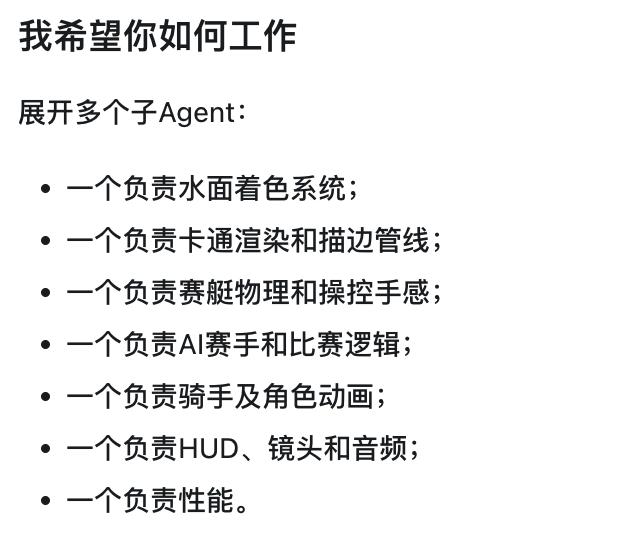
The author asked Claude to first define a shared architecture, then split the project to multiple sub-agents:
Some are responsible for the water surface, some are responsible for cartoon rendering, some are responsible for the physics of the racing boat, and others handle AI opponents, character animation, audio-visual systems and performance respectively, developing in parallel with each other.
In the multi-agent workflow, each sub-agent is assigned a narrower task, focusing on processing its own module in a relatively independent context, and finally the main agent is responsible for overall planning and integration.
This arrangement is mainly to counter "attention dilution" in large-scale tasks.
If you hand over the water surface, rendering, physics, AI, UI and audio all to the same agent, it is very easy to go off track when writing code.
For example, you may break the physics function when modifying the water surface, forget about performance when making the UI, and overturn the previously defined interfaces later on.
For this reason, the author has drawn clear responsibilities for different sub-agents, and even stipulated which files each of them can modify. The boundaries are fixed first, and then they are allowed to start working in parallel.
Looking further, the author also specially assigned a "Quality Inspector" to this agent team.
He asked Claude to first make a screenshot harness, then run a visual review sub-agent to check the screenshots for flaws, and iterate each subsystem in cycles until the review finds no more problems.

This is equivalent to letting AI act as its own quality inspector. After completing each module, it will run it in practice, accept it with screenshots, and then rework according to the specific problems in the picture.
I dug deeper into the Github repository of the project, and finally figured out why the 3 AI opponents are so weak.
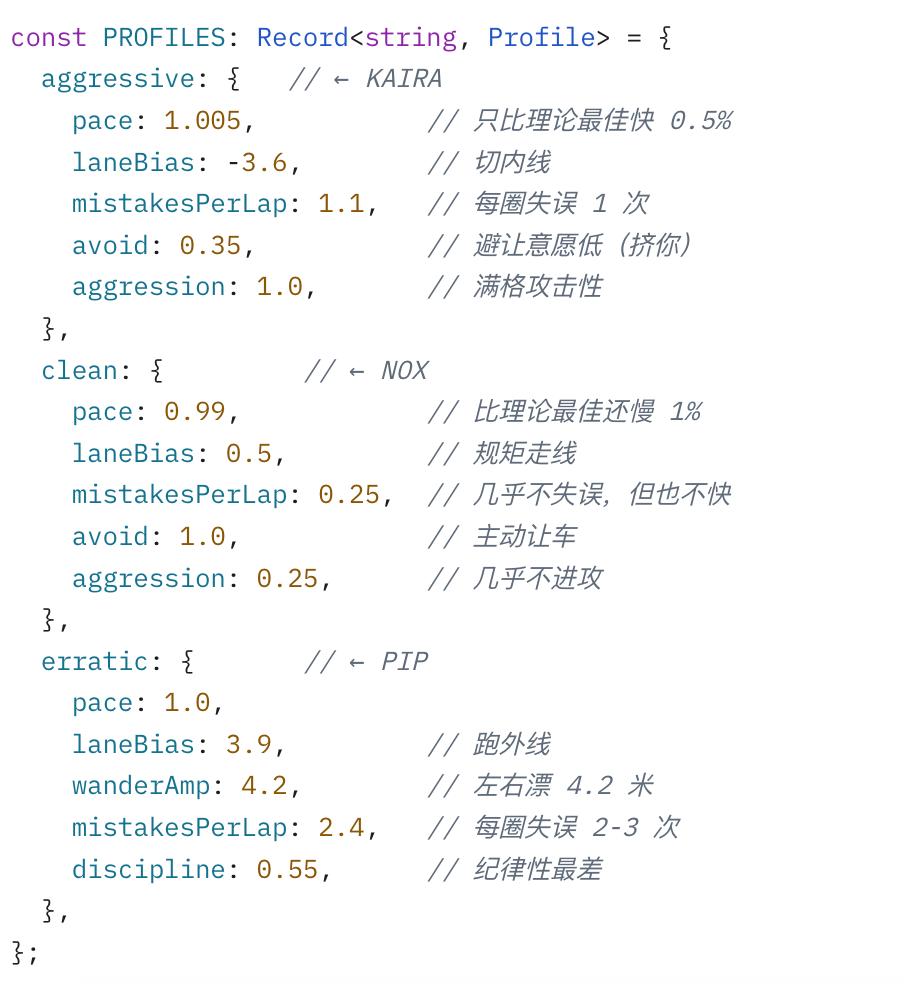
The parameters of the 3 NPCs are hardcoded directly in the code. Among them, the fastest one, KAIRA, is only 0.5% faster than the theoretical optimal speed.
As long as the player takes the normal racing line and drifts to accelerate, they can easily pull away this gap.
As for another opponent, PIP, it is set to make 2-3 mistakes every lap: sometimes it drives wide, sometimes it decelerates, and sometimes it rushes out of the track.
It is obviously deliberately letting the player win.
Maybe the author wanted to make it simpler to attract more players...
Overall, as a demo, this game is delicate and complete enough, but more advanced operations and gameplay are not available yet, and there are no consequences for hitting obstacles or other boats.
It is more like a single-player game where you only race to beat your own lap time records.
The $5 Remade Version from Codex is Here
Soon, the remade version was released.
Netizen Anul Agarwal created a similar game using Codex, spent about 5 hours in total and entered 2 prompts.
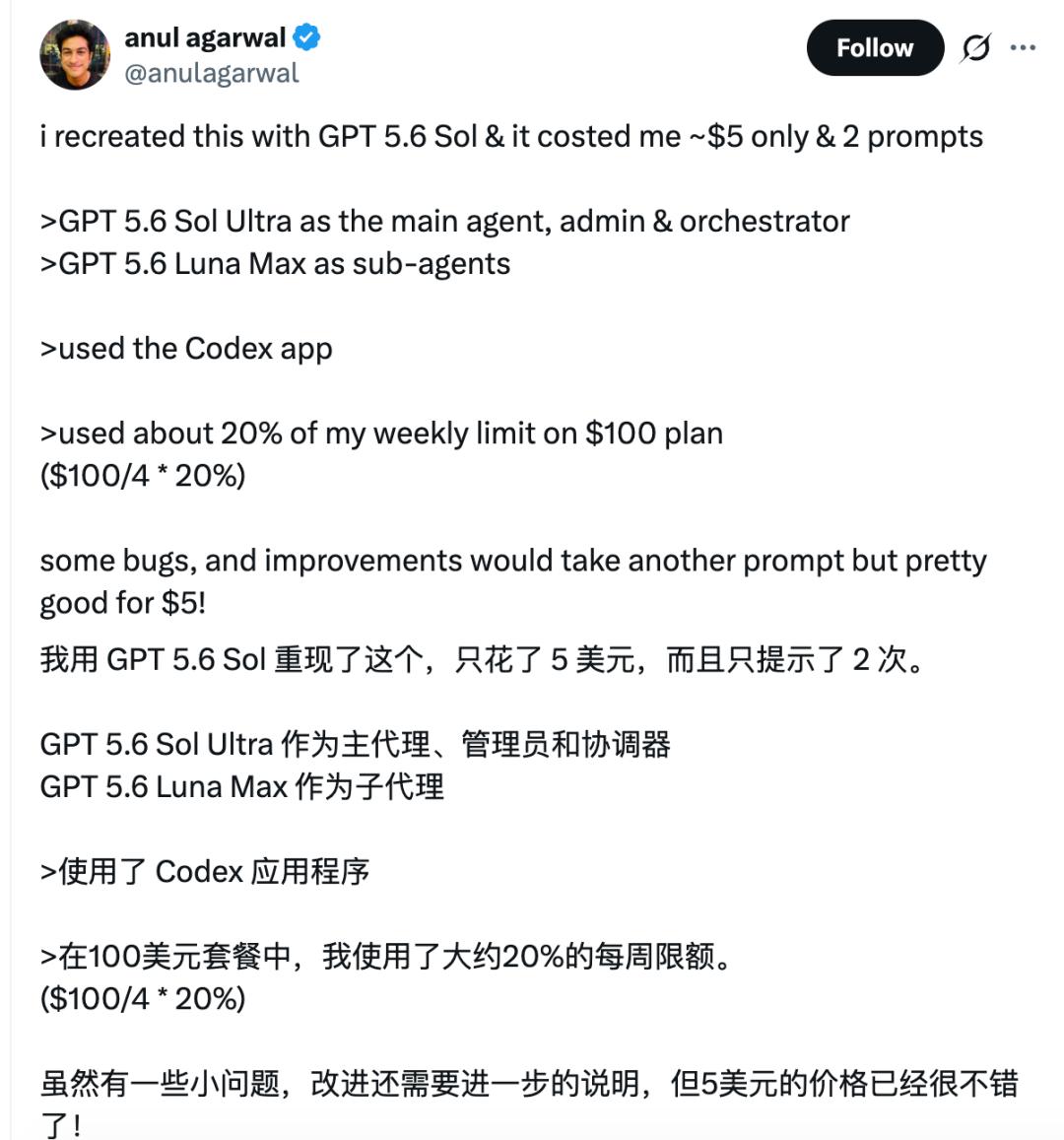
This time, he formed an agent team:
GPT-5.6 Sol Ultra serves as the main agent, responsible for overall planning, management and scheduling;
GPT-5.6 Luna Max serves as the sub-agent, undertaking specific development tasks;
The entire process is completed in Codex.
The converted cost is about only 5 dollars.
GPT…OpenAI… Hail Sam Altman!!!
Wait a minute, before we pop the champagne, you will find that the completion level of the two works is not at the same level.
Although it restores the most striking elements of the original work: driving a speedboat on the sea, cartoon-style water surface, green race track, racing UI and multiple speedboats competing on the track at the same time.
Even the UI layout is somewhat similar.
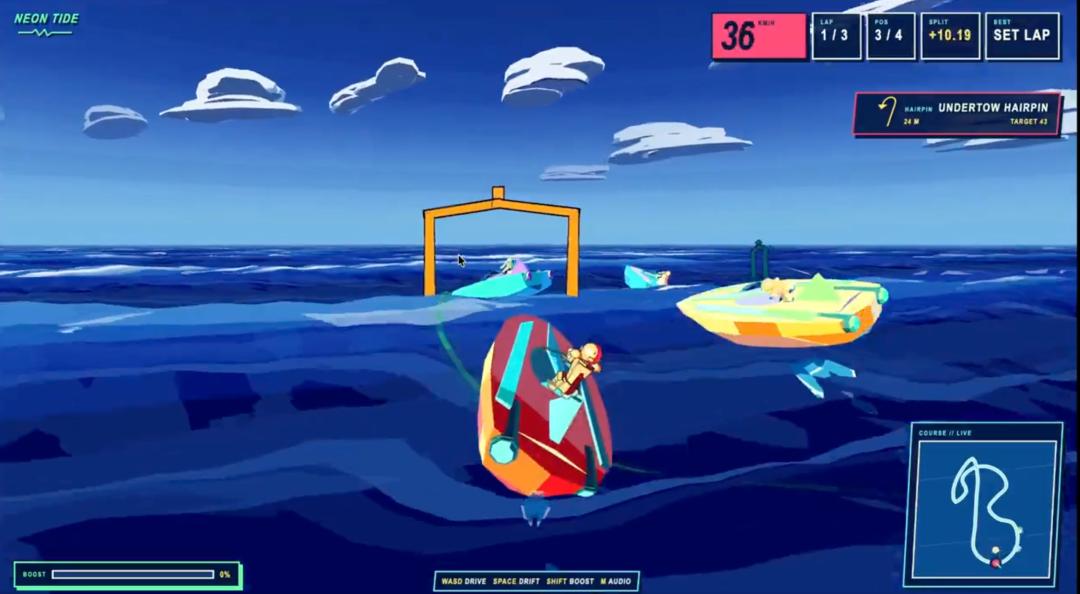
But when you put them side by side, it is obvious that the water surface details, character performance and picture uniformity of the latter one are relatively rough.
It is very clear which one is better.
In addition, the 5 dollars is not a strict cost, it is mainly converted from the quota of the subscription package, not an independent bill generated by API calls.
The author said he thinks GPT-5.6 Sol is very suitable for making games.

This $5 budget version only consumes about 20% of the weekly quota. If you just want to make an MVP, it is indeed very cost-effective.
You can choose the premium full-featured version or the simplified budget version according to your own needs~
It can be seen that nowadays AI can indeed generate a technically viable game, but the upper limit of the final quality still depends on human judgment.
And your bill.
Game demo address: https://wave-racer.vercel.app/
References:
[1]https://x.com/HelloVyom/status/2083177530287353961
[2]https://github.com/Vyom-26/Wave-Racer3
[3]https://x.com/anulagarwal/status/2083847470920946152
This article is from the WeChat official account "QbitAI", author: Yuting, published with authorization from 36Kr.