The little-known niche pharmaceutical track that drew no attention at all two decades ago has been developed into a thriving popular field by three generations of scientists from Peking University.
Twenty years ago, RNA interference was merely a cutting-edge concept limited to overseas laboratories, and only a handful of people in domestic universities could understand its clinical value. There were no mature nucleic acid chemistry courses, no systematic delivery research, let alone an academic ecosystem that integrates industry, university and research seamlessly.
Nowadays, small nucleic acids have become one of the most sought-after directions in the biomedical field. Behind the boom, few people truly realize that the initial foundation of this track was built by generations of scholars who dedicated themselves to long-term, unacknowledged research in laboratories.
This article is the first part of the series "Chronicles of Small Nucleic Acids". Taking the academic experiences of three generations of scholars as the clue, it reviews the knowledge inheritance and spiritual relay of China's small nucleic acid sector from 0 to 1. Their life trajectories fully engrave the pioneering, rooting and breakthrough process of China's small nucleic acid academic community.
No. 38 Xueyuan Road, you can arrive here by walking about 1.3 kilometers north from Exit B of Xitucheng Station on Beijing Subway Line 10.
This is the Peking University School of Pharmaceutical Sciences, where red-brick glass buildings stand quietly in the dense shade of trees.
Few people know that behind the modern main building of this new pharmaceutical school lies a past story of three generations of researchers supporting each other and breaking through to create China's small nucleic acid track from scratch.
In the 1980s, Academician Zhang Lihe set up the earliest nucleic acid research group in China in the four-story test building at the west gate of the campus.
The laboratory of more than 300 square meters was fully packed, with discarded desiccators and ground-mouth reagent bottles accumulated over years piled up in the corners, and the smell of various nucleoside reagents permeated the space all year round — which was the most real scene of domestic laboratories in the 1980s.
At that time, there was no professional mapping software, and the team could only draw the chemical structure of nucleic acids by hand stroke by stroke with rulers and steel plates.
In 2006, RNA interference won the Nobel Prize, and global capital poured into the small nucleic acid track collectively. The scientific research seed buried deep in the Peking University laboratory finally slowly sprouted and grew in the domestic university academic circle.
This little-known track that has gone through several booms and winters has always moved forward with the mutual support of three generations of scholars: the first generation of pioneers represented by Zhang Lihe planted the seeds of nucleic acid research in the early laboratories; the second-generation backbone consisting of Yang Zhenjun, Zhang Chenyu and Xi Zhen broke through the barriers between industry, university and research in the initial stage of industrial development; the third-generation young post-80s researchers such as Yu Hanyang, Chen Xi and Zhang Liqin dived into cutting-edge directions and made up for the shortcomings of local original technologies little by little.
Through the ups and downs of the industry for more than 20 years, the constant trait of these researchers is the determination to engage in long-term, unrecognized research.
Facing the severe difficulties such as delivery technology bottlenecks and the fluctuations of capital cycles, they walked out of their respective laboratories to exchange ideas, broke through overseas technical barriers with local original achievements, and gradually turned the once little-noticed research field of small nucleic acids into today's flourishing innovation track.
Seeds of domestic nucleic acid research sown in the laboratory
The main building of Peking University School of Pharmaceutical Sciences, which was renovated in 2018, no longer has the pungent smell of organic reagents. The brand-new exhaust system operates around the clock, and the volatile organic solvents discharged by high-performance liquid chromatography are timely pumped out to the outdoors, so the odor will not linger in the corridors and laboratories.
The 5th and 6th floors of the building are equipped with pharmaceutical chemistry and chemical biology laboratories, the 3rd and 4th floors are mostly used by the pharmaceutics discipline, and the 2nd floor is for administration and pharmaceutical management.
This building carries the core position of Peking University's current macromolecular nucleic acid research: Professor Yang Zhenjun, a scholar born in the 1960s, has his office on the 6th floor, and young scholar Zhang Liqin, who returned to teach at the university in 2021, has his workstation on the 3rd floor.
The origin of this campus and the nucleic acid discipline can be traced back to the early exploration of Academician Zhang Lihe in the 1960s. After generations of laboratory space updates and the succession of researchers, a complete discipline system has been gradually established.
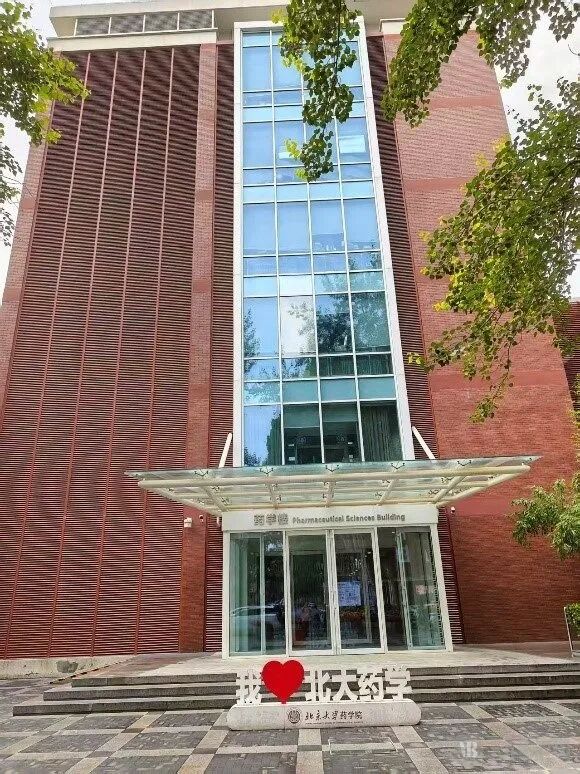
Main building of Peking University School of Pharmaceutical Sciences (taken on site)
In the 1960s, Zhang Lihe's research focus had not yet touched on nucleic acids themselves, and he focused on 1,2,4-triazine aza-pyrimidine compounds, with the core goal of synthesizing antagonistic small molecules that can interfere with nucleic acid metabolism. This is also the earliest origin of nucleic acid-related chemical research in Peking University School of Pharmaceutical Sciences.
The real watershed appeared in the 1980s.
The teaching and research departments in the school completed large-scale personnel integration, gathered the surplus researchers from pharmaceutical chemistry, natural pharmaceutical chemistry, pharmaceutics and pharmacology, and formally established a comprehensive pharmaceutical research group, which is well-known in the industry as the "Pharmaceutical Research Group".
Over the past decades, more than 110 scientific research talents have graduated from this group.
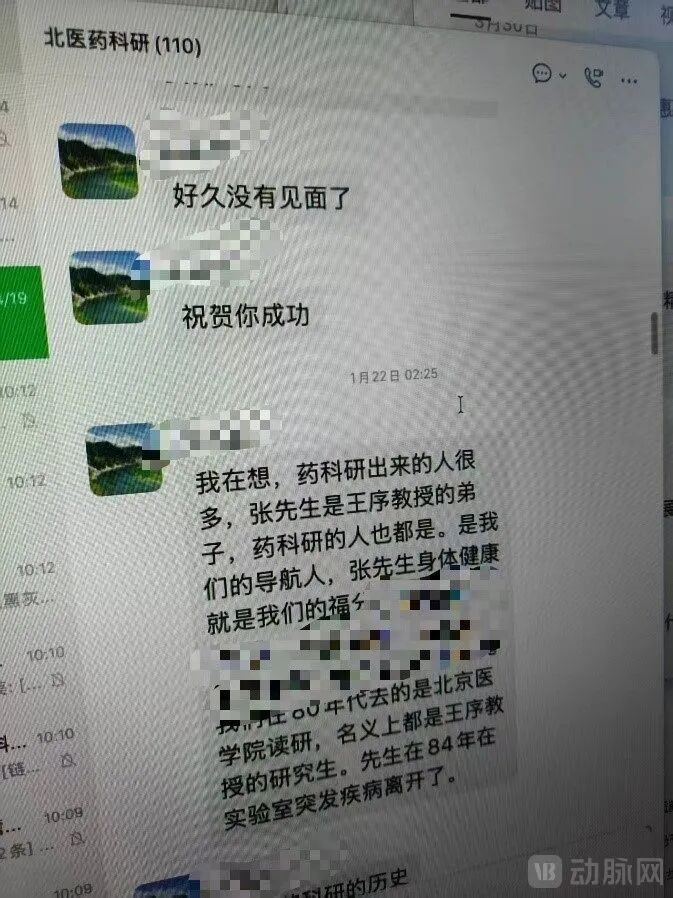
Historical origin of the Pharmaceutical Research Group (photo provided by the interviewee)
The research group was permanently located in the four-story test building at the west gate of the campus. The whole building was funded by the State Pharmaceutical Administration, with an east-west partition, and the entire west space was fully allocated to Peking University Health Science Center for use.
Today, this four-story test building that witnessed the first generation of nucleic acid research has long been demolished, and it has been replaced by the Peking University Medical Science and Technology Building completed in 2021 — a 17-story main building paired with a 15-story side building, with a total construction area of 83,000 square meters, which is the building with the largest single-floor construction area on Peking University's campus.
Judging from the architectural style of the campus, the appearance of the early test building should be similar to the small red brick building of the State Key Laboratory of Natural and Biomimetic Drugs next to it.
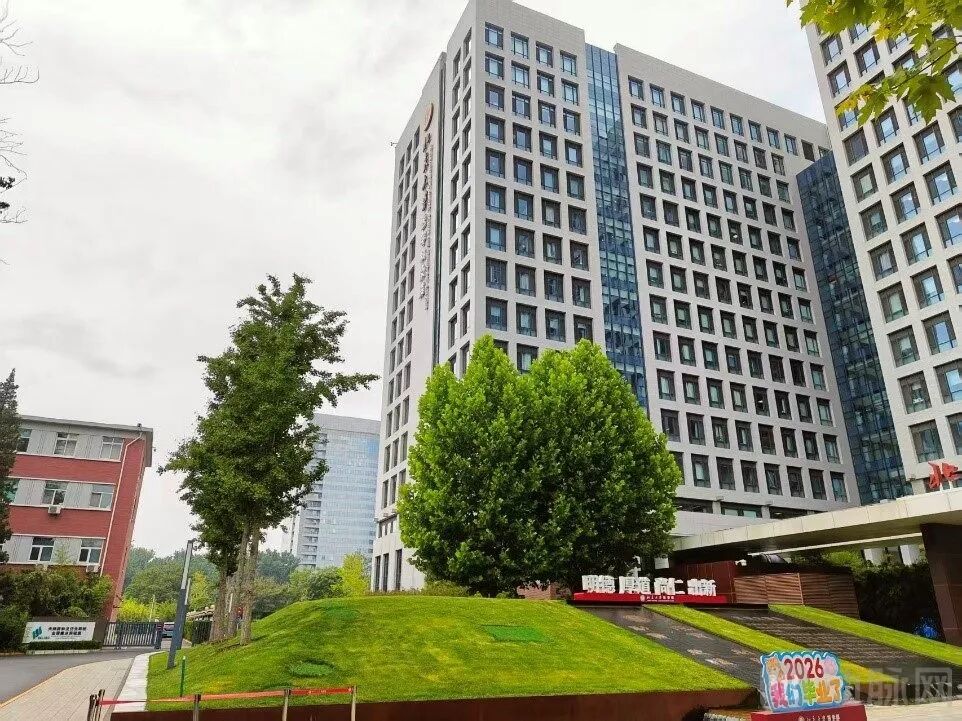
The newly completed Medical Science and Technology Building (right) and the adjacent State Key Laboratory of Natural and Biomimetic Drugs (left) (taken on site)
At that time, the core leader of the research group was Academician Zhang Lihe, and Professor Han Guiqiu was simultaneously engaged in natural pharmaceutical chemistry. Several small research teams carried out experiments in the same building, and the number of resident teachers and students could reach 10 to 20 at the peak of the research group.
As the older generation of team leaders retired one after another, new-generation professors such as Ye Xinshan took over the laboratory, the discipline directions were continuously consolidated, and chemistry became the leading research discipline.
In the 1980s, Wang Xu, Zhang Lihe's mentor, put forward a complete idea of parallel research on three macromolecules: sugar, polypeptide and nucleic acid, which directly influenced Zhang Lihe's scientific research layout in the following decades. Since then, Peking University has officially included nucleotides in its long-term and stable research plan.
In the mid-to-late 1980s, Zhang Lihe's team officially launched systematic nucleic acid research. The laboratory only occupied the third floor on the west side of the test building, with a total area of only more than 300 square meters, and the subsequent expansion was only 20% to 30% for many years.
In the early days, laboratory management was extensive, and a large number of unclaimed ground-mouth bottles, discarded desiccators, and intermediates left by previous students were piled up randomly. All kinds of volatile nucleoside reagents were stored mixedly, and peculiar smells permeated the space all year round.
Professor Yang Zhenjun, who graduated with a bachelor's degree in 1987 and moved into this test building in 1988, has a deep impression on this. In the early days, domestic laboratories lacked standardized storage specifications, and accumulated discarded consumables occupied most of the experimental space.
In the 1990s, the team sorted out the basic theory of nucleic acids while promoting the exploration of drug applications simultaneously.
In 1997, the book "Drug Research Targeting Nucleic Acids" compiled by Zhang Lihe was published by Science Press, which was also the earliest authoritative work in China that systematically introduced nucleic acid drugs.
The book covered cutting-edge contents in advance, including CADD computer-aided drug design, nucleic acid action model, ASO antisense nucleic acid, chemical modification of nucleic acids, sequence specificity, and nucleic acid conformational folding hypothesis.
Limited by the printing and drawing conditions at that time, all the chemical structure diagrams in the whole book had to be drawn manually with rulers and steel plates.
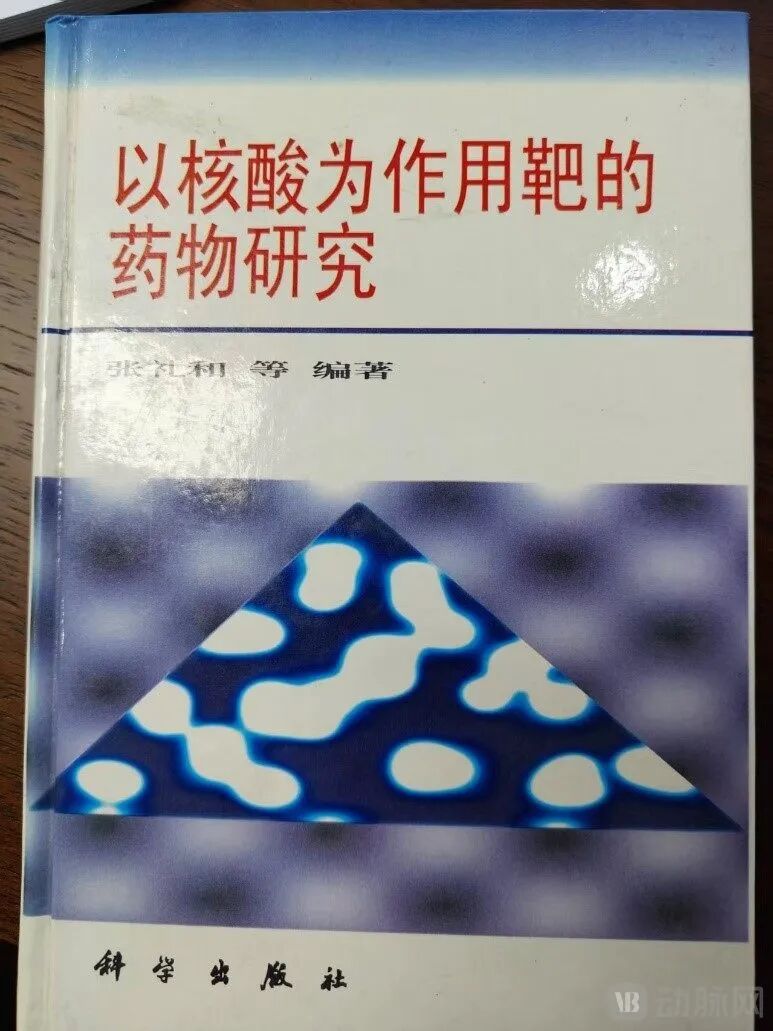
"Drug Research Targeting Nucleic Acids" published by Science Press (photo provided by the interviewee)
In 1998, the world's first ASO drug fomivirsen was launched, and the RNA interference phenomenon was discovered by the academic circle in the same year, which ushered in the first wave of global capital and scientific research boom for small nucleic acids.
In the 1990s, the fixed schedule of Zhang Lihe's research group was unshakable: all members arrived at work at 8 a.m., completed the reagent drying and deoxygenation treatment the night before, and wrote experimental records; took a short nap at noon, finished work at 5:30 p.m. for rest; returned to the laboratory after dinner, and cleaned up all reagents and put back all utensils before 10 p.m.
They worked six days a week, and the schedule was very compact and efficient.
Zhang Lihe's annual enrollment quota was not fixed, and the maximum number of indicators could reach 6 or 7 in years with sufficient student sources.
He only kept two students for himself, and handed over all the remaining quotas to young teachers who were newly recruited to the school or returned from overseas.
"He does not pursue the number of his disciples, but hopes to distribute resources to new people, so that nucleic acid research can flourish in more directions." Yang Zhenjun has a deep experience of this.
In 2000, Wang Haisheng, founder of Sihe Gene, passed the interview and joined the research group, under the supervision of Zhang Lihe and with Ye Xinshan as his tutor.
In March of the same year, when Wang Haisheng came to Peking University for an interview, Yang Zhenjun had a brief communication with him. Only one month later, Yang Zhenjun left for further study in the United States.
Around 2000, the global gene therapy industry encountered a devastating winter: deaths of children occurred in adenovirus clinical trials, long-term AAV administration induced tumors in mice, and multiple subjects in French retrovirus trials suffered from leukemia. Multiple safety accidents broke out intensively, and Novartis directly shut down its entire gene therapy pipeline.
As a result, a large number of scientific researchers at home and abroad turned to small molecule and antibody tracks to avoid risks, and only a few people insisted on staying in the nucleic acid field.
Under the depressed industry situation, new forces of domestic small nucleic acids were gestating silently.
Zhang Lihe often said to the younger generation in the team: To do nucleic acid research, you must have the determination to sit on the cold bench, and more importantly, the confidence to warm the cold bench. This sentence has also become the spiritual beacon of a generation of nucleic acid researchers.
In 2002, Yang Zhenjun returned to China after finishing his overseas visiting study. Referring to the standardized laboratory management mode abroad, he promoted comprehensive environmental rectification in the group.
In 2006, he specially organized students to carry out large-scale cleaning work, removed more than 100 idle desiccators at one time, sorted out 45 boxes of discarded large-capacity ground-mouth reagent bottles within three months, and uniformly replaced small self-sealing bags to store trace nucleic acid samples, completely eradicating the historical problems of accumulated consumables and volatile reagent odors.
After the rectification, Yang Zhenjun's laboratory continuously reduced the proportion of small molecule synthesis projects, making it one of the pharmaceutical laboratories with the lowest proportion of small molecule synthesis in China. Focusing on macromolecular nucleic acid research, there is almost no pungent chemical smell in the laboratory.
Coincidentally, in 2006, the research related to RNA interference won the Nobel Prize, and major global pharmaceutical companies invested heavily in the layout of the small nucleic acid track; in the same year, Liang Zicai, founder of Ribo Biotech, returned to China, and China's local small nucleic acid industry officially kicked off.
Dinner gatherings and industry-university-research collaboration: the second-generation founders broke through technical barriers
In 2007, Liang Zicai, Zhang Lihe, and Professor Xi Zhen from Nankai University jointly founded Ribo Biotech in Kunshan. Around Kunshan and Suzhou Industrial Park, domestic scientific research talents engaged in small nucleic acids quickly gathered.
Shortly after the industrial base was established, whether dealing with the government or communicating with the academic circle, it was inseparable from various dinner gatherings, which also became a unique mark of the times in the embryonic stage of China's small nucleic acid industry.
In the early days, the custom of heavy drinking at dinner gatherings was prevalent in Kunshan, and both Yang Zhenjun and Xi Zhen had experienced it many times. Xi Zhen has a bright and hearty personality, and people often toast to him; Liang Zicai always keeps restrained and rarely drinks alcohol, this calm habit is consistent with his long-term idea of taking into account enterprise operation and carefully planning industrial layout.
In the second half of 2007, Lu Yang, founder of Sino Medical Sciences Technology, embarked on a journey to return to China for entrepreneurial investigation.
This trip was facilitated by repeated persuasion from a Shanghai friend who worked in Maryland.
His first stop was Zhangjiang, Shanghai, where the local government provided a 150,000-yuan entrepreneurship subsidy, but this fund was far from enough to build a complete nucleic acid laboratory.
After visiting Zhangjiang, Lu Yang turned all his attention to Suzhou Industrial Park, which was still in its early stage.
Liu Yuwen, the park official who received Lu Yang and his entourage, had a multinational enterprise management background, was fluent in Chinese and English, and saw the technical value of this nucleic acid team at a glance.
She did not make unnecessary polite remarks, and directly threw out a very sincere support plan: "If you register and settle here now, we will immediately allocate 500,000 yuan of start-up capital; after the laboratory decoration is completed, we will add another 500,000 yuan of subsidy."
The sincerity of millions of yuan in support funds moved Lu Yang, and Sino Medical Sciences Technology then completed the registration and settlement in Suzhou.
In order to