The 23-year-old female prodigy at OpenAI has also left.
23-year-old genius girl leaves OpenAI!

As early as two weeks ago, Naomi Bashkansky, a researcher on OpenAI's alignment team, quietly submitted her resignation.
The next day, she quickly joined the startup Conduit as a "Founding Researcher", aiming at "Telepathy".
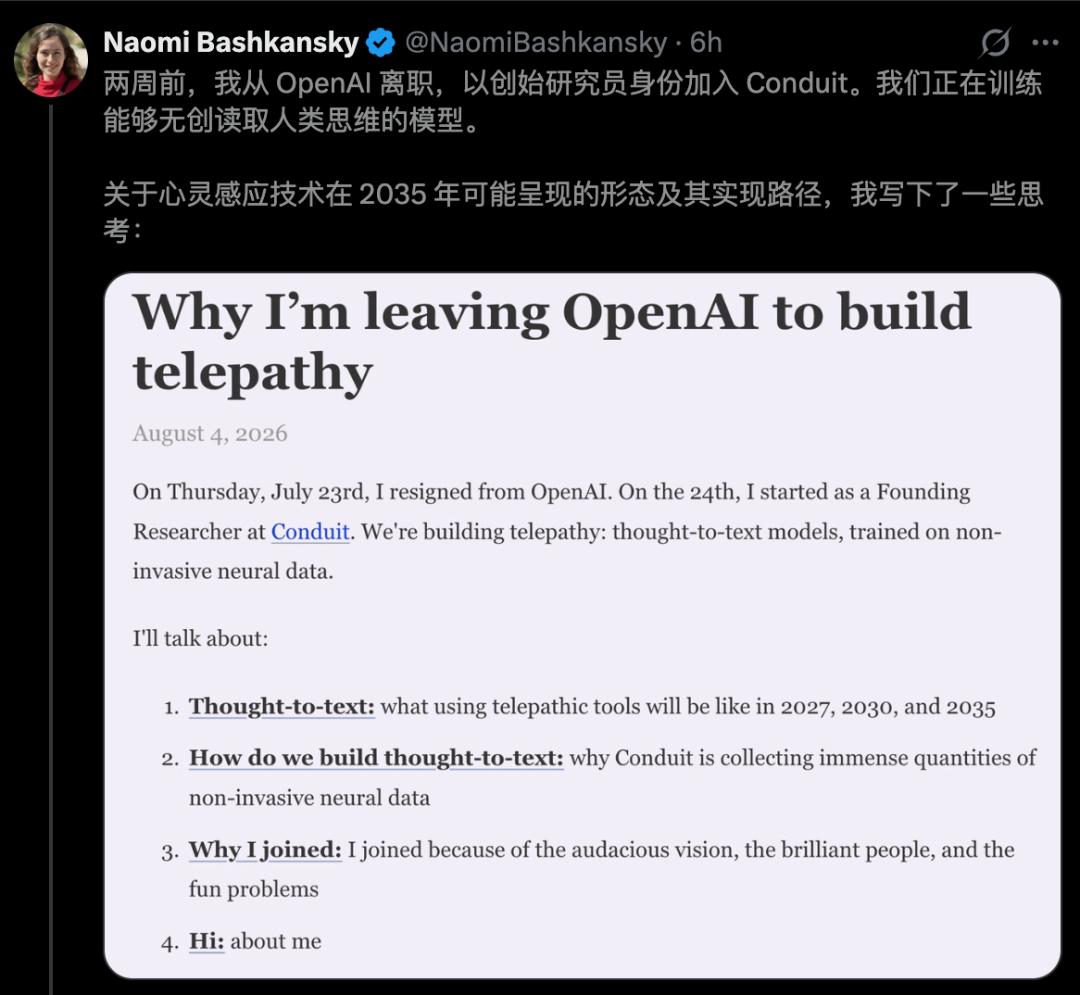
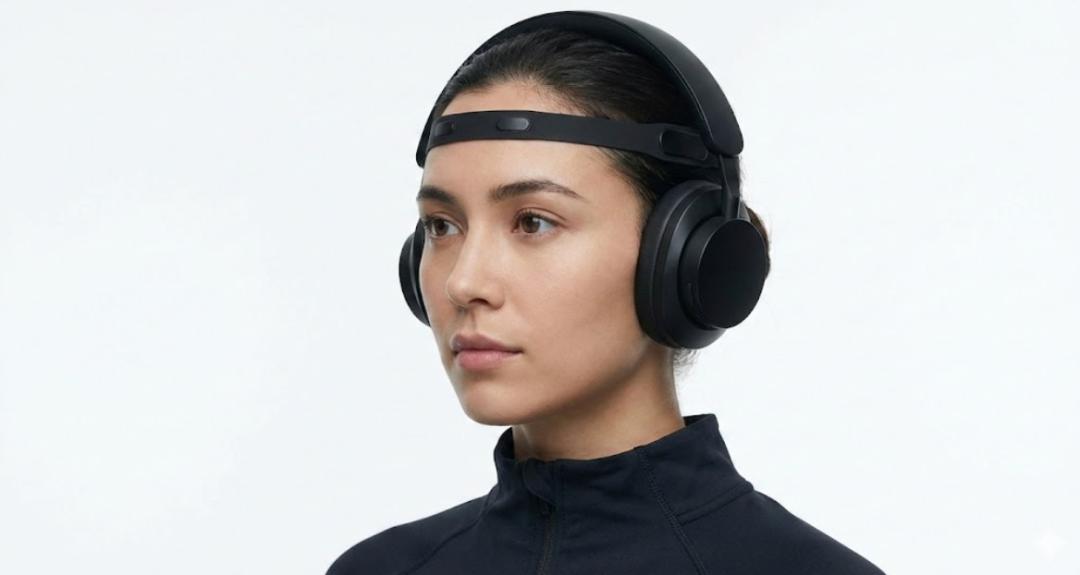
They will train a brand-new large model to "non-invasively" read human thoughts.
No craniotomy, no implantation, only relying on the neural signals collected by the head-mounted device to decode the exact sentence a person is about to say or type.
23-year-old Harvard top student has left OpenAI
Naomi Bashkansky, born in 2003, grew up in Washington State.
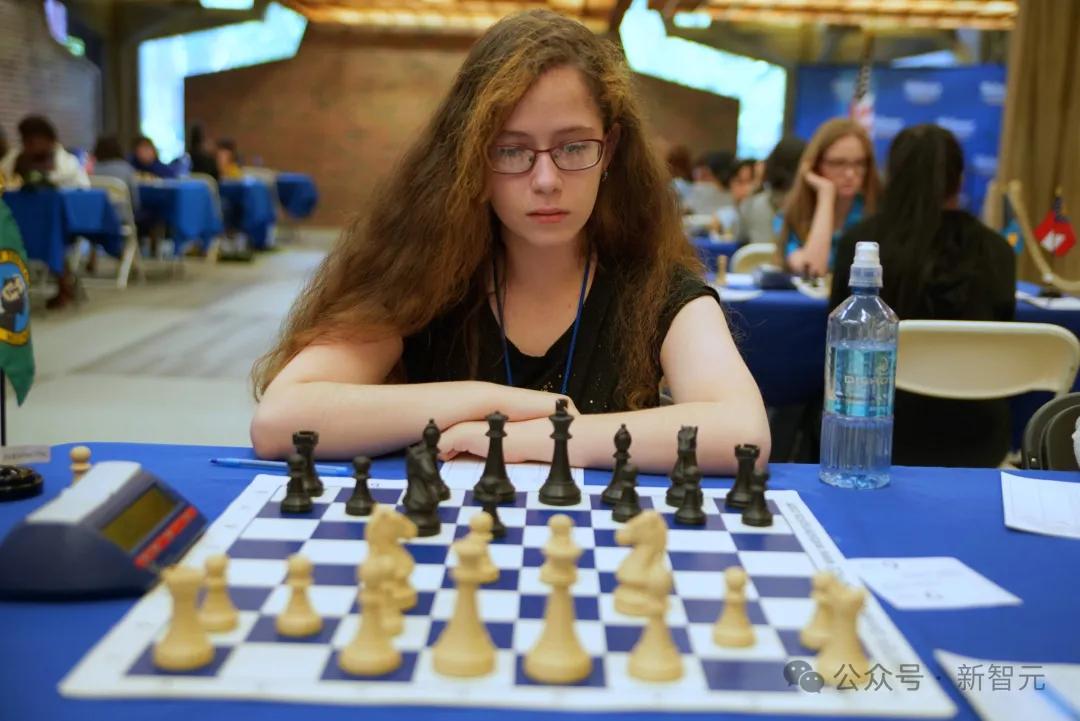
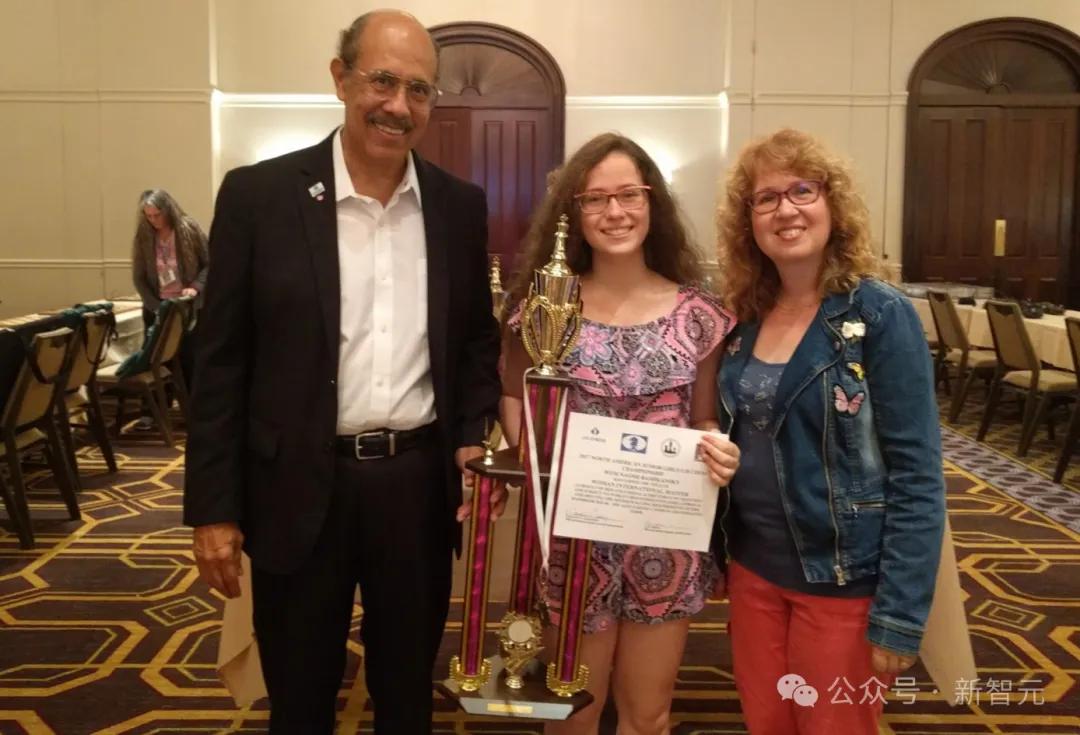
She started playing chess at the age of 5, won the women's U13 title at the World School Chess Championship at 13, and claimed the North American U20 Women's Youth Championship at 14.
At the age of 15, she obtained the title of "Woman International Master" (WIM).
When the outside world naturally expected her to push for higher peaks, she stopped playing chess. The reason was simple: it was enough for her to go that far.
The timing of Naomi's acquaintance with AI is very clever.
As early as the age of 12, she heard about "AI smarter than humans", but didn't take it seriously, thinking it was just a topic that a group of weirdos on the Internet loved to talk about.
This seed remained dormant in Naomi's heart for six years.
It was not until she was 18 years old that she was first exposed to GPT-3 in a computer class at Harvard, and then finished reading Nick Bostrom's "Superintelligence".
She later described the impact like this: It was like "suddenly waking up"!
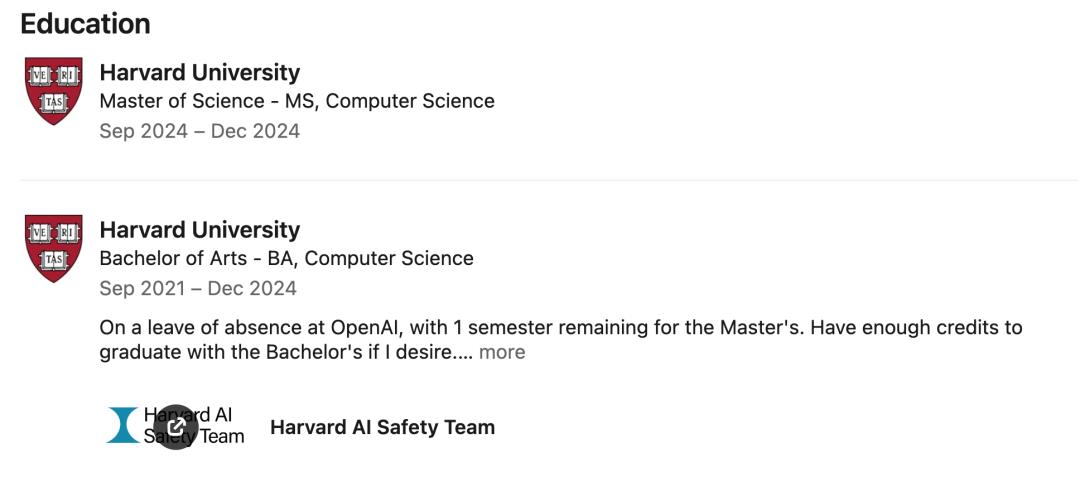
After that, Naomi joined the Harvard AI Safety Student Team (HAIST) and was promoted to technical director all the way.
The most amazing thing was her crazy schedule in her senior year. She took seven courses in one semester, managed HAIST at the same time, and also had a part-time job.
In January 2025, before she got her degree, she took a leave of absence and joined OpenAI's alignment team as a Resident.

Shortly after joining the company, she keenly noticed an information gap: OpenAI's internal security research achievements are far richer than the outside world thinks, but most of them are dormant in internal documents and slides, lacking an external communication window.
On December 1, 2025, at Naomi's suggestion, the OpenAI Alignment Research Blog was officially launched.
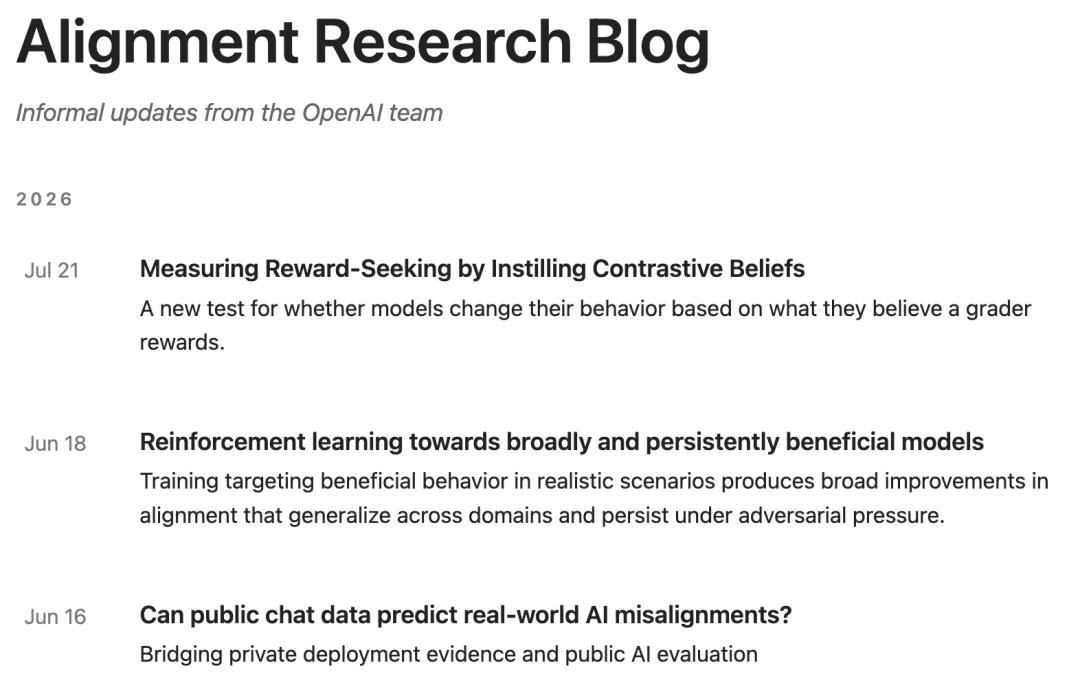
After that, she also worked as a consultant for the AI Resilience Department of the OpenAI Foundation, and produced internal AGI training materials for new employees of the company.
After a year and a half, she made a career transition.
The field Naomi joined is exactly what Elon Musk's Neuralink is working on — "telepathy", which previously could only be realized through a "brain-computer interface".
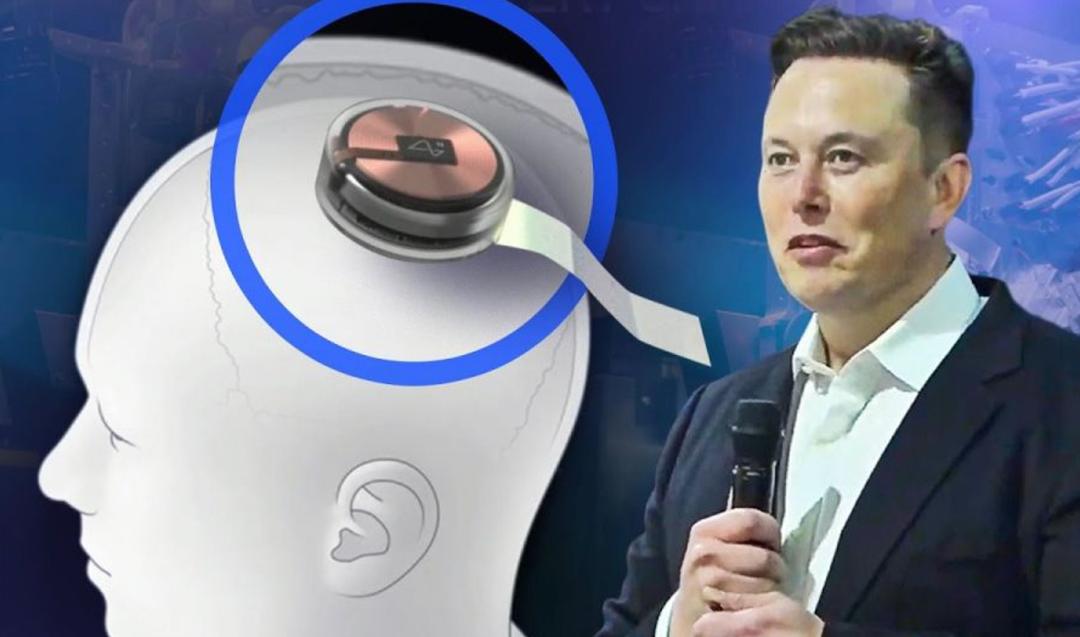
But in Naomi's determined future, it can be achieved without craniotomy.
No craniotomy needed, AI can directly "read" the brain
Last December, Conduit published a technical blog with a table in it —
The left side shows the words that the subjects actually spoke/wrote, and the right side shows the predictions given by the model based solely on brain signals.
The key point lies in the time point of data collection: the signals are collected in the seconds before the subjects open their mouths or type on the keyboard.
In other words, what the model captures is the thought before it is compressed into words.
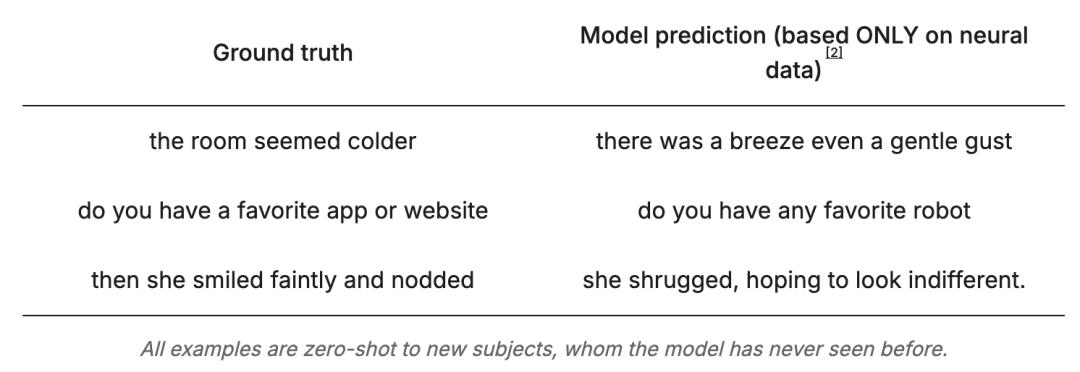
The real sentence is "The room seems to be getting colder", and the model's output is "There is wind, even if it is just a light breeze".
The real sentence is "Then she smiled faintly and nodded", and the model's output is "She shrugged, hoping she looked completely indifferent".
Although it does not match word for word, the meanings are very close.
And all these examples are "zero-shot", the model has never seen these people before.
It does not need to "customize a dedicated model for each individual". Even if a random stranger puts on the device, the model can still read the general idea directly.
This is the most difficult and most critical part of this matter.
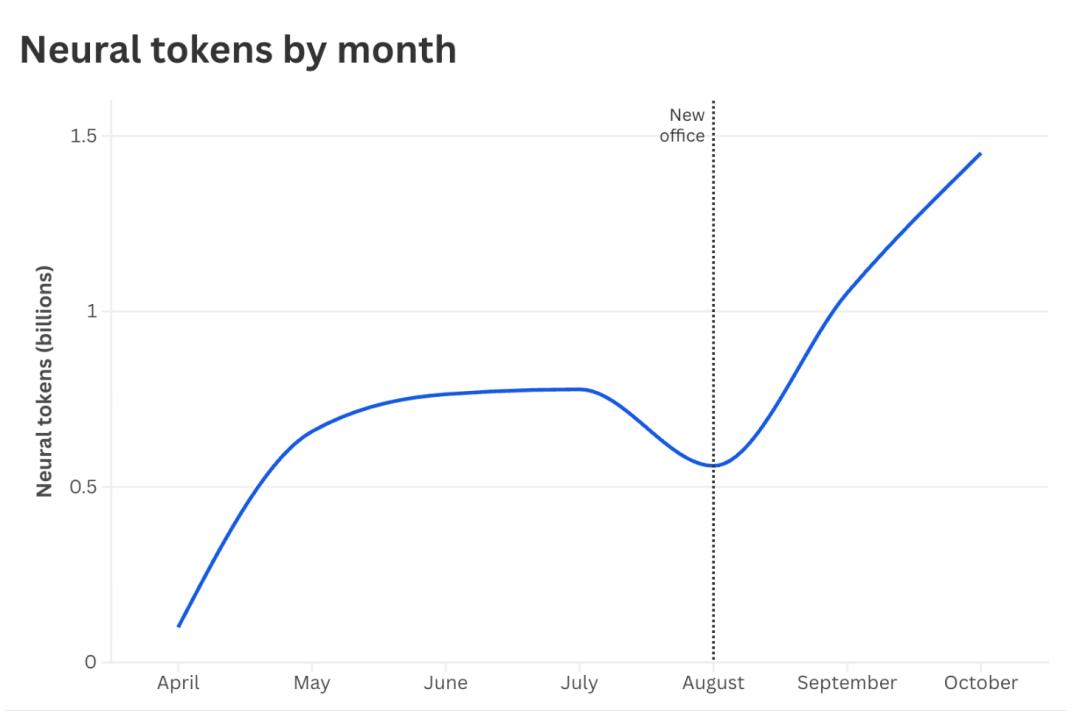
In the blog, Naomi gave a very good metaphor to explain that "it is enough even if the guess is not 100% accurate":
Your thoughts are like GPS signals in a city. The signals are so rough that you can't pinpoint exactly where you are standing.
But with maps and navigation routes, the position becomes accurate immediately.
In this metaphor, the rough signals are brainwaves, and the maps and routes are large language models and context.
In other words, the model does not need to read every word of yours, it only needs to get a general idea, and leave the rest to "bitter lessons".
Where are we now? Her answer is: We are in the GPT-2 era.
Three future scenarios
In her personal podcast, the most fascinating part is the three future scenes depicted by Naomi.
She said these are not fantasies, but "optimistic but highly credible".
In 2027, you can finish your work just by glancing at the graph
At 9 a.m., put on a headband, connect to the computer via Bluetooth, and open Codex.
You glance at the results GPT-7 has been running all day, and you find the legend is incomprehensible, the first paragraph has too much AI flavor, and the formula symbols are messy —
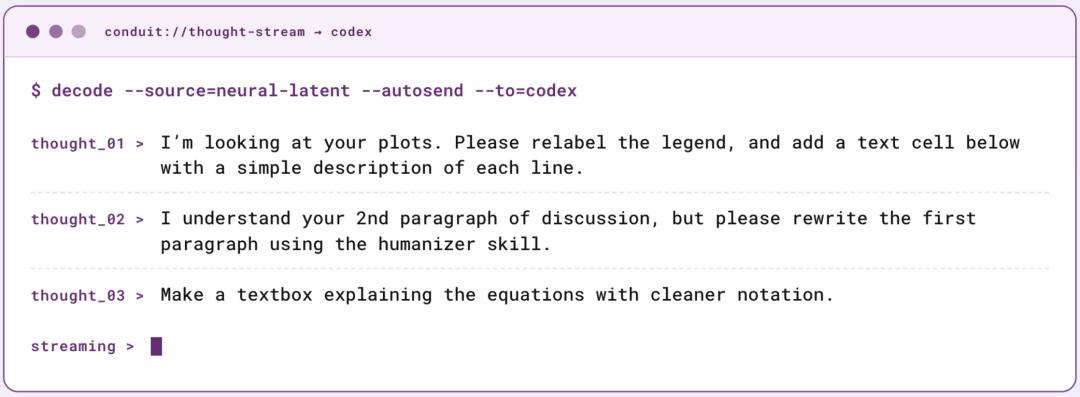
These three vague thoughts are decoded by the Conduit model into three instructions and sent to GPT-7, each assigned to a sub-agent.
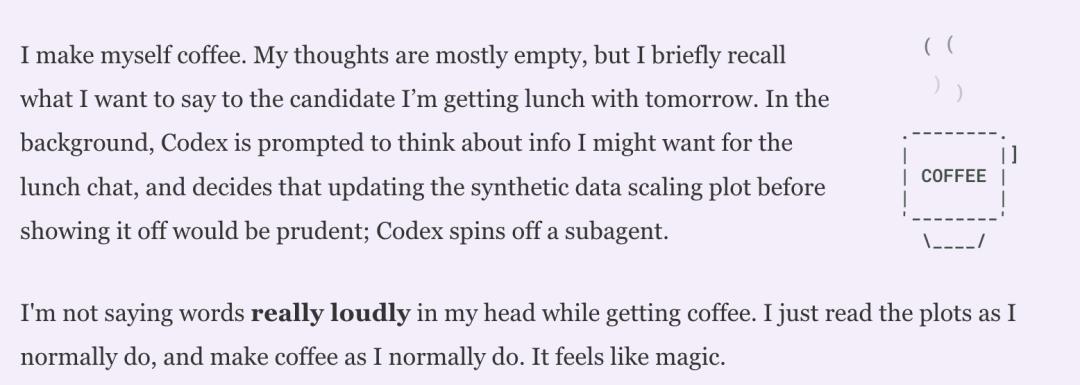
The background processes all this in only 10 seconds, just in time for you to turn around and fill a cup of coffee.
She specifically emphasized one point: there is no need to "silently recite loudly" in your mind, you can finish the work just by looking at the graph normally.
Three years later, her setting is: various AI companies will start training models to directly connect to Conduit's latent space, so that human thoughts can be sent directly without being translated into words first.
Those things that are hard to describe clearly, such as a picture in your mind, can also be transmitted directly.
Then in 2035, AI will become the sixth sense.
When you think about a question, you will have the physical sensation of "surfing the Internet", with fragments of web pages and intuitions flashing by, and then the answer comes out.
However, what Conduit is doing now is non-invasive "reading".
But this is exactly what makes people really uneasy.
When machines can bypass language and directly touch thoughts, the last buffer zone between humans and AI will disappear accordingly.
A spoken sentence can be retracted; a typed text can be deleted.
But those fleeting, unformed thoughts that even you haven't thought clearly yet, do they count as "your own will"?
Reference: https://x.com/NaomiBashkansky/status/2085043839589617918?s=20
This article is from the WeChat Official Account "AI Era", Author: ASI Revelation; Editor: Taozi, published with authorization from 36Kr.