Holding 80% of the global HBM production capacity and being bled white by financial predation: South Korean foundry players have finally become the fattened sheep waiting to be butchered by the United States.
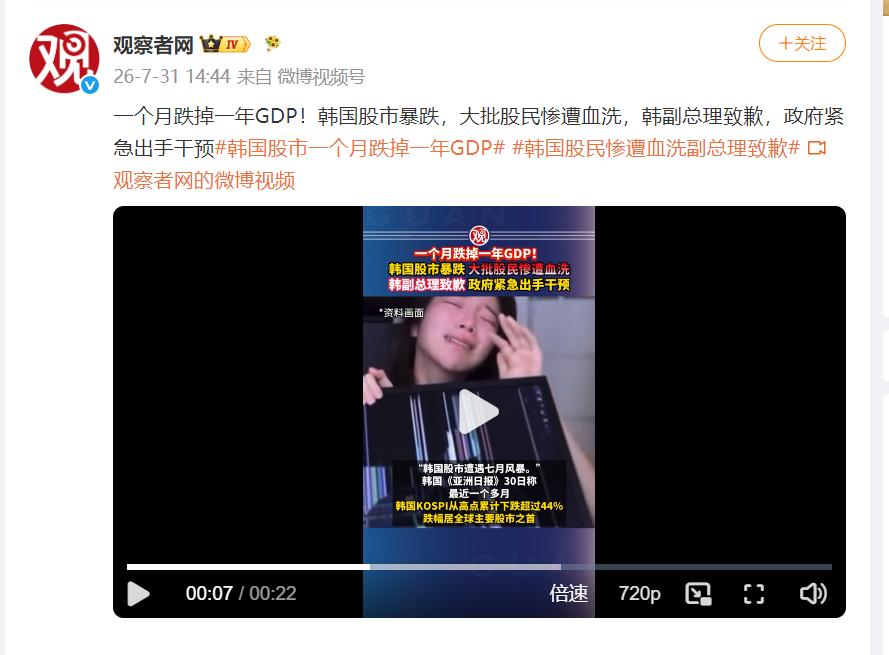
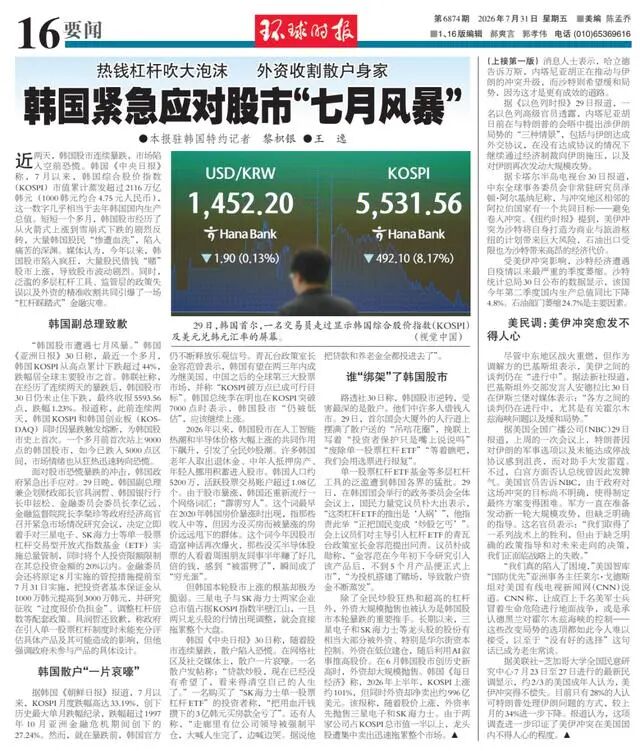
Over the past month, the South Korean stock market has staged a surreal real-life financial massacre even more absurd than *The Big Short*.
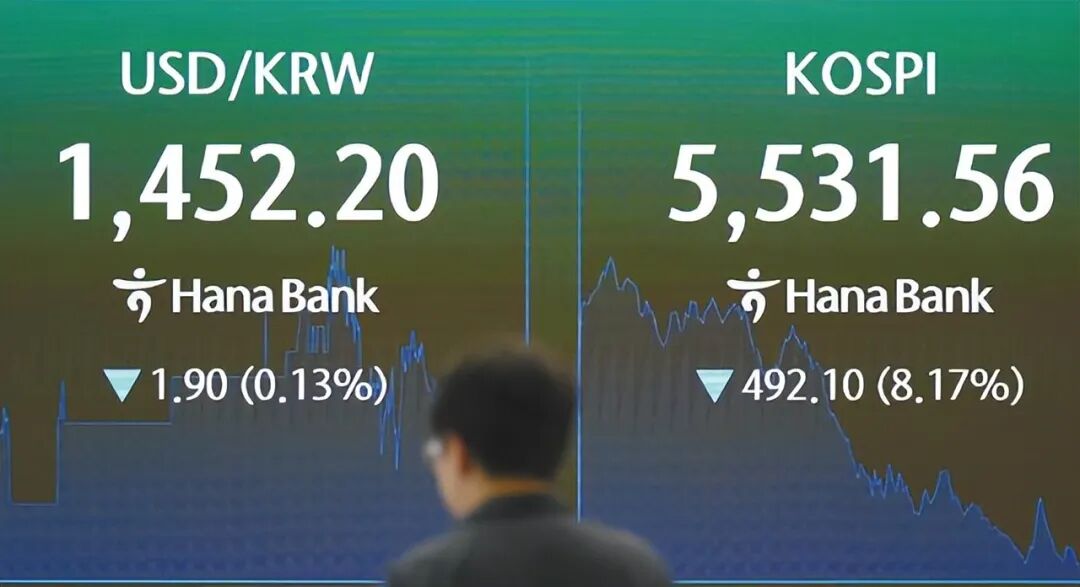
In just two trading days at the end of July, the KOSPI index triggered circuit breakers twice in a row, with an intraday maximum drop of over 12%. From the all-time high of 9385 points on June 19 to 6200 points in early August, the market lost a full year's worth of GDP in just one month.
This is not a slow, lingering bear market decline, but a vertical plunge that directly crushes leveraged retail investors to the ground.
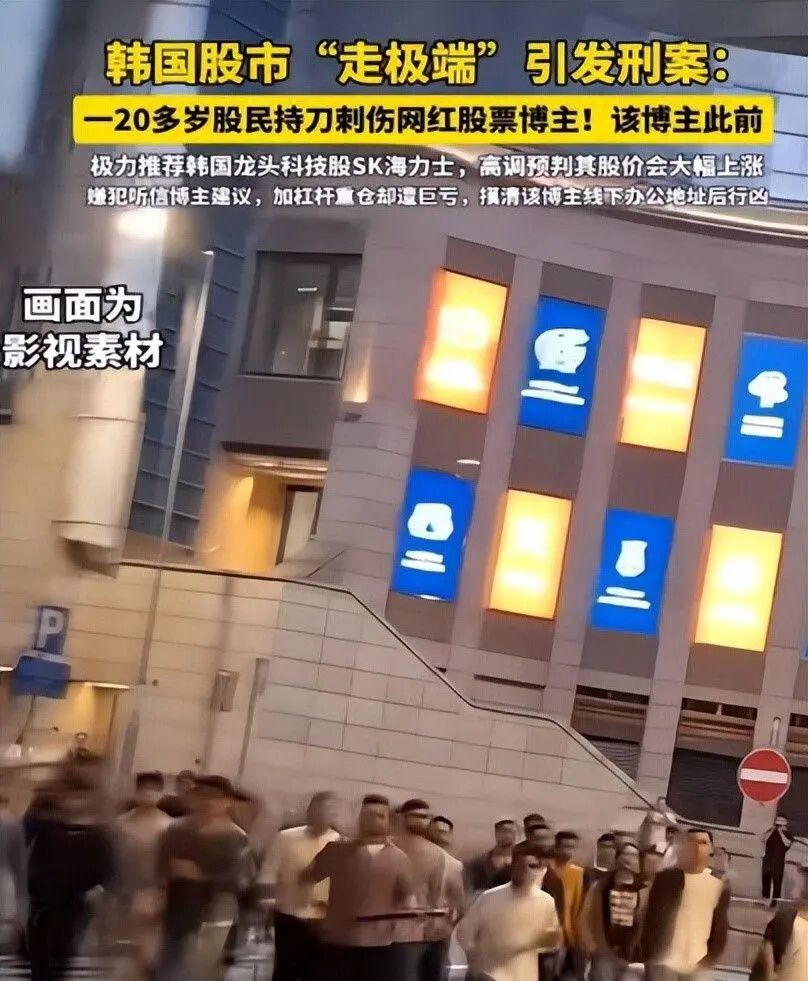
More than 1.2 million leveraged accounts hit the margin call line, 320,000 to 360,000 accounts were force-liquidated by brokerages, and many retail investors not only lost all their principal but also owed debts to brokerages.
South Korea's Financial Services Commission rushed to launch countermeasures to prevent family suicides and opened a unified debt consultation hotline — because multiple extreme incidents caused by investment losses have already occurred after the stock market crash.
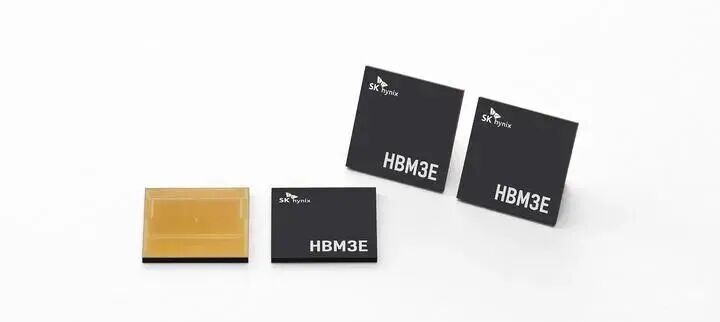
South Korea holds a trump card in the AI era: SK Hynix accounts for 57% of the global HBM market, and Samsung accounts for 22%. The two together monopolize nearly 80% of the high-performance memory production capacity, making them the core suppliers in NVIDIA's GB300 era.
In the first half of the year alone, South Korea's semiconductor exports skyrocketed by 160%. In June alone, exports to the United States reached nearly 6.5 billion US dollars, surging by 377%.
They are clearly the "water sellers" who can make money lying down in the AI wave, so how did they end up in the ICU first?
Seemingly Monopolizing the Globe, Actually Having Their Lifeline Held by the United States
"With a global market share of 80%", South Korea should have seized the throat of AI computing power, but the core problem is that South Korea controls production capacity, not pricing power; it controls the manufacturing segment, not the pace of demand.
Who places orders for HBM? NVIDIA, Google, Meta, and Microsoft. Who decides to expand or cut capital expenditure? American AI giants.
South Korean memory manufacturers are essentially high-end foundries: when customers increase orders, you have to pour money into expanding production; when customers cut orders, you have to reduce production and lay off staff. Whether the price rises or not, and by how much, does not depend on your manufacturing cost, but on the budget attitude of your American clients.
What is even more fatal is that the South Korean stock market has bet all its chips on these two companies.
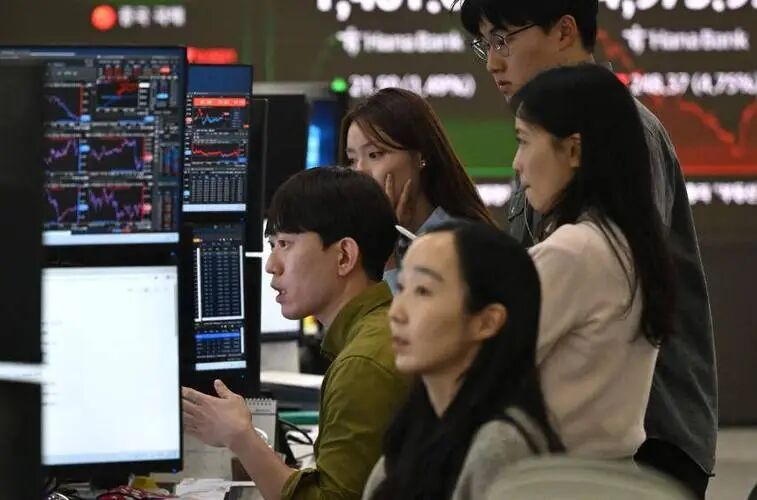
The entire AI rally of KOSPI is essentially a one-man show for Samsung and SK Hynix. The rise and fall of the index depends entirely on the stock prices of the two companies, and their stock prices depend entirely on the attitude of US AI capital expenditure.
It is equivalent to all South Korean investors pooling money to add leverage, betting that American tech giants will still be willing to spend money to build computing power clusters next year.
This is not a national stock market at all, but an option of NVIDIA concept stocks with ten times leverage. When it rises, the whole nation revels; when it falls, there is a collective stampede, with no window to escape.
The more concentrated the production capacity, the deeper the dependence on downstream parties; the closer you are tied to the United States, the more painful you will be when you are harvested.
Textbook-level Harvesting: Blowing Bubbles, Stabbing Knives, Picking Up Chips
If it were only a cyclical fluctuation of the industry, it would be fine, but the timing of this plunge is so coincidental that it sends chills down the spine. It should be noted that a large proportion of the shares of leading stocks such as Samsung Electronics and SK Hynix are controlled by foreign capital, especially Wall Street capital. Nearly 50% of the stocks of Samsung and SK Hynix are held by US parties.
Who is the biggest bookmaker in the South Korean stock market? There is hardly any need to guess.
This set of gameplay is the standard harvesting process of Wall Street.
The first step: US capital builds positions at low levels and blows bubbles. From last year to the first half of this year, Wall Street analysts collectively sang bullish, advocating that the market will always be short of memory, telling stories such as "Memory is king in the AI era" and "HBM is the blood vessel of computing power" so vividly that they drove up the stock prices of Samsung and SK Hynix by nearly ten times.
Under such circumstances, South Korean retail investors were completely brainwashed: this is the country's pillar industry, with a global monopoly position, and you can make money just by buying with your eyes closed. South Korea launched as many as 16 single-stock leveraged ETFs, including "2x long SK Hynix" and "2x long Samsung Electronics".
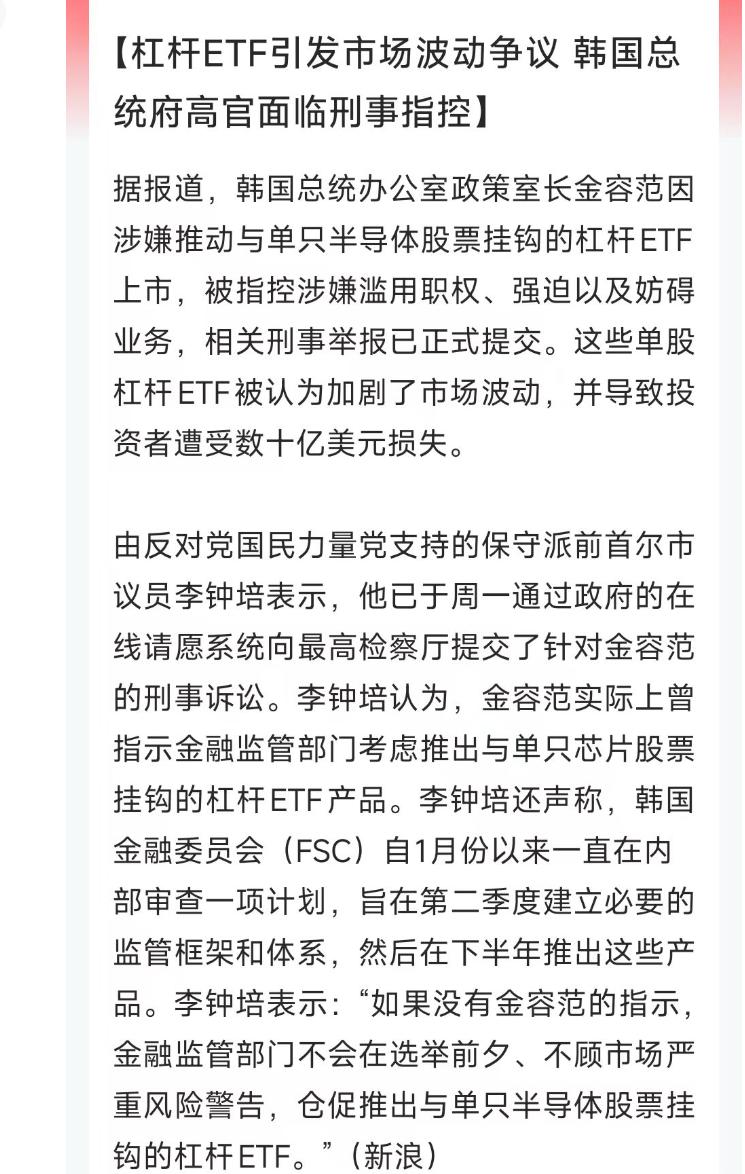
As a result, the whole nation rushed into the market with leverage, and the margin balance soared all the way, even college students and office workers borrowed money to trade stocks.
When retail investors have almost taken over the orders at high levels, the second step is to precisely drop negative news.
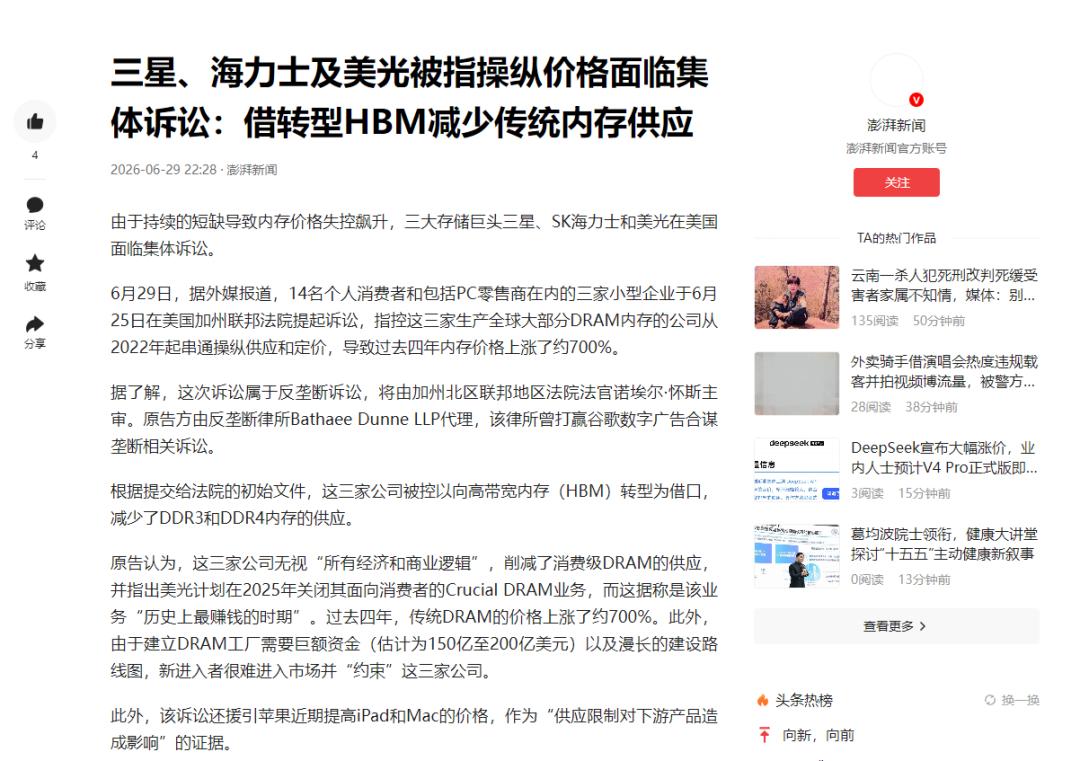
First, on June 25, a US court officially accepted the memory price manipulation case, launching a full-scale investigation against Samsung and SK Hynix. Once price manipulation is confirmed, the fine could reach tens of billions of US dollars. Even if no violation is found, you can no longer raise prices arbitrarily, and your stock price will still be dragged down.
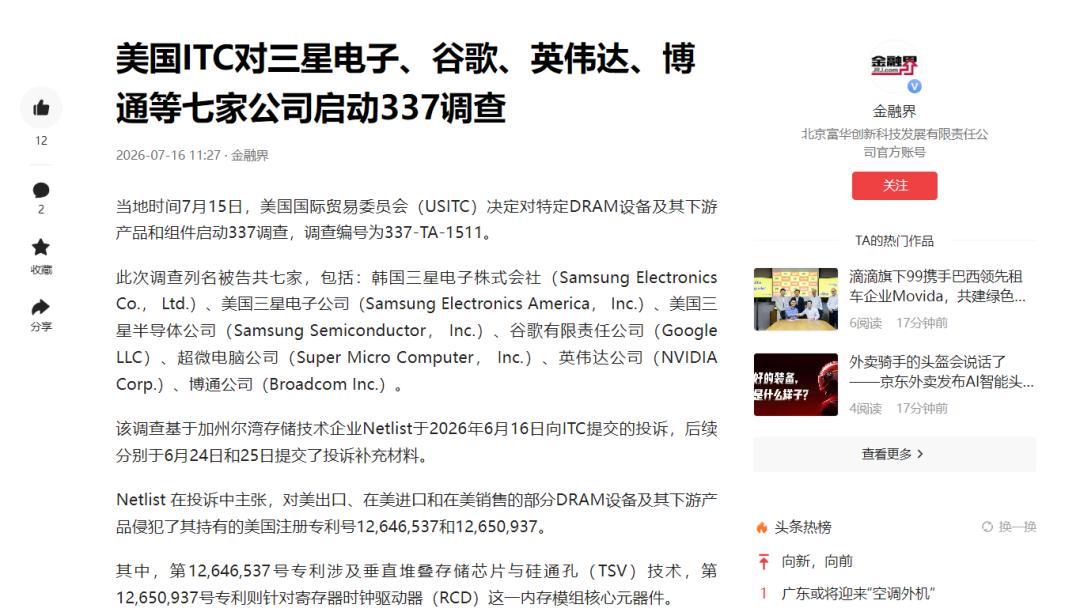
At the end of June, the US court launched a patent infringement investigation against Samsung, with the 337 investigation stick falling, and the worst outcome is to directly ban Samsung's memory products from entering the United States.
Shortly afterwards, the US Secretary of Commerce publicly named names, demanding that Samsung and SK Hynix increase their investment in the United States and move high-end production capacity to the US.
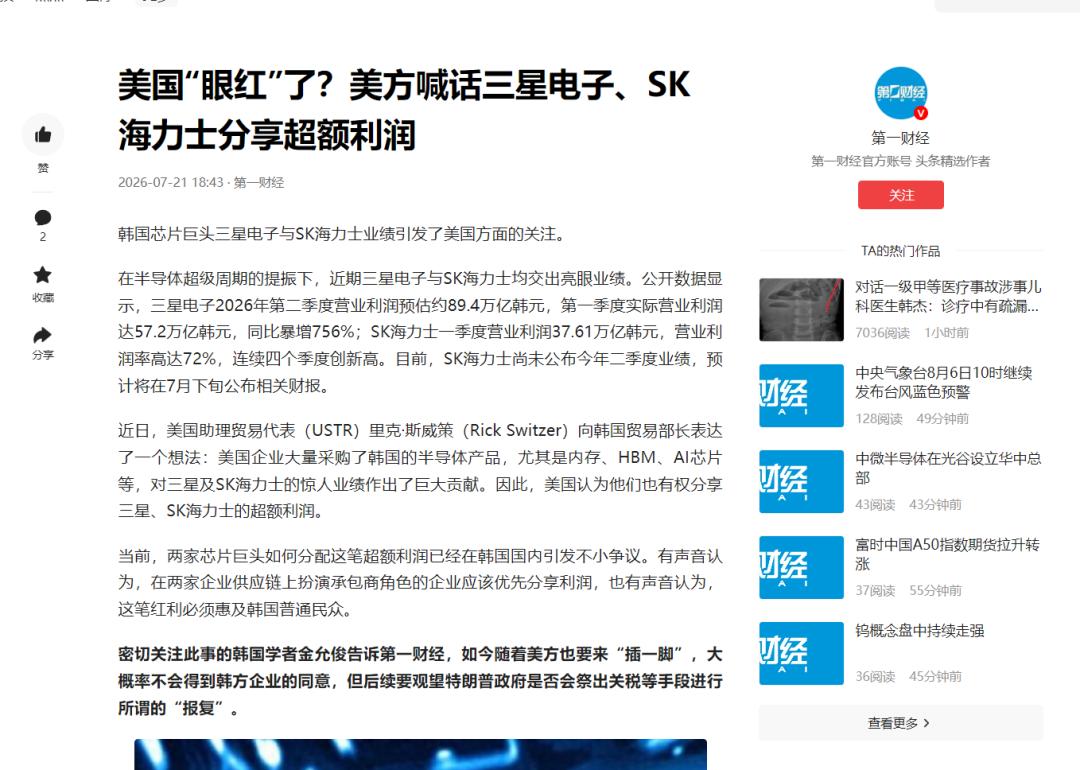
What is even more blatant is the insider leaked by *The Korea Times*: US officials privately confronted South Korea's Ministry of Trade, saying that the United States should take a share of the excess profits of Samsung and SK Hynix — the reason is very simple, all the orders are given by American companies, you have made a fortune, what's wrong with sharing some profits?
After this series of combined punches, the bookmakers shipped out at high levels, the stock price collapsed, leveraged accounts were forced to liquidate one after another, and the wealth of retail investors was collectively wiped out.
South Koreans who entered the market at high levels took the last baton, and the bookmakers then picked up these "blood-stained chips" at low levels. Between the rise and fall, excess profits were taken away by American capital, and the local people bore all the risks.
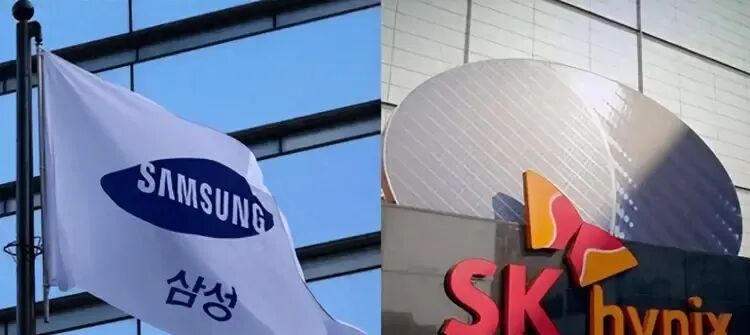
In the eyes of the United States, no matter how powerful Samsung and SK Hynix are, they are just foundries that earn processing fees. It's okay to make money by working, but if you earn more than your boss, the boss will take action to rectify you.
This plot looks very familiar to the Japanese.
In the 1980s, Japanese semiconductors were at their peak, with DRAM's global market share reaching 80%, and Intel was retreating steadily, almost exiting the memory market directly. At that time, the Japanese also thought they had seized the lifeline of the industry, and even shouted the slogan "Determine the 21st century with semiconductors".
Then what happened? The United States first wielded the anti-dumping stick, then forced the yen to appreciate through the Plaza Accord, and finally forced Japan to sign the *US-Japan Semiconductor Agreement*, mandating market opening and restricting export prices.
After this series of combined punches, Japan completely withdrew from DRAM mass production, and Toshiba Memory, the NAND leader, was forced to be sold and became Kioxia.
Now the gameplay against South Korea has been upgraded. In those days, trade negotiations and administrative orders were needed, but now harvesting can be completed through the financial market.
First, blow bubbles on your assets, then use policy negative news to pierce them precisely, cash out at high positions, and then buy the dip at low positions. Not only is the money taken away, but the reins of the industry are also held tighter.
You say South Korea is an ally? In the face of industrial interests, allies are meant to be harvested first.
Its own NVIDIA and Intel need to make money, and AI dividends must first go into its own pockets. You, a foundry, want to take the biggest cake relying on American orders? There is no such good thing.
The Fate of the Foundry: Never Try to Earn More Than Your Boss
South Korea's current situation is the bursting of the AI bubble, which is essentially the inevitable fate of an industry without discourse power.
No matter how strong your manufacturing capacity is and how high your market share is, if demand, standards and high-end manufacturing equipment are in the hands of others, you will always be the passive party.
When the market is good, you can get a sip of the soup; when the market changes, or when you earn too much, you will be the first to be targeted.
Who shapes market expectations? It is not South Korea either, but the overall narrative of the US-China AI competition. The release of US models, breakthroughs in China's open-source models, shipments of NVIDIA chips, and whether AI capital expenditure will slow down — any variable will be transmitted to South Korean memory chip stocks.
South Korea is not unaware of this truth, but it has no choice. Its local market is too small to support such a large production capacity, and it does not have its own end-user ecosystem, so it can only attach itself to American tech giants. The seemingly glorious global memory overlord is actually a production workshop tied to the US AI industrial chain.
The lesson we learn from the bloodbath of the South Korean stock market is that industrial upgrading cannot only stay in the manufacturing segment. We must have our own end-user brands, our own technology ecosystem, and our own domestic demand market, to hold the initiative of the industrial chain in our own hands. Otherwise, the bigger you are, the easier it is to become a fat sheep in the eyes of others.
South Korea's stock market crash this time is actually the inevitability of the foundry model. Seemingly holding a trump card, in fact, their lifeline is entirely in the hands of others; the whole nation adds leverage to bet on the country's fortune, and what they end up with is not financial freedom, but a precisely harvested wealth looting.
Employees should never think of earning more than their bosses. This sentence applies not only within enterprises, but also in national industrial competition.