Changxin has rejected Apple's demand for price cuts, with its prices no lower than those of Samsung and SK Hynix, leaving Apple no bargaining power.
According to recent reports from South Korean media outlet *Digital Daily*, Apple proactively reached out to ChangXin Memory Technologies (CXMT) to discuss DRAM procurement, hoping to secure a price lower than the rates offered by Samsung and SK Hynix, but was directly rejected by CXMT. CXMT's stance is very clear: its quotation will not be lower than that of South Korean enterprises, and will even be higher.
The reason is straightforward: local Chinese enterprises including Huawei and Xiaomi have locked in CXMT's production capacity via long-term contracts, so CXMT has no need to accommodate Apple's harsh terms.
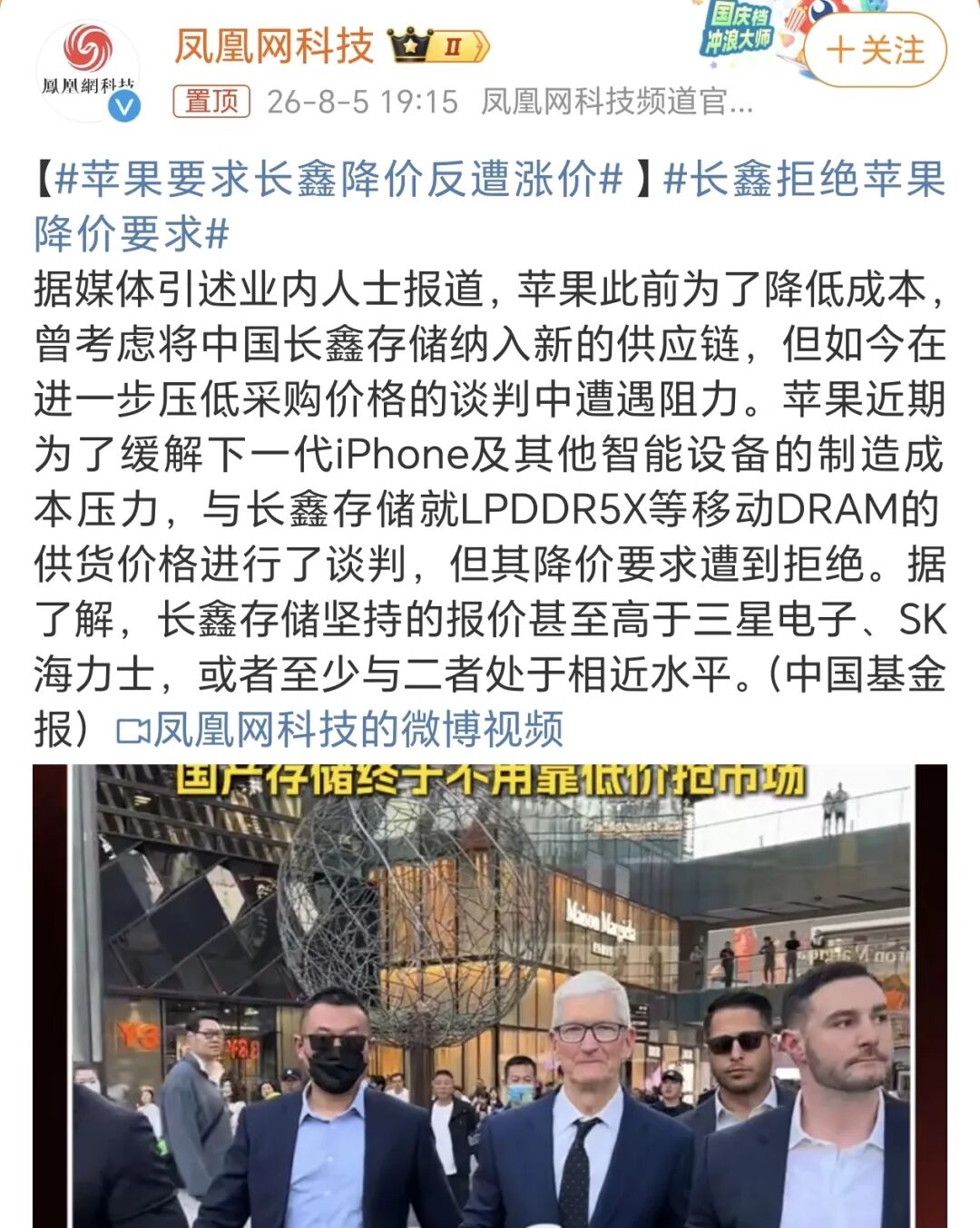
Five years ago, this scenario would have been completely unthinkable. With annual shipments of over 200 million iPhones, plus the massive shipment scale of Mac, iPad and other product lines, Apple has long been the most dominant buyer in the global consumer electronics industrial chain.
Gaining access to Apple's supply chain is a long-cherished goal for countless domestic manufacturers. To secure orders, cutting prices, building exclusive production lines, and complying with strict requirements are all standard practices.
Luxshare, Goertek and Lens Technology all grew from small factories to industry leaders by leveraging Apple's supply chain. But now CXMT refuses to make even price concessions. This is not arrogance, but a shift in the rules of the game and bargaining power.
Why Is Apple Anxious to Seek Cooperation with CXMT? An Alternative Option Forced by Price Surges
Apple lowering its stance to proactively contact Chinese memory manufacturers is essentially driven by this round of memory price hikes.
With the explosion of large AI models, HBM has become a mandatory component for computing power servers, and its profit margin is several times that of ordinary DRAM. To pursue higher profits, Samsung and SK Hynix have begun to divert more and more production capacity to HBM, the high-bandwidth memory most needed by AI servers. Customers are also willing to sign 3-5 year long-term agreements to lock in production capacity.
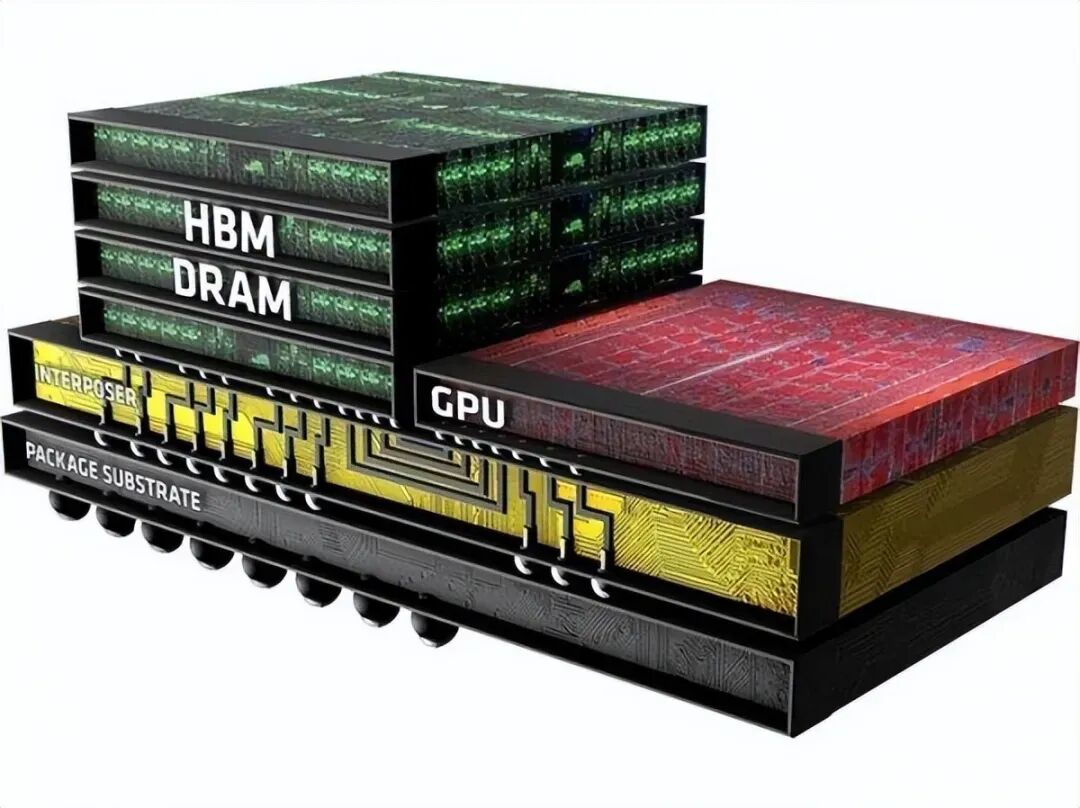
Statistics show that HBM wafer proportion of SK Hynix has surged to 29.2%, 23.4% for Samsung, and 18.8% for Micron. As a result, the supply of traditional DRAM is getting increasingly tight, and the entire memory market has entered a new price hike cycle afterward.
How much has the price of general-purpose DRAM increased? Data from Counterpoint shows that the price of 64GB server memory has risen 3.5 times from Q3 2025 to Q1 2026, with a cumulative annual increase of nearly 490%.
The price increase of mobile LPDDR5X is even more dramatic, with the highest single-quarter increase reaching 83%. The cost of a 12GB memory chip is nearly 90% higher than it was a year ago.
The direct consequence of the price surge is that the proportion of memory in BOM costs has completely gone out of control. Previously, memory chips in mobile phones only accounted for 10% to 15% of the total cost, but now it has soared directly to 30% to 40%, and some high-memory models are even approaching 50%.
The top-tier iPhone model doubled its memory capacity, and its selling price rose directly by more than 3000 yuan. A large part of this increase is driven by rising memory costs. No matter how thick Apple's profit margin is, it cannot withstand such a sharp price increase.
Apple's previous operating model was to have three suppliers bid for orders, awarding the order to the lowest bidder, and using "Chinese suppliers" as a bargaining chip to push down prices. Now the three giants are all focused on earning profits from AI business, and no matter how large Apple's orders are, they are not as attractive as Nvidia's HBM orders. With fewer alternative options in hand, Apple's bargaining power naturally weakens.
Approaching CXMT was originally intended by Apple to add one more supplier, gain an extra bargaining chip to push down prices, and diversify supply chain risks at the same time. Apple assumed that Chinese manufacturers would follow past practices and take the initiative to cut prices to enter Apple's supply chain. But unexpectedly, CXMT rejected its request.

Behind CXMT's Rejection of Apple's Price Reduction Request
CXMT's decision is not an impulsive move. First of all, its production capacity has long been fully locked in by domestic customers.
Mobile phone manufacturers including Huawei, Xiaomi, OPPO and VIVO, as well as major internet companies such as Tencent, Alibaba and ByteDance, have already booked CXMT's mainstream production capacity through long-term agreements. Some large enterprises have signed multi-hundred-billion-yuan 3-5 year long-term DRAM orders for servers, so CXMT has no need to cut prices to compete for Apple's orders.
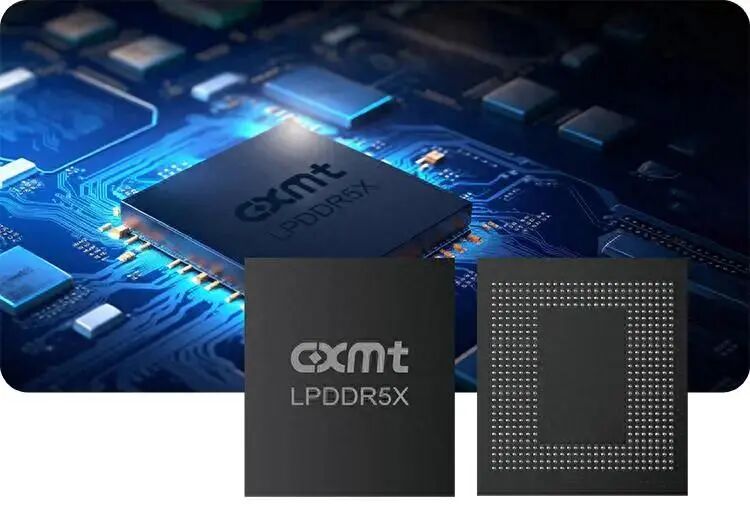
On the other hand, CXMT has completed a complete product layout covering from DDR4 to DDR5, and from LPDDR4 to LPDDR5X.
After entering the second half of 2025, the yield rate of CXMT's DDR5 products has exceeded 90%. The yield rate of mass production with 17nm process has also stabilized above 90%, which has been fully verified on Huawei and Xiaomi's flagship models.
The industry generally believes that the pass line for large-scale mass production is around 85%, while the yield rate of Samsung's same-generation process is roughly between 92% and 93%. That means, the gap between the two sides has narrowed to a very small range.
In the past, domestic memory manufacturers seized market share by offering 20% lower prices due to generation gaps in technology. Now that their performance is on par with international peers, there is no reason to sell products at lower prices.
Even South Korean media have admitted that a few years ago, they were claiming that Chinese memory manufacturers were impacting the market with low prices. Now they are discussing that CXMT's quotation is even higher than that of South Korean enterprises, which itself represents a reversal of industry status.
Behind CXMT's rejection of Apple's price reduction request, the company has also calculated the risk cost clearly.
The more brilliant the aura of Apple's supply chain is, the deeper the hidden pitfalls are. At its peak, Apple's orders accounted for 20% of O-Film's revenue, and its market value approached 70 billion yuan. After being kicked out of Apple's supply chain in 2021, it suffered a cumulative loss of 9.75 billion yuan in three years, and the uncovered loss still exceeds one third of its paid-in capital to this day.
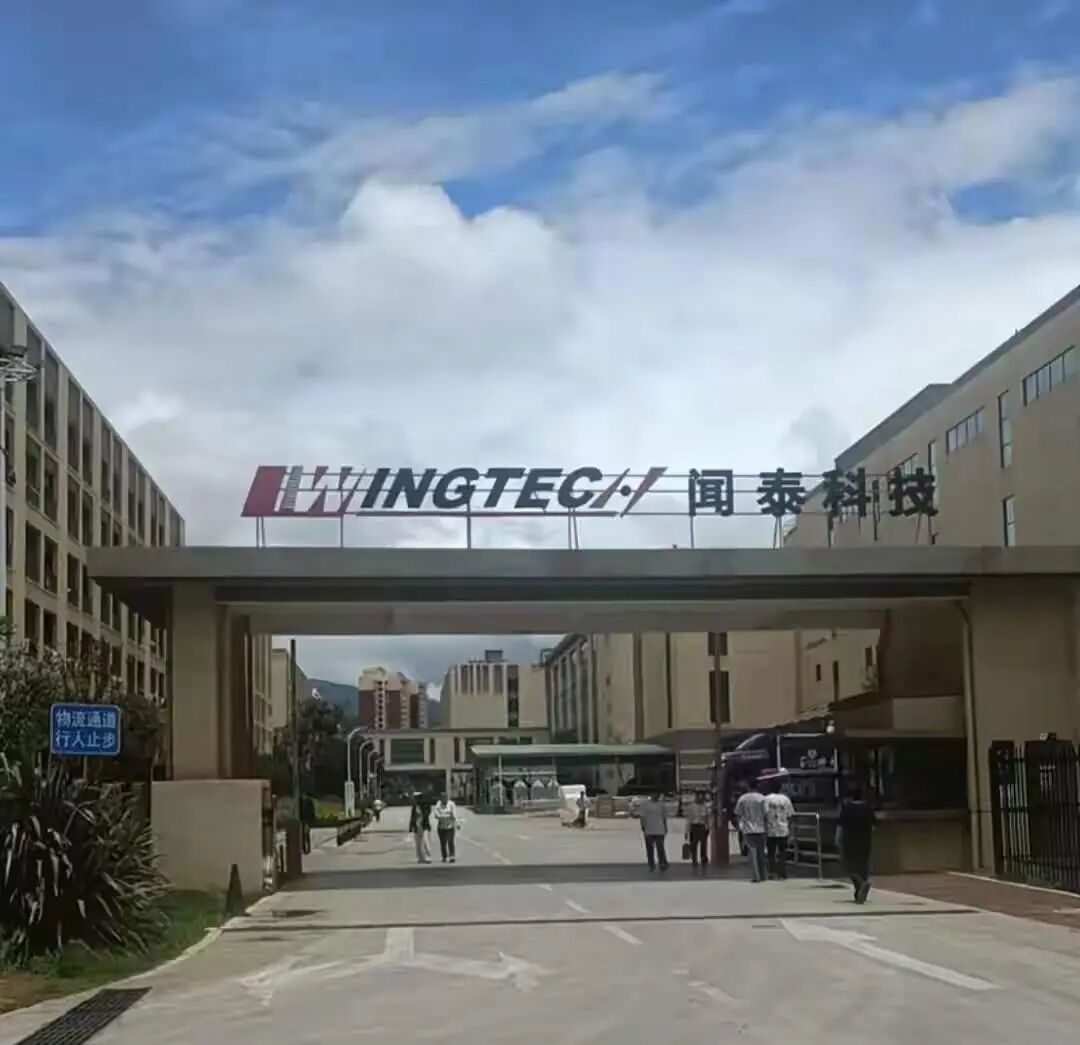
Wingtech Technology spent huge sums of money to acquire Apple's MacBook OEM business, but was later added to the Entity List, all its investment went down the drain, and finally it sold the entire OEM production line to Luxshare at a discounted price.
With these cases in front of them, enterprises with strong capabilities and massive stable orders will re-evaluate the actual value of joining Apple's supply chain. To bind production capacity highly to a single client by cutting prices, building exclusive production lines and developing exclusive customized processes, but you may face the risk that tens of billions of yuan of investment will be lost overnight due to an unexpected list.
CXMT is already a semiconductor enterprise under key attention of the United States, so the political risk of entering Apple's supply chain outweighs the commercial benefits. Instead of cutting prices, expanding production and taking policy risks for uncertain orders, it is more practical to steadily hold the pricing power, technology iteration pace and capacity expansion plan in its own hands.
In other words, in the past, enterprises spared no effort to enter Apple's supply chain because they could make huge profits and achieve rapid growth, but now the returns and risks are completely disproportionate.
AI Has Deprived Apple of Bargaining Power: The Reversal From Buyer's Market to Seller's Market
CXMT's rejection of Apple means that the AI wave has erased Apple's bargaining power.
Over the past two decades, the rules of the consumer electronics industry were set by terminal manufacturers. Apple defined products while suppliers were responsible for manufacturing; Apple set prices while suppliers competed to cut prices for orders. Whoever controlled brands and channels controlled the profit distribution right of the entire industrial chain.
It is normal in the industry that the gross profit margin of foundries rarely reaches 10%, while Apple takes away more than 80% of the total profit.
However, the AI wave has completely rewritten this set of rules. The explosion of AI demand is far faster than the expansion speed of production capacity.
The scarcest resource now is not terminal brands, but the core upstream production capacity. A single production line requires tens of billions of yuan of investment, and its construction cycle takes at least two to three years.
In the past, clients chose suppliers, but now suppliers choose clients; previously contracts locked both price and production capacity, but now contracts only lock production capacity without locking price, and prices rise in line with market conditions.
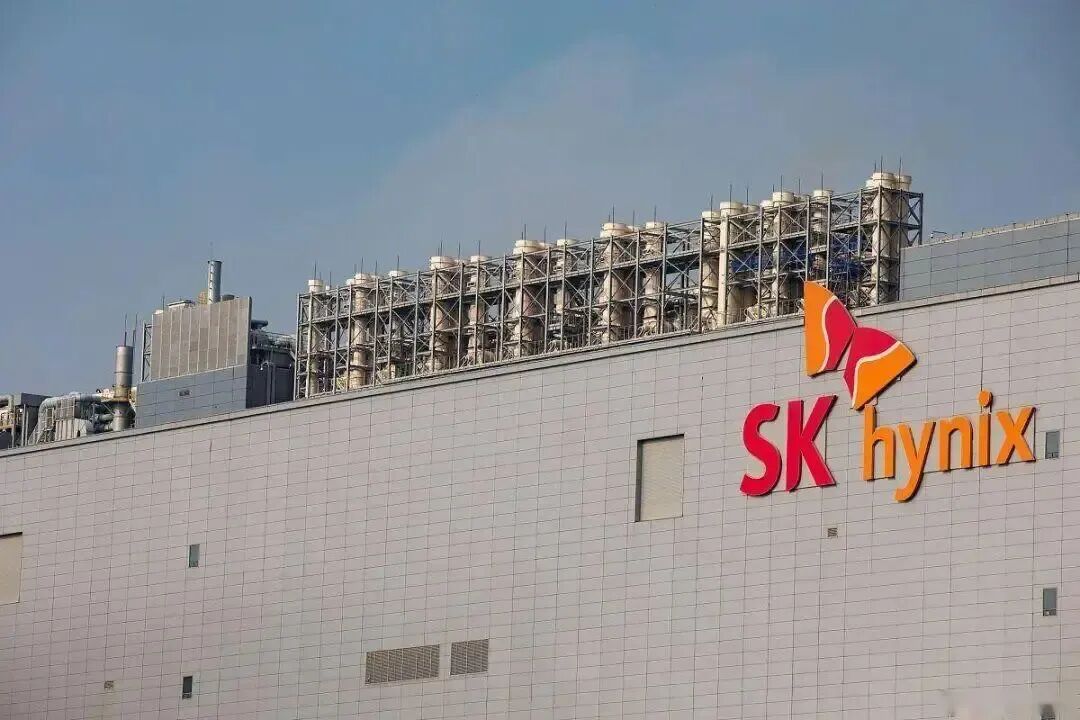
Samsung and SK Hynix dare to divert their production capacity to HBM without fear of offending Apple, because AI clients offer higher prices, make payments more promptly, and sign more stable long-term agreements. CXMT dares not to accommodate Apple, also because domestic demand is sufficient to support its development, and there is no need to take extra risks for Apple.
Chinese semiconductor enterprises are transforming from "low-cost substitutes" to "equal suppliers".
In the past, when we talked about domestic substitution, the default assumption was that domestic products were 20% cheaper than foreign products to seize market share by cost-effectiveness. Now the situation has changed: the performance of domestic products is comparable to foreign products, with similar prices, and even higher prices when supply and demand are tight.
The reason is that Chinese enterprises can provide more stable supply, and gain pricing power through technology accumulation and sufficient production capacity.
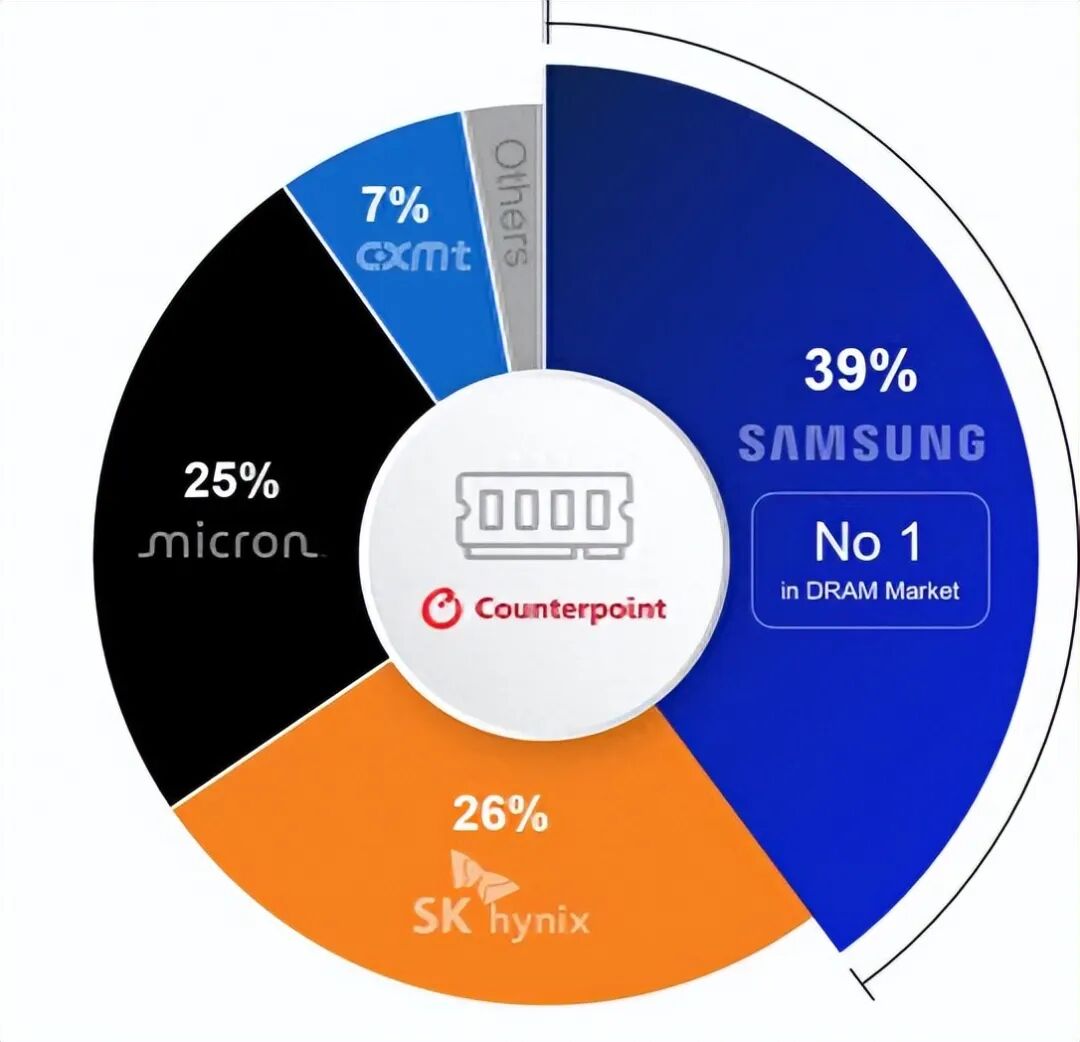
There is still a 3-4 generation gap for us in high-end HBM and the most advanced process nodes, and our current global market share is only around 8%, so there is still a long way to go.
But this incident shows that China's memory industry has moved from the stage of "can we make the product" to the stage of "can we negotiate on equal footing"; it also shows that Chinese semiconductor enterprises no longer regard entering Apple's supply chain as their ultimate goal.
Apple is actively lobbying the US government to obtain procurement qualification for CXMT products. To some extent, this is also a signal sent to CXMT. Apple hopes to prove that this cooperation is not a short-term exploitation, but a sincere intention to build a long-term partnership.

But the problem is that Apple's most important trump card in the past — using long-term orders and huge procurement volume to exchange for low prices and priority supply — is gradually losing its effectiveness.
The fading myth of Apple's supply chain is an inevitable result of China's industrial upgrading.
When Chinese enterprises have their own core technologies and a stable base of core clients, they no longer need to treat a single large client as their lifeline. The transformation from scrambling for orders in a humble position to doing business with dignity is an advancement of strength and a shift of discourse power.
The ultimate logic of the industrial chain has never changed: whoever controls scarce core production capacity and technology holds the pricing power. For the first time, Apple has lost its bargaining power when facing mainland suppliers, and the era may have truly changed.