A 4-member team saw its revenue exceed 100,000 in only 3 days: this "simulator" has gone viral.
Reborn: I Become a PhD Supervisor at a Top 985 University?
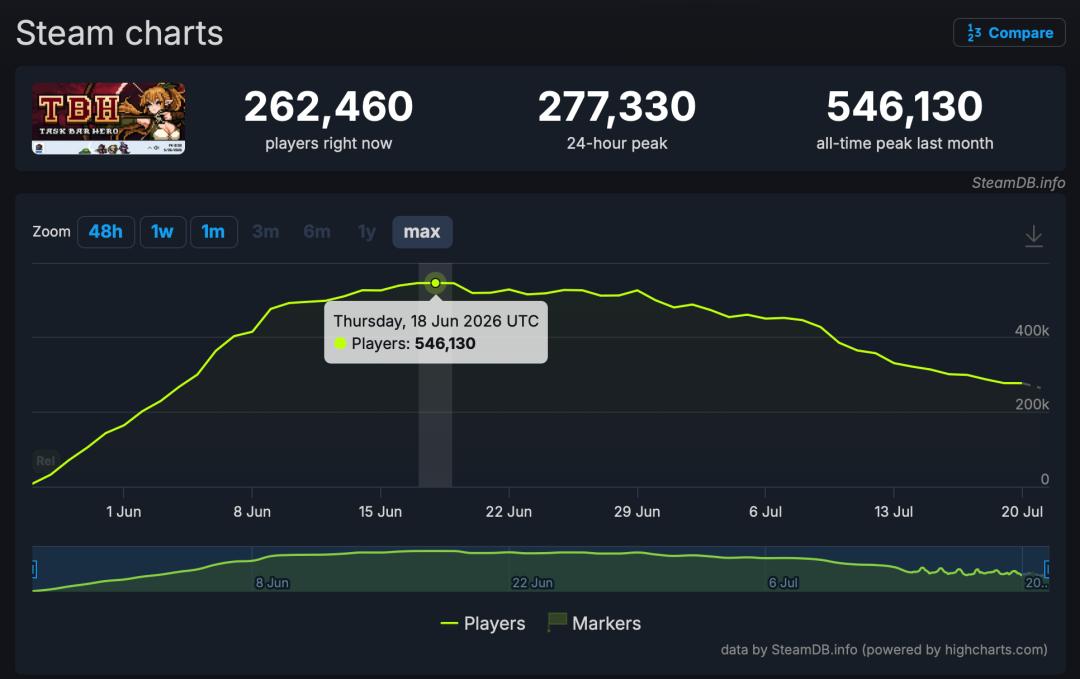
Recently, the author has observed that on the Steam platform, a genre of lightweight desktop idle games is quietly emerging as a popular track. For example, TBH: Taskbar Heroes, which recently went viral for its idle trading mechanics, has amassed over 540,000 online users.
The recently breakout domestic birdwatching game Birdwatching Notebook has also earned extremely high acclaim and impressive public attention.
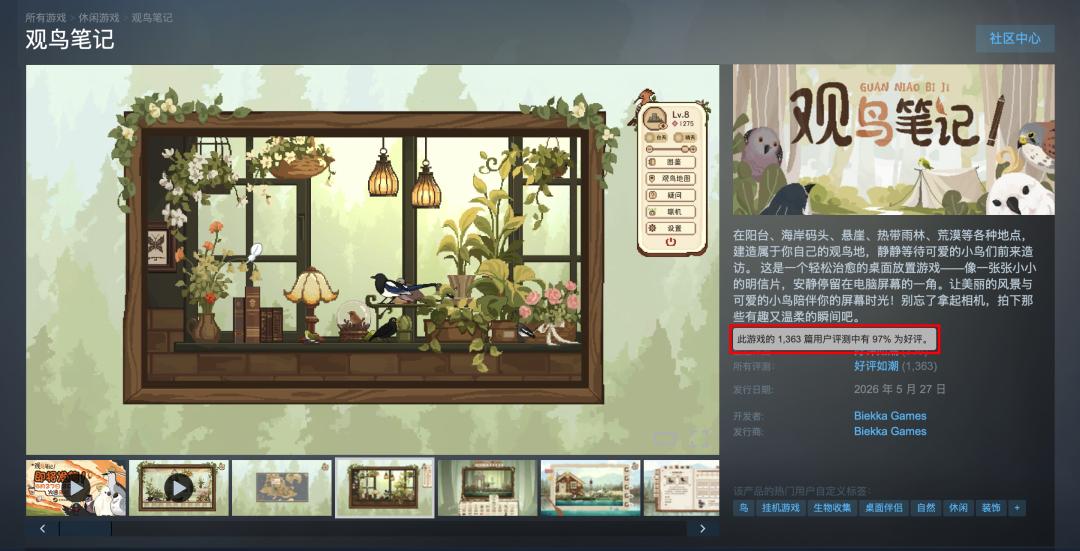
(The game has now received over a thousand reviews, with an overwhelmingly positive 97% positive rating.)
After all, these games have low barriers to entry and minimal time requirements for players, and can seamlessly fit into daily casual scenarios like slacking off at work, so they quickly accumulate a stable audience base. Coupled with low development costs and easy-to-implement gameplay, they have naturally become a popular track for small independent teams to launch their first product.
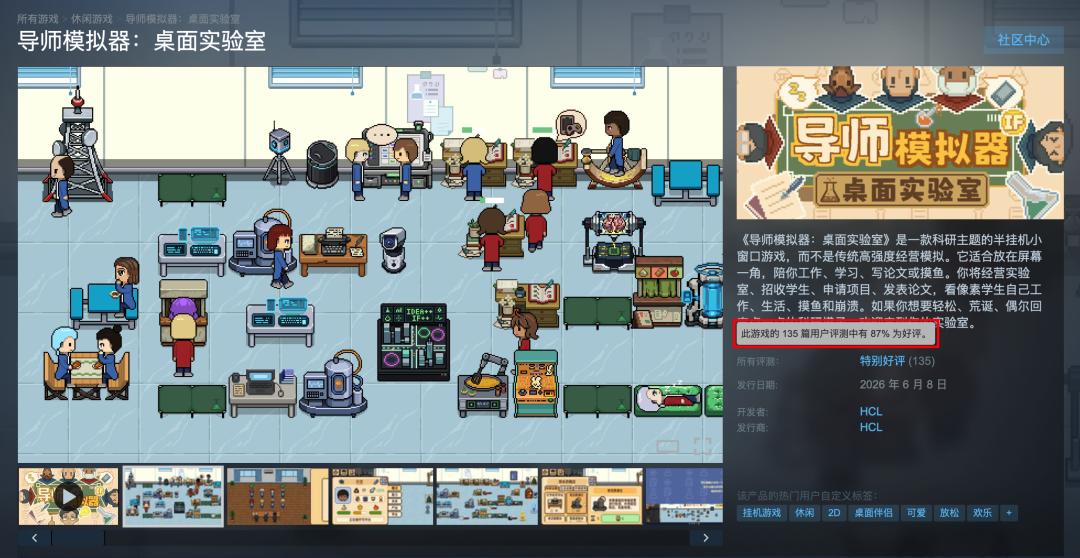
Not long ago, another new domestic semi-idle game with a novel theme, Supervisor Simulator: Desktop Lab (hereinafter referred to as Supervisor Simulator), was launched on Steam, earning fairly good popularity and reputation.
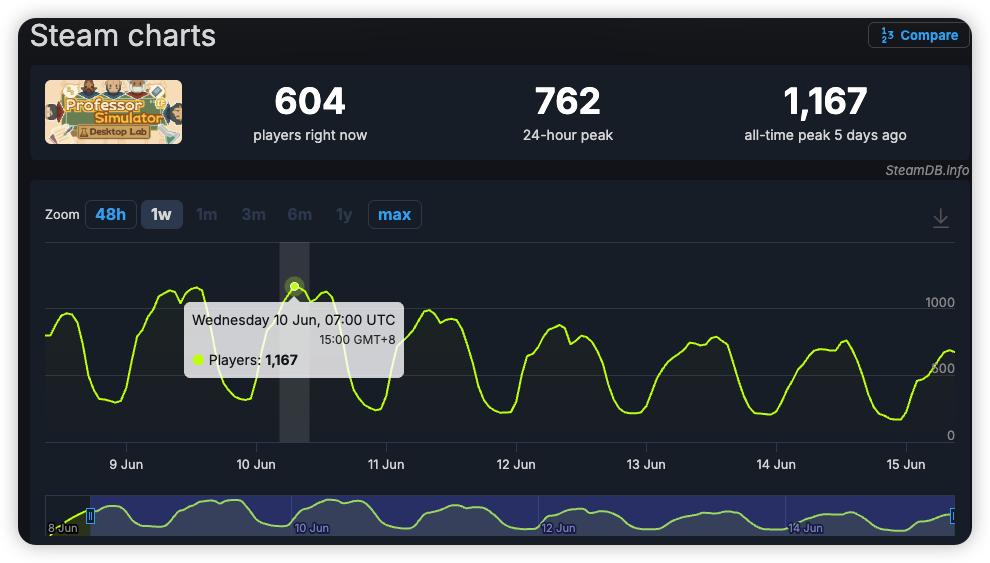
According to the development team, the game sold more than 4,000 copies in three days after launch. Estimated at the domestic region price of 29.99 yuan, its sales have exceeded 100,000 yuan. For the first product of a small team of only 4 people with almost zero promotion, this opening performance is fairly passable.
Of course, what attracts players even more is the theme of this game: experiments, graduation projects, publishing papers, those unforgettable experiences that countless master's and doctoral students have gone through. Back then, they buried themselves in doing experiments and were tortured to the point of total exhaustion by academic papers, but now they can finally "turn the tables and become the supervisor" in the game.
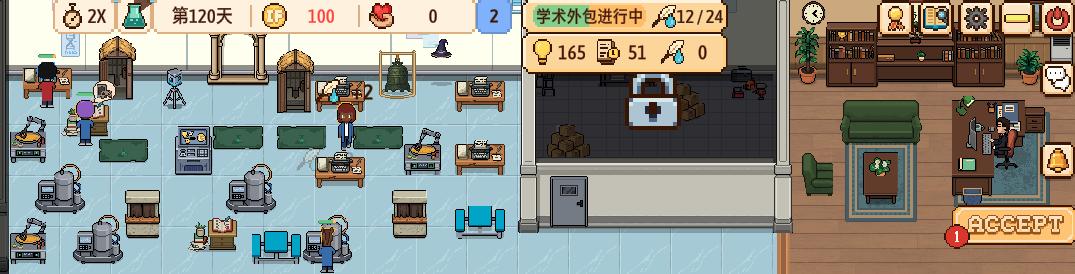
01 Reborn: I Work as a Supervisor at the University
Although it is called Supervisor Simulator, it is completely different from traditional simulation games. This lightweight semi-idle game that runs in a small window is positioned more as a "desktop little buddy" with a scientific research theme. Visually, it does not follow the realistic style, but adopts a fresh and simple 2D pixel art style with bright tones and a concise interface.
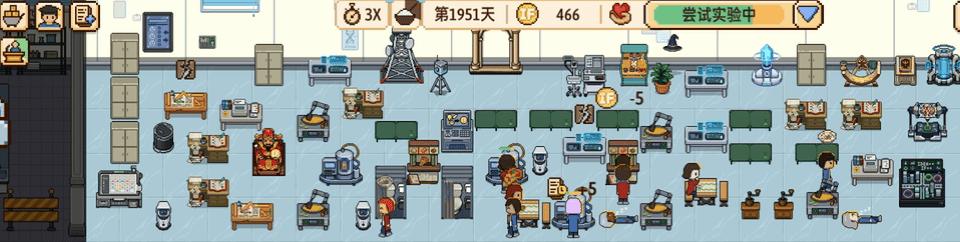
Of course, what attracts players more than that is the reversal of identity. For players who have relevant experiences, the "role swap experience" that shifts from being urged by their supervisor to the point of self-doubt back then to holding the right to speak now brings a sense of freshness and control, which is exactly the greatest fun of the game.
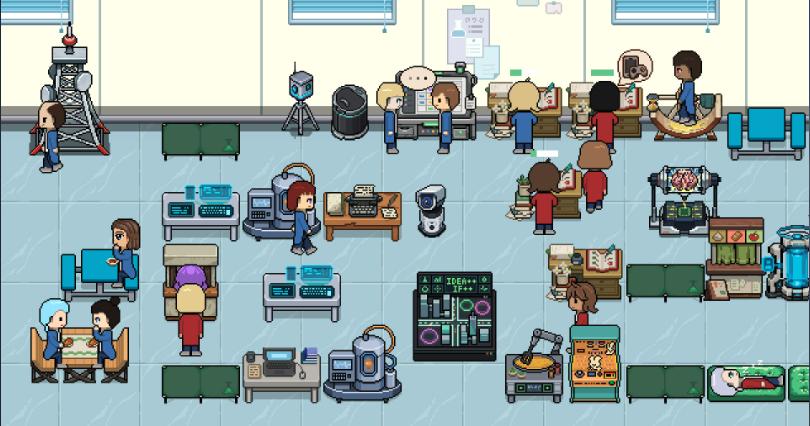
In the game, players will personally experience the growth and operation journey of a master's and doctoral supervisor. Starting from a lab with nothing, you will build your own team from scratch. The gameplay is easy to understand with a very low entry threshold. At the start, you can customize the name of the university you join and the name of your team, so the sense of immersion is established the moment you set the names.

When you enter the game for the first time, the old dean will introduce the basic gameplay to you. In short, it is a core cycle driven by achievements for promotion: recruit students, publish papers, accumulate impact factors, then use the impact factors to apply for projects and get promoted to higher job titles, and the cycle repeats. From the author's perspective, the overall game is more of a lightweight management and operation experience.

After clarifying this logic, student recruitment becomes the top priority for players to get started. In the re-examination session, players can select suitable students from candidates to join their research group based on various attributes of the students.

You also need to use the accumulated impact factors to purchase scientific research facilities and living facilities, gradually transforming the humble starting point into your ideal laboratory: whether to prioritize buying facilities to improve paper output efficiency and get promoted to professor faster, or to improve student welfare first and reduce the risk of student depression, all depends on your own choices.

When the basic infrastructure of the laboratory and the student team are initially in place, the "preliminary setup" work for you as a supervisor is basically completed. After the students join the group, they will work on their own and produce outputs. The whole process will run automatically from this moment on, so you can start idling and get busy with other things at hand, without needing to stare at the screen all the time.
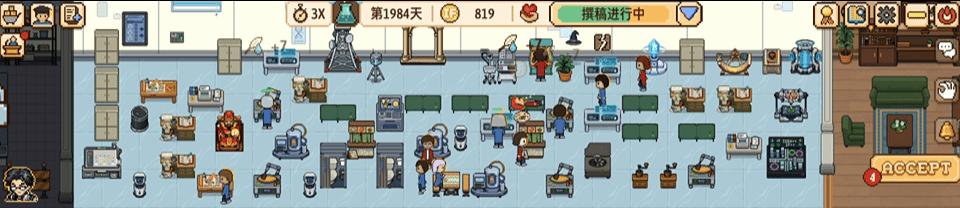
In addition, different students have different abilities, personalities and growth potentials, which are intuitively presented through numerical values and tag buffs in the game. Some students have poor psychological quality and are on the verge of collapse when the pressure rises slightly; while some students are exceptionally talented and hardworking, and can be called the most reliable productivity in the laboratory. Every student is an unknown card, so the recruitment session feels like drawing blind boxes to pick students.
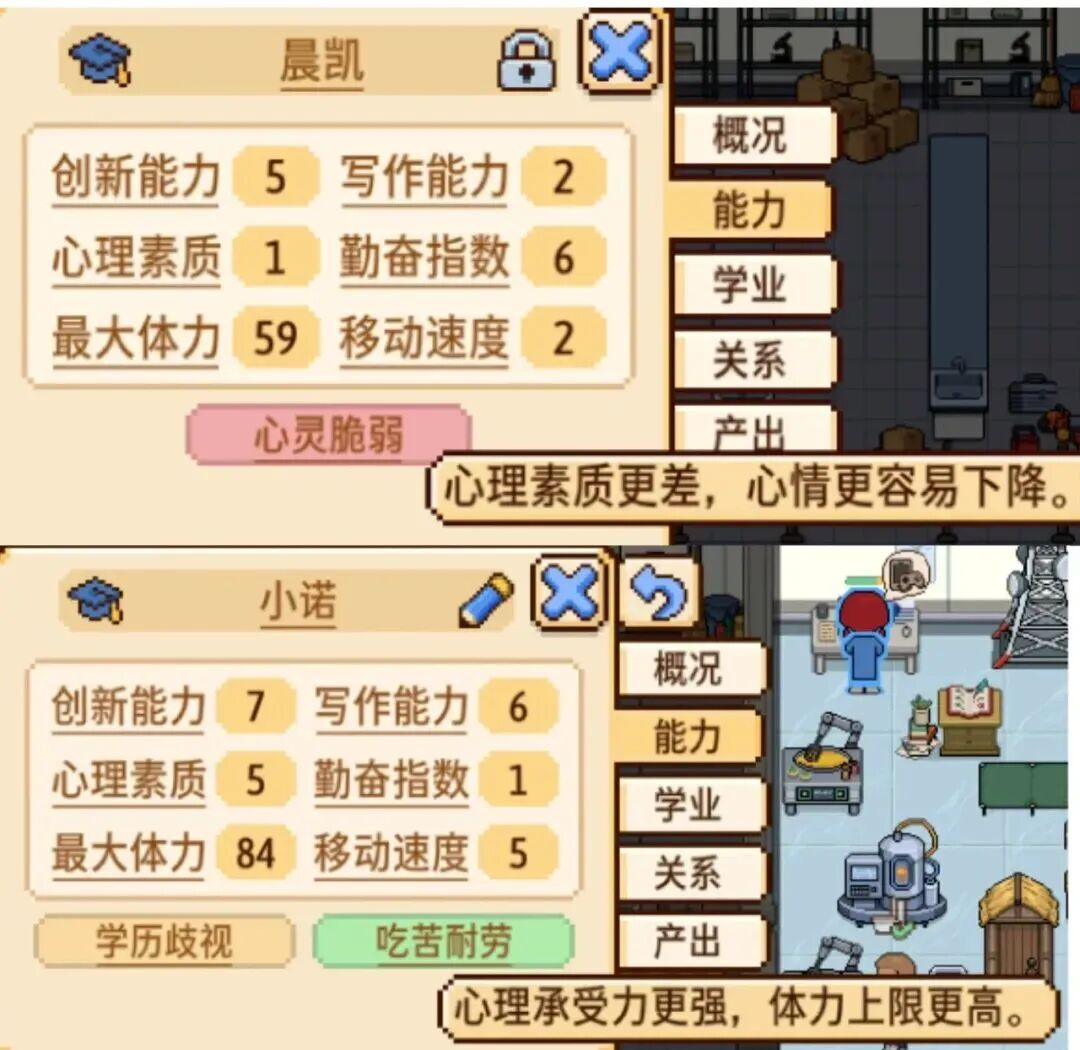
There are different relationships between students, such as friends, strangers, and even competitors. Different relationships will also affect the output efficiency of scientific research results.

(There's even a backup lover relationship?)
When you get promoted to a higher job title in the mid to late game, the available management methods will be more abundant. For example, you can choose to catch students who are slacking off and give them a "friendly" reminder.
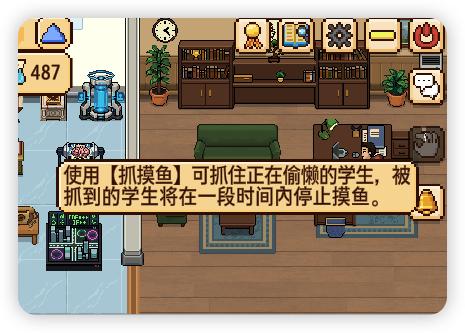
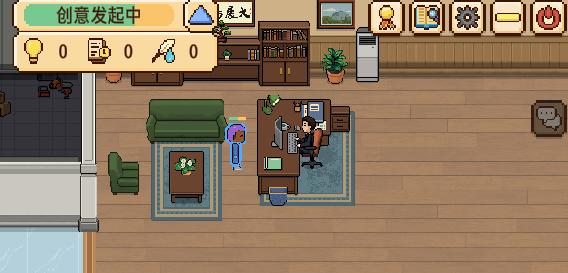
You can hold group meetings to evaluate the performance of students, and call students to the office for a talk, to fully experience the fun of a supervisor managing students.
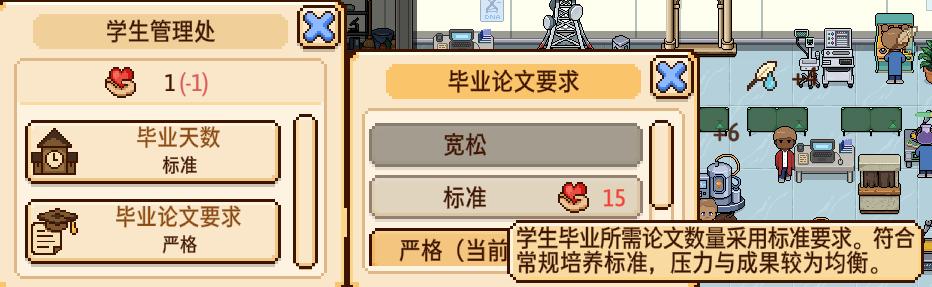
What truly embodies the core of a supervisor's power is the laboratory rule system that will be unlocked later. As your job title rises, you can gradually adjust the subsidy levels for students and the graduation thresholds. Will you choose to build a loose and free academic utopia that allows students to do research happily and graduate on time, or build a harsh and cold "research factory" to force maximum output regardless of students' well-being? The choice is entirely in your hands.
The game also thoughtfully arranges a graduation ceremony gameplay. When a student finally completes their studies, you can personally hold the ceremony for them, turn their tassel, and watch them walk out of the laboratory door. The sense of achievement at that moment may be no less than leading your first batch of students to graduation in real life.
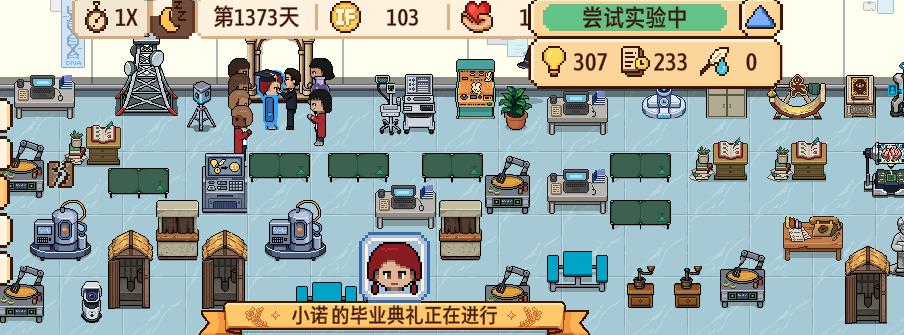
Of course, you can also choose to give students unlimited extension of their study period. Your first student works too efficiently and you are reluctant to let them go? Then let this academic "workhorse" continue to shine and contribute in the laboratory.

The brilliance of this system is that it wraps an emotional outlet with a light and playful pixel art style. In the cyber world, you can turn all the grievances, anxieties and unwillingness that you swallowed in real life into a sense of control on the screen. You don't have to worry about consequences, or bear any costs. You can be a strict teacher if you want, or be a tough person if you prefer.

It can be said that the game does not require players to operate all the time, but quietly inserts a little sense of control, a little fun of nurturing, and a little subtle resonance that only people who have experienced it can fully understand in every gap when you "glance back at it".