The tide has turned for sugary carbonated drinks.
2026 marks a critical year for the pattern reshaping of China's domestic beverage industry. Sugar-free beverages continue to occupy the core display positions in the freezers of supermarkets and convenience stores. This summer, sugary carbonated beverages that once dominated the market for a long time have lost their former glory.
With the full awakening of national health awareness, sugar control has become a public consumption consensus. Coupled with the iteration of the new generation's consumption preferences and the diversion of channel resources, the recession of the sugary carbonated beverage market has become inevitable.
As a result, major beverage giants have shifted their business focus one after another, increased their layout in the healthy beverage track, and tried to find a new growth curve in the sugar-free wave.
Sugary Carbonated Beverages: Shrinking Sales Volume
A bottle of Coke priced at 3 yuan gives you 2.5 yuan of value at the first sip. This instant peak of satisfaction has been a daily routine for consumers in summer for many years.
However, since the beginning of this year, such consumption enthusiasm has faded sharply.
In this year's peak season of beverage consumption, the display pattern of products on the shelves of supermarkets, shopping malls and convenience stores has changed drastically — sugary carbonated beverages have been sidelined, and sugar-free beverages have taken their place.
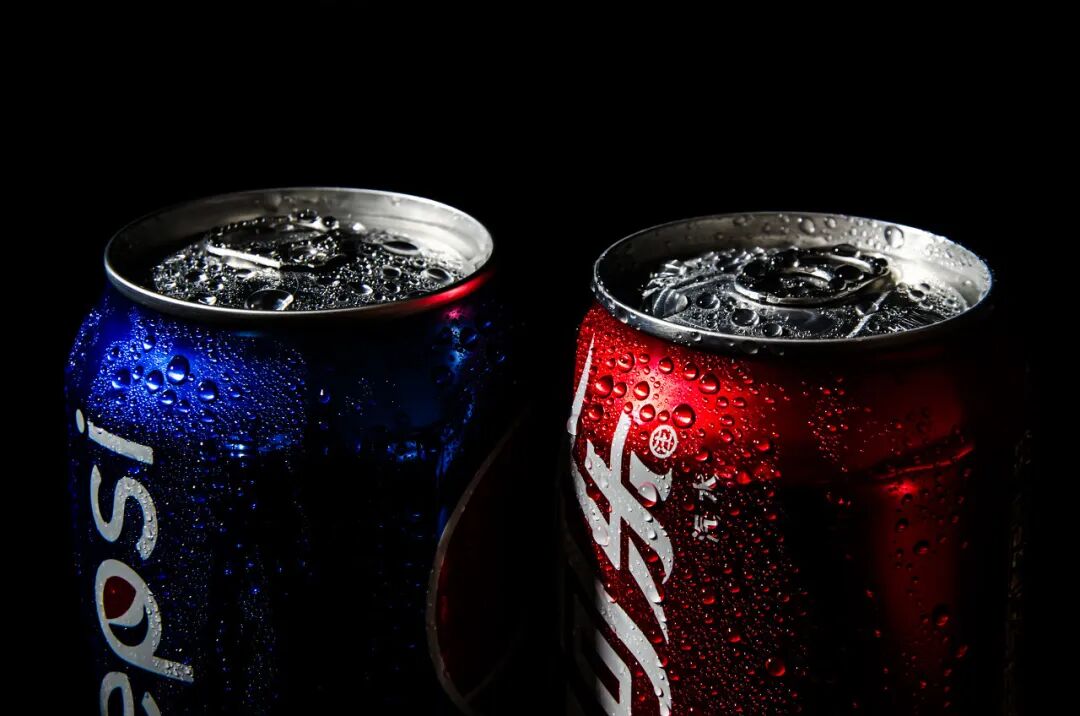
In public reports from some media, although the claim that the sales volume of sugary carbonated beverages plummeted by 60% is slightly exaggerated, the fact that the market is in a slump is undeniable.
Last weekend, we visited some convenience stores in the central urban area of Wuhan and found that even if the promotional price of a certain brand of sugary carbonated beverage is as low as 5 yuan for 2 bottles, few people show interest in it.
The weakness of this category has actually shown signs long ago. Coca-Cola disclosed in its 2025 financial report that its global case sales recorded zero growth for the first time in nearly 10 years.
The revenue data of Coca-Cola's two core domestic bottlers also sent a signal of slowing growth.
China Foods (00506.HK) is authorized by Coca-Cola to prepare, package, distribute and sell Coca-Cola products in 19 provincial-level administrative regions in China. From FY2024 to FY2025, the revenue of the company's soda business was 16.373 billion yuan and 16.684 billion yuan respectively, with the year-on-year growth rate falling from 2.5% to 1.90%;
Swire Pacific Limited (00019.HK) recorded beverage revenue of HK$25.010 billion and HK$25.234 billion in Chinese mainland in 2024 and 2025 respectively, with the year-on-year growth rate dropping from 2.06% to -0.92%, indicating that the growth momentum of traditional sugary beverages is obviously insufficient.
In 2026, the market downturn of sugary carbonated beverages has further intensified, especially in the second quarter, which is the traditional peak season for beverages, with particularly bleak performance.
Data from Mai Shangying shows that in the second quarter of 2026, the sales of soda category in offline retail channels fell by 12.23% year on year, and the samples are mainly sugary carbonated beverages.
The industry data of Euromonitor for the first half of 2026 shows a polarization trend: the overall sales volume of domestic carbonated beverages increased by 4.3% year on year, and all the increment was contributed by sugar-free products, while sugary products continued to shrink.
From January to June this year, the proportion of sugar-free carbonated beverages in the total sales of carbonated beverages has climbed to 41.2%, an increase of more than 7 percentage points compared with two years ago.
The pressure of terminal sales is gradually transmitted upward. The offline survey data from *New Distribution* shows that the inventory turnover cycle of sugary carbonated beverage distributors in this summer's peak season has increased from the usual 30 days in previous years to 60-90 days, and the problem of overstocked inventory across all channels is prominent.
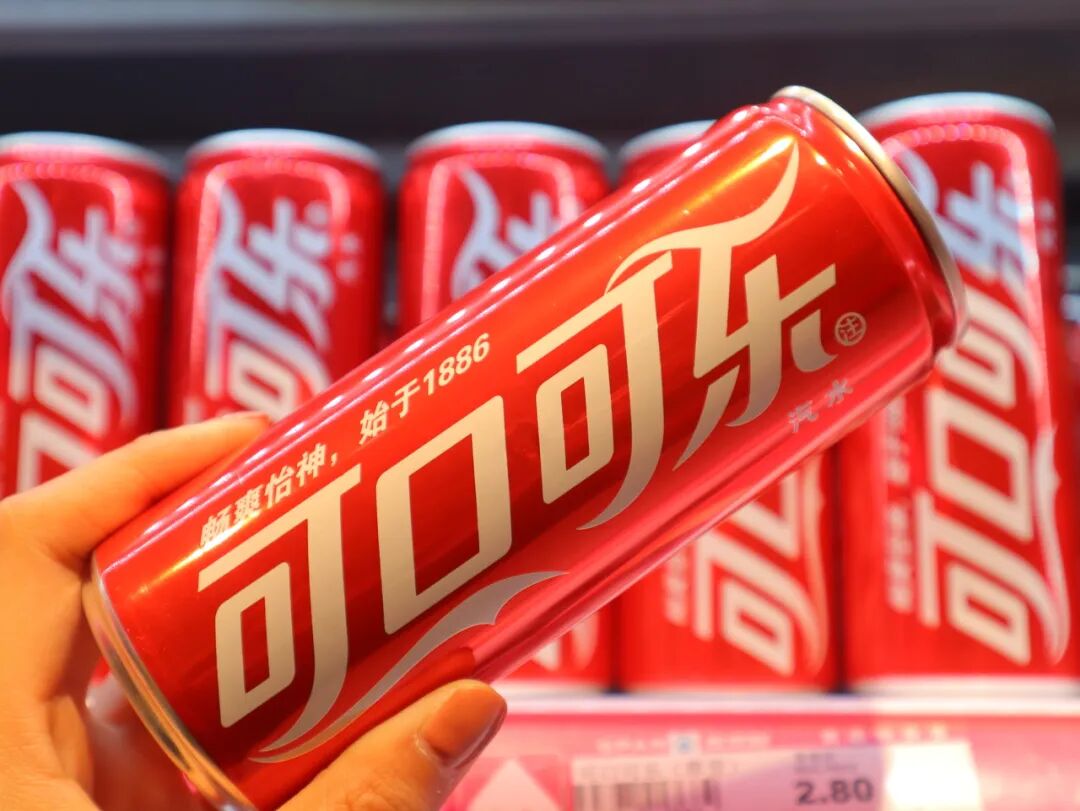
The Long-term Evolution of the De-sugarization Wave
The sugary carbonated beverages did not suddenly fall out of favor, but are the inevitable result of years of continuous de-sugarization iteration in the beverage market.
When the de-sugarization trend rose, leading beverage brands first used industrial sweeteners such as aspartame and acesulfame potassium to replace white granulated sugar, launching sugar-free products to try to balance the sweet taste and sugar reduction demand.
Coca-Cola launched Coke Zero in the Chinese market as early as 2008; PepsiCo followed up and launched sugar-free Coke in 2011, and the two carbonated beverage giants kicked off the layout of sugar-free cola.
However, the sugar-free products at this stage did not pry into the mainstream market. Sugary soda still occupied the mainstream position, and no substantial change had taken place in the market pattern.
The real turning point of the industry appeared in 2016. The National Health and Family Planning Commission of the People's Republic of China issued the *Chinese Dietary Guidelines*, clarifying the sugar control standards, suggesting that residents consume no more than 50 grams of added sugar per day, preferably within 25 grams, which laid a policy foundation for the development of sugar-free beverages.
In 2016, Genki Forest was founded, accurately targeting the sugar-free niche track. Four years later, Genki Forest sparkling water became a hit, using erythritol instead of white granulated sugar, which not only reproduced the taste of carbonated soda, but also promoted the widespread popularization of domestic natural sugar substitute technology, becoming a key watershed in the development of sugar-free beverages.
The expansion of the sugar-free category is not limited to the carbonated track. Sugar-free teas such as Oriental Leaf have risen rapidly, opening up a new growth track and continuously diverting consumer groups.
The fundamental change in the concept of consumer groups is the most important reason for the shrinking of the sugary soda market.
Nielsen data shows that more than 68% of the mainstream domestic consumer groups aged 18 to 35 prefer to check the 0-sugar and low-sugar labels first.
The post-80s and post-90s generations voluntarily give up or reduce the consumption of sugary carbonated products for the sake of health management; the post-00s and Generation Z prefer healthy products such as sugar-free tea and sugar-free soda when making their first choice.
The impact from categories and channels further exacerbates the shrinking of the sugary carbonated beverage market.
On the one hand, freshly made tea drinks are rapidly penetrating into lower-tier markets, with flexible sugar selection schemes, continuously diverting passenger flow from bottled beverages.
On the other hand, supermarkets, convenience stores and other outlets will adjust display resources according to product sales performance, continuously reduce the freezer and shelf space for sugary carbonated products, and give up the prime display areas to other products with faster sales, making the sales of sugary carbonated beverages even more difficult.
As one wanes and the other waxes, the scale of sugar-free products maintains steady growth. According to iiMedia Data, the market size of China's domestic sugar-free beverage industry reached 61.56 billion yuan in 2025, and is expected to exceed 81.5 billion yuan in 2028.
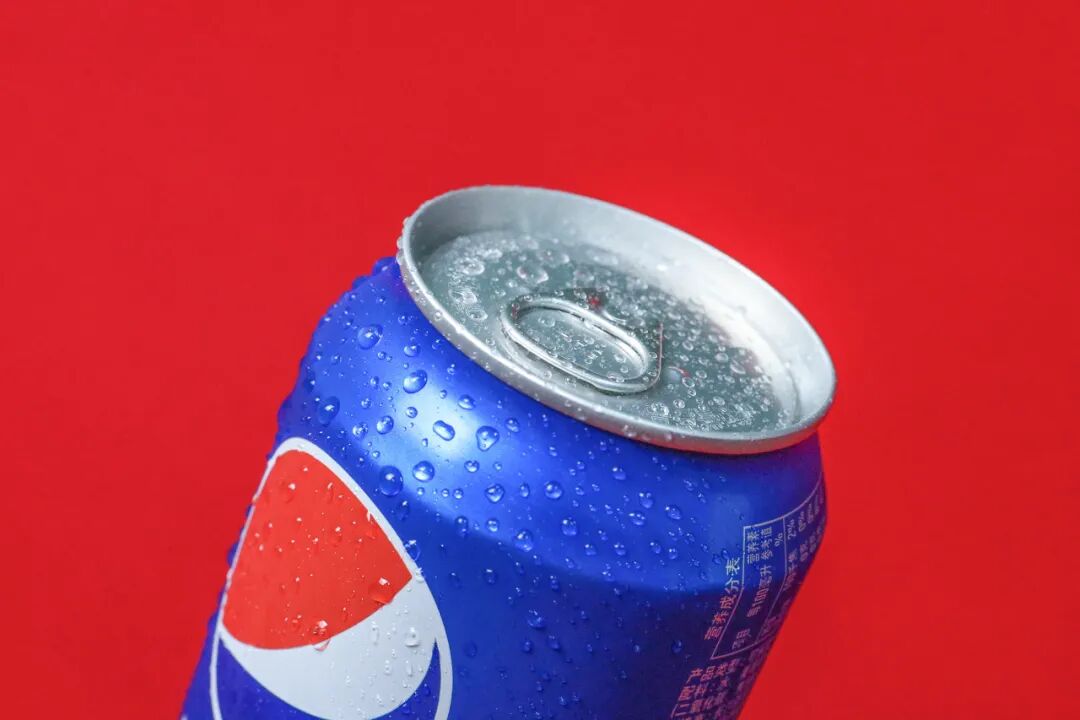
The Start of Structural Transformation
In the first half of 2026, summer came late in many parts of China, and there was abundant precipitation during the plum rain season, with the staged average temperature lower than that of the same period in previous years, which directly affected the consumption of cold drinks.
Of course, this is only a phased impact. More importantly, for health reasons, against the background of overall consumption tightening, users will prioritize cutting down their expenditure on high-sugar and sugary beverage products.
Facing the long-term trend of continuous declining demand for sugary carbonated beverages, major leading beverage enterprises have clarified their transformation direction, that is, relying on classic soda products to maintain their basic market, while comprehensively reconstructing the product matrix, increasing the layout of healthy categories such as sugar-free carbonated beverages, electrolyte water and functional drinks, to hedge against the risk of declining traditional carbonated beverage business.
In the first half of 2026, Coca-Cola and PepsiCo have launched a number of innovative healthy products intensively. In the first quarter, Coca-Cola launched prebiotic soda after product upgrading, Sprite launched the cross-border Sprite + Tea product; the Chunyue brand launched PH9.0 electrolyte soda water, etc.; in July, PepsiCo followed up and launched prebiotic cola products, reshaping the health value of carbonated beverages.
Observing the two beverage giants, their product layout logic is highly consistent, that is, by optimizing the product structure and expanding diversified new functional products, they accurately match the current mainstream demand of consumption upgrading and healthy sugar control, and tap new growth curves in the sugar-free industry wave.
This article is from the WeChat official account "Zebra Consumption" (ID: banmaxiaofei), written by Chen Biting, and authorized for release by 36Kr.