Say goodbye to the legendary 19-yuan 200G data SIM card? Telecom operators have completely stopped offering this service, so are mobile data fees about to rise sharply?
Once upon a time, a common habit for people going out was to ask waiters if there was free WiFi available. Later, with the drop in mobile data tariff prices, people no longer had to use mobile data frugally. But recently, the three major telecom operators collectively announced a halt to SIM card application services via internet channels. Facing the increasingly expensive mobile data fees, people can't help but wonder: are we going back to the era when we had to search for WiFi everywhere as soon as we went out?
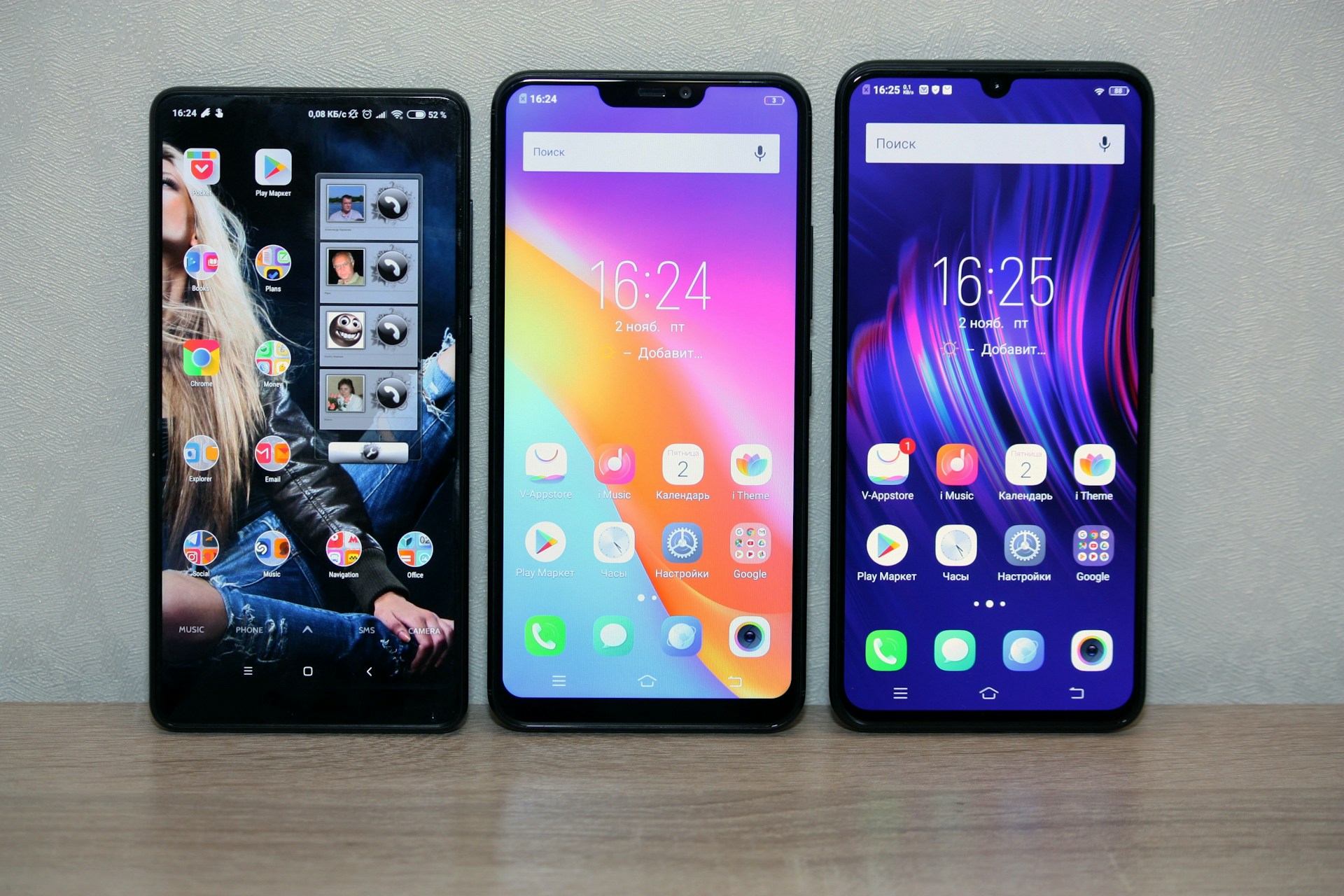
I. Telecom Operators Collectively Halt SIM Card Applications via Internet Channels
According to reports from CCTV Finance, China Telecom, China Mobile, and China Unicom issued the "Announcement on Regulating the Management of SIM Card Sales via Internet Channels" on the evening of July 31. The announcement states that in order to protect users' rights and interests and data information security, the ordering business of SIM cards via internet channels will be uniformly regulated. Starting from August 1, 2026, if users need to order SIM cards through internet channels, they can only do so through official apps, official websites and other channels of telecom operators, and third-party internet channels will no longer provide services related to telecom SIM card applications.
The news sparked widespread discussion in the market. According to reports from well-known self-media "Chang'an Street Insight", the so-called SIM card sales via online agency channels refer to that telecom operators sell mobile SIM cards through non-self-operated online touchpoints such as third-party sales agents, self-operated stores on internet platforms built by other parties, and various vertical traffic cooperation. The vast majority of high-data-volume SIM cards with attractive tariffs that consumers see on e-commerce platforms and live streaming rooms come from this channel. Once the channels are fully shut down, consumers who are used to comparing prices, selecting numbers and applying for SIM cards online will be affected.
How big is the price gap between the two types of channels? The comparison by "Insight" found that the Unicom package via agency channels has a monthly rent of 29 yuan, which includes 280G of mobile data and 100 minutes of call time; the China Mobile package has a monthly rent of 19 yuan, including 220G of mobile data and 100 minutes of call time. However, on the official websites of the three major operators, the M-Zone Mango Card of China Mobile has a monthly rent of 59 yuan, including 20G of general data, 30G of directional data and 100 minutes of call time; the Unicom Cool Ice Cream 5G package has a monthly rent of 129 yuan, including 30G of data and 500 minutes of voice call time; the China Telecom package with a monthly rent of 99 yuan includes 40G of general data and 150 minutes of call time. The price gap is extremely huge. It is this price gap that drives a large number of users to rush to agency channels, and also intensifies the low-price competition among telecom operators.

II. Are We Going to Search for WiFi Everywhere When Going Out Again?
Recently, a major event has taken place in the communications industry, which has made many netizens who are used to "snatching bargains" feel nervous. The three major telecom operators collectively announced the contraction of online SIM card application channels. Those "magic cards" and "high-data-volume SIM cards" that used to be ubiquitous on e-commerce platforms and live streaming rooms have instantly become the key targets of rectification. What on earth is going on? Are we really going to live a life of searching for WiFi passwords all over the streets in the future?
First of all, the chaos in third-party channels has indeed reached a point where it must be rectified. In the past few years, the SIM card application market via internet channels has grown wildly, and a large number of third-party agents have sprung up. However, these agents have intertwined hierarchies, and their qualifications are mixed, which cannot withstand careful inspection. Many illegal businesses, under the banner of telecom operators, engage in illegal activities, wantonly collecting users' core sensitive information such as ID cards and facial data. Once this information is leaked, the consequences will be unimaginable. Even many channels have directly become accomplices of illegal grey and black industries, breeding hotbeds for telecom fraud and information reselling. In this case, the telecom operators' tightening of online SIM card application channels from the source is essentially plugging loopholes and ensuring security, which is an inevitable choice for market governance. If they continue to let it go, not only the rights and interests of users will be damaged, but also the brand credibility of the operators themselves will be dragged into the mire.
More importantly, third-party channels have long used extremely low prices for false publicity and low-price drainage, which has seriously squeezed the living space of telecom operators. Behind seemingly attractive packages such as 19 yuan for 200G of data, there are operations of agents marking up prices layer by layer and making illegal arbitrage. The profits of telecom operators are largely occupied by intermediate links, and their pricing power over packages is gradually eroded. When the pricing power is sidelined, telecom operators can not only fail to adjust strategies according to the actual market conditions, but also have to pay for the service costs behind these low-price packages. In the long run, the price system of the whole industry will be disrupted. Standardizing channels and regaining the right to speak has become a necessary step for telecom operators.
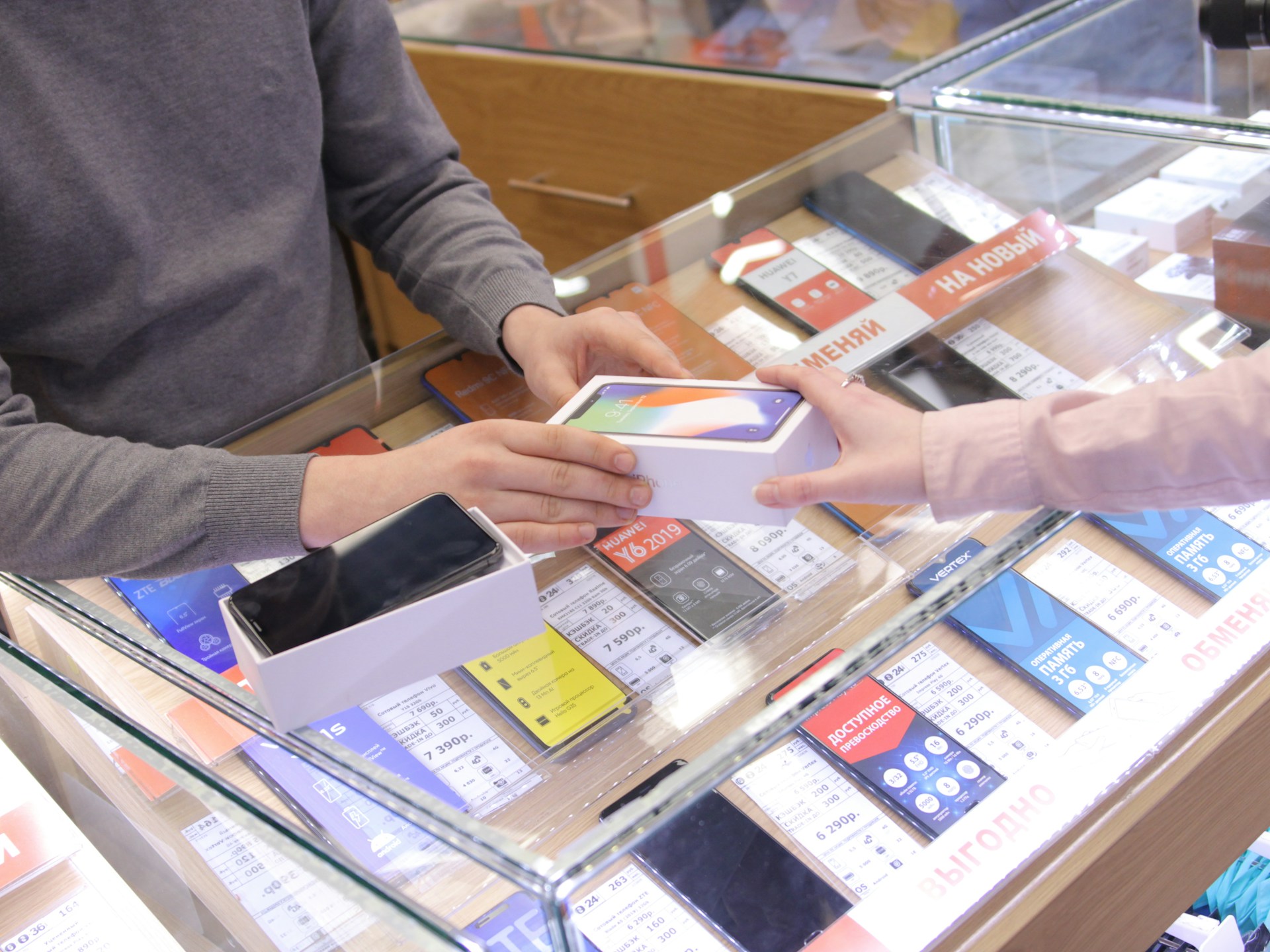
Secondly, the reason why low-price high-data-volume SIM cards are prevalent is that the official pricing is too high. The core reason why low-price high-data-volume SIM cards can run rampant in the market is that there is a problem with the official pricing mechanism of telecom operators themselves. This is a typical mismatch between supply and demand. In the past few years, the most common packages online are often nearly 200G of data for 19 yuan. Although such packages may have the problem of false labeling, they do hit the pain points of users. What about after switching to official channels? Everyone can check their own bills, and 59 yuan for 20G of data is already considered a conscientious package.
Especially in recent years, it is not uncommon for old users to be "price gouged" by telecom operators. We can make a simple conversion: under the same amount of mobile data, the monthly rent of official packages is usually 3 to 6 times that of third-party channels, while the data volume is only 1/5 to 1/7 of the latter. This huge price scissors difference is the space for market arbitrage. If telecom operators fully shut down internet channels, users' urgent demand for mobile data can only be met through those expensive official channels. That's why there are voices in the public that we seem to be entering an era of searching for WiFi when going out again. This is not alarmist talk, but a rational choice based on cost-benefit analysis. We believe that there is chaos in the market, and what should be punished is the "chaos", not to shut down the whole channel directly. This approach undoubtedly makes consumers pay for the market governance of telecom operators, and harvest consumers with high mobile data costs.

Third, the convenience of consumers has been really impacted. We have to talk about the loss of consumer convenience. This part is actually easy to be ignored by everyone, but it causes the greatest harm to user experience. In the past ten years, SIM card application via internet channels has been deeply embedded in consumers' digital living habits, and the formation of this habit has path dependence. Do you want to change a mobile data SIM card? The process is extremely simple: open an e-commerce platform to compare prices, watch the explanation from the anchor in the live streaming room, place an order through WeChat mini-program, the SIM card is delivered to your door by JD or SF Express, and the courier helps activate it. The whole process takes no more than 48 hours.
This convenience of "applying for SIM cards with fingertips" actually represents an efficient form of digital economic development. Especially for people in third- and fourth-tier cities, remote areas, and groups with limited mobility, this kind of service cannot be replaced by offline business halls. Now that the channels are shut down, if they want to change a suitable mobile data SIM card, they have to take a bus for one or two hours to the business hall in the county, and the cost suddenly rises. Many people don't realize that this convenience is not dispensable. It is a small epitome of the implementation of digital inclusiveness in the past few years. Now it is directly cut off, which is equivalent to taking back the convenience that many people have already enjoyed. Asking them to make a special trip to the county business hall just to apply for a SIM card, the time cost and transportation cost in the process are huge sunk costs. When formulating policies, have telecom operators considered the user needs of these long-tail markets? This is worthy of our deep thinking.

Fourth, for telecom operators, compliance is the superficial requirement, but pricing power is the core interest. Apart from the obvious reasons such as information security and market norms, this incident is essentially a battle for pricing power in the communications industry. For a long time, third-party channels have diverted users by relying on low-price packages, continuously impacting the official tariff system of telecom operators, which have been trapped in meaningless price involution for a long time, with increased volume but no increased revenue. Telecom operators are tired of the continuous channel price war, hoping to take back channel permissions and regain the dominant power of tariff pricing.
It is worth noting that the three leading telecom operators have almost simultaneously promoted channel rectification and taken highly consistent control measures. The communications industry itself has the characteristics of a natural oligopoly market. When several market players launch similar restriction measures for the same reason in the same period of time, we can't help but have reasonable doubts: where is the boundary between standardizing market order and seeking the dominant power of market pricing? How to avoid the potential risk of coordinated restriction of competition and raising consumption costs? This highly consistent collaborative behavior often points to tacit collusion in the oligopoly market. Telecom operators try to eliminate internal competition through unified channels, so as to maintain a higher profit level. Therefore, channel adjustment should not only be an internal business choice of enterprises. The changes it brings to the market pattern require continuous attention from the regulatory authorities to balance the business interests of enterprises and the rights and interests of consumers.
Fifth, are we really going back to the era of searching for WiFi everywhere? Although the concern in the title is a bit exaggerated, it is not unfounded. If the data supply of official packages is greatly reduced and the price is significantly increased, the rational choice of consumers will inevitably be: reduce the use of mobile data and increase their dependence on WiFi. Where is the internet freedom of a large number of low-income people? For example, how to protect the interests of groups such as food delivery couriers, online car-hailing drivers and students? They could originally obtain sufficient mobile data at a lower cost through internet channels to access the digital economy, but who will protect them now?
Communication services have extremely strong positive externalities, and they are the infrastructure of modern society. Now that the channels are shut down, who will guarantee their data demand? Who will cover their internet freedom? Once the data cost exceeds their affordability, they will either be forced to reduce work opportunities, or be blocked from the door of the digital economy. This is not only a damage to individual rights and interests, but also a deviation from the inclusiveness of the digital economy. This cost should not be borne by the most vulnerable groups.

Therefore, we never oppose market rectification. False publicity, information leakage, and telecom fraud bred by relying on SIM cards must be continuously and severely cracked down. However, governing the market cannot only rely on simple "blocking", and both guidance and standardization are indispensable.
On the one hand, the control of channels can fully adopt a refined management scheme, instead of directly shutting down all third-party channels. Telecom operators can build a unified authorization and certification system, strictly examine the qualifications of agents, establish a dynamic elimination supervision mechanism, select compliant large platforms to carry out cooperation, and realize that the whole business link is traceable. In this way, we can not only retain the convenience brought by online channels and maintain appropriate market competition, but also plug the loopholes for illegal grey and black industries to exploit, so as to open the right path and block the wrong path.
On the other hand, if telecom operators successfully take back the channel pricing power, they should assume corresponding social responsibilities. Telecom operators need to truly launch a package with inclusive value, such as a basic package with a monthly rent of less than 39 yuan and more than 100G of general data. This is not difficult at all, and it is completely technically feasible. The key lies in the willingness.
Communication services are the infrastructure of the digital age, the "water" and "electricity" of modern people's lives, not dispensable consumer goods. Standardizing the market is possible and must be done; but it is not allowed to sacrifice the interests of consumers. We can't throw the baby out with the bath water, let alone make consumers pay for the governance cost of the industry. This is what the regulatory authorities should guide telecom operators to do, and it is also the result that every one of our consumers most hopes to see.