Does the film market no longer believe in release slots?
If one word has to be used to describe the 2026 summer movie season, "chaotic" is probably a more fitting description than "booming".
Recently, topics including #The most chaotic summer movie season in history# and #Multiple films withdraw from the summer schedule# have successively topped Weibo's hot search list, and discussions around the "chaos" of this year's summer movie season have continued to heat up. Whether it is the concentrated release of films, frequent schedule adjustments, or controversies such as box office theft, illegal ticket issuance, and public opinion confrontation, this golden movie season has presented a complex situation different from the past.
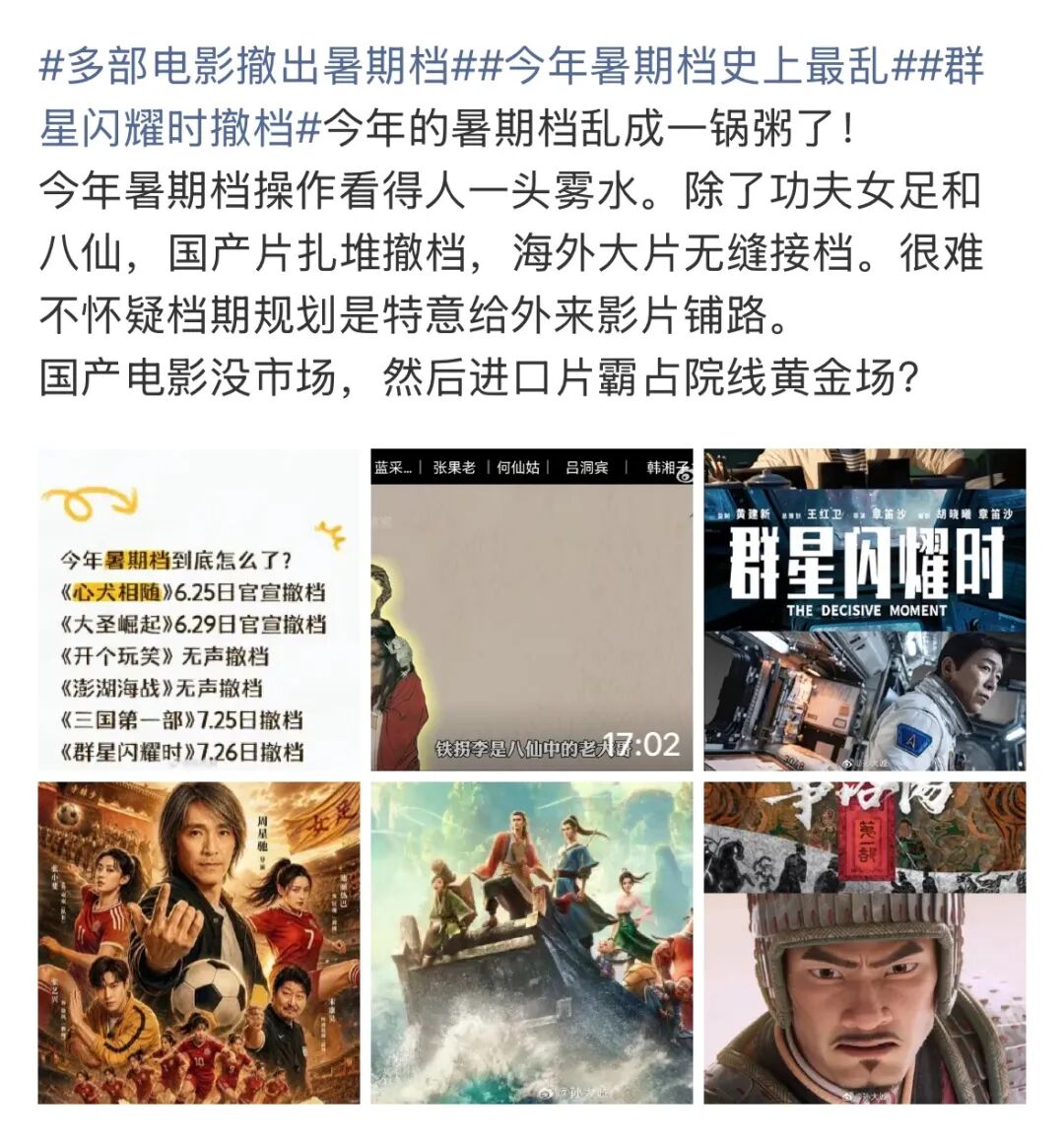
On the surface, the chaos of this year's summer movie season lies in screening arrangements, distribution and promotion, and competition; but at a deeper level, what has changed is actually the operating rules of the film market.
The schedule is still important, but it is no longer a "safe deposit box" for film box office. When the market enters the era of stock competition, the success of a film depends more and more on whether it can seize the audience's attention first, rather than simply catching up with a golden schedule.
The most chaotic summer movie season in history
From the supply side, the most direct reason for the "chaos" of this year's summer movie season is the surge in the number of films, which leads to a significant intensification of competition.
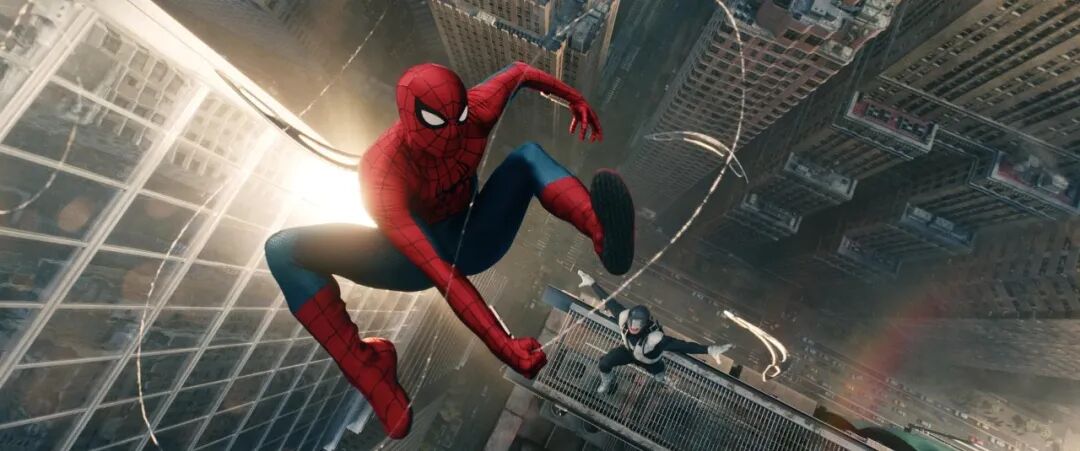
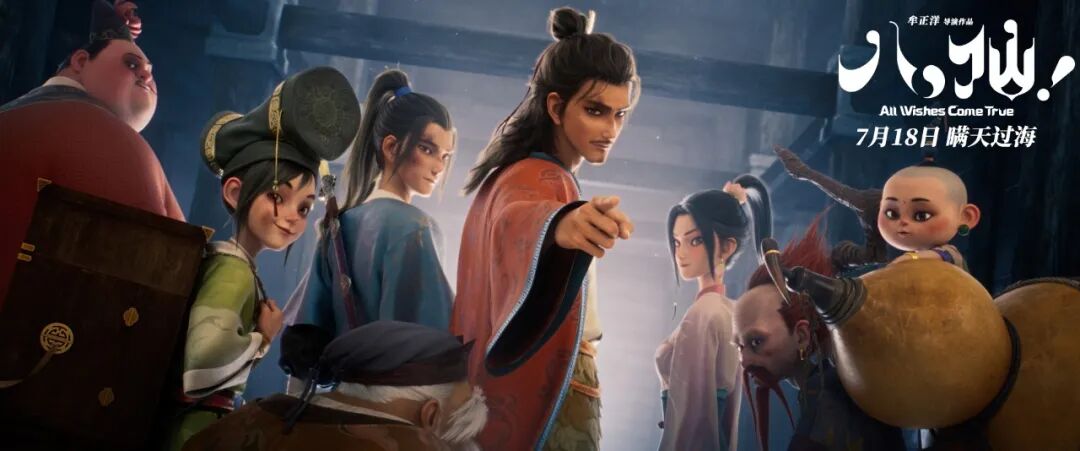
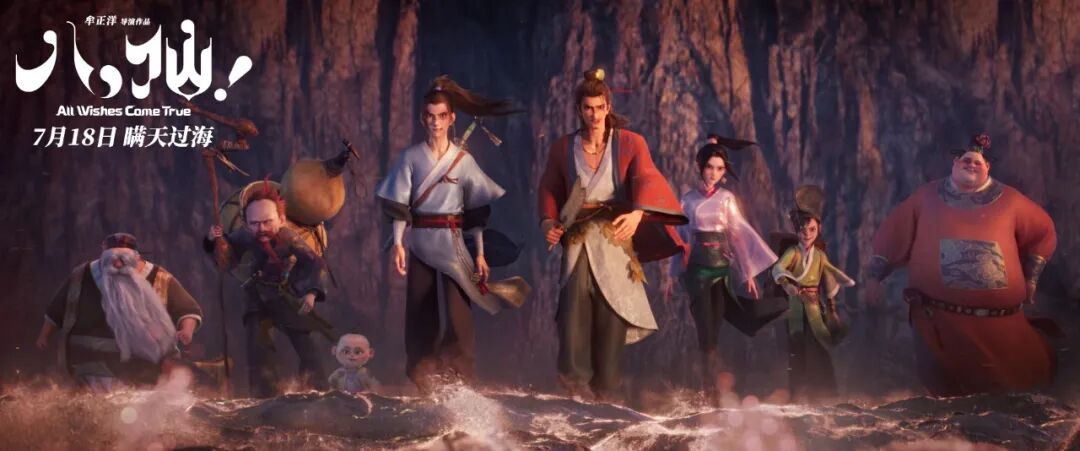
Due to the overall sluggish performance of the film market in the first half of the year, many films originally scheduled to be released in other time periods have flooded into June to August. In terms of quantity, more than 120 films are scheduled to be released intensively in this year's summer movie season, covering various genres such as history, comedy, action, animation, and science fiction. There are not only domestic dark horses like *Eight Immortals!*, but also popular overseas blockbusters such as *Spider-Man: Brand New Day* and *Odyssey*, which shows the fierce level of competition.
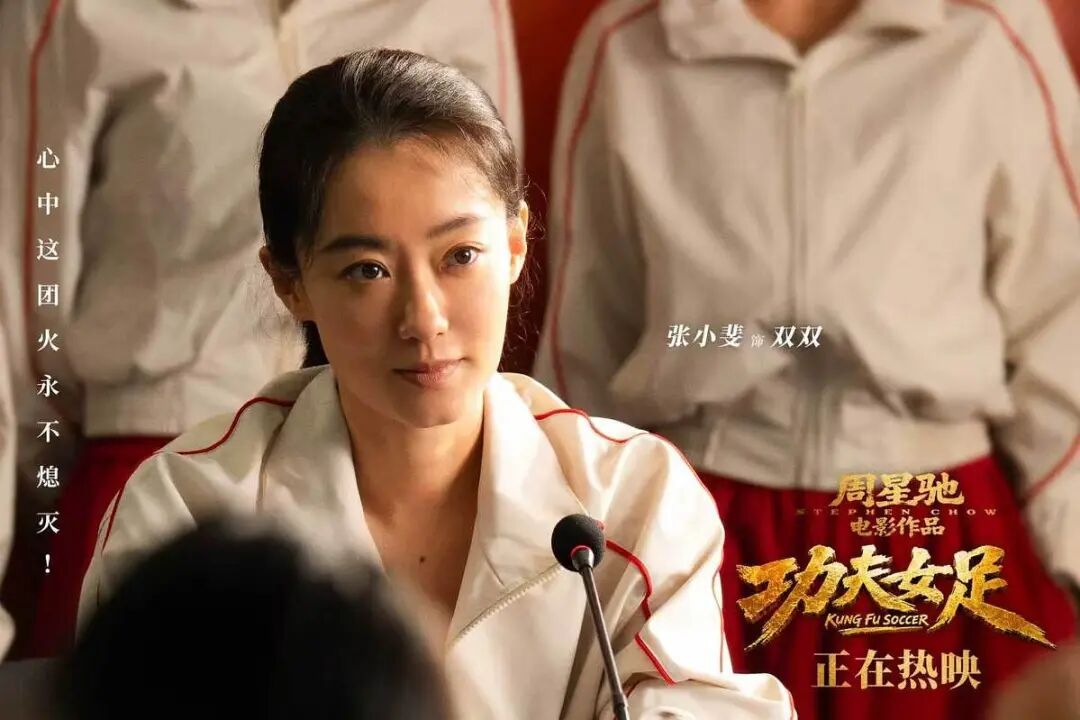
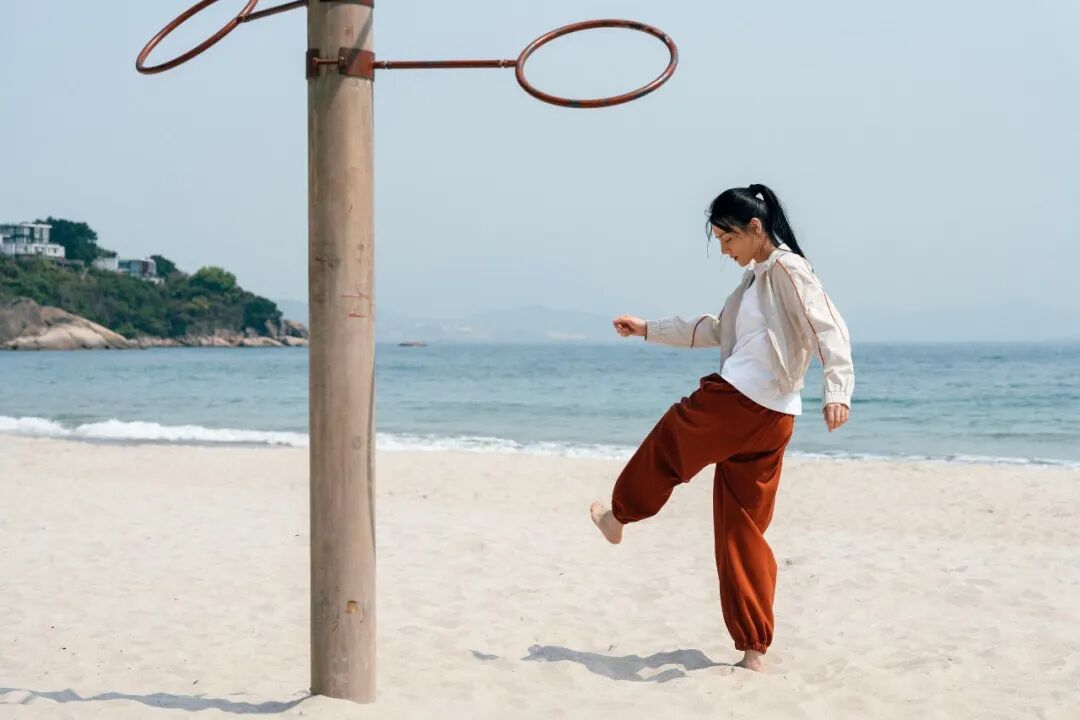
The bustling market has brought impressive popularity to this year's summer movie season. As of July 27, the total box office of the summer schedule has exceeded 5.8 billion yuan, an increase of more than 1 billion yuan over the same period last year, and the total number of moviegoers has reached 162 million. Among them, *Kung Fu Women's Football* and *Eight Immortals!* took the top two box office spots with 2.02 billion yuan and 870 million yuan respectively.
However, from the perspective of box office distribution, the growing overall market has not been transformed into a market that benefits all films. Up to now, the top five films at the summer box office together account for nearly 70% of the total box office of the schedule. In other words, among more than 120 films, more than 100 films except the top five can only compete for the remaining about 30% of the market space.
This means that the biggest challenge for films in this year's summer movie season is not the lack of audiences, but how to establish market advantages in the crowded track.
Against this background, schedule adjustment has become a conventional operation for films, further exacerbating the "chaos" of this year's summer movie season. Advancing the release date is to seize the market window by entering the market in advance, and amplify the film's popularity with the help of the schedule's heat; withdrawing from the schedule is to avoid continuing to consume market resources after judging that the current competitive environment is unfavorable.
In this year's summer movie season, a total of six films announced that they would advance their release dates. From *I Saw Two Identical Clouds* and *Miss Cube* in June, to *Miss You* , *Eight Immortals!* and *When the Stars Shine* in July, and to *Never Stop the Annual Party 2!* in August, the schedule adjustments run through almost the entire summer season.
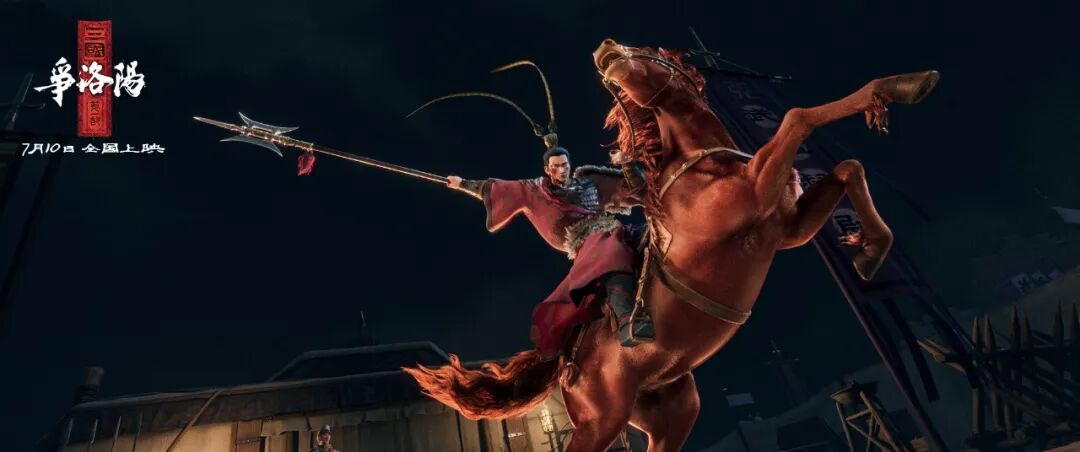
In contrast, the wave of film withdrawals is equally fierce. Last week, *When the Stars Shine* and *The First Part of the Three Kingdoms: Fighting for Luoyang* successively announced their withdrawal from the summer schedule. Together with the previously withdrawn films *Heart Dog Accompanying*, *Just a Joke*, *Rise of the Great Sage*, and *Battle of Penghu*, the number of films withdrawn from this year's summer movie season has also reached six, setting a new record in recent years.
It is worth mentioning that the films withdrawn this year are not all "bad films".
In the past, withdrawing from the schedule was more regarded as a signal that the film's content quality or market performance was lower than expected. For example, the 2024 Spring Festival schedule was jokingly called the "first year of film withdrawal" by netizens, as four films including *Let's Shake the Sun Together*, *Mr. Red Carpet*, *Huang Pi: The God of Wealth Cat from the Sky* and *Bajie: The Pig Marshal Descends to the World* withdrew from the schedule one after another. But the special feature of this year's summer movie season is that many films have not even had time to complete the fermentation of word-of-mouth, and they left the market early due to the pressure of screening arrangements and box office.
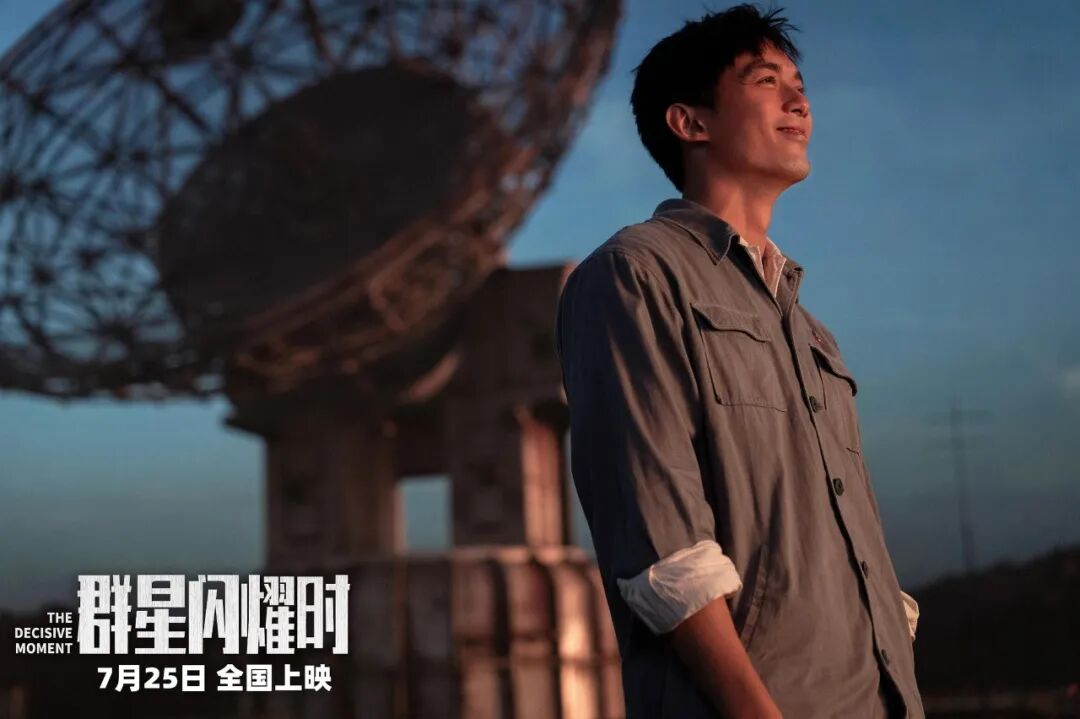
Among them, *When the Stars Shine* is undoubtedly the most representative case. The film was originally scheduled to be released on August 1, and then was temporarily advanced to July 25, scoring 7.5 points on Douban. However, less than 48 hours after its release, the official announced its withdrawal, making it the fastest withdrawn film in this year's summer movie season.
The animated film *The First Part of the Three Kingdoms: Fighting for Luoyang*, which has a high Douban score of 8.1, is in the same situation. 16 days after its release, the total box office of the film was only about 81.5 million yuan, and its screening rate was compressed to less than 1%. The distributor said bluntly in the withdrawal statement: "The market space is far from enough to allow audiences who want to watch the work to go to the cinema calmly."
In addition to the market competition itself, various industry chaos around the box office this year is also a major reason why the summer movie season is criticized for being "chaotic".
During this year's summer movie season, there have been successive controversies such as box office theft and illegal ticket issuance for head films. For example, after the release of *Kung Fu Women's Football*, cinemas in many places were exposed to illegal behaviors such as handwritten white slips and bypassing the official ticketing system to sell tickets. The Stephen Chow Fan Club launched a rights protection action, recovering more than 1.6 million yuan of stolen box office. The relevant incident then triggered the intervention of the competent authorities, and many cinemas were investigated and rectified.
At the same time, online public opinion competition has also continued to escalate. Phenomena such as word-of-mouth offensive and defensive around *Kung Fu Women's Football* and *Eight Immortals!*, opposition of fan camps, and maliciously leading public opinions have appeared frequently. Film competition has gradually extended from the box office contest on the screen to the public opinion game on social platforms.
Overall, the reason why this year's summer movie season presents the "most chaotic in history" situation is not simply the increase in the number of films, but the market carrying capacity has not expanded synchronously, leading to high-intensity competition among films around box office, screening arrangements and audience attention.
And this kind of competition also reflects the new changes that are taking place in the film schedule.
Changes in film schedules
If the "chaos" of this year's summer movie season is more reflected in the disordered competition between films, the deeper problem is that the market function of the film schedule itself is changing.
After years of development, the domestic film market has formed a market system with the three golden schedules of Spring Festival, summer vacation and National Day as the core, supplemented by small holiday schedules such as May Day, Qingming and Dragon Boat Festival. Different schedules correspond to different consumer demands: the Spring Festival schedule emphasizes family fun, the summer schedule relies on student vacations, and the National Day schedule is more suitable for main melody and realistic themes.
However, with the increasingly diversified online entertainment methods, movies are no longer the absolute mainstream of mass entertainment consumption, and the advantages of schedules have been continuously weakened. Even some media have put forward the pessimistic argument that "the summer movie season is dead", arguing that head movies are supporting the summer schedule in reverse.
However, in the view of Entertainment Pioneer, the film schedule is not "dead", but is losing the attribute of universal benefit. It can still amplify the market performance of a film, but it is increasingly difficult to determine the fate of a film alone. It needs to complement works with content advantages and market appeal to truly release its value.
First of all, the siphon effect of head films is becoming stronger and stronger.
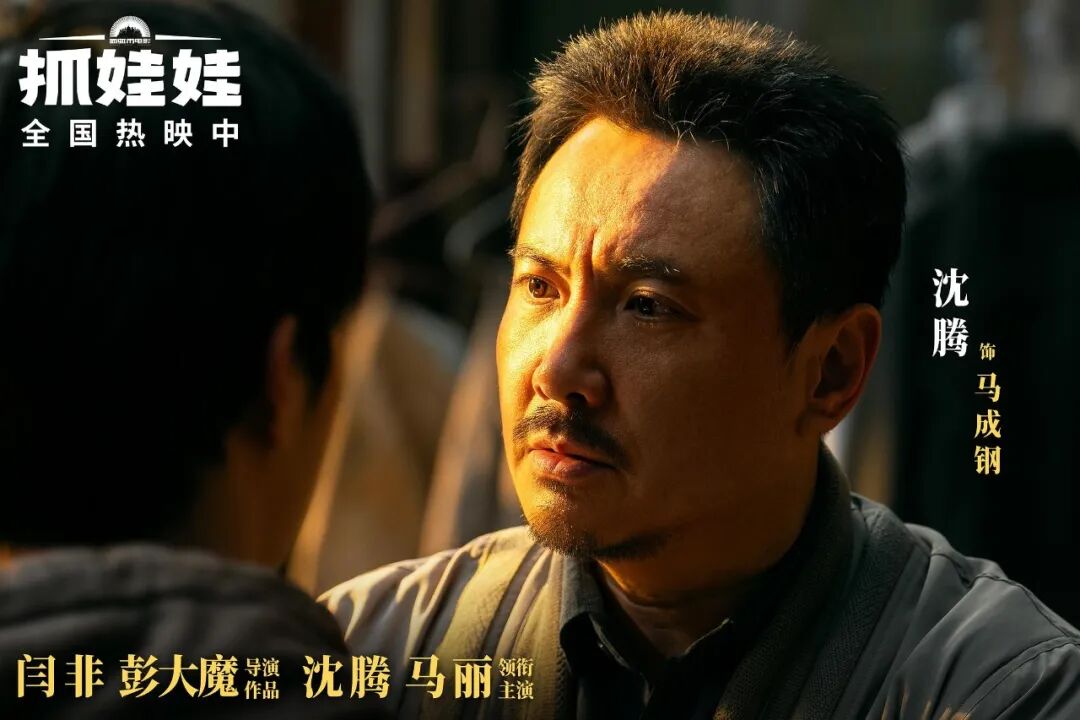
Taking the data of the past two years as an example, the total box office of the 2024 summer movie season reached 11.643 billion yuan, and the top five films accounted for 53% of the box office, of which *Grab the Doll* and *Silent Murder* contributed more than 4.6 billion yuan in total, accounting for nearly 40% of the schedule box office; by 2025, the total box office of the summer movie season increased to 11.966 billion yuan, the top five films accounted for 54.1% of the box office, and the single film *Nanjing Photo Studio* had a box office of 2.89 billion yuan, accounting for more than a quarter of the market share.
It is worth noting that this siphon effect does not simply come from the difference in the size of the films, but is an increasingly obvious "first-mover advantage" in a market environment that highly relies on real-time feedback. Once a film breaks through the market in advance, the latecomers will no longer face competition on the same starting line.
Take *Kung Fu Women's Football* and *Eight Immortals!* as examples. The two films do not rely on the traditional "blockbuster advantage" to lock the market in advance, but occupy the two most mature consumption scenarios in the summer schedule respectively.
Although *Kung Fu Women's Football* has been criticized in production and its reputation is not absolutely leading, it relies on the public awareness accumulated by Stephen Chow's IP, combined with sports themes and comedy genres, to accurately cover the needs of mass entertainment and the sinking market; *Eight Immortals!* relies on the animation genre and the popularity of domestic animation, to undertake the stable parent-child and family fun consumption demand in the summer schedule, and attract a wider audience with good reputation.
After the two films have absorbed the core audience of the summer schedule, the remaining market space is actually very limited. Even if the films that enter the market later have certain quality, it is difficult to turn the tide. This is the case for films of different themes, and films of the same genre that have a direct competitive relationship with the head works are more likely to fall into passivity.
Secondly, film schedules are increasingly dependent on clear consumption scenarios.
In the past, people would go to the cinema because of the "summer movie season" or "Spring Festival schedule"; now, audiences are more concerned about "why should I watch this movie".
This change means that the schedule only provides consumption opportunities, and what really drives the movie-watching decision is whether the film has a clear enough reason to watch. Mature IP, distinct genres, strong emotional value, and selling points that can be explained in one sentence are more important than ever. A film needs to be remembered by the audience first, and then it has the opportunity to rely on word-of-mouth to complete the spread.
*The First Part of the Three Kingdoms: Fighting for Luoyang* is a typical example. The film has a good reputation, but the historical animation theme itself has a certain viewing threshold, which has limited attraction to parent-child audiences and lacks sufficient topicality for the mass market, so it has never established a broader market awareness.
*When the Stars Shine* is in a similar situation. The film focuses on the aerospace theme, with restrained expression and a calm style, which does not fully fit the movie-watching needs of the summer schedule dominated by entertainment, leisure and emotional consumption, so even if it gets good reviews, it is difficult to quickly pry into a larger market.
