36Kr Research | 2026 China Smart Hardware Industry Development Research Report
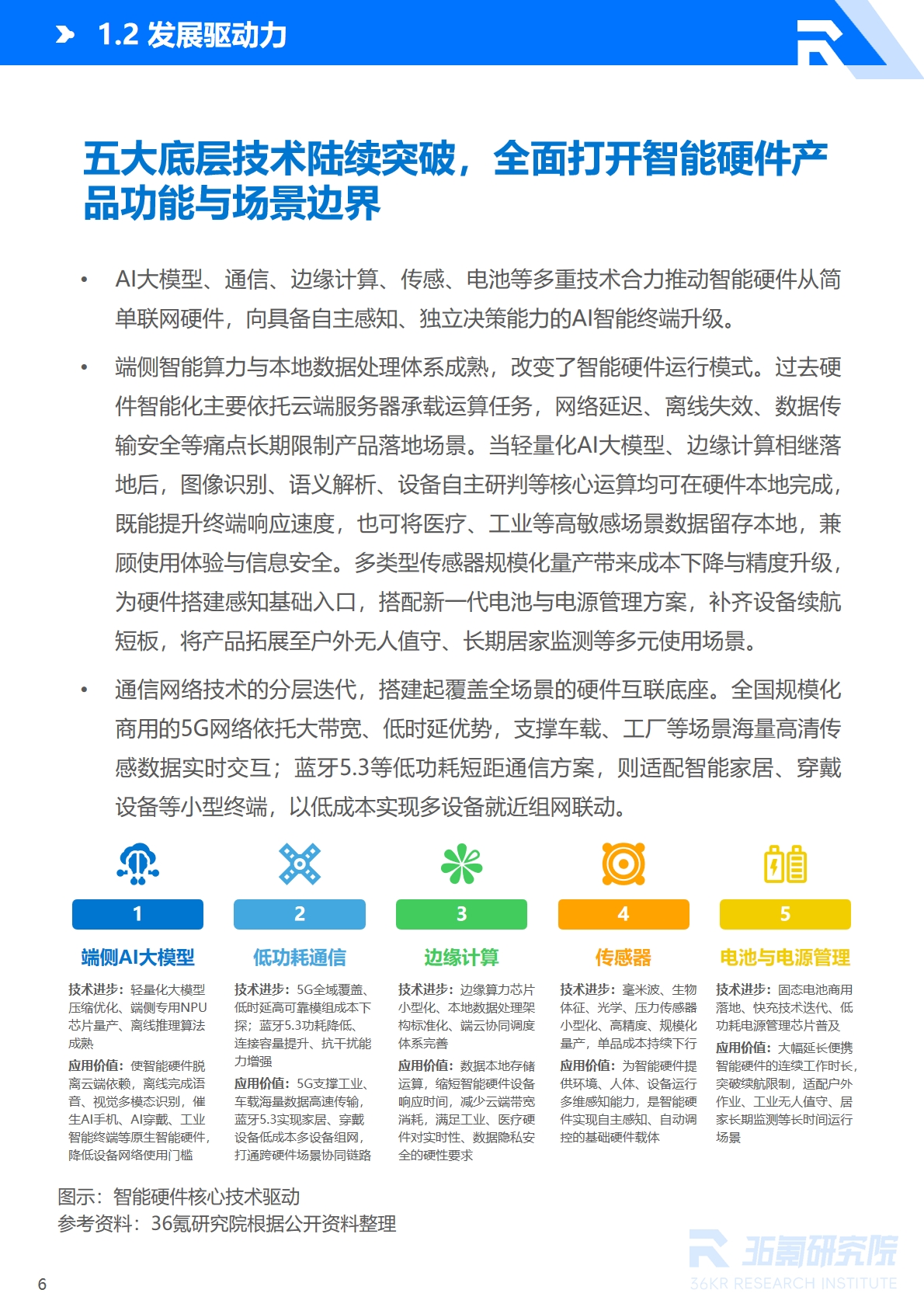
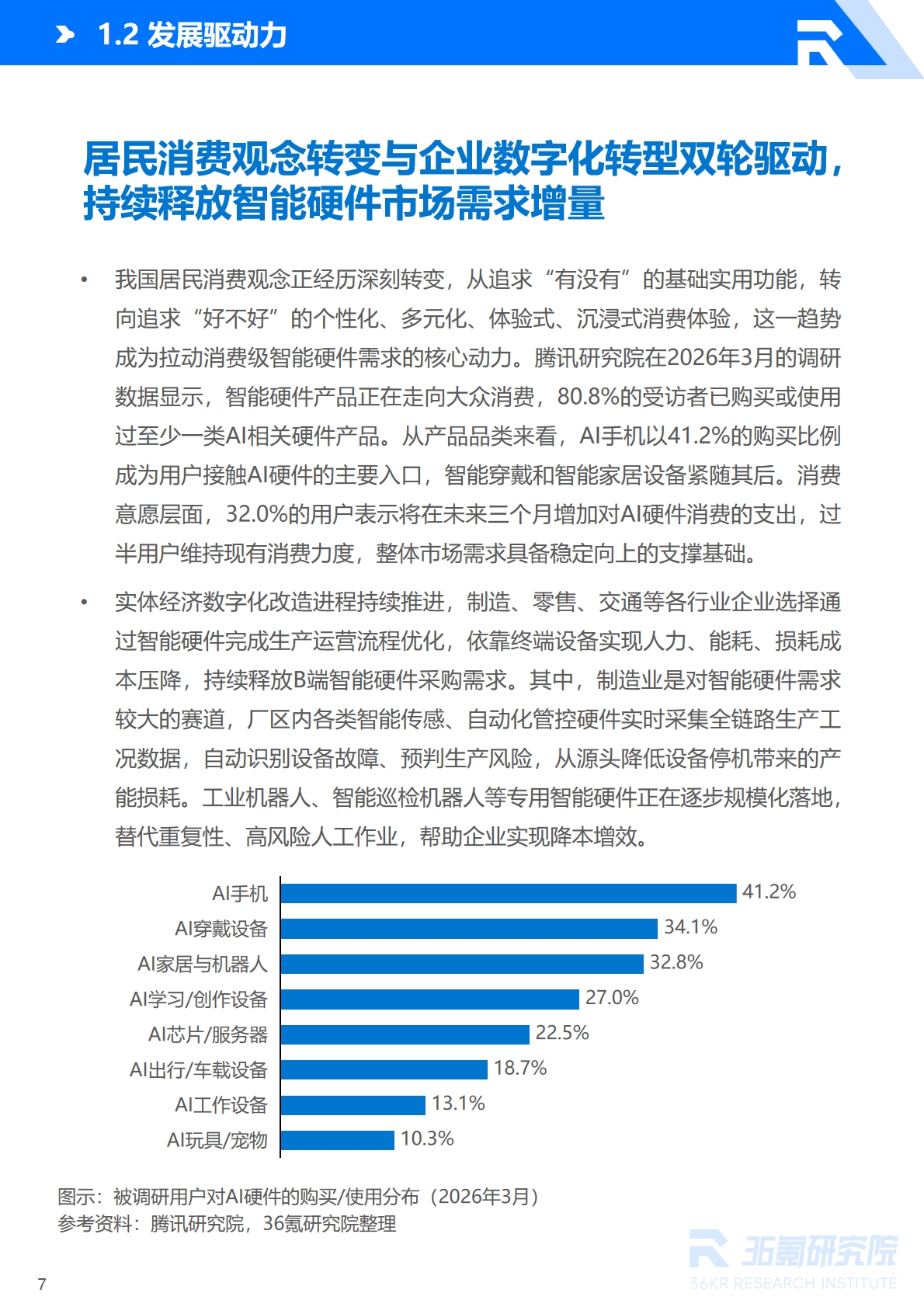
At present, AI technology is accelerating its penetration and deepening into all sectors of the real economy. As the core carrier for AI capabilities to land in physical scenarios, smart hardware has entered a critical development stage of product capability upgrading and industrial value enhancement. According to the survey data released by Tencent Research Institute in March 2026, 80.8% of domestic consumers in China have purchased or used at least one type of AI-related hardware products, among which 32.0% of users stated that they will increase relevant consumption expenditure in the next three months, and the consumer-end market demand has a steadily rising supporting foundation. At the same time, continuous breakthroughs have been made in underlying technologies such as end-side AI chips, lightweight large models, and multi-sensor fusion, which have promoted smart hardware to gradually reduce its dependence on cloud computing power, continuously enhanced the capabilities of local autonomous perception, analytical decision-making and functional iteration, and significantly improved and upgraded the digital empowerment effect on the industrial end. However, the development of the industry still faces practical challenges such as intensified fragmented competition, pressure on supply chain costs, insufficient large-scale implementation of scenarios, and upgraded data security compliance requirements. The traditional growth path that relies on stacking hardware parameters and low-price OEM to achieve high sales volume can no longer adapt to the competition requirements in the AI-native stage. Based on the above industry background, 36Kr Research releases the *2026 China Smart Hardware Industry Development Research Report*, which systematically sorts out the industry development context and industrial ecological pattern, disassembles the upgrading directions of the upstream, midstream and downstream of the industrial chain, and combines the practices of typical enterprises to judge the future trends of technological evolution, scenario expansion and globalization layout, so as to provide multi-dimensional decision-making references for all participants in the industry.
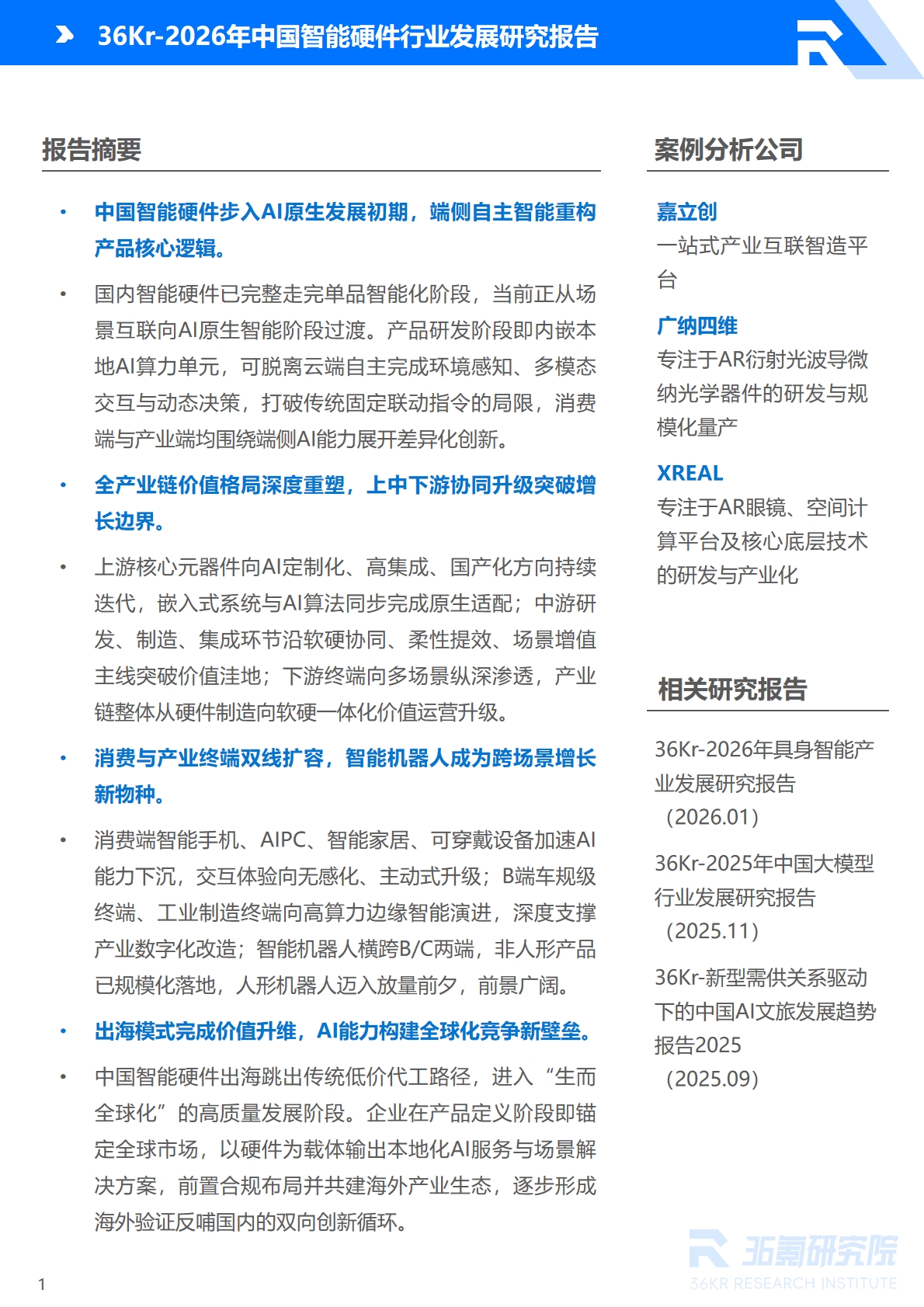
China's smart hardware has entered the early stage of AI-native development, and end-side autonomous intelligence is reconstructing the core logic of products
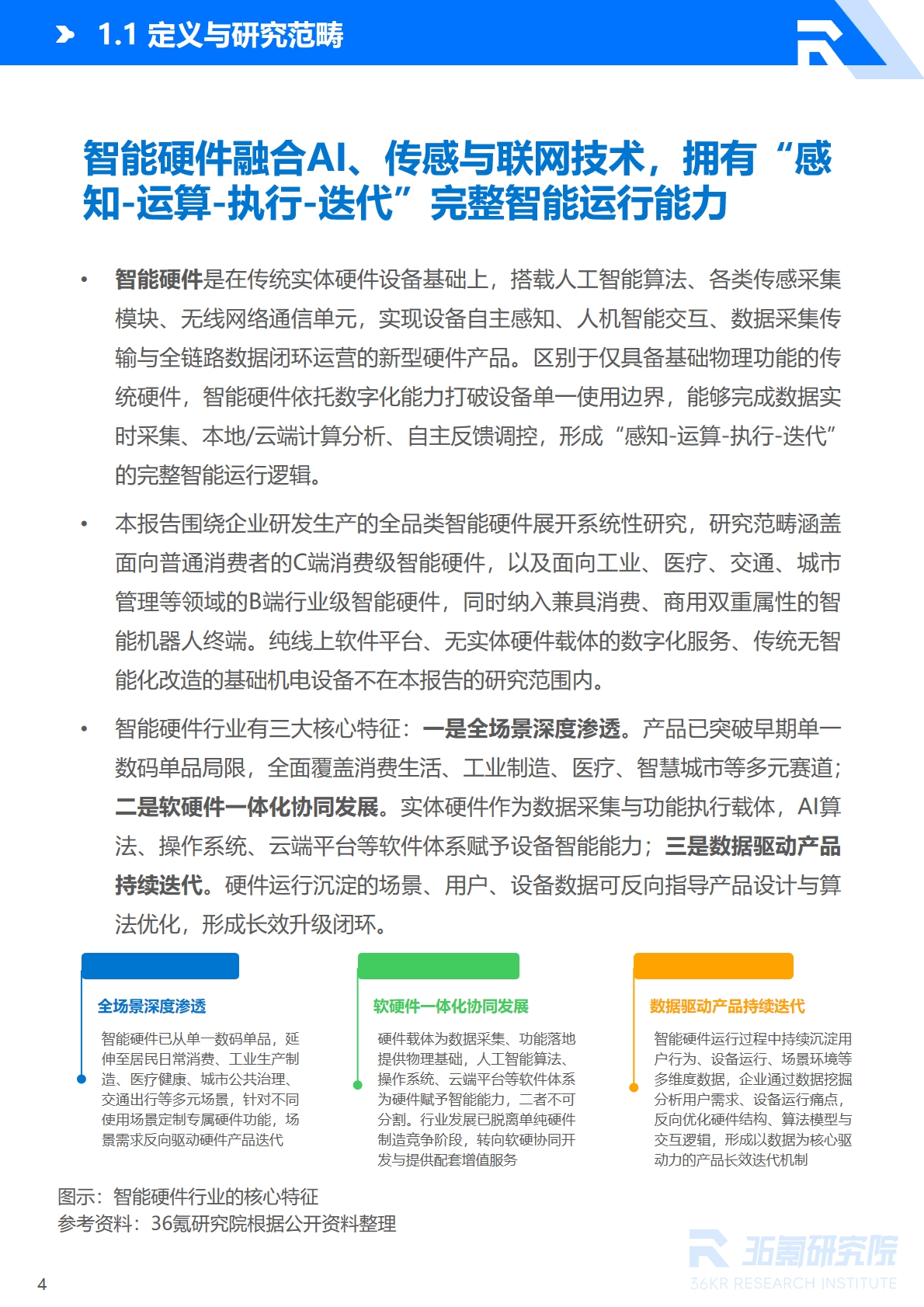
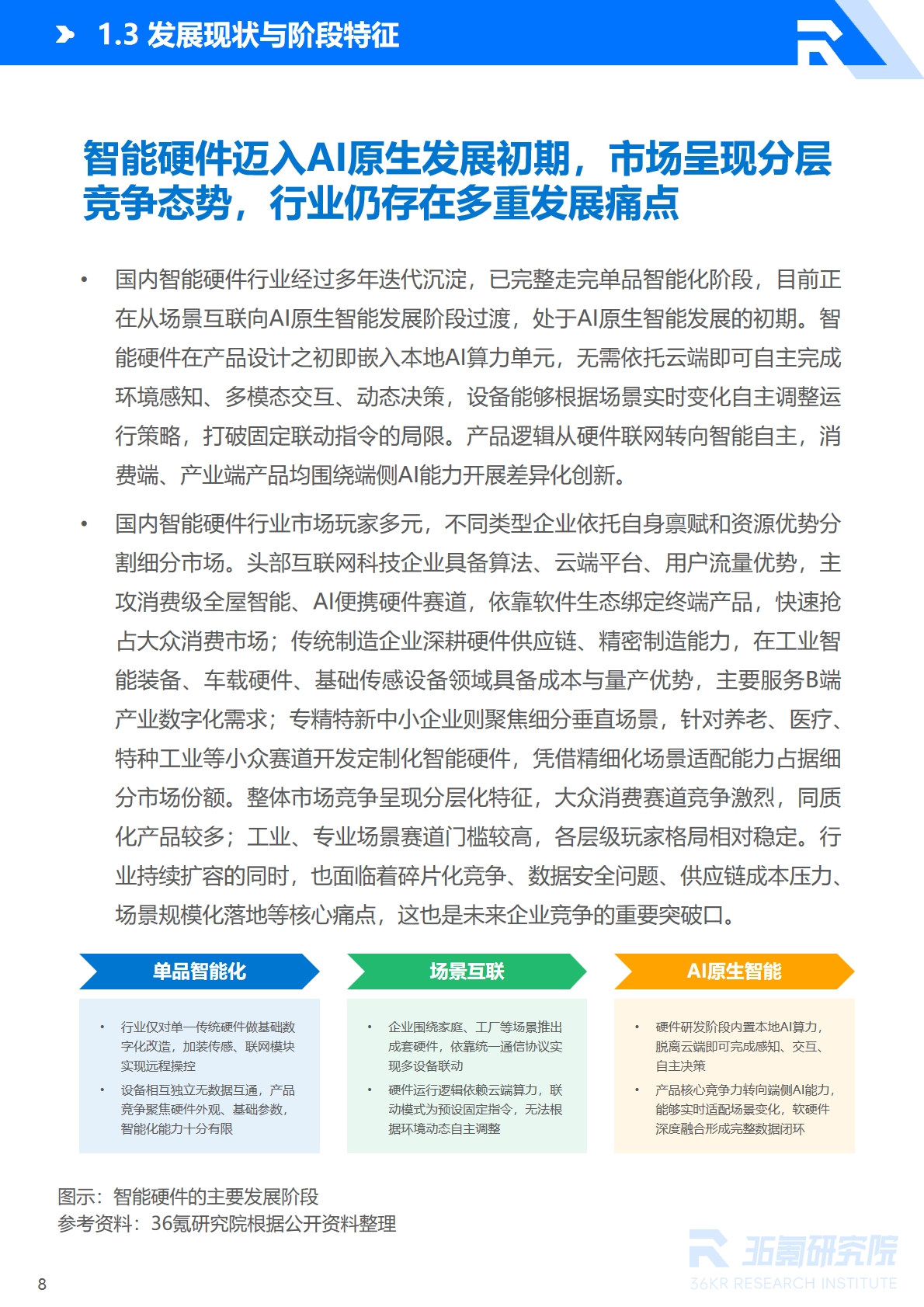
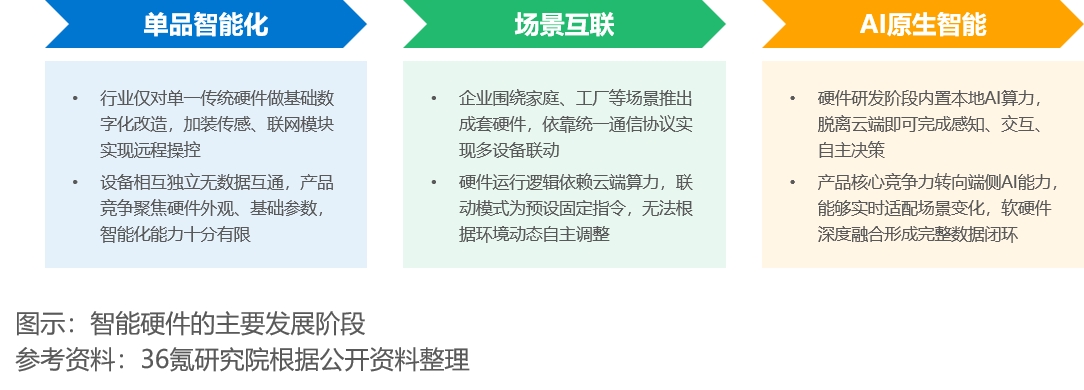
China's domestic smart hardware has fully completed the stage of individual product intelligence, and is currently transitioning from scenario interconnection to the AI-native intelligence stage. The new generation of smart hardware embeds local AI computing power units at the R&D stage, which can independently complete environment perception, multi-modal interaction and dynamic decision-making without relying on the cloud, breaking the limitations of traditional fixed linkage instructions. The core competitiveness of products has shifted from hardware specifications and parameters to end-side AI experience. Both the consumer end and the industrial end carry out differentiated innovation around local autonomous intelligence capabilities, and the entire industry has entered a critical node of intelligent paradigm switching.
The value pattern of the entire industrial chain is deeply reshaped, and the coordinated upgrading of the upstream, midstream and downstream breaks the growth boundary
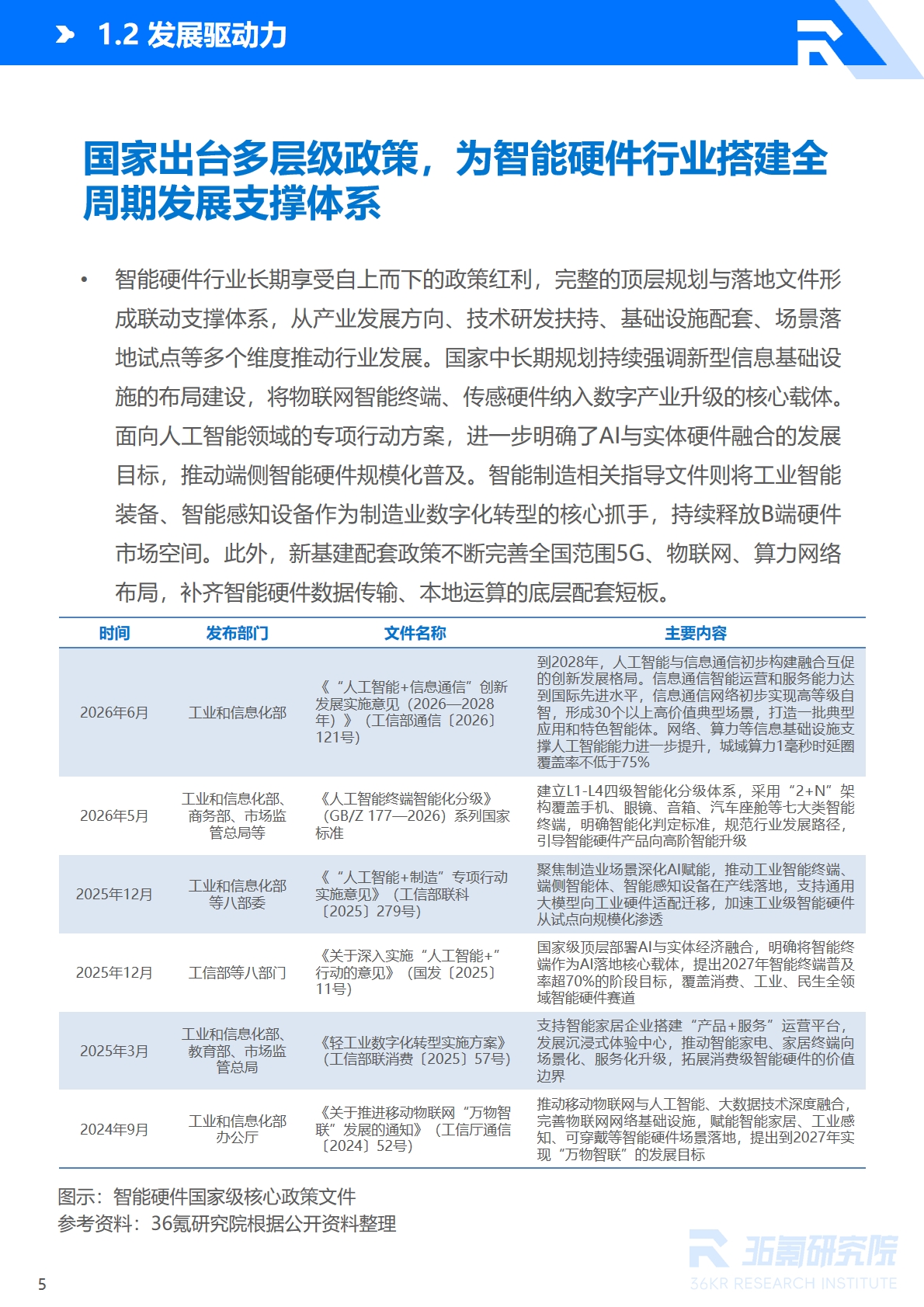
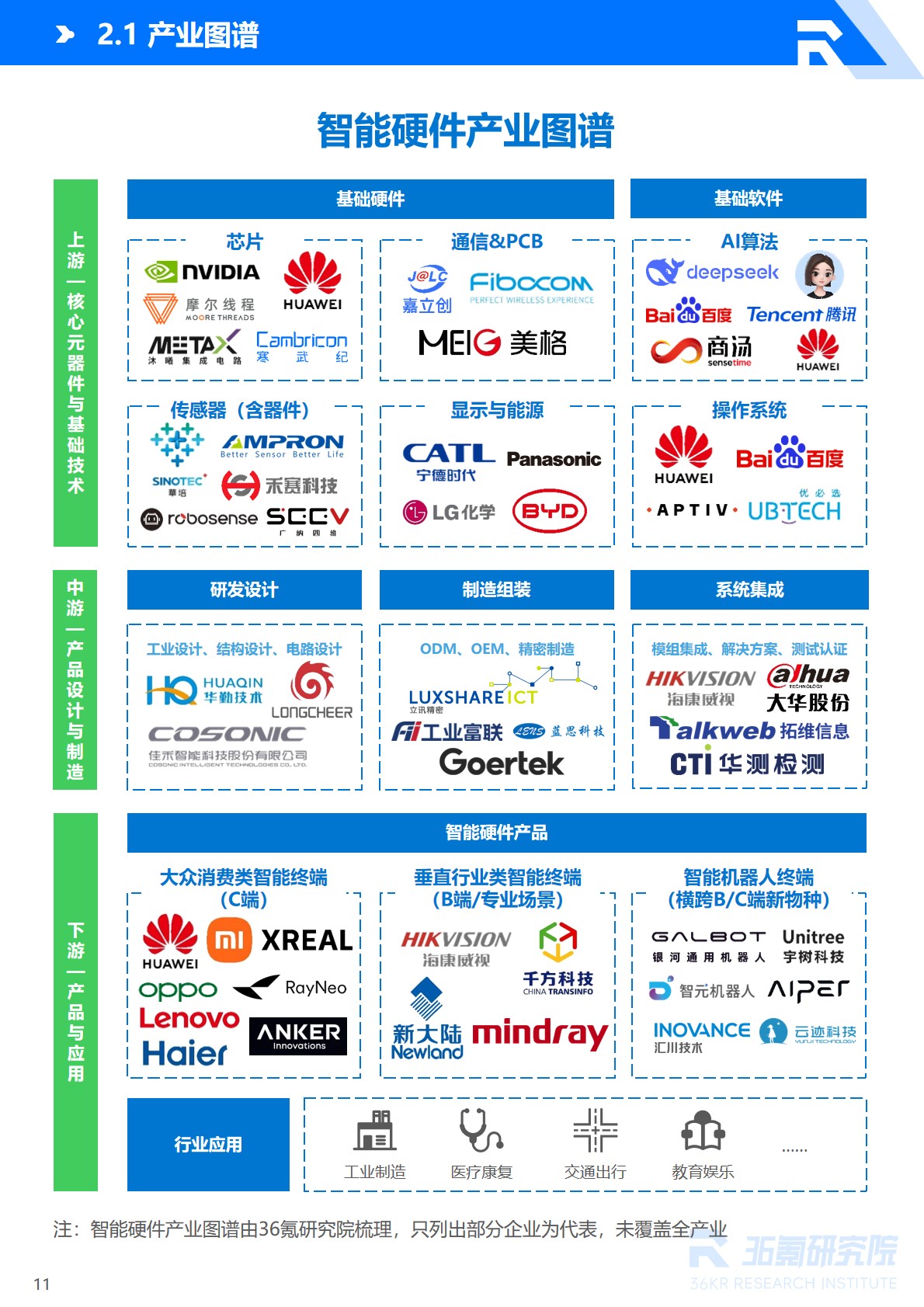
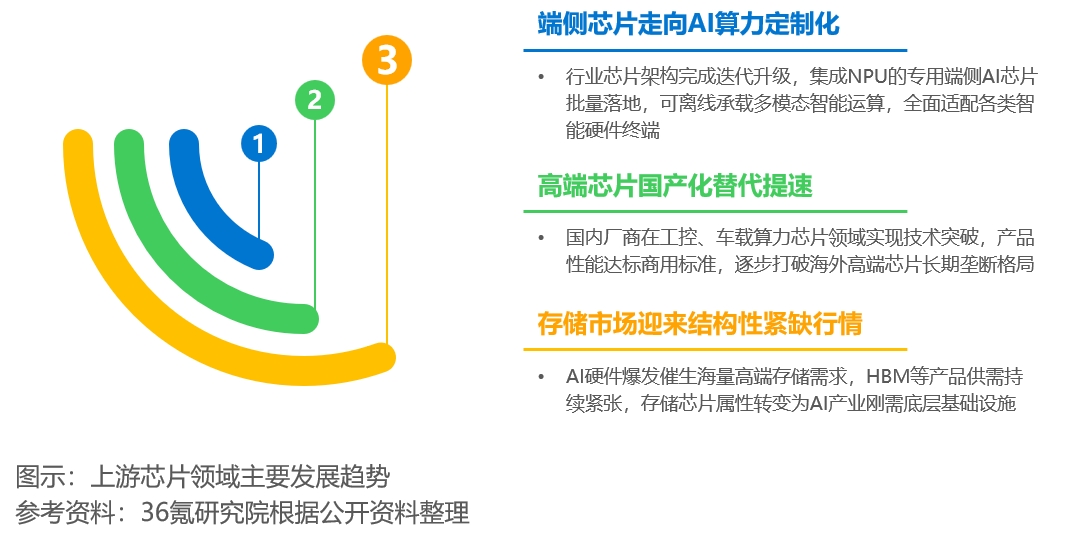
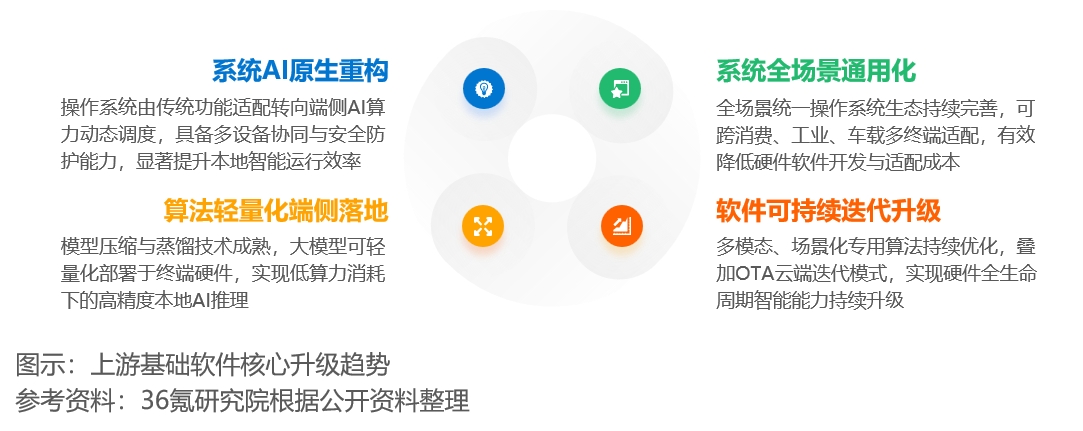
Upstream core components continue to iterate towards AI customization, high integration and domestic production, and embedded systems and AI algorithms complete native adaptation synchronously, building a solid technical foundation for terminal products; the R&D, manufacturing and integration links in the midstream break through the value depression along the main lines of hardware-software collaboration, flexible efficiency improvement and scenario value-added, reversing the low gross profit dilemma of traditional manufacturing links; downstream terminals penetrate deeply into multiple scenarios, and the entire industrial chain is upgraded from single hardware manufacturing to integrated hardware-software value operation. The collaboration of all links opens up the long-term growth space of the industry.
Both consumer and industrial terminals are expanding, and intelligent robots have become a new growth species spanning both B-end and C-end
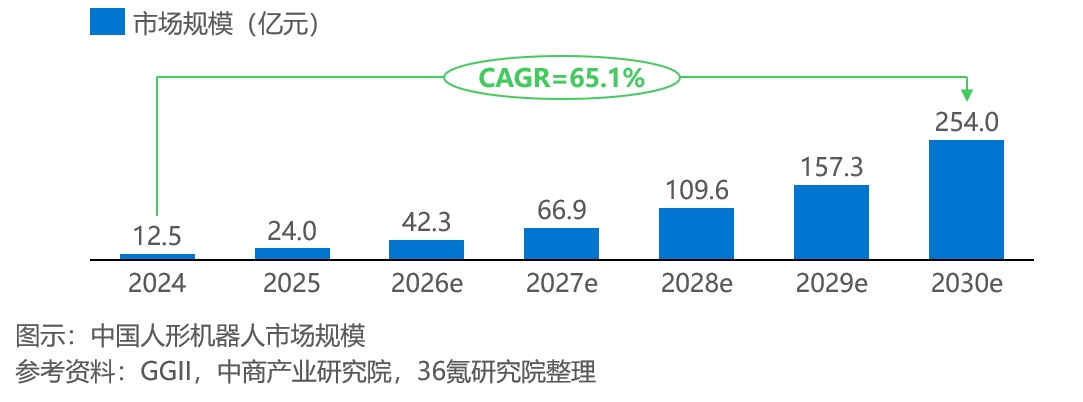
At the consumer end, AI capabilities are sinking at an accelerated pace in smartphones, AI PCs, smart home devices and wearable devices, and the interactive experience is upgraded to be imperceptible and proactive, driving the replacement demand in the stock market; at the B end, vehicle-grade terminals and industrial manufacturing terminals are evolving towards high-computing-power edge intelligence, deeply supporting industrial digital transformation and releasing incremental enterprise procurement. As a new track with both consumer and commercial attributes, non-humanoid intelligent robots have achieved large-scale implementation, and humanoid robots are on the eve of volume expansion, becoming the core new driving force driving industry growth across scenarios.
The overseas expansion model has completed value upgrading, and AI capabilities build new barriers for the global competition of China's smart hardware
China's smart hardware going global has broken away from the path dependence of traditional low-price OEM, and entered a high-quality development stage of "born global". Enterprises anchor the global market at the product definition stage, output localized AI services and scenario solutions with hardware as the carrier, pre-layout compliance and jointly build overseas industrial ecology, and gradually form a two-way cycle where overseas market verification feeds back domestic innovation, with global competitive advantages shifting from cost efficiency to the composite value of technology, ecology and services.
The key research issues of this report are as follows:
• What are the core driving forces promoting the development of China's smart hardware industry?
• What stages has the development of China's smart hardware industry gone through, and which stage is it currently in?
• What are the new development trends in the upstream, midstream and downstream of the smart hardware industrial chain respectively? What links constitute the upstream, midstream and downstream of the smart hardware industrial chain?
• What are the main participants in the smart hardware market? What are the respective competitive advantages and capability weaknesses of various types of participants?
• What are the representative enterprises in the smart hardware industry? What reference significance does their development path have for similar enterprises in the industry?
• Under the AI-native development stage, what are the core challenges faced by the smart hardware industry? How should the industry balance technological innovation and compliance risks?
• In the next three to five years, what development trends in technology, scenarios, market and other aspects will China's smart hardware industry present?
For more exciting content, please refer to the *2026 China Smart Hardware Industry Development Research Report*. Click download link, the extraction code is: wptf