Apple's AI glasses will make their debut at next year's WWDC, but the "privacy" issue will be difficult to handle this time.
Apple's first pair of AI glasses might meet us next June.
Bloomberg journalist Mark Gurman revealed in his latest "Power On" newsletter that Apple plans to postpone the launch of its smart glasses, codenamed N50, to WWDC in June 2027, with official sales not starting until the end of that year — a noticeably slower pace compared to the previously rumored "preview this year, launch next year" timeline.

Besides the unfinished hardware, Apple is also repeatedly weighing internally: when a camera is mounted on a person's face, how exactly can it avoid offending others?
"Keep or remove the camera" is a major dilemma
Around this pair of smart glasses, Apple has actually been going through a "To be, or not to be" style of internal trade-off, swinging between three completely different technical routes.
The first solution is the most conservative and safest — completely removing the camera.
In this scenario, the device can retain voice interaction, first-person perspective audio AI assistant, and music playback, directly avoiding all ethical controversies related to secret shooting and facial recognition.
But this also means the glasses will lose the visual perception capability for the surrounding physical world, degrading directly into a pair of Bluetooth headphones worn on the face.
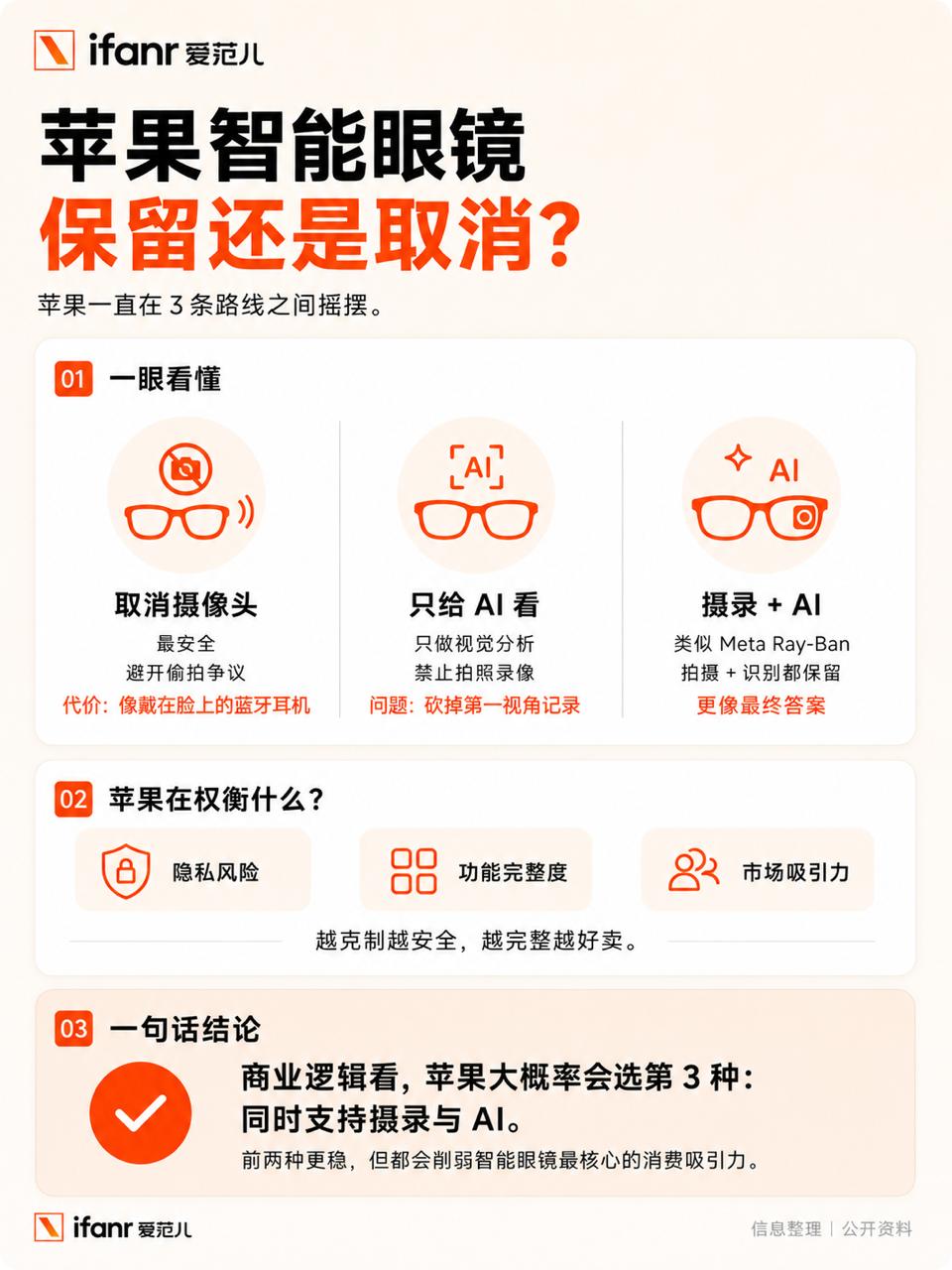
The second solution is to restrict the camera's permissions, limiting it exclusively to AI visual analysis, and strictly prohibiting users from capturing photos or videos. The footage captured by the camera will only temporarily flow in the local chip for object, text or scene recognition, then be discarded immediately.
This approach seems to balance functionality and restraint, but it completely wastes the most core consumer demand: first-person perspective shooting.
Meta's market validation has proven that one of the strongest motivations for users to buy smart glasses is exactly the hands-free ability to record life anytime, anywhere.
Therefore, business logic dictates that Apple will most likely choose the third option — similar to Meta Ray-Ban, supporting both recording and AI functions at the same time.
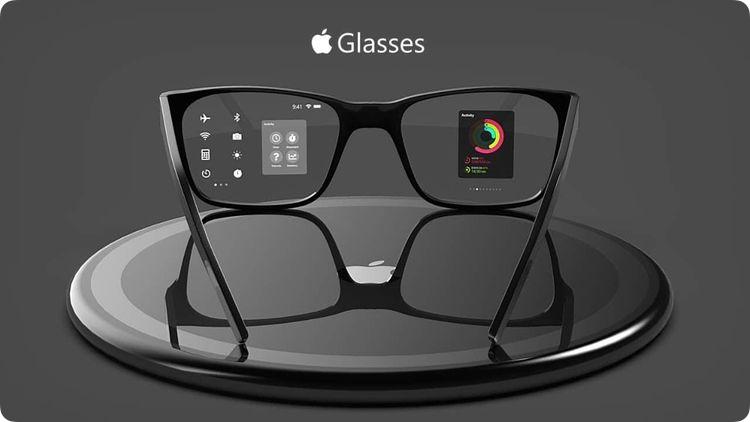
But this also means Apple has to bet its proud "privacy-first" brand on this controversial track.
Once the lens is built into the glasses, its impact goes far beyond the person wearing them — it affects every individual that appears in their field of view.
Privacy issues: The boomerang of the AI era
Even Apple, which constantly markets its safety and restraint in privacy practices and even regards privacy as a core asset, has not avoided missteps.
From the abandoned on-device photo CSAM detection mechanism that sparked surveillance concerns, to the Siri recording scandal that led to a $95 million settlement, to AirTag that was misused as a tracking tool forcing Apple to repeatedly patch reminder systems — all these incidents prove one thing: when a product gains the ability to enter the physical world, even a minor lapse in control can trigger intense public backlash.
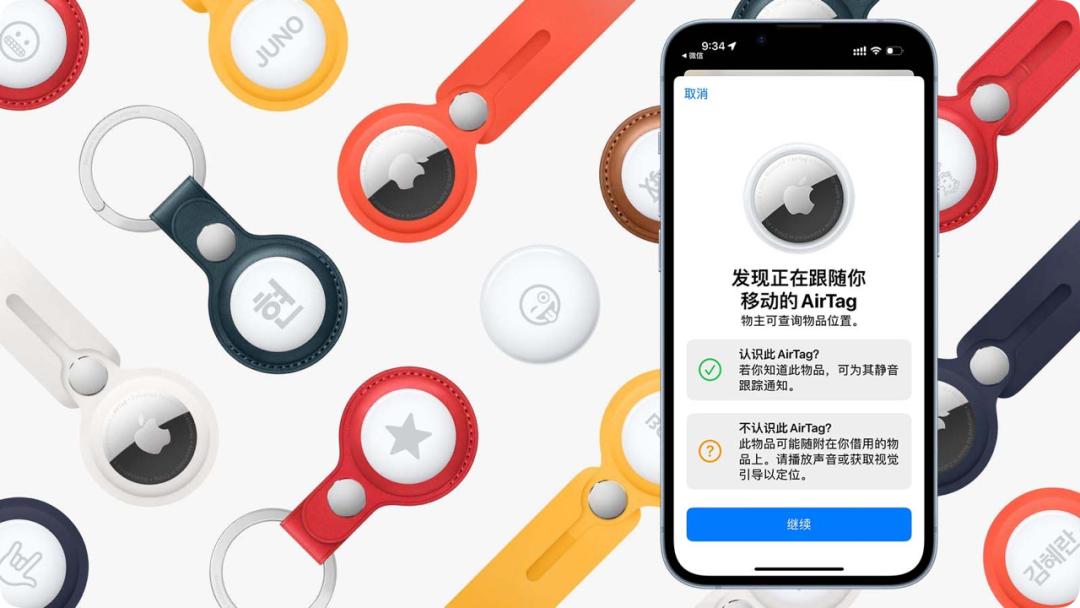
In the fields of smart glasses and AI, the risks brought by such misuse are rapidly turning into real-world scandals.
This loss of control has already shown its tip of the iceberg in East Asian exam venues.
Previously, a cheating scandal broke out during Waseda University's entrance exam in Japan, where examinees used smart glasses to secretly take photos and send exam papers in real time to external AI for problem-solving.
And in this year's just-concluded national college entrance exam, multiple local education examination authorities released unprecedented new security check regulations — provinces and cities including Guangdong, Shanghai and Hubei required all examinees wearing frame glasses to remove their glasses voluntarily under surveillance cameras for dedicated inspection.
From exam cheating to public secret photography, once a few-millimeter-wide lens is disguised as an ordinary spectacle frame, hardware-level misuse can hardly be restrained by moral self-discipline alone.
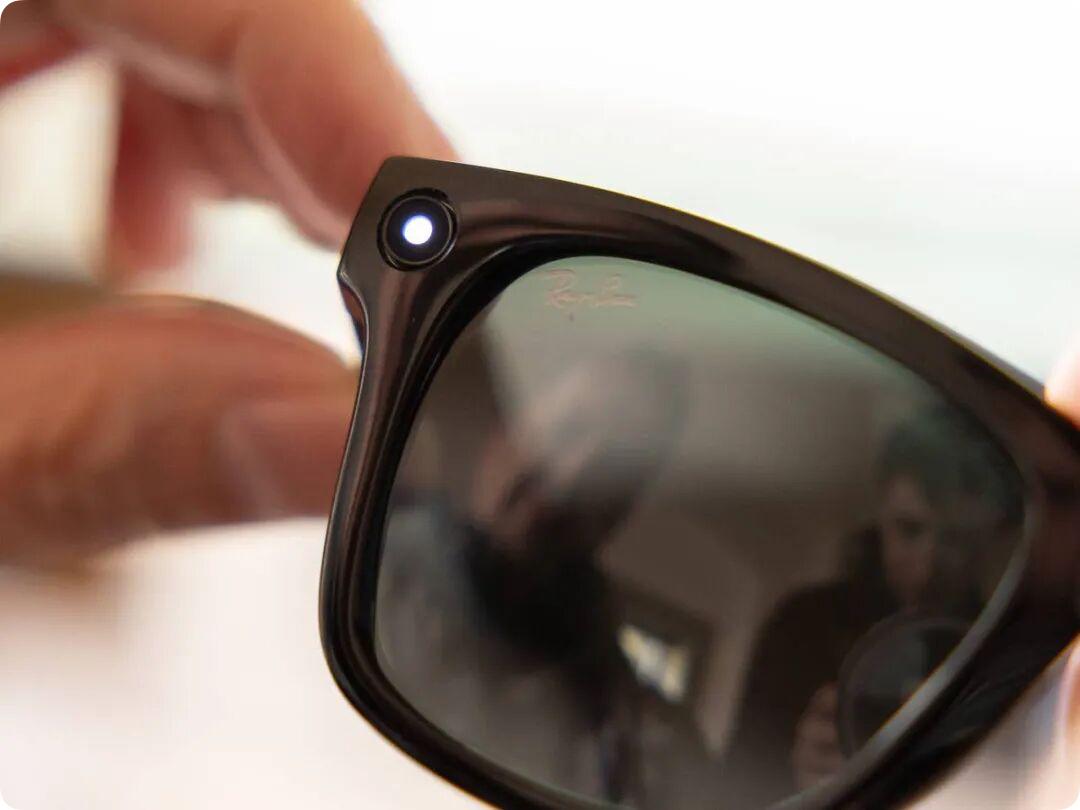
In July this year, Meta announced an update to protection mechanisms for its Ray-Ban smart glasses, which will force the camera to shut down immediately if it detects the recording indicator light has been damaged or tampered with.
The fact that the industry has to design dedicated defense mechanisms specifically for people who might remove the indicator light, exactly demonstrates that building public trust relying on a tiny light bulb is extremely fragile.
And its newly released Muse Image AI tool also triggered widespread public outcry for arbitrarily accessing portrait images from public Instagram accounts to generate images, forcing Meta to issue a public apology and urgently pull the tool offline days later.
The deeper crisis lies in that the contractual logic that traditional consumer electronics relies on for survival has completely failed in the face of wearable devices.
The privacy system of traditional consumer electronics is built on "user authorization". You check the agreement, the manufacturer provides services, which seems like a fair transaction — but here we have to ask another question: do we really have a choice?
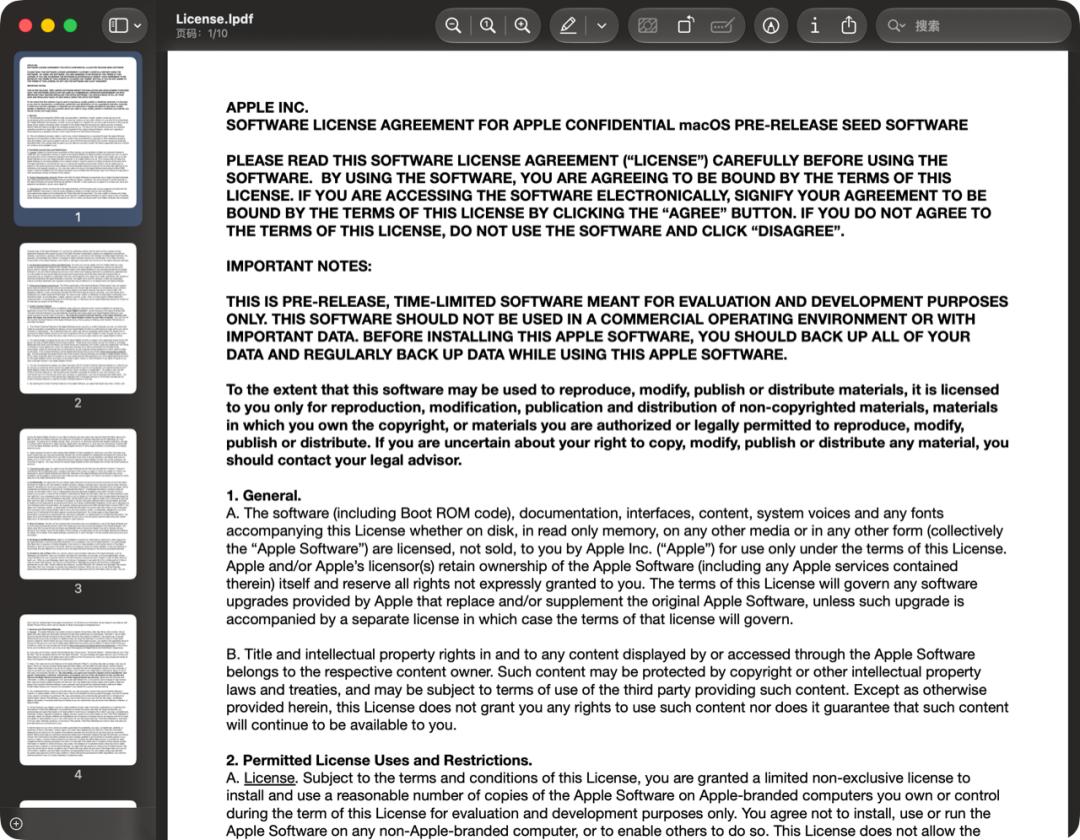
Figure | Apple macOS Software Agreement
Most service terms start with dozens of pages, acting like a text maze built by legal teams. Users either bite the bullet and click agree, or return the product directly, with no room for negotiation whatsoever.
Manufacturers can even go back on their promises at any time.
In April 2025, Meta directly revised its privacy policy, forcibly revoking users' option to cancel voice data retention, while setting AI camera as enabled by default. Don't want to be recorded? The only solution is to completely disable the voice assistant.
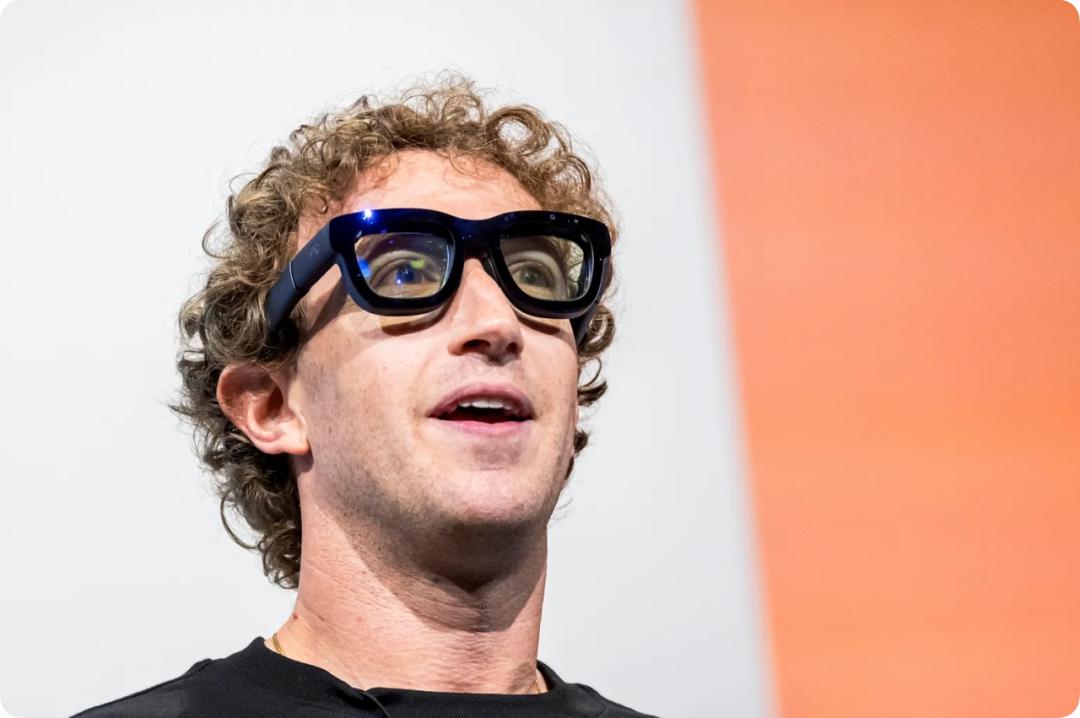
If even paying users who bought the device are this passive, those strangers who are accidentally captured in the camera have even less possibility of having any choice.
A class-action lawsuit accepted by a California court this March (Bartone et al. v. Meta) has laid this dilemma bare.
The plaintiffs sued Meta, because they discovered that the family videos promised to be "strictly confidential" were actually packaged and sent to data labeling factories in Kenya, to be manually reviewed by outsourced workers earning meager monthly salaries.
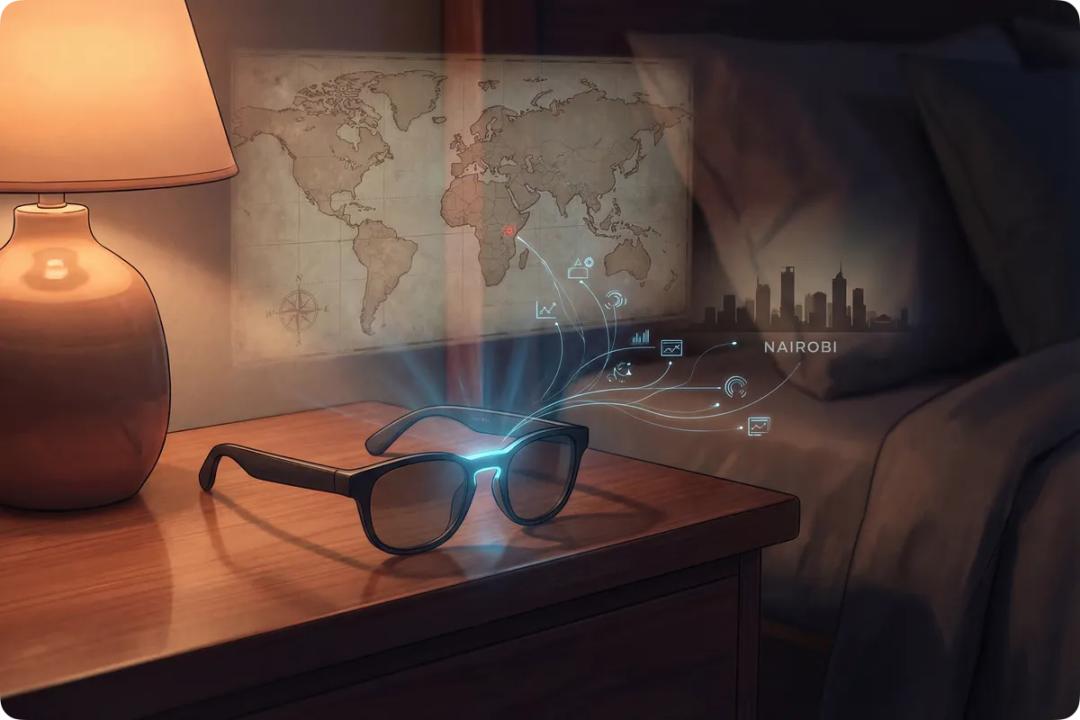
One labeler recalled in court documents that he reviewed a very awkward video: the male owner casually left his glasses on the bedroom nightstand and went out, then his unsuspecting wife entered the room to change clothes — the entire scene was fully captured by the glasses, and finally presented on a stranger's computer screen across half the globe.
Purchasers think they are getting the convenience of hands-free recording, but partners, passersby and strangers under the lens are unknowingly deprived of their right to know, and even forced to become free training materials for AI models.
Can Apple's private cloud give strangers a sense of security?
Facing the smart glasses form factor, Apple's most likely solution is to reuse the security framework of Apple Intelligence — relying on its self-built Private Cloud Compute, paired with local chips, to ensure that data collected by sensors runs under end-to-end encryption, and is never reported to third parties or used for model training.

But this combination of technical measures still has gaps it cannot fill.
The technical architecture can only solve "where the data goes", but cannot answer "why the lens is filming me". For someone sitting opposite the glasses wearer, there is no essential difference whether the data is stored in a local chip or a server in Silicon Valley.
As long as that lens is pointing at them, the data collection has already happened.
This reveals a long-overlooked paradox in the wearable AI era: tech companies have been trying to secretly replace "public privacy issues" with "personal data security issues".
In the past, typing, taking photos, and voice searching were all explicit interactions. Taking photos with a phone requires taking out the device, raising your arm, and aiming at the target — this action itself is a public signal, allowing people around to clearly judge and decide to avoid or stop the behavior.
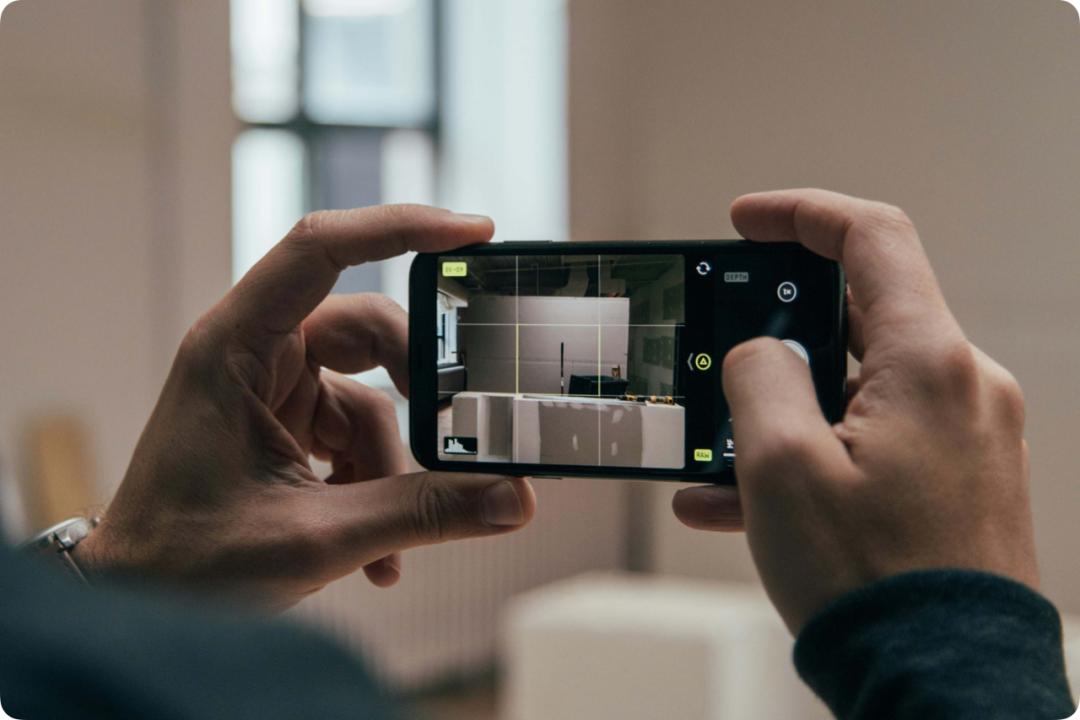
Figure | charlesdeluvio @ Unsplash
But smart glasses hide all these actions into the most everyday behavior: "looking".
When data collection becomes hidden and imperceptible, the boundary of privacy no longer depends on how users configure their software, but on whether bystanders are forced to give up control over their own portraits and daily lives.
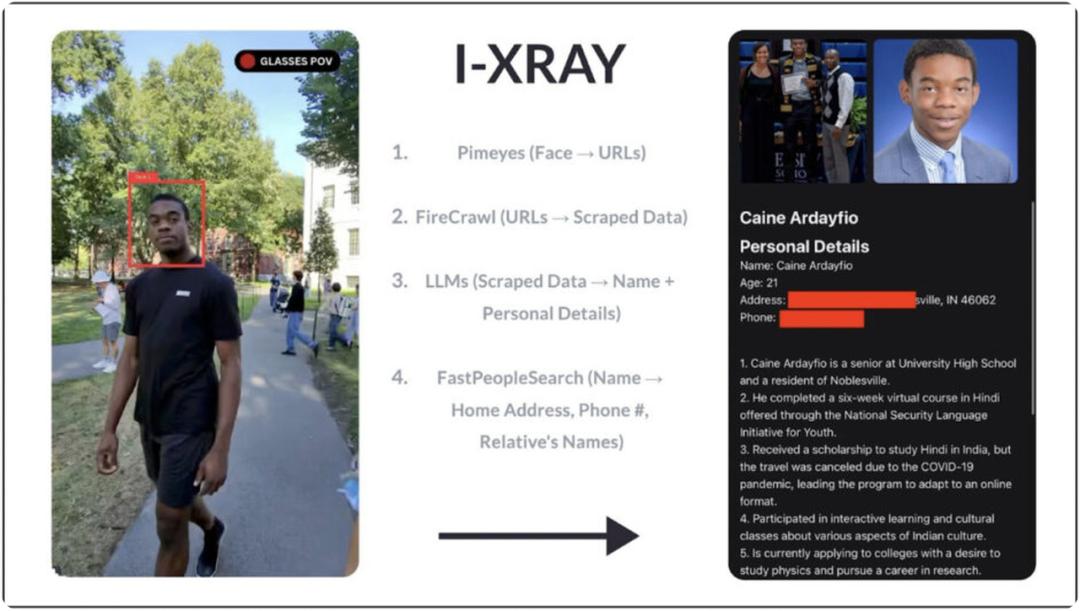
Figure | I-XRAY smart glasses developed by Harvard students, which can access strangers' personal privacy with just one glance
When tech companies cannot provide a sense of security through product design, public spaces will spontaneously build their own firewalls.
From dedicated inspections at college entrance exam security gates, to restrictions in hospitals, gyms and even cruise ship children's areas, bans targeting smart glasses are spreading globally. This is not the public rejecting new technologies, but society using the most primitive physical shielding to respond to a borderless, imperceptible intrusion.
Previously, a consumer electronics product only needed to satisfy paying customers to naturally enter all scenarios; but for a pair of AI glasses worn on the face, the willingness of paying users is just the most basic admission ticket. What it truly needs to obtain permission from is every stranger in the entire public space.
If smart glasses want to truly evolve from geek toys into mass daily life, they cannot become destroyers of public trust.
For Apple and the entire industry, the "To be, or not to be" dilemma for the camera is no longer just a technical route choice, but the ultimate proposition that determines whether this device can survive in public spaces.
If Apple wants to sell these glasses to consumers, talking about technology alone is not enough — it has to first give society a reason that makes it easier to accept this product.
This time, Apple has once again reached the crossroads of technology and humanities.
This article is from WeChat official account "ifanr" (ID: ifanr), written by the team that discovers tomorrow's products, and published with authorization from 36Kr.