Are Smartwatches Trapped by "User Patience"?
"This year, I must stick to exercising!"
At 1 a.m., Lin Yue typed down her 13th New Year resolution for 2026 in her phone's memo.
She put down her phone, pulled out the smartwatch that had been gathering dust in her bedside drawer for months, and skillfully charged it, turned it on, and slipped it onto her wrist. The last workout data recorded from her previous wear session dated back months ago: a 2.3-kilometer morning run that sent her heart rate soaring to 165.
This wasn't the first time she'd revived the watch. In the first week after buying it, she checked her fitness ring completion every day, eager to fill every activity gap. In the second week, she forgot the charger while traveling and missed two days of tracking. In the third week, work got busy, and the watch gradually slipped from her mind. A month later, it ended up quietly tucked away in the drawer...
It wasn't until last week, when her physical exam report included a note saying "exercise is recommended", that she remembered the watch again.
In 2026, the smartwatch industry is also living a dual life.
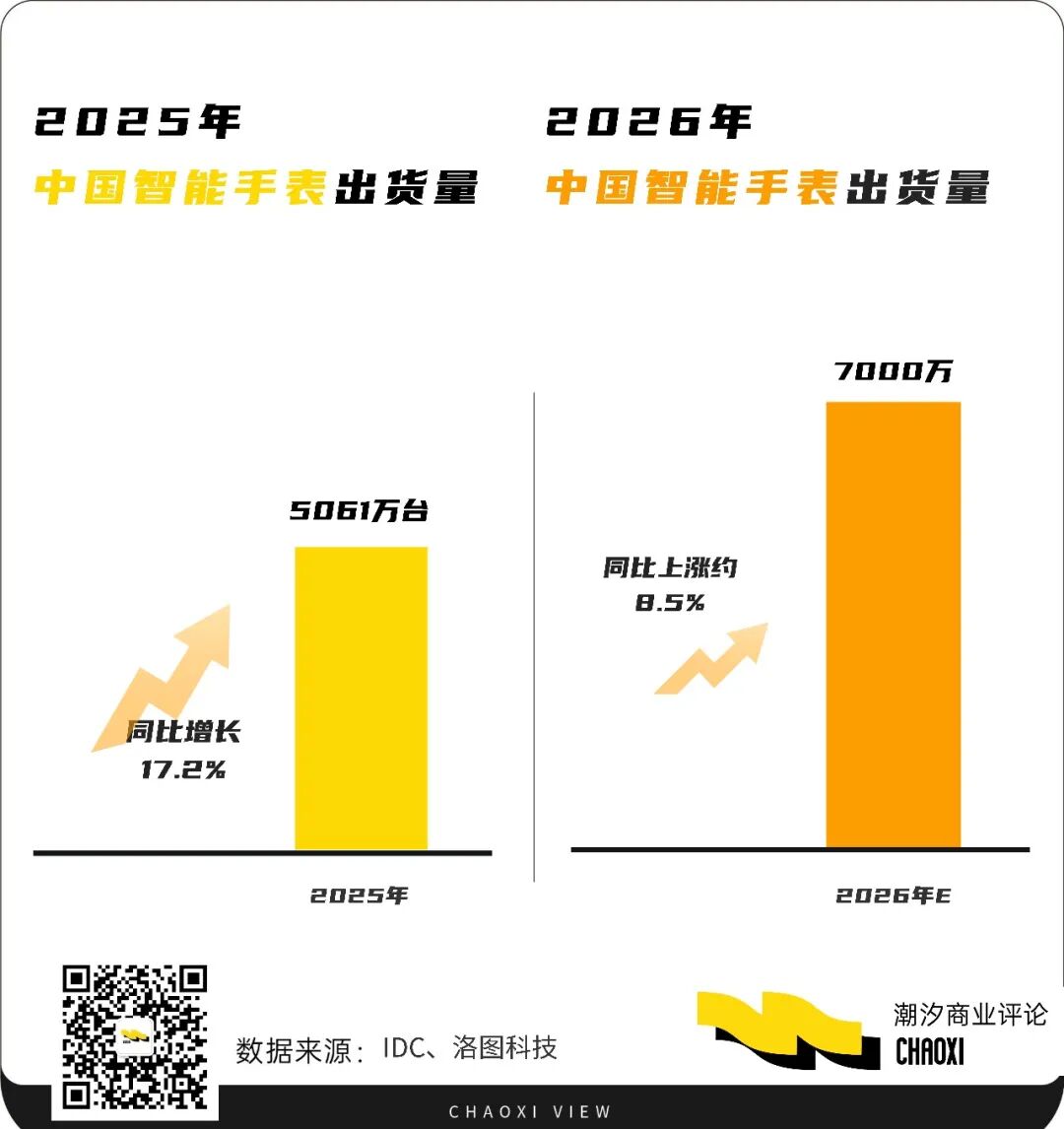
On one hand, the market is thriving as the industry moves from the introduction phase to widespread adoption. According to IDC data, China's smartwatch shipments reached 50.61 million units in 2025, up 17.2% year-on-year. Luo Tu Technology predicts that in 2026, total sales of smartwatches and bands across all online and offline channels in China will exceed 70 million units, a roughly 8.5% year-on-year increase.
At the same time, all domestic smartphone makers have entered the market. In Q2 2025, Huawei overtook Apple for the first time with a 21% global market share, taking the top spot in shipments. Honor, Xiaomi, OPPO, and Vivo followed closely behind, forming a full-price-range product matrix from premium medical-grade models to budget entry-level options. Among them, Honor Watch 6 Plus's pulse wave atrial fibrillation and premature beat reminder function has passed China's Class II medical device registration certification, with no calibration required for blood pressure risk assessment — a report can be generated after 3 days of continuous wear. Huawei WATCH D2 and WATCH D3 have also obtained NMPA Class II medical device certification. Medical-grade certification for smartwatches is no longer just theoretical.
It seems like smartwatches have entered their golden age. But on the other hand, there's a widely acknowledged user reality: a large number of smartwatches quickly end up gathering dust shortly after purchase. While different survey datasets vary slightly, they all point to the same trend: a significant proportion of users stop wearing their watches after a few months.
This golden age colliding with the fate of disuse — the stark contrast between prosperity and idleness — reveals the core challenge of the smartwatch industry as it evolves from a tech novelty to an everyday essential: when the novelty wears off, what truly makes consumers "keep wearing"?
The smartwatch industry is standing at a delicate crossroads.
01 Users don't have much "patience" for smartwatches
When Lin Yue's watch was gathering dust in the drawer, it had no idea what it did wrong.
This watch can do far more than just tell time and measure heart rate. It can make payments, control phone cameras, track stress levels, remind users to drink water, and even help locate a misplaced phone — but Lin Yue never used any of these features. It's not that there weren't enough functions; she simply didn't have the patience to unlock them one by one.
This is arguably the most awkward truth of the smartwatch industry: manufacturers develop 100 features, but users only discover 10 of them; and most users don't even have the patience to use 5 of those 10.
For example, users enthusiastically explore various functions in the first two weeks, then narrow down to 2 or 3 frequently used ones by the third week. After the fourth week, their perception of the watch's capabilities becomes fixed: it is what it is, and nothing more.
Data from LeadLeo Research Institute's *China Smartwatch Industry Research Report* shows that among global smartwatch user preferences, health and fitness tracking tops the list with an 82% usage rate, followed by notifications and reminders at 79%, communication and calls at 65%, mobile payment at only 37%, navigation at 34%, and sleep tracking as low as 26%.
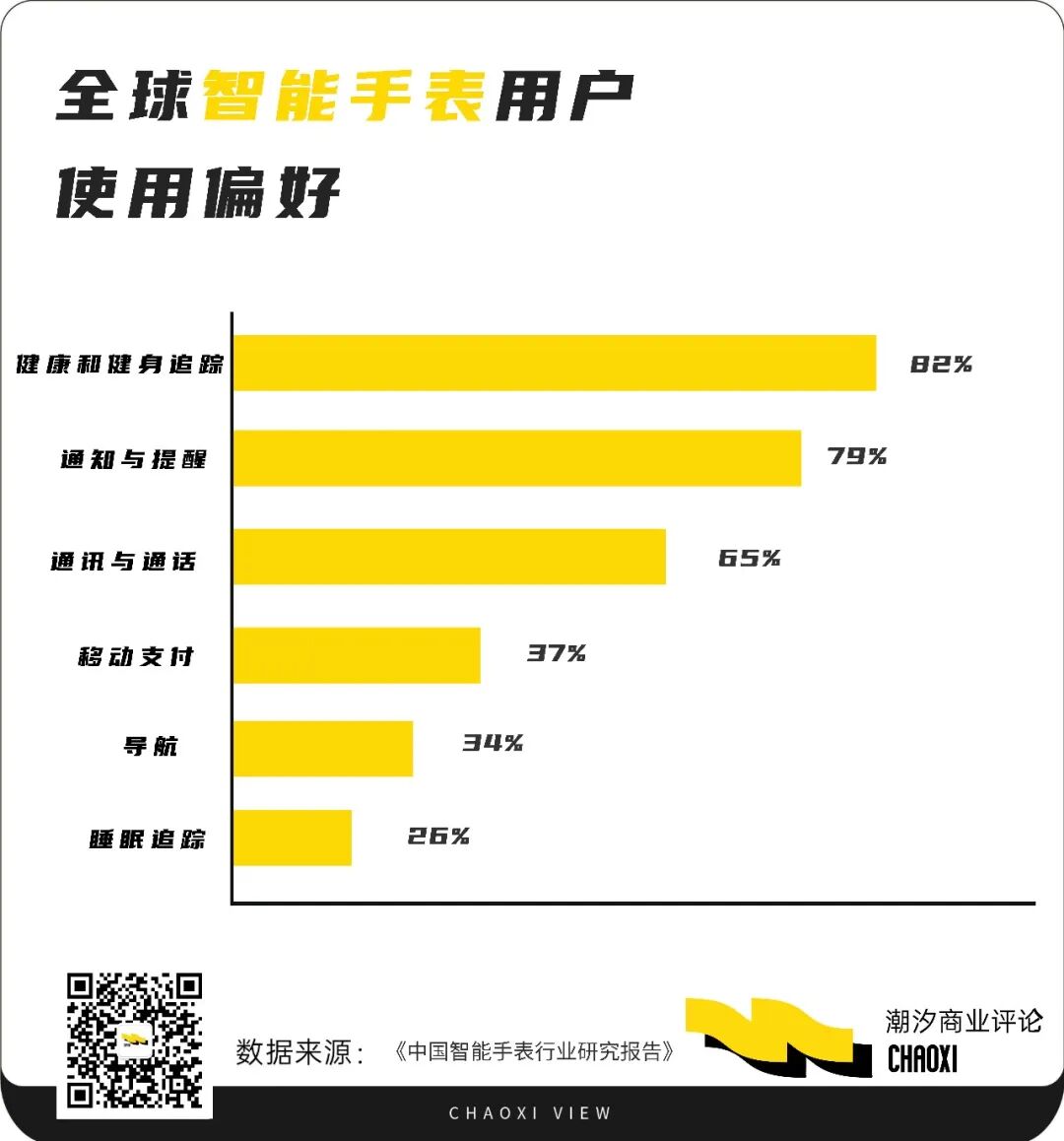
The flip side of this data is that differentiated features polished with massive R&D resources — like stress analysis, sleep stage interpretation, and blood oxygen trend alerts — often go from activation to oblivion for most users, abandoned after just one experience of "can't find the entry", "this data seems inaccurate", or "it doesn't feel very useful after all"...
Consumers only explore 20% of their watch's capabilities, but only have 10% patience for it. This imbalance is where the "gathering dust" story truly begins.
Of course, some people do keep wearing their watches. As a second screen on the wrist, smartwatches are not just tools — they can also signal social status. Apple Watch succeeded early on by targeting tech trendsetters and the middle class, while Huawei Watch GT built its reputation among business elites.
But this social currency has an expiration date. Once everyone has one, its scarcity vanishes. So when the social appeal fades, what ultimately keeps users wearing their watches must be functional value.
So what's the root cause of disuse? The product itself has inherent limitations.
A 1.5-inch screen is packed with features comparable to a smartphone, resulting in deep menu hierarchies and long navigation paths. Every extra tap drains the user's already limited willingness to explore. The more features there are, the higher the discovery cost — and the fewer functions users actually end up using.
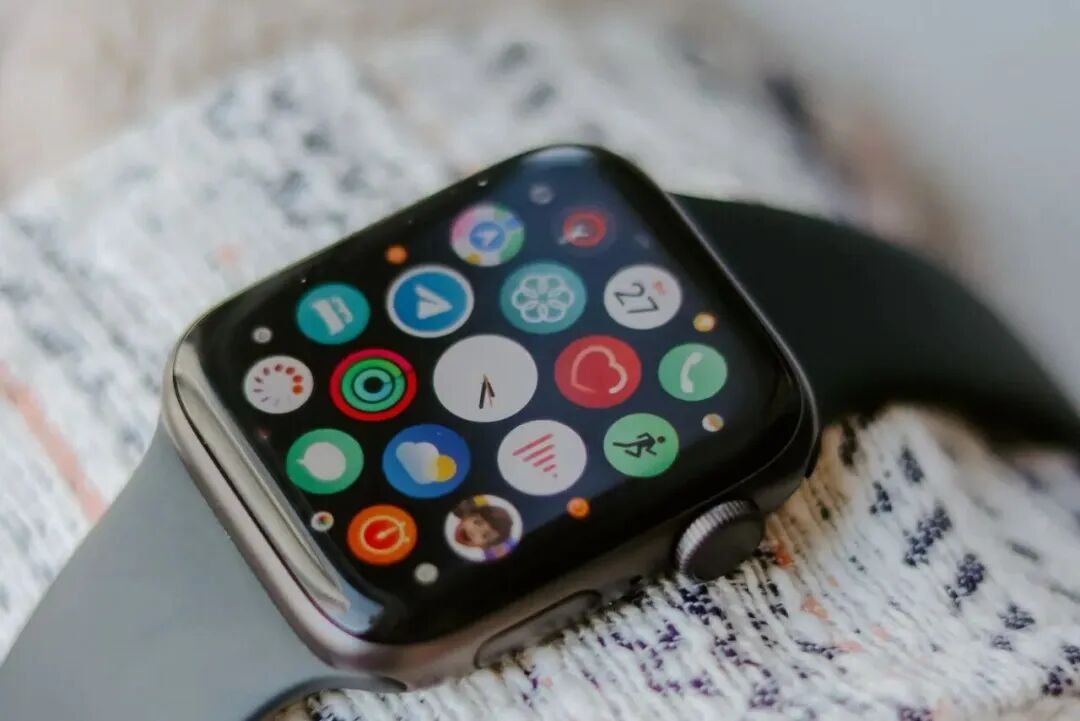
Furthermore, watches are good at telling you "your heart rate is high" or "you only got 45 minutes of deep sleep", but rarely tell you what to do next. When none of the 10 notifications translate into actionable steps, the data shifts from caring reminders to annoying noise. Users learn to ignore them, swiping away alerts without even looking when their watch vibrates. Disuse is essentially self-protection after information fatigue.
As a tool, the watch isn't essential — 90% of its functions can be replaced by a smartphone. As an accessory, it's not distinctive enough, with generic watch faces that fail to reflect personal identity. When people buy a smartwatch, they imagine a better version of themselves. But when they wear it, they find it neither empowers them nor enhances their style. With weak practical value and low emotional satisfaction, the watch only has two fates: gathering dust, or being sold. Most people are too lazy to sell it, so it just collects dust.
In the eyes of most users, smartwatches have failed to establish intrinsic value independent of "external health scares".
02 From parameter overkill to real-world utility: smartwatches' path to redemption
But disuse was never meant to be the final chapter of the smartwatch story.
Ten years ago, there were only two names associated with smartwatches: Apple and Huaqiangbei. The former defined the premium market, the latter filled the low-price gap, and the middle market was virtually a desert. Back then, no one talked about user retention — the whole industry was still answering a more basic question: what on earth can this thing do?
Today, that desert has long turned into a battlefield. Huawei, Honor, Xiaomi, OPPO, and Vivo have all entered the market, and their full-price-range product matrices capture users across all budgets and needs. Fierce competition has driven rapid innovation.
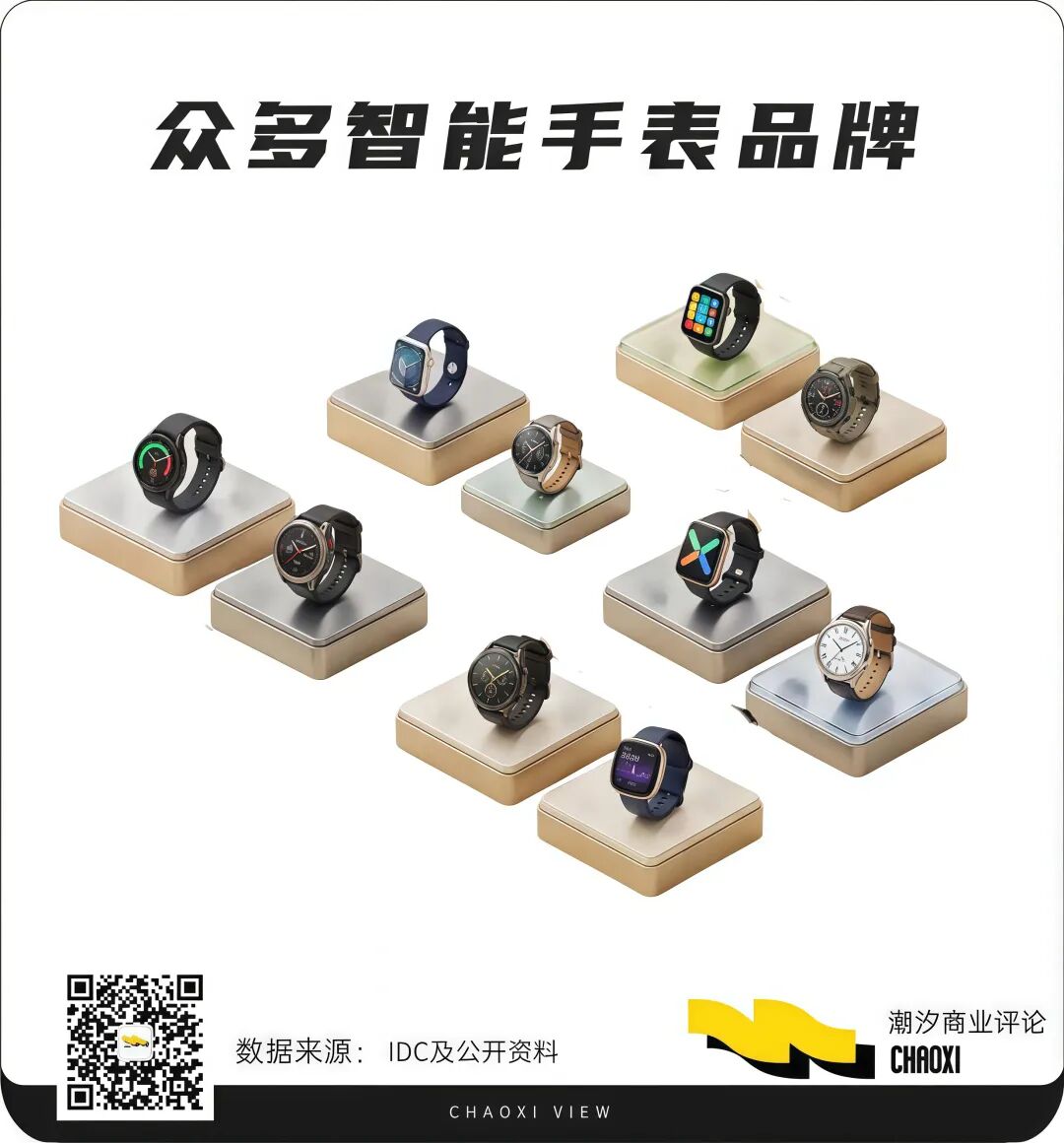
If past feature bloat came from not knowing where the product fit, today's innovation direction is to help the watch find an irreplaceable role in users' daily lives.
Xiao Li is a badminton enthusiast who plays twice a week, but he always felt like "I'm playing for hours without knowing what I'm doing". His old watch could only tell him "you burned 300 calories".
But modern smartwatches have evolved far beyond calorie counts. For example, Honor Watch 6 Plus's dedicated badminton mode can record over 20 specialized data points, including swing type, hit force, jump count, and movement trajectory, and generate an AI skill rating and post-match review report. Huawei TruSense system can also generate personalized workout suggestions based on real-time physiological feedback.
When users realize the watch can actually improve their skills and running pace, it stops being a dispensable accessory and becomes a must-have piece of gear they never want to leave behind.
At the same time, the watch's role has shifted from a mere notification tool to a guardian. As mentioned earlier, manufacturers are pushing for deeper medical-grade certification, improving product accuracy from reference-level to clinical-level, and supporting one-tap family sharing so loved ones can remotely monitor health status.
64-year-old Lao Zhang has high blood pressure, and his daughter bought him an Honor smartwatch. At first, he found it annoying: "It vibrates all the time, I'm not a sick person", and stopped wearing it after two days. Last month, however, the watch detected an abnormal heart rhythm in the middle of the night, woke him up, and sent an emergency alert to his daughter's phone. They went to the hospital for a checkup the next day. Now Lao Zhang wears it every day — not because he's become more disciplined, but because the watch makes him feel safe.
A watch that creates a sense of connected security for family members naturally has a far lower chance of being abandoned. Additionally, the long-criticized battery life issue has been solved: Honor Watch 6 Plus lasts up to 35 days on a single charge, and Huawei WATCH GT 6 delivers up to 21 days of use. The anxiety of daily charging is fading away.
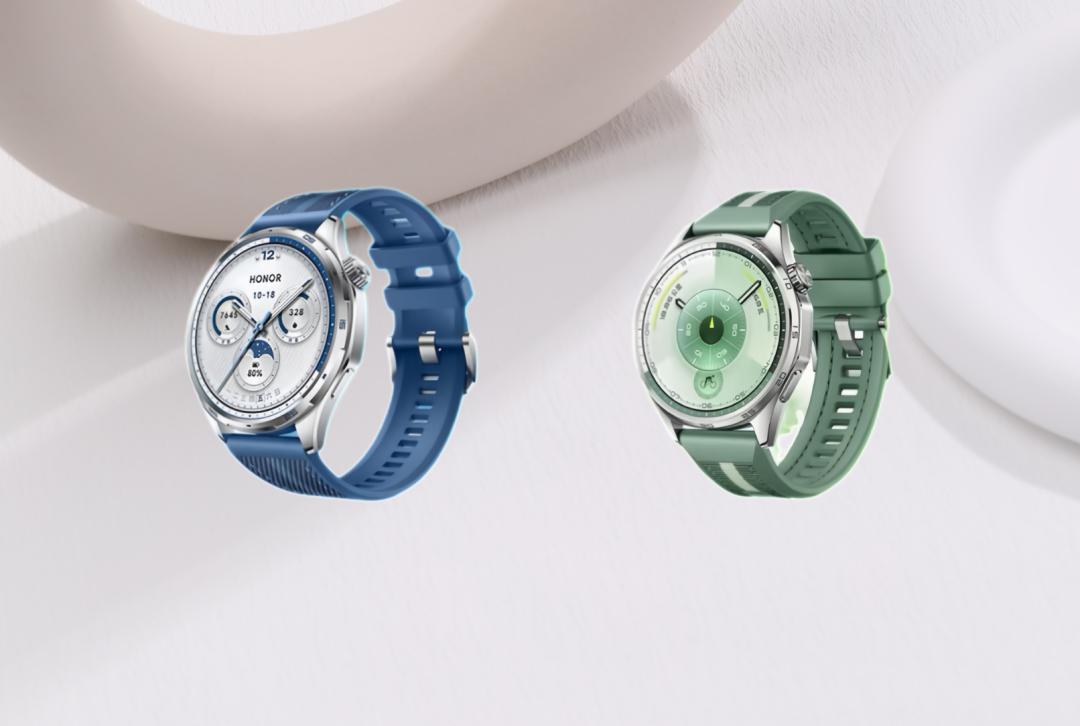
Photo / Left: Honor Watch 6 Plus, Right: Huawei WATCH GT6
Clearly, watches are finally no longer trying to replicate what smartphones do. They're becoming an extension of the phone, more convenient and more caring in specific scenarios.
Products are getting more powerful, but manufacturers are keeping prices consumer-friendly. Previously, a smartwatch with blood oxygen tracking often cost 2,000 to 3,000 yuan. Now, Honor Watch 6 Plus starts at 1,019 yuan after government subsidies, and Huawei WATCH GT 6 starts at 1,488 yuan — you can get medical-grade capabilities for under 2,000 yuan. Technology is becoming accessible far faster than consumers expected.
These changes signal that the smartwatch industry is undergoing a key cognitive shift: moving from focusing on what the product can do to what value it brings to users.
In the past, manufacturers competed on the length of their spec sheets, trying to cram in as many features as possible. Now, they compete on irreplaceability in real user scenarios. Can you tell me my backhand is a weak point when I play badminton? Can you alert me the moment my parent has an abnormal heart rhythm? Can I still have enough battery left after a 7-day hike?
The smartwatch's redemption journey is moving beyond preventing abandonment to rebuilding real value.
03 The "constant wear" obsession is a false premise
At this point, we seem to have hit a logical dead end.
Even though manufacturers have expanded their product narratives to cover every corner of daily life, they still can't seem to fully solve the problem of users abandoning their watches.
But then again, why should we avoid disuse? Is "constant wear" itself an overly demanding metric? Where is the real problem?
The reason smartwatches are so often criticized for gathering dust is that they've been burdened with an overly ambitious mission: to be the user's 24/7 health butler.
We see traditional watches as everyday accessories — you can wear them to match an outfit, or not wear them for weeks, and no one would dismiss their value just because you didn't wear them this week. But smartwatches are positioned to be tightly tied to users' lives. Human behavior is naturally variable: there are months when you're full of fitness motivation, seasons when you just want to laze around, periods when you're anxious about health metrics, and laid-back phases when you don't care much about anything.
Asking an electronic device to fight against the natural ebb and flow of human habits is inherently unfair. The "abandon-revive" cycle should be seen as a perfectly normal state for smartwatches in users' lives. Intermittent usage doesn't prove the product is useless — on the contrary, it validates its value in a different way. The watch isn't completely forgotten; it's still remembered when it matters most.
The true value of a smartwatch never lies in how long it stays on your wrist, but in whether it's there when you need it. The moment Lao Zhang is woken up by an abnormal heart alert at midnight, the moment Xiao Li finishes his badminton review and realizes his backhand weakness, the moment Lin Yue pays at a convenience store with a flick of her wrist... These moments of meaningful value matter far more than average daily wear time.
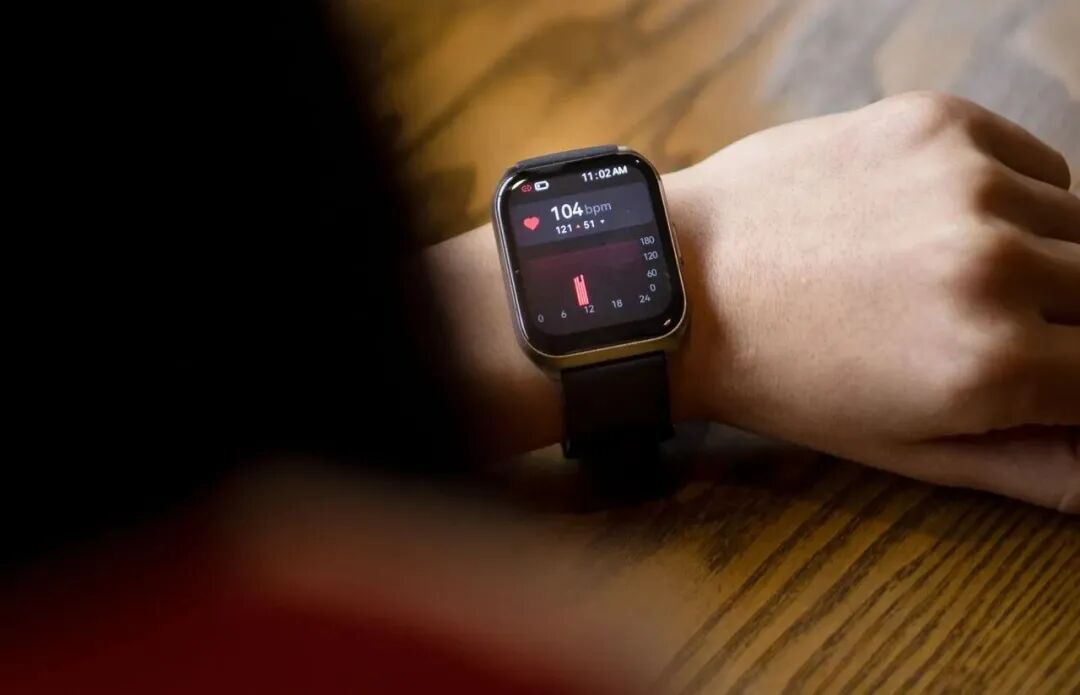
This doesn't mean smartwatches have to stay as sidekicks only useful in critical moments. As technology matures, scenarios expand, and prices become more affordable, they're evolving from intermittently remembered tools to daily necessities.
The underlying logic of this shift is clear: the more accurate AI algorithms become, the better the watch adapts to you. Honor's Starry Eyes perception system and Huawei TruSense system are both moving in the same direction — enabling watches to shift from passive tracking to active prediction, suggesting you rest before you realize you're tired, or guiding you to breathe before you feel anxious.
When the watch detects problems even earlier than