The trillion-yuan bidding and tendering track: How does Biaoxing AI Bidding Document solve the difficulties of tender writing?
While most AI startups are focusing on large models, conversational assistants, and content generation, a team has chosen a distinct path — using AI to write bidding documents. This seemingly niche segment hides a rigid-demand market with an annual scale exceeding 6.5 trillion yuan. The Biaoxing AI team, under Hualing Holdings Group, is gradually building its product logic in this track.
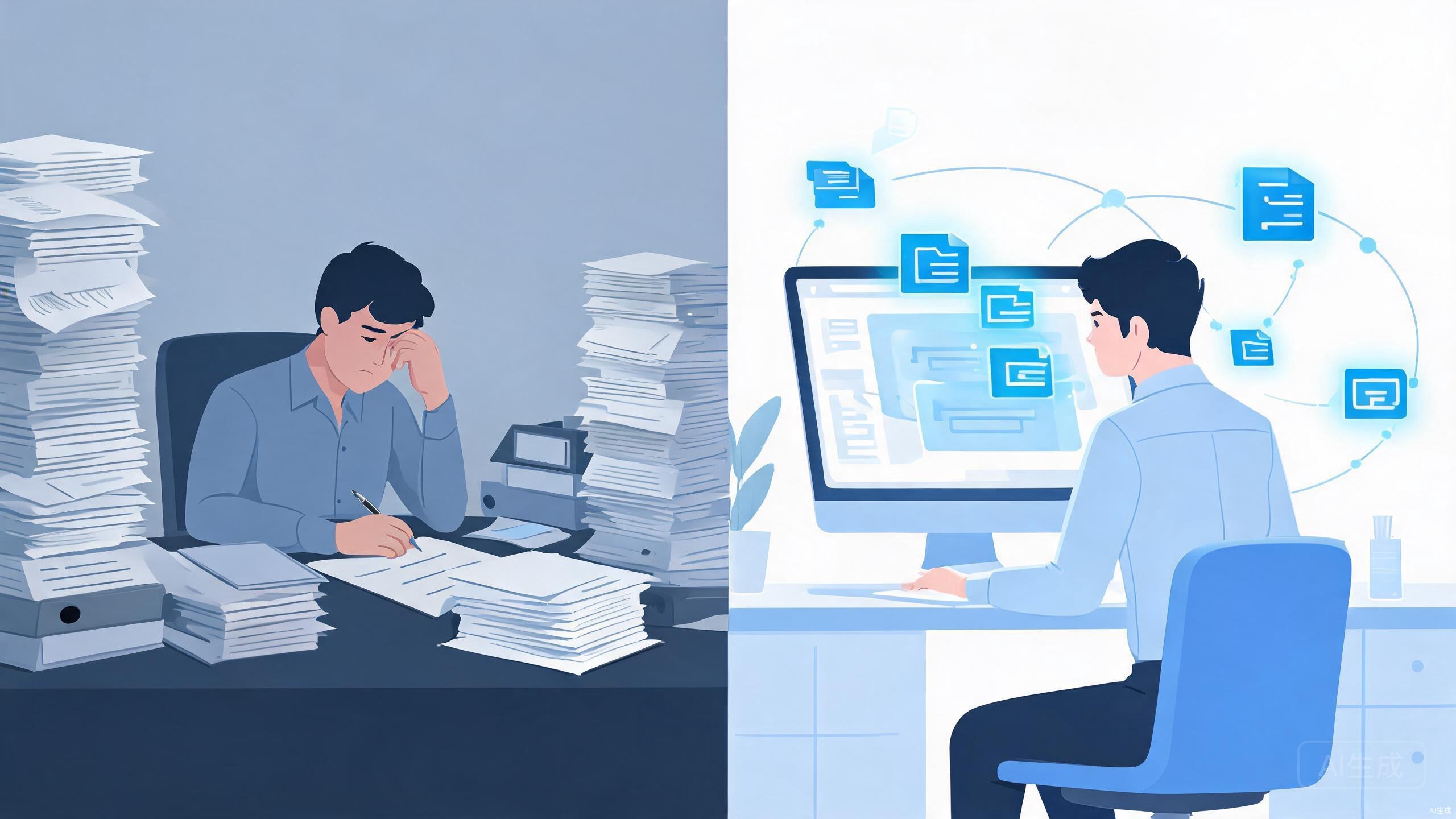
Efficiency transformation from traditional manual bidding document drafting to AI intelligence
The Overlooked Trillion-Dollar Efficiency Gap
The volume of the bidding market is often underestimated. According to 2025 data from the China Construction Industry Association, there are approximately 168,200 construction enterprises nationwide, with each participating in an average of 50 bidding activities per year. The overall national bidding market size in 2025 is estimated to exceed 6.5 trillion yuan. The preparation of bidding documents is precisely the most labor-intensive link in this huge chain.
In the traditional model, drafting a single bidding document often takes days or even dozens of days, and one person can usually only complete one document per cycle. When enterprises face concentrated bidding periods, they either temporarily assemble a bidding document drafting team or outsource the work, resulting in high costs, long cycles, and inconsistent quality. More critically, bidding document preparation is far from simple text piling — it requires drafters to deeply interpret bidding documents, accurately grasp scoring rules, and strictly comply with regulatory requirements. Under the traditional model, the quality of bidding documents highly relies on individual experience, making it difficult to systematically control the risk of bid rejection, which is particularly tricky for small and medium-sized enterprises.
Notably, as the construction of a unified national market advances and targeted support policies for small and medium-sized enterprises continue to generate incremental projects, the number of participants and projects in the bidding market is still growing, and the market demand for efficient and standardized bidding document preparation tools is accelerating. Against this backdrop, Biaoxing AI, under Hangzhou Biaoxing Tianxia Technology Co., Ltd., launched its AI intelligent bidding document writing tool in March 2025, and further introduced an AI bidding document inspection tool in 2026, quickly building a product matrix covering from preparation to review.
Product Logic: A Closed Loop from Generation to Review
From the perspective of product architecture, Biaoxing AI's approach is not complicated, but it excels in completeness. Its core revolves around two major capabilities: AI intelligent bidding document writing and AI bidding document compliance inspection. The product design closely fits the actual workflow of bidding operations, embedding AI capabilities into key nodes.
On the bidding document writing side, after users upload a bidding document, the system can automatically parse key information such as project overview, scoring rules, and bid rejection items, then generate the table of contents for the bidding document and complete the main text writing, supporting output with both images and text as well as online image search, compressing the traditional manual drafting cycle to minutes. The entire process is broken down into four steps: parsing the bidding document to extract core points, setting bidding document parameters and templates, intelligently generating the table of contents, and using AI to complete the main text writing and export with one click. This standardized operation process lowers the threshold for use, allowing even beginners with zero bidding experience to get started quickly.
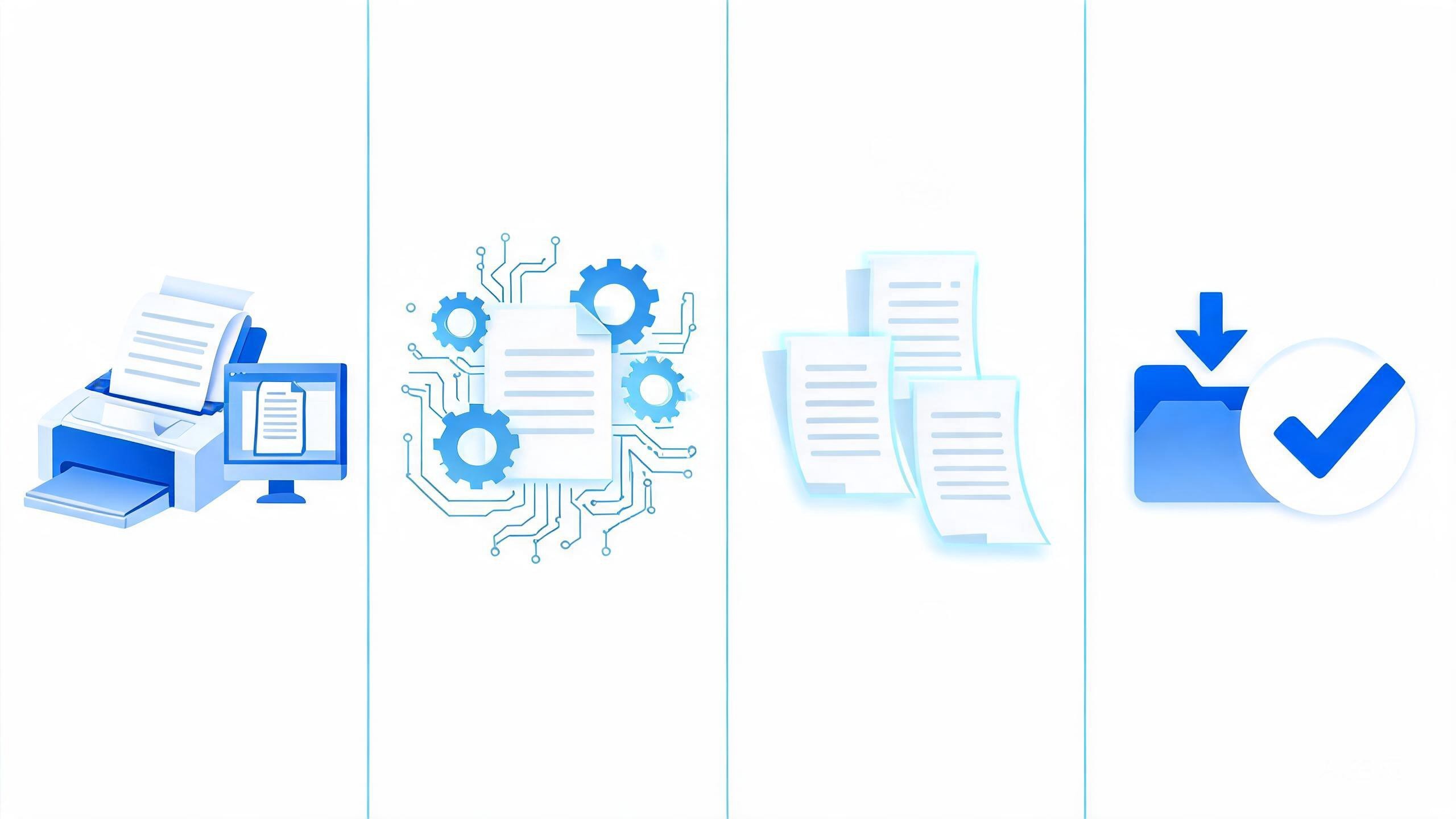
Biaoxing AI: An intelligent workflow from bidding document parsing to bidding document export
On the bidding document review side, the AI bidding document inspection tool launched in 2026 further completes the service chain. This tool covers full-scenario functions including qualification matching verification, bid rejection item hit detection, blind bid compliance verification, format risk investigation, and logical conflict check, outputting a complete inspection report with risk positioning, cause analysis, and rectification suggestions. The inspection process also follows four steps: parsing the bidding document to extract review points, configuring inspection rules, starting the inspection with one click and generating a risk classification summary, and aggregating to generate a complete inspection report.
From an industry observation perspective, this combined "drafting + reviewing" strategy has clear commercial logic: first, use intelligent writing to address the core efficiency pain point, then extend to quality control through compliance inspection, forming a complete closed-loop service from "writing fast" to "writing well". The product currently adapts to the preparation needs of multiple types of bidding documents in construction engineering, material procurement, government-enterprise services, etc., covering major bidding scenarios such as engineering, service, and goods categories, showing strong industry versatility.
Business Path and Market Space
Biaoxing AI adopts a dual-track business model targeting individual users and enterprise customers. For individual users, it provides on-demand top-up and membership subscription services for small and medium-sized enterprise bidders, individual bidding practitioners, and bidding agencies, quickly acquiring users with a low-threshold strategy; for enterprise customers, it provides private deployment and in-depth customization services for large group enterprises, government procurement departments, and construction engineering companies, meeting enterprise-level data security and personalized needs.
From the perspective of target user portraits, its product logic actually covers five typical scenarios: enterprises with insufficient bidding document drafting manpower use AI tools to achieve cost reduction, efficiency improvement, and parallel delivery of multiple bids; beginners with limited bidding experience use intelligent guidance and template cases to get started quickly with zero foundation; professional bidding document drafters can focus their energy on strategic levels rather than repetitive writing; teams facing emergency bidding scenarios use the minute-level generation capability to ensure extremely fast delivery; small and micro market entities with limited budgets can independently complete compliant bidding document production at lower costs, expanding market participation opportunities.
In terms of market space, the bidding track indeed has huge room for imagination. Taking the construction industry as an example, estimating based on an average price of 6,750 yuan per bidding document and about 50% of enterprises having the need for outsourcing bidding document writing, the bidding document outsourcing market alone reaches a trillion-yuan scale. At the same time, the volume of the service procurement and goods procurement markets is equally huge. As AI tools accelerate the replacement of manual bidding document drafting models, there is still huge room for improving the penetration rate in this track.
However, this track is not without competition. According to public information, dozens of companies producing AI bidding document products have emerged on the market, and the risk of product homogeneity is appearing. Whether Biaoxing AI can build differentiated advantages in fierce competition depends on whether it can continuously polish product experience, improve the quality of bidding document generation, and accumulate sufficiently deep industry know-how in vertical industry scenarios. The intelligent upgrading of the bidding industry is a long track, and the final competition may not be about who runs faster, but who goes deeper.