The photovoltaic cost accounting standard has been officially implemented, and the anti-involution initiative that has been advocated for several years finally has a complete set of "cost specification documents".
The official implementation of photovoltaic cost accounting standards puts an end to chaotic practices and regulates low-price competition in the industry.
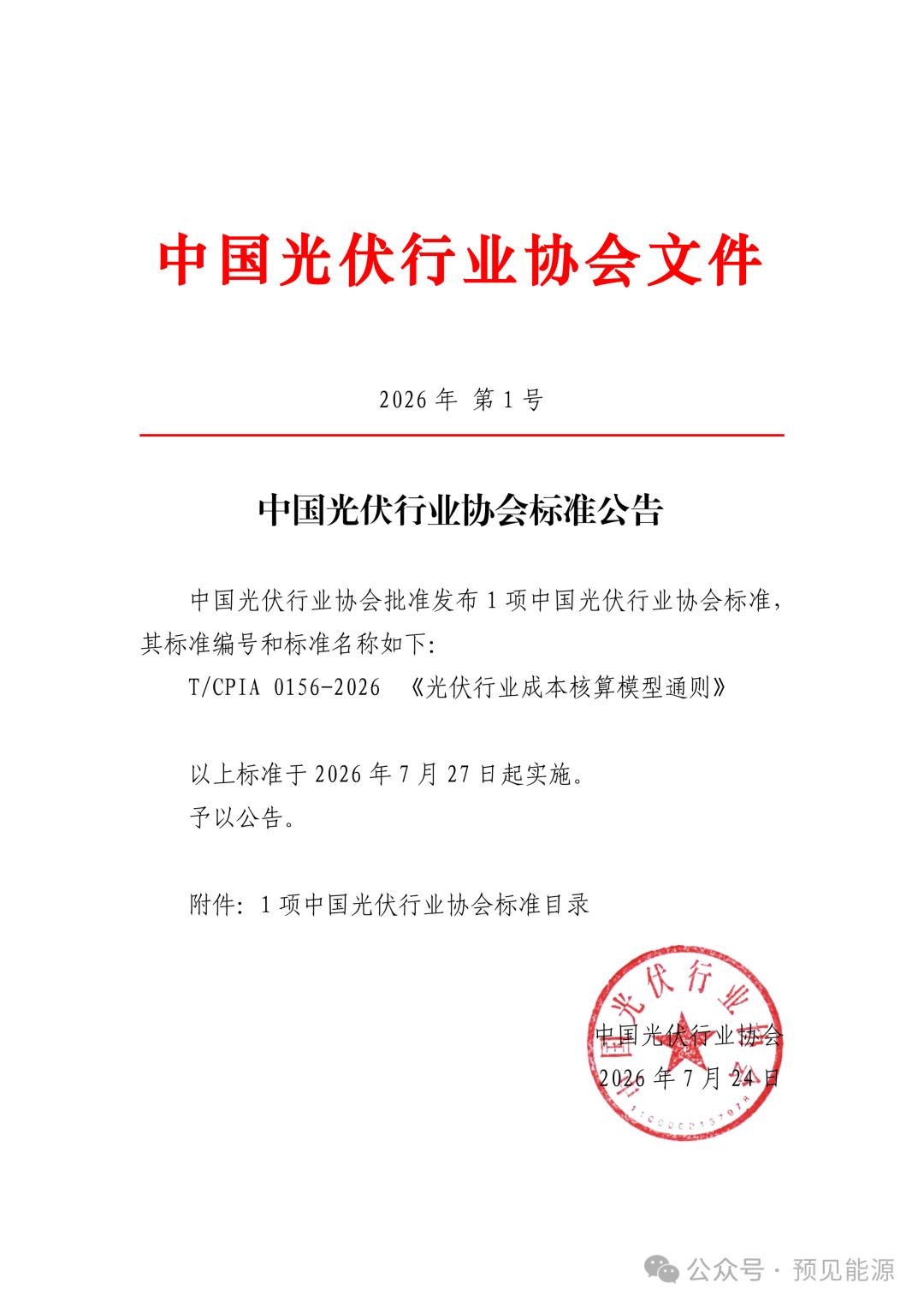
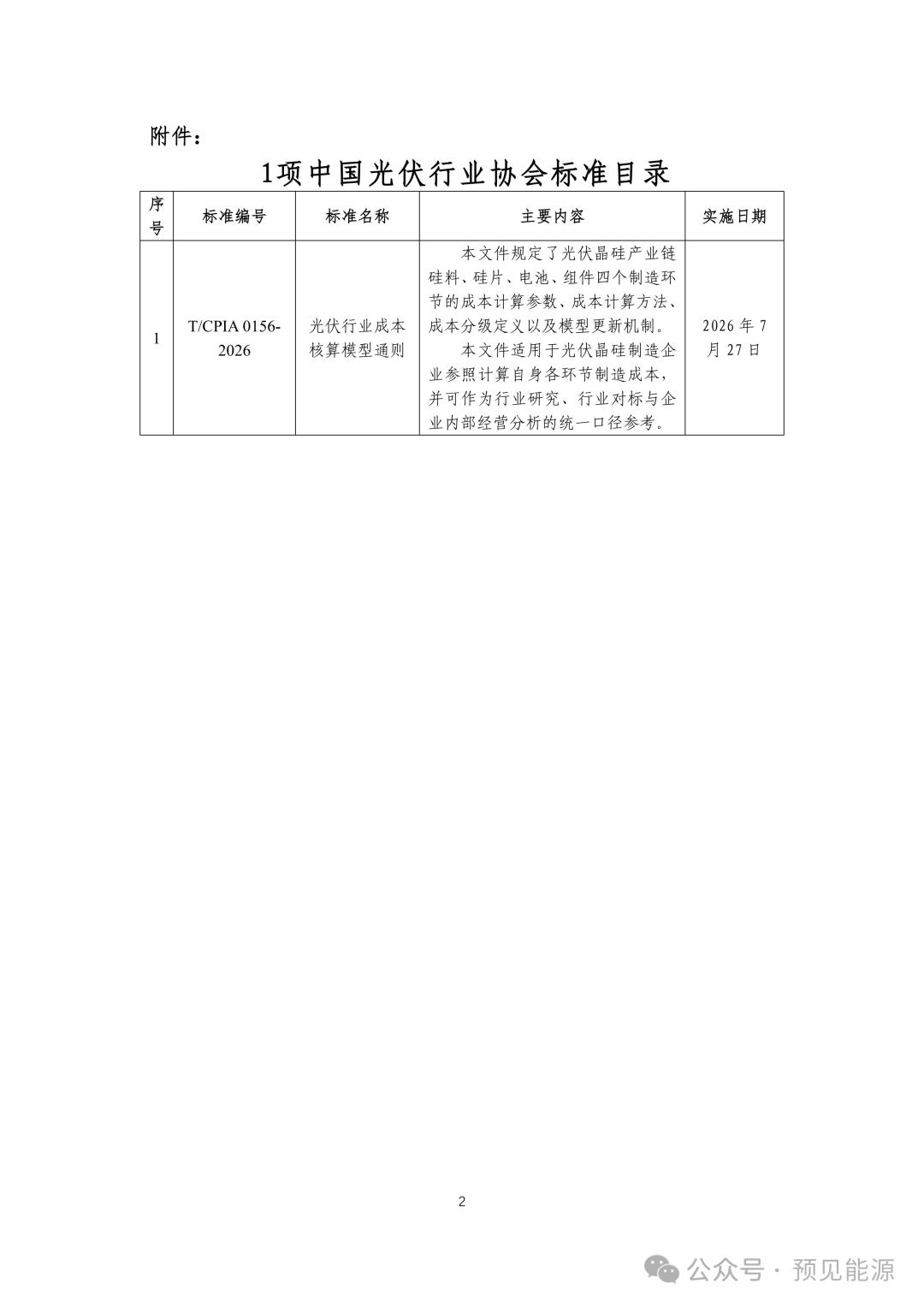
According to Energy Foresight, on July 27, the group standard T/CPIA 0156-2026 *General Rules for Photovoltaic Industry Cost Accounting Model* officially came into effect.
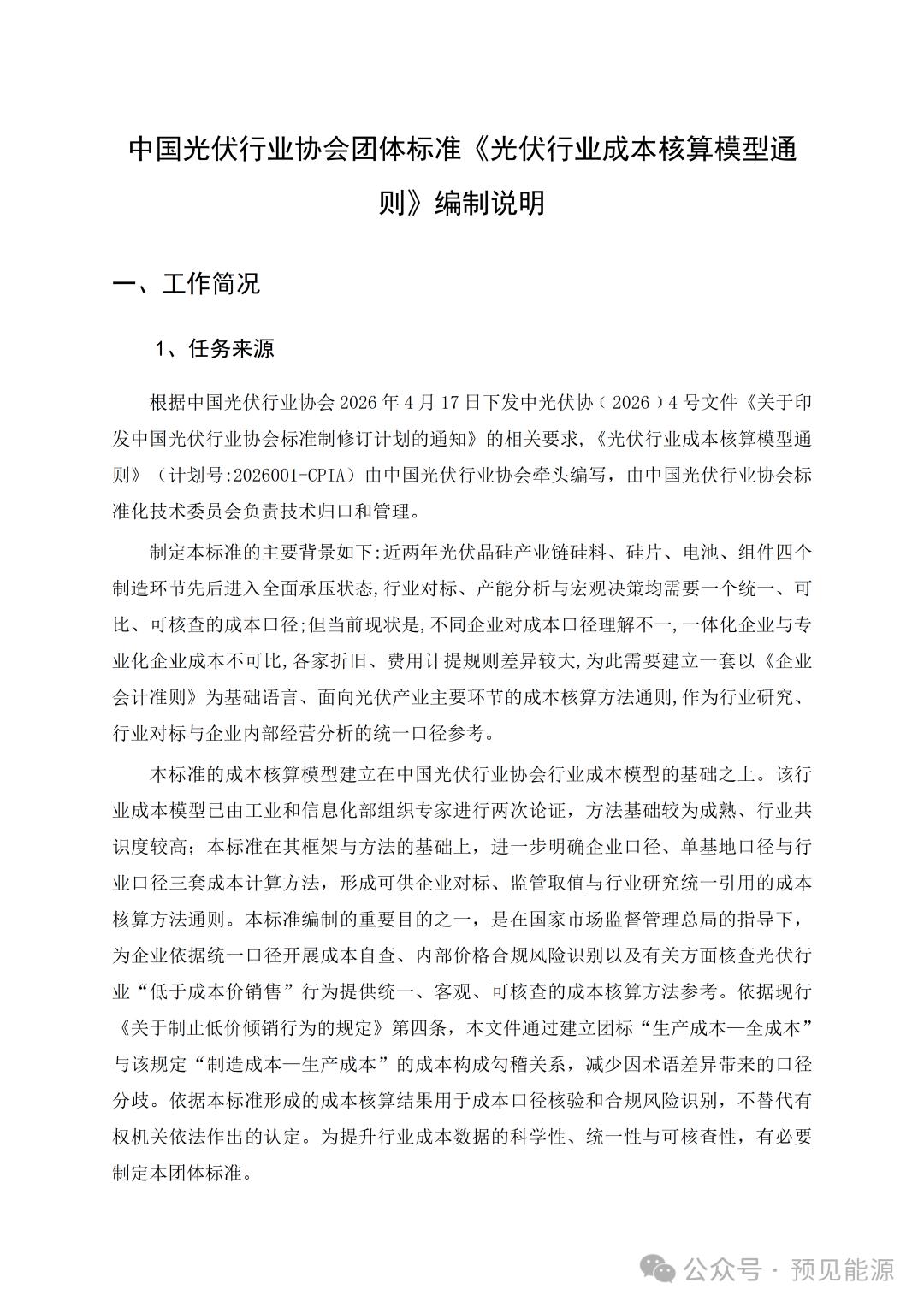
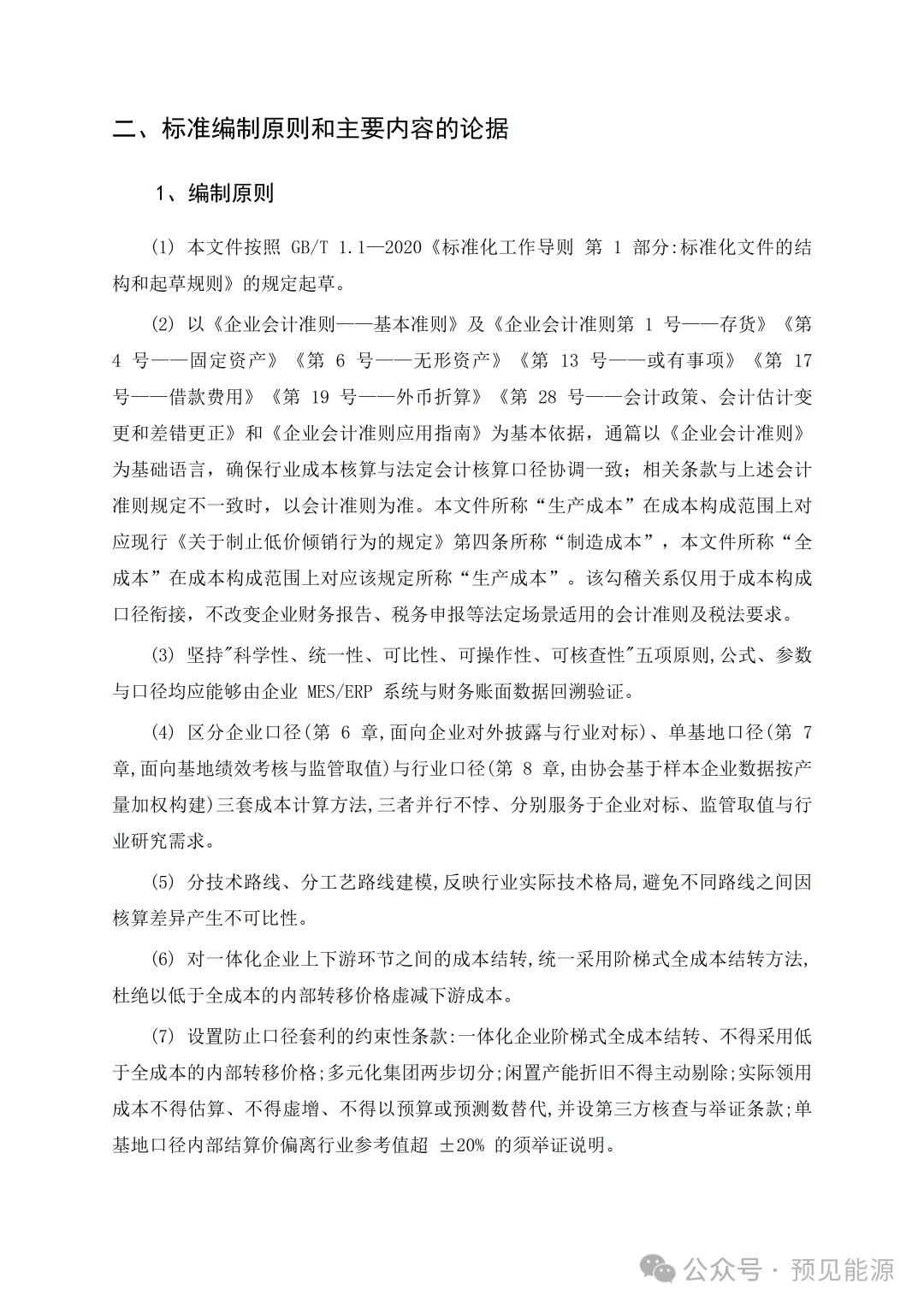
Developed under the guidance of the State Administration for Market Regulation and the Ministry of Industry and Information Technology, and led by the China Photovoltaic Industry Association, this standard unifies the cost calculation scope, calculation coefficients, and calculation models across the entire "silicon material - silicon wafer - cell - module" industrial chain. For the first time, the photovoltaic industry now has a unified cost reference document that supports standardized cross-party reconciliation.
This document arrives at a critical moment. During the 5.4GW module centralized procurement of China Resources Power, nearly half of the participating enterprises submitted quotations below 0.7 yuan/W; the lowest quotation in CNNC's centralized procurement reached 0.66 yuan/W; downgraded inventory products in the spot market were sold off at prices as low as 0.62 yuan/W or even lower. At the same time, 22 listed photovoltaic companies that have released performance forecasts reported a combined estimated loss ranging from 13 billion yuan to 16.8 billion yuan.
At a time when the entire industry is facing collective financial losses, a unified measurement framework for assessing operational damage has finally been established. The value of this framework depends entirely on how the stakeholders choose to utilize it.
A Long-Overdue Cost Accounting Framework
For a long time, cost accounting in the photovoltaic industry has been a vague and inconsistent practice.
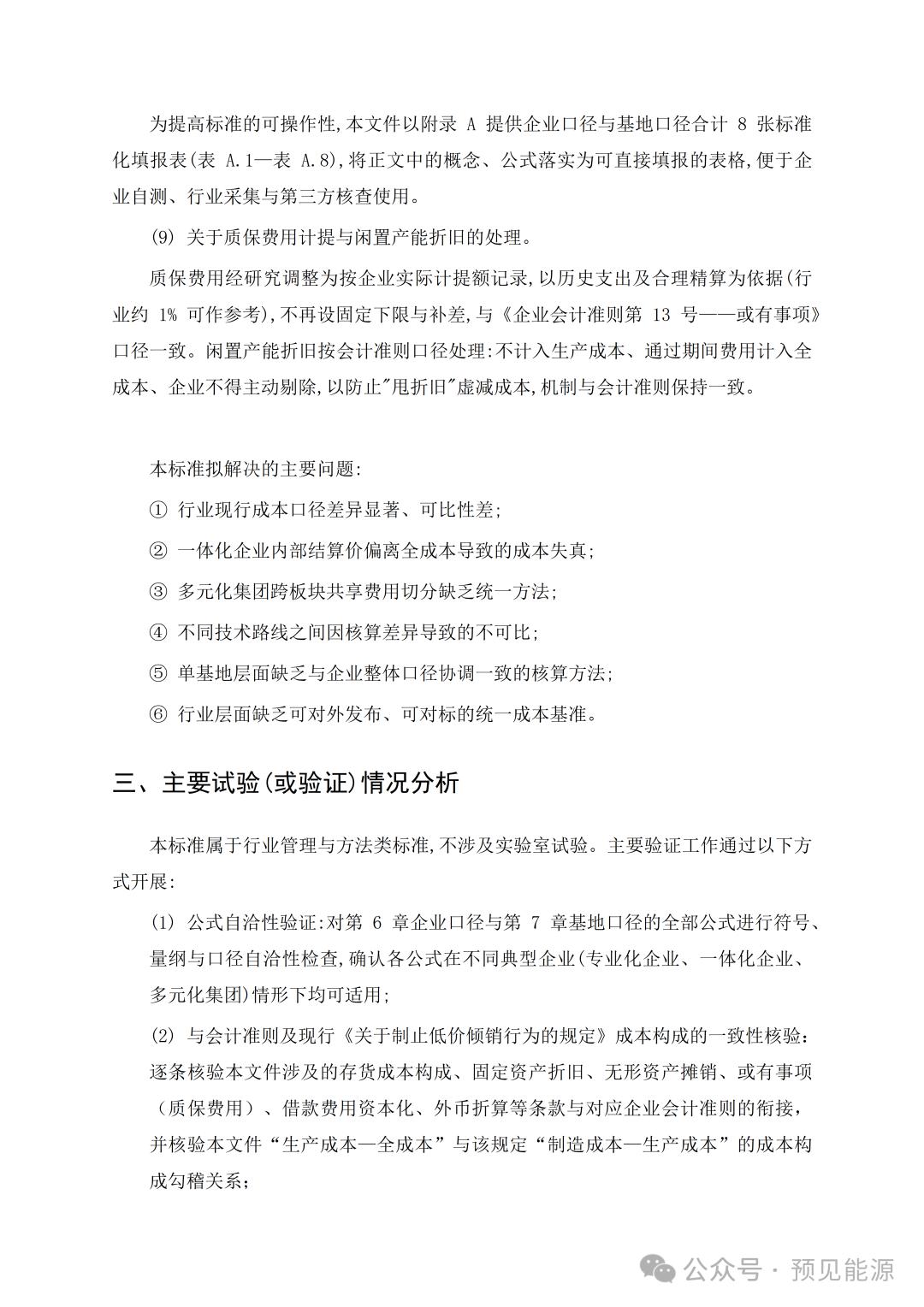
Prior to this, the Provisions on Prohibiting Low-Price Dumping Practices defined that "production cost" includes manufacturing costs and period expenses, but this regulatory definition encountered enormous practical challenges when applied to the photovoltaic industry. The cost structures of vertically integrated enterprises are completely different from those of specialized enterprises, with huge disparities in depreciation policies and expense allocation rules across different companies. Without unified accounting standards, there was no quantifiable basis for judging "sales below cost", making price regulation impossible to implement effectively.
The General Rules put an end to this situation where every party presented conflicting cost claims.
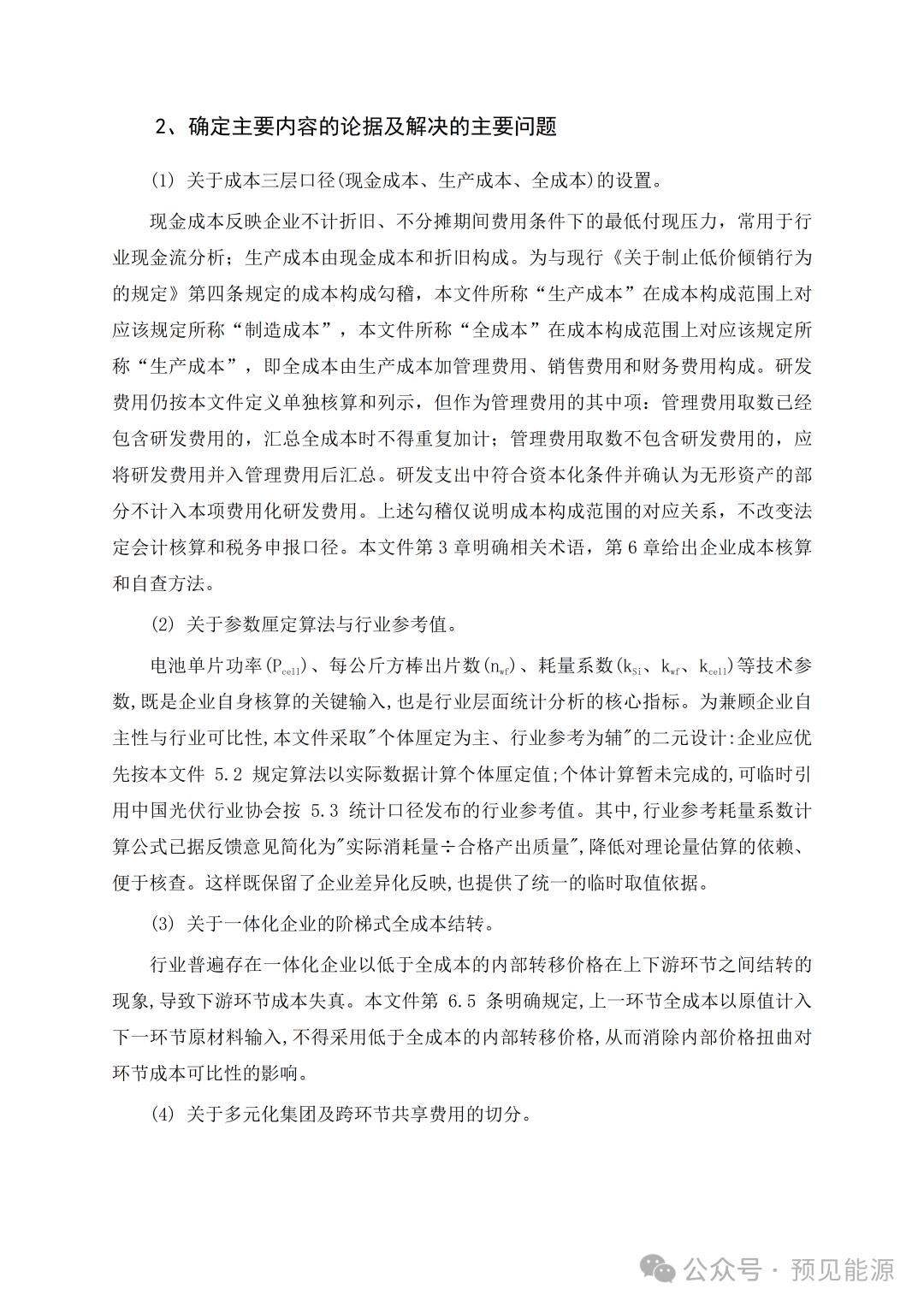
The standard establishes a three-tier cost system. Cash cost reflects the direct cash production expenditures of enterprises in the current period, addressing the question of "how long the enterprise can continue operating". Production cost includes legally accrued depreciation, reflecting the full input of the product manufacturing process. Full cost further incorporates period expenses such as management, sales, and financial costs, reflecting the overall operational burden that enterprises bear to maintain normal operations. Each of the three tiers has its specific purpose, preventing partial metrics from replacing the full picture of cost conditions.
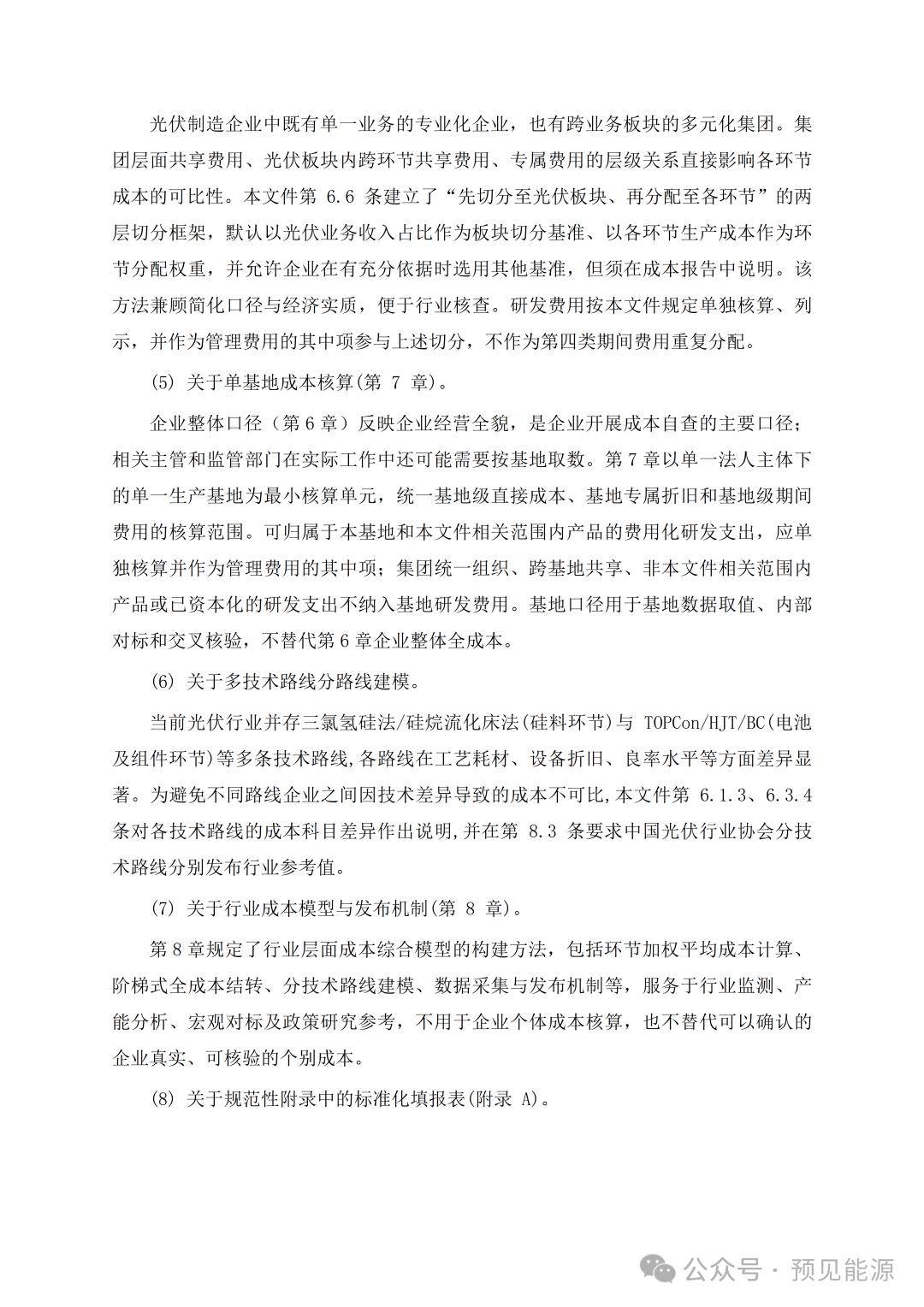
The standard also sets three accounting levels: enterprise level, single production base level, and industry level. The enterprise-level metric is based on verifiable, actual cost data generated by the enterprise itself, serving as the primary reference for reflecting the enterprise's reasonable individual cost and conducting internal cost self-inspection. The single-base level metric aggregates data around specific production facilities, which can be used for internal benchmarking and cross-verification. The industry-level metric forms a comprehensive reference based on sample data, supporting industry monitoring and policy research. The three levels mutually corroborate each other, ensuring that individual enterprise costs are not only reflected in the full scope of business operations, but also verifiable through base-level data and industry operational trends.
More importantly, the standard specifically closes several long-standing loopholes in cost accounting.
Previously, vertically integrated enterprises could adjust profits across different production links through internal transfer pricing, and even artificially suppress costs in downstream segments. The new standard requires vertically integrated enterprises to adopt a step-by-step full cost carry-over method, where the full cost of the previous production link is included in the raw material input of the next link at its original value, strictly prohibiting internal transfer prices that are lower than the full cost.
Yan Dazhou, Director of the National Engineering Research Center for Silicon-Based Material Preparation Technology, believes: This standard makes it possible to put an end to the chaotic situation where every party made inconsistent claims about cost levels, providing a practical technical benchmark for implementing the provision in the *Bidding and Tendering Law* that "bids submitted below cost shall be rejected".
Energy consumption standards regulate whether production is compliant, safety standards regulate whether products meet quality requirements, and cost accounting standards regulate whether prices are reasonable — the three types of standards work in coordination, and a closed-loop institutional system for industry regulation is taking shape.
The Framework is Ready, But Who Will Take the Lead in Applying It?
The standard is in place, but the core question lies in how it will be put into practice.
For regulatory authorities, this model transforms cost verification from an opaque, unmanageable process into a clear, controllable system. Calculation results generated in accordance with the standard can be used for cost verification and risk identification. When market prices remain consistently below the industry reference cost, authorities can legally initiate investigation procedures, providing a verifiable cost basis for determining whether an enterprise is engaging in low-price dumping.
For tenderees, the industry reference cost calculated according to the standard can be used as a reasonable cost reference benchmark during bid evaluation. When a bid price is significantly lower than the benchmark and the enterprise cannot provide a reasonable explanation, the bid evaluation committee can legally reject the bid. For the first time, the provision in the *Bidding and Tendering Law* that "bids submitted below cost shall be rejected" has an enforceable judgment basis.
Liu Yiyang, Executive Secretary-General of the China Photovoltaic Industry Association, revealed that the association will actively seek to establish a photovoltaic industry price supervisor system under the guidance of market regulatory authorities, carrying out work including price information collection, policy promotion, compliance reminders, and risk reporting, to provide industry-level support for regulatory authorities to perform their statutory duties.
However, there is a practical problem here: who has the incentive to apply this framework?
Modules priced at 0.66 yuan/W are still circulating in the market, and low-price bidding to secure orders continues. For enterprises that have recorded losses for 11 consecutive quarters, surviving in the market is far more important than anything else. Some enterprises would rather accept orders at a loss than cease operations, not because they are unaware of their losses, but because the losses caused by production shutdowns are even greater — restarting equipment after a shutdown incurs additional costs, rehiring skilled workers after they leave incurs extra expenses, and banks may directly recall loans once they detect production suspension.
Song Zhiping, President of the China Association of Publicly Listed Companies, pointed out that the core cause of widespread industry losses is the severe mismatch between supply and demand. Over the past few years, the industry has experienced explosive production capacity expansion, and the total supply across the entire industrial chain far exceeds the global actual installed capacity carrying capacity. In the first half of 2026, affected by multiple overlapping factors including insufficient new energy consumption and the high base of last year's installation rush during the same period, the domestic new photovoltaic installed capacity has seen a significant phased decline.
Excess supply cannot be digested, demand cannot rebound, and prices cannot rise. This deadlock cannot be solved by a single cost accounting standard alone.
The Standard Cannot Change Industry Cycles, But It Can Achieve One Critical Outcome
However, Energy Foresight believes it is necessary to clarify in advance: this standard is not a universal panacea.
It cannot create new demand, make excess production capacity disappear out of thin air, or push prices back to reasonable levels overnight. The necessary adjustments of the industry cycle must still be experienced.
But it can achieve one key thing: turn "sales below cost" from a vague concept into a quantifiable arithmetic problem that can be accurately calculated.
In the past, if you claimed that an enterprise was engaging in low-price dumping, it could counter by asking: How can you prove my cost is lower than your calculation? With different depreciation methods, different expense allocation rules, and arbitrary transfer pricing across different links of vertically integrated enterprises, there were a hundred different ways to calculate costs to meet desired outcomes. Without unified standards, such debates would never reach a conclusion.
Now this problem is resolved. All formulas, parameters, and allocation rules can be traced back and verified through the MES, ERP, and financial book data of enterprises, with extremely high auditability. This means that when prices drop below a certain level, all parties will clearly know that the enterprise is operating at a loss — including the enterprise itself.
Gao Jifan, Chairman of Trina Solar, stated that after the standard is implemented, there will be a clear basis for determining low-price dumping, and enterprises will dare to resist loss-making low-price sales, which can effectively safeguard the reasonable profit margins of enterprises.
The key word in this statement is "dare". In the past, enterprises were not unaware of their losses, but they knew that resistance was useless — if all other competitors adopted this practice, refusing to follow the low-price trend would mean losing the entire market. Now with a unified accounting standard, enterprises have the confidence to reject price cuts. After cost transparency is achieved, enterprises that suppress quotations by cutting corners, lowering quality standards, and reducing necessary investments will find it extremely difficult to continue hiding such practices.
The standard provides a verifiable basis for identifying "who is swimming naked in the market". For enterprises that consistently invest in technology and guarantee product quality, this is a long-overdue form of fairness.
Modules priced at 0.66 yuan/W are still circulating in the market. Cash flow is still being rapidly consumed.
But for the first time, the photovoltaic industry has a unified measurement framework. What remains to be seen is who will be willing to pick up this framework, apply it to their own financial books, and also use it to assess their competitors' quotations.
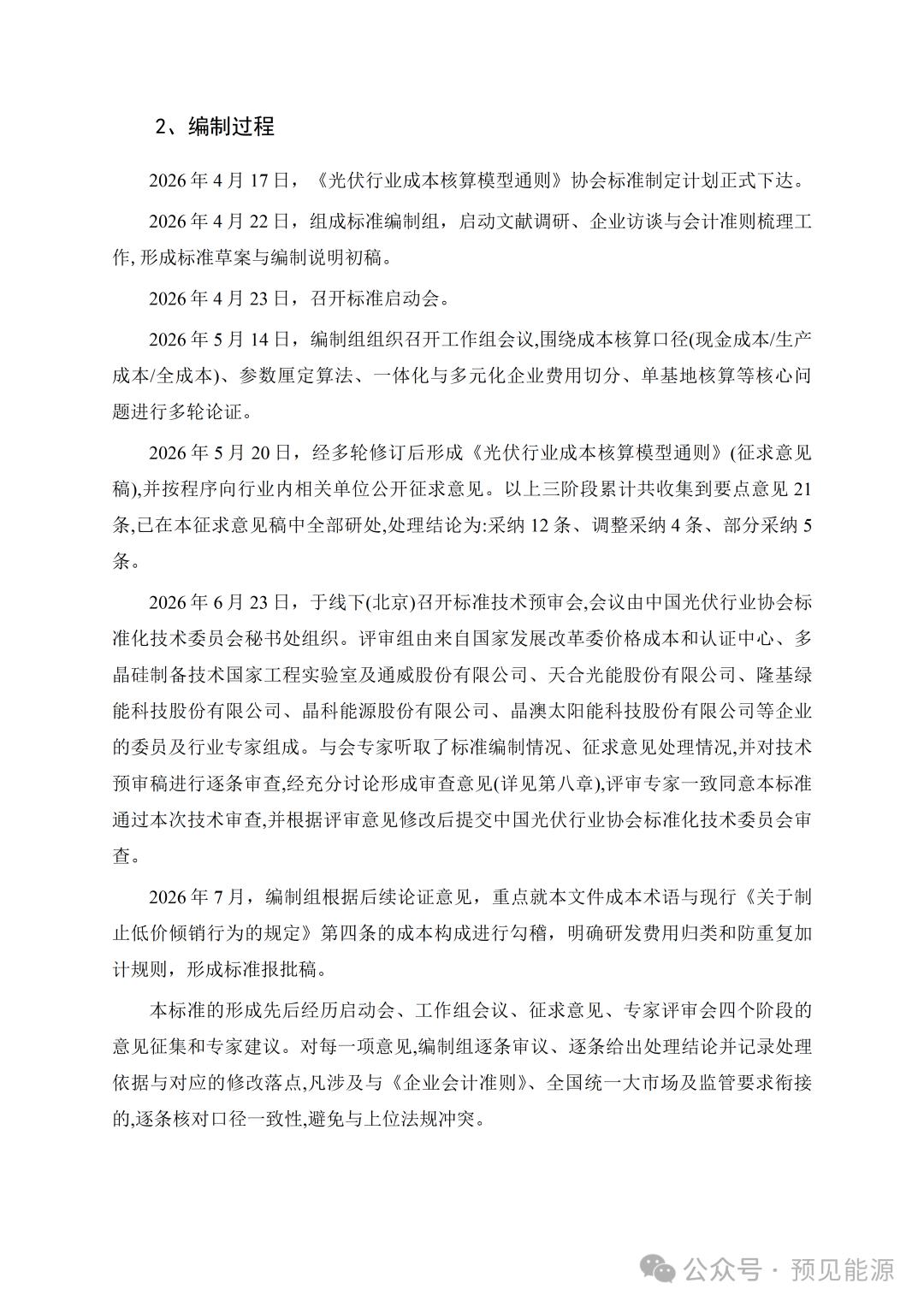
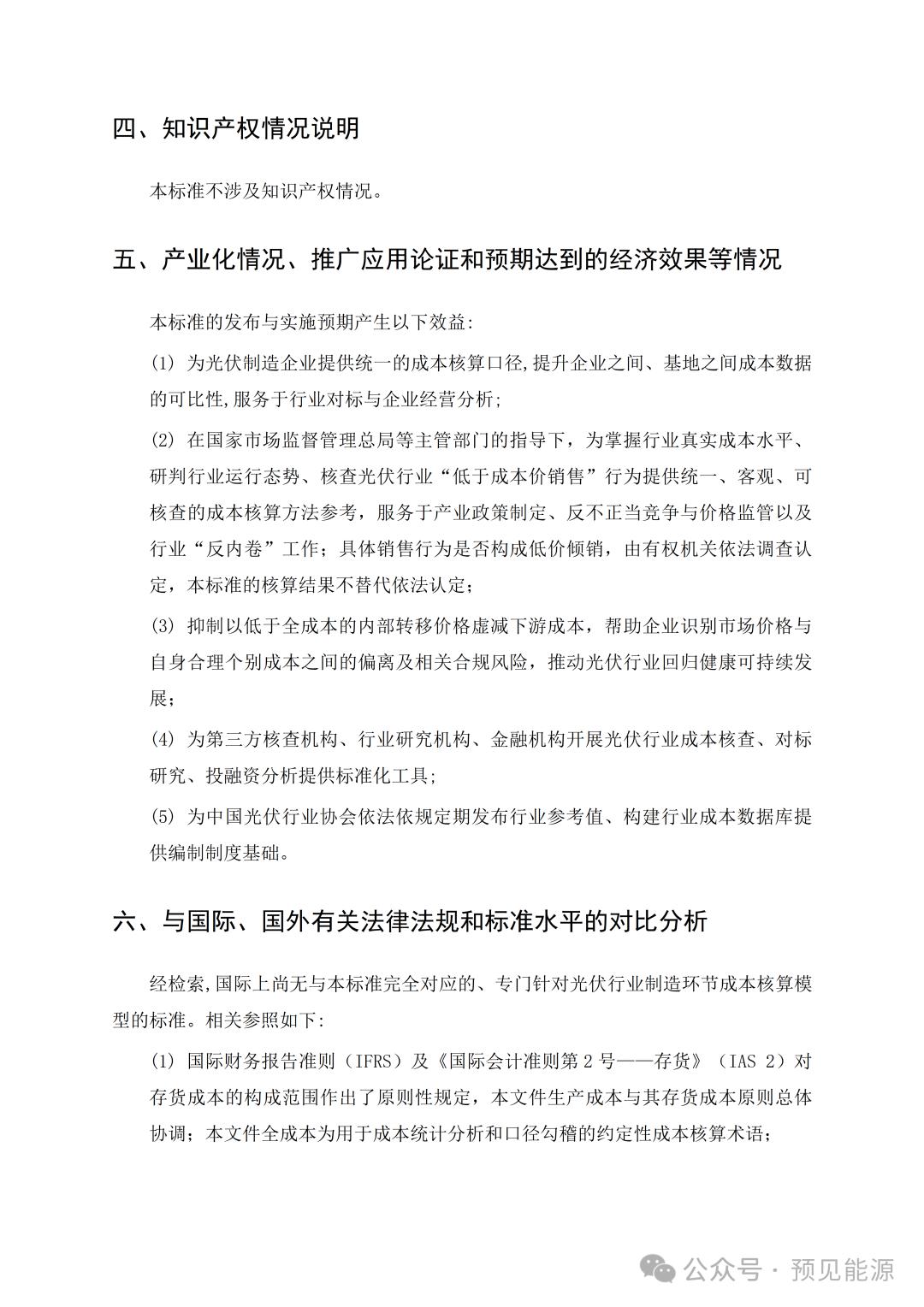
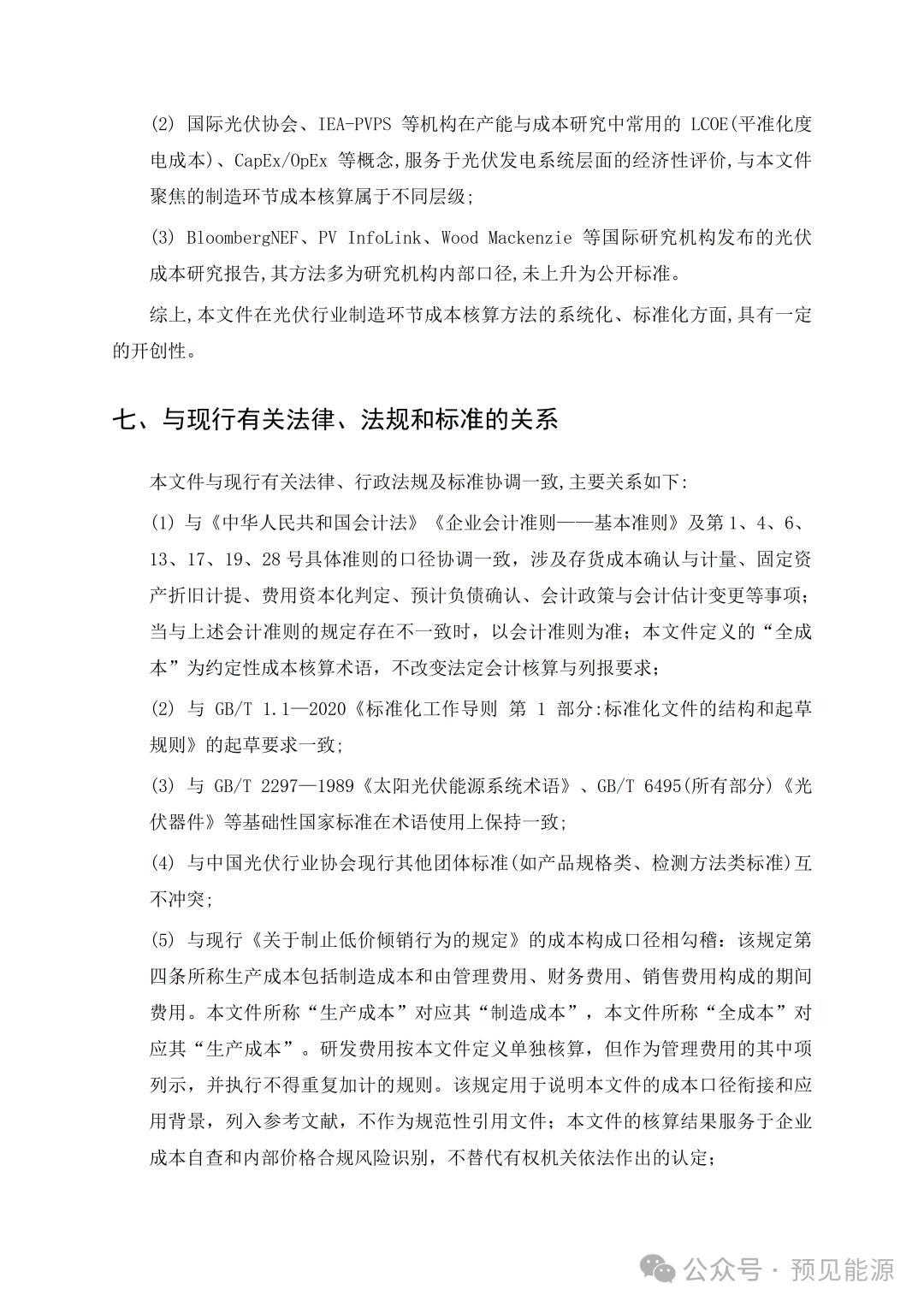
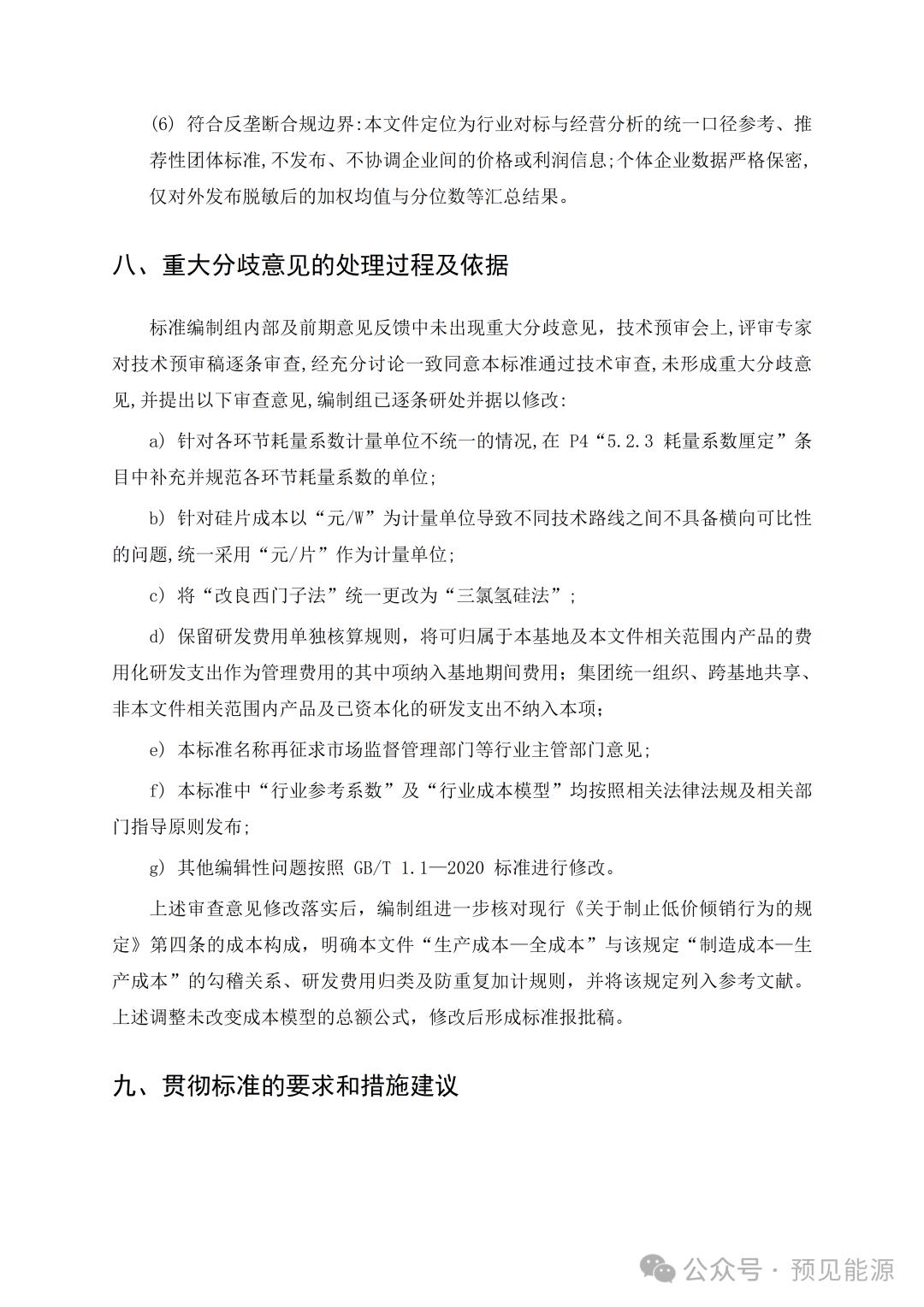
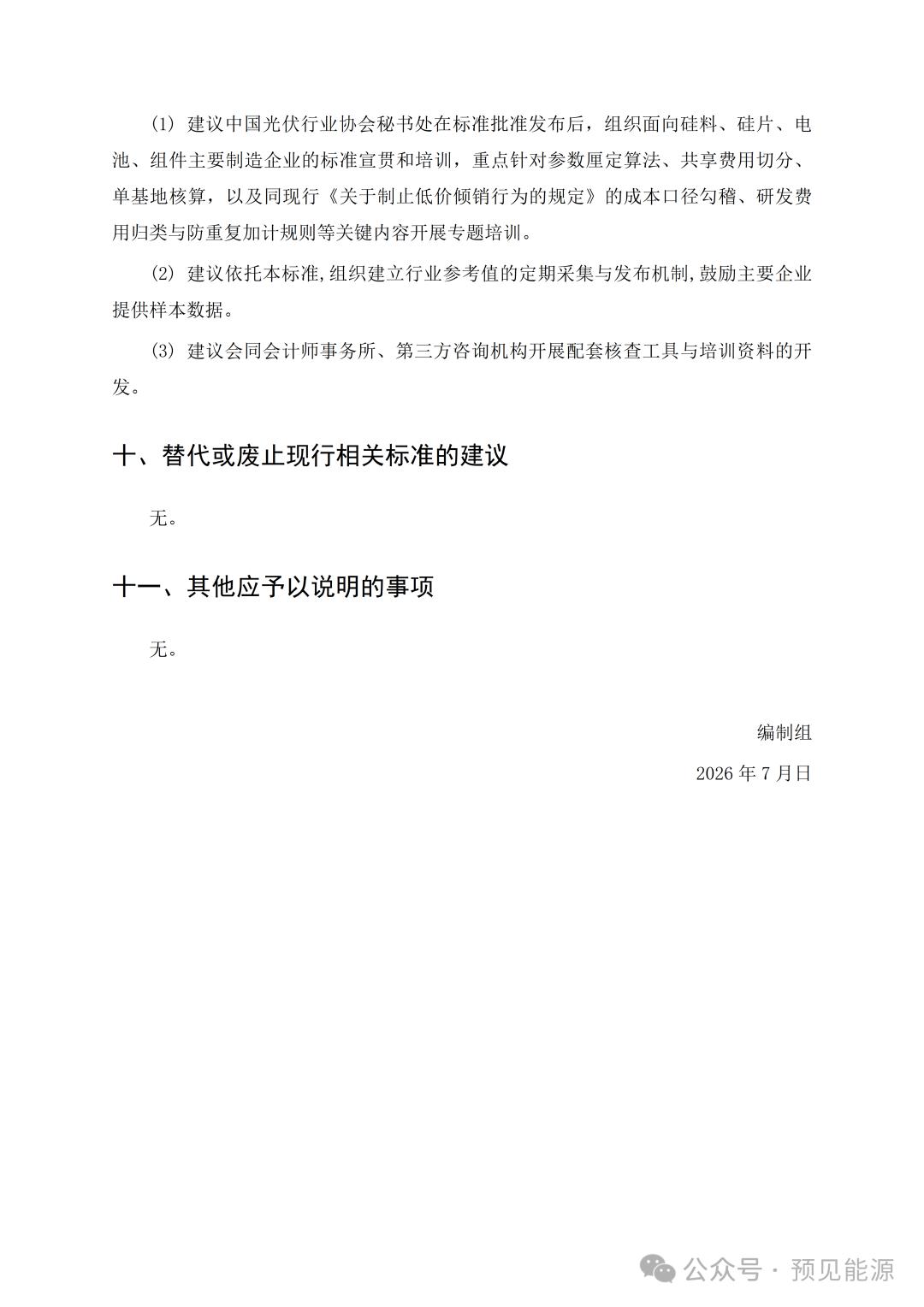
The original document from the China Photovoltaic Industry Association is as follows:
This article is from the WeChat official account "Energy Foresight", authored by Energy Foresight, and published with authorization by 36Kr.