Competing to offer signature custom brews and boil homemade syrup, the new-style tea beverage industry is desperately trying to pass itself off as a niche offering in the mass market.
"I queued for half an hour for this salty cheese drink, but it tastes exactly like the cake milk tea that was popular six or seven years ago."
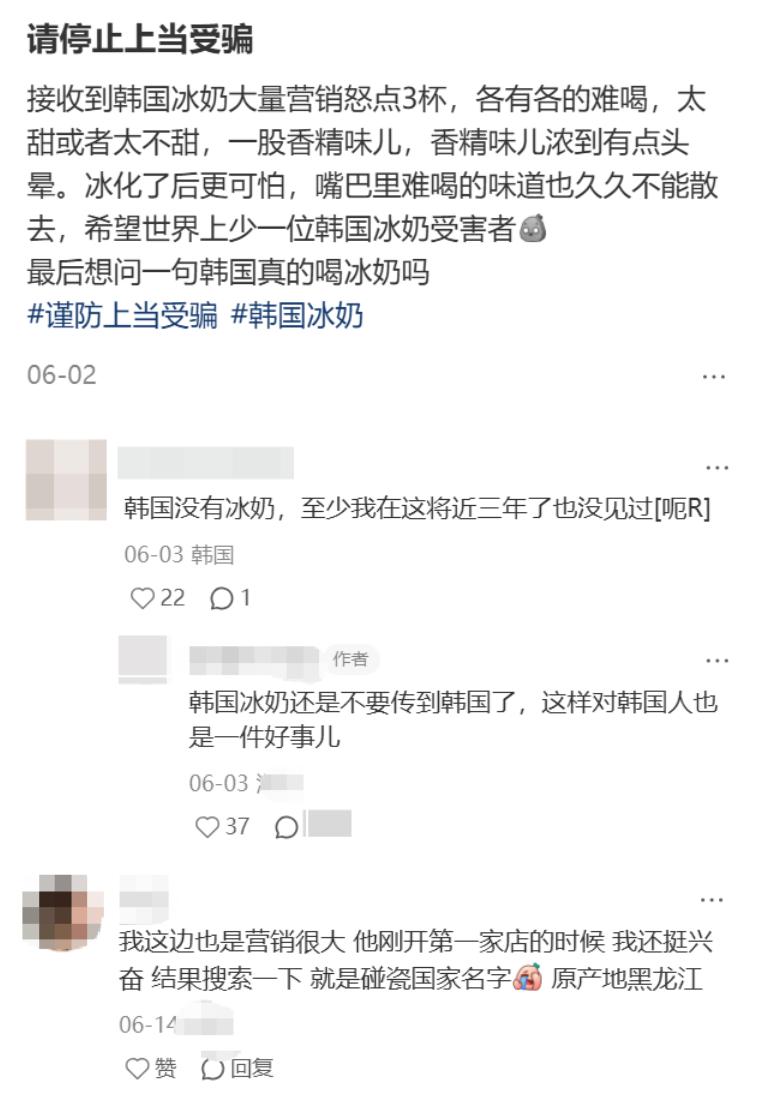
"What on earth is this 'viral Korean iced milk' that everyone's raving about? I've never even seen it in South Korea!"
It's not just consumers who are confused — the R&D department feels the same way. "Almost every month, someone declares that a 'new species' has emerged in the tea drink industry." New concepts keep popping up one after another in this market. Before the craze for kombucha even faded, "Korean iced milk" started spreading rapidly from Northeast China to the rest of the country.
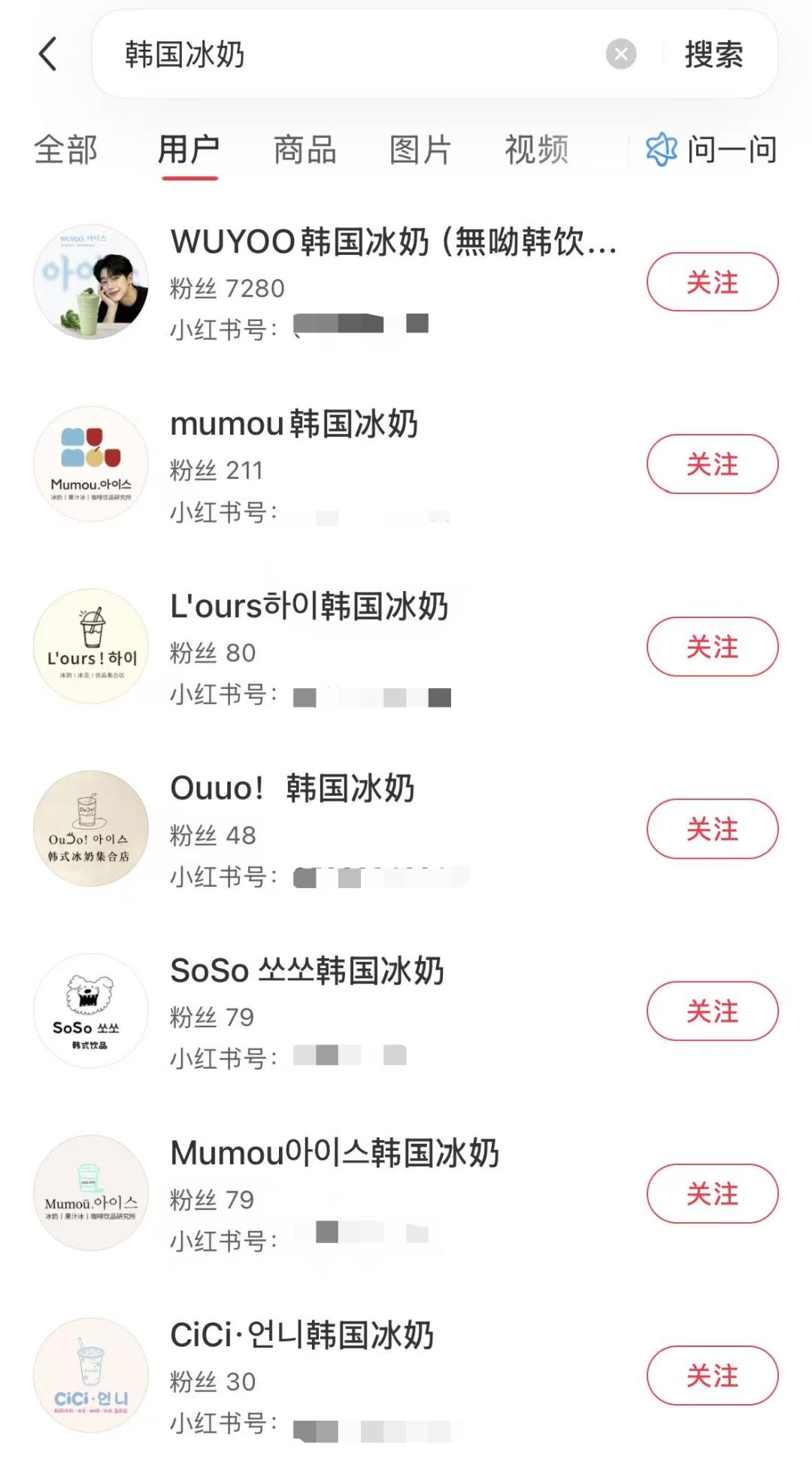
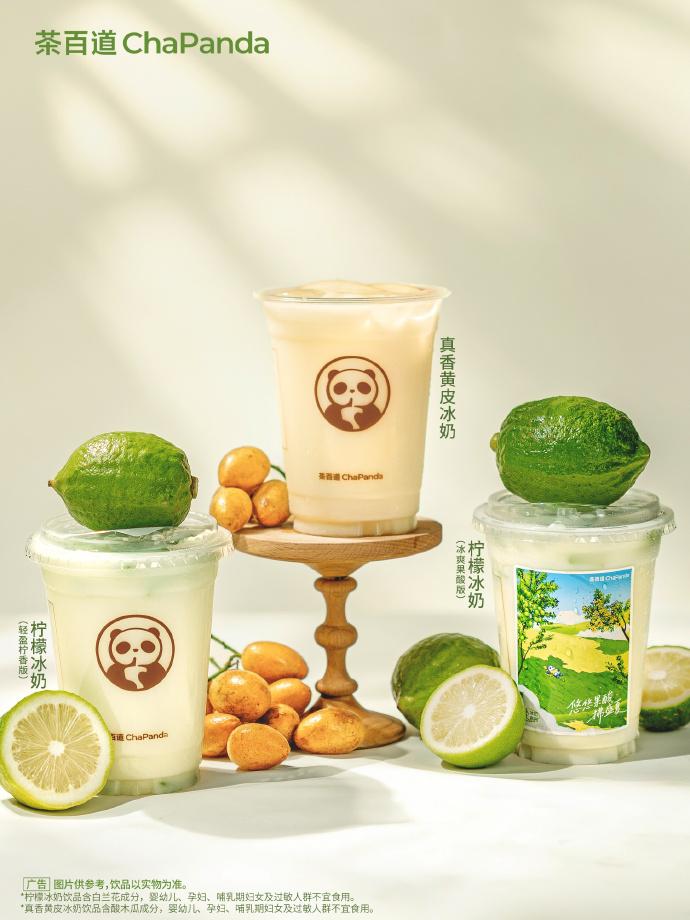
This year, tea drink brands seem to have collectively fallen into a deep state of "innovation anxiety", but many of their so-called "innovations" are basically "possible but unnecessary": If you ask people who have tried Korean iced milk what the difference is between it and the iced milk from brands like ChaBaidao, you'll find that they're all just combinations of milk base and fruit. Even if you change the form to smoothies, milkshakes or snow-topped drinks, the flavors still taste pretty much the same.
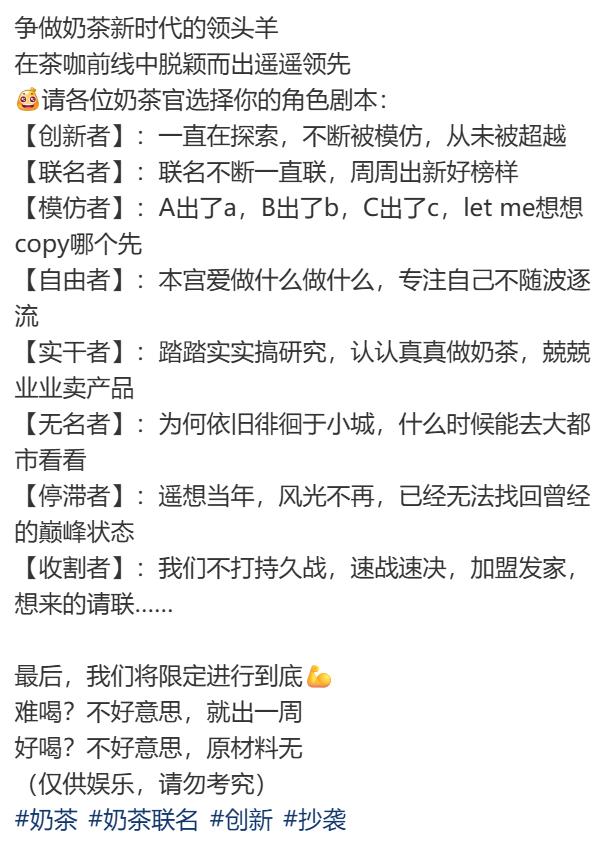
On one hand, leading large chains that stick to their old ways will fall behind if they don't move forward, so they have to constantly develop new products to keep consumers interested; on the other hand, emerging brands need to create extreme differentiation to stand out in this already highly mature, even somewhat aesthetically fatigued tea drink market.
But there's another harsh reality: any "niche" trend can eventually go mainstream. Once a new flavor proves to have market potential, large chains will easily replicate it quickly with their supply chain advantages, and scale it instantly across thousands of stores nationwide.
After tea brands finished competing on co-branding campaigns and moved on to competing on new products, they all fell into this collective "innovation anxiety". Wave after wave of new products, besides providing short-term emotional value, what real value have they actually brought?
01 When local flavors break out, do they really need to be "authentic"?
This year, the Chaoshan dialect film "Grandma's Love Letter" became a huge hit, which unexpectedly made the Shantou brand "A Cup of Chaoshan Tea" famous: this brand sent 100 free milk teas to the film crew as a "zero-yuan sponsorship", which was jokingly called the most successful angel round investment of 2026.
But if we look at the whole industry, Chaoshan-style flavors have already become a massively rising industry trend.
Behind this trend, there are both geographical coincidences and inevitable taste logic. The headquarters of major new tea drink giants like Heytea and Nayuki are all rooted in South China, where they are geographically and culturally closer to local ingredients, so they started developing native Guangdong food materials much earlier. Whether it's Nayuki's oil citrus that became popular years ago, the guava that was once joked to have "saved Heytea's business", or the duck-shit-scented oolong and wampee that were made famous by countless lemon tea brands like Linli, all of these flavors got enough time for market education in the early stage.
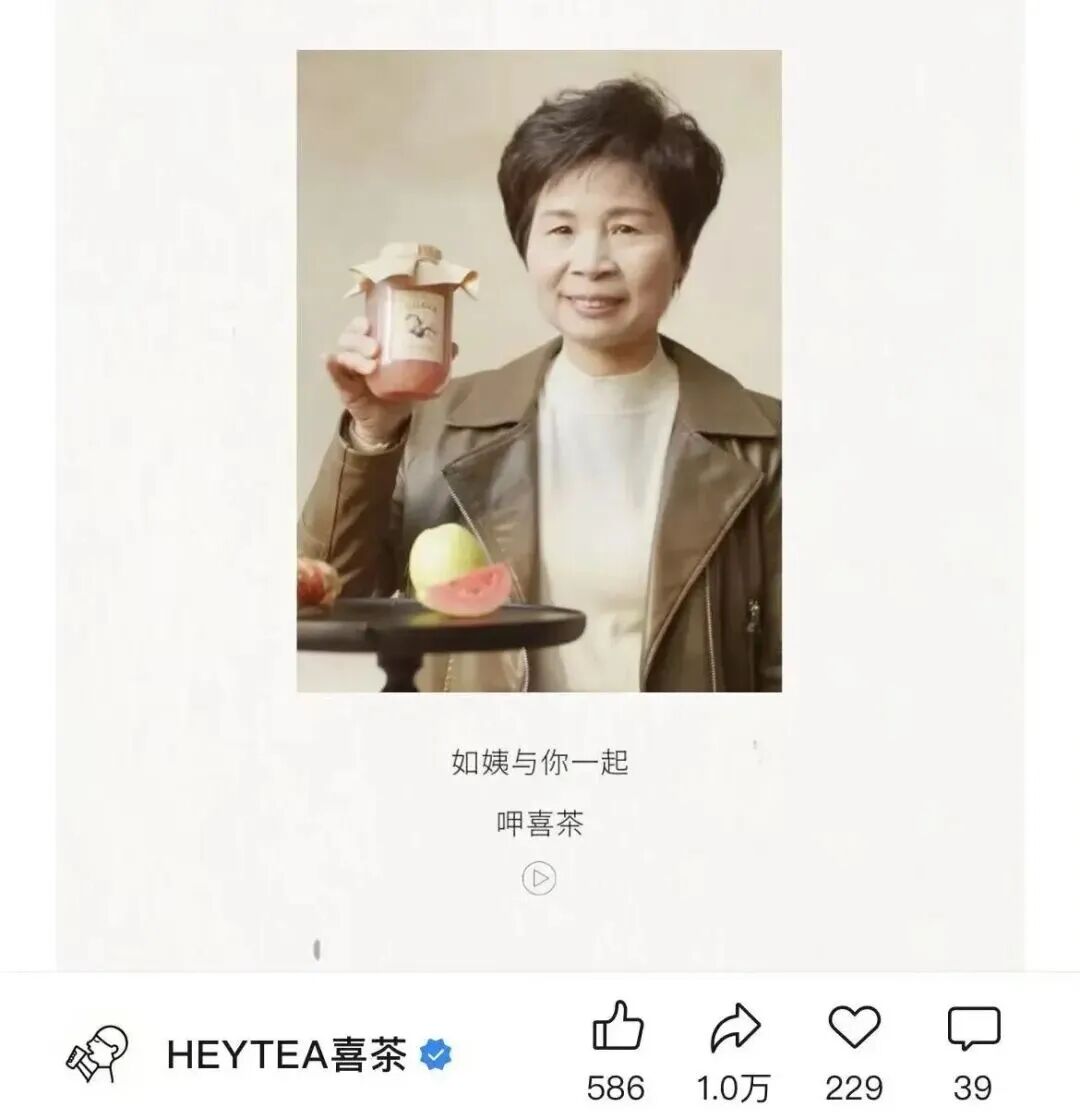
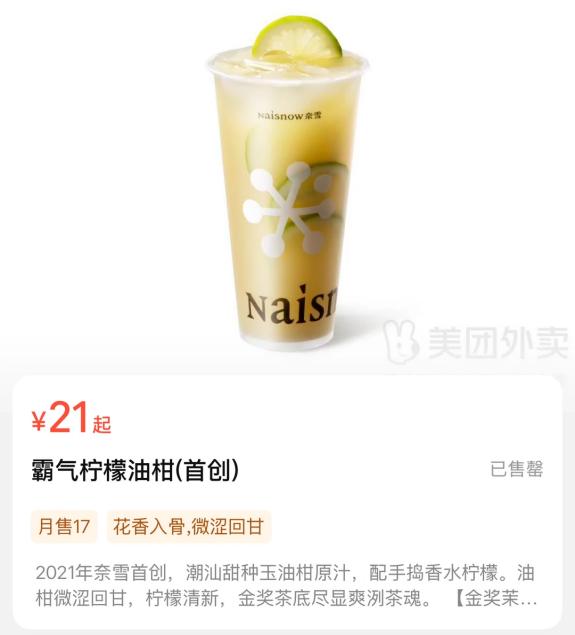
More importantly, the "Chaoshan flavor impression" is mostly based on sour tastes followed by a refreshing sweet aftertaste. This taste profile is highly recognizable, with rich layers, which perfectly fits the core summer drink needs of quenching thirst and cutting greasiness, and it also comes with strong social discussion value.
Industry trend statistics from Kamen also confirm this: although perfume lemons, strawberries, and coconuts are still the mainstream fruit choices in tea drinks, the usage frequency of prickly pears, guavas, and various niche berries is surging. The "sour, refreshing and sweet aftertaste" taste profile has been frequently appearing on new tea drink menus since last year, gradually becoming a fixed, unshakable flavor anchor for peak seasons.
But it's worth noting that even though niche flavors have the potential to go mainstream, their actual promotion is restricted by raw material characteristics and category genes. As pioneers of local flavors, regional tea brands usually face the soul-searching question: "Should we expand beyond our home market?" Expanding tests an organization's operational capabilities, but whether it can succeed ultimately depends on the category itself.
For example: They are both old internet-famous drinks with strong flavors, so why has Thai iced milk successfully made a comeback in recent years, while Hong Kong-style milk tea still remains relatively obscure?
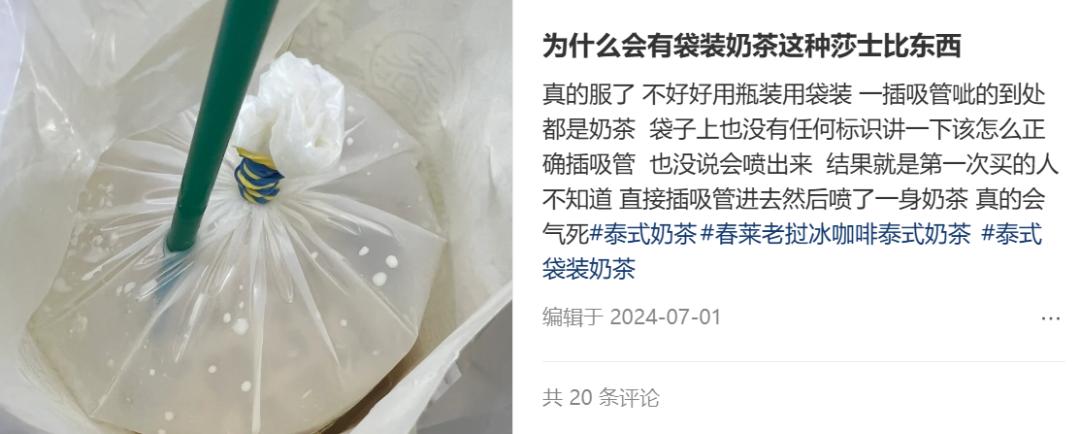
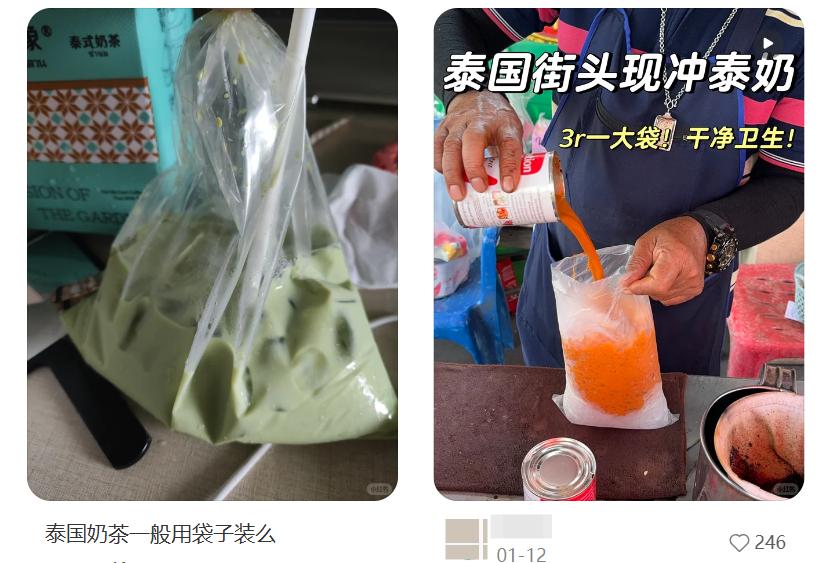
In the years when fruit teas and light milk teas dominated the market, both Thai iced milk and Hong Kong-style milk tea were once marginalized. The temporary decline of Thai iced milk came from the flood of cheap bagged milk tea shops that adopted "street food stall" styles, where everyone competed on low prices, dragging the category's public image down to "night market level". Combined with the negative online jokes about some Thai street food being "clean and hygienic" (ironically), the Thai iced milk category found it very hard to build premium brands for many years.
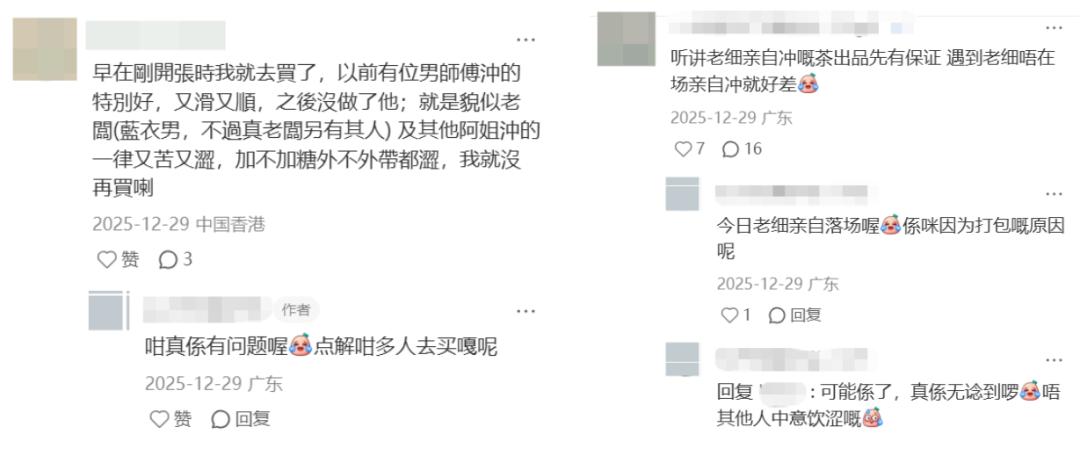
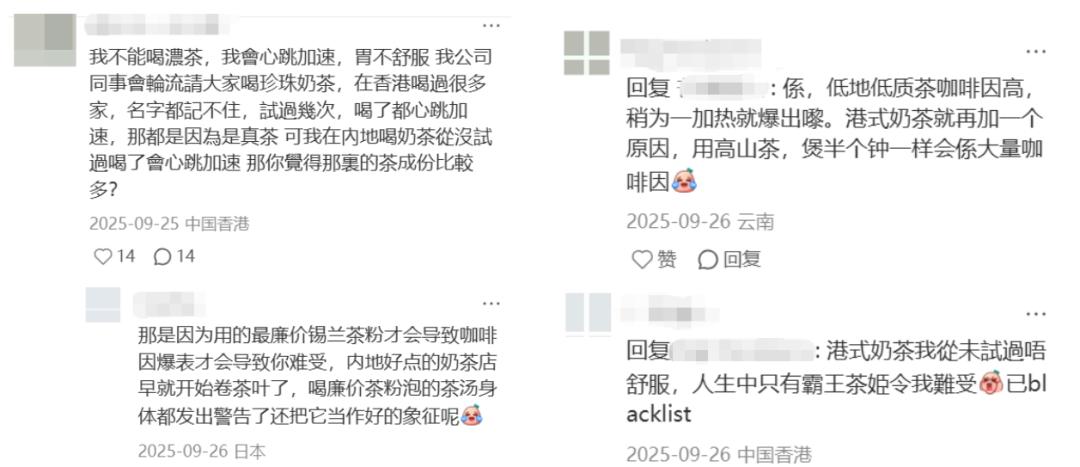
The pain point of Hong Kong-style milk tea lies in its inherent characteristics: traditional Hong Kong-style milk tea shops need to brew tea for a long time, producing large amounts of caffeine that strongly stimulates the human body. Different tea brewing techniques from different chefs also lead to huge taste differences, often resulting in a bitter, astringent flavor that's hard to standardize. And the modified Hong Kong-style milk tea found in mainland Chinese cha chaan tengs adds large amounts of milk and sugar to neutralize the strong tea flavor, which puts a heavy burden on the body, completely running counter to the current "light burden" health trend.
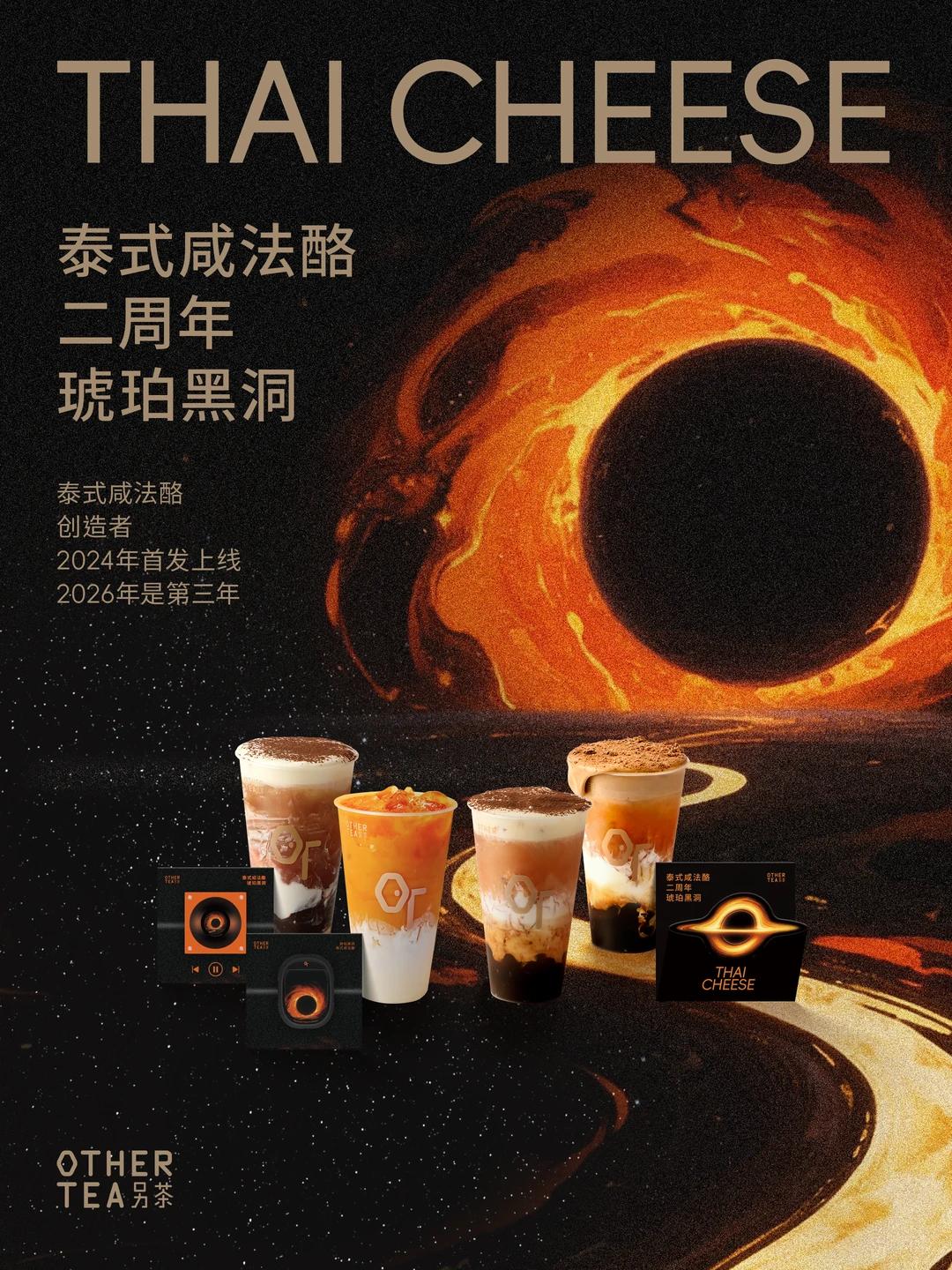
For Thai iced milk, a turning point is happening. In the past two years, a number of brands with average customer prices around 20 yuan have emerged on the market, such as OT Another Tea and Thai Tea Garden. They have rebranded the Thai iced milk category, ditching the cheap bagged gimmicks, and instead combining it with rich-texture toppings like salty cheese and brown sugar boba. This not only greatly enhances the taste layers, but also completely reverses the category's cheap image in consumers' minds.
In comparison, the Hong Kong-style milk tea category needs deeper, more fundamental product improvements.
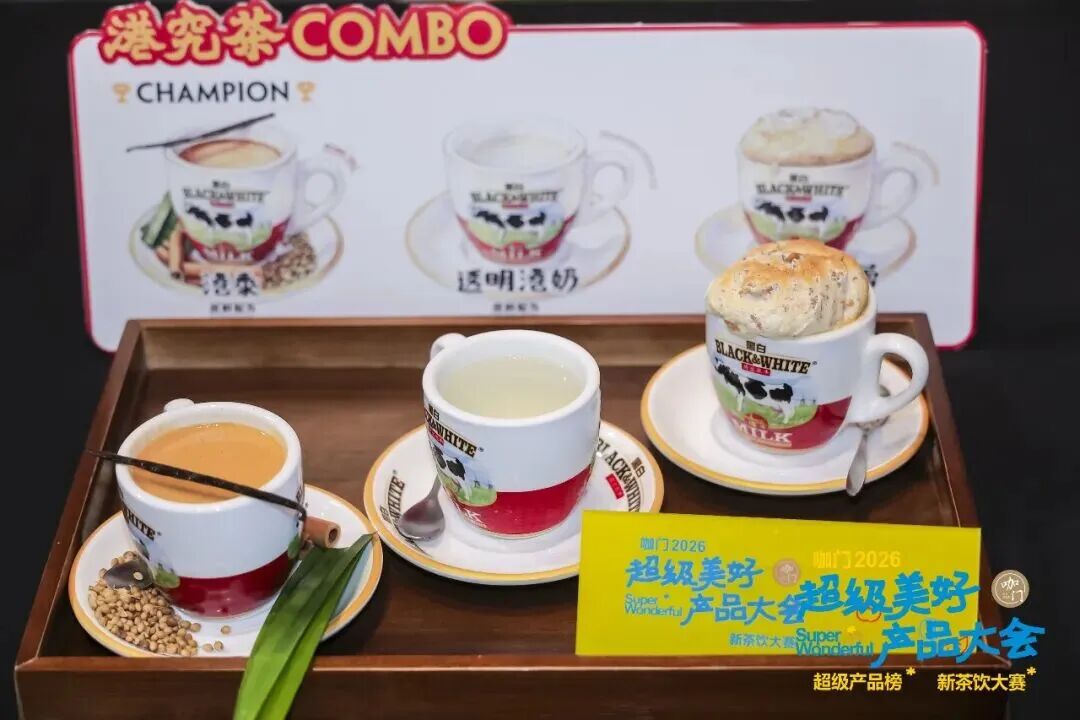
Veteran tea drink consultant Huang Qicheng has designed an innovative Hong Kong-style milk tea combo: combining Hong Kong-style milk tea with Thai iced milk to enrich the previously monotonous taste layers; using "transparent Hong Kong-style milk tea" technology to fix the traditionally dull, dark color of Hong Kong-style milk tea, making it more visually appealing to meet young consumers' "phone-first eating" social media photo needs; pairing it with a soufflé, which directly expands Hong Kong-style milk tea's consumption scenario from the traditional "meal accompaniment for energy boost" to an elegant afternoon tea experience.
Coincidentally, Heytea has also recently quietly tested "Hong Kong-style milk tea with toast boba" in some of its Guangdong stores, integrating classic Hong Kong-style desserts into drinks. The subsequent market reaction to this product is well worth observing.
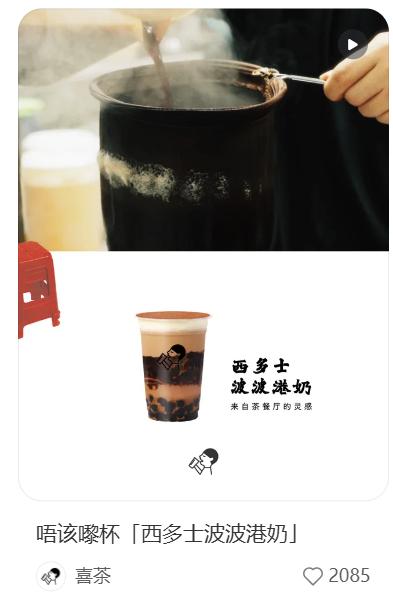
The rise of local flavors in tea drinks follows the exact same logic as the recent popularity of "Yunnan-Guizhou-Sichuan Bistro" in the catering industry. Most people who go to Yunnan-Guizhou-Sichuan Bistros are not locals from those regions; similarly, consumers who drink local specialty tea drinks have a different mindset than when they buy specialty milk tea while traveling. When local flavors expand beyond their home regions, consumers don't pay for the brand's origin or whether it's "authentic" — they pay for the novel, exotic sense of "local terroir" behind the product.
Take Danma Tea House as an example. Even though it's labeled as a Chaoshan brand, it has previously launched products with extremely strong regional characteristics, such as Tibetan tea and Guiyang iced rice paste.
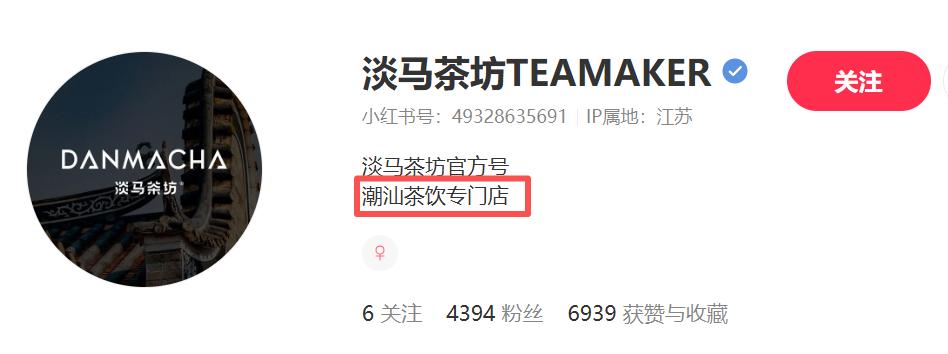
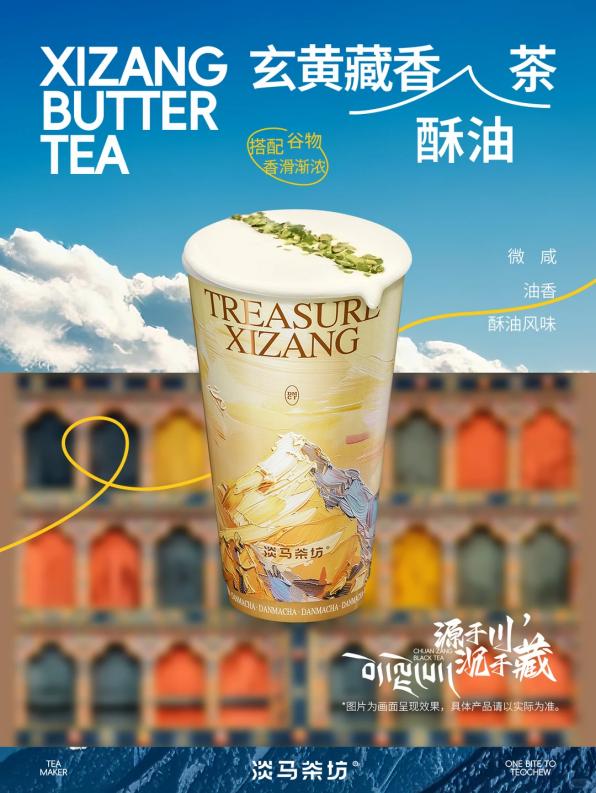
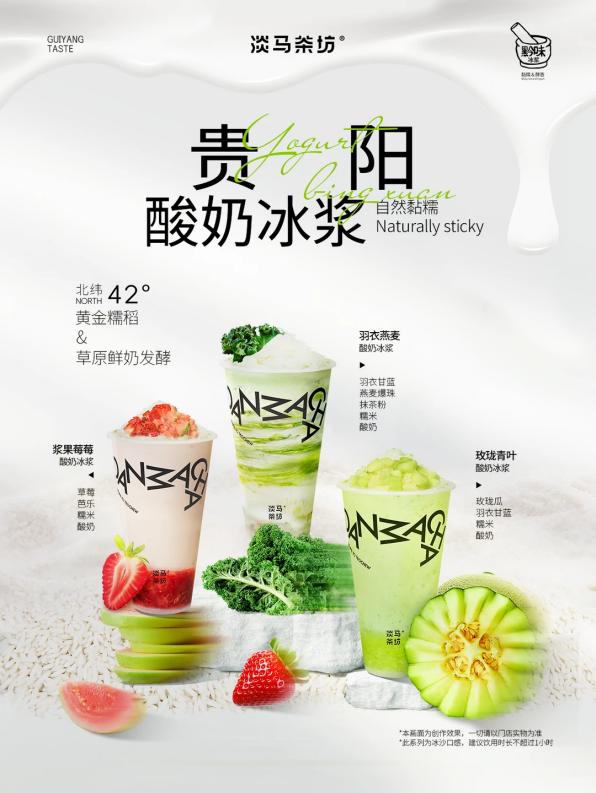
If in the past, niche local flavors were seen as the exclusive territory of local brands, now cross-regional chain giants have also started entering this space frequently, trying to use local flavors to build their own "niche" brand image. So what should those small local brands that haven't expanded out of their regions do?
Yao Zhe, founder of Hezhonghe, gave a clear answer: A brand must find its own core representative label — that unique "1" that defines the brand. It could be a signature product, a special ingredient, or a unique flavor. Only after building clear consumer recognition, can subsequent product extensions make sense. Otherwise, launching new products just for the sake of launching