Why have "screen-free health bracelets" become popular again?
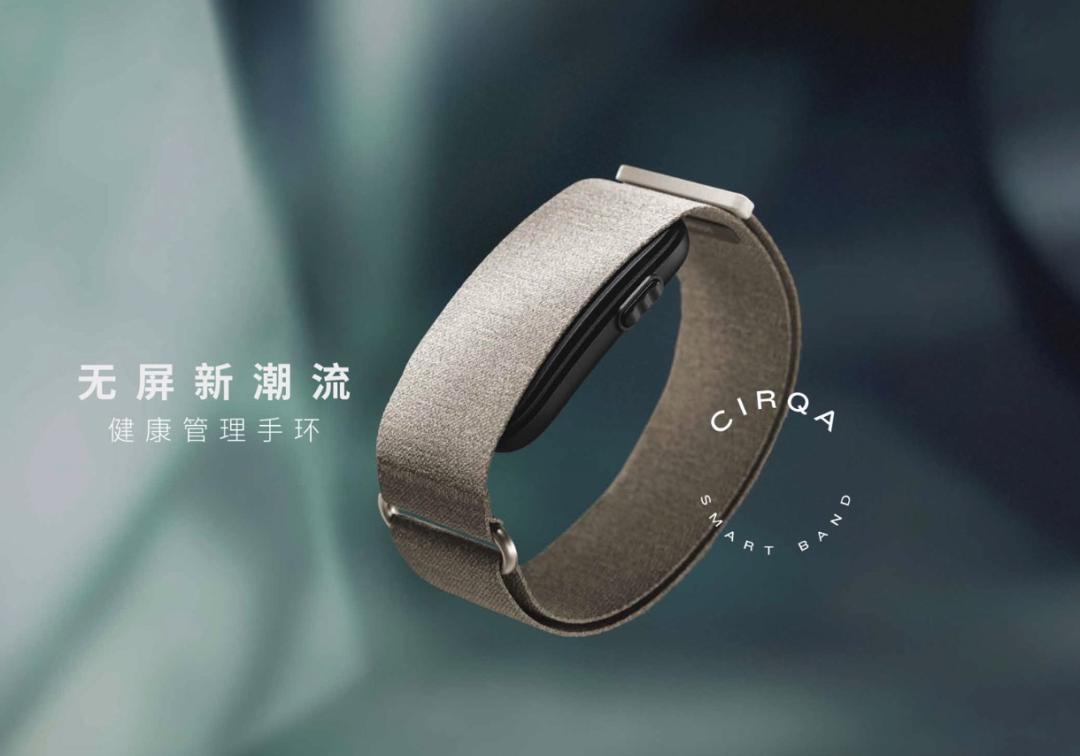
Recently, Garmin's long-awaited screen-free health band, the Garmin CIRQA, has been officially announced for release, drawing widespread attention.
Since last year, screen-free wearable health devices have entered the awareness of more mainstream users thanks to the rising popularity of Whoop and Oura.
Although the two brands represent different form factors — one is a screen-free health band, and the other is a smart ring — the shift in demand behind them is unified: what smart health wearables need to address is no longer just the recording needs during exercise, but also the wearing needs during non-exercise hours.
Modern people are paying more and more attention to overall health management, not just exercise tracking, but also being able to see the body's recovery status, which has spurred the demand for 24/7 continuous health data recording.
Compared with smartwatches, the "unobtrusive" and "long battery life" features of screen-free health bands and smart rings not only make them a more comfortable choice for users to wear while sleeping, but also help many middle-class users who prefer wearing mechanical watches avoid the awkwardness of wearing a mechanical watch on one wrist and a smart health watch on the other.
While the change in form factor marks the beginning of this round of wearable device innovation, its core competition will eventually lie in the brand ecosystem, depending on who can better meet modern people's pursuit of health management.
Health wearables enter the screen-free era
From brands that "suddenly emerged" to build user awareness, to "ecosystem-complementing" players that expand the market, today's health wearable devices have officially entered the screen-free era.
Founded by athletes, Whoop has focused on three core metrics from the very beginning: "sleep", "recovery" and "strain", taking 24/7 uninterrupted data collection as its differentiating advantage. Its professionalism has been further endorsed by the support of celebrity athletes, and in the past two years, it has begun to gain traction among a broader middle-class audience.

Cristiano Ronaldo wearing a Whoop, he is also an investor in Whoop, source: Whoop
The Oura Ring initially started with sleep tracking, placing "recovery" at the core of its product from the very beginning, advocating "better sleep, better performance". With iterations, the Oura Ring has gradually added features such as HRV, body temperature, women's health, and activity tracking, building a "comprehensive health management" ecosystem.
Whether it's a band or a ring, their essence is a sensor attached to your hand, which can be lighter and collect data more continuously than a smartwatch. Now that smartwatches have educated the market well, this concept is very easy to understand.
At the same time, as health awareness changes, people are paying more attention to rest and recovery. Whoop and the Oura Ring can also meet this new demand, making screen-free bands and smart rings a "reasonable" independent health product category in the public's mind.
Since last year, we have begun to see more familiar players join this track, using screen-free health band products to "complement their ecosystems".
In June 2025, Amazfit launched the screen-free Helio band. In addition to standard vital sign and exercise tracking, it also added a HYROX race mode, and with this product, introduced the BioCharge function to assess overall status (which analyzes energy levels in real time based on sleep, exercise, and stress data).
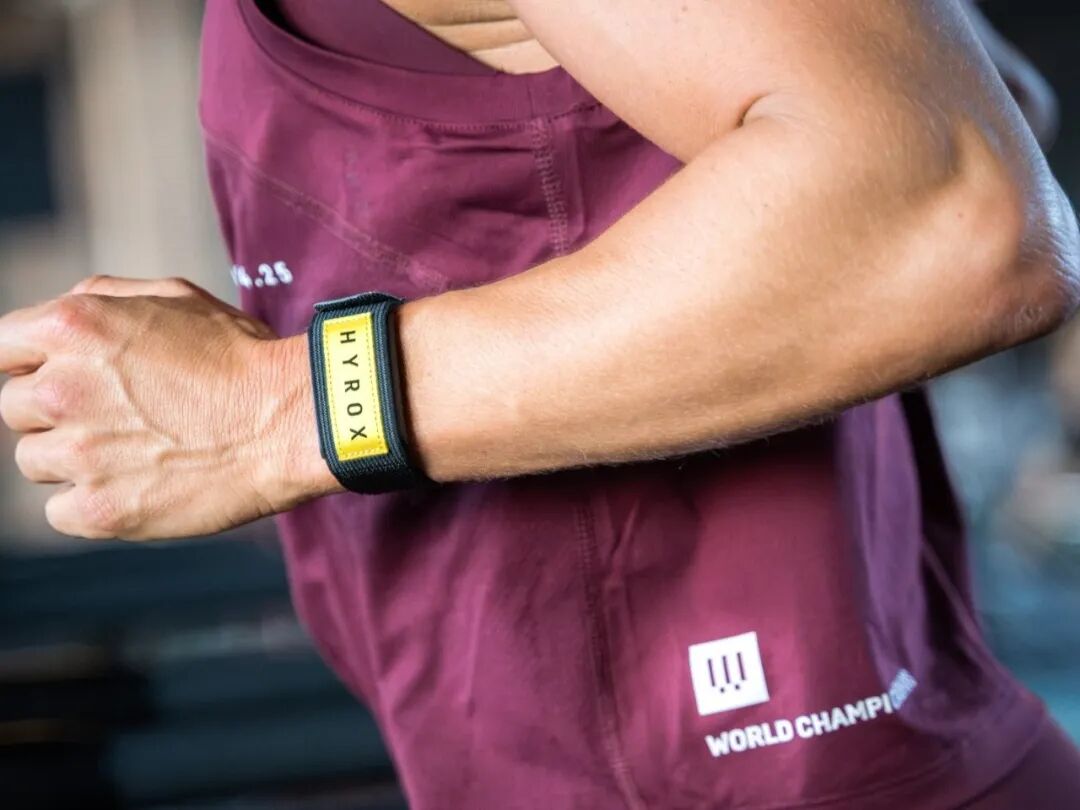
Amazfit Helio Band HYROX Edition, source: Amazfit
This May, Google launched the Fitbit Air band. In addition to being relatively lighter and slimmer than similar products, its other biggest advantage is leveraging Google's AI Gemini for data analysis.
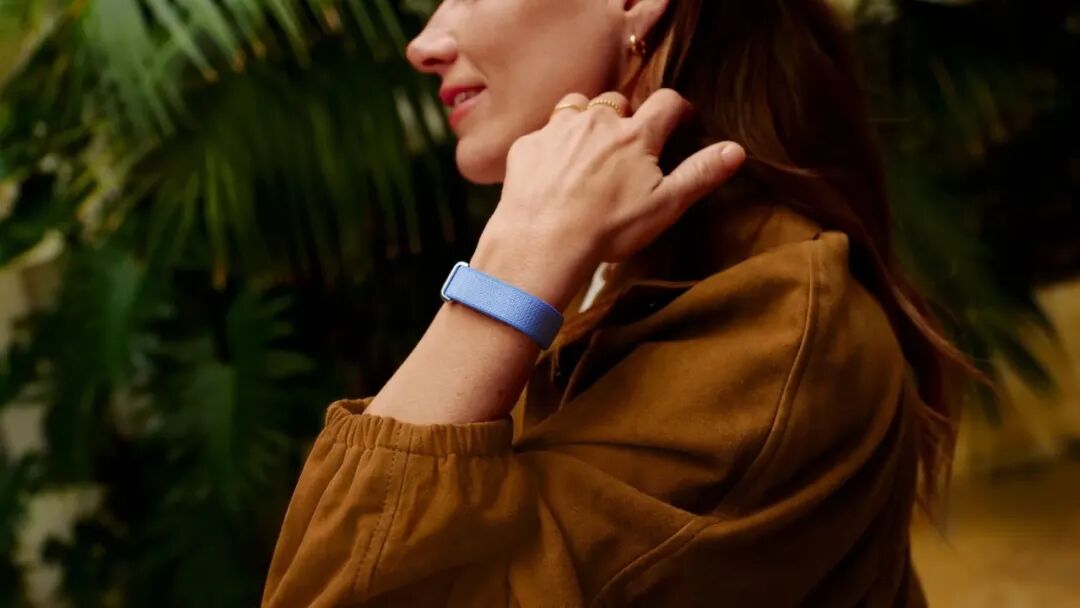
The Fitbit Air is lighter and slimmer than similar products, source: Google
The newly launched Garmin CIRQA's biggest advantage comes from Garmin's sports ecosystem. It not only supports 80 types of exercise recording, but also has a small button on the band to manually start recording during training. At the same time, data is also directly synced to Garmin Connect.
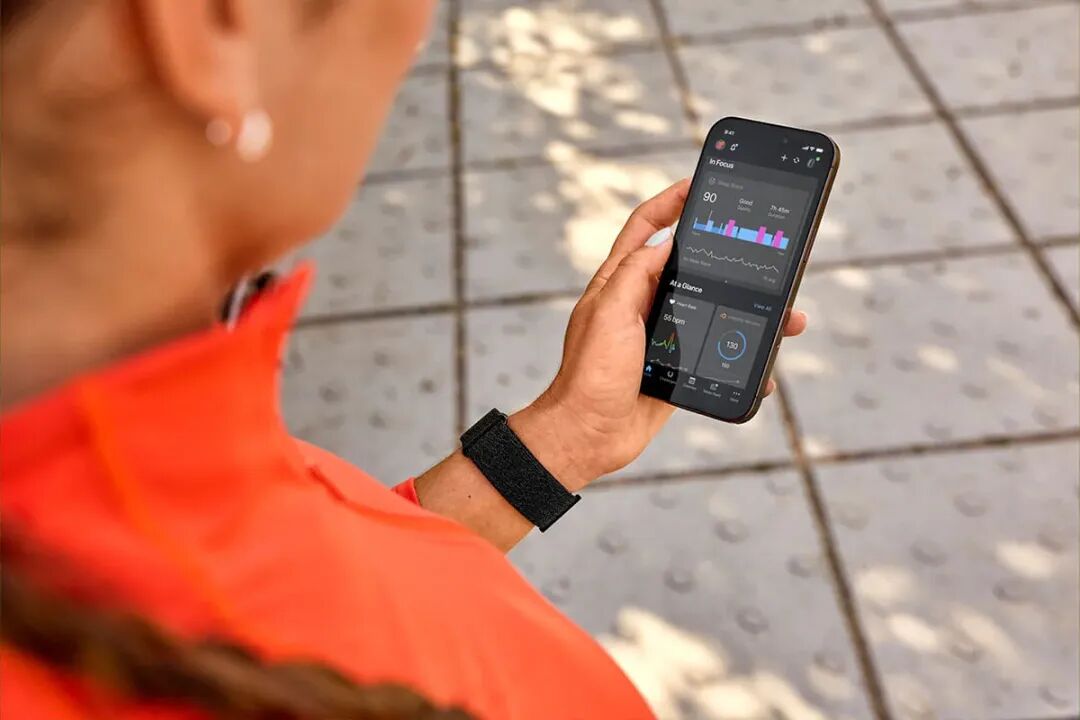
Garmin CIRQA, source: Garmin
These three products are undoubtedly targeted at Whoop, as they all emphasize "no mandatory subscription" in their promotions.
For many people, the biggest psychological barrier to buying Whoop is the annual paid subscription service. We can even understand that Whoop sells services, and the band is "given away" — because when you sign up for a new subscription, the band is included, but if you don't renew the subscription, the band becomes useless.
While Google and Garmin's bands can also access advanced health features through paid subscriptions, buying the band alone already unlocks most of its functions.
As sports technology brands, Amazfit and Garmin following up with screen-free bands is not just "chasing trends", but also protecting their ecosystems.
As sleep and recovery data become "indispensable" information today, failing to provide products that are more comfortable to wear during "non-exercise hours" will lead to incomplete ecosystem data, and users are more likely to churn.
"Unobtrusive" wearables bring health management to an "all-day, all-night" state
Compared with "traditional" smartwatches, the biggest advantage of screen-free bands in terms of wearing experience is "unobtrusiveness".
The most intuitive benefit is the physical comfort of wearing. Compared with smartwatches, this generation of screen-free bands is lighter (the lightest Google Fitbit Air currently weighs about 12g, Whoop 5.0 about 26g, Helio and CIRQA about 20g), and less bulky, significantly improving wearing comfort during sleep.
At the same time, because the screen is removed, the band can maintain a lightweight design while having a more durable battery, with battery life starting at a full week. In an "extreme" case like Whoop, the charging mechanism has even been improved so that you don't need to take off the band to charge. Users only need to charge the charging case, then attach the case directly to the band to start charging, without having to unbuckle the band at all.
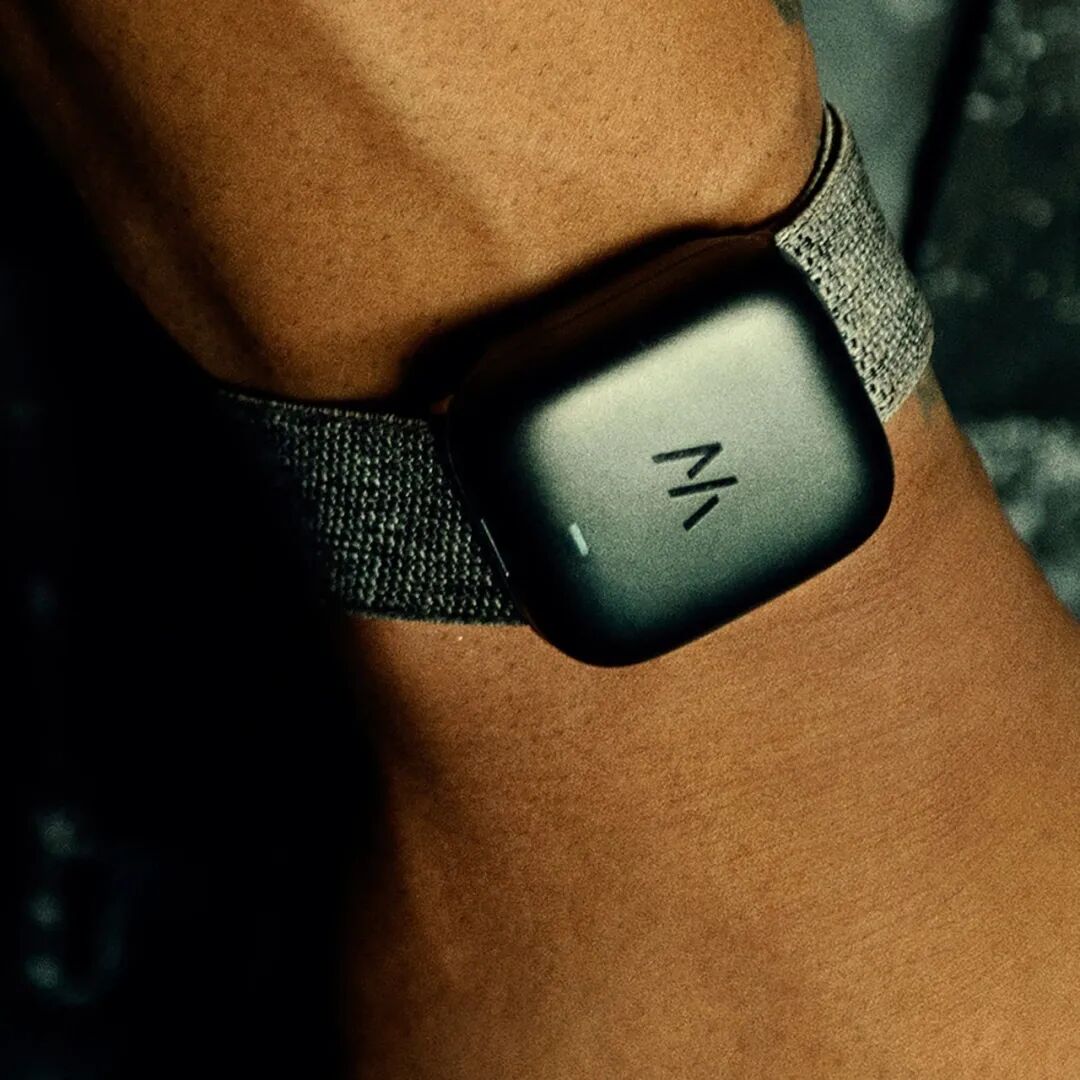
Whoop under charging, source: Whoop
In addition, if users really don't want to wear the band on their wrist, besides the standard armband accessory, Whoop has also launched an "apparel collection", ranging from sportswear to underwear, all of which can be paired with the Whoop main unit, designed to ensure no data is missed.
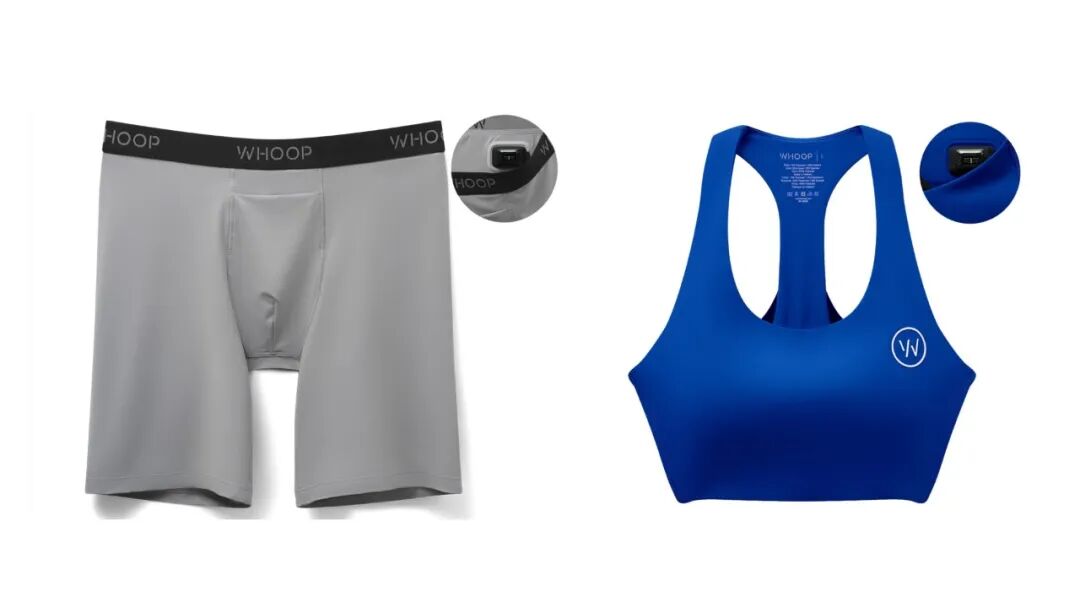
All of this is to satisfy people's pursuit of the integrity of their own health data. After all, only with complete data can the system assess physical status more accurately.
Another type of "unobtrusiveness" lies in its "quietness". For some people, the app notifications, call and message alerts on the Apple Watch are convenient — you don't need to take out your phone, just raise your wrist to see them. But for others, these notifications are all burdens, which may interrupt focus at work and during exercise, or even directly trigger anxiety. Worse still, it makes people unconsciously raise their wrists to check the screen even when there's no need.
Screen-free bands "cannot" trigger such anxiety; at most, they can vibrate to wake you up. During exercises that don't require maps or real-time data feedback, users can also focus more on feeling their physical state.
There is another kind of "unobtrusiveness", which is "dual-wear friendly". For mechanical watch users, wearing an extra screen-free band won't look particularly out of place visually. To some extent, the combination of a mechanical watch and a screen-free band has even become a new trend — the mechanical watch represents taste and status, while the Whoop band shows attention to health, not just to exercise tracking, but to recovery and overall wellness.

Charles Leclerc of the Scuderia Ferrari F1 team often pairs a mechanical watch with Whoop, source: Charles Leclerc's social media
For users who still need to wear sports watches, it is more convenient to wear the band daily and put on the sports watch only during workouts. The Fitbit Air, Amazfit Helio, and Garmin CIRQA all support simultaneous wearing and data recording with their own brand smartwatches. After exercising, you can take off the watch and leave the band on.
All this "unobtrusiveness" is to give users fewer reasons to take off the band. The more unobtrusive the band is, the better the continuity of data analysis, and the more users will rely on the system.
From competing on workout volume to pursuing "reverse-aging lifestyle"
As personal trainers are transitioning from fitness coaching to "longevity coaches", smart wearables also need to echo people's emphasis on physical recovery.
In the past, the wrist philosophy for elites was to close their activity rings, completing or exceeding their training plans. But now, people are pursuing a "reverse-aging lifestyle" on Whoop Age, managing their rest, eating, and exercise to make their biological age younger and slow down their "Pace of Aging".
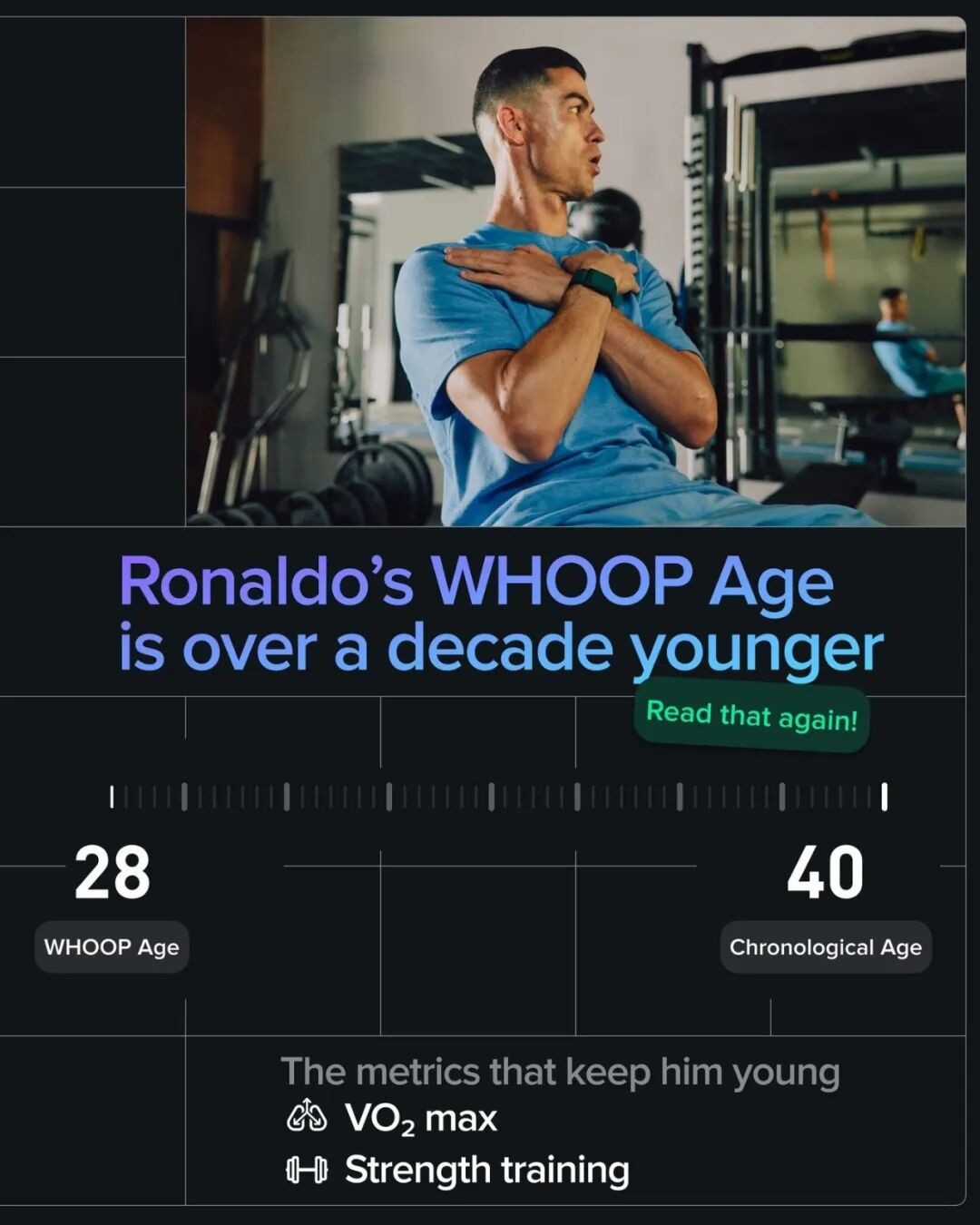
Whoop also announced Cristiano Ronaldo's "Whoop Age" last year — 28 years old.
"Whoop Age" can be understood as the "biological age" in the Whoop ecosystem. The system assesses the user's physical status based on indicators such as sleep duration, sleep consistency, daily steps, training time in different heart rate zones, strength training time, VO2 Max, resting heart rate, and lean body mass, reflecting long-term trends. In contrast, "Pace of Aging" can better reflect short-term state changes.
On social media, we can see many people, in order to pursue a "reverse-aging lifestyle", start resting regularly according to Whoop's data feedback, or add training in specific heart rate zones. Some people even "secretly" drink alcohol and stay up late, only to find their recovery index turn red the next day.
"Traditional" smartwatches tend to show users data such as how many hours they slept yesterday, how long they exercised, and how many calories they burned, leaving the analysis and judgment work to the users themselves. But Whoop directly analyzes data in the background, giving you daily scores for "sleep", "recovery", and "strain". Users who want to improve can directly talk to the AI Coach to know what to do next.
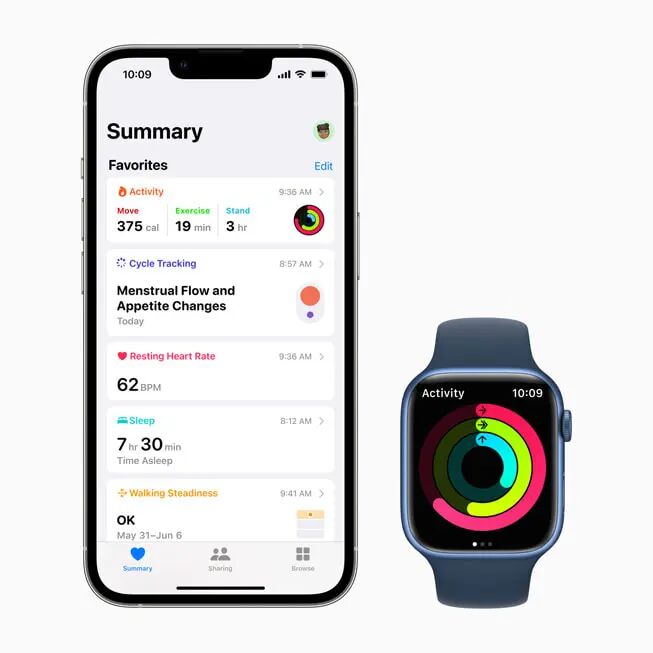
Source: Apple
The foundation of all this is also continuous data collection.
Garmin's "Body Battery", "Training Readiness", as well as Amazfit's "Mind & Body Readiness" and "BioCharge" are all assessments of the user's overall status, and the more continuous the data, the better the assessment. Therefore, the two brands successively launched the Helio band and CIRQA, which will also help users who previously found smartwatches uncomfortable to wear during sleep fill in their missing data.
As for Google-backed Fitbit Air, at the time of its launch, Google "upgraded" the Fitbit app to Google Health, integrating data from watches, bands, and even third-party sources into one place, demonstrating its transformation towards "holistic health", while also leveraging the advantages of Gemini's conversational analysis.
So far, the popularity of screen-free health management bands symbolizes the end of the era of purely competing on workout volume. The new health concept that is becoming popular today — an idea that places more emphasis on recovery and overall health status — is undoubtedly a welcome change.
However, could screen-free bands that you "don't need" to take off also evolve into a new kind of electronic shackle?
After all, in the past, forgetting to wear a watch during a workout was enough to ruin your exercise mood. Now, not wearing the band at any time may trigger anxiety.