NVIDIA has raised prices across its entire graphics card lineup, and consumers who have been holding out for price cuts have suffered a crushing loss.
Those who are planning to build a new PC or upgrade their graphics card recently must have been hit by a cold splash of reality.
According to the latest news from Benchlife, NVIDIA has notified all authorized graphics card partners that the prices of GPU kits (GPU + VRAM) will rise across the board, ranging from the new architecture GDDR7 VRAM to the full GeForce series of GDDR6 VRAM, without any exception.
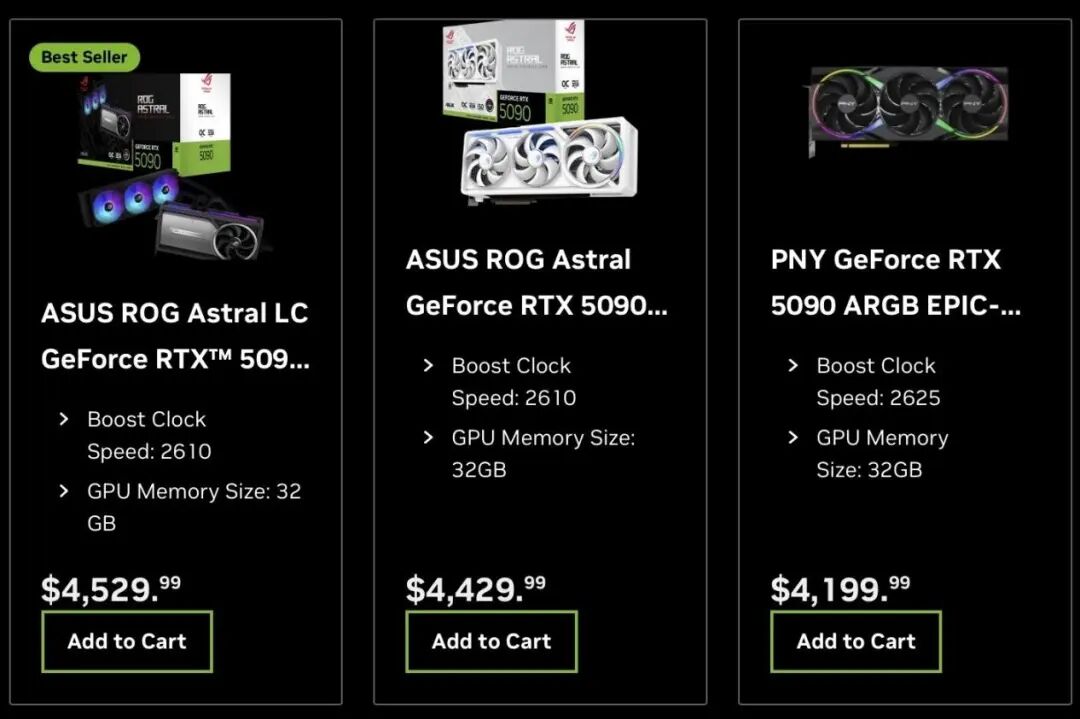
This wave of price hikes is not the first one. Back in May, NVIDIA raised prices for its flagship RTX 5090 and RTX 5090 D V2 models, and this time the price increase has extended to cover all other product lines.
It's fair to say that VRAM costs have risen almost universally, and the procurement prices for downstream manufacturers are inevitably going up, which will ultimately be passed on to consumers.
However, if we trace up the industrial chain, we will find that this round of price increases is not simply manufacturers taking advantage of users.
On the surface, it is the rising cost of VRAM; at the middle level, it is the AI computing power industry frantically snatching production capacity; at the root, gamers have long ceased to be the highest-priority group in NVIDIA's customer list.
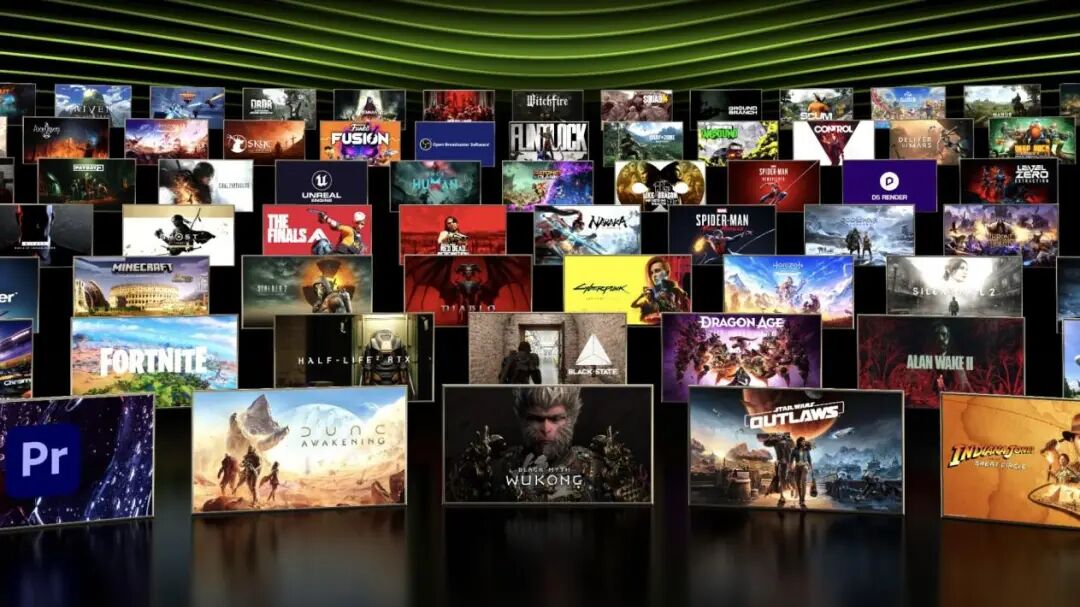
First, let's clarify the core fact: this price hike is not for the GPU core, but for the VRAM.
In the cost structure of a graphics card, VRAM has always been the second-largest expense after the GPU chip. When prices are stable, no one pays much attention to it, but once there is a problem with upstream production capacity, the cost pressure will immediately become prominent.
Therefore, the fundamental reason for this price increase lies in the skyrocketing price of upstream DRAM memory.
Many people will complain: I just want to build a PC and play games, can't memory manufacturers just produce more VRAM chips?
The truth is, you can't increase production capacity just because you want to.
The DRAM market is highly concentrated. Samsung, SK Hynix, and Micron together account for more than 90% of the global market share, which means the DRAM market is almost entirely dominated by these three giants, forming an almost monopolistic situation.
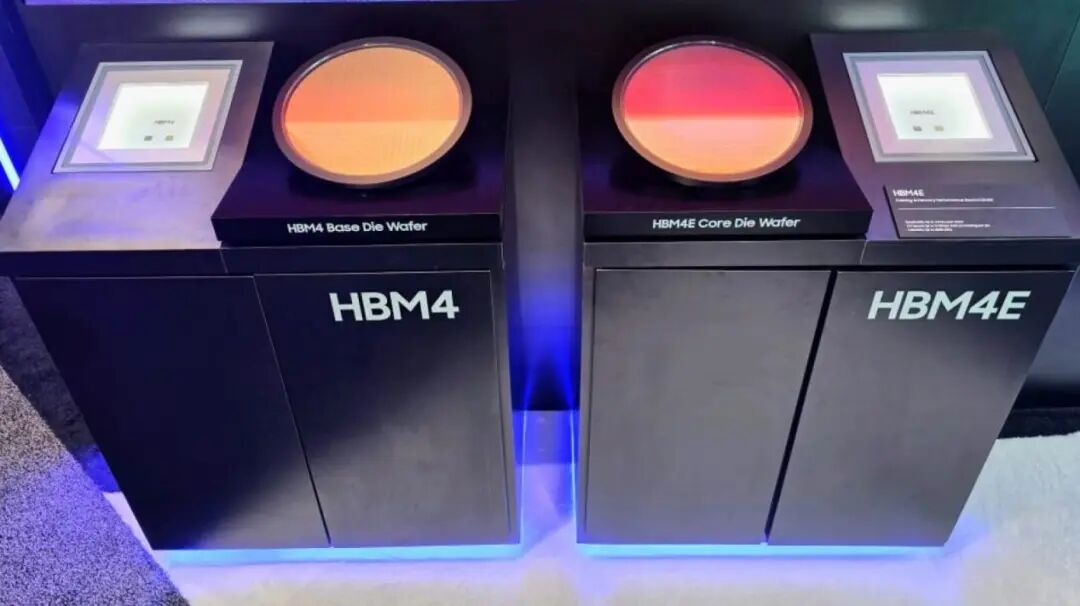
Their advanced DRAM production capacity is fixed. Once a production line is used to make HBM high-bandwidth memory, it cannot produce GDDR VRAM. Priority is given to supplying AI servers, and consumer-grade products have to wait.
The current situation is that almost all new production capacity has been snatched up by HBM orders for AI use.
Whether it is GDDR or HBM, the core production technology principles are shared. HBM achieves higher bandwidth by vertically stacking multiple DRAM chips to form a large-capacity memory array.
That's right, even in high-tech industries, quantitative changes lead to qualitative changes.
More importantly, the price difference between the two is not insignificant.
Previously, the mainstream price of a single HBM3E chip on the market was around $300. An H200 graphics card requires at least 6 such HBM chips, which costs nearly $2000.
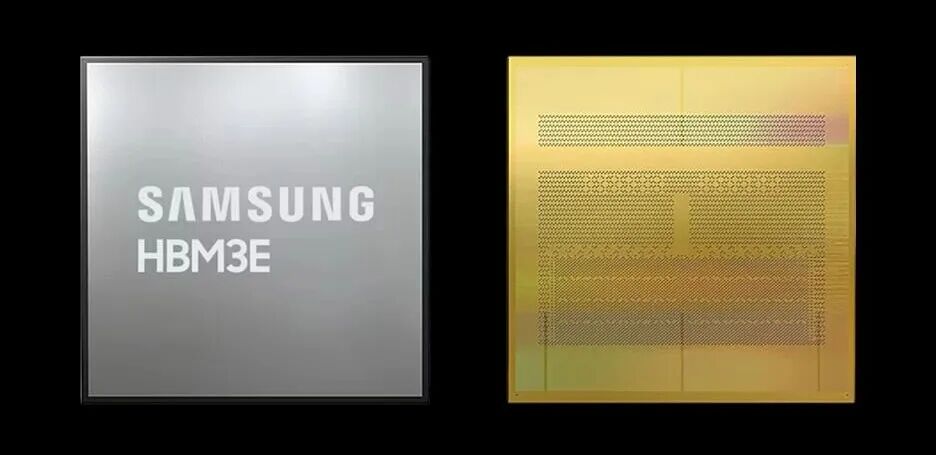
In other words, the profit of HBM is much higher than that of ordinary GDDR. With relatively limited production capacity, manufacturers will naturally allocate capacity to the more profitable HBM.
AI large model training consumes a lot of memory, and inference also consumes a lot of memory. Hundreds of millions of user queries every day are all supported by massive memory. Now, hundreds of large model manufacturers around the world are all scrambling for computing power and memory, and the HBM orders of leading manufacturers have been scheduled to 2027.
For memory manufacturers, the math is not even worth doing.
The profit from producing one HBM chip is several times or even more than ten times that of an ordinary GDDR VRAM chip. Their customers are all big spenders like Google, OpenAI, Amazon, and major domestic internet companies, with large order volumes, stable payments, and extremely low price sensitivity.
This business is extremely profitable! Consumer-grade VRAM naturally has to take a back seat.
The result is that advanced production capacity is fully tilted towards HBM, and the production capacity of consumer-grade GDDR is continuously squeezed. Once the supply shrinks, prices will naturally rise.
Graphics card manufacturers are also helpless. When the procurement price of VRAM rises, they cannot absorb all the cost themselves. Their profit margins are already thin, with the gross profit margin of mainstream models being only around ten percent. Once VRAM prices rise, most of their profits are eaten away, and if they continue to absorb the cost, they will start losing money.
The cost is passed down the industrial chain, and it is only a matter of time before it is reflected in the final retail price.
Moreover, this is not unique to the graphics card industry. A few months ago, the price of mobile device memory skyrocketed, making low-cost smartphones almost unprofitable, and even the memory and flash storage of laptops and tablets have seen price increases.
Essentially, they all follow the same script: AI has snatched away memory production capacity, and consumer-grade products can only passively accept price hikes.
The fact that VRAM production capacity is being snatched is an objective reality, but what's more frustrating is that Jensen Huang probably no longer values the meager profits contributed by gamers.

Ten years ago, GeForce gaming graphics cards were NVIDIA's absolute main revenue source, and gamers were treated as valued customers. When VRAM prices rose, NVIDIA might have absorbed part of the cost itself to stabilize terminal prices and maintain market share.
At that time, the gaming business was the foundation of the company, and it could not be lost at all, but that is no longer the case now.
The reason is simple: the slight revenue fluctuation of the gaming business is no longer a concern for today's NVIDIA.
Many veteran gamers still hold onto the belief that "waiting for a better deal never loses," thinking that the price hike is temporary, and prices will naturally fall once production capacity increases and the hype cools down.
But they didn't expect that times have changed!
In the past, price hikes were cyclical, and prices would naturally fall when there was excess production capacity. Today's price hike is structural. As long as the AI boom does not fade, the demand for HBM will not decrease, and memory manufacturers will not shift production capacity back to consumer-grade products. Not only will prices not fall, but there is even a possibility of further increases in the future.
We have already seen this script play out in the smartphone industry: low-cost smartphones became unprofitable due to memory price hikes, and manufacturers collectively shifted to the mid-to-high end market. Now, the exact same story is repeating in the graphics card industry.
Over the past decade, there has been a popular saying among gamers: Buy early for early enjoyment, buy later for discounts.
Newly released graphics cards have high premiums, but after half a year, when production capacity increases and competing products come out, prices will inevitably fall, and those who wait can always buy products with better performance at lower prices.
The premise for this logic to hold is that consumer electronics production capacity continues to expand, and performance improvements brought by technological iterations can offset rising costs, so products always offer "more features at no extra cost" or even "more features at lower prices."
But now, this premise seems to have collapsed.
The computing power demand brought by AI is an unprecedented force. It is not a cyclical industry boom, but a long-term industrial structure transformation. In the past, most of the memory and wafer production capacity was allocated to consumer electronics; in the future, more and more production capacity will shift to AI infrastructure.
Consumer electronics has shifted from "priority production capacity" to "residual production capacity": high-quality production capacity is first allocated to AI, and the remaining leftover capacity is left for smartphones, graphics cards, and laptops. With reduced supply and sustained demand, prices naturally cannot go down.
Finally, a few honest words for all gamers.
If you urgently need to build a new PC, or your old graphics card is broken and must be replaced, don't wait stubbornly for prices to drop. This is a structural cost increase, not a short-term promotional fluctuation. The longer you wait, the more expensive it may get, and "buy early for early enjoyment" is not an empty slogan.
The retail market has not yet fully passed on the upstream price increase. When downstream partners cannot bear the cost and raise prices across the board, prices will only go higher.
If you don't have an urgent need and just want to upgrade because you are tempted by new graphics cards, there is no need to rush into it.
Currently, graphics card prices are at a high level, and spending thousands of extra dollars for a tiny performance improvement is extremely cost-ineffective. Your old graphics card can still work for another one or two years, and when this round of production capacity allocation stabilizes, there may be a more suitable time to make a purchase.
Now we can only hope that domestic YMTC will launch its products soon, bring down the price of high-end AI memory, so that the prices of our graphics cards can also come down!
This article is from the WeChat public account "TechFox" (ID: kejihutv), written by Guozi, and published by 36Kr with authorization.