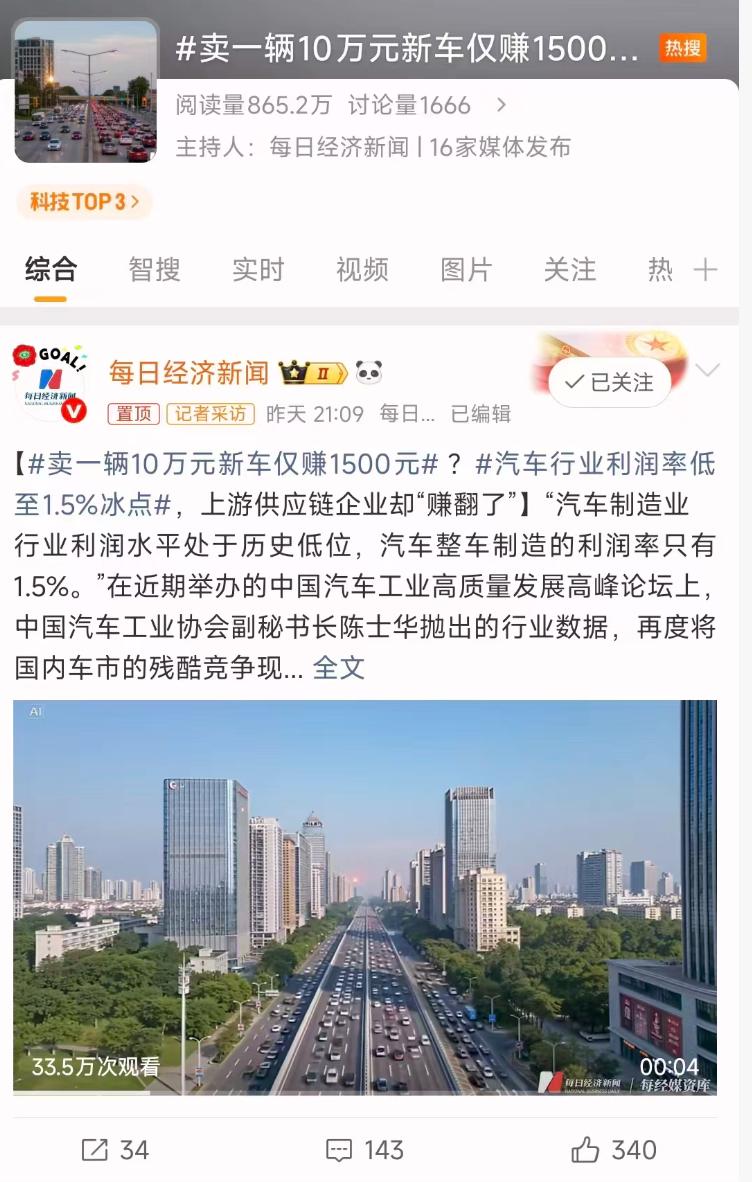
Selling a 100,000-yuan car only brings a profit of 1,500 yuan, which is really not as profitable as selling mineral water.
After over a decade in the auto-making business, just how much hardship has Jia Yueting endured?
FF has raised more than $3.2 billion in cumulative financing, and the vast majority of this massive investment has been burned through. Its total revenue for the full year 2025 was only $540,000, with a net loss approaching $400 million. As of the first half of 2026, FF has delivered fewer than 30 new vehicles in total.
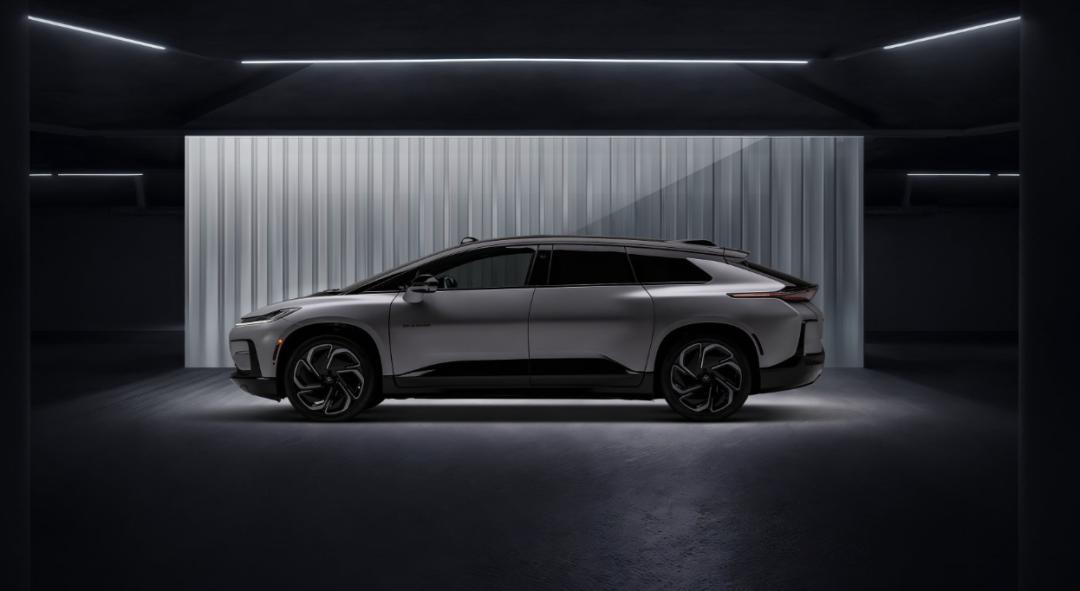
Looking at the domestic market, almost none of the mainstream new-energy vehicle startups that have operated for over a decade have been able to maintain stable profitability. Even brands like Li Auto and Leapmotor, which had previously turned losses into profits, have slipped back into the red this year.
Jia Yueting is fully aware that he will never turn the situation around by just selling cars. So he switched tracks and pivoted to selling robots.
Before he could even clean up the mess left by FF, he had already positioned himself for the next market trend.
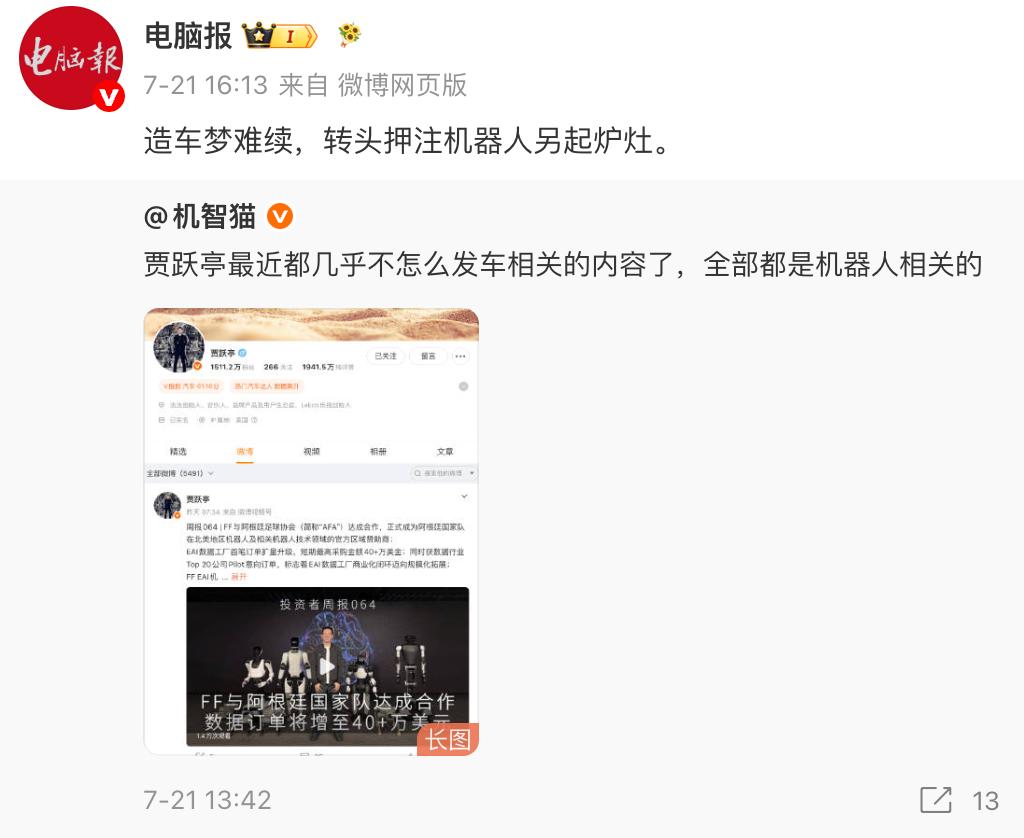
But from another perspective, Jia Yueting's "abandonment of the car business" declares something more straightforward than any financial report: the auto manufacturing business simply does not make money.
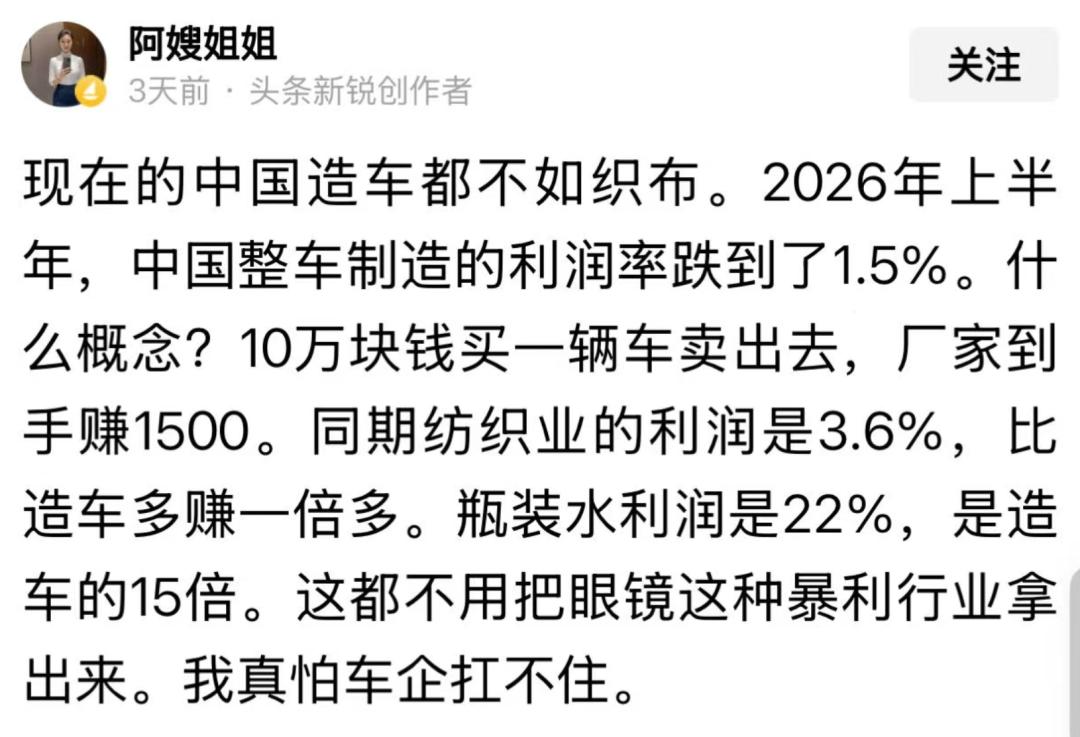
Corresponding data shows that in the first half of 2026, the profit margin of China's complete vehicle manufacturing fell to 1.5%. In other words, for a car priced at 100,000 yuan, the manufacturer only makes 1,500 yuan, which is far lower than the 6.1% average level of downstream industries.
For reference, the profit margin of the textile industry in the same period was 3.6%, while that of bottled water reached 22%. The meager profits stand in stark contrast to the frequent, high-profile new car launches and marketing campaigns held by automakers.
This has led to the viral online meme in recent days that "making cars is less profitable than selling bottled water".
Yet not long ago, in 2024, the average profit per vehicle for domestic automakers such as BYD, Great Wall Motors, and Changan Automobile could still hover around 4,000 yuan.
So where has all the money gone? Just how difficult is it to make cars?
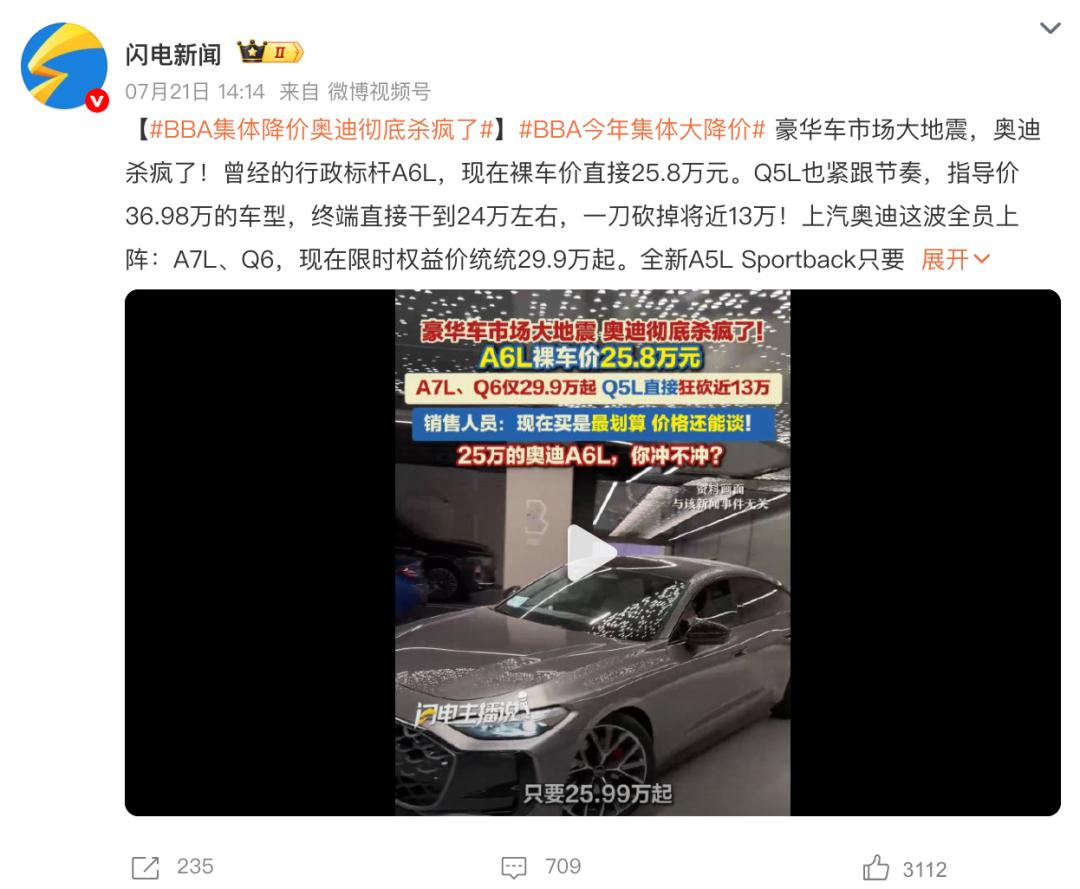
The price war is the most prominent issue. Whether for fuel vehicles or new energy vehicles, new car prices continue to decline, eroding the core profits of automakers. A few days ago, the BBA brands collectively cut prices and once again hit the trending searches. The average price reduction for new cars in the first half of the year reached 12%, and no one can say for sure when the price war will end.
At a deeper level, the industry landscape and the distribution of power are being reshaped.
In the era of fuel vehicles, automakers held absolute dominance. Especially with their mastery of the core technologies of the three major components - the engine, transmission, and chassis - they occupied a leading position in their relationships with suppliers.
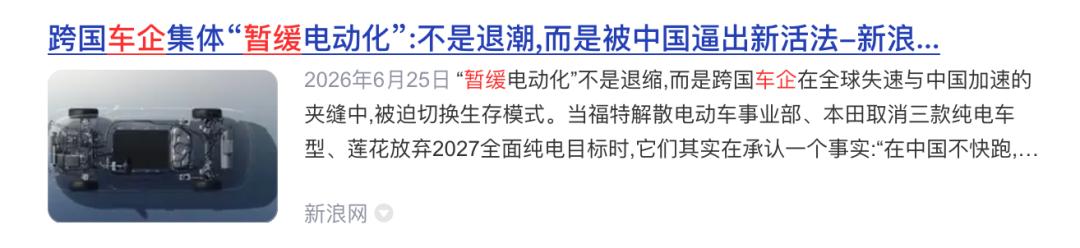
This is also why overseas automakers have slowed down their electrification transformation: their profits still rely on fuel vehicles. With poor sales and no profitability in the new energy sector, they naturally lack the desire and motivation to push forward such changes.
For new energy vehicles, it is not just the technology that has changed - the entire system of suppliers and manufacturing materials is completely different. Batteries and electric drive systems have become the core of the hardware. Only by having resources, technology, stable supply capabilities, and full control of the industrial chain can one gain the initiative.
Since last year or even earlier, the profits of a single supplier like CATL have exceeded the combined profits of seven automakers including BYD and Geely, which is clearly an imbalance in the manufacturing industry.
Netizens have a witty saying for this: "Automakers are in the ICU, while suppliers are partying in a KTV."
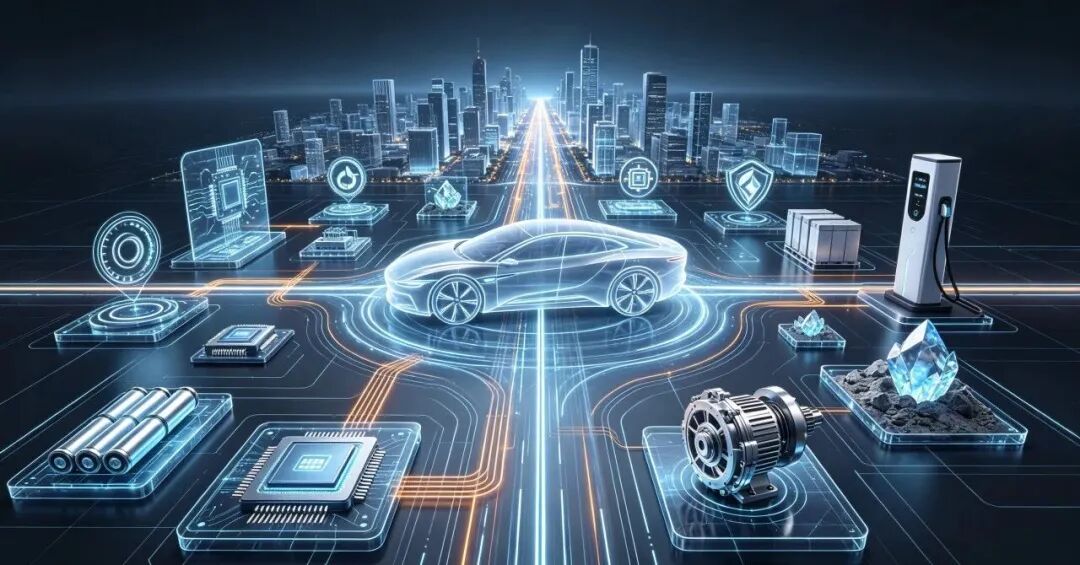
Especially since the end of last year, prices of materials like lithium and chips have risen. The cost of ordinary family cars has increased by about 10,000 yuan, while that of mid-to-high-end models has risen by 20,000 yuan.
With uncontrollable fluctuations in raw material prices and intensifying terminal competition, automakers have been caught in the middle as the "squeezed fish". In contrast, companies like BYD, which have the capability for full in-house R&D and manufacturing across the entire industrial chain, have far stronger resistance to pressure. This has also prompted many leading automakers to wake up, refuse to be constrained by others, and announce that they will independently develop battery cells and build their own battery production lines.
However, it will still take some time before these efforts show results that can ease the profit pressure in financial reports. Fortunately, at least a solution and direction to the problem have been found.
What is even more distressing is the terminal competition. As previously shared, in the first half of 2026, the domestic auto market declined by about 20% year-on-year. The car ownership per 1,000 people in China is 260 units, with an average of one car for every two people of driving age. The market is saturated, leaving little room for further growth.
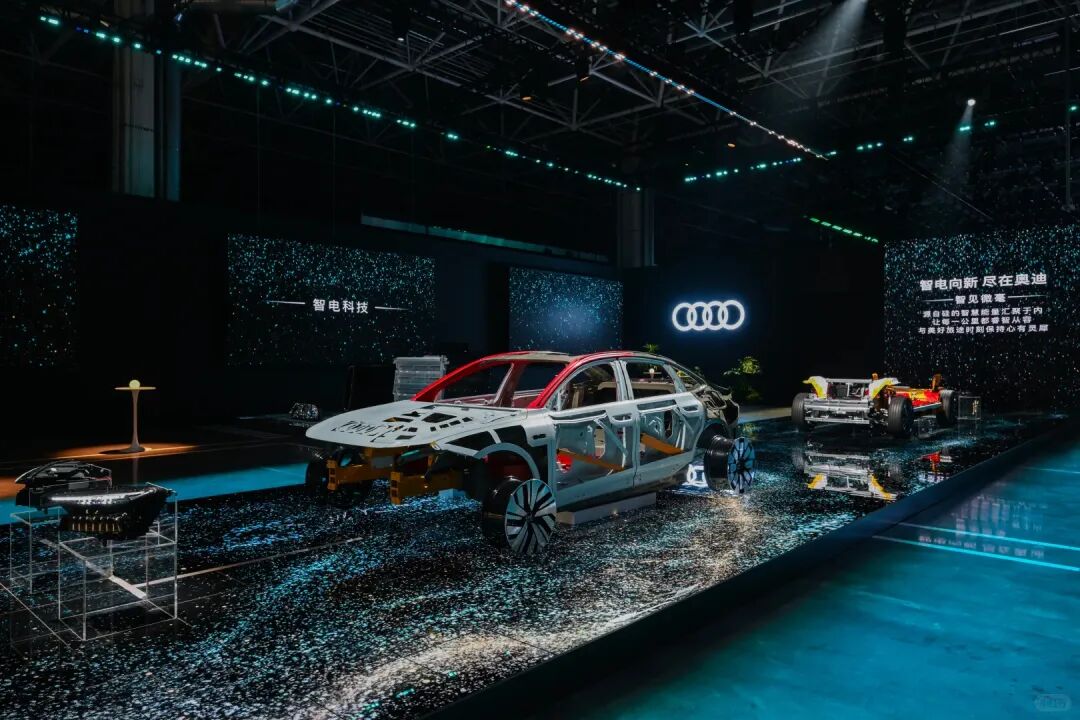
Yet as many as 600 new car models were launched in the first half of the year. A senior executive of Dongfeng Nissan stated bluntly: the frequency of new domestic car launches has far exceeded that of mobile phones, approaching that of beverage products. Commodities have directly become fast-moving consumer goods.
The large-scale investment in launch events, paired with the difficulty of guaranteeing stable sales, has created a vicious cycle.
Nowadays, a new car launch usually has three phases: pre-sale, technical briefing, and official unveiling. Each event has an average budget of about 5 million yuan, not including expenses for celebrity endorsements, media promotions, and platform partnerships. This is clearly a billion-level money-burning operation.
Of course, around 400 of the 600 new models are facelift versions, which is an even more "pathological" trend. These facelift models also require separate launch events. In the past, when fuel vehicles were updated, manufacturers would simply distribute press releases, create a launch poster, and clearly explain the changes in configurations and prices.

But that approach no longer works today. Without grand events and sufficient momentum, public attention and brand reputation cannot be built, and naturally, there will be no high level of public interest. Li Xiang even stated bluntly that the industry is facing a phenomenon of "launch event inflation".
Li Bin also proposed the concept of the "new car effect death valley": the launch phase usually sees a sales boom, but by the time production capacity and supply chain ramp up, demand has dropped, leaving no orders.
The hundreds of millions of yuan invested in R&D for each new car cannot be converted into actual sales, which is equivalent to pouring money down the drain.
It is said that R&D cycles are accelerating, but they still cannot keep up with changes in market demand. The extended-range and plug-in hybrid markets are the most typical examples. A few years ago, there were many hit models, represented by Li Auto and BYD. Other automakers followed suit and made intensive new car investments, but this year, both the extended-range and plug-in hybrid segments have seen sharp declines.
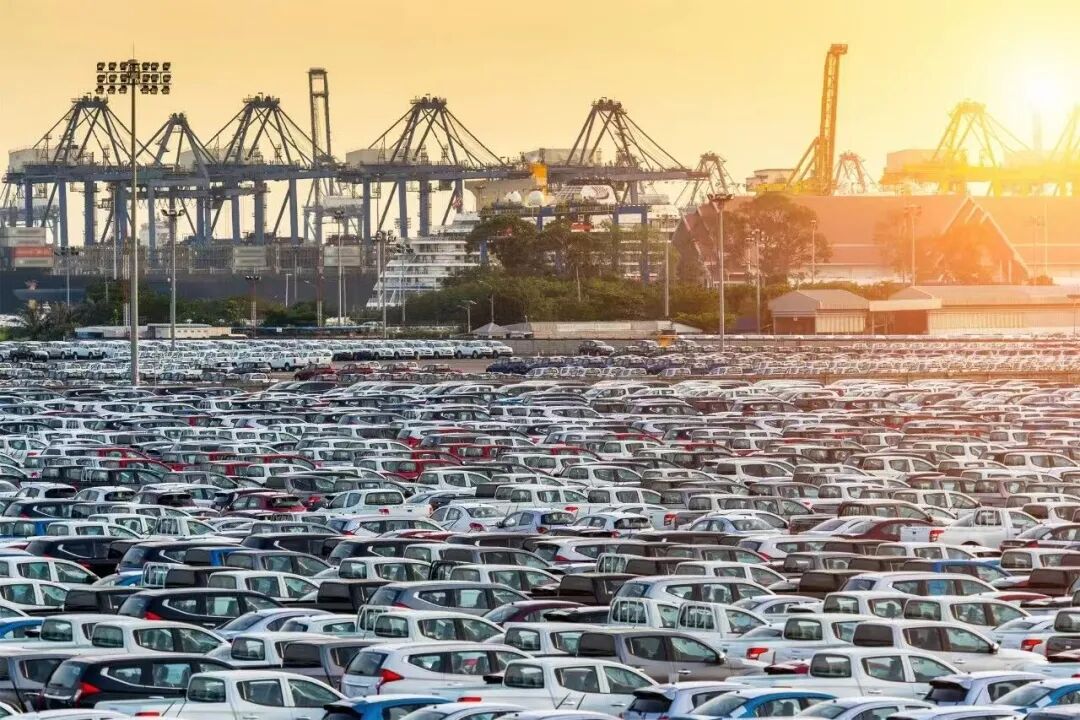
Even the monthly sales champion of extended-range vehicles has failed to break 10,000 units for two consecutive months. In June, the best-selling plug-in hybrid sedan was the Qin PLUS, priced under 100,000 yuan, and it was the only model in that segment to sell over 10,000 units in a month. Even within BYD, pure electric models are starting to outperform plug-in hybrid models in sales.
However, so many similar new models have been launched in recent years. Amid the market downturn, most of them can only run alongside competitors, losing money just to gain exposure. Worse still are models that are still in the R&D phase and about to hit the market soon, which will not catch any of the market dividend period at all.
In the final analysis, the difficulty in auto manufacturing stems from the lack of constraints from an orderly competition system. Most automakers that are seeing sharp profit declines yet still intensively launch new cars are in a helpless dilemma, hoping to outlast all their peers and be the last one standing.
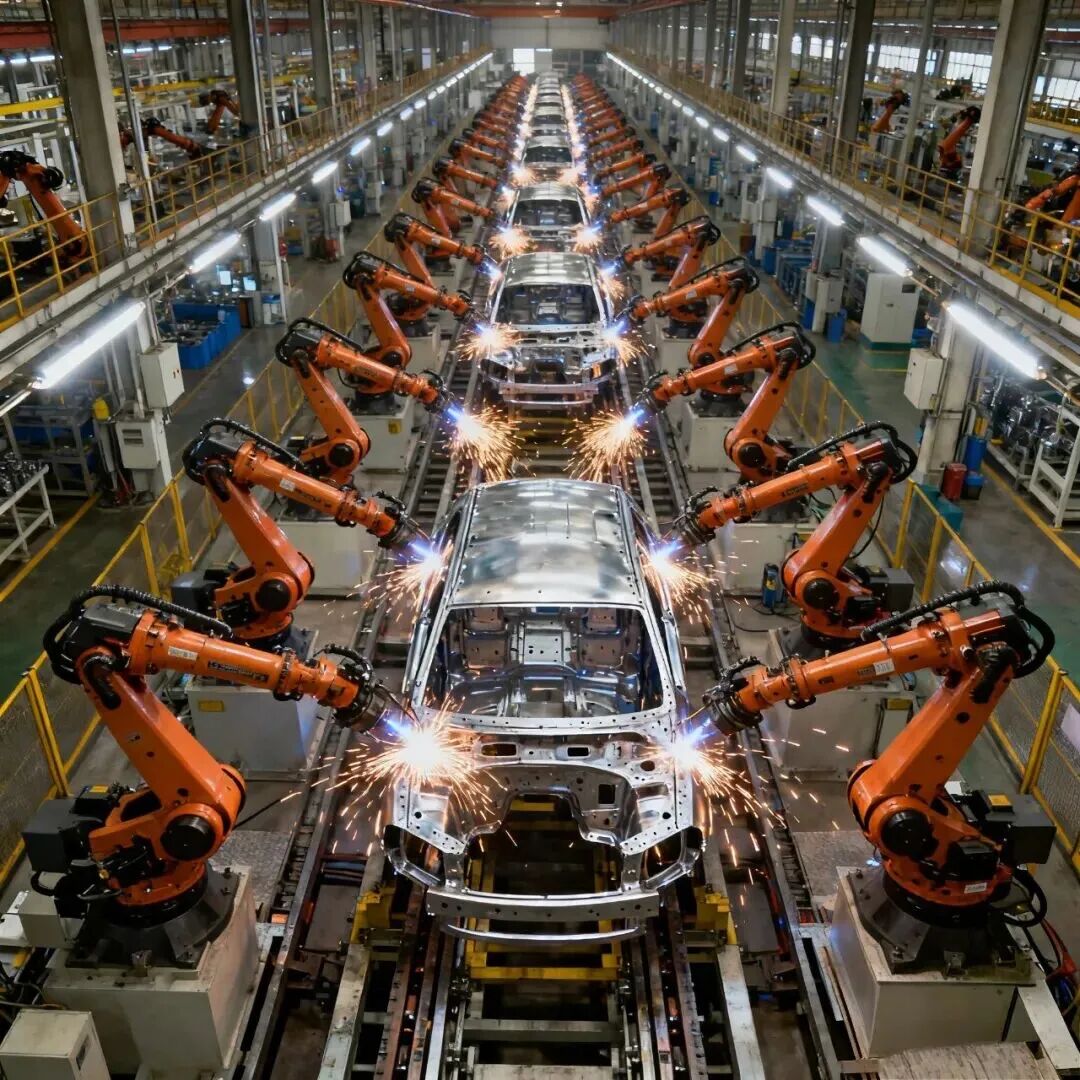
Feedback from people working in automakers shows that there will still be no significant reduction in the number of new cars next year, as R&D and launch plans were already made earlier. But after 2028, streamlining operations will become the main theme for automakers. Shutting down, merging, and restructuring underperforming brands and new models, and maximizing operational efficiency will be the general trend.
When an avalanche happens, no snowflake is innocent. With sales and profits plummeting, the knockout round is right around the corner. The automotive industry is so cold that even in the middle of summer, there is no need to turn on the air conditioning. Those who still plan to enter the auto manufacturing business now are the real warriors.
This article is from the WeChat official account "Tech Fox" (ID: kejihutv), written by Lao Hu, and authorized for release by 36Kr.