Does Nike acquiesce that Topsports does not have online distribution rights?
After the news that Nike China cut off Topsports' online distribution rights broke out, the public outcry spread beyond everyone's expectations.
On one hand, a large number of netizens accused Nike of "killing the donkey after the mill is done", and some even escalated the issue to national sentiment. On the other hand, the news of a "clearance sale" spread rapidly, with consumers flocking to Topsports' live-streaming rooms to place orders enthusiastically. "If I don't buy now, I won't be able to get discounted Nike products later". Driven by this sentiment, Topsports' live-streaming rooms saw traffic and sales several times higher than usual, and #TopsportsSoldOut# became a trending topic on Weibo.
On July 22, the sales of Topsports' Douyin sports flagship store soared to 500,000 - 1,000,000 yuan. On the 23rd, the GMV reached 1,000,000 - 2,500,000 yuan in just 5 hours of live streaming, while the average daily sales of this live room before was only 50,000 - 100,000 yuan.
Another group of small and medium-sized distributors even rushed directly to Xianyu to dump a large number of goods. On the Xianyu platform, searching for "Nike" brings up a large number of products sold at prices more than 50% lower than the official price. A seller claiming to be a former Nike store manager said, "Once the online authorization is taken back, small stores simply can't survive."
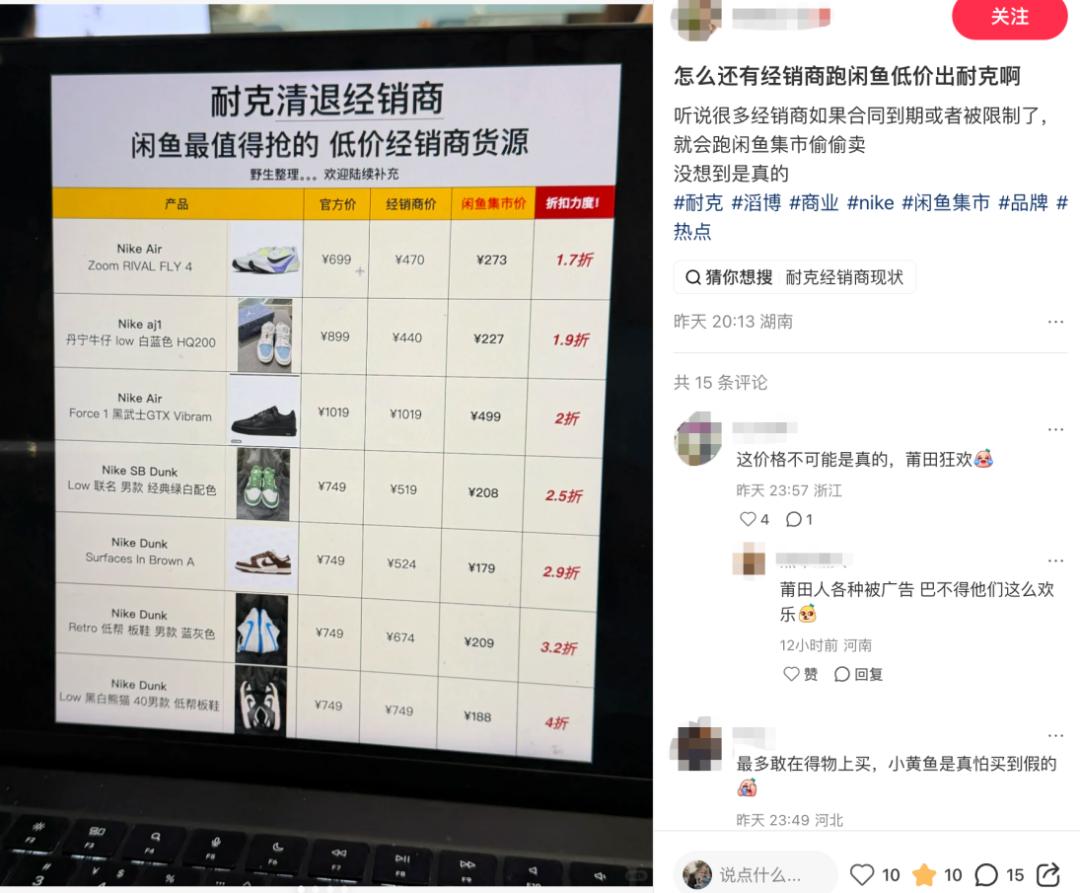
An industry insider close to Topsports told Spicy that Topsports opened online stores using its offline purchasing agency agreement, and there was no strict online distribution authorization from Nike's headquarters. In the early days, Nike turned a blind eye to this, and only began to regulate it in the past two years. Distributors at all levels set their own prices and offer discounts based on their inventory to meet sales targets and recover funds. Combined with preferential policies on various online channels, the price gap has been further widened.
Nike once acquiesced to the rapid expansion of online distributors, leading to a complete loss of control over its price system. In the end, everyone became a victim.
Nike Greater China has recorded negative revenue growth for eight consecutive quarters. Nike CEO John Donahoe once admitted at a performance meeting: "In China, we have been reduced to a casual lifestyle brand that competes on price wars. For a long time, Nike's direct online channels have been almost "invisible". Consumers went offline to queue up for limited-edition sneakers, and bought popular styles at outlet stores or through distributor channels.
However, regarding Nike's move to reclaim online authorization, there are obviously more doubts.
The most direct concern is that nearly 60% of Nike Greater China's revenue comes from distributors such as Topsports and Pou Sheng. The model of bringing online operations under direct management and leaving offline business to distributors will completely split the market into two isolated silos. Inventory, membership, marketing, and traffic cannot be integrated, and the omni-channel synergy will completely collapse. Distributors who lose their online business may shift more resources to other brands. This passive contraction may in turn free up market space for local brands such as Anta and Li-Ning.
More importantly, channel rectification can only create conditions for full-price sales. "The recovery on the demand side ultimately depends on localized brand narratives and precise responses and innovations to the preferences of Chinese consumers," Wei Kan, founder of the consulting firm Conduit Asia, told Spicy.
Who is to blame for Nike's out-of-control pricing in the Chinese market?
To understand why Nike made this drastic move, we must first look at how its price system and channels lost control.
Over the past years, Nike has formed more than 1,000 distributor-operated online stores in China. The extreme fragmentation of channels has led to huge price differences for the same pair of shoes across different platforms and stores.
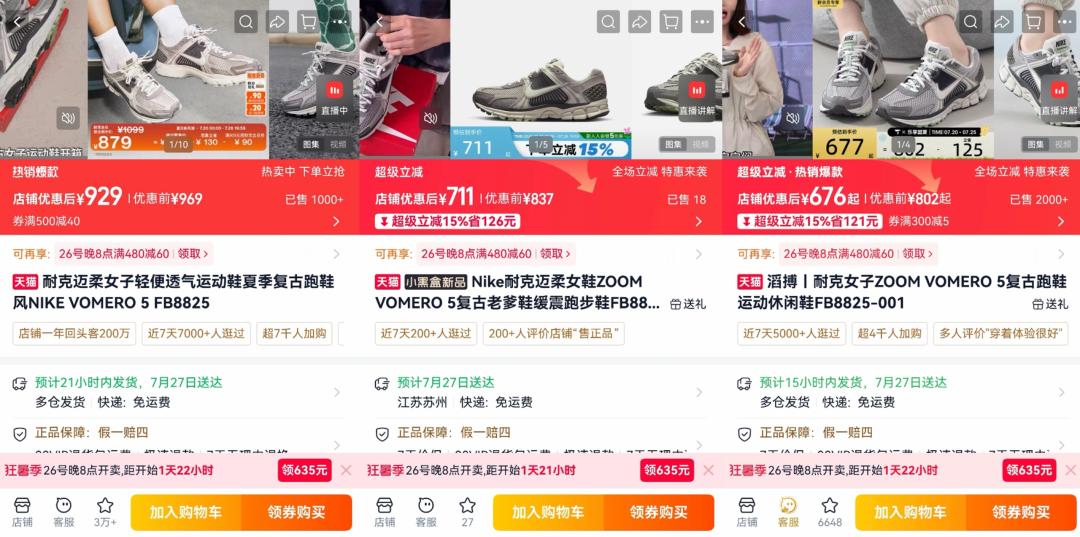
Screenshots from left to right: Nike, YYSports, and Topsports Tmall official flagship stores
Take the Nike VOMERO 5 running shoes as an example. The official retail price is 1,099 yuan, but the final price at distributors can be as low as 650-700 yuan.
The price difference for the P-6000 series is also very obvious: for the same retro running shoe P-6000 IU7549, the price after discount in Nike's official flagship store is 599 yuan, 528 yuan at YYsports, and only 480 yuan at Topsports.
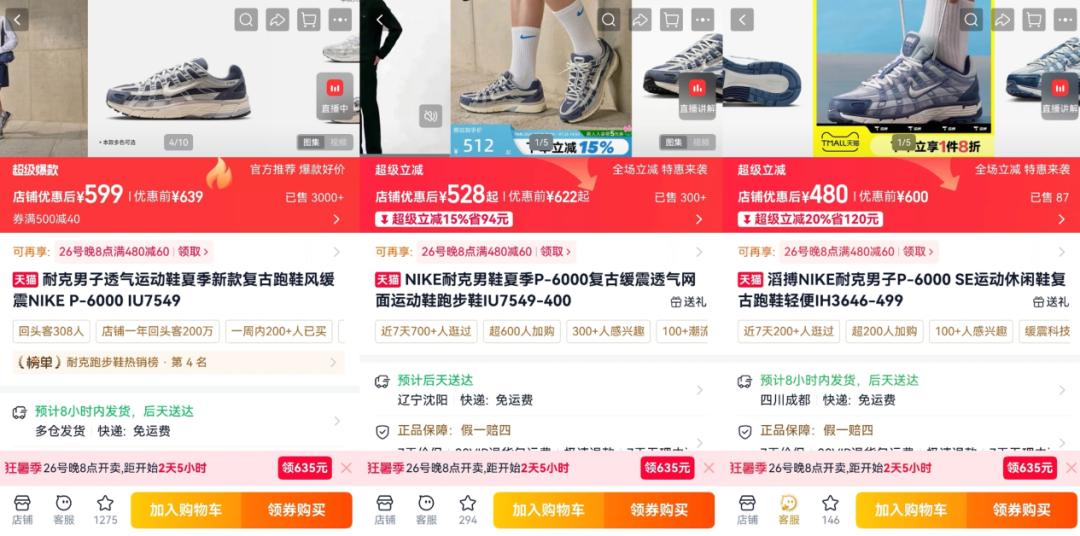
Screenshots from left to right: Nike, YYSports, and Topsports Tmall official flagship stores
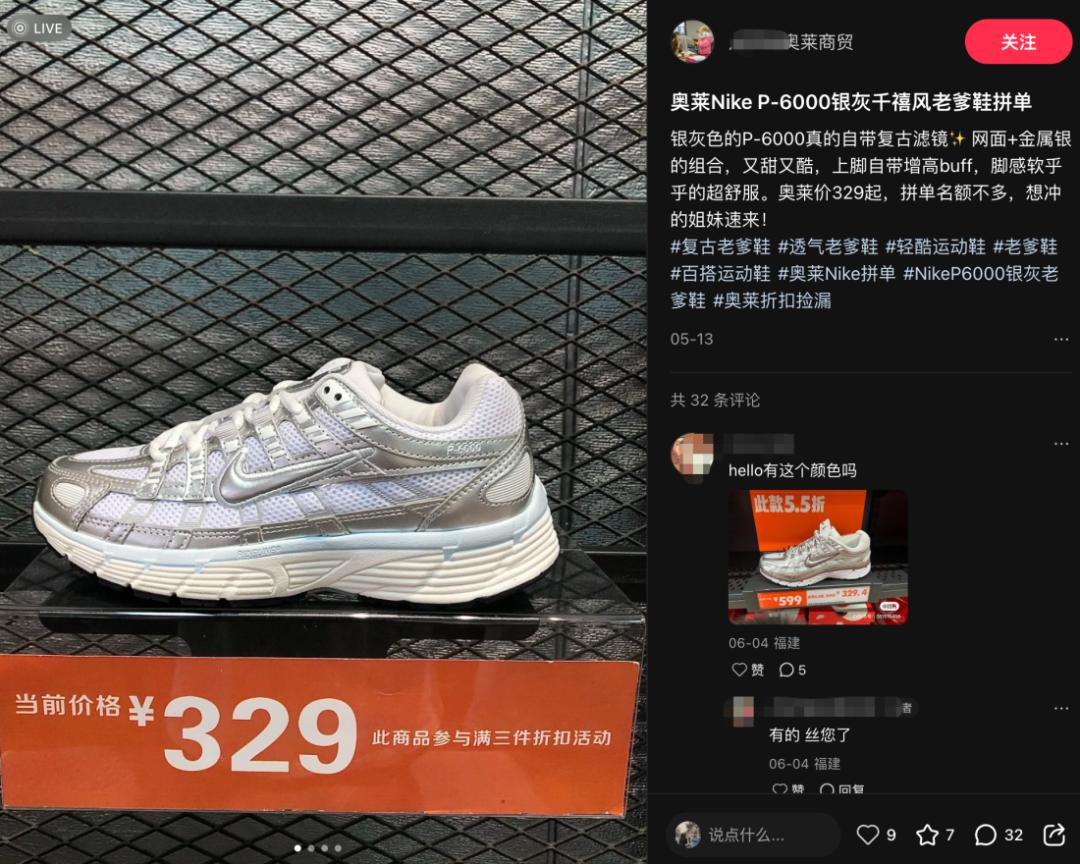
This popular entry-level millennium-style chunky sneaker is even a "regular performer" in Nike's outlet channels, with an offline price of around 330 yuan.
The root cause of such a large price gap lies in the franchise distribution model implemented by Nike in China. Topsports and Pou Sheng, as Nike's authorized first-tier distributors, purchase products directly from Nike in bulk and are also responsible for distributing goods to downstream second and third-tier distributors. This lengthy chain lays the groundwork for price chaos.
In the Chinese market, Nike has long been absent from the operation of online channels, while Topsports took the lead in settling in major e-commerce platforms. For example, Topsports was the first to enter the JD channel, and Nike's official flagship store did not arrive until the past two years. Platform traffic and subsidies have long been tilted towards Topsports' stores, resulting in its selling prices often being lower than official channels.
"On JD and Vipshop, Topsports sells Nike products at the lowest prices, and these are basically clearance channels," revealed Ada, a senior footwear and apparel industry professional.
Topsports' online business volume is already very large. In the 2025/26 fiscal year, Topsports' revenue from Nike's products on online platforms accounted for about 22% of its total revenue, corresponding to a business scale of about 5.6 billion yuan.
Against the background that Topsports closed more than 4,000 offline stores in six years, its self-operated online business revenue still maintained double-digit year-on-year growth.
However, the flip side of this booming development is the pressure on gross profit margin. In its latest financial report, Topsports explained the 0.4 percentage point year-on-year decline in gross profit margin as due to "the relatively strong promotional atmosphere in the online market". "In other words, the online business that was cut off is not high-quality profit in the first place," Wei Kan said.
This loss of price control cannot be simply blamed on distributors. Nike's own strategic wavering is the root cause.
Since 2017, Nike has vigorously promoted its DTC strategy, trying to bypass distributors. However, the inventory of direct sales channels has accumulated, and Nike itself had to offer frequent discounts, which first undermined the price system. At the same time, due to insufficient product localization and lack of innovation, the brand's appeal has continued to decline, and it can only rely on discounts to maintain sales. Its over-marketing of classic styles has also made Nike lose the ability to lead trends.
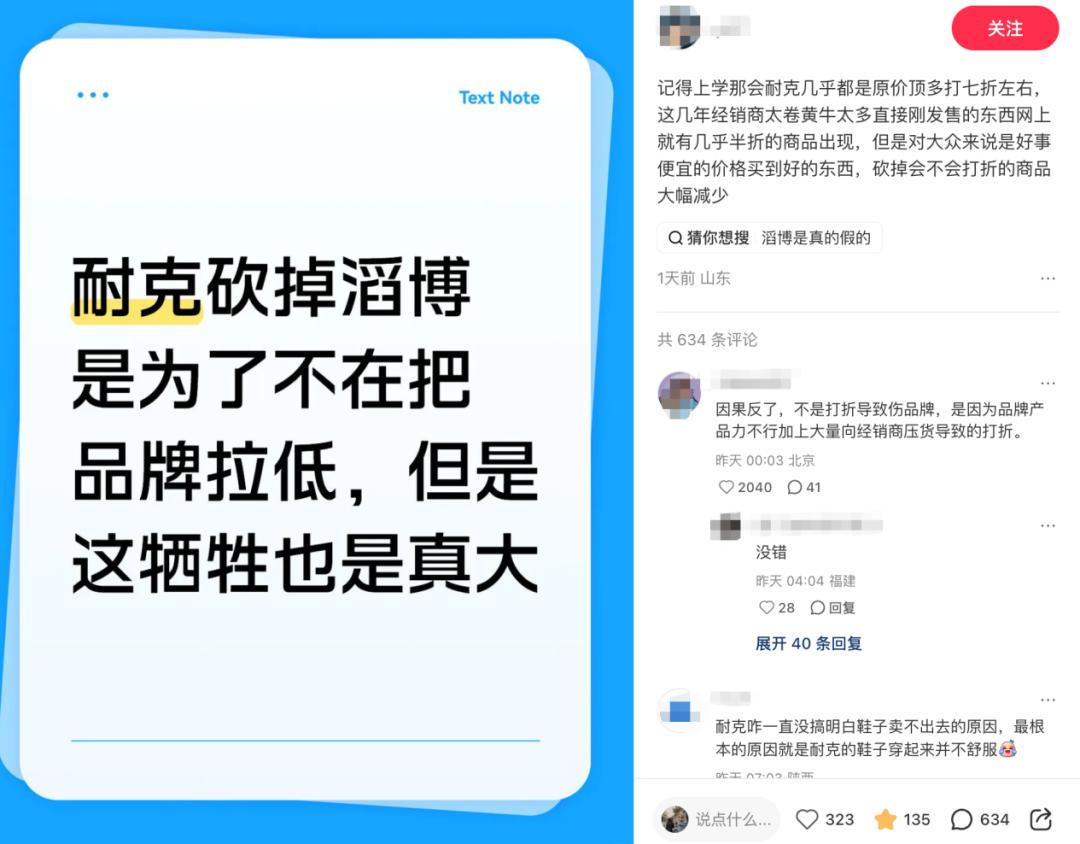
This also laid the groundwork for the "first fire" lit by Elliott Hill after taking office. She said that this adjustment is not to reduce consumers' purchase channels, but to reduce channel fragmentation and optimize the consumer experience. After the reform, Nike's online sales will be highly concentrated on five official digital channels: the official flagship stores on Tmall, JD, and Douyin, as well as Nike's official website and App.
Without Topsports and Pou Sheng, can Nike return to its past glory?
In this drastic transformation of Nike, the fate of Topsports and Pou Sheng is somewhat cruel. Especially for Topsports, which has fought side by side with Nike for 27 years, it ultimately failed to get an online admission ticket. In the face of commercial interests, even meritorious contributors are ultimately just pawns.
As Nike's largest distributor in China, Topsports once contributed about 30% of Nike's business in the Chinese market, and about 90% of Nike's offline stores in China are operated by Topsports. Pou Sheng International is also one of Nike's large distributors in China. Its "YYsports" sports retail brand is a relatively common retail brand, but its overall scale is smaller than Topsports.
In the past few decades, distributors represented by Topsports and Pou Sheng, relying on years of commercial real estate resources and connections, not only helped Nike gain a foothold in first- and second-tier cities, but also helped it extend its reach to the vast lower-tier markets. Before its listing in 2019, Topsports had more than 8,300 directly operated stores, covering more than 300 cities across the country. To this day, Nike has less than 300 directly operated stores in China, and its huge offline sales network is still supported by distributors.
For many post-90s and even post-00s generations, Topsports is not just a shoe store, but an indispensable part of their youth memories. YI Wen, a post-90s, still remembers that his first pair of "white Air Force 1" in his life was bought at Topsports.
While distributors are deeply tied to Nike, this relationship also hides contradictions.
As offline passenger flow decreases, Topsports has begun to implement the "1+N" omni-channel retail strategy in recent years, gradually building a huge online matrix: the number of store live-streaming accounts has surged from more than 100 in 2024 to more than 700 by the end of 2025, the number of mini-program stores has increased from about 2,300 to more than 3,700, and the number of stores with instant retail services has reached about 3,800.
When it comes to frontline implementation, this strategy has become the KPI on employees' shoulders. Assessments no longer only focus on sales, but also include conversion rates, add-to-cart rates, and even private domain drainage. The work content of traditional shopping guides has been completely changed, and now they also need to "create groups, register members, and guide users to place orders online."
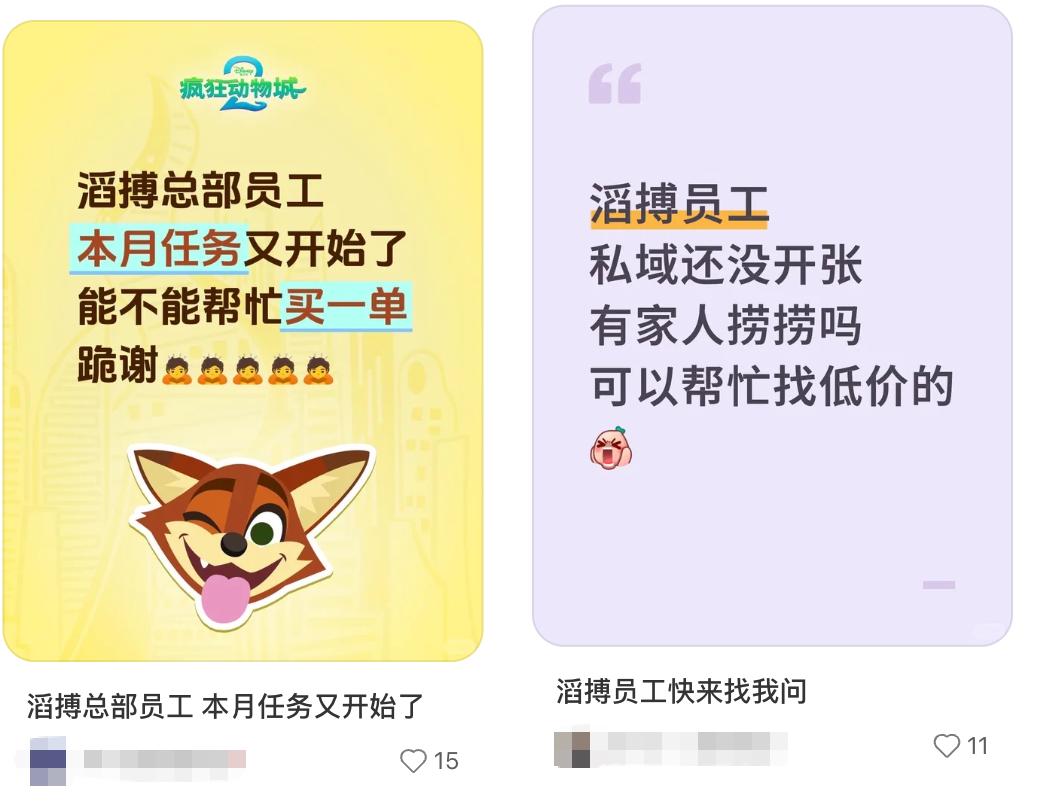
"Many store employees have to shoot three short videos a day to attract traffic." On social media platforms, many Topsports employees have created their own accounts to attract consumers to place orders online. "The company has set clear online sales targets, so we have no choice but to do it."
This pressure transmitted layer by layer ultimately leads to further fragmentation of channels and further disorder of prices.
In the long-term laissez-faire of online channels, distributors such as Topsports and Pou Sheng have also developed their own membership system gameplay.
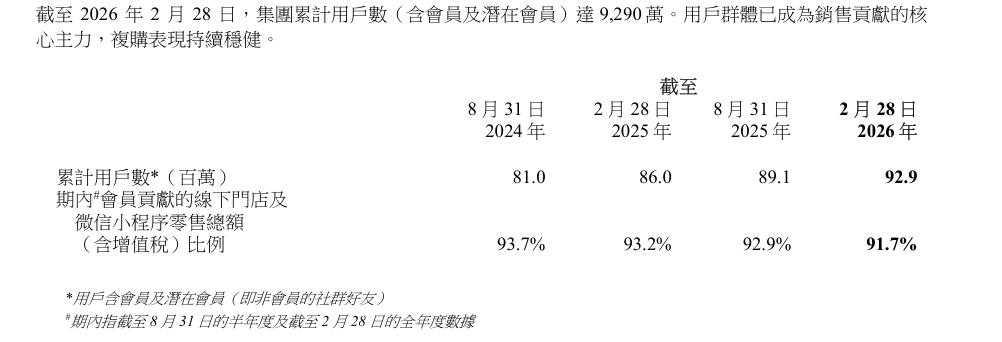
Financial report data shows that as of the end of February 2026, Topsports' total membership scale reached 92.9 million, an increase of 6.9 million year-on-year. The total offline and mini-program retail sales contributed by these members accounted for as high as 91.7%.
Last year, Topsports fully upgraded its membership system. Under the current system, there are 5 levels, the highest of which is the T5 Legend level (corresponding to the original Diamond Card member). To reach this level, users need to spend more than 10,000 yuan at designated Topsports stores.
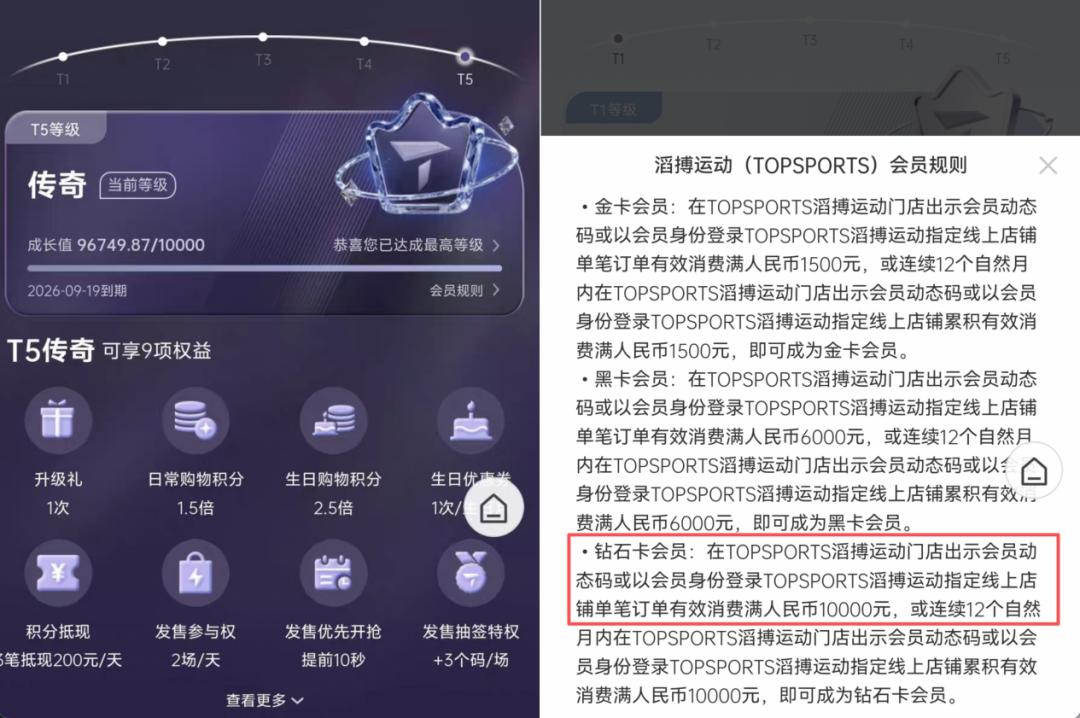
In addition to this membership system, Topsports has also launched a paid super membership card mechanism priced at 999 yuan. The rules of this series of membership systems are to achieve promotion through the accumulation of consumption amounts. In addition to consumption vouchers and points, the core right is the limited-edition draw qualification.
For many high-level members, the greatest use of the T5 Legend card is none other than the draw qualification for new shoe releases. Behind this right, it means that brands such as Nike and adidas have settled a group of core users with extremely high purchase willingness and brand loyalty through Topsports' membership system.
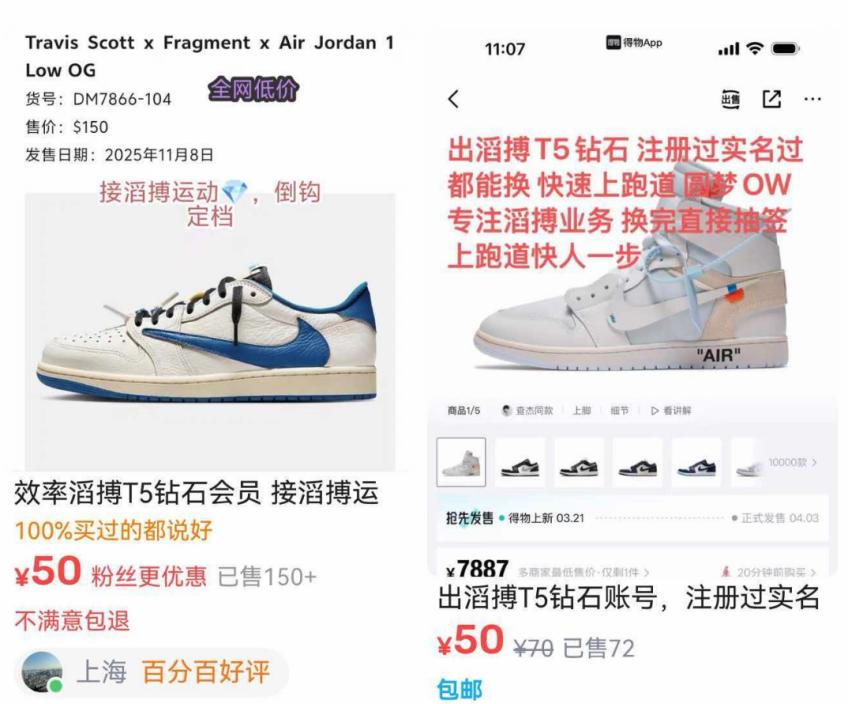
Spicy observed that on second-hand platforms such as Xianyu, transaction links for "selling Topsports T5 Diamond accounts" are not uncommon, with a single transaction price of around 50 yuan. This fully demonstrates the value of Topsports' membership rights, and this scarcity ultimately comes from the authorization of brands such as Nike and adidas.
Not only Topsports, but YYsports also knows this well. Last year, when Kobe 6 was released, consumers needed to make a single purchase of 1,999 yuan at designated Nike offline stores to obtain the purchase qualification.