199 yuan, Review of Godox's first camera: Disappointing photo shooting performance, the transparent screen viewfinder is the highlight
In recent years, I, Xiao Lei, have seen no shortage of quirky cameras.
Just two weeks ago, my colleague got a retro camera with a playful, gimmicky design — the Cangye C3 Mark I, which let me experience the charm of "pipe-style imaging" firsthand. Going further back, everyone in our team has basically bought all those niche devices: the Kodak Charmera that you can hang on your keychain and take anywhere, and the Fujifilm X half that leans heavily into retro, film-like aesthetics.
After seeing so many of these gadgets, I'm barely impressed by new ones anymore. At the end of the day, they're just cheap image sensors wrapped in a fancy shell. You'll take photos with them for a few days after buying, and then they'll almost certainly end up forgotten in a drawer.
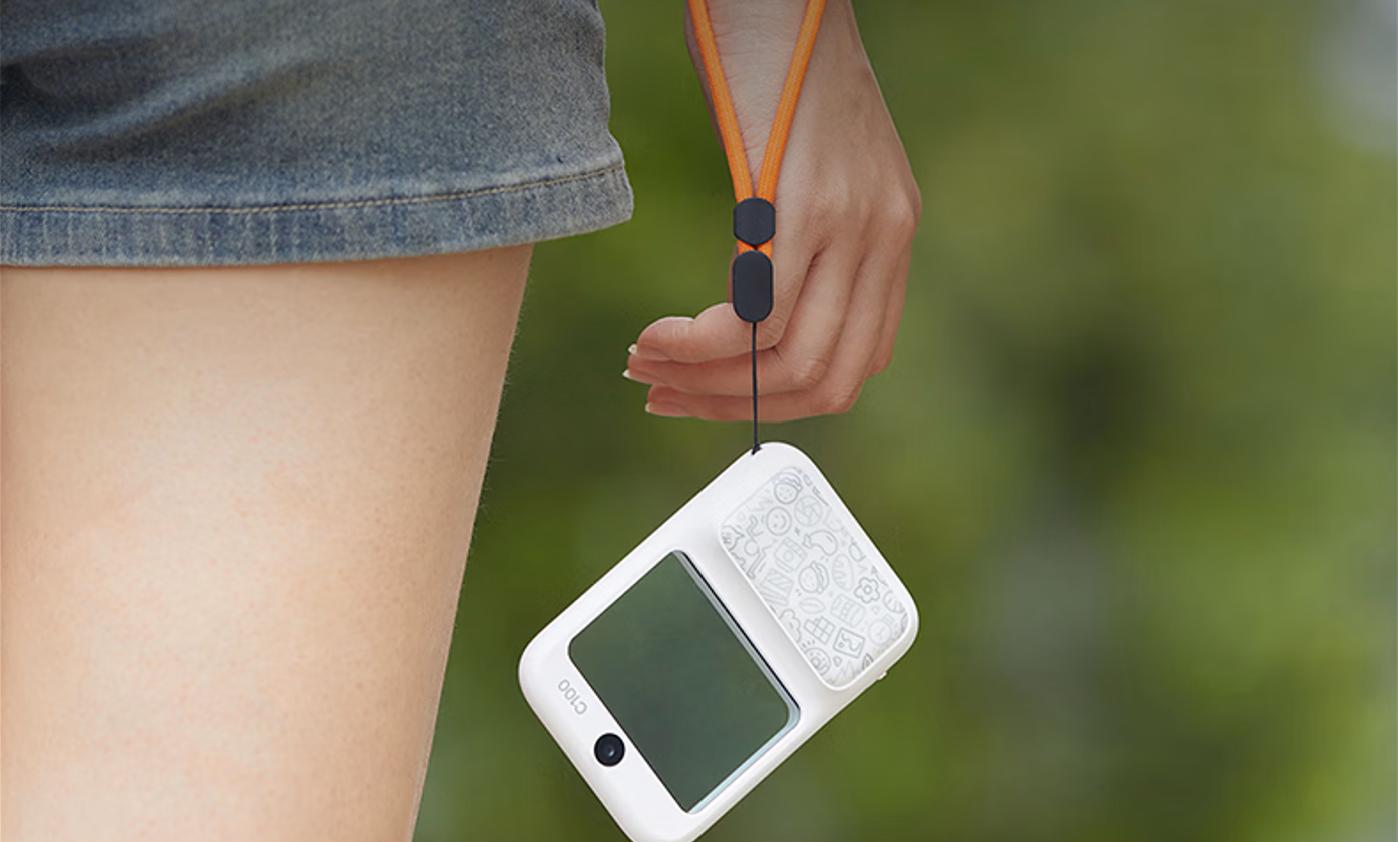
That was until I stumbled on the Godox C100 a while ago.
(Image source: Leikeji)
Unlike many similar products focused on creativity and retro aesthetics, the Godox C100 doesn't follow a typical camera design. It has no screen, replaced instead by a transparent viewfinder window. The whole device has a sleek, minimalist and stylish look, more like an acrylic souvenir photo card than a camera. Its appearance alone made me want to place an order, so I bought it and put together this hands-on experience review (note: this article contains no sponsored content of any kind).
The Transparent Viewfinder Is Surprisingly Fun
Photography enthusiasts are almost certainly familiar with the Godox brand.
From flashes and flash triggers to all kinds of professional photography lights, Godox has been building its product ecosystem around lighting technology for years. As its very first camera product, the Godox C100's design makes it clear that the brand has no intention of following the slow, traditional development path for cameras.
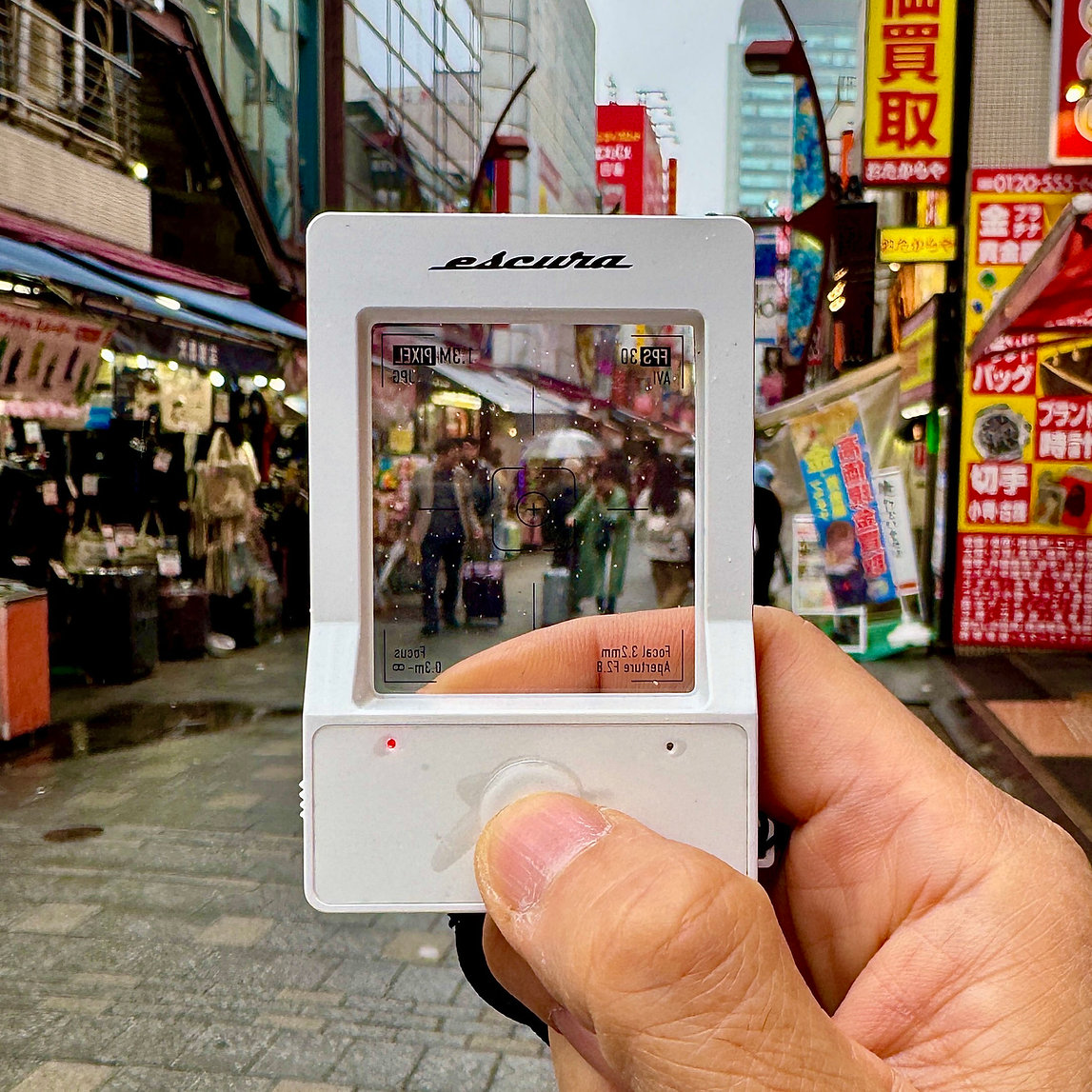
Of course, it's not hard to find a clear point of reference for this device: the ESCURA InstantSnap.
(Image source: ESCURA)
Comparing it to the Godox C100 above, it's easy to spot the shared design philosophy: both use a transparent viewfinder paired with a slim, lightweight, portable form factor. While there have been plenty of cameras with transparent viewfinders in the past, this product from Hong Kong crowdfunded brand ESCURA is definitely one of the originators of this category of compact, card-sized transparent small cameras.
But back to our main subject, the Godox C100.
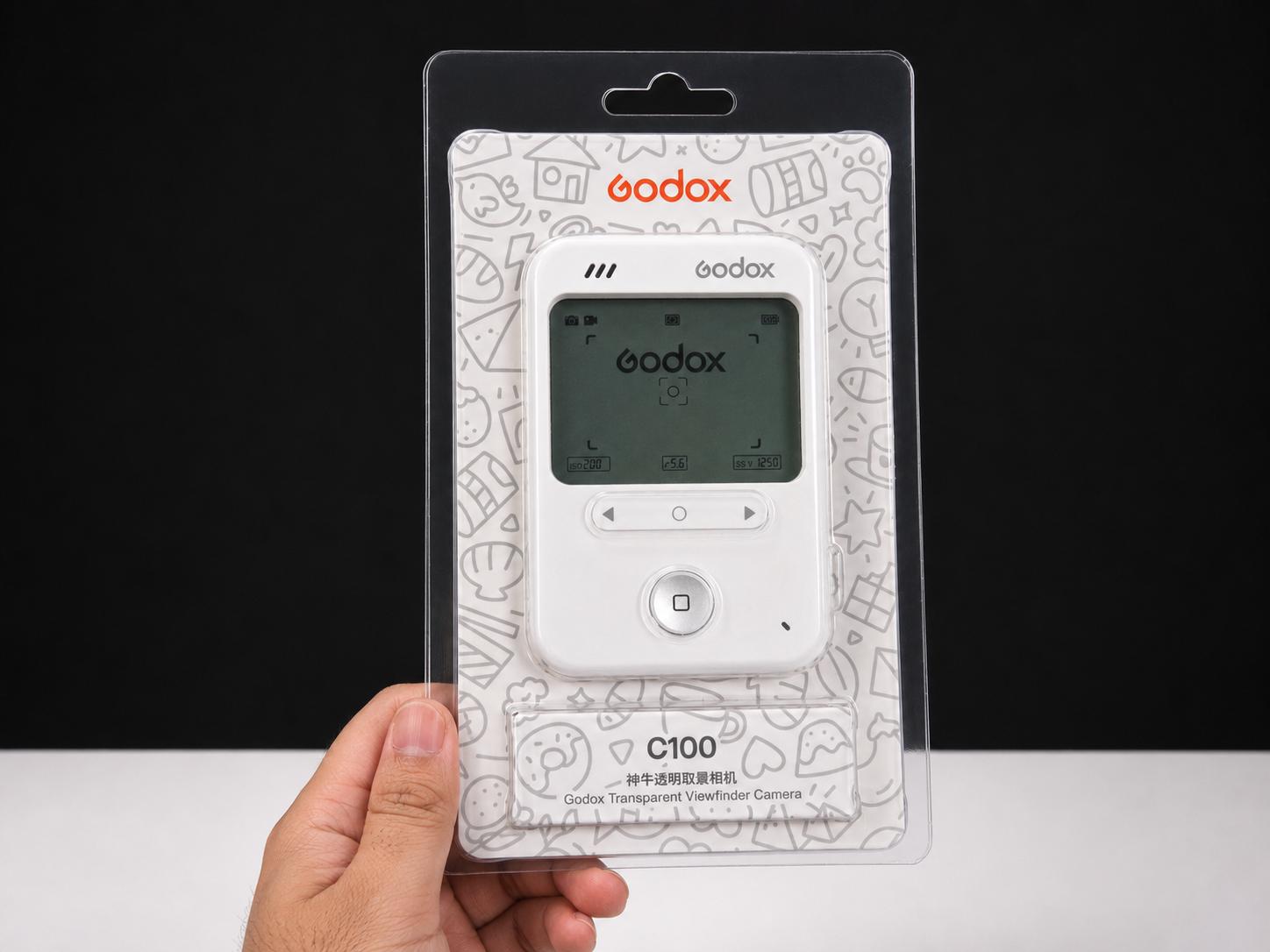
Just as I mentioned at the start, the Godox C100 barely looks like a camera at all, and its packaging doesn't either. At the very least, I've never seen such a simple, shrink-wrapped packaging design on any product that isn't a toy.
(Image source: Leikeji)
The Godox C100 is small in size, weighing only 65 grams, so it feels almost weightless in your hand. You can slip it into a clothing pocket or hang it on your backpack without it ever getting in the way.
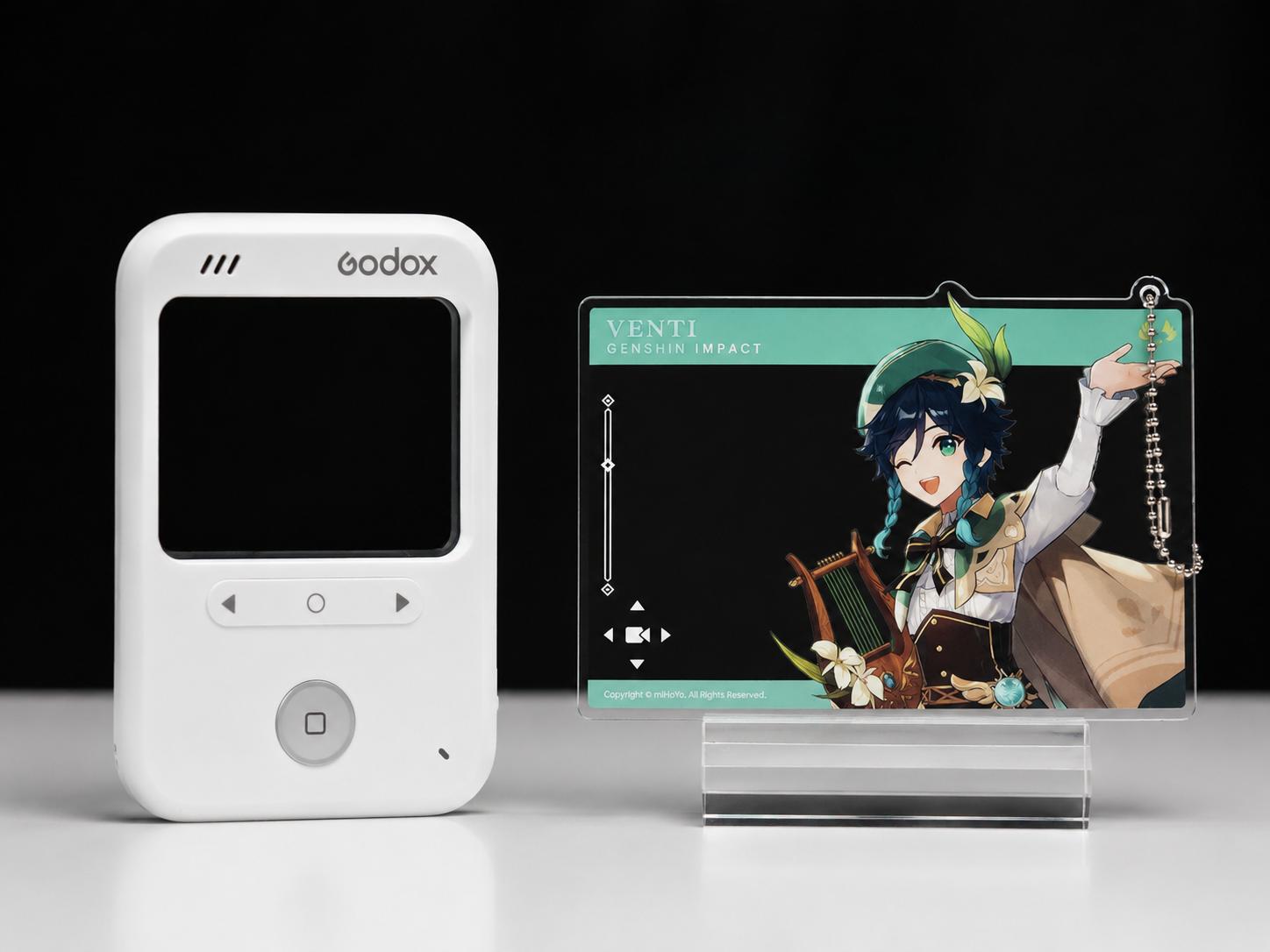
The entire device has a very simple shape: the lens, buttons, and ports are all concentrated on one side of the body, leaving a large transparent area in the middle that really looks like an anime fandom merchandise item.
If you don't know what an acrylic souvenir photo card is, let me show you an example.
(Image source: Leikeji)
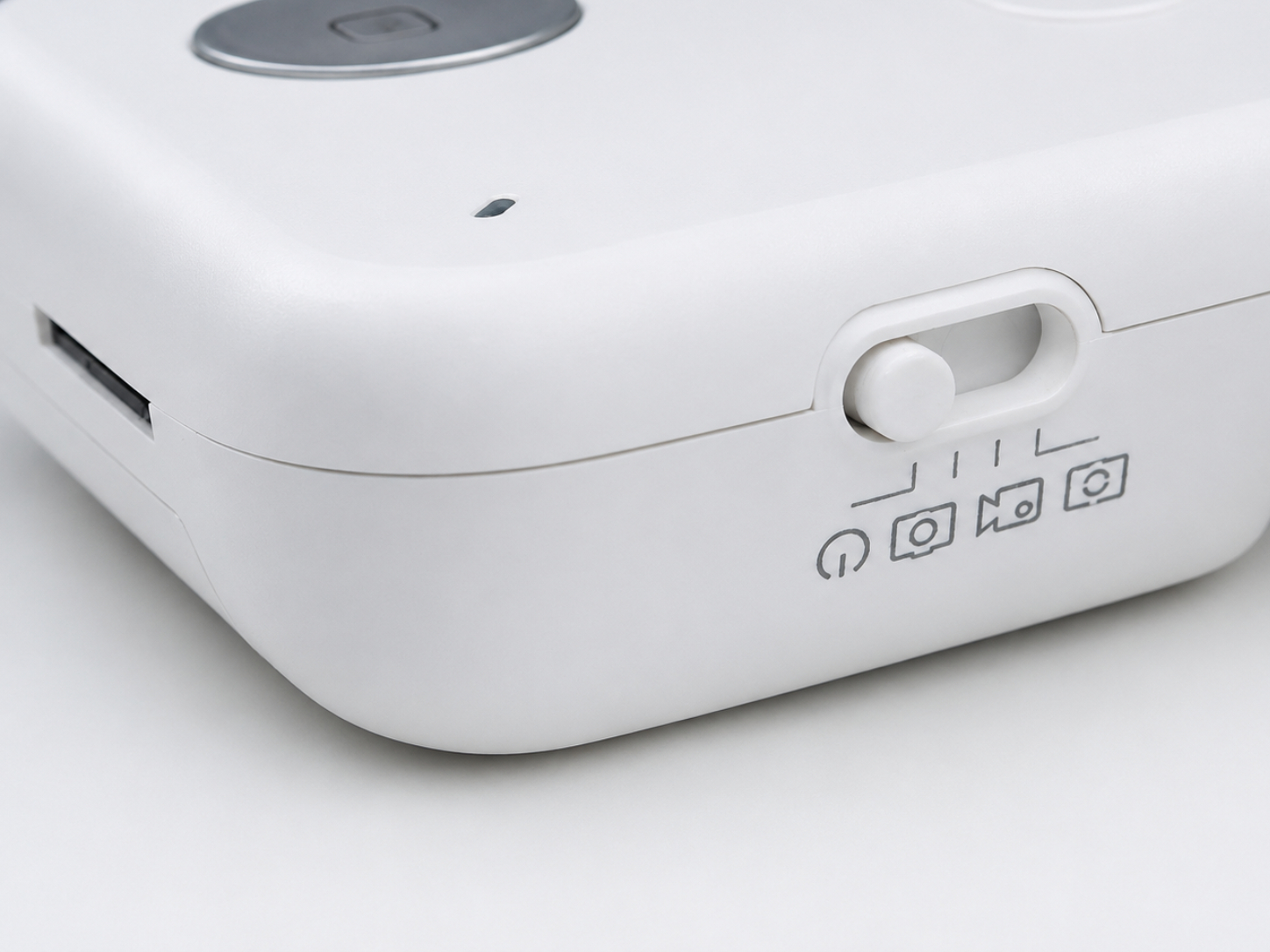
The Godox C100's power button is located at the lower right of the body. You use a toggle switch to move between off mode and three different function modes — but this slot is very prone to collecting dust and grime, so I had to clean it 2 to 3 times a day on average.
Toggle the switch up once to enter photo mode. As a side note, the Godox C100's startup chime is very crisp, a bit like the sound from a Game Boy Advance, which I really appreciated.
(Image source: Leikeji)
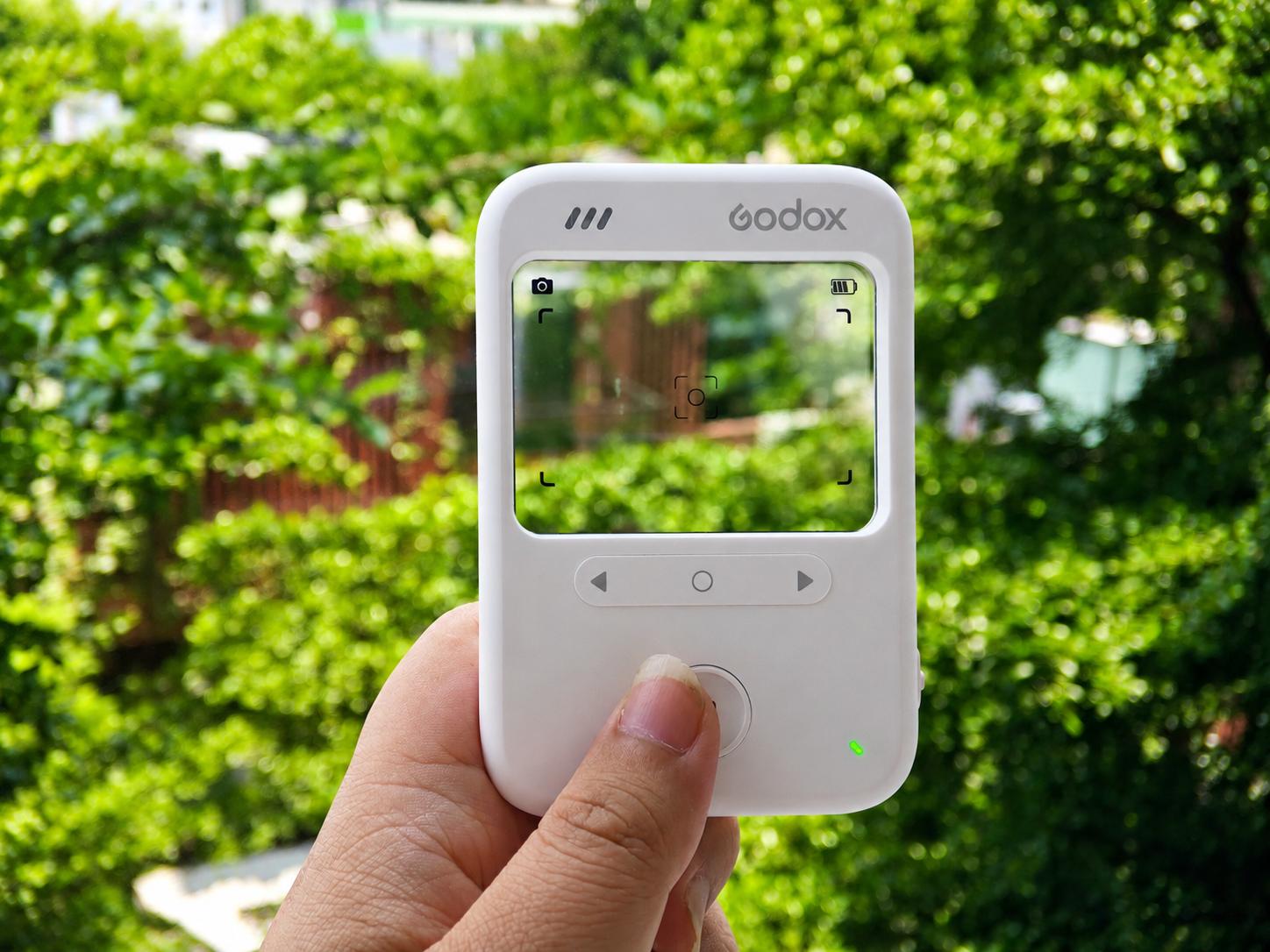
After powering on, the transparent display will show a framing guide, battery level, and current mode. When you switch to the light metering function, the aperture, shutter speed, and ISO value will also appear at the bottom of the display.
This was my first time using a transparent display, and the visual effect is genuinely very interesting: you can see the real scene in front of you directly through the screen, with the composition lines overlaid on top of the view, creating a sort of augmented reality illusion.
Just like this, it really does look great.
(Image source: Leikeji)
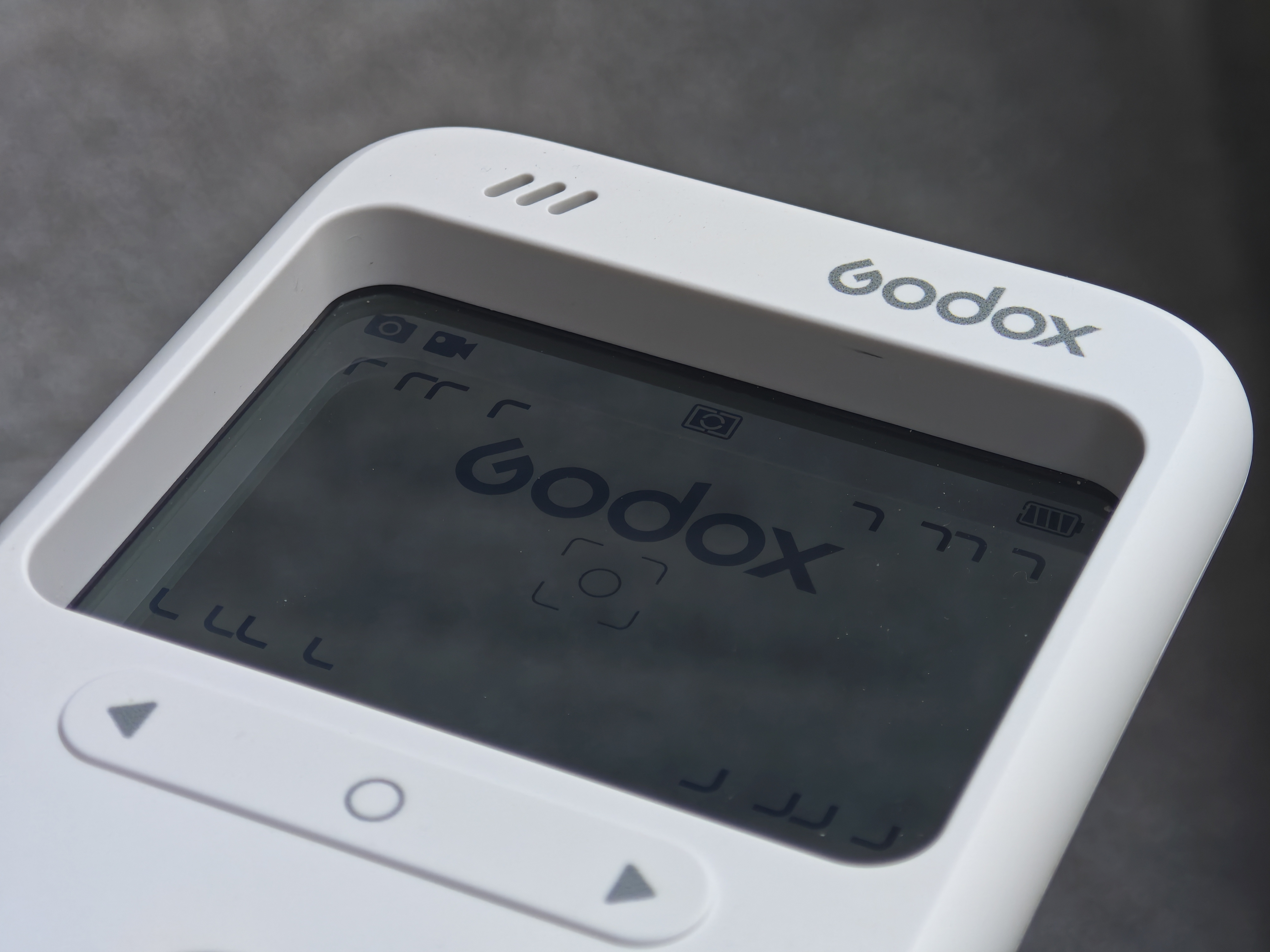
However, if you hold the device and look at the screen sideways at an angle against the light, you'll notice something odd — why does it look like all the content is always visible on the display?
Well... that's just how this screen works. It's a bit like the old calculators we used as kids: all the content that can be displayed is pre-printed on the panel, and the display just activates power to different sections to show or hide parts of the pre-set graphics.
In other words, the content this screen can display is completely fixed.
(Image source: Leikeji)
Aside from showing the current mode and battery level, the biggest value of this screen is to give you a rough idea of the framing range. When you set a cropping aspect ratio, the corresponding guide frame will appear on the viewfinder.
But since all aspect ratios are just crops of the original full-resolution image, this feature is barely more useful than taking the full photo and cropping it manually later.
Also, because this transparent viewfinder design doesn't force your eye to stay in a fixed position, it amplifies parallax issues significantly — even if the camera stays completely still, changing how far your eye is from the device will drastically alter what you see through the viewfinder. I'll do a rough test of the actual effective framing range later in this review.
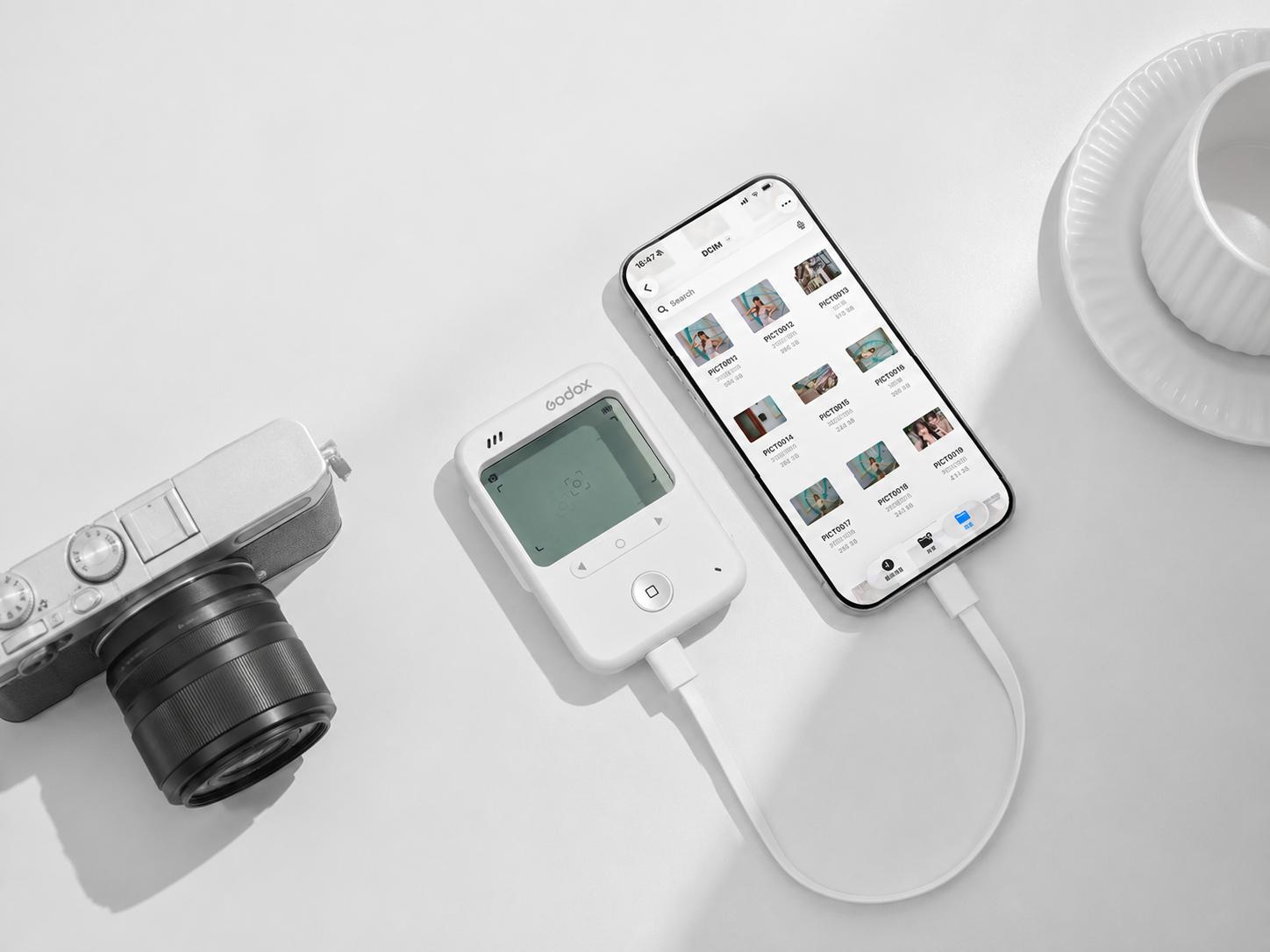
Hey, someone might ask, Xiao Lei, Xiao Lei, if the screen can't show captured photos, how am I supposed to view the pictures I took?
(Image source: Leikeji)
Uh... you connect it to your phone via a data cable to view the photos.
There's no way around it: this device supports neither Bluetooth nor Wi-Fi. The only ways to access your photos are to connect it to your phone via OTG to read the memory card, or physically remove the memory card from the camera.
That said, this way of using it does share a little bit of the fun of film cameras. When you press the shutter, you can't confirm what the final result will look like — you just have to shoot based on your on-the-spot judgment, and when you finally export the photos, the Godox C100 is guaranteed to give you a totally unexpected surprise.
Disappointing Image Quality: Photos Are Overexposed, and Light Metering Is Too
Godox has not published official specs for the C100's sensor size, lens aperture, or specific focusing mechanism.
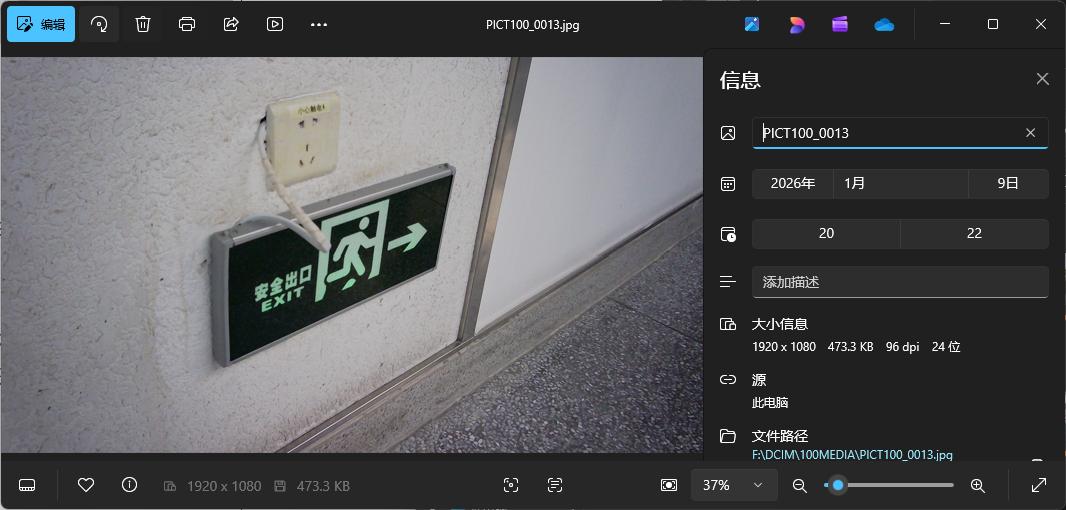
I asked the customer service on JD.com, and they confirmed it's roughly equipped with a 2-megapixel sensor with an equivalent focal length of 24mm, which lines up with the maximum output resolution of 1920×1080 for its photos.
(Image source: Leikeji)
Of course, with such a tiny lens on the body... I don't think anyone was expecting outstanding image quality from it anyway.
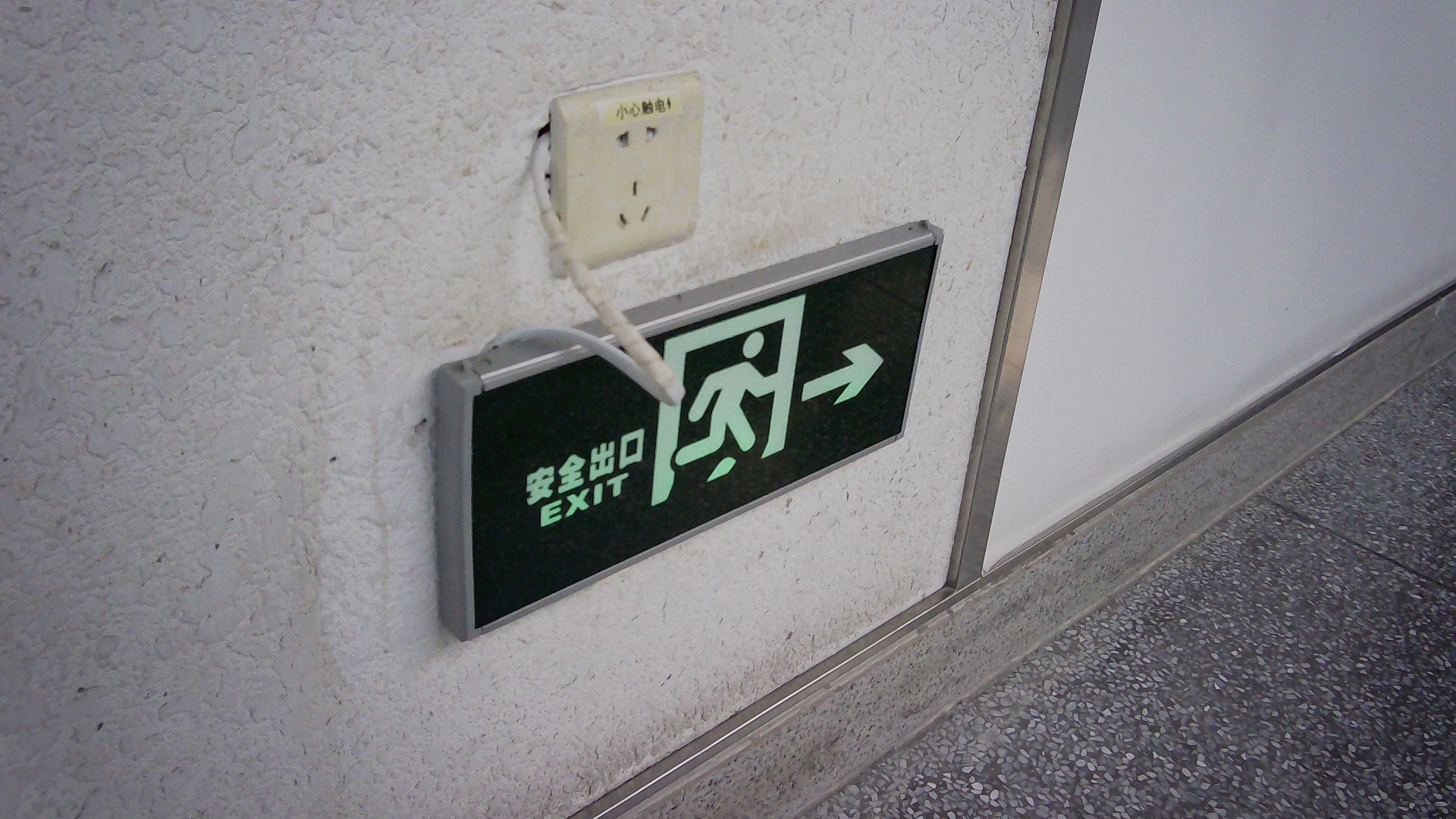
Seeing is believing, so let's just look at the actual shot results directly. First up, a series of test shots I took in daytime lighting, all captured with the aspect ratio set to 16:9.


(Image source: Leikeji)
If you ask me, under normal daytime lighting, the C100 is capable of decently capturing street scenes, architecture, and portraits.
Its color output is a bit washed out and gray, the resolution is low, and the sharpening artifacts are pretty obvious. When you zoom in on the photos, the details don't hold up to close scrutiny — leaves, hair, and distant text all easily blur together.
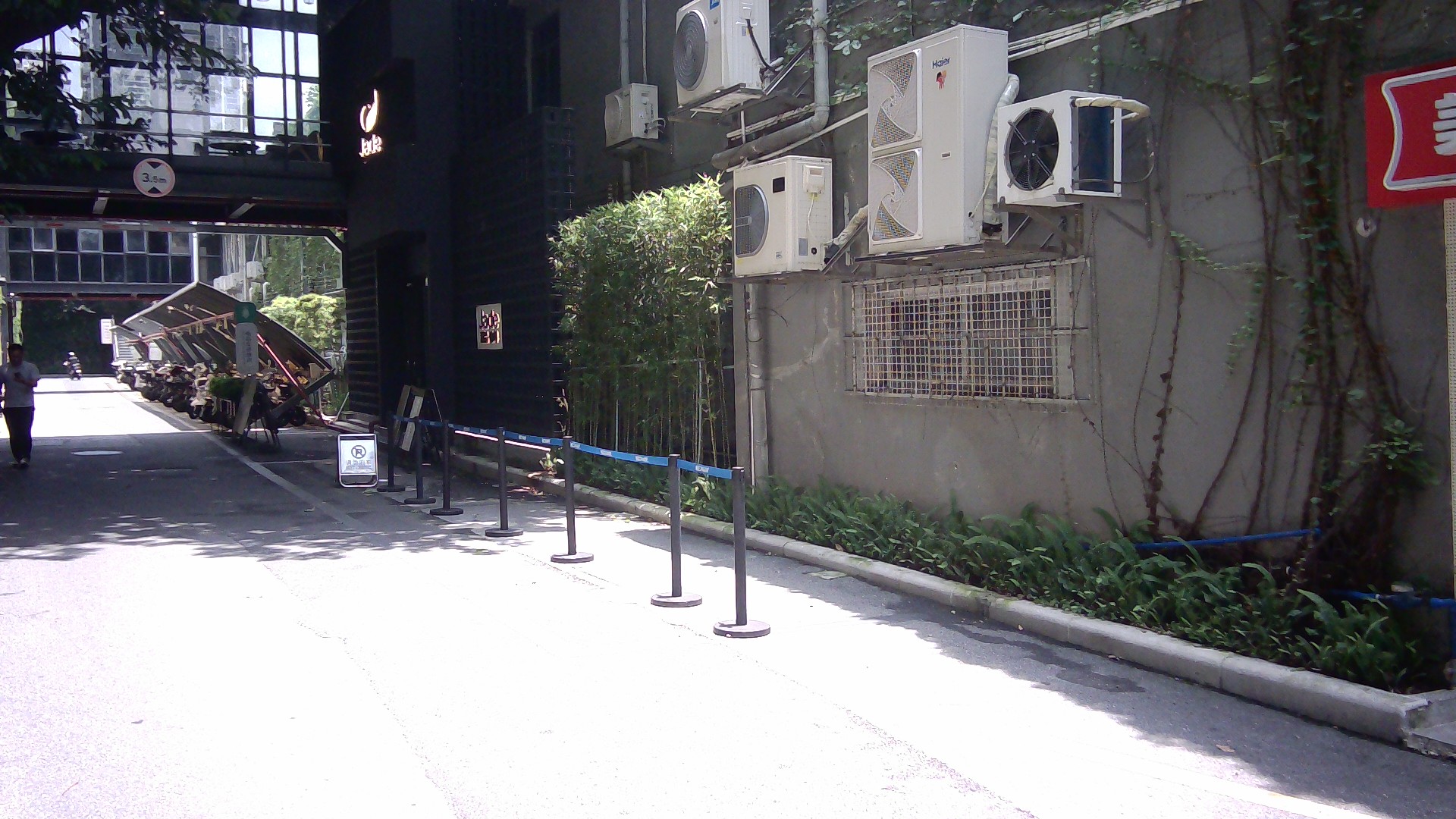
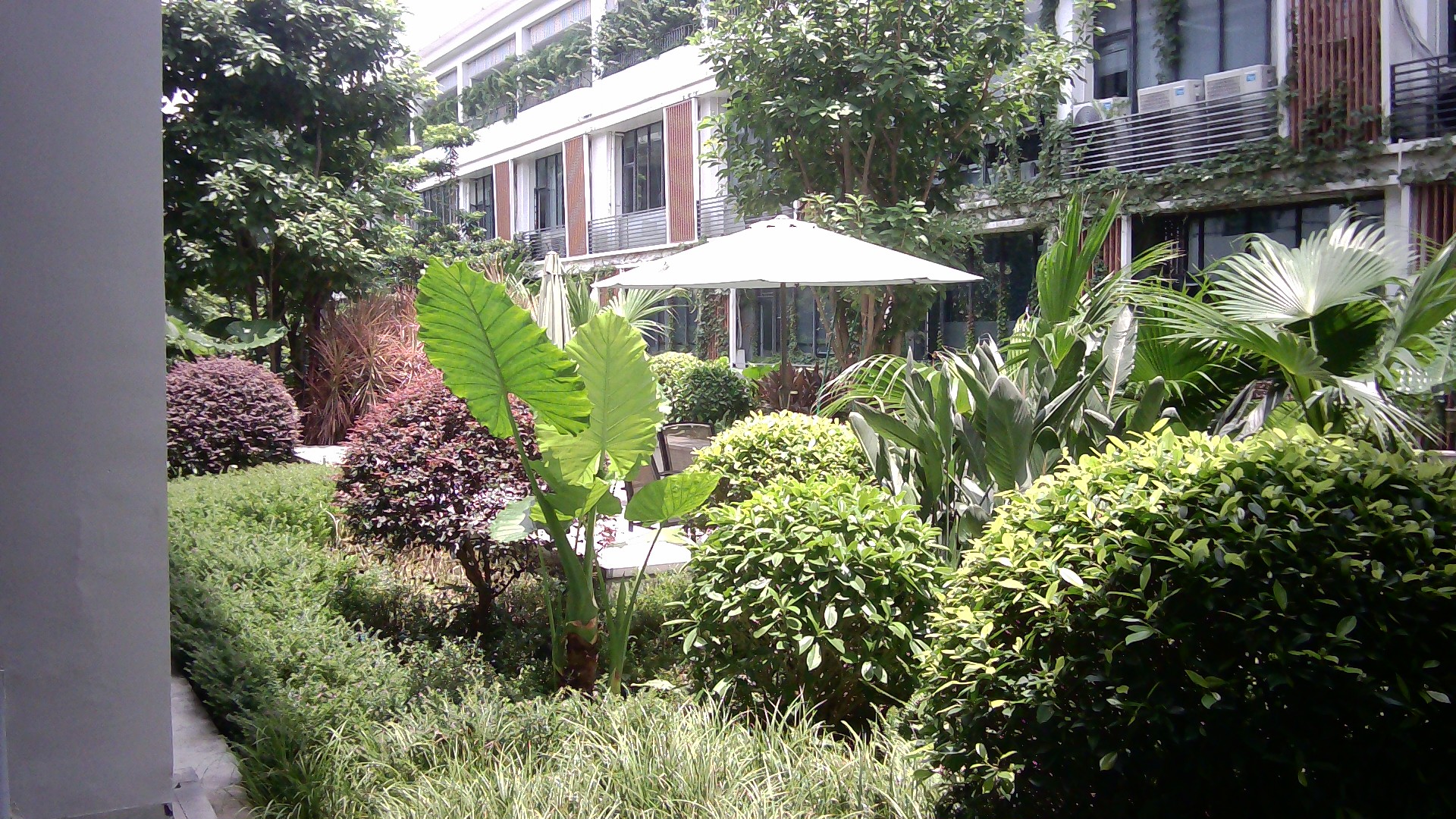
But when you encounter excessively bright lighting, or high-contrast scenes with big differences between light and shadow, the whole experience becomes terrible, to the point that the resulting photos are basically unusable.

(Image source: Leikeji)
With this level of overexposure, you almost feel like you can physically feel the sun shining on your skin through the photo.
That said, this overexposed effect is clearly far beyond what