Shenwu Technology 1000-Person EEG Launch Event: Opening a New Dimension of Population Neuroscience and Defining NeuroAI Infrastructure
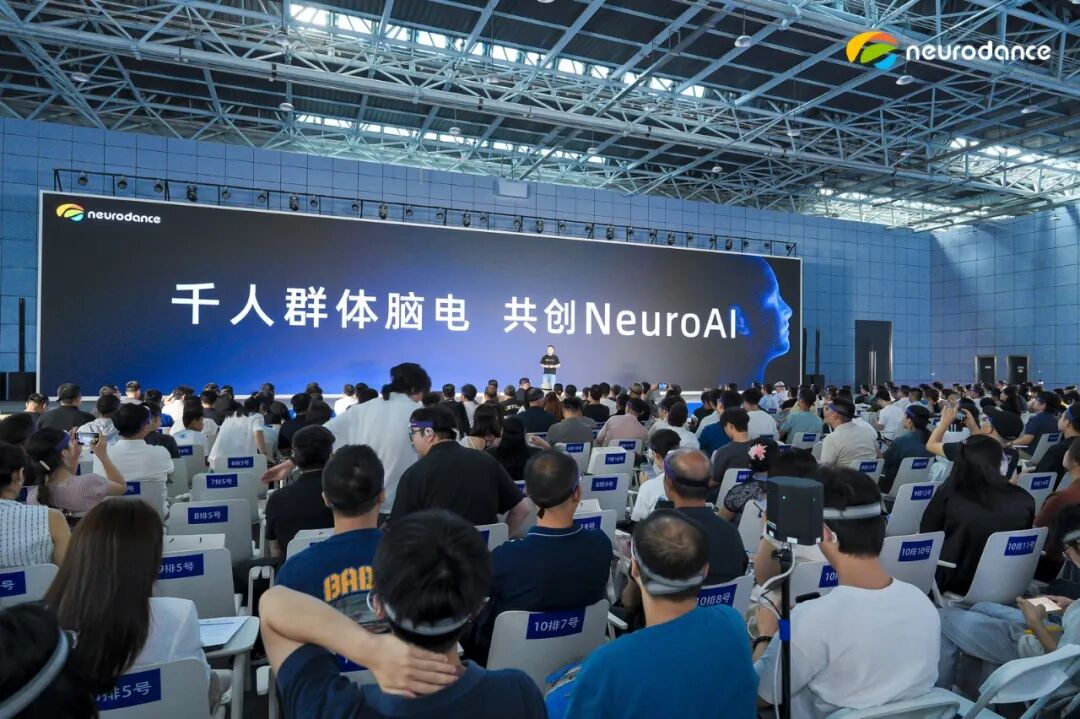
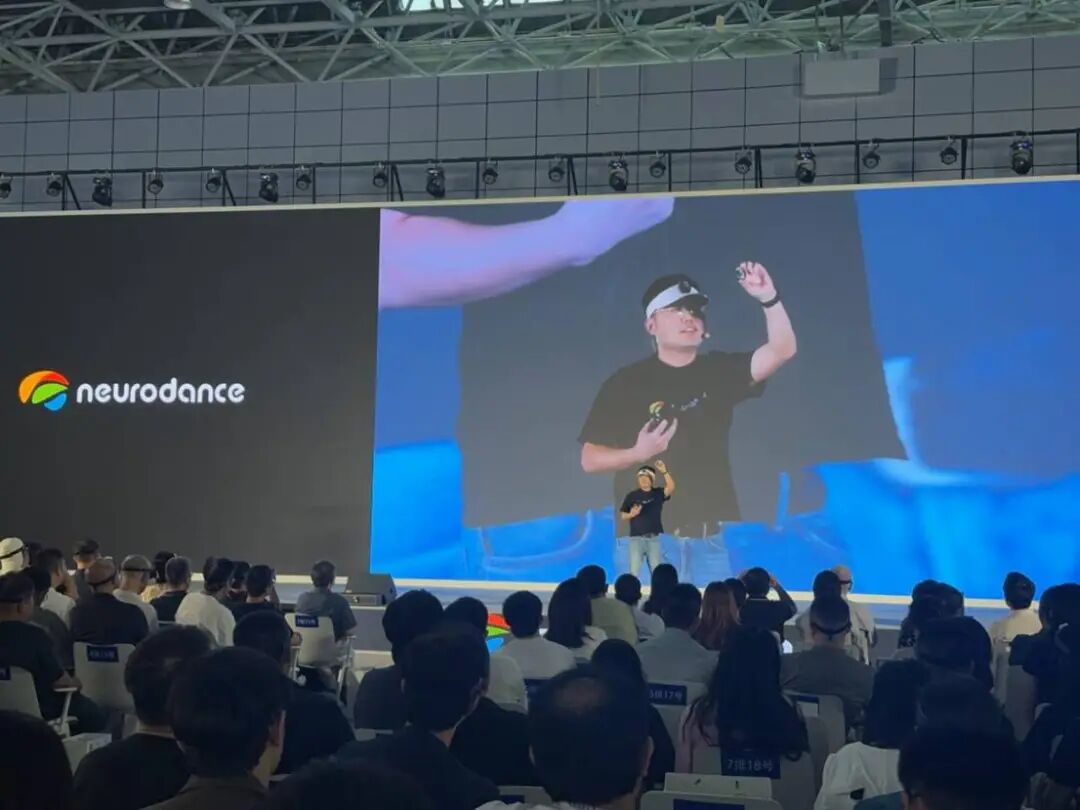
On July 22, 2026, at the Zhongguancun International Trade Center in Beijing, a total of 1,000 in-person and online audience members from five cities including Beijing, Zhongshan, Changsha, Hangzhou, and Tianjin simultaneously wore electroencephalogram (EEG) acquisition devices to watch the same launch event. This is neither a science fiction film shooting scene nor a carefully designed "flash mob" marketing campaign. This is a real scene from Shenwu Technology's 2026 new product launch with the theme of "Thousand-Person Collective EEG, Co-Creating NeuroAI".
This year, when brain-computer interface was first included in the government work report and listed as one of the six future industries in the "15th Five-Year Plan", the significance of this thousand-person EEG synchronization practice goes far beyond a single product launch. The event sent two clear industrial signals: on one hand, collective neural data may become a new scientific frontier; on the other hand, the sign that the brain-computer interface industry has truly entered the industrialization window may have shifted from "one-off technical demonstrations" to the formation of a "systematic platform ecosystem".
A New Scientific Frontier: From "One Person's Brain" to "A Group of People's Brains"
In the past, brain science research essentially focused on studying "isolated brains".
A typical EEG experiment required recruiting subjects, testing them one by one, and spending several hours on each person. Recruiting 20 participants at a time was already considered a large-scale effort. Research conclusions were based on small samples, and experiments were completed in laboratories isolated from the external environment. This represented highly artificially intervened neural activities, rather than the complete neural states in real life.
However, most of the most important human cognitive activities rarely occur in isolation.
Communication happens between brains. Empathy happens between brains. Collaboration, teaching, decision-making, collective creation — all these abilities that define "what makes humans human" take place in groups. Individual neural data cannot reveal what happens in the space between different brains.
This is precisely the core value of collective EEG data as a new scientific frontier.
What does collective EEG mean? For the first time, "communication quality" has the opportunity to have an objective measurement at the neural level. "Team consensus" is no longer just a subjective feeling after a meeting. "Learning effects" can be observed in real time during classes, rather than waiting until after exams.
Collective EEG data makes it possible for many questions to be answered for the first time. It is not a simple sum of individual data, but a brand-new information dimension — a dimension about how humans collectively form meanings, reach consensus, and generate collective intelligence.
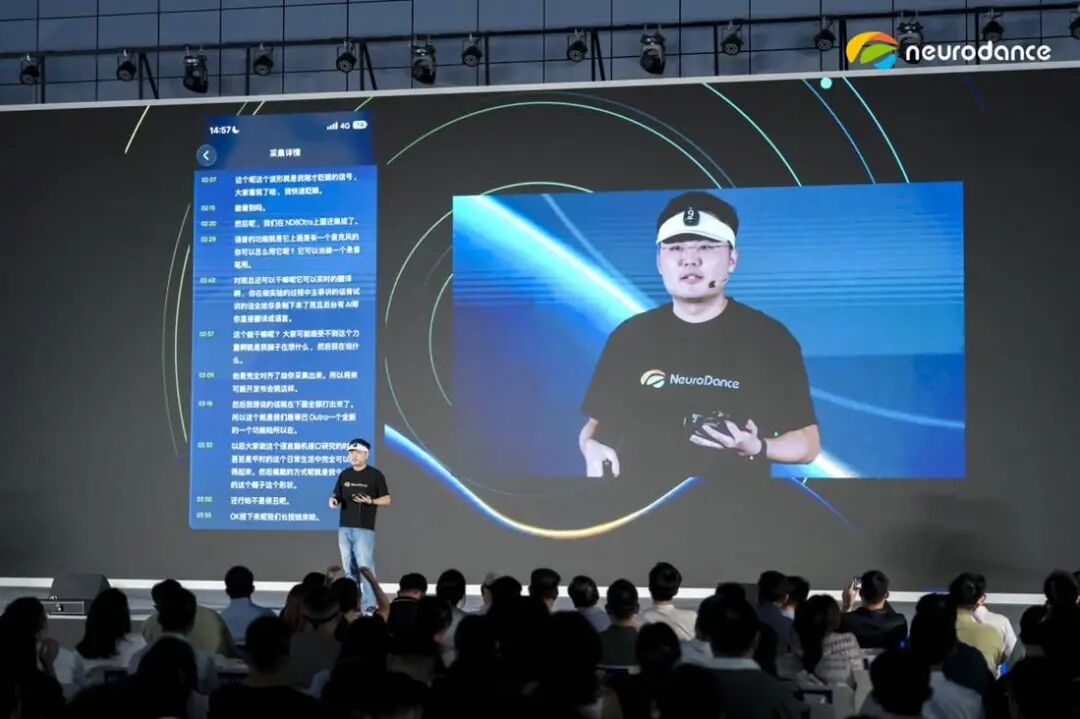
The True Marker of Industrialization: Not One-Off Breakthroughs, but a Systematic Platform Ecosystem
In the past few years, the brain-computer interface industry has seen no shortage of exciting technical demonstrations: a certain device achieved higher decoding accuracy in the laboratory, an algorithm completed innovation on a specific task, and an event showcased the cool functions of brain-controlled devices.
However, there is a huge gap between "technical demonstrations" and "industrialization".
True industrialization does not mean that a certain technology occasionally produces excellent results, but that acquisition, algorithms, hardware, manufacturing, and scenarios begin to be organized into a replicable, scalable, and sustainably operating system. When this system can continuously generate high-quality data, support diverse application scenarios, and allow more participants to build their own solutions on this basis, the industry will truly enter the industrialization window.
This is no easy task, and "consistency" is one of the most typical challenges. For example, when a device simultaneously collects multi-modal signals from different parts of multiple people's bodies, how can the finally aggregated timestamps be aligned?
Shenwu Technology's thousand-person collective EEG launch event just provided a "system acceptance report" at the industrialization dimension.
This launch event was not completed in an ideal laboratory environment. The scene was filled with all the interference factors of the real world, including lights, sounds, and moving people. 1,000 online and offline participants wore devices simultaneously, with data collected synchronously and aligned at the millisecond level. This was not a "carefully edited" technical demonstration, but an on-site stress test of the entire system's capabilities.
What supported this stress test was not only the manufacturing capability of coordinated device software and hardware, but more importantly, a complete ecosystem built by integrating with the NeuroAI Collective Cross-Modal Data Platform developed by Shenwu Technology.
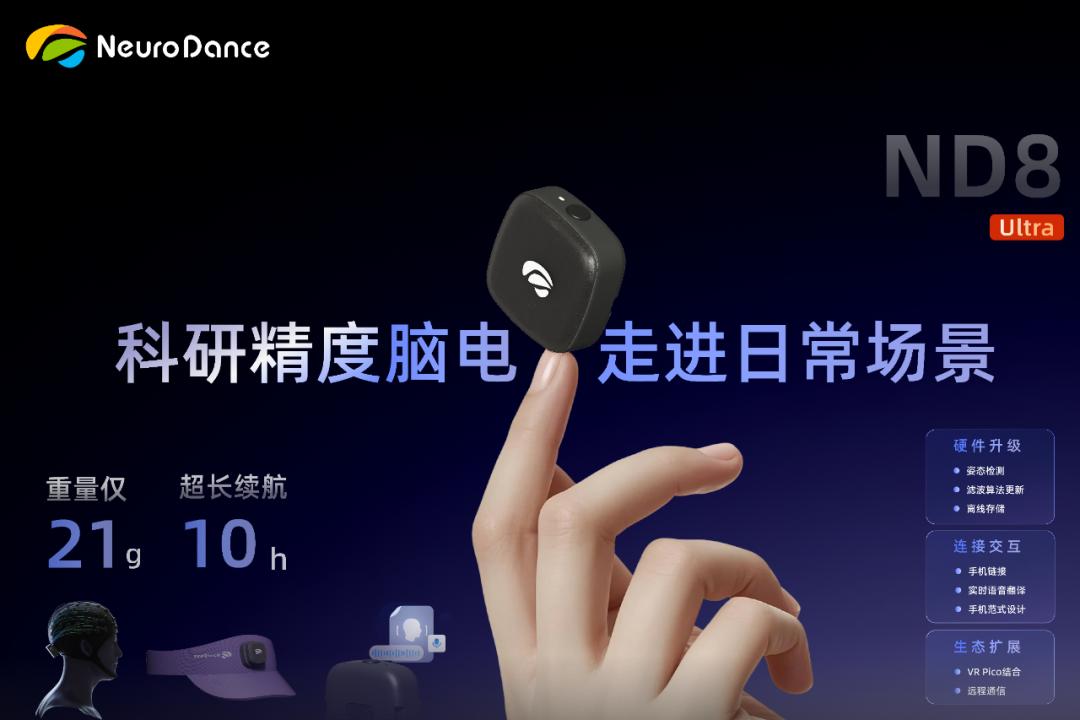
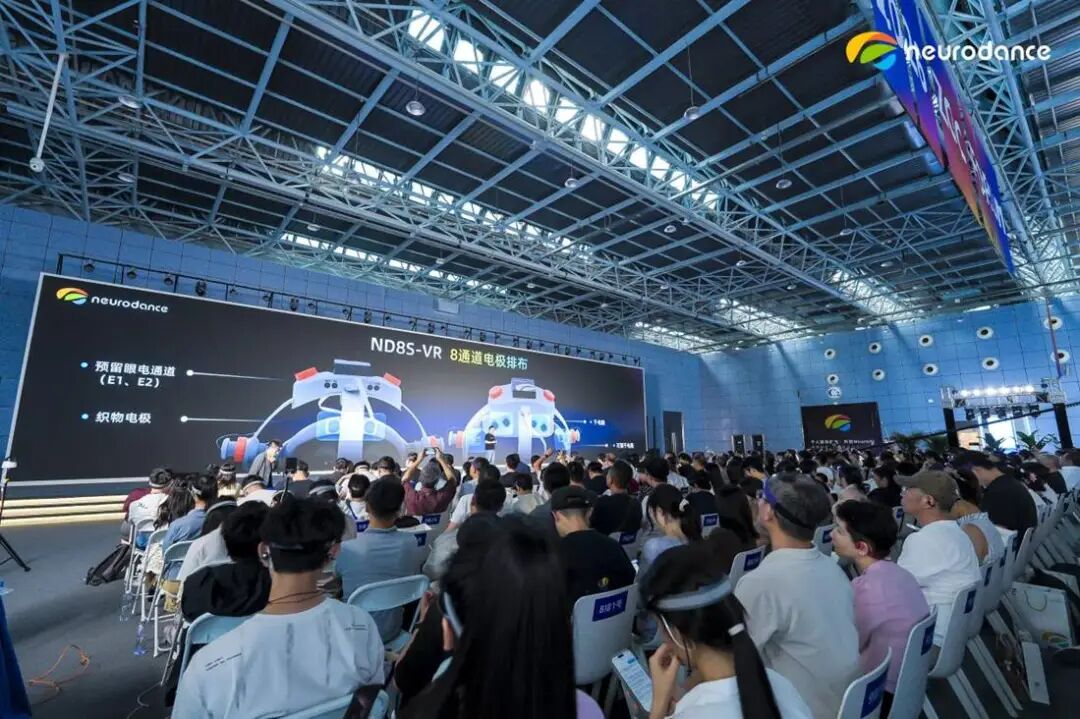
Among them, the ND1000 replaces the cumbersome full-bed cables of traditional PSG (polysomnography) monitoring with a single wireless wearable device, synchronously collecting more than 24 physiological indicators including EEG, EOG, ECG, EMG, respiration, and blood oxygen, liberating patients from the "cable cage" of sleep monitoring rooms in unfamiliar hospitals. The new generation of ND8 series research-grade EEG acquisition systems allows researchers to obtain laboratory-level data quality without paying the high price of imported devices. Through wireless wearable design and real-time remote transmission with 1-millisecond time synchronization rate, researchers can conduct experiments outside the laboratory, such as in classrooms, wards, and outdoor environments.
The NeuroAI Collective Cross-Modal Data Platform supports large-scale collective EEG synchronous acquisition and real-time analysis, and is open to the industry — solving the problem of "data organization and reuse".
The combination of devices and platform no longer presents a single technical breakthrough, but a systematic data capability ranging from hardware to platform, and from individuals to groups. Acquisition, algorithms, hardware, manufacturing, scenarios — these previously scattered capability elements are being organized into a replicable complete data platform ecosystem.
Thousand-Person Collective EEG: A Value Coordinate at the Industrial Critical Point
In the first half of 2026, there were 65 investment and financing transactions in the domestic brain-computer interface field, with a total amount of about 72.53 billion yuan. Capital is pouring in and there are many players, but a complete industrial closed loop has not yet been formed. The real bottleneck of the industry may not be insufficient device accuracy or imperfect algorithms, but the severe shortage of high-quality, large-scale, and reusable neural data.
The high-quality EEG data accumulated by neuroscience laboratories around the world is at least an order of magnitude smaller than the data volume required for large AI model training. Shenwu Technology's thousand-person practice points to a key industry judgment: the Scaling Law has not truly taken effect in the neural data field, not because it does not exist, but because data has not been organized into a replicable acquisition and reuse system.
Zheng Hui, the founder of Shenwu Technology, pointed out this logic in a sentence at the launch event: Shenwu Technology is not positioned as a simple EEG device company, but aims to become the data infrastructure in the NeuroAI era.
This judgment is very clear: in the AI era, data is the core asset. However, in the brain-computer interface field, neural data is still in the stage of "decentralized collection and independent operations". Whoever takes the lead in making data acquisition large-scale, standardized, and platform-based will master the ability to define the industry's infrastructure.
In fact, without the opening of this "new scientific frontier" of collective neural data, the industrial platform ecosystem will lack real demand traction — the infrastructure is built, but people do not know what to transport. Without the support of a systematic platform ecosystem, the collection of collective neural data can only remain a one-time "scientific performance", rather than becoming a sustainably generated scientific research and industrial resource.
Shenwu Technology's thousand-person practice is exactly at the intersection of these two lines: it verifies the feasibility of a new scientific frontier with a set of replicable system capabilities; and its openness and platformization of this new frontier provide a continuous stream of demand and data for the sustainable operation of the system.
This is exactly the state when the industrialization window truly opens: technological breakthroughs are no longer one-off "fireworks", but are integrated into a system that can be iterated sustainably and replicated on a large scale.
At a time when the industry is driven by policies, standards, and technologies, and stands at the critical point of shifting from "visible technology" to "perceivable value", Shenwu Technology's thousand-person collective EEG launch event may provide a noteworthy industrial coordinate:
On the scientific side, it opens up a new frontier — collective neural data, which for the first time allows humans to use quantitative methods to study how empathy, communication, learning, and consensus occur between different brains.
On the industrial side, it verifies a system — acquisition, algorithms, hardware, manufacturing, and scenarios are organized into a replicable data platform ecosystem, which is closer to the essence of industrialization than any one-off technical breakthrough.
And "thousand people with synchronized brainwaves" may just be the beginning, but the direction and coordinates are already clear.
This article is from the WeChat official account "36Kr Pro" and is authorized for release by 36Kr.