Fifteen Years of China's Specialty Coffee Industry: Why Have Seesaw, Manner and M Stand Achieved Divergent Development Outcomes?
In the 2026 coffee market, Cotti withdrew from the price war, while Luckin pushed toward a premium positioning.
Earlier this year, Luckin opened its 30,000th store nationwide—the Luckin Origin Flagship Store—launching a limited pour-over coffee featuring the champion bean from the 2025 inaugural Yunnan Treasure Green Coffee Bean Competition (priced at 13,150 yuan/kg). With a single cup priced as high as 68 yuan, the entire batch sold out on opening day. General consumers also enhanced their understanding of specialty coffee through this new experience.
Yet on the other side, Seesaw—long regarded as the pioneer of China's specialty coffee movement—officially entered bankruptcy liquidation this summer. Meanwhile, M Stand, which once earned high expectations from Xiaohongshu, has slowed its expansion pace, leaving only Manner to continue steady growth.
This inevitably raises a question: Even as consumer demand for coffee is upgrading, why have specialty coffee brands taken such divergent paths?
01
Specialty Coffee Shops That Emerged in an Untapped Market
Now that coffee has become part of daily consumption, looking back at the era when Seesaw was founded feels like witnessing a world of difference.
In 2010, Chinese comedian Zhou Libo made a snide remark about his counterpart Guo Degang: "How could someone who eats garlic ever get along with someone who drinks coffee?" This line sparked a massive online cultural debate across northern and southern China. It reflected the prevailing consumer mindset of that era: coffee was not just a refreshing beverage, but a symbol of an exquisite lifestyle.
However, most consumers' understanding of "exquisite" back then was limited to Starbucks lattes or freshly ground Blue Mountain coffee at Shangdao Coffee. The obscure terms defined by the SCA (Specialty Coffee Association)—such as cupping scores ≥80, pour-over brewing, and Single Origin Espresso (SOE)—were only familiar to a tiny niche of enthusiasts.
In 2012, Zong Kuangxin and Wu Xiaomei founded Seesaw. They seized the untapped local specialty coffee market and became the first real prototype of a specialty coffee chain in Shanghai.
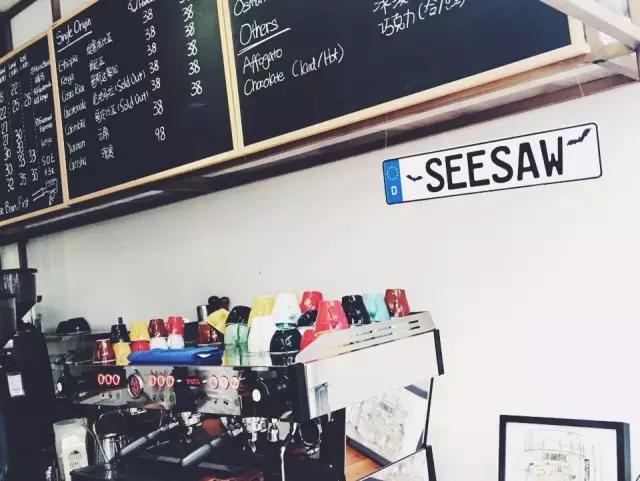
Their first store was hidden in a design center down a traditional alley, with no fixed rent—only a revenue-sharing model. The initial investment was low, yet Seesaw harbored grand ambitions for its layout across the entire specialty coffee industry chain.
Upstream in the supply chain, when Yunnan's coffee farmers still could not tell the difference between freshly ground and specialty coffee, Seesaw launched its "Yunnan Ten-Year Plan," setting up local bean collection stations to support farmers' planting and processing techniques.
Midstream, it built its own roasting lab and established the "DreamWorks Coffee Academy" to provide professional, systematic training, cultivating and transporting talent for the entire specialty coffee industry.
Downstream at its stores, Seesaw transformed its spaces into community art galleries. 60-70% of its earliest customers were professional women, making the brand a guide for the middle-class lifestyle.
Manner, founded in 2015, took the complete opposite approach to Seesaw: it started as a tiny 2-square-meter takeaway street-side stall.
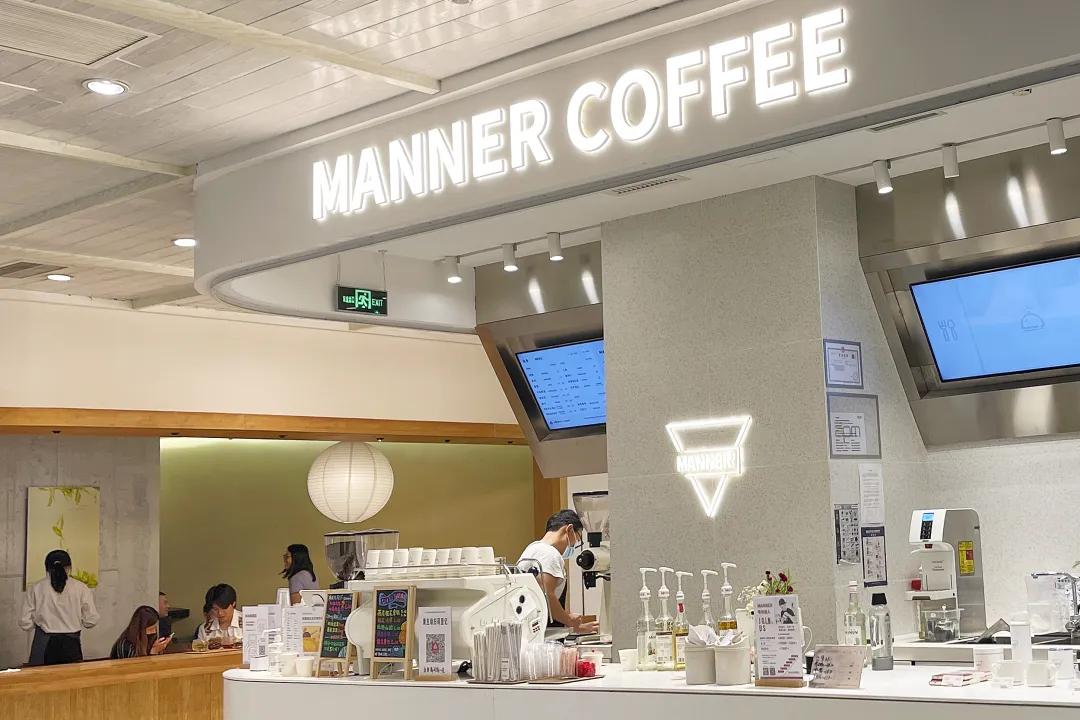
Back then, Luckin had not yet been founded, Starbucks dominated the price range above 30 yuan, and Korean-style coffee brands were mired in homogeneous competition. Manner accurately captured white-collar workers' core need: "I don't need a third space, I just want a good cup of coffee." It boldly cut down space costs while retaining the core value of high-quality specialty coffee beans.
Manner set strict standards for SOE beans and 7-day fresh roasting, but through low operational costs and a streamlined supply chain, it brought specialty coffee down to an extremely affordable price level.
At that time, Seesaw's espresso drinks were priced between 25-35 yuan, while Manner's latte cost only 20 yuan—with an extra 5-yuan discount for customers bringing their own cups.
This window-store, high-turnover business model allowed Manner to complete an efficiency revolution three years before Luckin did.
If Seesaw represents the ultimate pursuit of professional perfection, Manner represents the ultimate operational efficiency, then M Stand—bursting onto the scene in 2017—stands for the ultimate aesthetic focus.
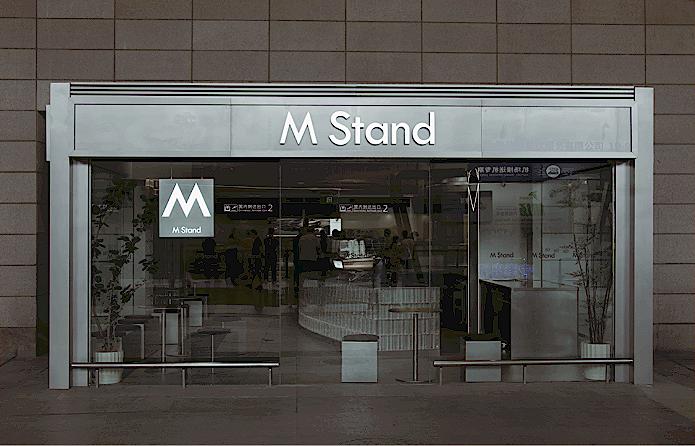
M Stand's founder Ge Dong has a background as a strategic consultant at LVMH. His target was a trendy, internet-famous brand similar to Heytea, rather than a pure specialty coffee brand.
Manner did not obsess over single-origin beans, instead focusing all its efforts on aesthetic design. From its very first store, it adopted a "one store, one design" strategy—industrial-style concrete walls, minimalist wood furniture, muted-toned decor... every location was Instagram-worthy. Ge Dong called this strategy "aesthetic-driven communication": no extra marketing was needed, as the brand naturally gained viral traffic through platforms like Xiaohongshu and Douyin.
From 2012 to 2017, as China's consumer market was rapidly upgrading, these three players together completed the 0-to-1 market enlightenment of local specialty coffee.
02
The 9.9-Yuan Era: The Three-Way Crossroads for Specialty Coffee
2017 was a golden era of abundant capital, with Heytea and Nayuki raising hundreds of millions of RMB in their Series A rounds. Blue Bottle— the benchmark for local specialty coffee—was acquired by Nestlé for a majority stake. In this booming consumer market, investors firmly believed in the potential of specialty coffee.
In 2017, Seesaw secured 45 million yuan from Fook Holdings and Hony Capital; in 2018, Manner received 80 million yuan from Capital Today; in 2021, CMC Capital, Qiming Venture Partners, Black Ant Capital, and Gaorong Capital all joined in, helping M Stand raise over 600 million yuan in financing.
Everything seemed flourishing. Yet no one could have predicted that the combination of a consumer trend toward greater value and the 9.9-yuan coffee price war would push these three leading local specialty coffee brands onto completely different paths.
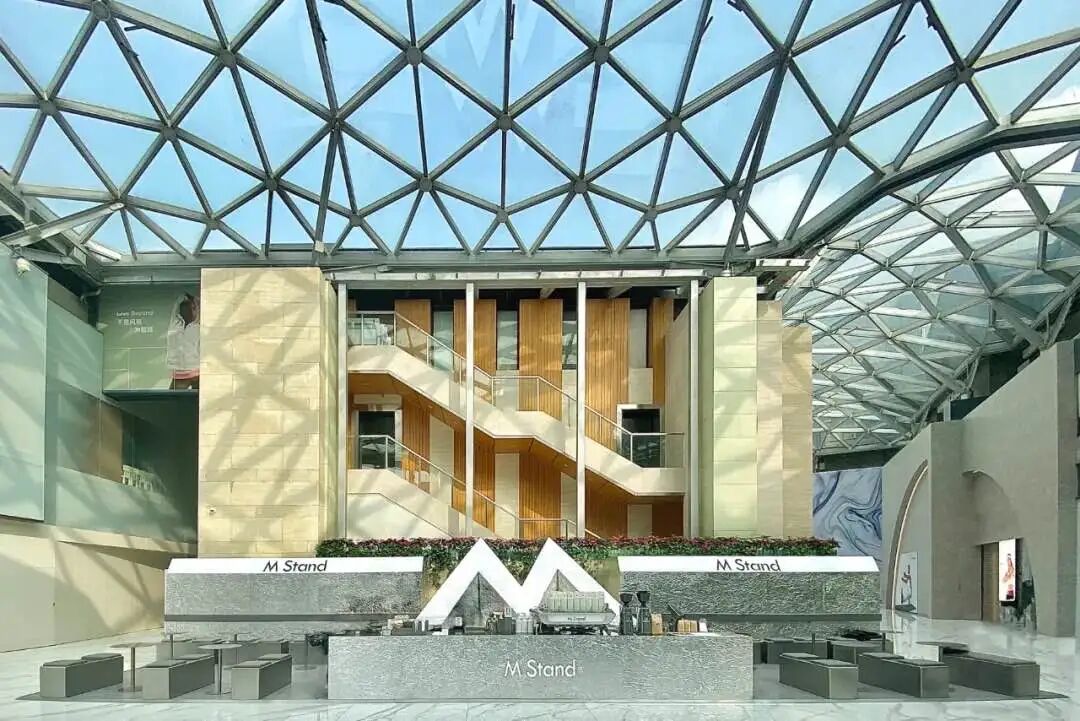
During its financing boom, Seesaw poured its capital into store expansion. Its flagship stores were all over 100 square meters, each with a unique design and a preparation period of 3-4 months—huge costs were invested in every step from design to renovation.
Its obsession with pour-over coffee techniques meant slow serving efficiency and high labor costs. Its price range of 30-40 yuan, stuck in the middle, was severely impacted by the 9.9-yuan coffee trend.
Before 2023, Seesaw insisted on a direct-operated model, silently bearing all the cost pressure.
Seesaw tried to emulate Starbucks by using scale to dilute costs, but Starbucks already had 40,000 stores worldwide and a mature scale effect—while Seesaw only had 162 stores by the end of 2022. Every new store it opened became another heavy cost burden amid the 9.9-yuan price war.
With its capital chain riddled with problems, Seesaw began massive store closures in the second half of 2023. According to data from LeMen Catering Eye in July 2026, Seesaw only had 32 active stores left nationwide, having closed more than 100 locations over four years. Its 2022 ambition to become "the lululemon of the coffee world" ultimately faded into a mere sigh in the price war.
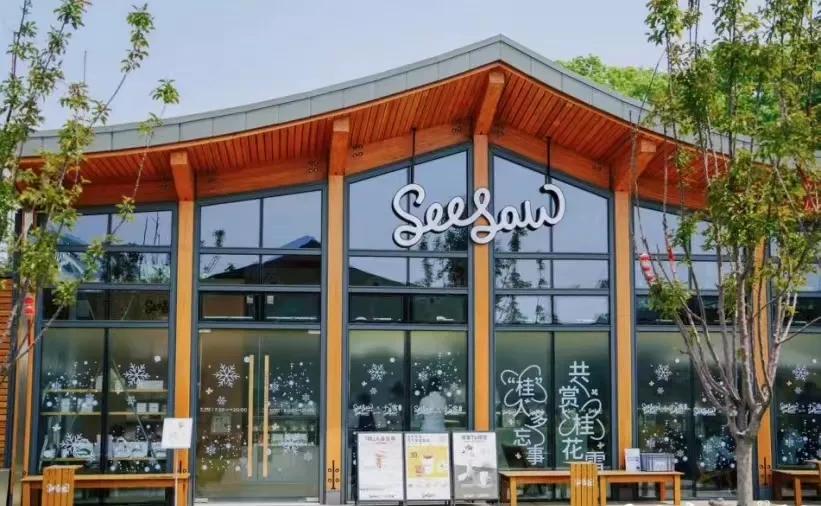
M Stand, which had a similar 35-45 yuan price range as Seesaw, was also significantly impacted by the price war. But as a brand focused on spatial aesthetics, M Stand's operational investments were far lighter than Seesaw's. It did not emphasize "purebred" specialty coffee, so it spent much less on beans, roasting, and labor costs.
To mitigate the impact, M Stand also slowed its expansion pace. According to LeMen Catering Eye data, it opened 251 new stores in 2023, 90 in 2024, and 83 in 2025.
In addition, M Stand launched hamburgers and snacks to extend business hours, and added cultural merchandise, footwear, and apparel products to open up new revenue streams. For M Stand, coffee is just a customer hook—the real profits come from high-price signature drinks, desserts, and peripheral products.
Among the three brands, Manner remained the most comfortably positioned.
After receiving Capital Today's investment in 2018, Manner not only expanded its store network but also focused heavily on its supply chain. The quality of specialty coffee flavor depends critically on raw materials and roasting techniques. Manner built its own roasting factories, bringing coffee bean quality and supply firmly under its control.
With stable quality control, Manner accelerated its expansion: opening 512 new stores in 2023, 655 in 2024, and 450 in 2025. By 2025, it operated more than 2,400 direct stores nationwide. This scale effect gave Manner a distinct supply chain cost advantage, which in turn guaranteed its price competitiveness. Relying on cost-effective specialty coffee, Manner found a viable path in the price war, proving that specialty quality and large-scale operation are not mutually exclusive.
03
Where Is Specialty Coffee Headed?
Back in 2015, Manner identified working people's demand for high-quality daily coffee and entered the affordable specialty coffee track. By 2026, Luckin began replicating this model, tentatively moving toward a premium positioning.
In fact, Luckin's push for specialty coffee did not start this year.
As early as 2020, Luckin launched its SOE product line, the "Little Black Cup" series, introducing the concept of single-origin coffee to the general public. In 2023, it initiated its "Global Bean Hunting Journey" program, forming a team of WBC champion baristas, deeply engaging in the upstream industrial chain by building a fresh fruit processing plant in Baoshan, Yunnan, conducting large-scale bulk procurement in Brazil—the world's largest Arabica coffee producer—and constructing high-quality coffee planting bases.
After years of refining its core capabilities, Luckin's ambition for specialty coffee has finally been widely recognized this year.
In February 2026, its 30,000th store—the "Origin Flagship Store"—opened in Shenzhen. This 420-square-meter flagship location showcases Luckin's global coffee bean sourcing layout, with professional baristas performing on-site pour-over brewing, making the usually affordable Luckin appear surprisingly high-end.
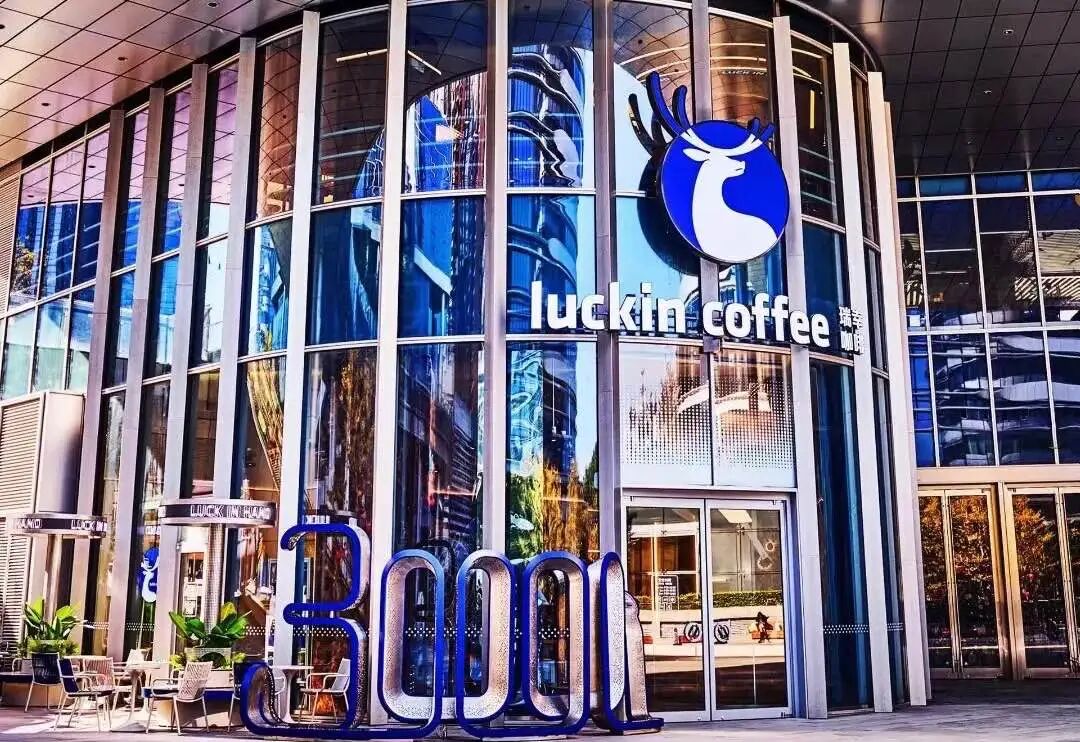
As Luckin upgrades its coffee offerings, Manner is undoubtedly the brand that should feel most nervous.
The Little Black Cup SOE series is priced between 16-21 yuan, directly eating into Manner's 20-25 yuan SOE market. Luckin's dominant position in the supply chain is a dimensional reduction attack on Manner.
Against this backdrop, where exactly is specialty coffee headed? The survival strategy of Peet's Coffee may serve as a useful reference.
According to the "2024 Report on Innovation Trends in Ready-to-Drink Beverages" from the Red-Cap Industry Research Institute, nearly 80% of consumers prefer ready-to-drink beverages priced 10-20 yuan, while only 4% accept prices above 25 yuan.
Peet's Coffee precisely targets that 4% of price-insensitive consumers. It has launched specialty Blue Mountain and Geisha single-origin product lines, using seasonal limited editions and localized signature drinks to avoid price wars and maintain a price range around 40 yuan.
While expanding upward, Peet's also launched a sub-brand, Ora Coffee, with a price range of 15-20 yuan, directly competing with Manner.
In addition, Peet's Coffee's second growth driver—its retail business—has delivered impressive performance.
Chen Hao, General Manager of Retail at Peet's Coffee, stated in an interview this year that packaged products now account for over 30% of Peet's total revenue in China. Through retail channels like Freshippo and Sam's Club, Peet's sells specialty ready-to-drink coffee, expanding its customer base from niche specialty coffee enthusiasts to middle-class families. In this process, specialty coffee has evolved from a refined lifestyle statement into an everyday, grab-and-go drink.
Manner is clearly also pushing upward. This April, the unit price of its SOE product line rose to 25-30 yuan. The official explanation was: "To deliver better flavor experiences for consumers by using higher-quality coffee beans." Sensing the threat of Luckin's premium transformation, Manner is working hard to enhance its product capabilities.
According to the "2026 China Urban Coffee Development Report" released at the 2026 Shanghai International Coffee Culture Festival, China's coffee industry reached a total market size of 354.9 billion yuan in 2025. The transaction volume of coffee beans grew by as high as 140.38%, far exceeding the 69.05% growth rate of instant coffee.
Luckin's premium transformation will bring more customers to the specialty coffee market, which undoubtedly holds enormous potential. Brands can either explore unique characteristics, strictly uphold quality, and enhance product value; or cultivate a second growth driver, allowing specialty coffee brands to go beyond chain stores and tap into new growth opportunities on supermarket shelves.
But no matter which path is taken, mediocre brands stuck in the middle ground will find it hard to survive.