Sparking a wave of daily limit gains in the A-share market, the *15th Five-Year Plan for Renewable Energy Development* has been released, and 5 trillion yuan of investment will flow into these three sectors.
The 15th Five-Year Renewable Energy Plan has been released, unlocking development opportunities across multiple industry tracks.
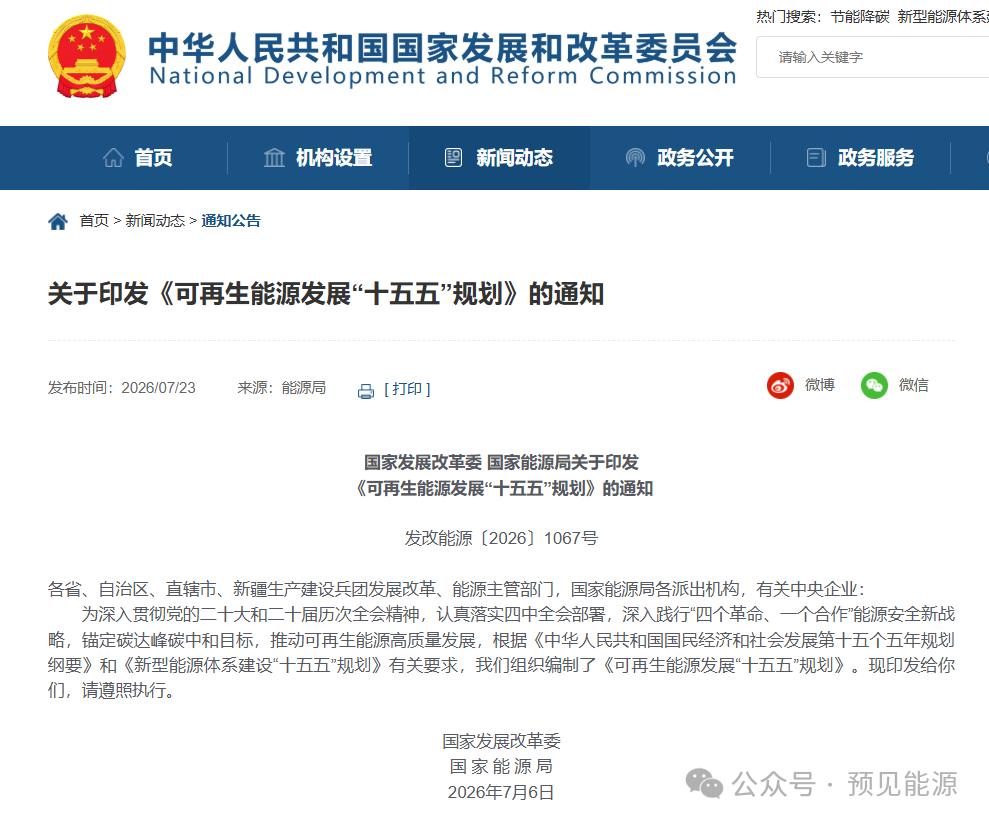
According to Energy Insight, on the morning of July 23, the National Development and Reform Commission, in conjunction with the National Energy Administration, officially issued the *15th Five-Year Plan for Renewable Energy Development*.
Shortly after the announcement, the A-share market opened at 9:30 a.m. Xinneng Co., Ltd. hit a one-word limit up immediately, while Luyang Energy Conservation and Zhongdian Electric Motor both secured trading suspensions within one minute of opening. More than 20 related concept stocks including Baoguang Co., Ltd., Tuori New Energy, and Shunna Co., Ltd. surged straight to their daily upper limits. The buy order volume for China XD Electric's trading suspension exceeded 1.2 million lots.
The Hong Kong stock market saw equally strong momentum. Goldwind Technology rose 4%, Dongfang Electric increased by 5.73%, China Longyuan Power gained 2.3%, and SIG New Energy jumped 6.3%.
A single policy document has ignited the entire sector: capital flows to where returns are generated, turning every high-potential area into a competitive battlefield.
01
Energy Storage Unlocks an Unexpected Growth Narrative
Lithium Iron Phosphate Emerges as the Biggest Winner
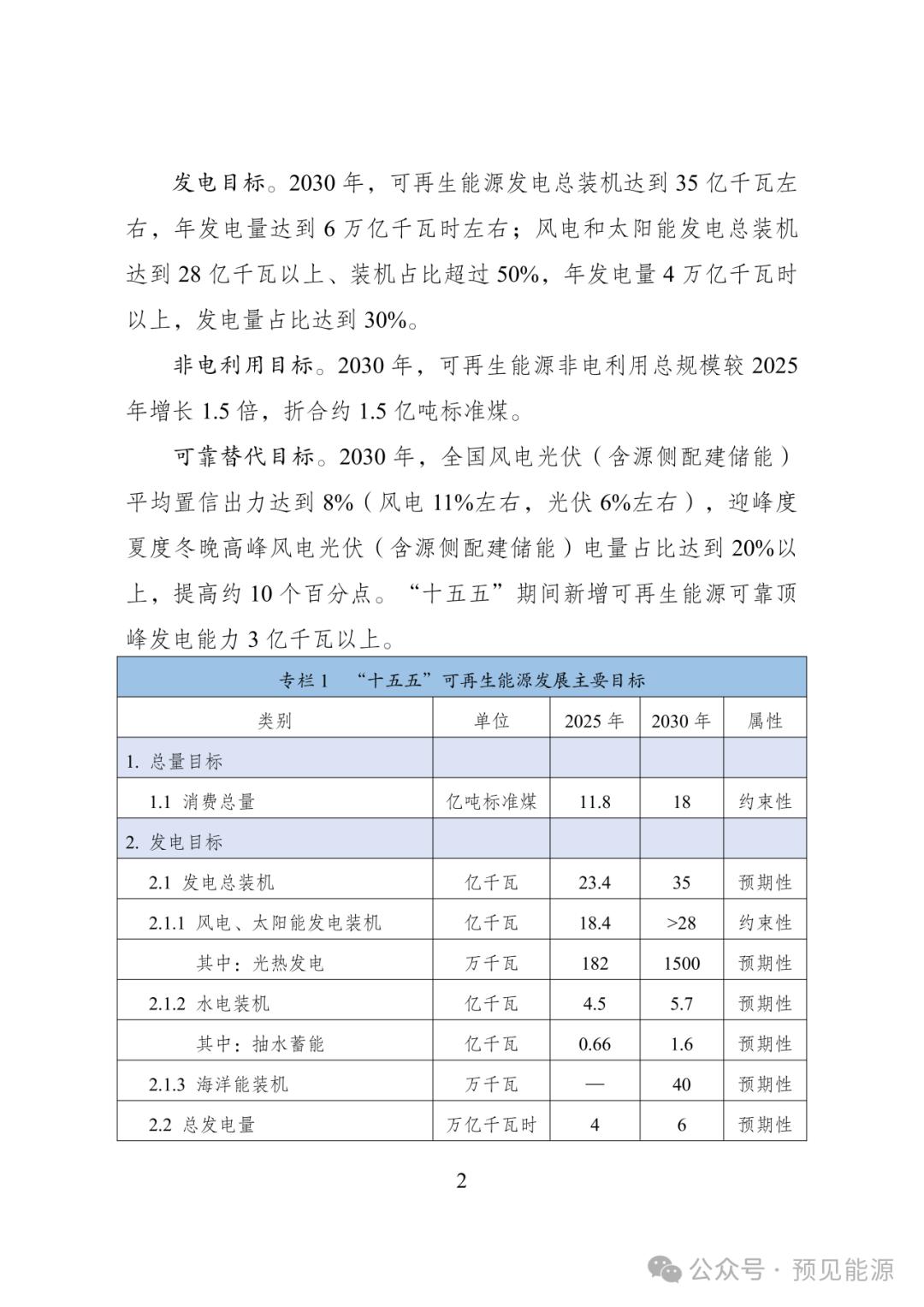
Per the official plan, the total installed capacity of renewable energy power generation will reach 3.5 billion kilowatts by 2030, with wind and solar capacity accounting for over 2.8 billion kilowatts. By the end of 2025, the combined installed wind and solar capacity stood at 1.84 billion kilowatts, meaning nearly 1 billion kilowatts of new capacity will be added over the next five years.
With so many new wind and solar power stations being built, where will the surplus electricity be stored?
As large-scale wind and solar projects come online, supporting energy storage systems have become an absolute necessity. Lithium iron phosphate (LFP) has firmly established itself as the dominant technology for energy storage batteries, thanks to its high safety performance, long cycle life, and low cost. In 2025, LFP batteries accounted for 95.4% of all global energy storage battery deployments.
Wanrun New Energy serves as a representative benchmark in this high-growth track. In 2025, the company's total annual LFP shipments reached 375,100 tons, marking a 64.33% year-on-year increase. In the first quarter of 2026, its single-quarter operating revenue hit 5.38 billion yuan, surging 136.16% year-on-year, and its attributable net profit reached 401 million yuan, successfully turning a profit after previous losses.
This turnaround was no stroke of luck. Data from the China Energy Storage Alliance (CNESA) shows that the domestic energy storage system bidding scale in June reached 48.3 GWh, representing a 37.4% year-on-year increase and a staggering 118.1% month-on-month surge. The cumulative bidding volume for the first half of the year hit 148.1 GWh, a robust 88.3% year-on-year growth. Data from the Xunyan Research Institute is even more striking: the year-on-year growth rate of energy storage procurement and bidding order volumes in June reached 137%.
The energy storage industry has officially entered a period of explosive demand. Industry consensus holds that scenarios such as wind and solar paired storage, independent energy storage stations, and offshore energy islands are all prioritizing the LFP technology route.
Upstream industry players have already taken action. Starting in August, some upstream manufacturers began raising prices for LFP products. This price hike led by industry leaders sends a clearer signal than any industry research report: the entire industrial chain is shifting from a "price-competition" phase to a "profit-driven" development stage.
02
Wind Power's Dual-Driven Development Model
Pursue Scale on Land, Target Profit at Sea
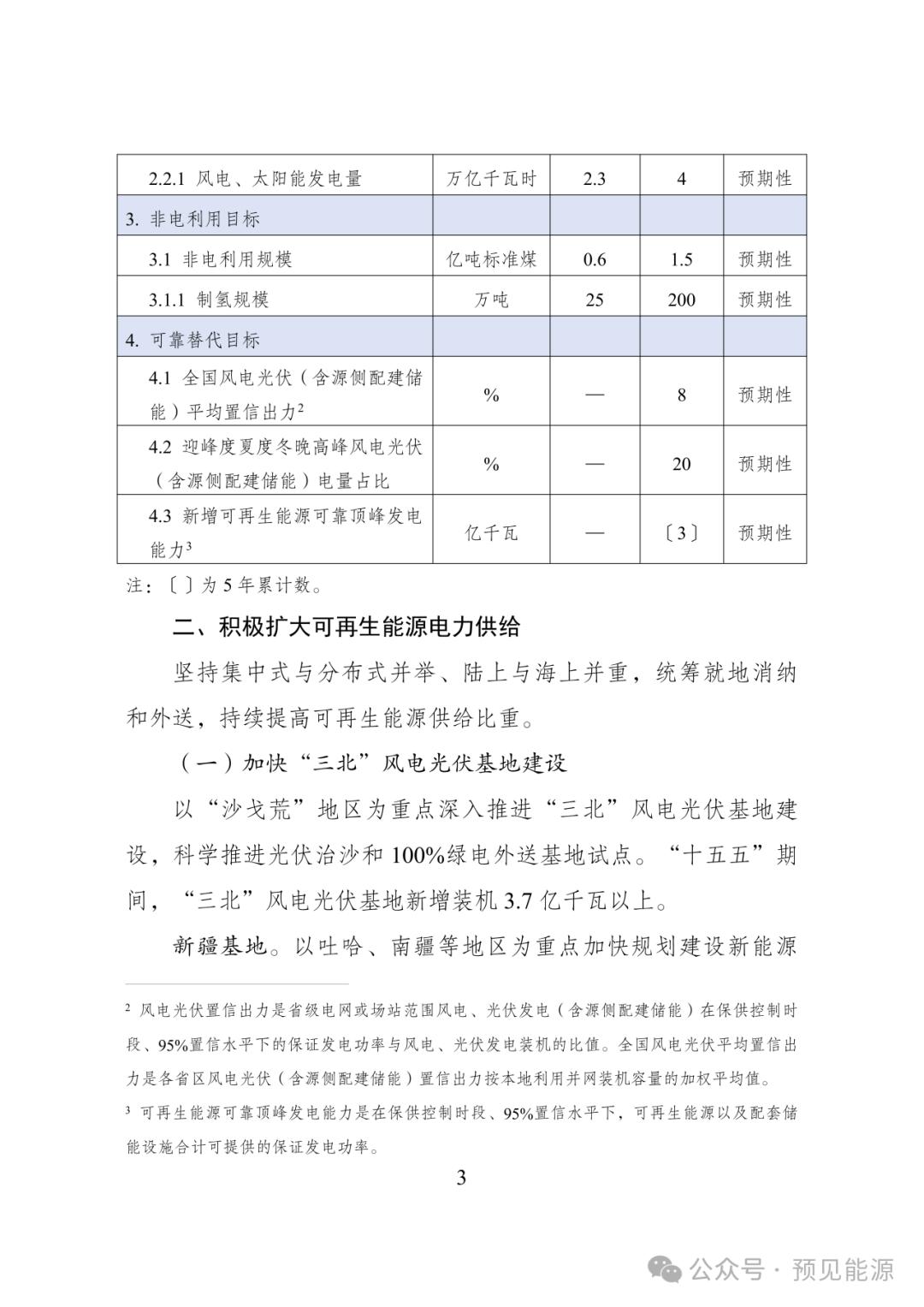
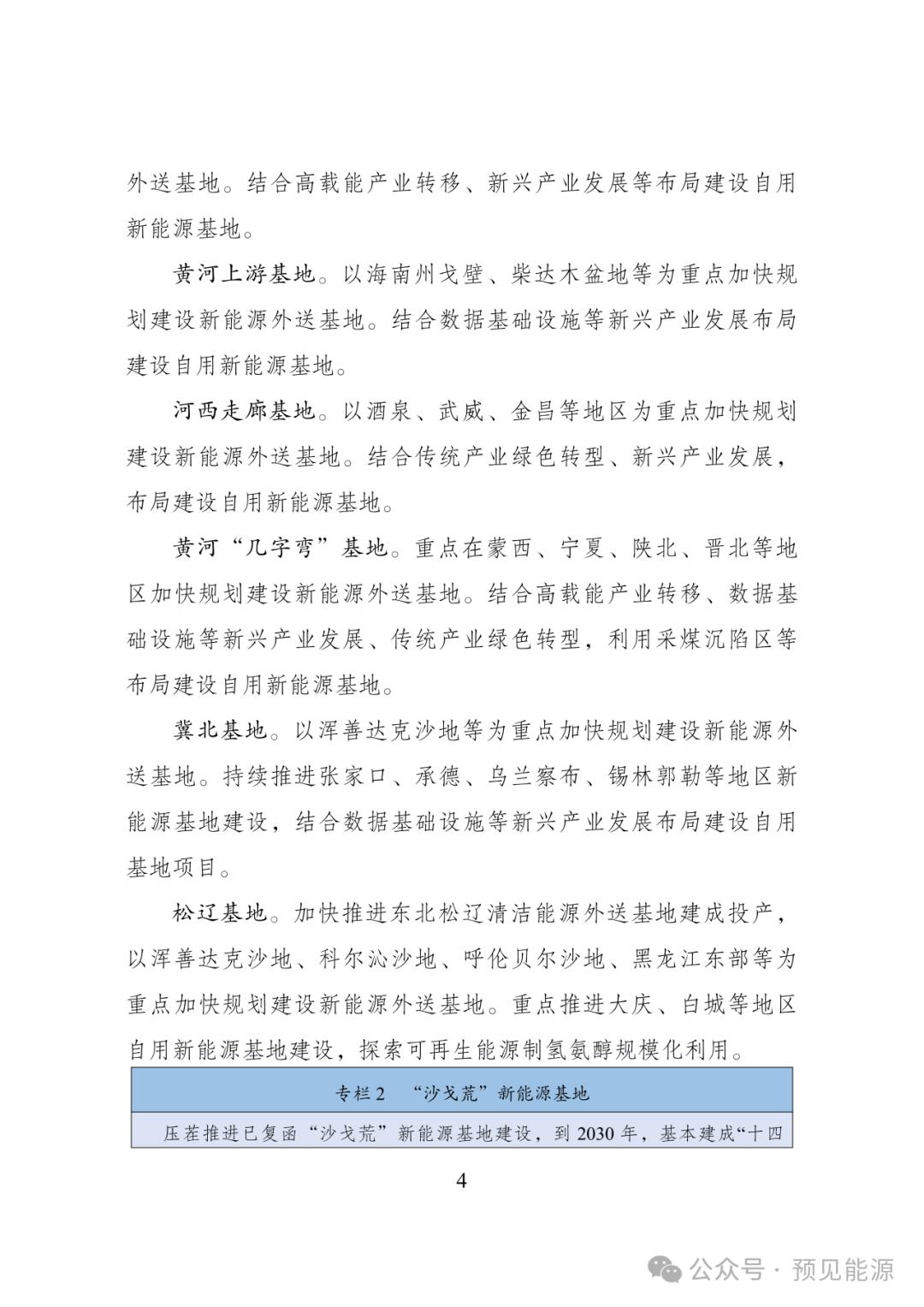
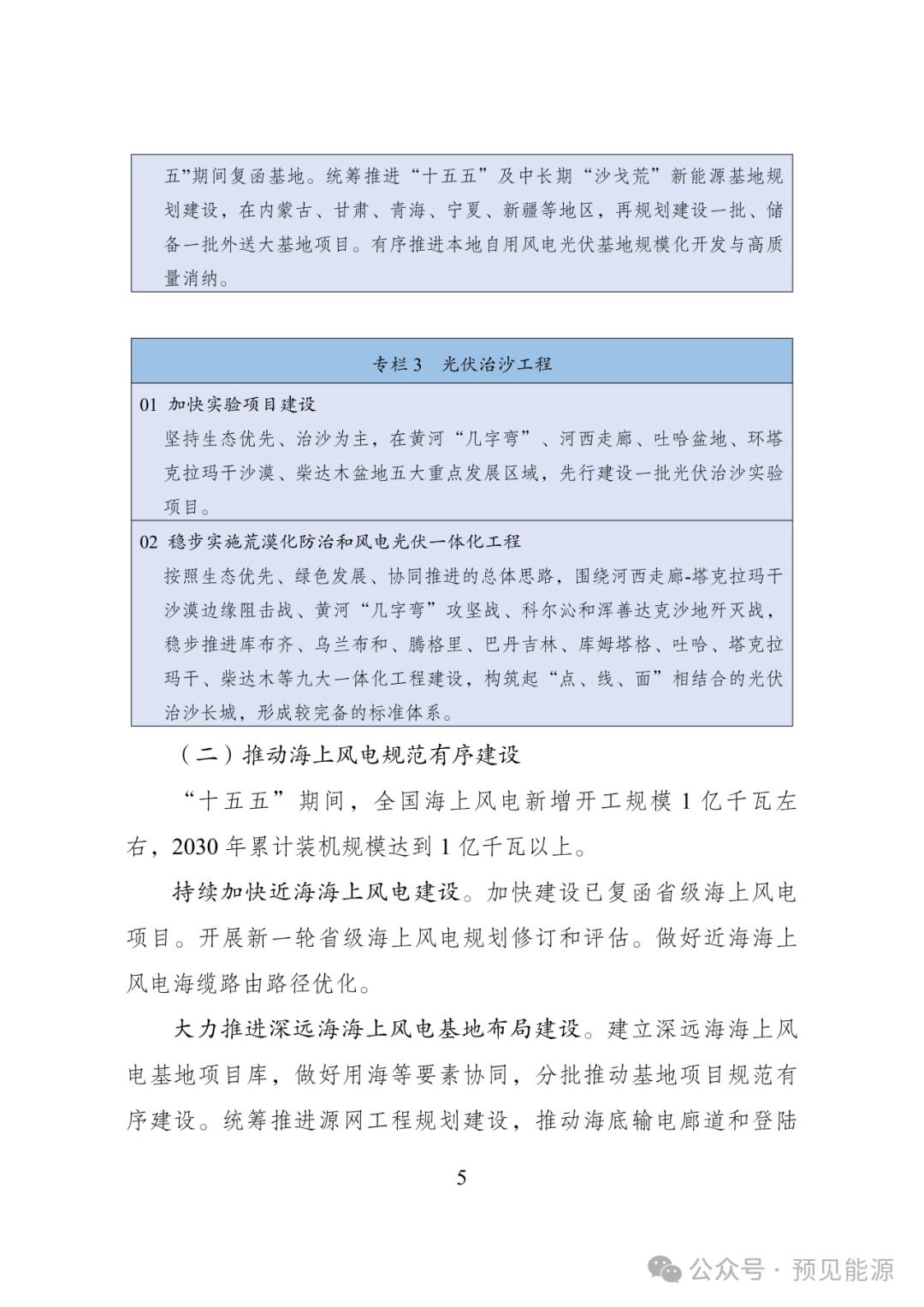
The plan lays out a clear dual-path deployment for the wind power sector: two key priorities. The first is to advance large-scale wind-solar base projects in the "Three-North" region, targeting over 370 million kilowatts of new installed capacity during the 15th Five-Year Plan period. The second is to accelerate offshore wind power development, with roughly 100 million kilowatts of new projects planned to break ground.
Onshore wind power competes on scale advantages. The 370 million kilowatts of new installed capacity is equivalent to replicating the entire total power generation capacity of the United Kingdom. Large-scale centralized base projects feature huge project volumes and fast construction timelines, creating direct order influxes for complete turbine manufacturers and EPC construction enterprises.
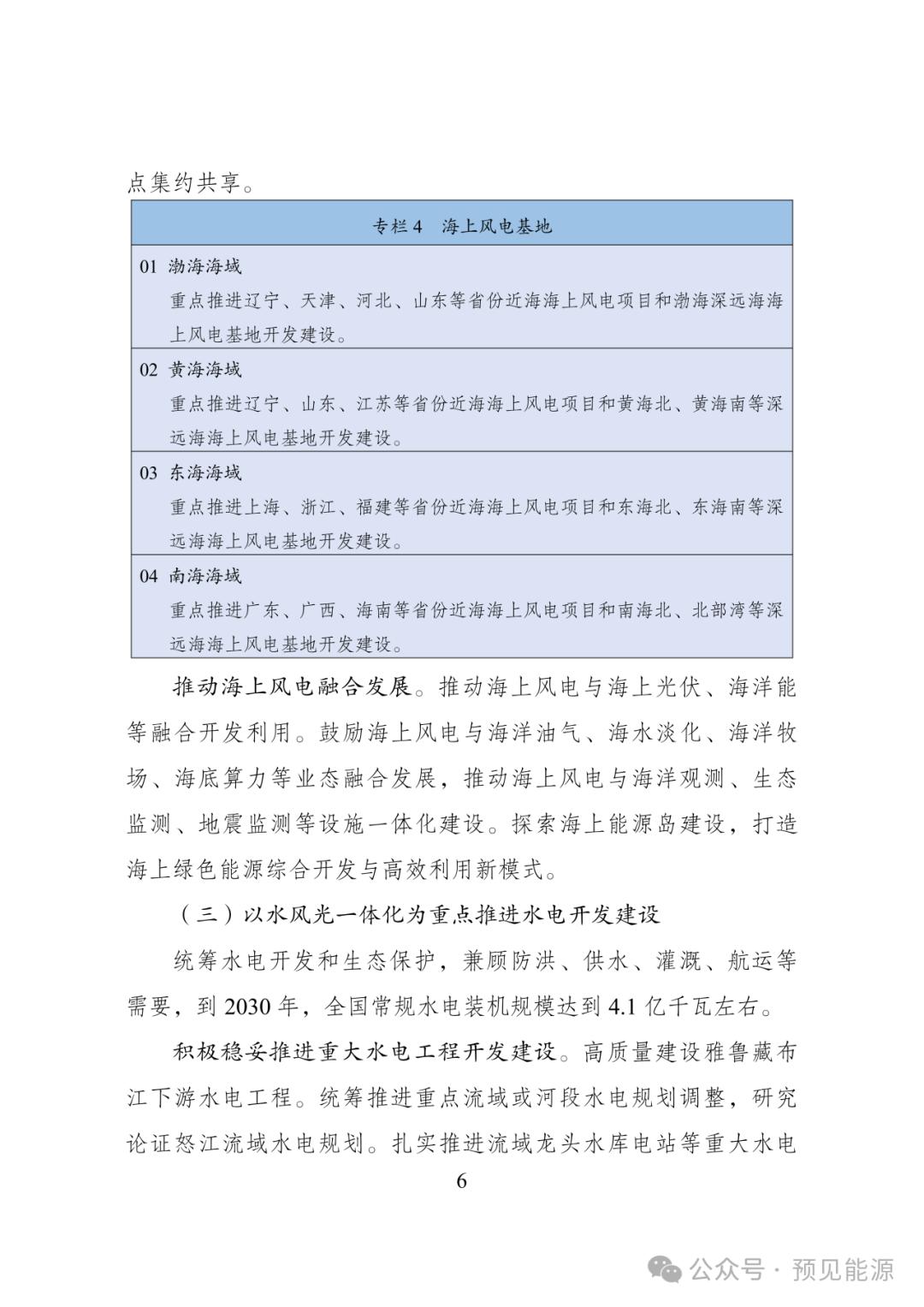
Offshore wind power competes on profit margins. The per-kilowatt construction cost of offshore wind projects is far higher than that of onshore wind farms, driving significantly stronger demand for submarine cables, offshore construction services, and large-capacity wind turbines. The plan also specifically emphasizes "encouraging the integrated development of offshore wind power with marine oil and gas operations, seawater desalination, marine ranching, and subsea computing power industries." Offshore wind power is no longer limited to simple power generation — it has evolved into a multi-functional platform: marine ranches can breed aquatic products under turbines, subsea data centers can run computing tasks, and offshore facilities can produce hydrogen fuel, enabling multiple revenue streams to emerge from a single wind turbine.
Guosen Securities' analysis concludes: The second half of the year is the peak season for domestic wind turbine installations, and the revenue and profitability of the entire wind power industrial chain will gradually improve as shipment volumes rise month-on-month.
The strong performance of Goldwind Technology, Dongfang Electric, and China Longyuan Power on the Hong Kong stock market has already reflected the market's positive sentiment. However, the most noteworthy opportunities are not these well-known industry giants, but the "pick and shovel" service providers across the offshore wind industrial chain — submarine cable manufacturers, offshore construction platform operators, and large-sized bearing producers. These niche sub-sectors may deliver far higher growth elasticity than complete turbine manufacturing.
03
Computing-Power and Power Coordination Is No Longer a Theoretical Concept
Data Centers Are Competing for Access to Green Electricity
One key line in the plan deserves special attention: "Guide the coordinated planning and layout of newly built data centers alongside renewable energy power generation facilities, and innovate new models such as direct green electricity connections and integrated source-grid-load-storage systems."
The practical implication of this policy statement is clear: Going forward, enterprises planning to build new data centers must first secure stable renewable energy power supplies. They can no longer rely solely on thermal power generation, and must allocate sufficient green electricity capacity.
This is no empty policy rhetoric. The 2026 government work report for the first time included "computing-power and power coordination" in the new-type infrastructure construction project portfolio. China Longyuan Power has already begun aligning its operations with the national "East Data, West Computing" strategy, exploring innovative new business models including direct green electricity connections and coordinated computing-power and power systems.
AI data centers are massive power consumers: a single large-scale data center consumes roughly the same amount of electricity as an entire medium-sized city. If all this new additional electricity demand must be paired with renewable energy supplies, it will create substantial, tangible demand for the consumption of wind and solar power generation. In turn, data centers can provide wind and solar projects with long-term stable power purchase agreements and premium pricing space — a development that is critically important for enhancing the market-oriented operational capabilities of new energy power stations.
The plan also mentions "exploring the spatiotemporal regulation potential of computing power loads by category." The computing load of data centers is dynamically adjustable — run more computing-intensive tasks when electricity prices are low, and reduce task volumes when electricity prices rise. This operational flexibility itself functions as a form of "virtual energy storage," helping the power grid achieve peak shaving and valley filling to stabilize overall grid operations.
Computing power and green renewable energy are now mutually reinforcing each other's growth. This is not a futuristic story, but a tangible commercial reality unfolding in real time.
04
The 5 Trillion Yuan Investment Will Not Be Evenly Distributed
Capital Will Flow to Segments That Generate the Highest Returns
The photovoltaic industry is currently undergoing profound cyclical adjustments, with outdated production capacity being continuously phased out, and rising industrial concentration emerging as a core development trend. The competitive advantages of leading enterprises are further strengthening, while small and mid-sized market players are gradually exiting the market. The energy storage sector has entered a full upward cycle characterized by simultaneous rising shipment volumes and product prices, with upstream material industry leaders set to be the first to benefit. Offshore wind power is expanding from near-shore waters to far-reaching deep sea areas, driving simultaneous increases in technical barriers and overall profit margins.
The plan puts forward the "reliable substitution target" for the first time: by 2030, the average confidence output of wind and photovoltaic power across the country will reach 8%, with over 300 million kilowatts of new reliable peak-shaving power generation capacity added. This means renewable energy will no longer be merely a supplementary power source that adds extra value — it will assume core responsibility for ensuring stable, reliable power supply for the whole society.
Evolving from a "supplementary role" to a "dominant power source," shifting from "installation capacity competition" to "reliable substitution," and transforming from "selling electricity alone" to "selling comprehensive services plus integrated application scenarios" — this 5-trillion-yuan wealth redistribution process has only just begun.
The recent wave of daily limit-ups on the stock market reflects market sentiment, while the 5-trillion-yuan policy investment signals the clarion call for capital deployment. Over the next five years, enterprises that can achieve breakthroughs across three key dimensions: technological iteration, cost control, and cross-scenario integration, will be positioned to capture the largest share of this massive market opportunity.
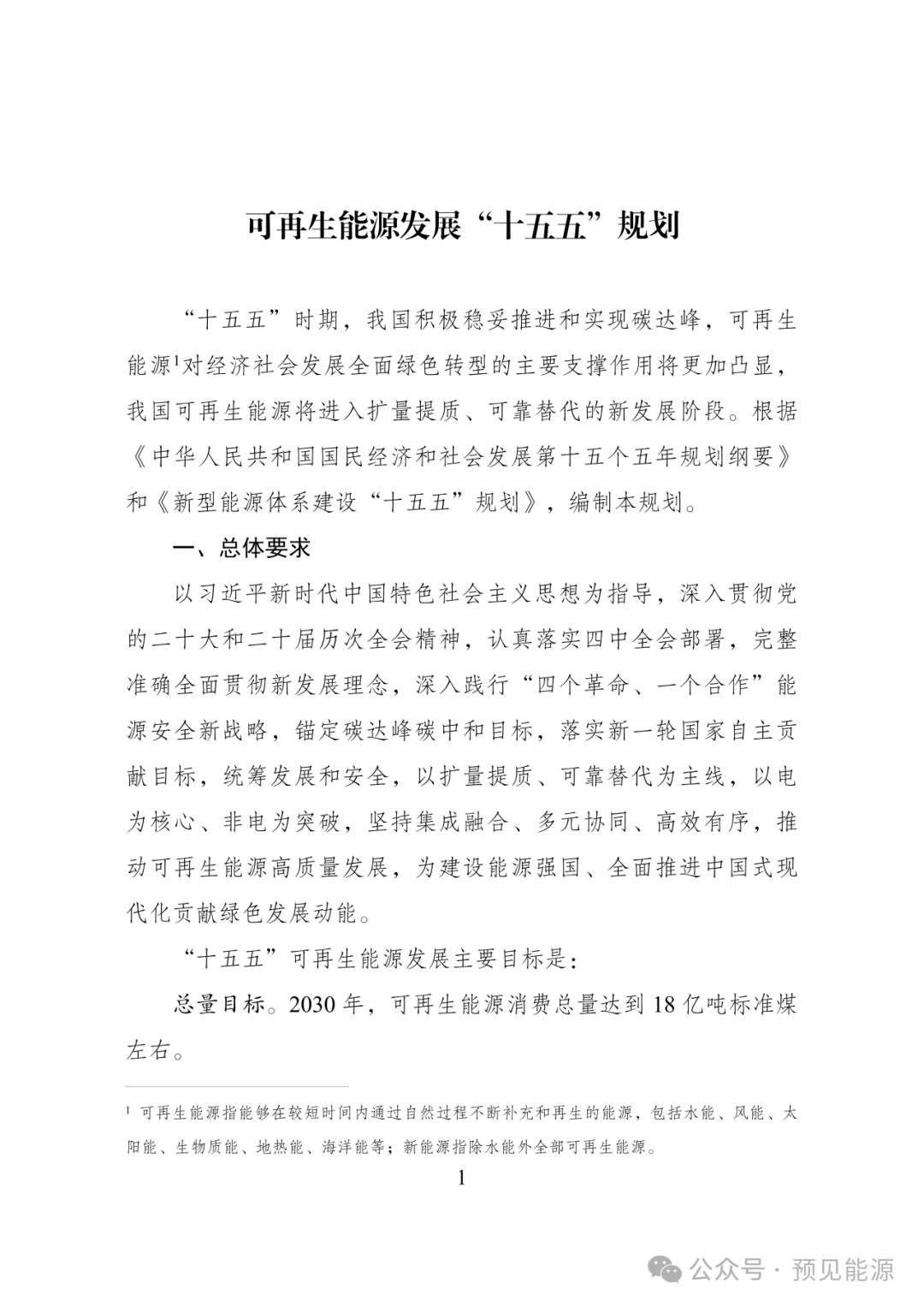
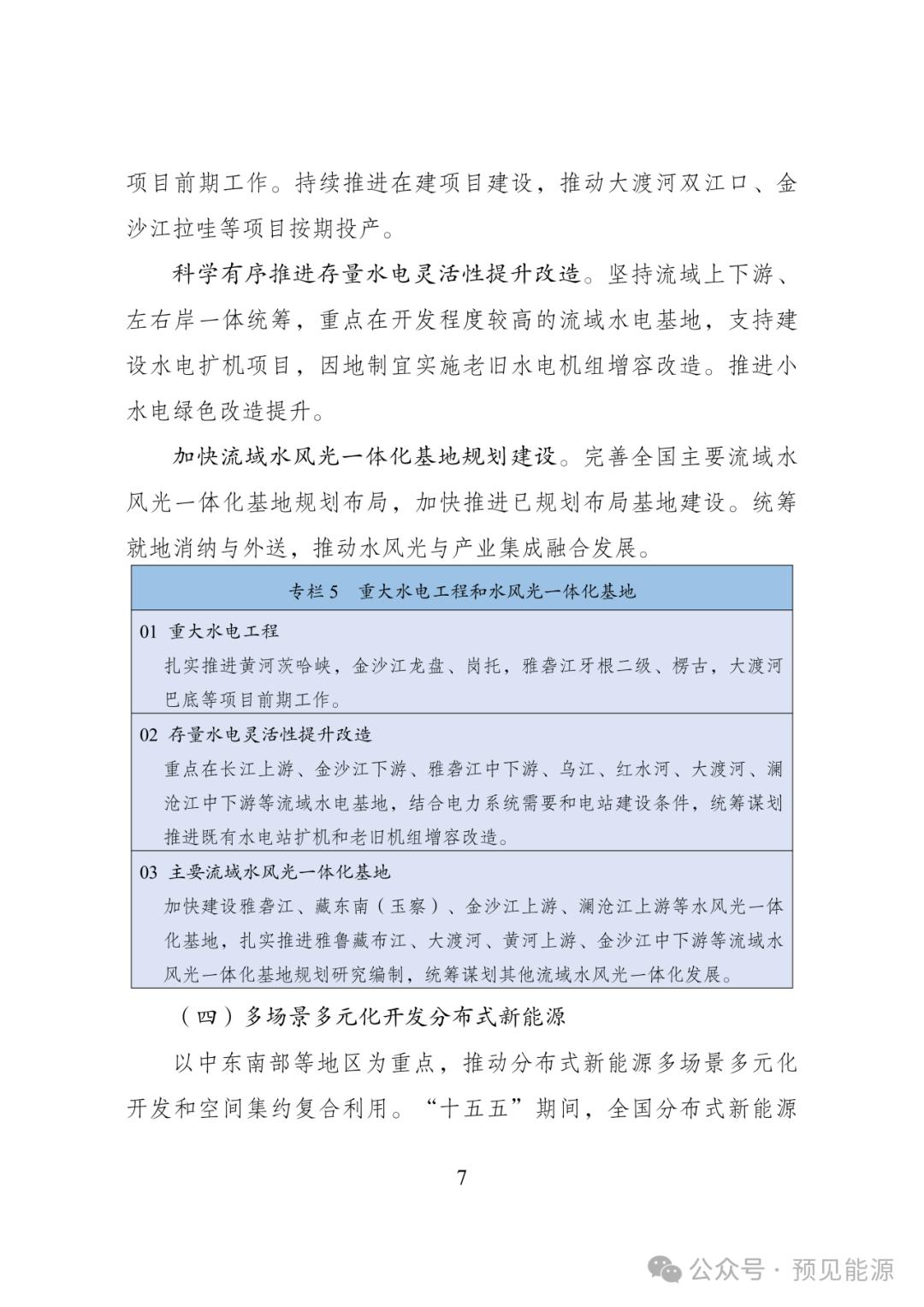
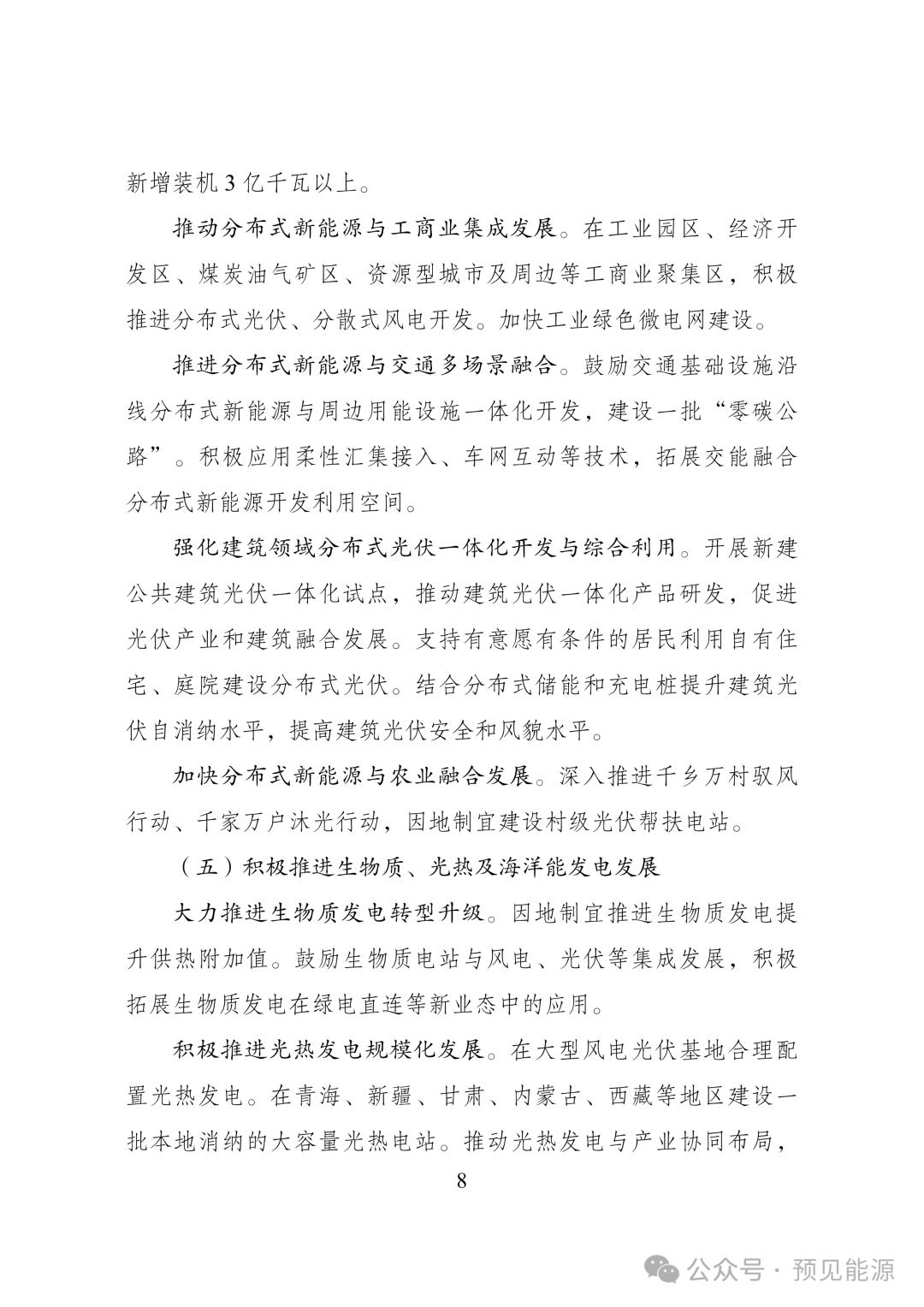
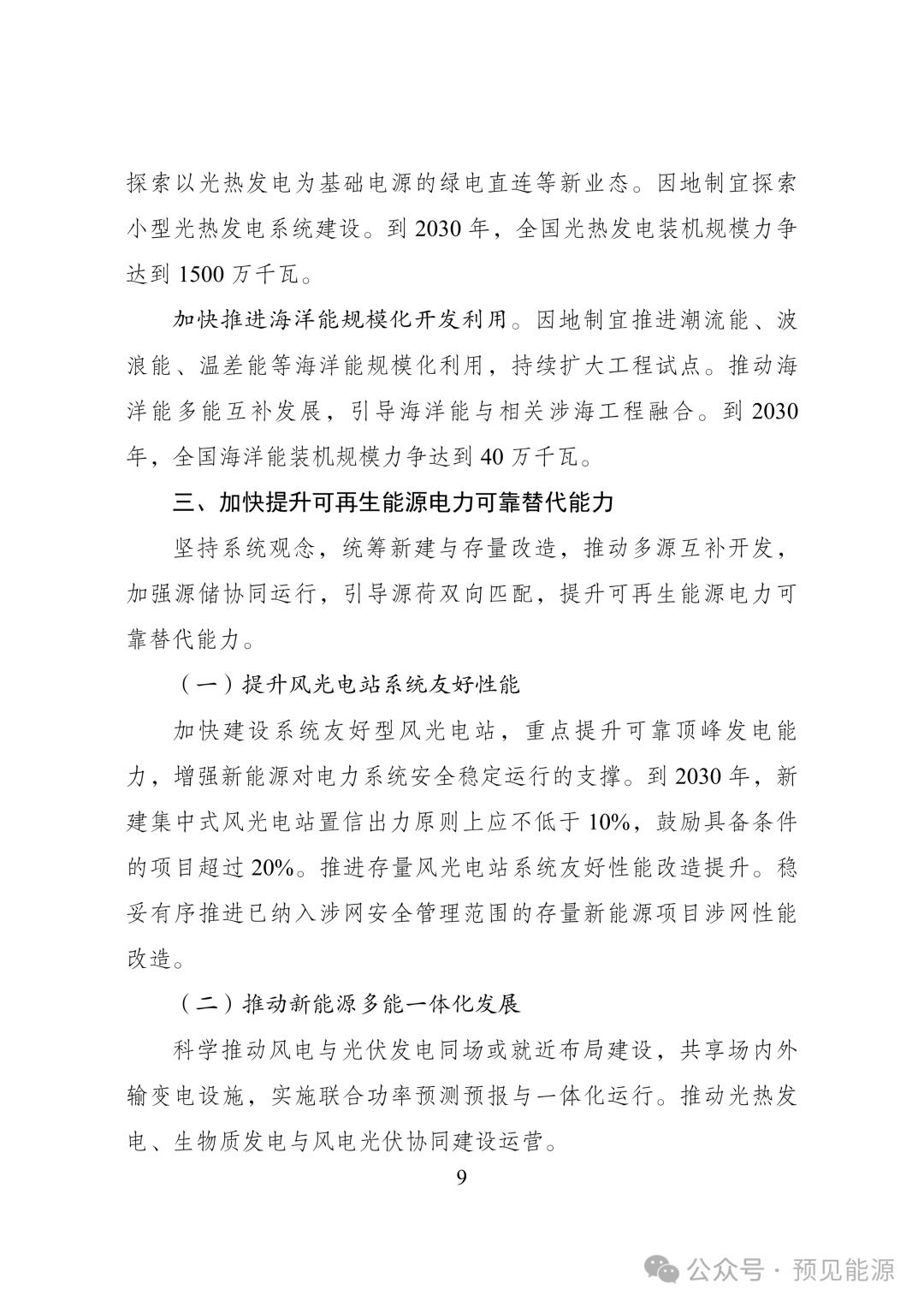
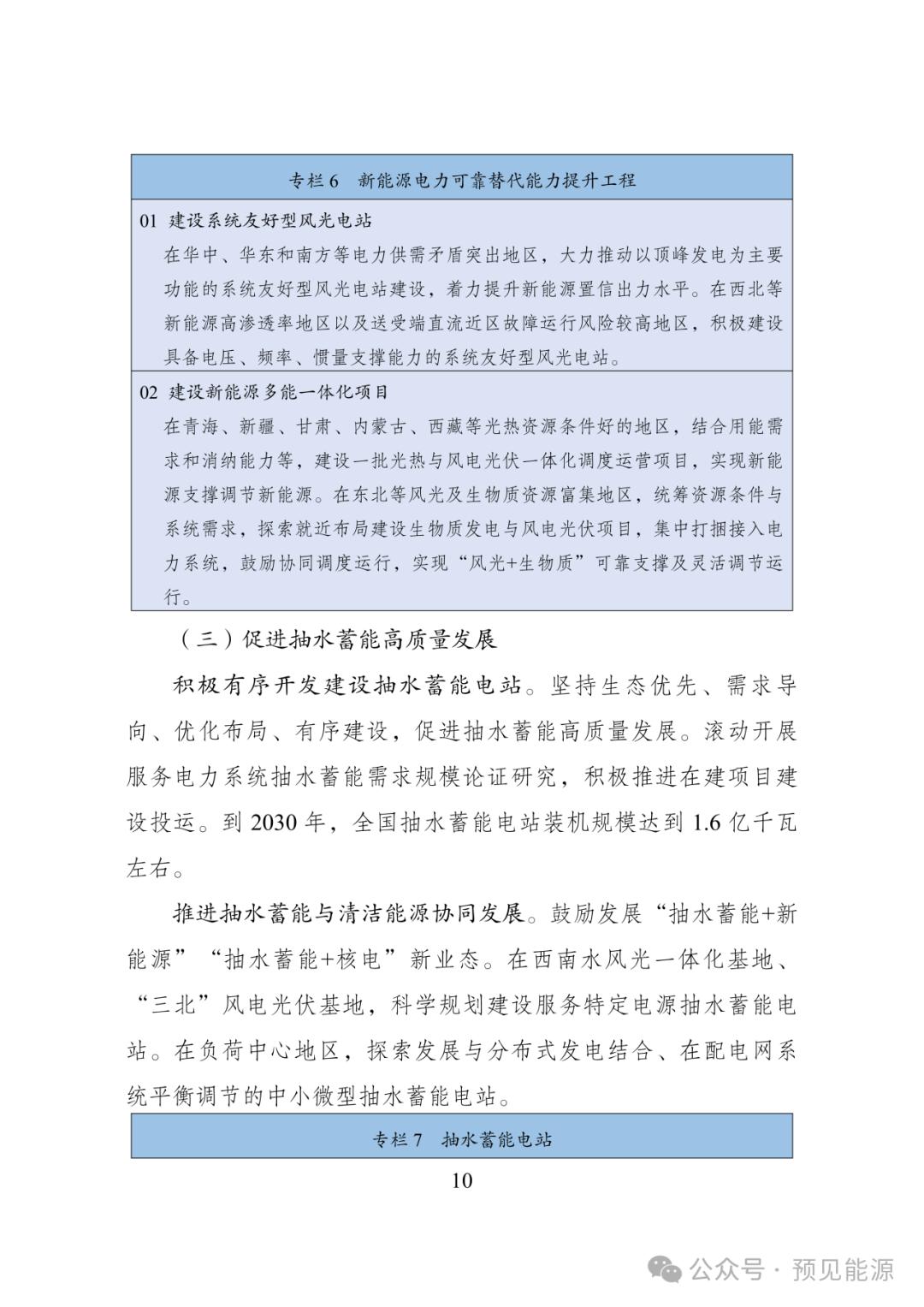
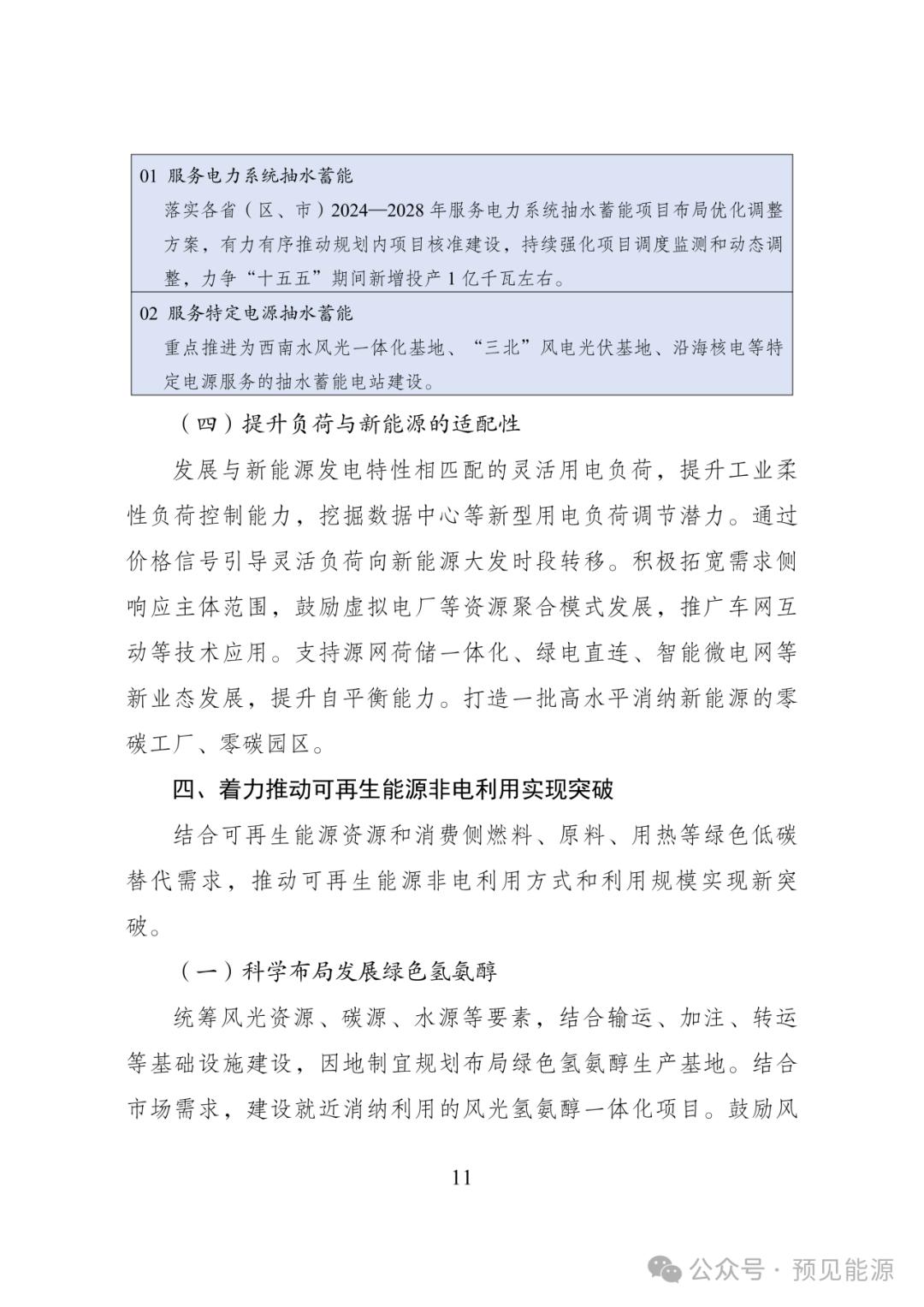
The following is the full original text of the *15th Five-Year Plan for Renewable Energy Development*: