Why does the "Piaoliangfan" brand always fail to operate for a long time?
I'm truly speechless.
A track called "Aesthetic Dining" has exploded in popularity over the past two years. By the end of 2025, views of "Aesthetic Dining" related videos on Douyin had exceeded 3.6 billion, and Xiaohongshu notes had accumulated over 600 million views.
I get that people focus on appearances, but now even food is divided into "pretty food" and "ugly food"?
Who even invented the "Aesthetic Dining" trend!
Is food no longer meant to be eaten, but just to be photographed and styled?
Is "Aesthetic Dining" a legitimate business? Is it a fast-burn, fast-die, rapid-iteration model that makes money through franchising? Why can't "Aesthetic Dining" brands last long?
I've recently received tons of questions about Aesthetic Dining, and heard plenty of stories about how short-lived most "Aesthetic Dining" brands are. After organizing and researching this space, I discovered a secret behind "How Steel *Failed* to Be Made".
Today I'll share the branding insights brought by the Aesthetic Dining trend, which will definitely help your industry.
01
"Trend Chasers" Are Obsessed with Aesthetic Dining
The so-called "Aesthetic Dining" refers to a general category of fusion restaurants that prioritize photogenic plating, atmospheric store design, and social media check-in appeal for platforms like Xiaohongshu and Douyin.
They often use mixed Chinese-English brand names, with suffixes like Fusion Cuisine, Thai Bistro, Yunnan-Guizhou Bistro, or label themselves as the "first city location" to secure prime spots in top-tier shopping malls, attracting the city's trend-chasing consumers with their all-around high visual appeal.
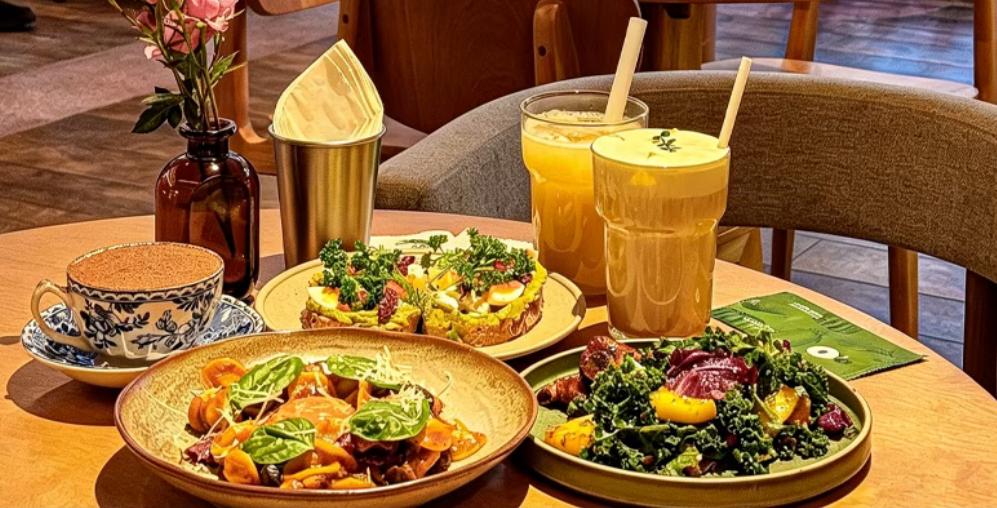
Highly photogenic Aesthetic Dining
Aesthetic Dining is essentially a Wuhan-born trend—this craze first started there.
Rumor has it that over half of China's viral, queue-inducing Aesthetic Dining brands are mass-incubated by five major Wuhan F&B startups (collectively known in the industry as the "Five Wuhan F&B Dragons": Wuhan Wanshi Heyee Food Creation, Dechuan Catering, Zhuozhi Fangjian, Fanjia Catering, Ganqu Food Creation). These five companies are the largest operational force behind the Aesthetic Dining track.
The core logic of the entire Aesthetic Dining model is simple: First, create a viral concept to drive social media traffic. Second, profit from franchising. Third, use rapid brand iteration to avoid the risk of becoming outdated. This is a highly standardized, viral F&B assembly line playbook.
They excel at a few key things:
1. Capturing Aesthetic Trends
Using social media big data to extract the most popular aesthetic styles across the internet—wabi-sabi wilderness, American retro, Thai laid-back vibes... whatever is trending, they copy it.
2. Design-Focused Dishes
Visuals first: strong color layering, three-dimensional shapes (runny eggs, cheese waterfalls, fresh fruit pairings) that are instantly photo-ready when served. They heavily use pre-made and semi-finished dishes, eliminating the need for master chefs in the back kitchen, cutting labor costs, and creating high tolerance for inconsistent flavors.
3. Premium Themed Store Interiors
Adopting immersive set design with warm lighting, wood/greenery/stone soft furnishings, custom decorative pieces—every corner of the store is a photo spot. But this high level of custom hard/soft decoration is hard to reuse later, and is usually tied to franchisee procurement requirements.
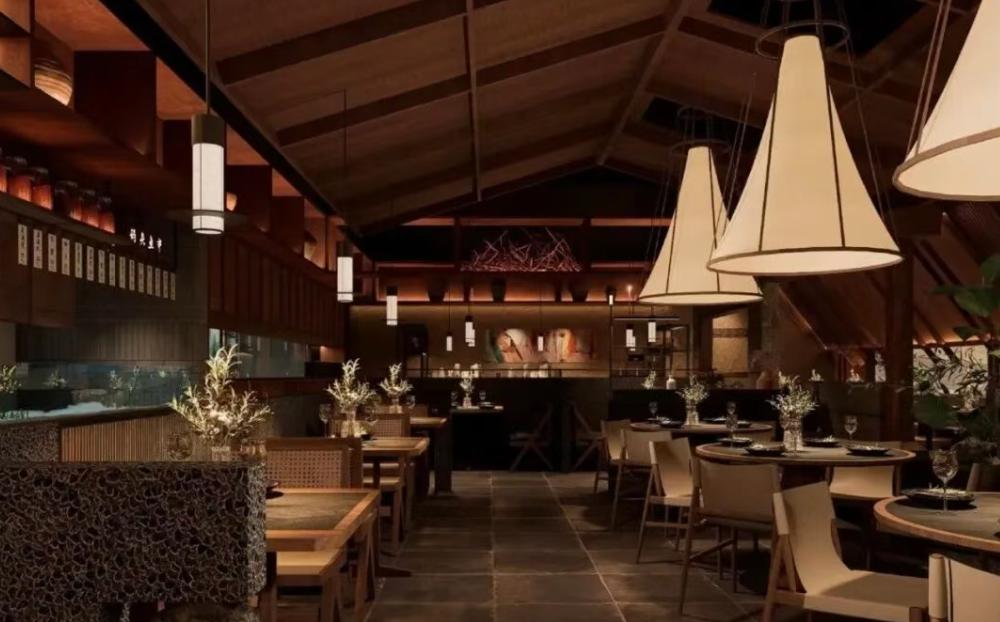
Immersive set design widely used by Aesthetic Dining brands
All these moves solve almost the same problem: how to attract people to come in and share their experience.
Who gets attracted and loves to share?
Their core target audience is exactly those trend-chasers who are active on social media.
At this point in the story, nothing seems inherently wrong.
02
The Curse of "No Repeat Visits"
Endless crowds flood into Aesthetic Dining spots: queue, pose for photos, snap shots, leave.
They never come back.
All customers are first-timers, until one day the half-life of social sharing fades, fewer and fewer people show up, and the shop closes down.
Statistics from the recently released *2026 China Catering Franchise Industry Development Report* by the China Cuisine Association show:
For Aesthetic Dining / viral creative fusion restaurants that focus on photo checks and social sharing, the average brand lifespan is only 8-12 months.
Less than 10% of brands/venues in this track can stay in business for more than 3 years. In lower-tier third- and fourth-tier cities, 90% of similar venues close down within half a year of opening.
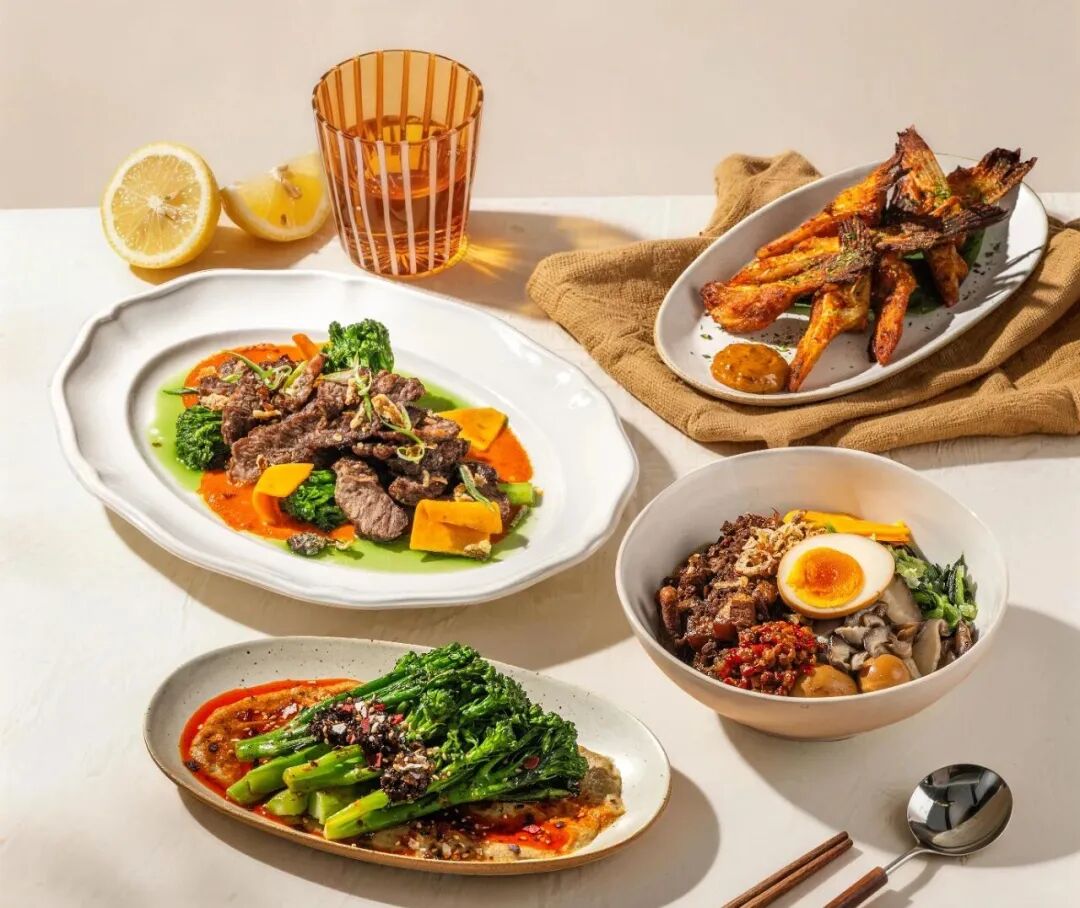
Wave after wave of Aesthetic Dining brands emerge and disappear
Why? What did Aesthetic Dining do wrong?
No repeat purchases.
Why no repeat purchases?
1. Products Are Non-Addictive:
The core of Aesthetic Dining is looking good, so the cooking is usually underdone—low oil, low salt, light seasoning, minimal cooking—all to make the plating pretty.
Not feeling greasy after eating sounds like a plus, but after finishing the meal, your body leaves with no memorable, lingering craving.
All addictive, great-tasting Chinese food usually shares these traits: heavy oil, heavy aroma, heavy spice, Maillard reaction... think grilled meat, spicy hot pot, grilled fish, etc.
All these dishes have one thing in common: they look ugly.
In other words: "ugly" food tastes better, really delicious food is rarely pretty.
High visual appeal is a double-edged sword—it's your biggest selling point, and also the biggest enemy of F&B addiction.
2. One-and-Done Experience: Once the Hype Wears Off, It's Over
Most people go to Aesthetic Dining not even to "eat"—they go to "experience prettiness".
Pretty things only catch your eye once, and after a while you get tired of them. Worse, the visual language of Aesthetic Dining is now highly homogenized: rich color palettes, edible flower petals, wooden dining tables, etc.
After seeing so many, you can't even tell one brand from another. Consumers' aesthetic thresholds quickly rise, and the "visual premium" instantly vanishes.
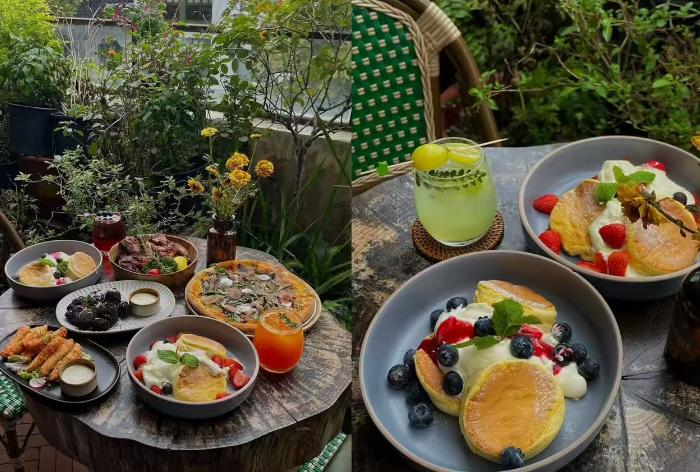
At Aesthetic Dining, taking photos is always the top priority
Some people go just for novelty—they try it once to "check it off their list" and the magic is gone. Others buy into the "I'm living a refined life" personal brand, where Aesthetic Dining is just a prop—use it, discard it, and swap for a new prop tomorrow...
None of those "perfect" moves earlier solve the core problem: "make people want to come back a second time".
Attraction is a one-time consumable. Repeat purchases are the key to a sustainable business and a successful brand.
3. Too Much Brand Distance:
Many restaurants deliberately try to look avant-garde and trendy, using mixed Chinese-English brand names that are often unpronounceable, awkward, and hard to remember.
The store decor makes people want to take photos and share, but that forced, "stylish" premium vibe also makes people feel unwelcome and distant.
Psychologically, all these factors kill repeat visits. Customers feel like they're just "here for a quick visit" to check in, and never think "I'll come back to hang out when I'm tired someday".
03
The Ultimate Secret to Building a Brand: Addictive Repeat Purchases
A one-time purchase is just marketing.
Repeat purchases are what define a brand.
That's the big watershed between marketing and real branding.
The reason people buy repeatedly? Addiction. No matter if you're selling food, clothes, electronics, or toys, creating that "addictive" psychological bond is critical.
What is "addictiveness"?
For food, it's the thing that makes you toss and turn in bed, craving it when you're hungry; the thing that makes your mouth water just thinking about it; the thing that makes you antsy if you don't eat it for days.
"Addiction" is not some superficial, fancy element—it's a concrete physical instinct or psychological dependency.
Heavy oil, heavy spice, heavy sugar, caffeine, capsaicin—all these have natural addictive properties.
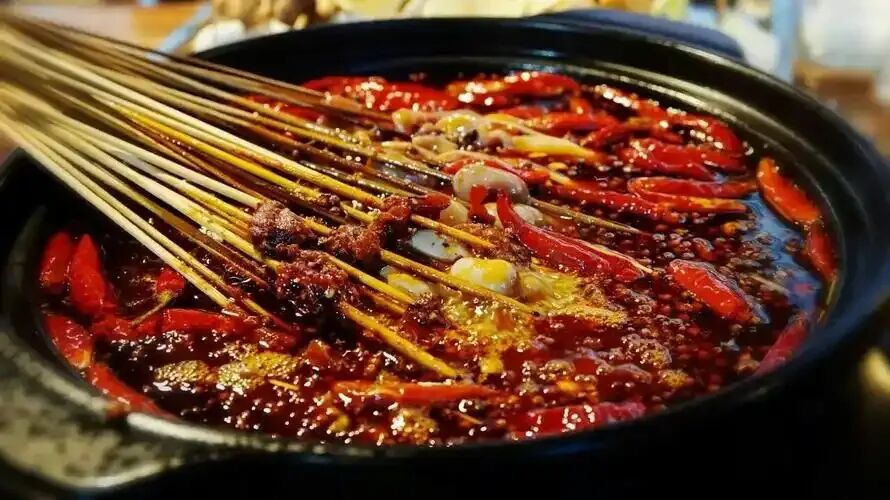
Not pretty, but addictive
For clothing, it's the piece you always pick out from the hanger to wear, the highest "rewear rate" item in your closet—you can't explain why, but you choose it every time. Every time you pass the store, you just want to pop in to see what's new.
Aesthetic Dining mistakes "attraction" for "brand power"—pouring all resources into marketing tactics, without caring if their product can make people addicted.
Someone will come once because it's new and pretty, but they'll never come back just because "it's not bad". Today the world is full of "not bad" options.
Attraction is the door-opener. Addictiveness is your moat.
Many brands today talk about delivering emotional value for young people, creating check-in scenarios, providing social currency... all sound good, but these are just "peripherals" of addiction. If your product and brand aren't addictive, you're just a disposable prop that can be swapped anytime.
A girl who got her makeup done comes to the restaurant, takes photos of the food and herself, posts on social media—she's chasing the personal brand of "I live a refined, stylish life". Aesthetic Dining is just a prop in this process.
Props are replaceable: today it's this Aesthetic Dining spot, tomorrow it's an exhibition, the day after it's a concert.
Being addicted to your personal image, vs. being addicted to a brand—are two totally different things. In the former case, consumers will keep swapping props. Only in the latter case do consumers truly *need* you.
Only when users feel like "something is missing from my life if I ditch this brand"—that's when you've truly built consumer addiction to your brand.
04
How to Build Brand Addictiveness
Path 1: Pick a Category With Natural Physical Addictiveness
Take food and drinks as examples:
Caffeine—when regular drinkers suddenly stop, they get headaches and fatigue. Office workers who skip their daily coffee one day feel like their whole body won't turn on—this is a real physical need.
Capsaicin in spicy hot pot and malatang triggers endorphin release. After the pleasure hits, your body craves the next hit. In my local mall, the longest queues are always for these kinds of restaurants.
Sugar and fat in bubble tea directly activate the brain's dopamine reward loop, making you crave a cup every now and then. The social appeal is built on top of sugar addiction itself—even the demand for "less sweet" shows people are fighting between their natural cravings and rationality.
Luckin Coffee grew to 20,000 stores, Chongqing hot pot swept the nation, Mixue Bingcheng spread to every county...
They did a lot of things right, but the most fundamental logic behind their business success is that they picked a "god-given" category, capturing people's natural physical addictions into their own ecosystem.
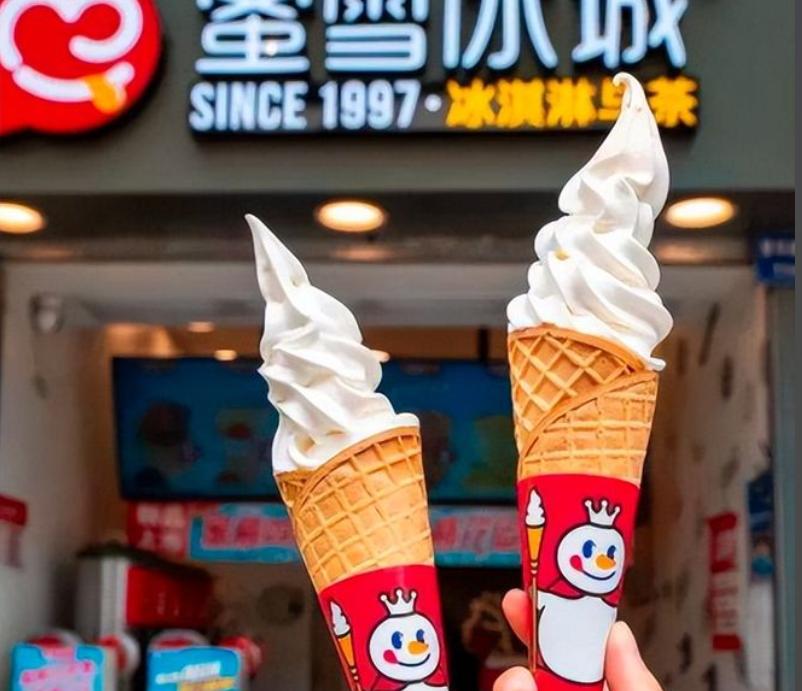
Mixue Bingcheng's best-selling ice cream
Aesthetic Dining is not something Chinese people are physically addicted to. It's not spicy, not sweet, not heavy on oil—nutritionally balanced to the point of being almost "withdrawal-friendly". Your body has zero dependency on it.
After an Aesthetic Dining meal, your reaction is "that was nice"—not "that was amazing, I want more". These two feelings lead to completely different repeat purchase outcomes.
Other categories also have physical addictive properties: certain incense, essential oils, designer toys, etc.
Path 2: Build Products That Feel "Perfectly Comfortable" in Every Detail
Take clothing as an example:
People say China's women's clothing market is oversaturated, full of inventory and constant returns—because competition is too fierce, there are too many brands.
Really? I don't buy it.
Look closely, and you'll find many women around you feel "there's nothing suitable to buy"! Beyond malicious returns, many returns happen because "the product sucks". Many clothing brands make clothes that are self-indulgent in concept, full of flaws in details, uncomfortable to wear, awkward in every way—and they're expensive. Why would anyone keep those instead of returning them?
I recently spent a long time doing deep research in the clothing space, and realized: making a piece of clothing that feels perfectly comfortable in every detail is incredibly hard. Most clothes sold online