Exclusive First Review of Samsung Galaxy Z8: All three form factors are fully available, what experience breakthroughs does this 8th-generation device deliver?
On the evening of July 22, Samsung held the global launch event for its Galaxy Z8 series foldable smartphones, unveiling three foldable devices with distinct form factors: the Galaxy Z Fold8 Ultra, Galaxy Z Fold8, and Galaxy Z Flip8.
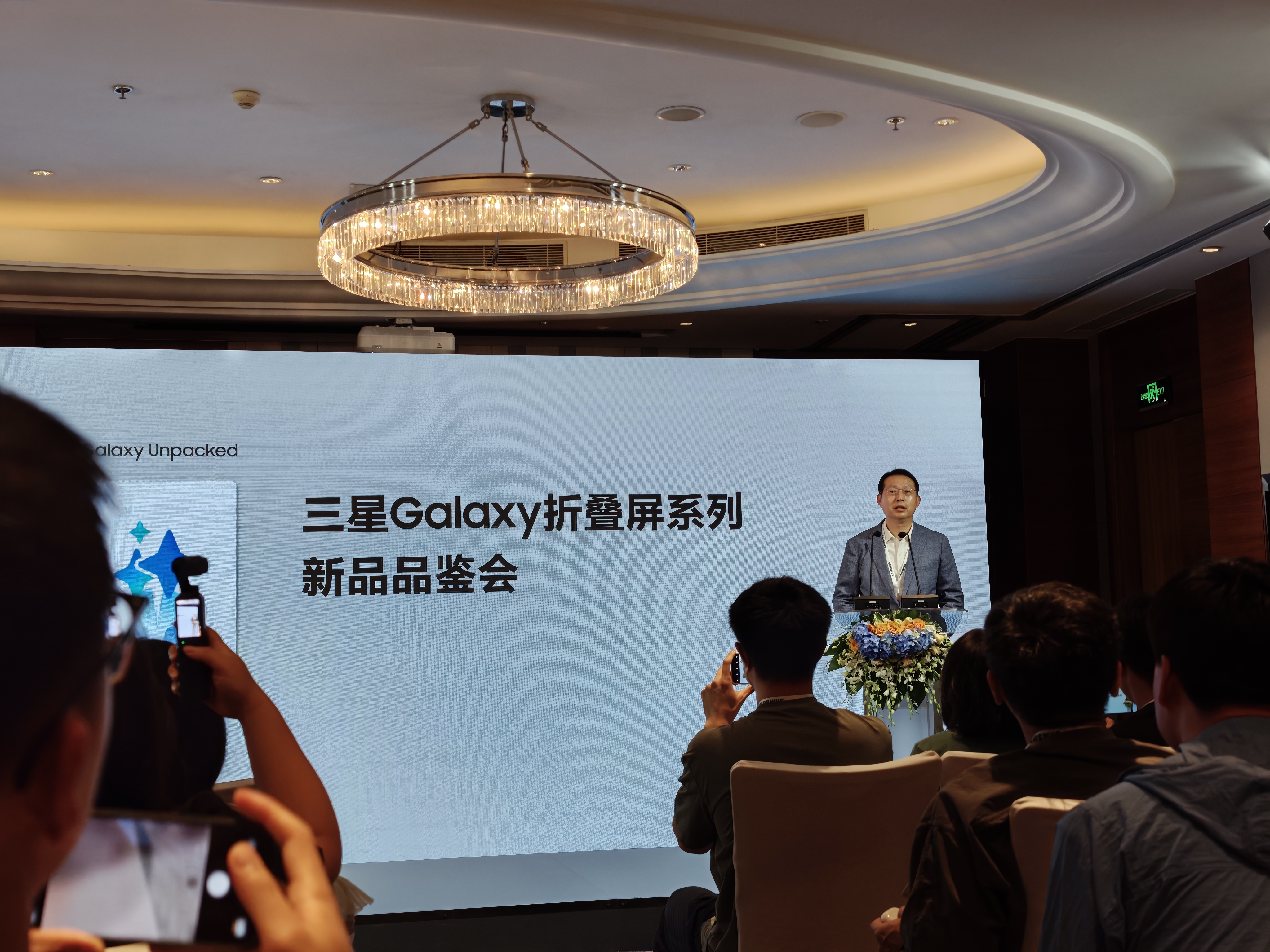
(Image source: Lei Technology on-site shooting)
Today, Samsung hosted a new foldable product experience event in Shanghai. Lei Technology (ID: leitech) was invited to the scene and got hands-on with the new devices immediately. Before sharing our experience, let's start with the highly anticipated China-market pricing: the Galaxy Z Fold8 starts at 12,999 yuan (12+256GB), the Galaxy Z Fold8 Ultra starts at 14,999 yuan (12+256GB), and the Galaxy Z Flip8 starts at 8,999 yuan (12+256GB). Pre-orders for all three models are open now, with priority shipping starting on August 3.
First Impression of the First Android Wide Foldable: Big Yet Slim
As the first wide foldable Android smartphone on the market, the Galaxy Z Fold8 made a strong first impression on our team. When closed, it is only the size of a sticky note, with a 5.5-inch external display, a 10:16 aspect ratio, and a slightly curved metal frame that delivers an excellent in-hand feel. When typing one-handed, the thumb can naturally cover most of the keyboard area, a feature that was hard to achieve on previous Fold models.
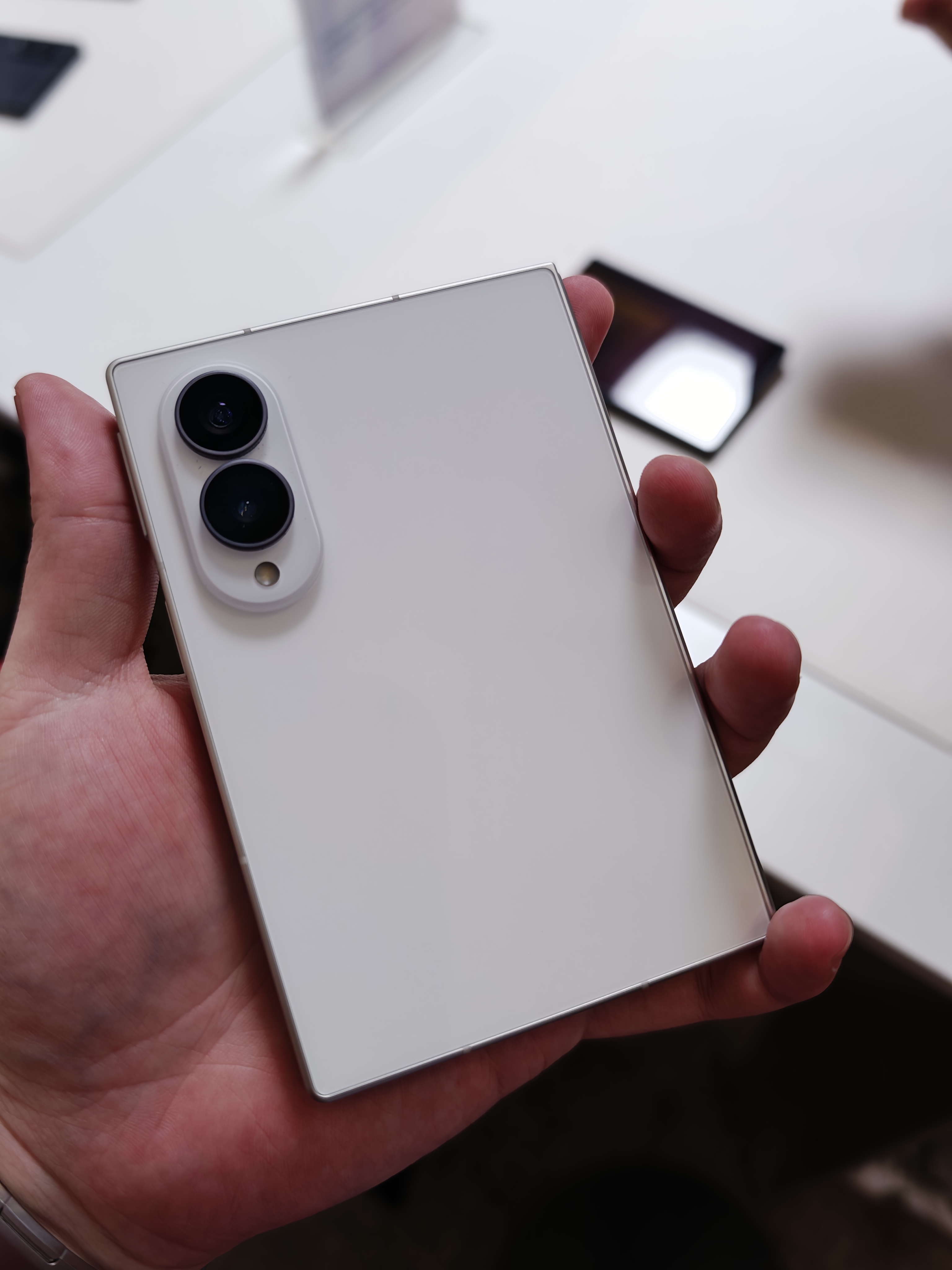
(Image source: Shot by Lei Technology)
When unfolded, it features a 7.6-inch internal display with a 4:3 aspect ratio. When watching videos, the top and bottom black bezels are noticeably smaller than those on traditional large foldables, allowing for more displayed content. When reading articles vertically, you can view far more words per line without constant scrolling, which is one of our favorite advantages of wide foldable devices.
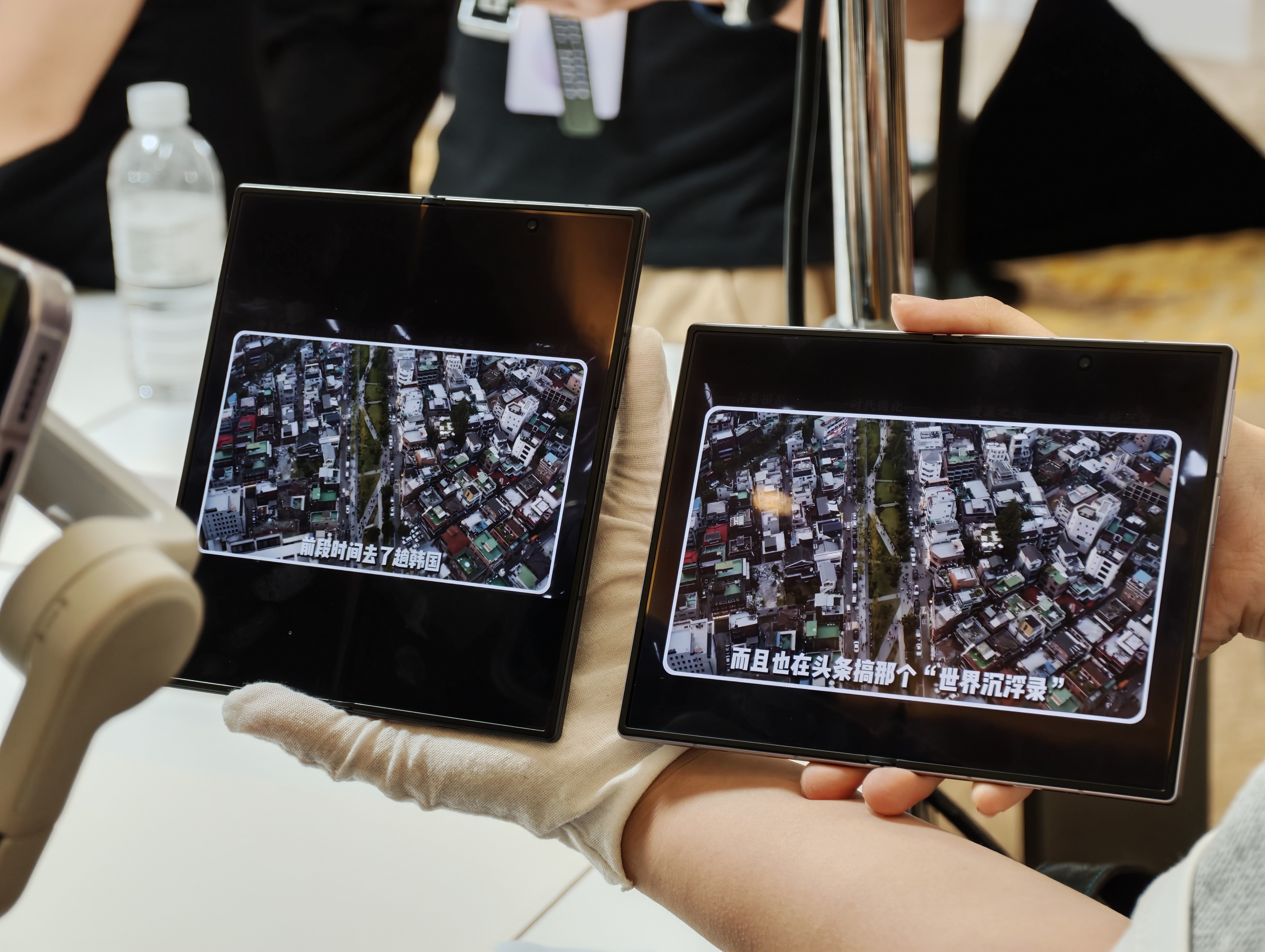
(Image source: Shot by Lei Technology, left is a traditional large foldable, right is the wide foldable)
However, the 4:3 aspect ratio also has its drawbacks: when watching most 16:9 videos, the black bars are larger than those on mainstream straight-screen smartphones. Many apps on the market are still optimized for tall, narrow displays, which results in obvious black bar areas when opening certain apps on the Galaxy Z Fold8.
In terms of weight, the Galaxy Z Fold8 weighs only 201g, lighter than 90% of the bar smartphones on the market, which explains its exceptional in-hand feel. In terms of thickness, when the screen is closed, it is only slightly thicker than the iPhone Air. For users who prioritize slim, lightweight phones, the Galaxy Z Fold8 is a truly excellent choice.
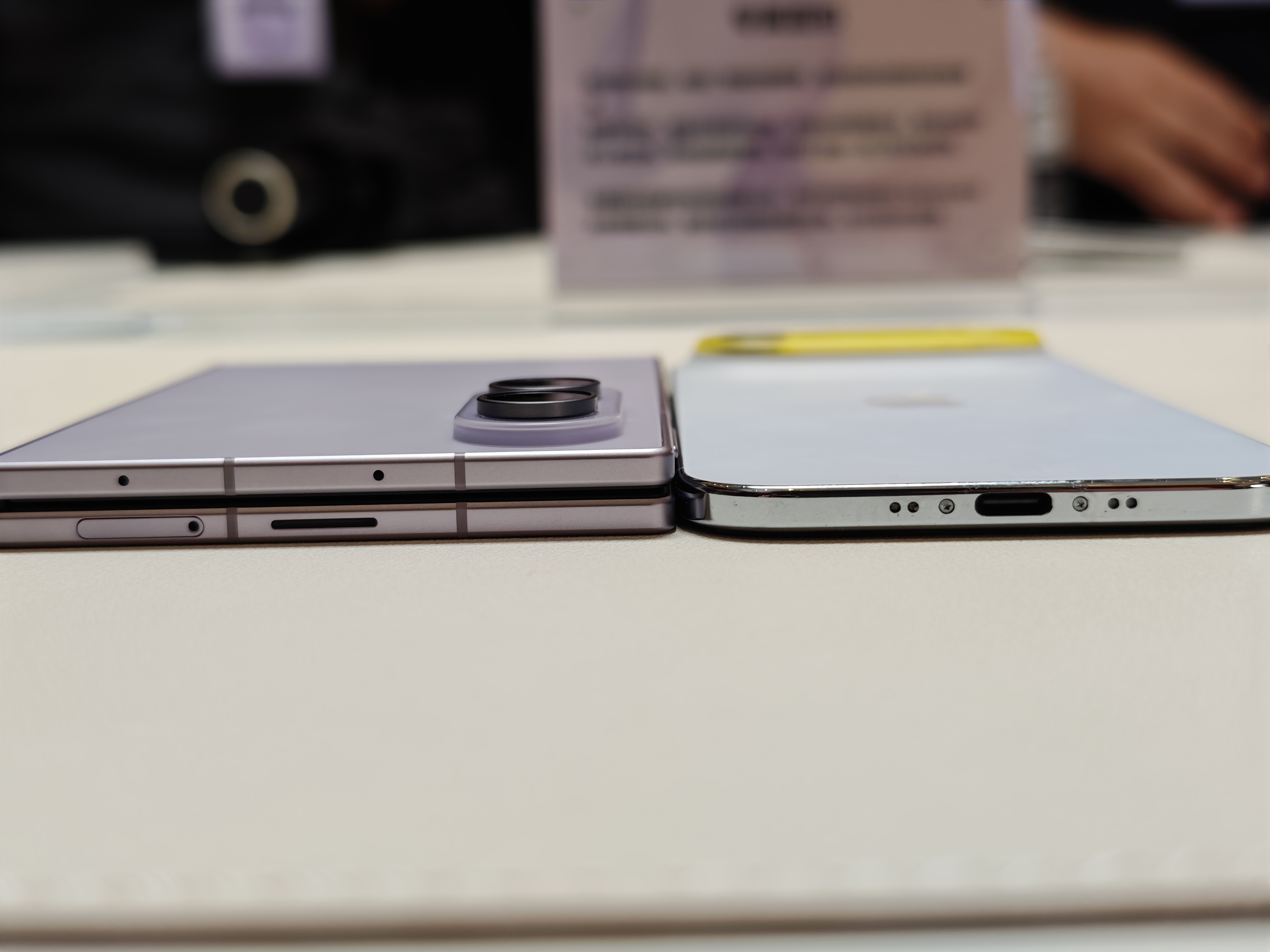
(Image source: Shot by Lei Technology)
As for the much-discussed crease issue, Samsung states that it has adopted a new dual-track structure that makes the crease far less noticeable than previous generations. Our hands-on testing confirmed this: the two faint creases in the center of the screen are only barely visible when viewed from an extremely awkward angle (one that no one would use in daily use), and are completely unnoticeable during regular operation. Of course, if you deliberately run your finger across the area, you can still feel the slight indentation.
For the display, the Galaxy Z Fold8 is equipped with a screen with a peak brightness of 3000 nits, paired with a custom anti-reflective coating that eliminates glare in bright environments, allowing you to clearly see almost all content on the screen.
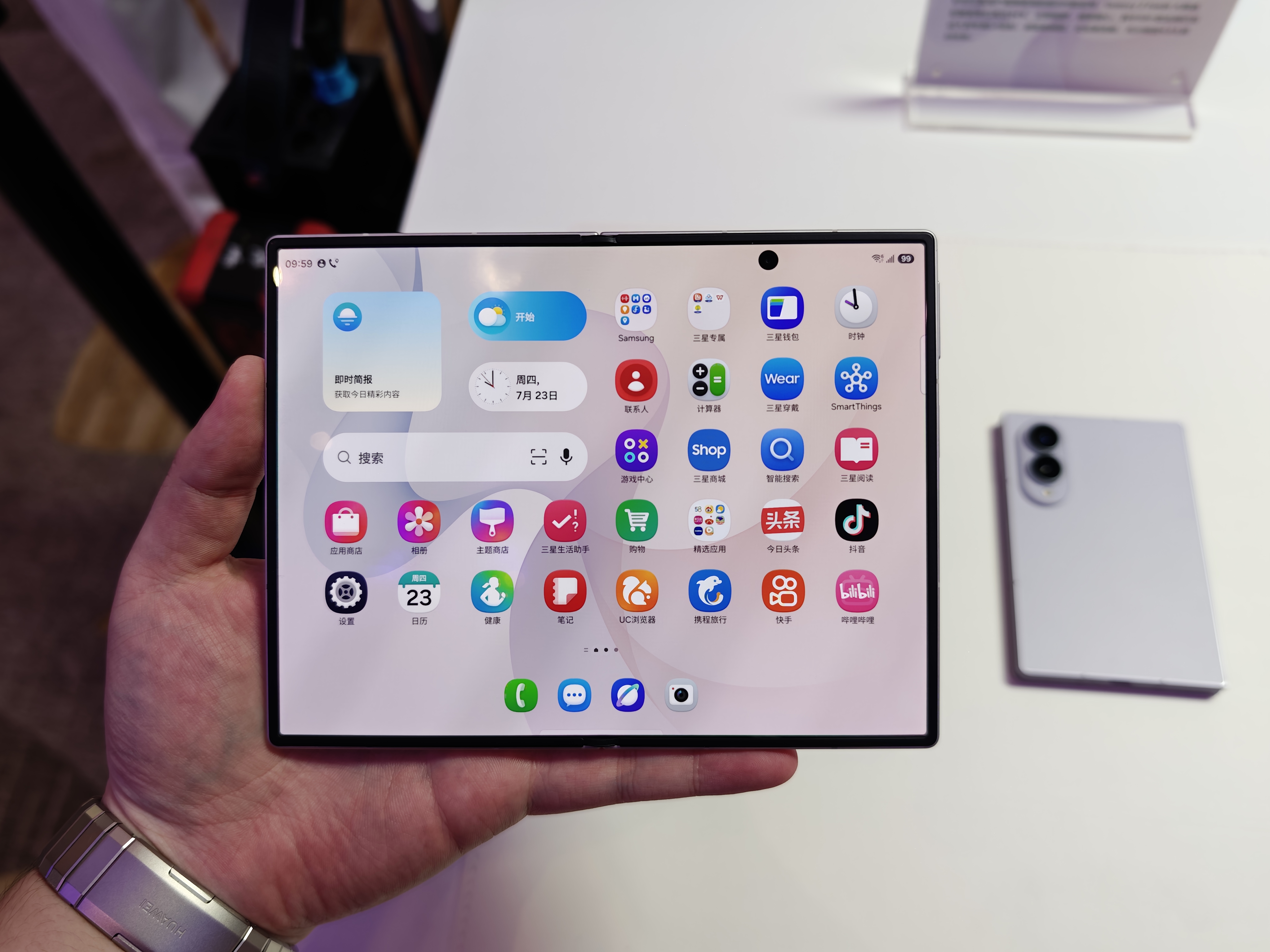
(Image source: Shot by Lei Technology)
However, the camera setup may leave some readers disappointed, as almost no phone in this price range has poor imaging capabilities. The Fold8's rear camera system consists of a 50MP main sensor and a 50MP ultra-wide-angle lens, with no telephoto lens included. A foldable phone priced at 13,000 yuan without a telephoto lens is hard to justify.
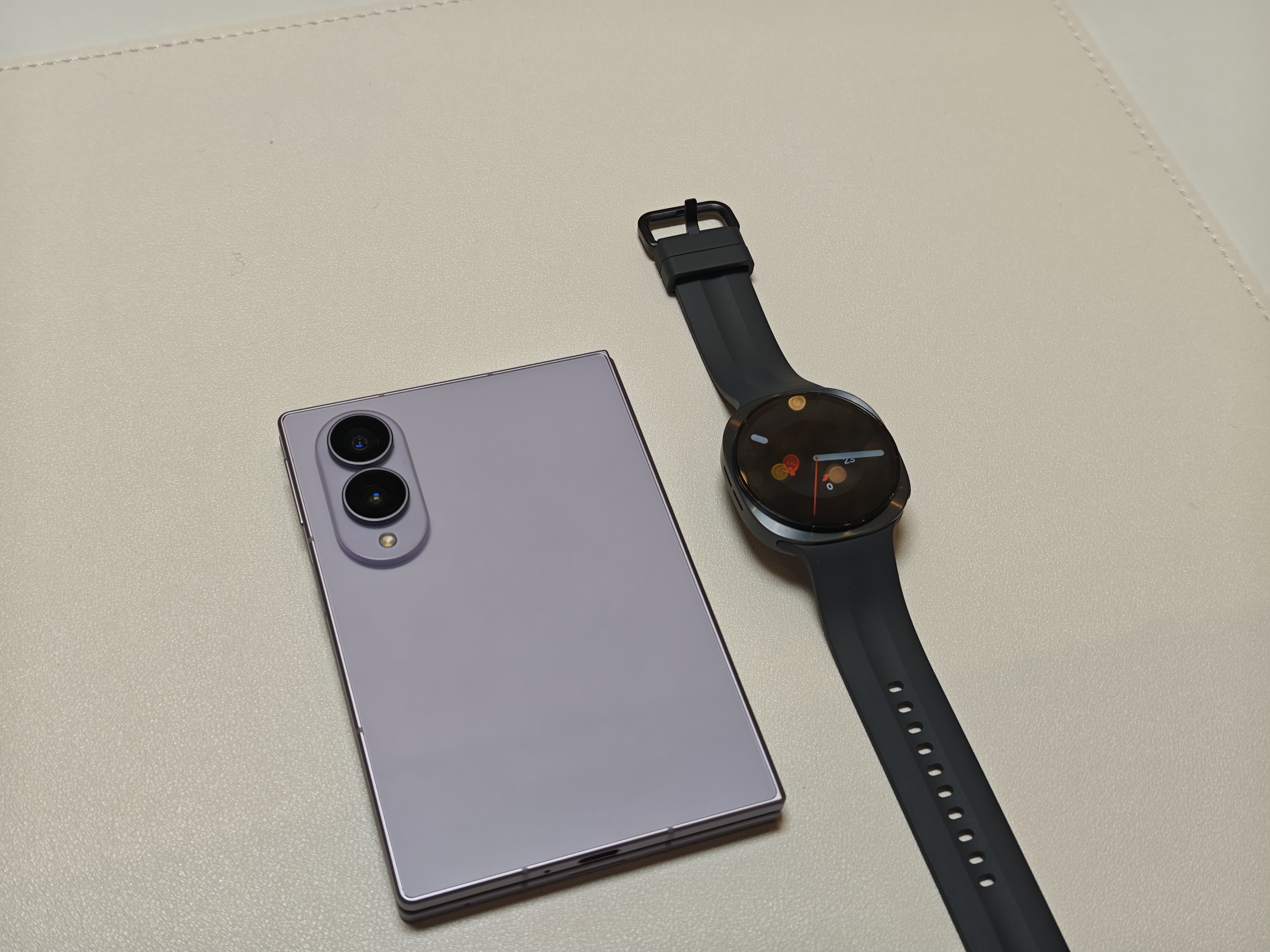
(Image source: Shot by Lei Technology)
Samsung's logic appears to position the Fold8 as a device focused on content consumption rather than photography, but for the price point, users should not have to accept a downgraded camera system. Every bar phone in this price bracket comes with a full triple-lens setup.
For other specifications, the Galaxy Z Fold8 is equipped with a 4800mAh silicon-carbon battery, 45W wired fast charging, and 15W wireless fast charging, which can charge the battery to 62% in 30 minutes. It is powered by the Snapdragon 8 Elite Gen 5 processor, so performance is not a major concern.
Purely in terms of cost-effectiveness, the Samsung Galaxy Z Fold8 is not particularly competitive, but as the first wide foldable smartphone in the Android market, its unique form factor is worth purchasing for enthusiasts who love trying new technologies.
The First Foldable with "Ultra" Badge: Packed with Every Possible Feature
Unlike the Z Fold8, the Samsung Galaxy Z Fold8 Ultra represents the culmination of Samsung's foldable technology. When we picked up the Fold8 Ultra, our first surprise was that it is even slimmer than the wide foldable model: at just 4.1mm thick when unfolded and weighing only 215g, it remains lighter than many mainstream flagship bar phones. Samsung states this is achieved thanks to a new dual-layer structure of titanium alloy film and titanium metal plate under the display, which the brand calls a "titanium shock-absorbing layer."
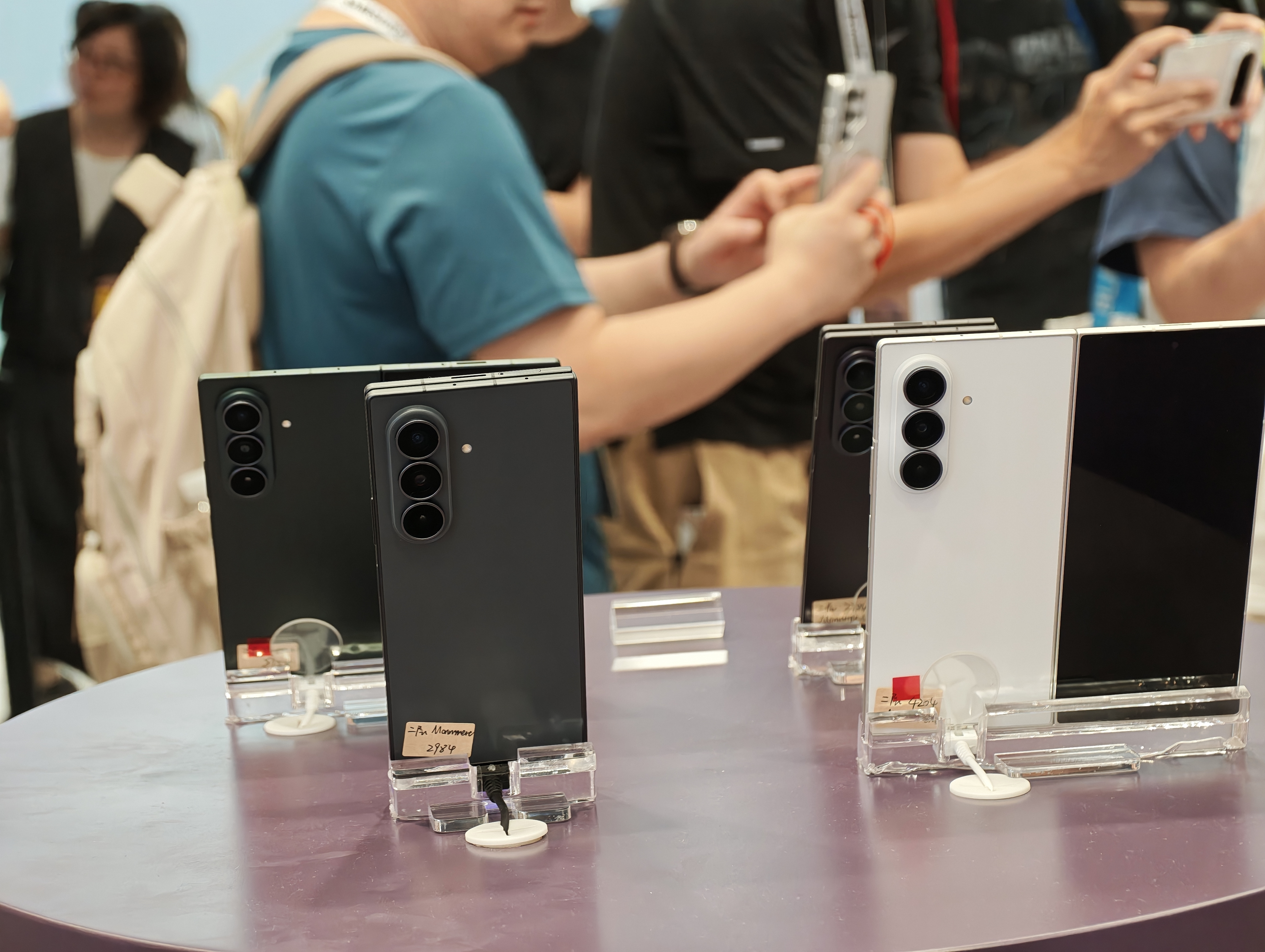
(Image source: Shot by Lei Technology)
During our hands-on testing, we found that this structure not only makes the screen far flatter, but the entire device appears perfectly smooth from any angle, with an even less noticeable crease than the standard wide foldable model.
Notably, the Samsung Galaxy Z Fold8 Ultra is the first foldable smartphone on the market to carry the Ultra badge, with its biggest differentiator lying in its camera system. It features a rear triple-camera setup consisting of a 200MP main sensor, a 50MP ultra-wide-angle lens, and a 10MP 3x telephoto lens — a specification that stands in a class of its own among current foldable devices. We took several test shots on site, and the image detail retention is excellent, with solid highlight control performance.
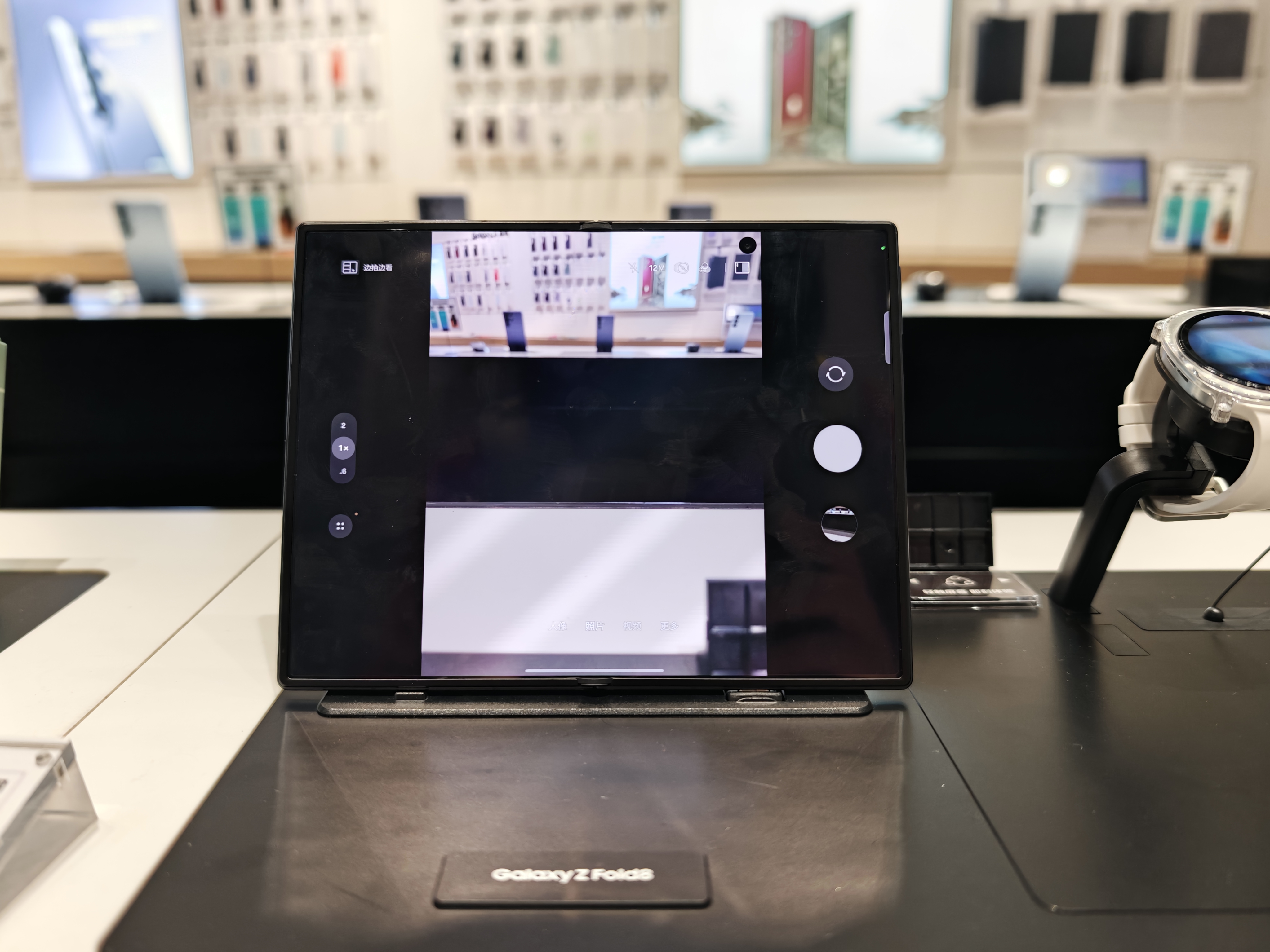
(Image source: Shot by Lei Technology)
However, we also noticed one issue during testing: in 200MP mode, it takes about one second to complete the shot after pressing the shutter, rather than capturing the image instantly. Additionally, the telephoto lens only supports 3x optical zoom, which is a clear gap compared to the 5x and 10x telephoto lenses on Samsung's own S-series Ultra flagships. This is understandable to an extent, as the limited internal space of a foldable cannot accommodate a larger lens module, which is an inherent physical limitation of the form factor.
For battery life, the Fold8 Ultra has a built-in 5000mAh silicon-carbon battery, with an official rated continuous video playback time of 27 hours. It still uses 45W fast charging, which feels behind the curve in 2026 when most domestic flagship phones support 100W+ charging speeds.
Flip 8: The Steadfast Player in the Small Foldable Segment
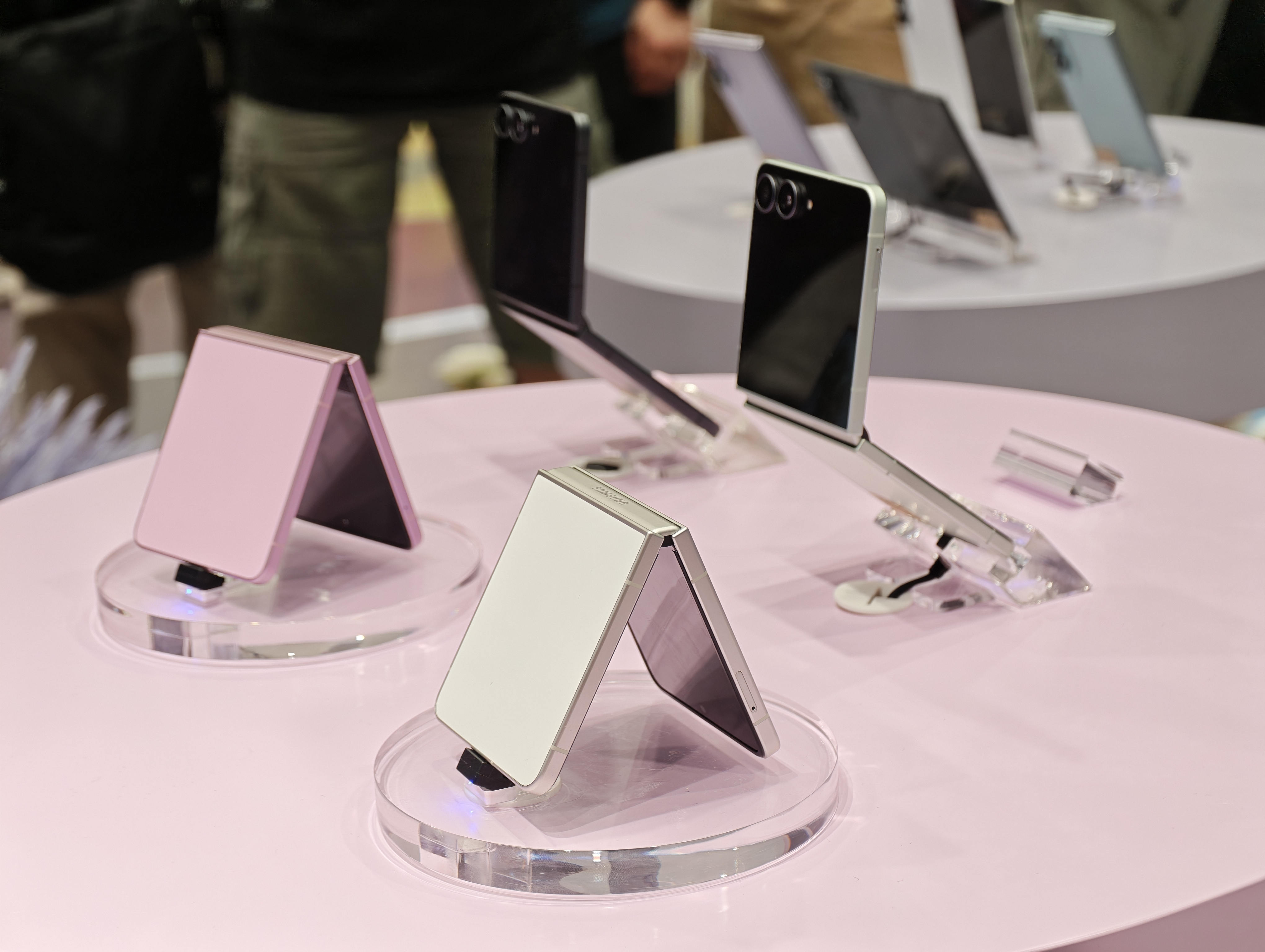
Compared to the booming large foldable market, the small foldable segment has cooled down significantly in recent years, with many brands quietly exiting the category. As the pioneer of foldable smartphones, Samsung has continued to iterate on its vertical flip lineup.
(Image source: Shot by Lei Technology)
As a small foldable, it naturally has the best in-hand feel of the three models: it weighs 180g, is 6.1mm thick when unfolded, and feels nearly identical to the iPhone Air in the hand.
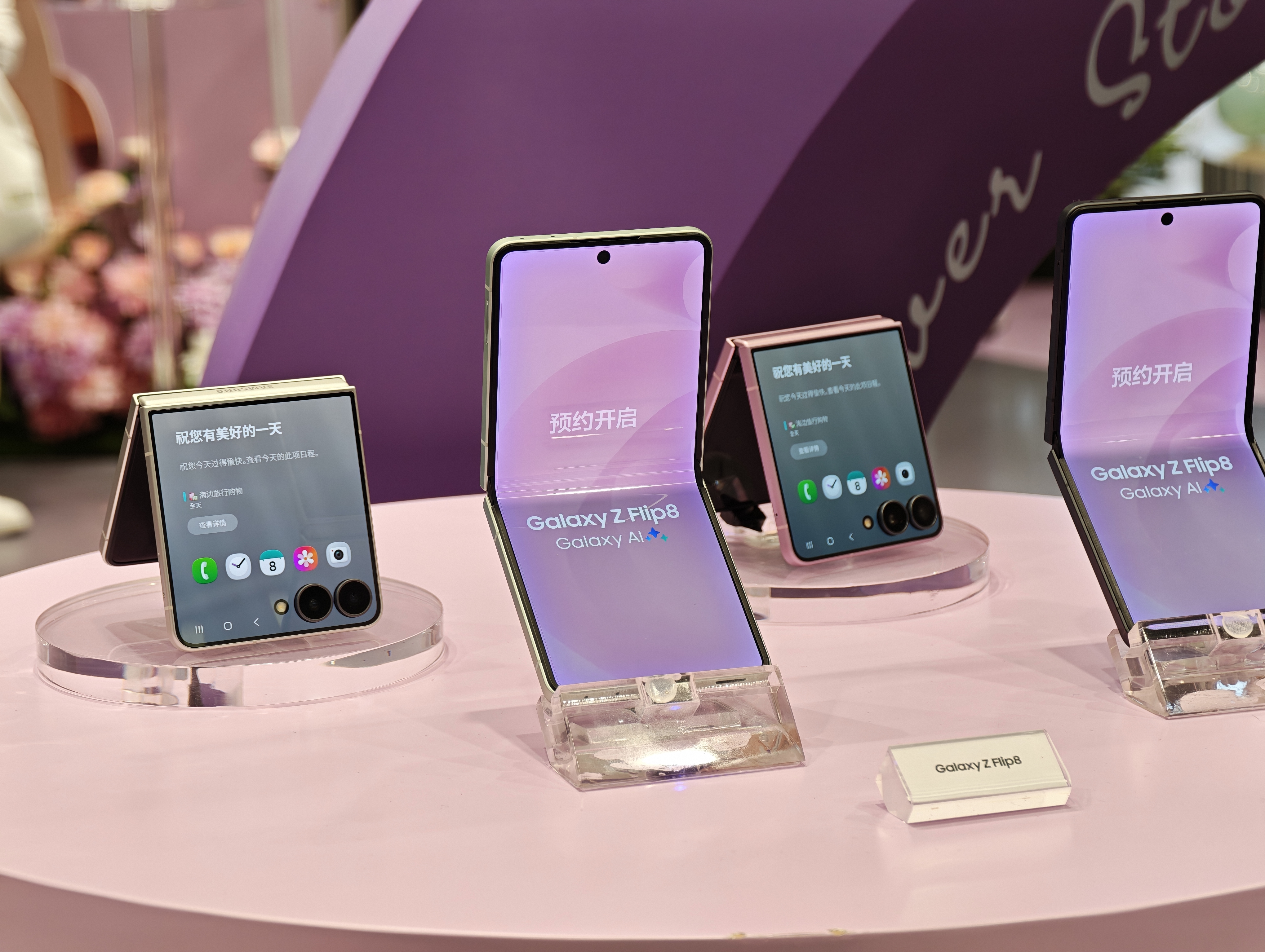
The biggest upgrade for the Flip8 is not its slim lightweight design, but the external display that was once dismissed as a "pretty useless gimmick." On older small foldables, the external screen could only show basic information, and you had to unfold the device to reply to any messages. The 4.1-inch external display on the Flip 8 is designed with the core logic of allowing users to complete most information processing tasks without unfolding the phone.
(Image source: Shot by Lei Technology)
On-site staff demonstrated the "Instant Recommendation" feature: when time and location information appears in a chat window, the external screen automatically pops up a quick shortcut to the calendar, allowing you to create a new event with a single tap. We tested this function multiple times, and its recognition accuracy is reliable. While the response is occasionally slightly delayed, the direction of this interaction design is very practical.
In addition, the Flip8 adds a new "DV Recording Mode": when you hold the phone horizontally to shoot video, the interface transforms to a layout similar to a handheld camcorder. Combined with the stand-free flexible shooting feature, you can place the half-folded phone on a table to record hands-free. These small features are not groundbreaking, but they do give small foldable phones far more real-world practical value.
One disappointing aspect is its charging speed: the Flip8 only supports 25W wired charging, which paired with its 4300mAh battery results in average charging performance.
The New Galaxy AI: Shifting AI from Passive to Active
In addition to hardware upgrades, all three new devices are equipped with the new generation Galaxy AI based on One UI 9. Compared to previous versions, the biggest change in the new Galaxy AI is that it evolves from "passive response" to "active assistance." Taking the "Instant Recommendation" feature as an example, the system actively identifies key content in chat messages, such as flight details, event times, and locations, and automatically pops up corresponding quick actions on the screen. This effectively compresses the three steps of "searching - opening the app - copying and pasting" into a single tap, delivering tangible efficiency improvements.
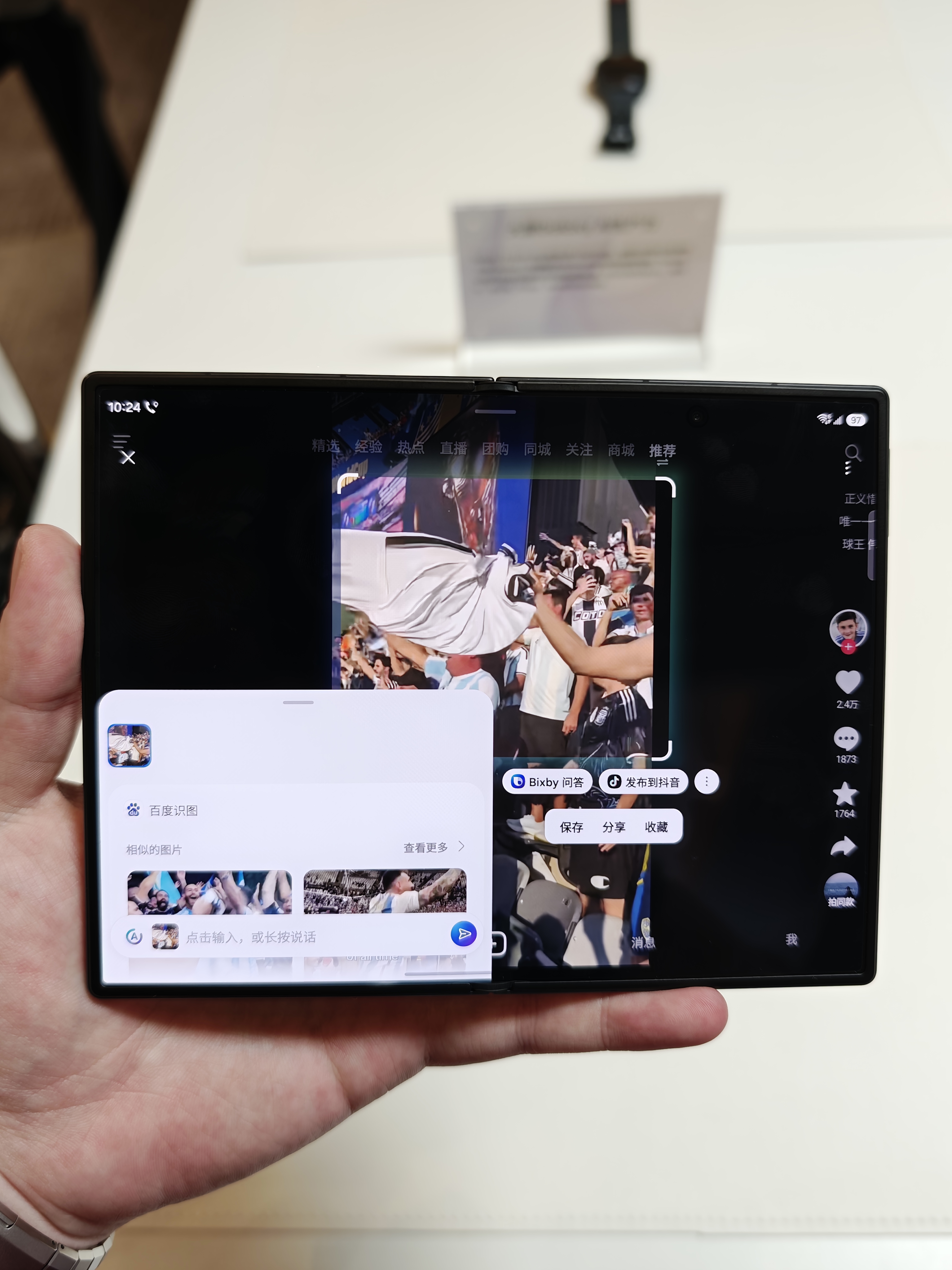
The "Circle to Search" feature becomes far more useful on foldable devices: you only need to long-press the navigation key or Home key to activate the function, then circle any text or image on the screen to directly get search results, eliminating the tedious process of copying, pasting, and jumping to the browser.
(Image source: Shot by Lei Technology)
The Fold8 Ultra's multi-window mode paired with AI fully leverages the advantages of its large display: users can record meeting notes and generate summaries, reply to emails in a split window, and open an additional separate window to look up reference materials at the same time. While this kind of "extreme multitasking" scenario is rare in daily work, it embodies the principle: you may not need it often, but it's good to have the option.
The Flip8's external display also benefits greatly from AI. Without unfolding the phone, AI condenses all key information — delivery status, flight updates, and schedule reminders — to show on the external screen, greatly improving the utilization rate of the secondary display