The long-used trick of hiking prices no longer works, so where else can luxury brands find new sources of growth?
The capital market can turn its mood around swiftly and ruthlessly.
Earlier in July, the share price of Inditex, parent company of ZARA, broke through 56 euros to hit an all-time high, pushing its market capitalization to 1748 billion euros — which allowed it to surpass luxury giant Hermès for the first time. The mass fast-fashion group overtaking the top-tier luxury brand in market value, a sharply contrasting signal, lays bare the delicate state of survival in the luxury industry:
Performance continues to diverge: in the first half of this year, both LVMH and Kering Group reported revenue declines, while Burberry swung from a slump to growth;
Adjustments on the channel side are more straightforward: Kering Group plans to close at least 100 stores within the year, LV and Cartier have successively withdrawn from second- and third-tier cities, and Richemont has also started "fine-tuning" its store network;
The product and marketing landscape is also full of variables: limited-edition pieces that simply pile up traditional cultural elements can no longer spark consumer frenzies, and the traffic dividends from assembly-line celebrity endorsements are diminishing...
It is worth noting that on July 19, the European Union passed a new regulation banning large enterprises from destroying unsold clothing, fashion accessories and footwear. This move undoubtedly further blocks the old tactic of luxury brands artificially creating scarcity and maintaining premium pricing by destroying inventory.
As the old growth logic fails, luxury brands' operational thinking has undergone a complete shift: abandon the "price hike trick", slow down the pace of expansion, focus on serving high-net-worth clients, tap into core local incremental consumer groups, and enter a new cycle of refined operations.
01
Overall Performance Under Pressure,
Local Chinese Consumption Sustains Recovery Hopes
Judging from financial reports, the situation of stalled growth in the luxury industry has not seen fundamental improvement. However, the Chinese market has traced a faintly visible recovery curve, which provides an important buffer for luxury brands to fend off the weakness in the global market:
Hermès posted total revenue of 4.1 billion euros in the first quarter, a slight year-on-year increase of 5.6%, with the Greater China region maintaining steady growth;
LVMH Group recorded first-quarter revenue of 19.121 billion euros, down 6% year-on-year, but the Asian market excluding Japan bucked the trend to grow by 7%, with its revenue share rising 2 percentage points to 32%;
Burberry's revenue in the first quarter of fiscal 2027 (ending June 27, 2026) edged up 4% to 455 million pounds, of which the Greater China region saw a 9% increase;
Richemont delivered the strongest performance among top-tier luxury groups: total sales in the first quarter of fiscal 2027 (ending June 30, 2026) reached 6.3 billion euros, growing 17% at actual exchange rates, with the Greater China market returning to double-digit growth;
The only exception is Kering Group, whose first-quarter revenue stood at 3.568 billion euros, down 6% year-on-year, with the sales decline in the Chinese market remaining in double digits.
Regarding the recovery of the Chinese market, all brands have unanimously highlighted local consumer stickiness.
Hermès pointed out in its financial report that the growth in markets such as mainland China benefits from the high loyalty of local customers; Burberry CEO Joshua Schulman stated that the growth in the Greater China region is mainly supported by local customer groups.
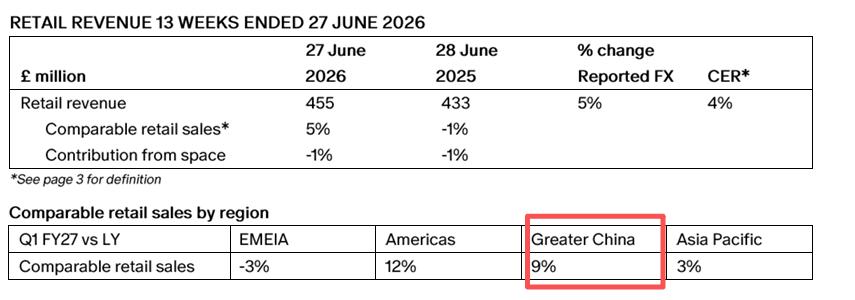
Burberry's Revenue Growth in the Greater China Region Source: Financial Report
This market performance overturned the industry's previous widespread predictions.
The industry once worried that after the full recovery of outbound tourism, luxury consumption within China would see large-scale diversion. But in reality, as the pricing strategies for luxury goods across countries around the world converge, the gaps in product offerings and exchange rates between domestic and overseas markets narrow, coupled with the advantages of local store services, exclusive supplies, and online purchasing channels, the domestic consumption stickiness of Chinese consumers is further strengthening.
This has also forced brands to refocus their operations: regard China as a more important global launch pad for new products, increase exclusive supplies tailored for the Chinese market, and at the same time closely capture the next generation of core consumers such as Gen Z to continuously tap into local incremental potential.
Burberry is a typical example. Since taking office in 2024, CEO Joshua Schulman has been pushing for a youth-oriented transformation to specifically cater to young people in various countries. Joshua Schulman said that in fiscal 2026, Burberry's scale of new customer acquisition in the Greater China region led all regions worldwide, with the Gen Z customer group achieving strong double-digit growth, making young local consumers the core engine of the brand's long-term growth.
As customer stickiness in key markets like China and the consumption potential of Gen Z become prominent, the entire operational mindset of brands has quietly completed its shift: from extensive scale expansion to refined operations that align with the needs of local consumers, accelerating the iteration of product, channel and marketing strategies.
02
Abandon the "Price Hike Trick",
Reconstruct Product Value Through Localized Innovation
The shift in strategic focus is first reflected in the product dimension.
For a long time in the past, raising prices was the "trump card" for luxury brands to drive revenue growth: in the first half of 2025, the price of Hermès' popular Birkin bag rose by as much as 12%, the average price increase for LV's classic handbags reached 6%, and the price of Chanel's 2.55 handbag surged 120% over five years.
However, since the start of 2026, no large-scale price hikes have been seen among top brands. This indicates that brands' strategies are changing: instead of driving short-term revenue through simple and crude across-the-board price increases, they are optimizing long-term profits with higher value-added product portfolios, more reasonable capacity expansion, and stronger consumer resilience.
First of all, from the perspective of the foundational product categories, the stabilizing effect of high-value leather goods and jewelry has become increasingly prominent.
Hermès' Leather Goods & Saddlery business posted first-quarter revenue of 1.849 billion euros, up 9.4% year-on-year, with its growth rate leading all business lines by a wide margin;
The four high jewelry brands under Richemont saw their combined first-quarter total sales surge 24% year-on-year, marking seven consecutive quarters of double-digit growth;
LV and Dior, the two core brands under LVMH, have demonstrated strong "resilience", with Tiffany's high jewelry business accounting for 60% of its revenue;
Kering Group's jewelry division recorded a 14% surge in first-quarter revenue, with Boucheron becoming the fastest-growing brand in the group; while revenue from the Fashion & Leather Goods business declined 9% year-on-year, this was mainly dragged down by Gucci, with brands such as Saint Laurent, Bottega Veneta and Balenciaga delivering stable performance, among which Balenciaga's City and Rodeo collections stood out the most.
The continuous tilt of the revenue structure towards leather goods and high jewelry, which feature high unit price and high value retention, is undoubtedly a significant signal of the "value upgrading" of the product structure. To this end, major groups are accelerating the divestment and spin-off of secondary business lines to concentrate resources on their core sectors. According to a report by the UK's Financial Times, LVMH is planning a large-scale business restructuring to scale back its cosmetics and wine & spirits business lines.
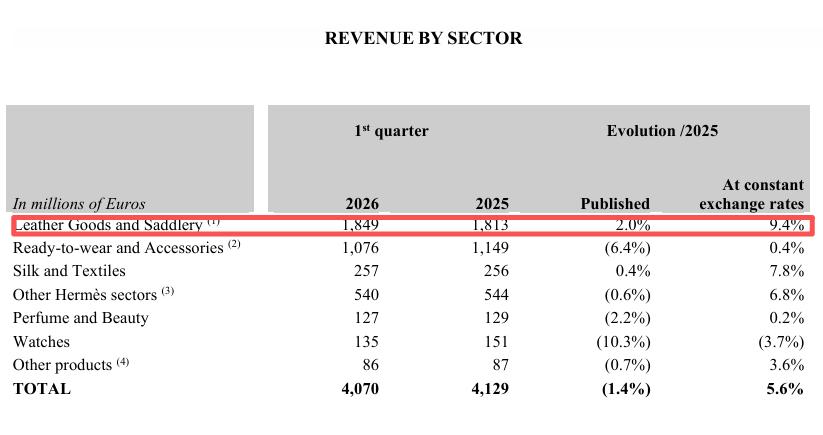
Hermès' Leather Goods & Saddlery Division Leads All Businesses in Growth Rate Source: Financial Report
Secondly, brands are meeting real consumer demand and maintaining consumer stickiness through orderly production expansion, rather than creating scarcity premiums through deliberate production restrictions.
Among them, Hermès' 25th leather workshop officially went into operation in April this year, with plans to add 3 more workshops in the next three years; Richemont's leather goods factory in Florence has also completed expansion, with the new plant to be responsible for product R&D, pattern making and production for brands including Cartier, Chloé, Dunhill and Montblanc.
In addition, product design is moving towards deep localization and customization to lock in core customer groups.
Data from Tmall Luxury shows that in the first half of 2026, the number of China-exclusive limited-edition pieces and local collections launched by luxury brands hit an all-time high. Unlike the old approach that simply piled up zodiac signs and intangible cultural heritage crafts, brands' current product designs are more aligned with Gen Z pop culture and daily expression contexts.
For example, during the 520 (May 20, a popular Chinese Valentine's Day) period, Qeelin launched the "Wulu Rose Gold Diamond Openwork Necklace", Cartier's LOVE collection featured a limited-edition "mini round disc" necklace with pink sapphires, Piaget launched the "Lucky Turn Court Totem Couple Rings", and Dior launched the "Lucky Red" themed lipstick during the Spring Festival. All these products adopted a more accessible, internet-friendly design language to replace obscure and rigid cultural narratives.
Adopting localized design concepts to fit real life scenarios, thereby strengthening the emotional connection between brands and users, and striving for higher brand loyalty and favorability, is the key support for brands to achieve long-term repeat purchases.
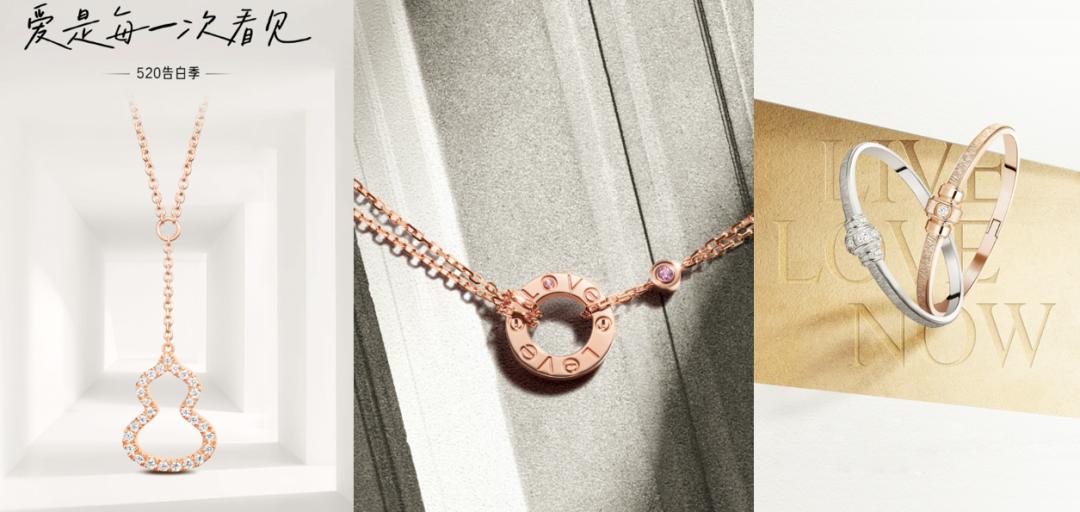
Qeelin, Cartier, Piaget 520 Special Editions Source: Weibo
03
Slimming Down and Upgrading Channels,
Shifting from "Scaling Up Footprint" to "Locking in Customer Groups"
If the adjustment on the product side focuses on changing mindsets, then the slimming down of channels is a reallocation of resources — luxury brands have bid farewell to the scale competition of "opening more stores for wide coverage", and are moving towards a quality-focused path of "eliminating low-performing outlets and deeply cultivating core business districts".
Contraction is the primary theme of channel adjustment.
Kering Group plans to close at least 100 more stores this year, with CEO Luca De Meo stating that the group will refocus resources on "stores that are more aligned with the luxury industry's positioning and can deliver better services"; Richemont also admitted that it is adjusting its footprint in the Chinese market, with Cartier closing 5 offline sales points in fiscal 2026; LV, which has always been restrained, has also accelerated its contraction pace, having already closed its Golden Eagle Department store store in Kunming and its Tianfu Airport store in Chengdu this year, with recent news that it will withdraw from Lixing Center in Guiyang.
Hermès, which has not taken large-scale store closure measures, is not counting on expanding its store network to drive performance growth either. It predicted in its financial report that full-year store expansion will only bring in a little over 1% of sales growth.
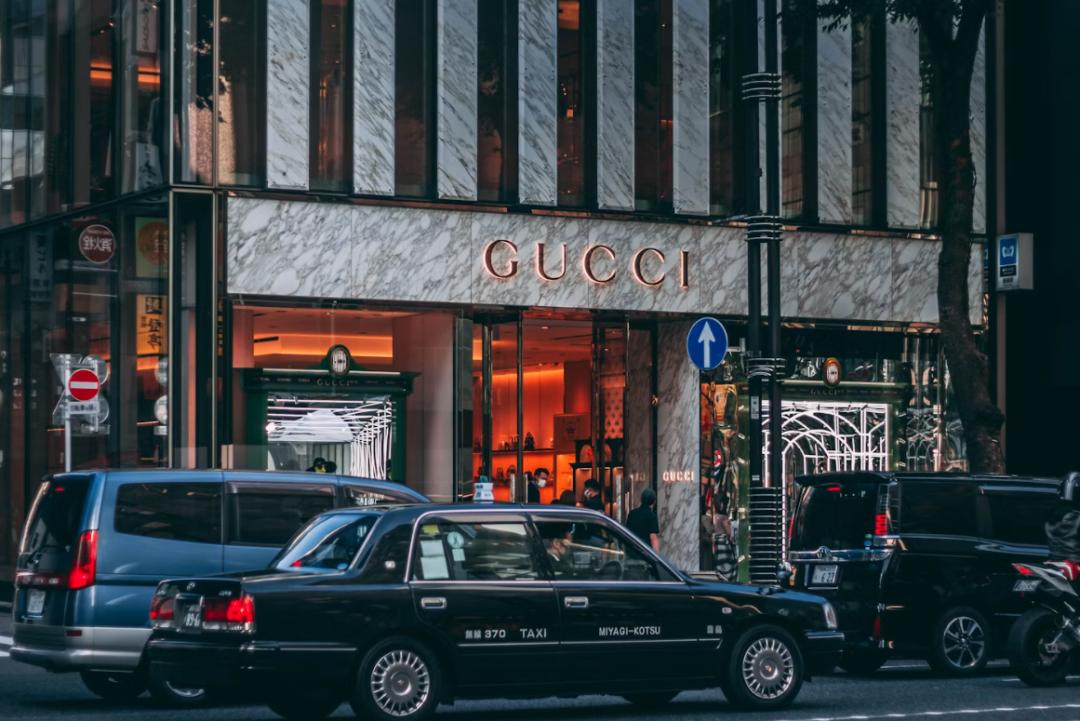
In contrast, a large number of brands are investing heavily in large flagship stores in first-tier cities and core business districts.
Hermès opened a large five-story standalone boutique in Sanlitun, Beijing; Prada launched the largest double-layer boutique in South China at Shenzhen Bay MixC, with top stars like Yang Mi and Li Xian gathering on the opening day, making headlines on trending searches multiple times; Dior launched its concept store Bamboo Pavilion in Tokyo, integrating shopping, dining, art exhibitions and multiple other experiences.
The channel adjustment of "contracting in some areas while expanding in others" clearly demonstrates brands' logic of resource restructuring: concentrate all manpower, services and marketing budgets on high-potential stores in core cities, and firmly lock in high-net-worth VIC (Very Important Clients) customers through exclusive one-on-one services and private experience spaces. As Richemont CEO Nicolas Bos said, reducing the number of stores is not a simple contraction; the focus is to continuously improve the quality of offline shopping experiences.
Behind this lies a new consensus taking shape in the industry: after the dividends of scale reach their peak, the competition on the channel side is no longer about "enabling more people to buy products", but about "making core high-net-worth users perceive exclusive value".
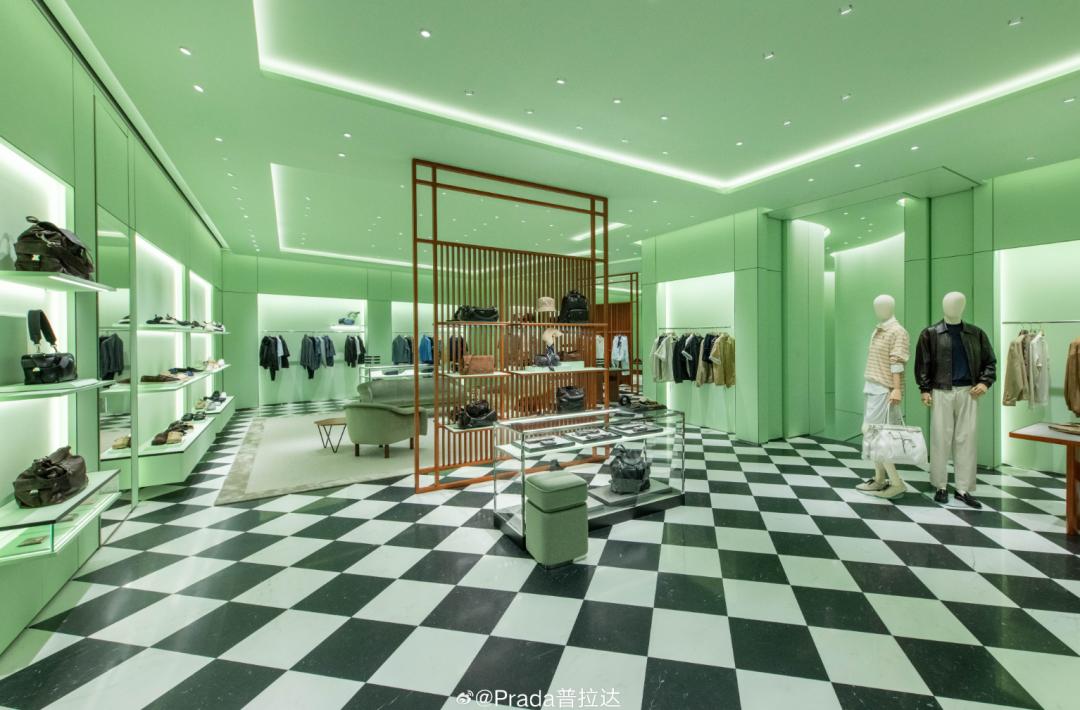
Prada Shenzhen Bay MixC Boutique Source: Weibo
It is worth noting that brands' channel adjustments also echo their product strategies. As product structures are upgraded and the focus shifts to high-unit-price leather goods and high jewelry, brands have a greater need for high-quality stores that can support high-end consumption and deliver in-depth services.
Brand management is a grand game where a single move affects the whole board. Through the comprehensive adjustments from products to channels, we can see that luxury brands have fundamentally prepared themselves to embrace a new way of operation in the new cycle.
04
Marketing Breaks Free from Traffic Cutthroat Competition
Focus on Deep Cultivation of Existing User Mindsets
As products and channels are iterated at an accelerated pace, brands' marketing tactics have also been updated: no longer pursuing maximum traffic exposure, no longer trying to please everyone, but focusing more on deep reach and in-depth cultivation of user mindsets.
First of all, celebrity marketing has moved beyond shallow collaborations such as assembly-line endorsements and product seeding, and shifted to strong penetration into core circles.
For example, highlighting co-creation between brands and celebrities. For the X capsule collection that TOD'S collaborated on with Xiao Zhan, Xiao Zhan maintained full communication with the brand's creative director Matteo Tamburini, and participated in the selection of color palettes, metal accessories, and leather proportion design. After the collection was launched on Tmall in May this year, multiple popular baseball caps and jackets were sold out within just 1 minute, and the sales of the two featured bags approached 10 million yuan within two hours.
Matteo Tamburini said that the co-creation model allows products to fully showcase the artist's aesthetic taste and personal temperament, injecting a unique fashion style into the products. From the perspective of consumer psychology, today's consumers are no longer paying for the product persona unilaterally crafted by brands. Only by transforming celebrities from simple "advertising presenters" into