Power banks, which have accompanied people for more than a decade, are probably nearing their end.
If we're talking about the most awkward digital accessory in the past two years, Tony thinks the portable power bank definitely makes the list.
Back then, its competitors were all peers — everyone was racing to boost capacity, slash prices, and shrink dimensions. Brands strived to make 10000mAh models more compact, 20000mAh models thinner, and cram in more fast-charging protocols. It was a cutthroat race, but at least everyone was competing on the same playing field.
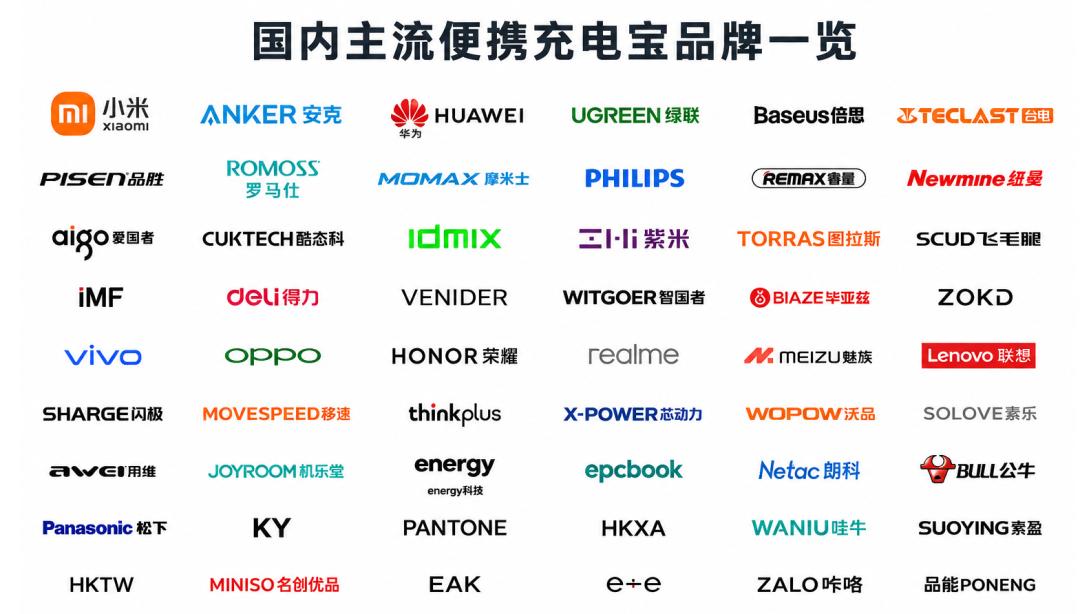
Now the landscape has shifted. The real threat eating into their market share isn't other power bank brands — it's the smartphone manufacturers themselves.
Look at current Android phones: most start with 6000mAh batteries, and high-end models even push past 10000mAh. With moderate daily use on commutes, a full charge can easily last a full day. Many even support reverse charging, enough to top up other phones or earbuds in a pinch.
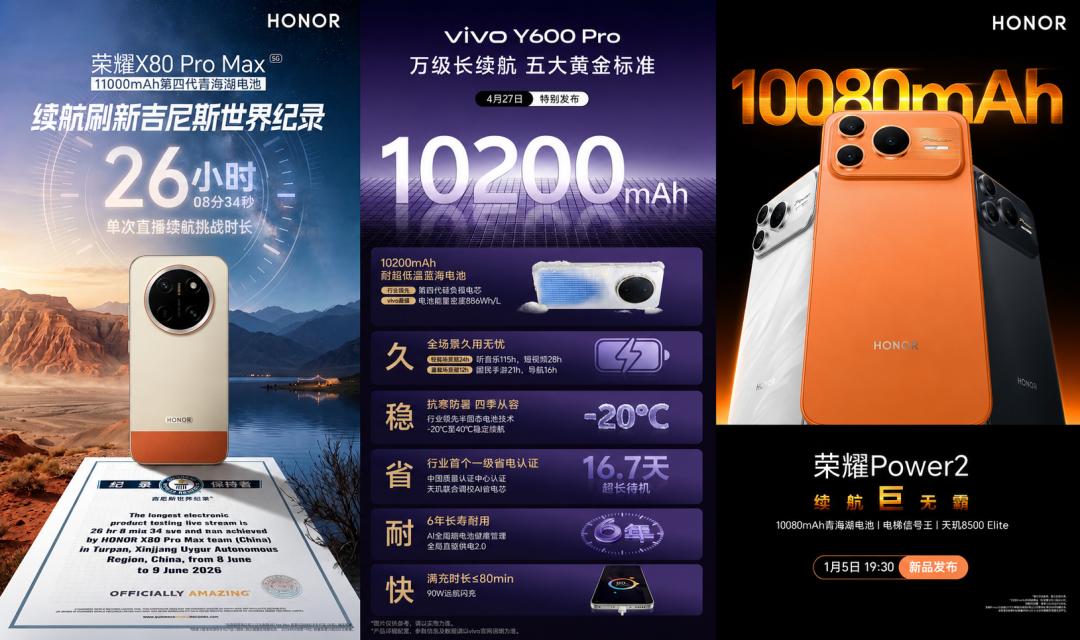
Not to mention, modern phones now boast charging powers of 70 or 80 watts — enough to restore a huge chunk of battery while you brush your teeth and wash your face. It's truly awkward: power banks haven't been driven out by competitors, only to get backstabbed by the very phones they've served for over a decade...
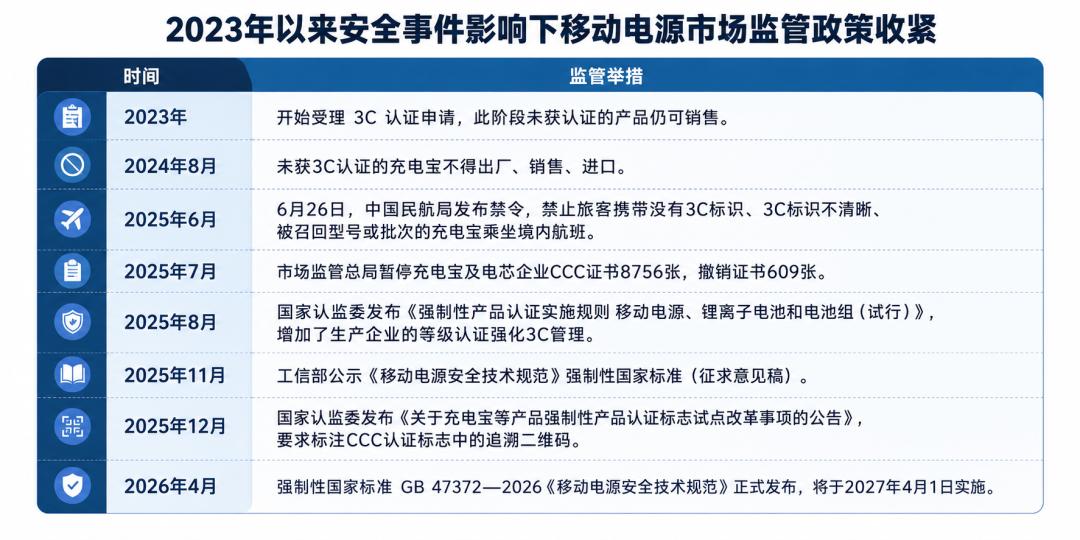
That's not all. As you probably know, the power bank industry recently faced a wave of recalls, stricter 3C certification enforcement, tightened airline regulations, and the rollout of new national standards. Many thought these were just formalities, but countless small factories were immediately forced out of business.
Several former supply chain colleagues at leading domestic cell manufacturers spilled the beans: the combination of the new national standards and mandatory 3C certification has essentially sealed off any room for small factories to survive.
In the old days, many small factories took shortcuts by assembling low-quality B-grade cells and generic chips. The profit per unit was only 1-15 yuan, and entry-level low-power power banks had even thinner margins. High-volume production was often just to keep assembly lines running and pay workers' salaries.
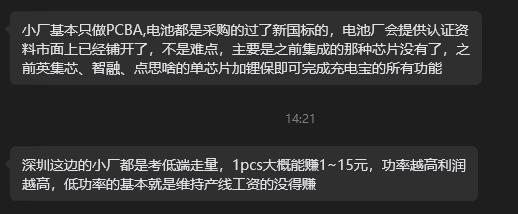
Now with the new standards in effect, just sourcing compliant cells that pass the new safety tests adds 5-7 yuan to costs. All told, the total manufacturing cost of a fully compliant power bank has jumped 20%-30%.
Moreover, mature generic solutions that meet the new standards' voltage management and safety protection requirements still haven't been widely adopted. Small factories lack R&D capabilities — they can't develop solutions from scratch, and can't even access reliable off-the-shelf options, leaving them with no path to compliance.
On top of that, certification thresholds have risen sharply. A single new 3C certification requires over 20 tests, costing 20,000 to 50,000 yuan — two to three times the old rate. The certification cycle has also lengthened. Right now, only leading manufacturers can afford to run tests and complete certifications; small factories simply can't keep up.
Key battery safety requirements for power banks in the new national standards:
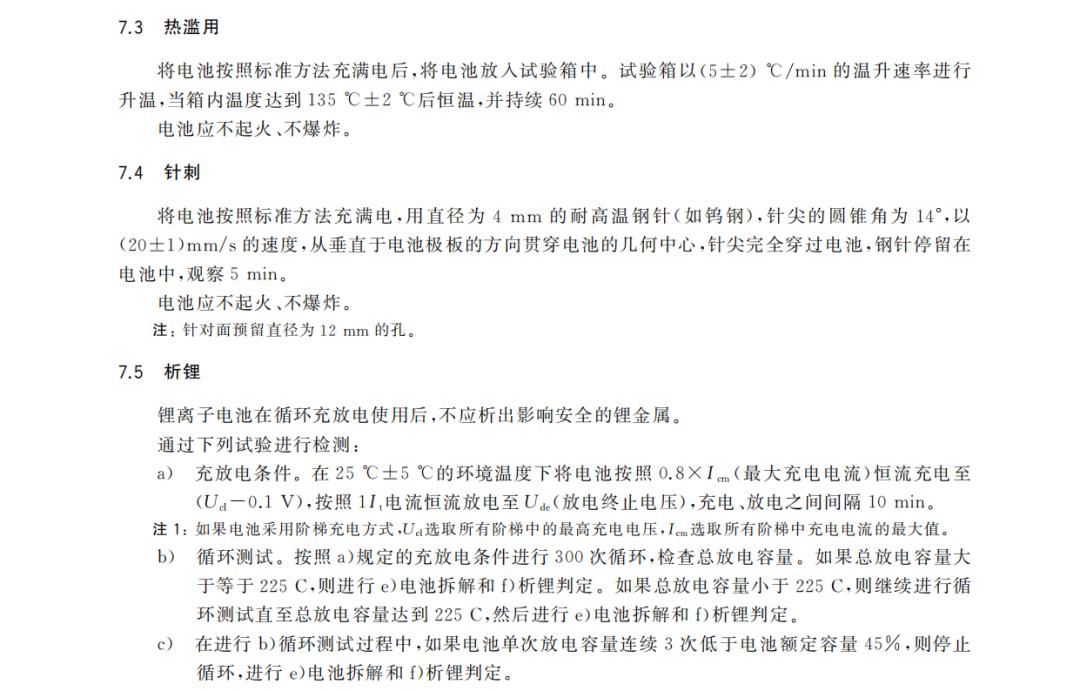
Previous reports noted that over half of China's thousand+ power bank factories are unregulated workshops with no core technology. After this industry shakeup, they'll either liquidate inventory and exit, pivot to other product categories, or the few with leftover capacity will become OEMs for major brands — their own brand ambitions are basically dead.
While costs are skyrocketing and small factories are exiting en masse, online voices claiming "power banks are doomed" are growing louder.
But after reviewing financial reports of leading manufacturers and industry analyses, Tony found this claim is only half true. Those pocket-sized traditional power banks designed to extend phone life are indeed on the way out, but established industry players have long since broken out of this niche and found new opportunities.
Looking at the broader portable power market, the industry isn't shrinking — it's actually expanding rapidly.
Let's start with the most obvious observation: fewer people are buying traditional small power banks. According to online monitoring data from Lu Tu Technology, domestic mobile power sales have declined for consecutive months this year, with the rate of decline accelerating.
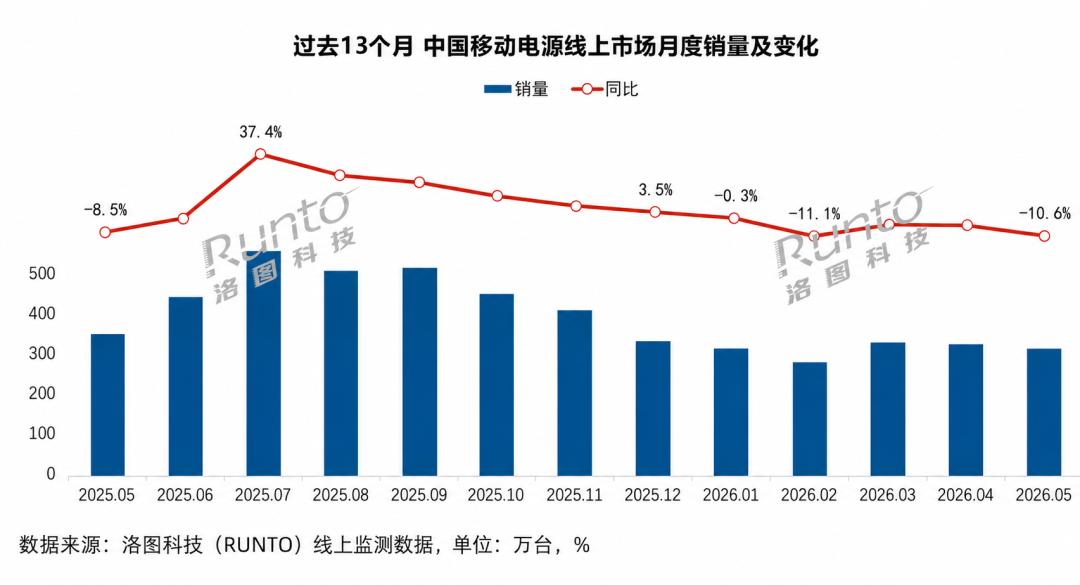
The reason is simple: smartphone batteries are getting far more capable. Even iPhones, once notoriously poor in battery life, now deliver solid performance across recent generations. People now check their battery level before heading out and feel confident — range anxiety has faded, making power banks far less necessary.
Add to that the fact that most people who wanted power banks already bought them in previous years. They're not fast-moving consumer goods; a single power bank can easily last two to three years.
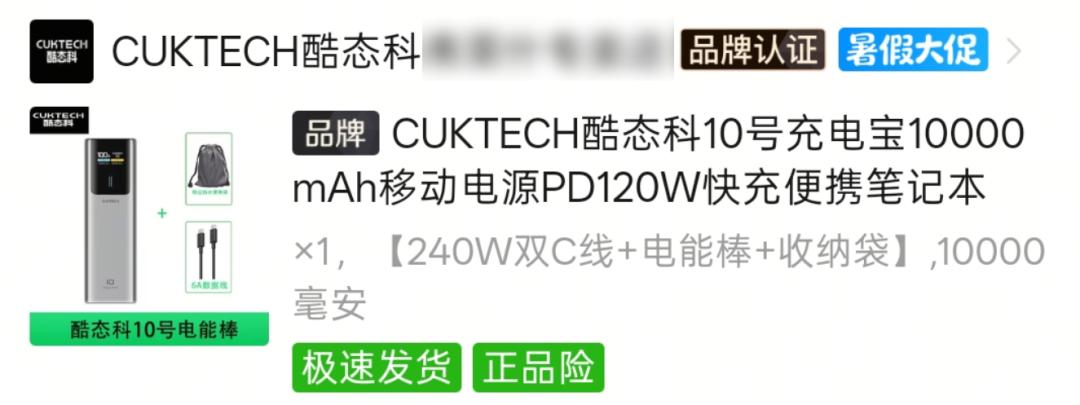
Take my own experience: I used my CUKTECH No.10 power bank quite frequently when I first bought it. But after switching from the Find X8 Pro (5910mAh) to the X9 Pro (7500mAh), it's been completely retired — I haven't turned it on in about half a year...
If personal retail sales are merely declining, the once red-hot shared power bank sector can only be described as catastrophic.
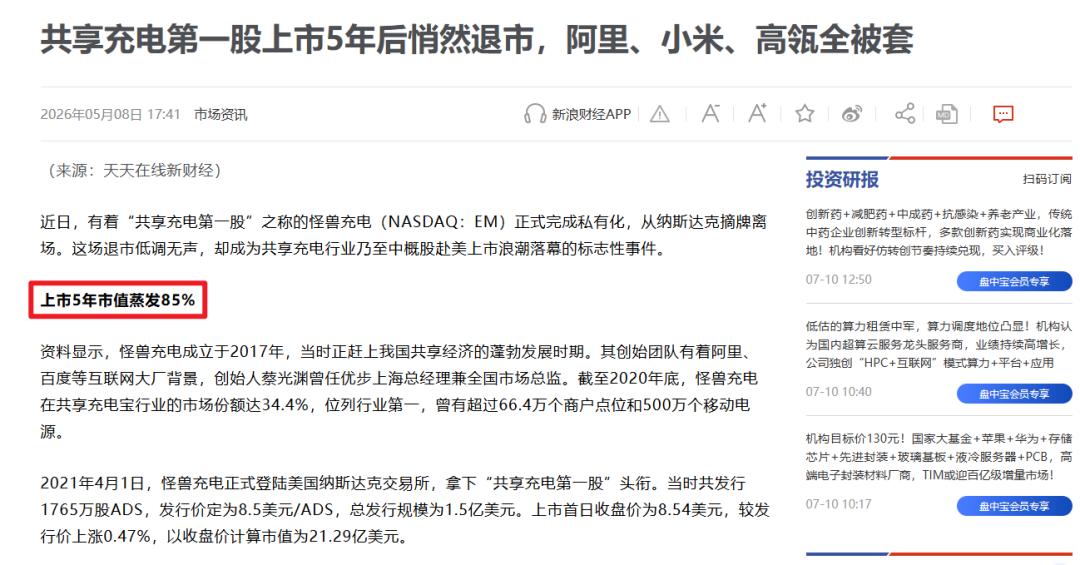
Monster Charging, which once went public in the US with great fanfare, saw its revenue plummet over 30% last year, swinging from profit to heavy losses. This year, it was delisted from NASDAQ entirely.
But Monster Charging isn't the worst off. Its former peer Xiaodian Technology saw annual revenue collapse from nearly 2 billion yuan to a tiny fraction of that. Storedian and Sodian merged to form Zhumeng Technology to consolidate resources, but the post-merger integration failed to deliver any meaningful results...
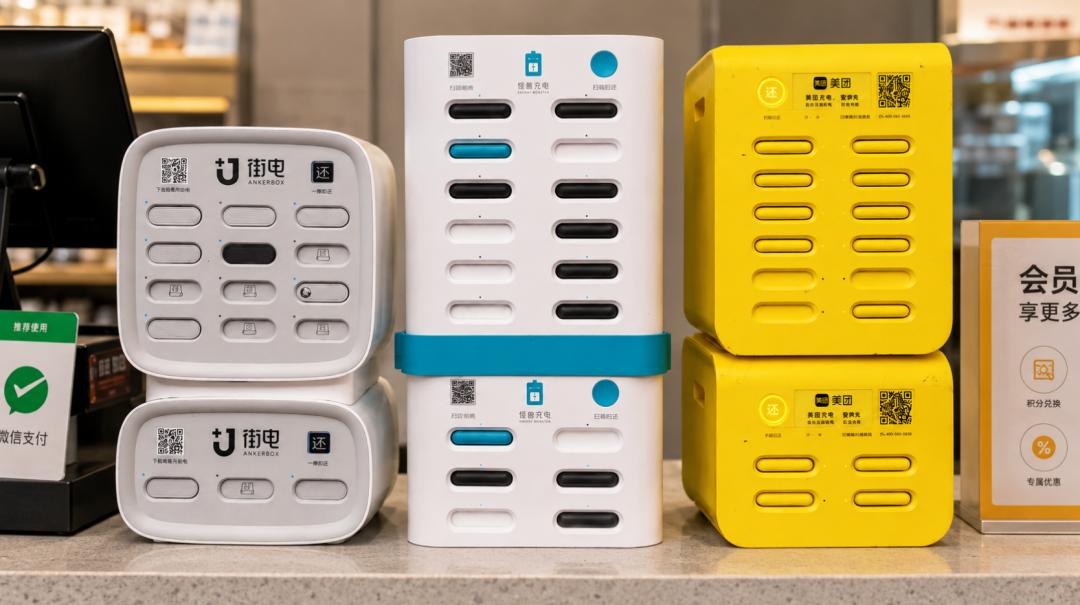
With stagnant retail sales and massive losses in the shared sector, the traditional small power bank market does appear to be dying.
But if you think the entire industry is collapsing, you're only seeing one side of the coin — when you include outdoor power stations and high-capacity energy storage products, the total domestic portable power market reached 43 billion yuan last year, and is projected to grow further this year.
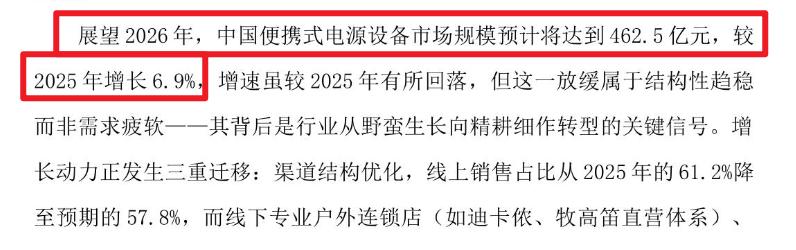
In other words, the demand for portable power hasn't disappeared — it's just shifted to new scenarios.
Previously, people bought power banks only to keep their phones alive. Now, camping and road trips are booming, and the devices needing power have expanded from phones to projectors, mini-fridges, and laptops. The domestic outdoor power station market exceeded 10 billion yuan last year, with a compound annual growth rate over 30%.
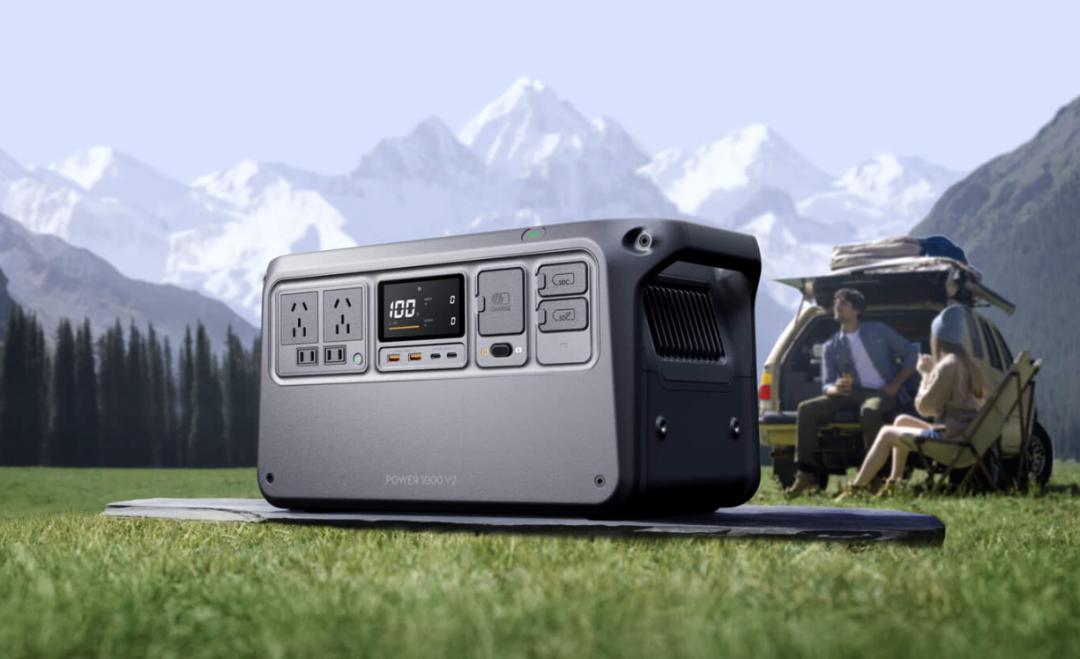
As consumer logic changes, manufacturers' strategies must adapt. The surviving players have long abandoned the old tactics of stacking capacity and undercutting prices. Beyond refining high-end, high-power power bank lines, they've all found alternative growth paths.
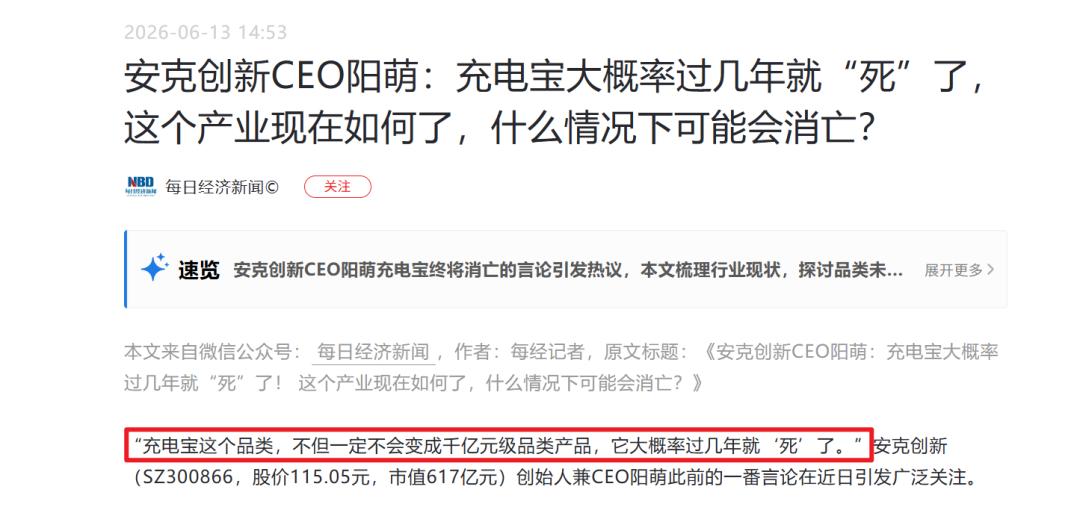
The first to adapt was industry leader Anker Innovations. Its founder Steven Yang publicly stated years ago that the power bank category would likely die out in a few years. Many dismissed it as alarmist, but in hindsight, while he was predicting decline, the company had already moved miles ahead.
At its peak, Anker had over 100 power bank models, with every permutation of capacity, size, and port configuration to cater to every niche. Last year, it ruthlessly cut 70% of its low-margin SKUs, leaving fewer than 40 models.
Anker's total revenue rose over 20% last year. While charging and energy storage still account for half its business, traditional small-capacity power banks now make up less than 12% of revenue. Real growth is driven by gallium nitride chargers, portable outdoor power stations, and even solar energy storage solutions.
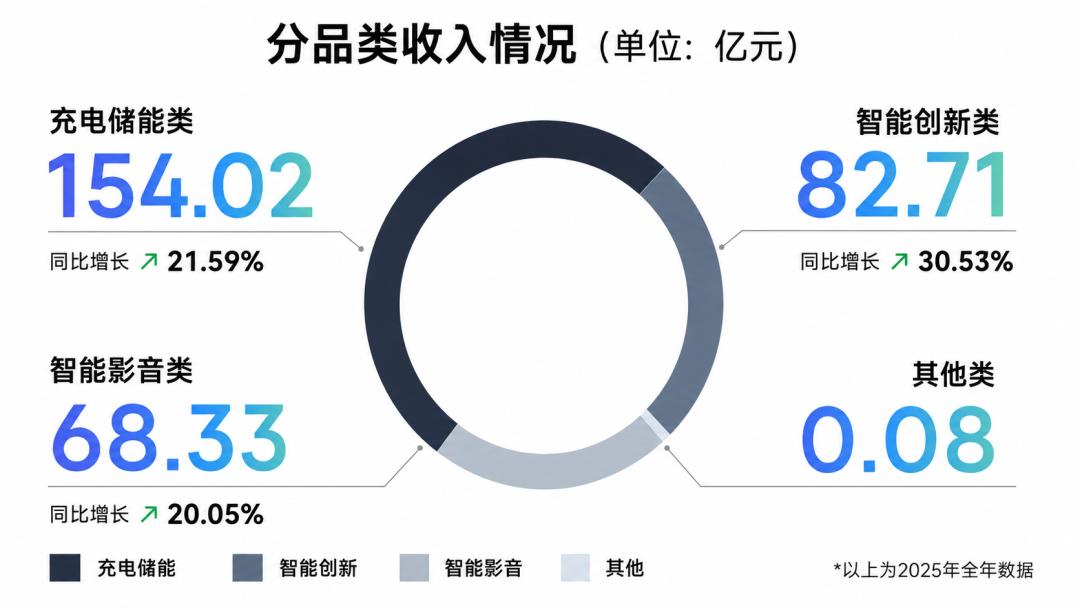
Unlike Anker's vertical focus on energy, UGREEN took a different path: horizontal category expansion, evolving into a "digital general store."
Years ago, charging accessories like cables, power banks, and chargers generated most of UGREEN's revenue. Now, that creative charging segment accounts for less than half its business. The fastest growth now comes from NAS network storage, docking stations, and various office peripherals.
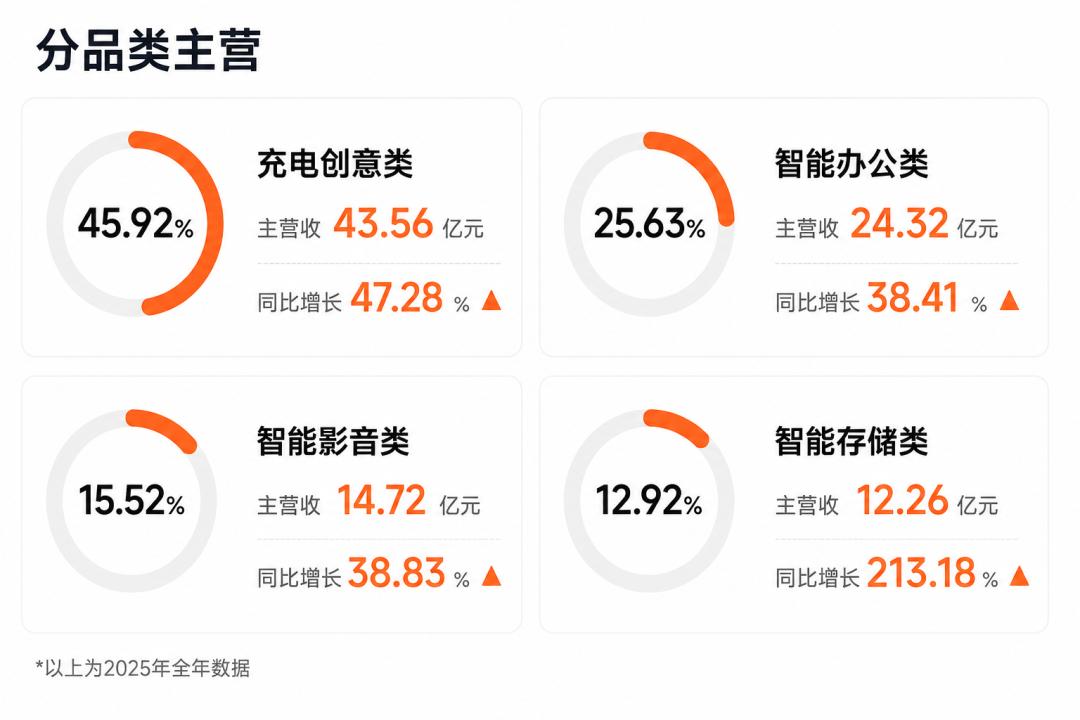
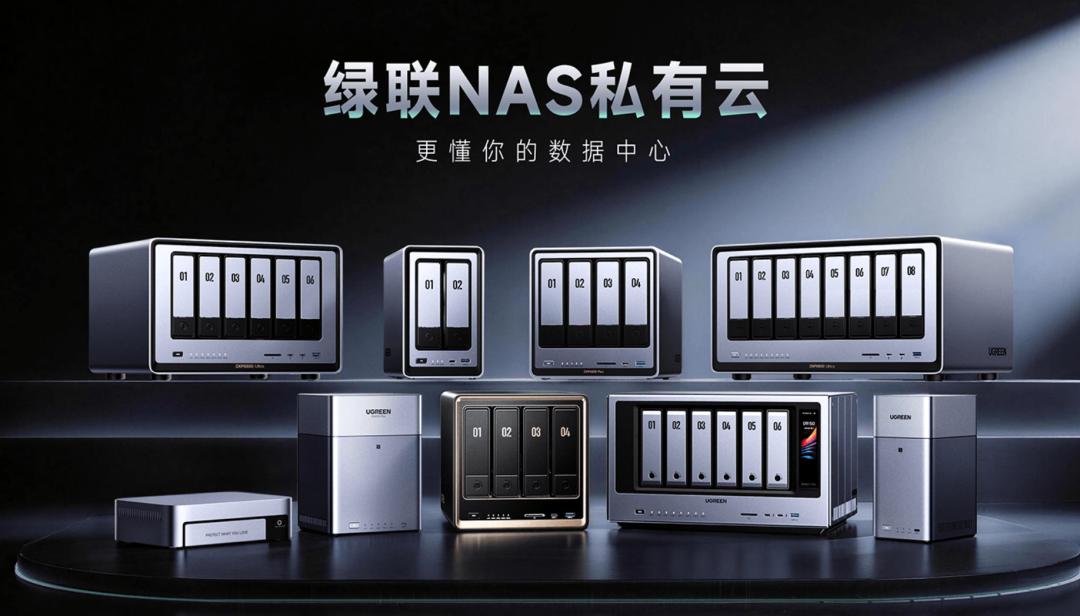
UGREEN's logic is simple: with better phone battery life, you might skip buying a power bank, but you still need a docking station for your laptop, and a NAS to store photos and videos. The digital accessories market is huge — there's no need to cling desperately to power banks alone.
By now you've probably realized — these leading players have long stopped fixating on the small profits from traditional power banks. In the old days, strong demand let them thrive on high volumes. Now that demand has shifted, stubbornly clinging to small power banks is just self-sabotage.
Broadly speaking, what's happening to power banks today will eventually affect all smartphone accessory manufacturers.
Think about it: universal chargers were once ubiquitous, now they're e-waste. TF cards used to be standard in phones, but most phones have eliminated physical slots. The removal of headphone jacks created a boom in adapter cables, but within a few years TWS earbuds became mainstream...
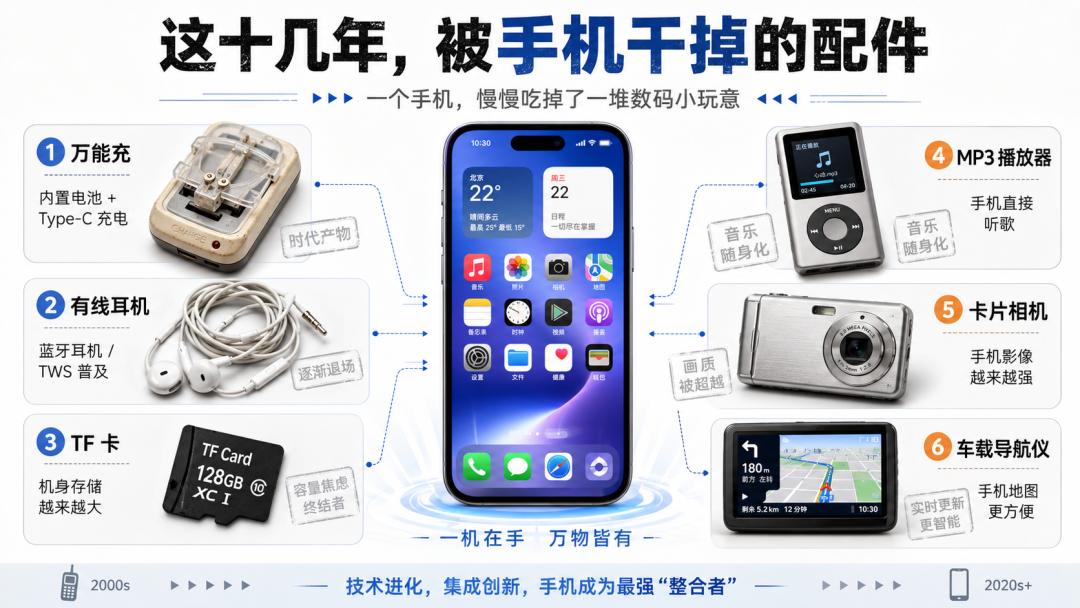
In other words