With a former miHoYo executive on board, the currently hottest AI company has suddenly rolled out dozens of games.
Moonlight has been rather active lately.
Since the start of this year, the large language model company has seen an unbroken stream of financing updates, with total accumulated funding exceeding 376 billion yuan. A month ago, Jin Wenyi, former President of Global Business at miHoYo, also confirmed joining Moonlight to lead Kimi's overseas expansion and globalization efforts.
After this news broke out, many people began speculating whether Kimi would set its sights on the gaming industry. However, there has been no public information confirming Jin Wenyi's involvement in Kimi's gaming-related operations, and this personnel change does not indicate that Moonlight is preparing to enter the gaming sector.
Nevertheless, on July 17, after Moonlight released the Kimi K3 model, it did launch a web-based gaming platform called K399.
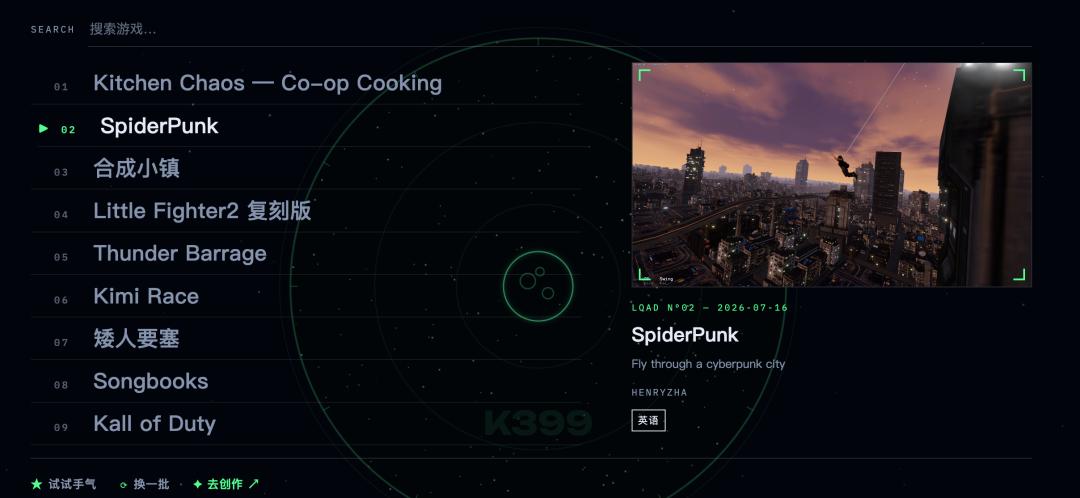
All games on K399 are co-developed with the K3 model. Currently, the platform hosts dozens of instantly playable titles spanning genres from shooters, rhythm games, and side-scrolling action, to palace intrigue AVGs, 3D puzzle adventures, and even open-world games — a far richer variety than most people expected.
While these titles are far from mature commercial products, they have surpassed the general public's expectations of "generating a mini-game with a single prompt."
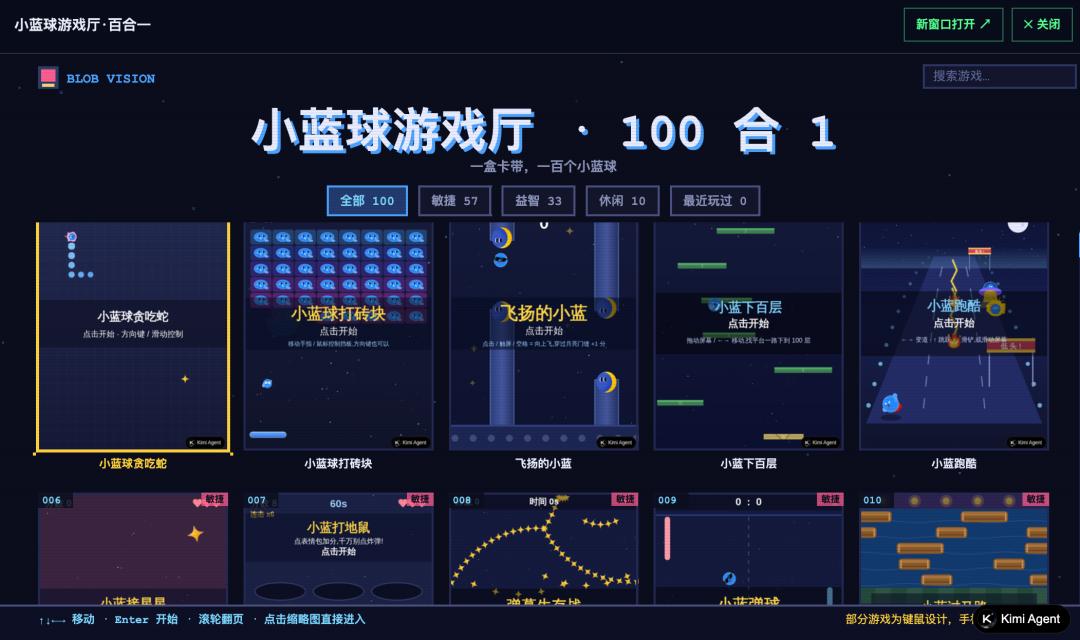
There is even a game that collects 100 classic gameplay mechanics — it's like the old Subor multi-game cartridge has been resurrected, isn't it...
At the same time, however, games on this platform carry potential copyright risks. For example, many titles directly use the names of well-known works such as *The Legend of Zelda*, *Black Myth: Wukong*, *BnB*, and *Vampire Survivors*, and some games clearly mirror the characters, visual elements, and gameplay of these existing products.
After browsing through the platform, I feel K399 is like a microcosm: on one hand, it demonstrates the achievements of AI accelerating game development, and on the other, it makes the longstanding AI copyright issues in the gaming industry far more tangible.
01
An AI-powered mini-game website?
The K399 website features a very minimalist design, with a monochrome black-and-white interface: a game list on the left, and game descriptions and preview panels on the right. All games run directly in the browser, ready to play with a single click. The only external functions on the site are three buttons: "Shuffle" (randomly open a game), "Refresh Batch", and "Create" (redirecting to the website mode of Kimi's chat interface).

Independent media outlet AfterHours stated that K399 was built by Kimi internal team members to test the capabilities of the K3 model. Since the platform has not yet publicly disclosed the sources of the games or submission guidelines, it can only be confirmed that it is closely related to the official Kimi team and is in a very early stage of development.
Even so, this website that was set up just a few days ago already hosts dozens of games. After exploring all the content, I roughly categorized the games on the platform into two types.
The first type consists of games that replicate existing mature products.
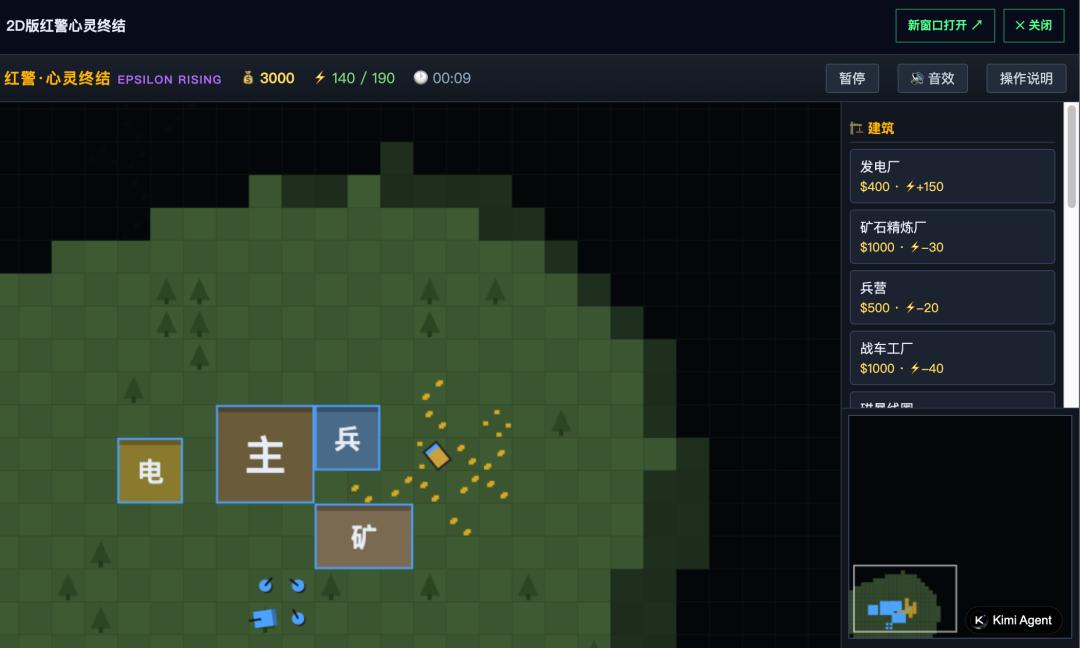
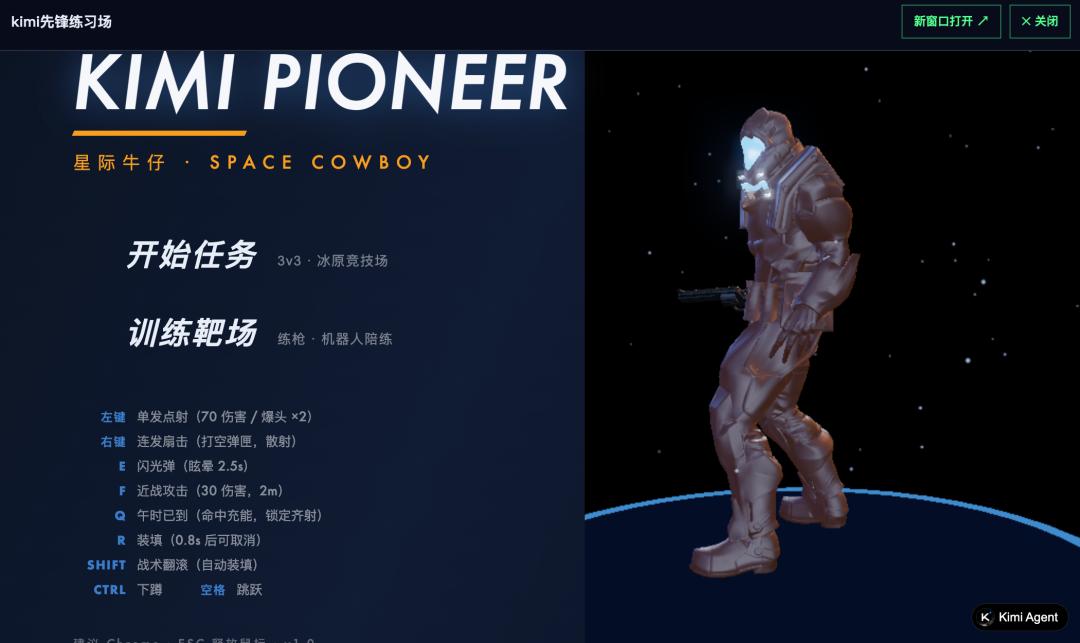
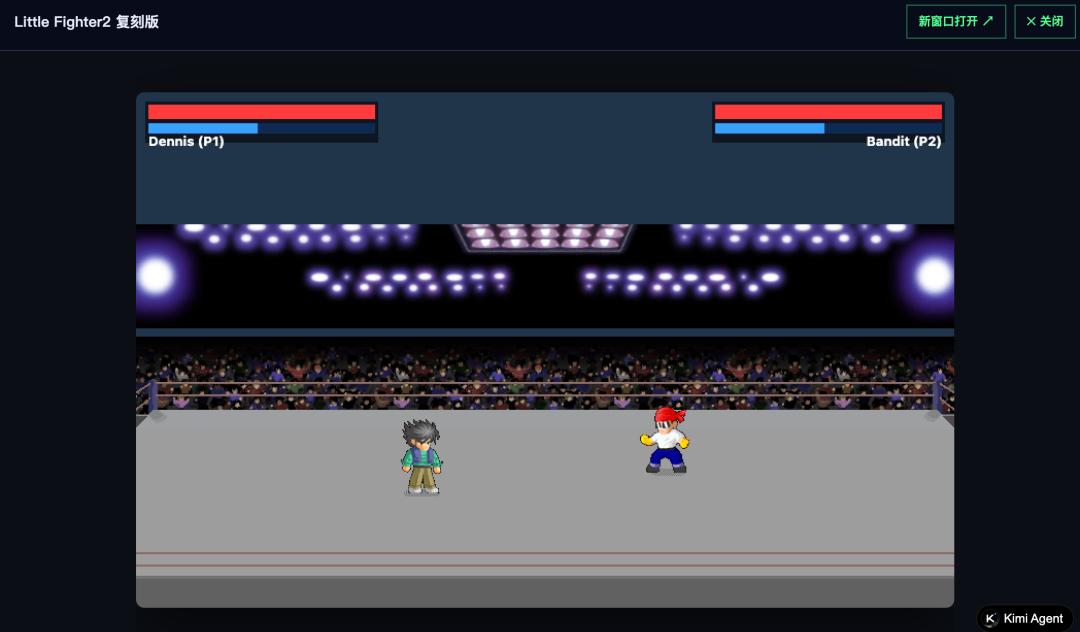
These games cover a wide range of genres, including 3D, 2D, pixel art styles, RPGs, shooters, rhythm games, RTS, side-scrolling platformers, and more. Some notable examples include a *The Legend of Zelda* title with only one enemy encounter and a boss room, a 2D text-based version of *Red Alert: Mental Omega*, a "Overwatch Practice Range" for improving aiming skills, and *Hollow Knight VS kimi* which pays tribute to *Hollow Knight*;
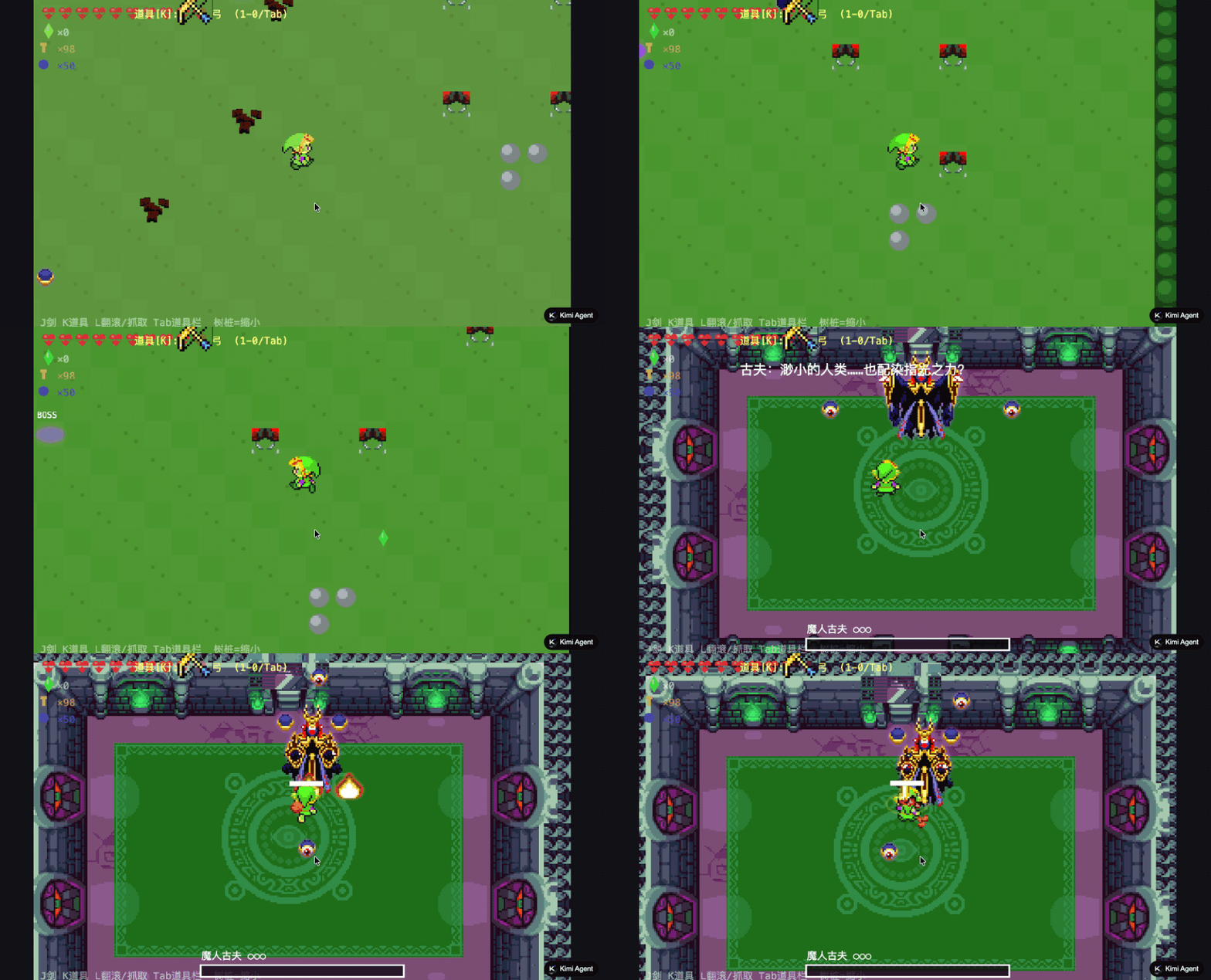

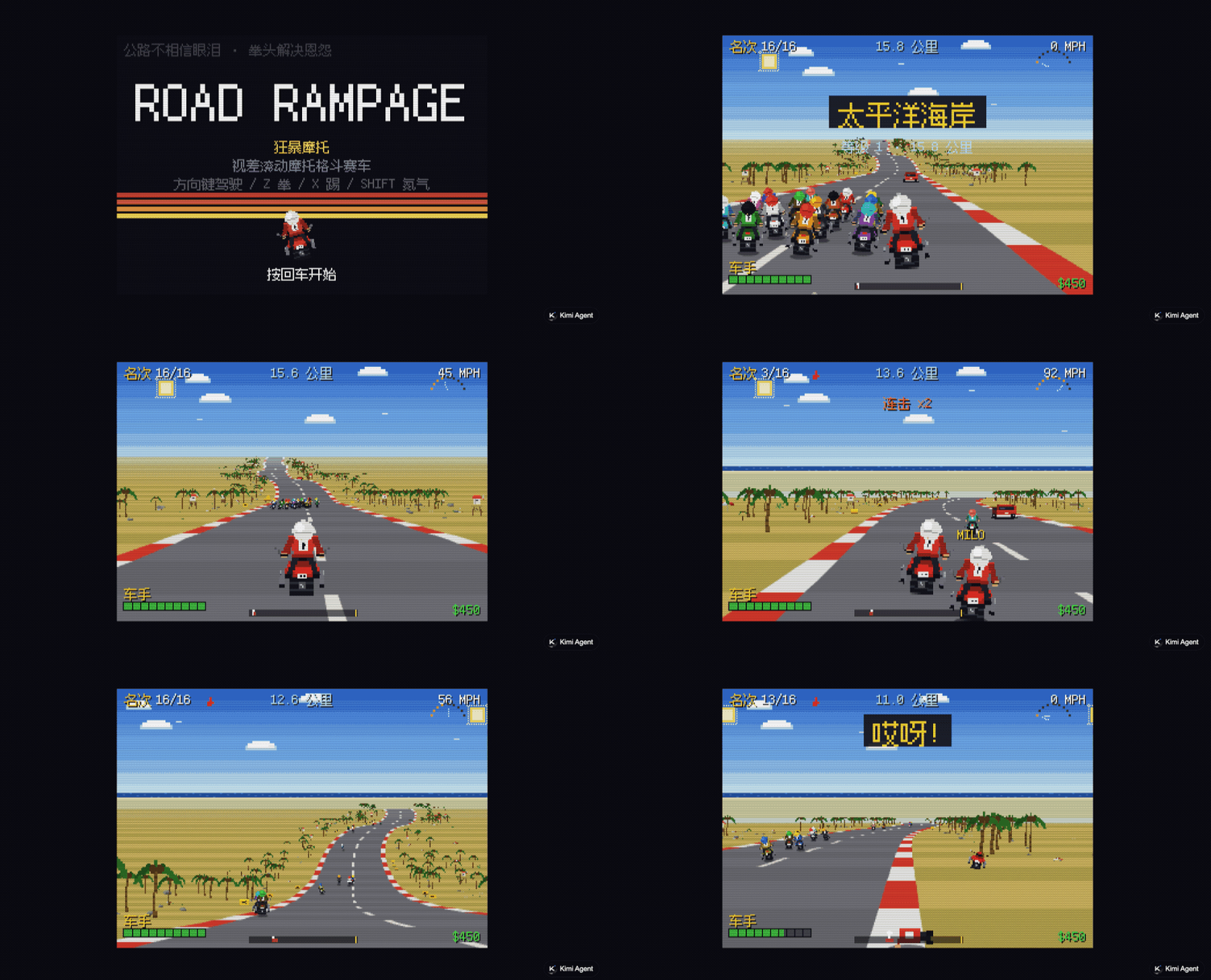
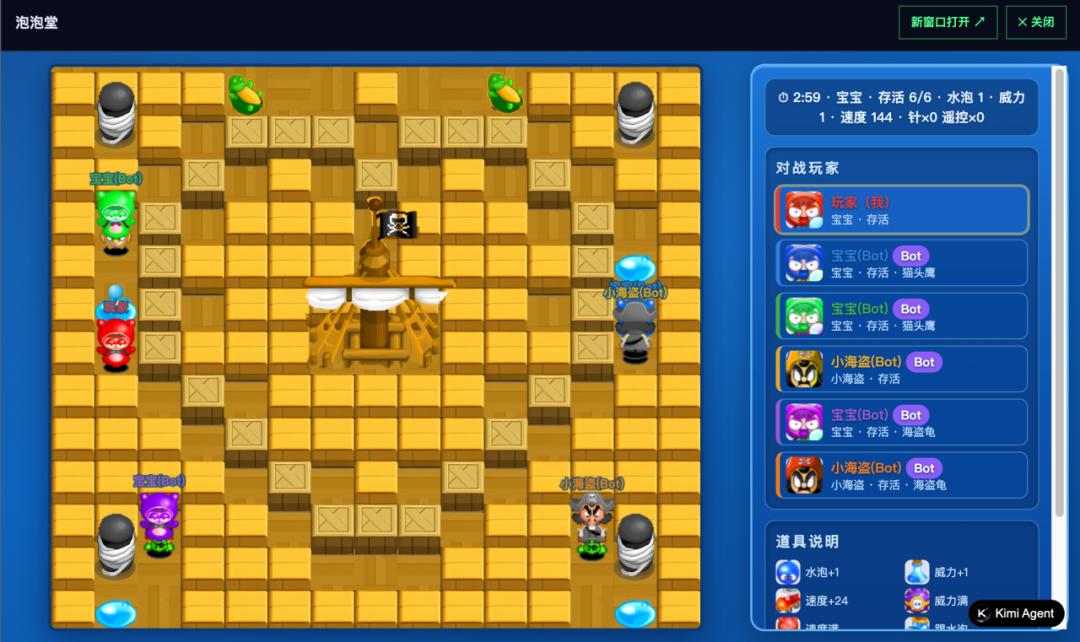
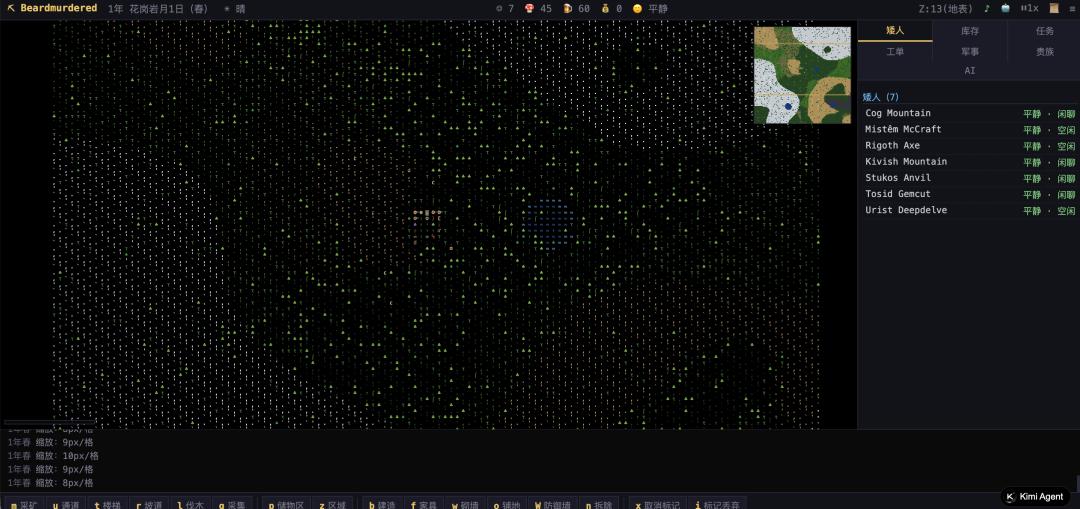
There are also remakes of classic titles such as *Road Rash*, *BnB*, *Dwarf Fortress*, *Little Fighter 2 Remake*, and *Flappy Bird*.
This category also features some standout titles. For example, *Overwatch Practice Range* supports movement, jumping, sliding, skill activation, aiming, and shooting feedback. As a browser-based 3D FPS game, its smooth performance and level of completeness exceeded my expectations;
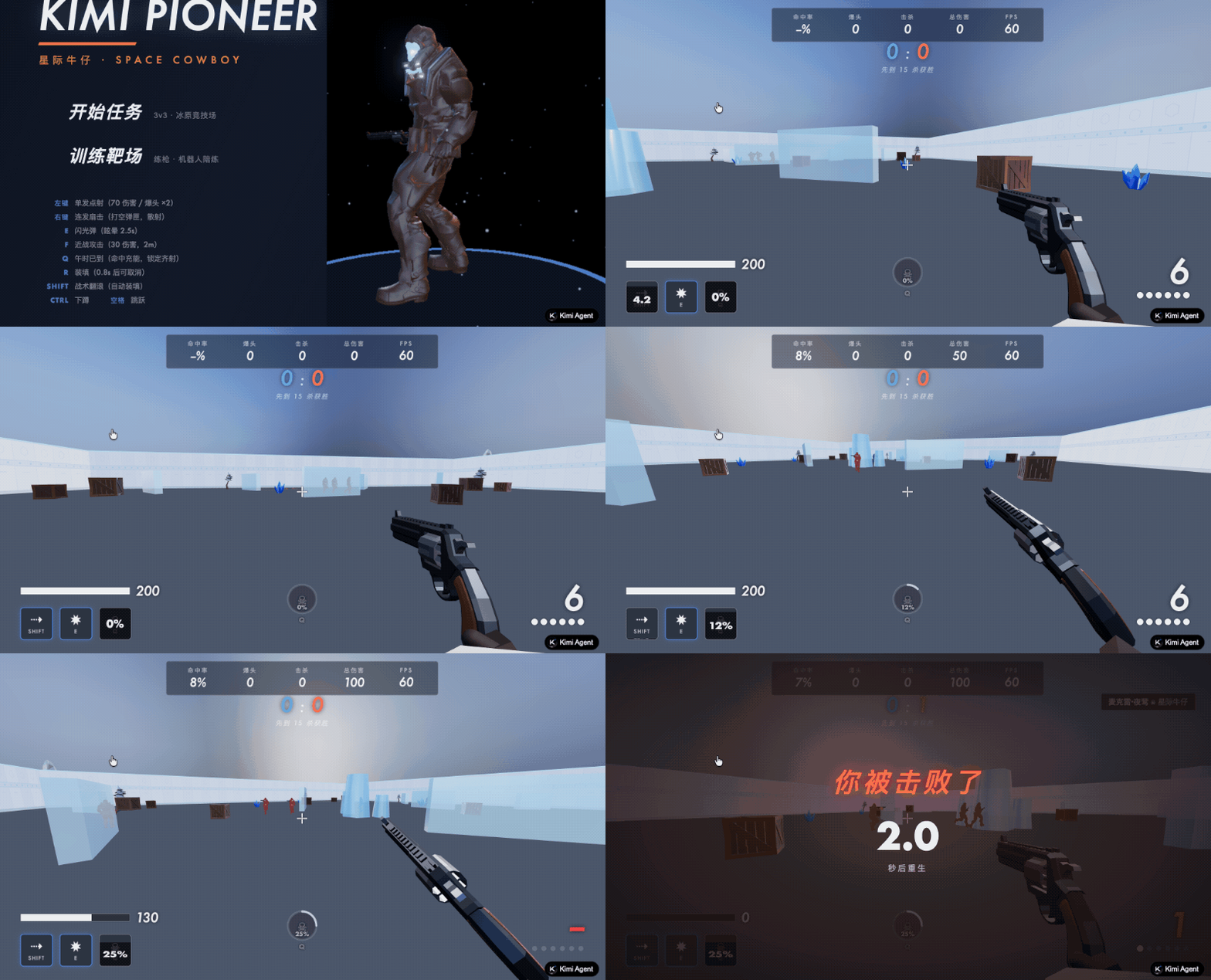
20-second speedrun (just kidding)
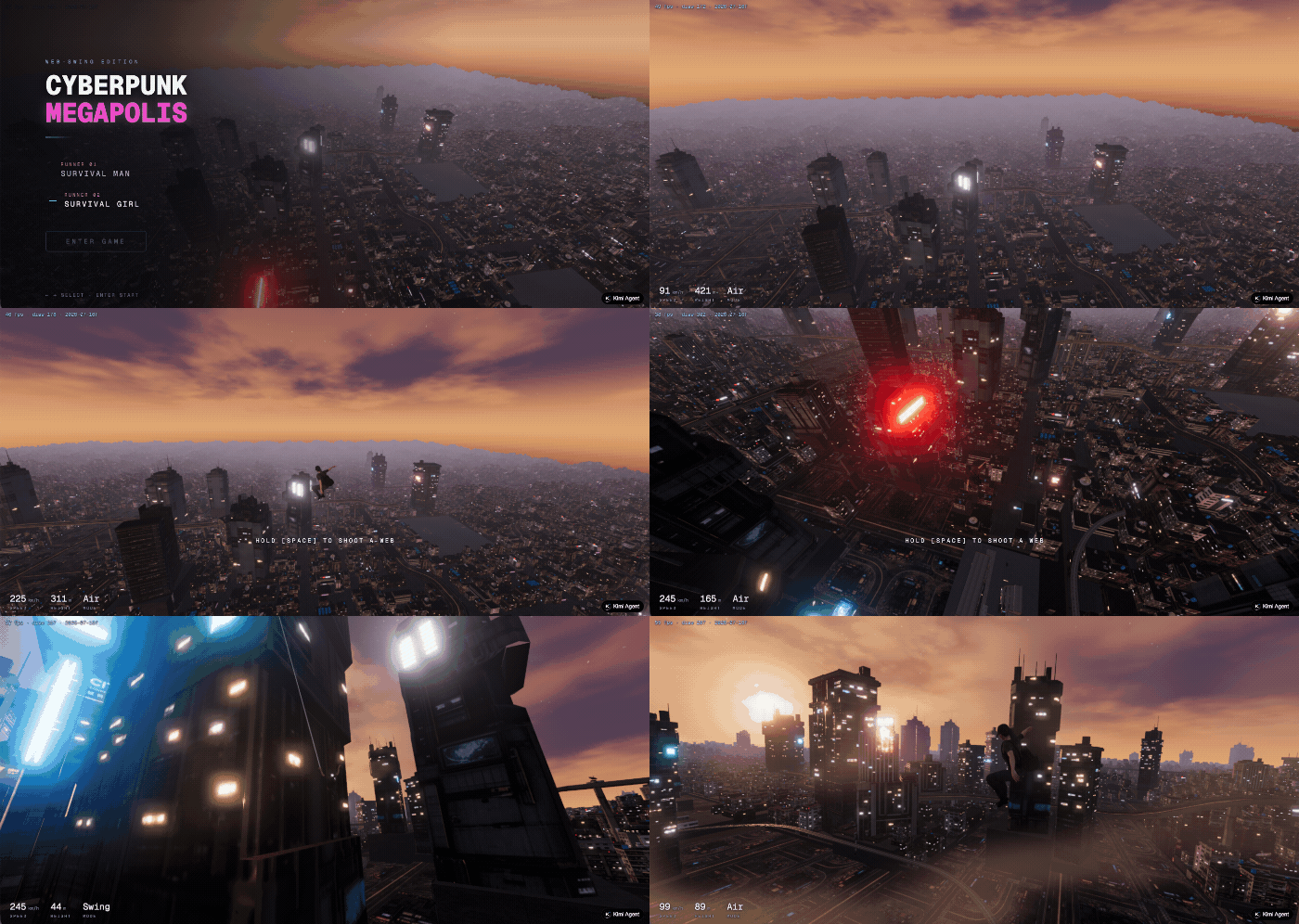
Another example is *SpiderPunk*, an AI-generated "open-world" game where players can swing through city skyscrapers like Spider-Man, with decent asset quality and responsive controls;
Titles like *Dwarf Fortress* and *Vampire Survivors* even offer AI-assisted autoplay functionality. I believe a platform like K399, where development and operations are supported by AI, should have a simpler way to implement these AI features in batches — which is one of K399's current unique selling points.

The second type consists of original, creative works. These are fewer in number but have a higher quality ceiling.
For instance, the palace intrigue AVG game *Palace of Deep Shadows* features five main story chapters, eight side quests, 32 random events, plus a full cast of characters, achievements, and multiple endings. Judging purely by its quality and level of completion, it clearly outperforms a standard demo.





Another example is the 3D tomb-raiding puzzle game *Candlelit Labyrinth: Sunken Tombs and Icebound Cities*. The game is packed with interactive mechanics, environmental clues, and phased narrative quests, and even includes custom cutscenes that clearly show the developer's dedicated effort.
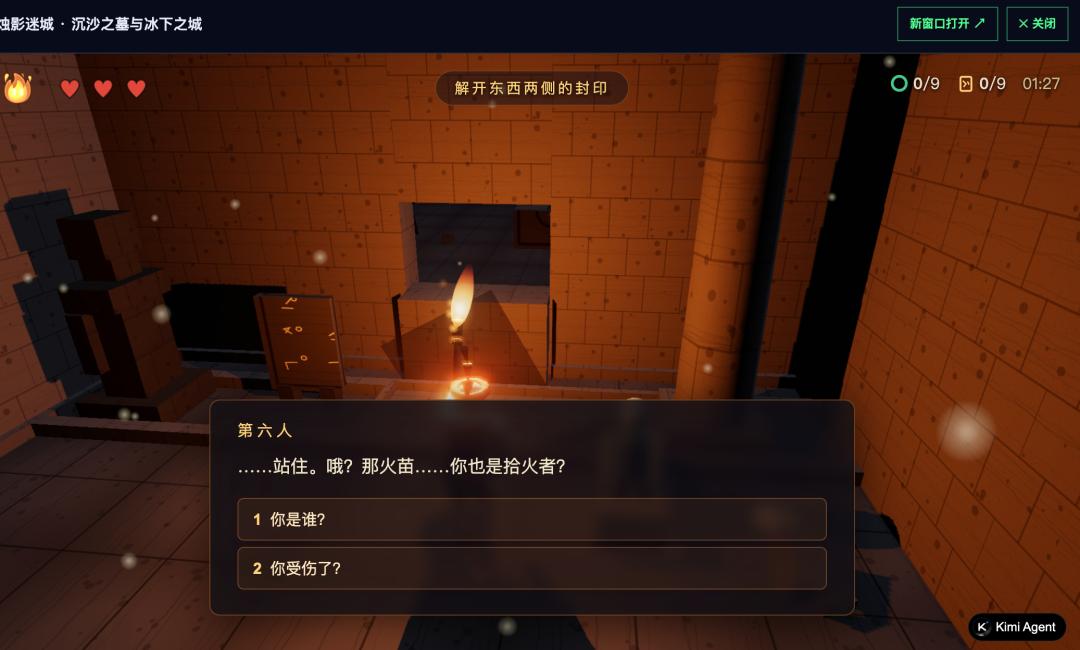
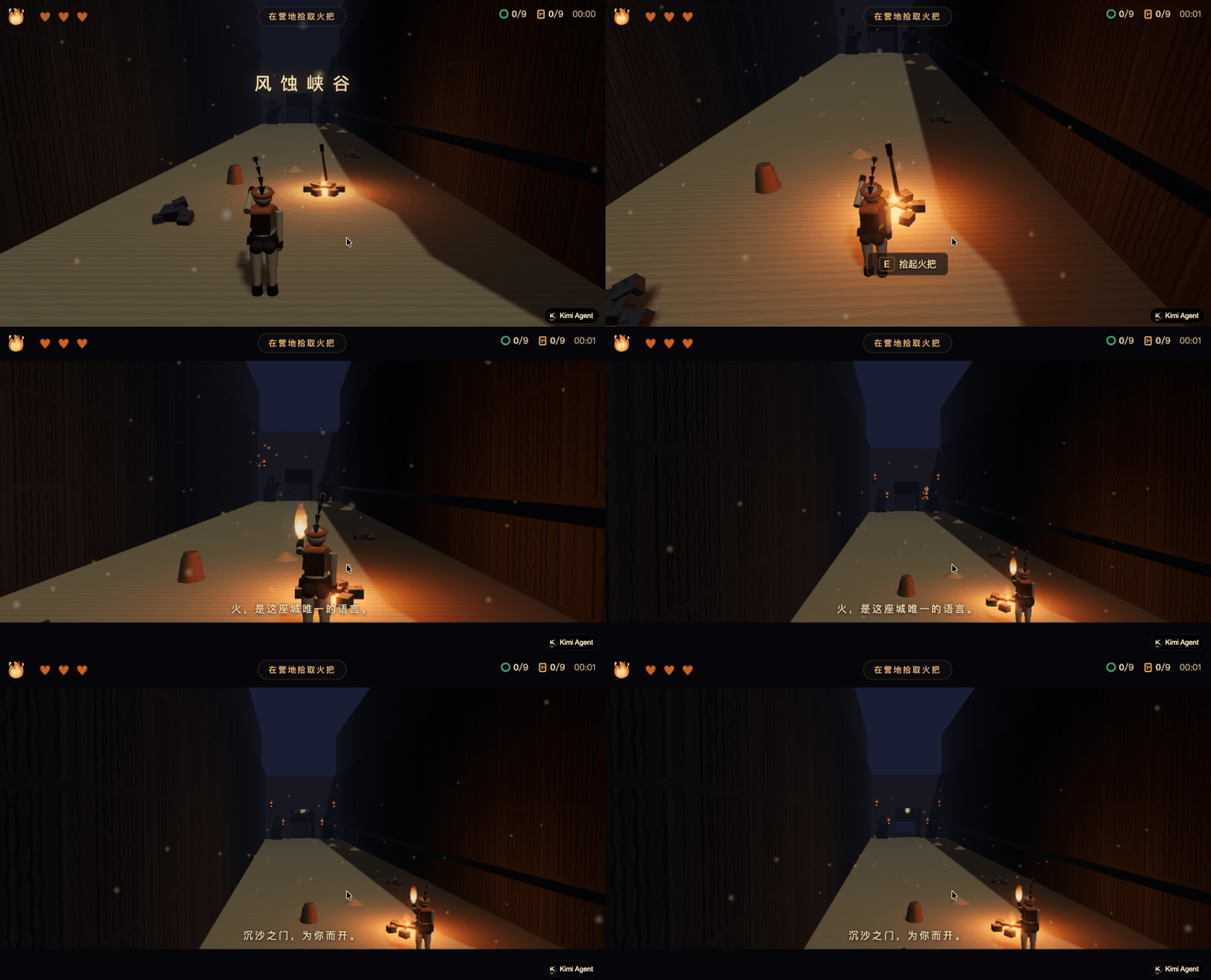
In addition, there are titles like a macOS desktop simulator, a hard-core educational simulation game for assembling rockets, and a 3D piano simulator... These games prove that AI creations are not just limited to replicating mature gameplay frameworks — they can also turn original creative ideas into reality.