Joey Wong sold her face to AI
On July 20, NetEase Games' Tianxia officially announced that Joey Wong would serve as its brand ambassador for the game's 18th anniversary.
What is worth noting, however, is that this is no ordinary celebrity endorsement. Joey Wong herself will not make any physical appearances, host livestreams, or attend promotional events. She has merely licensed the use of her face from her peak years between the ages of 20 and 30 to NetEase.
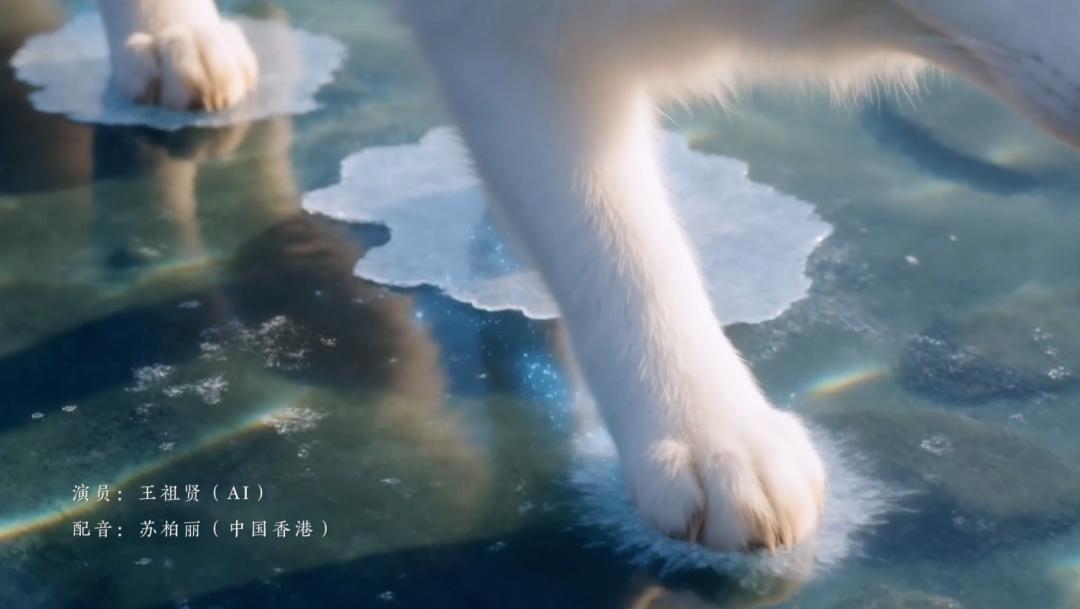
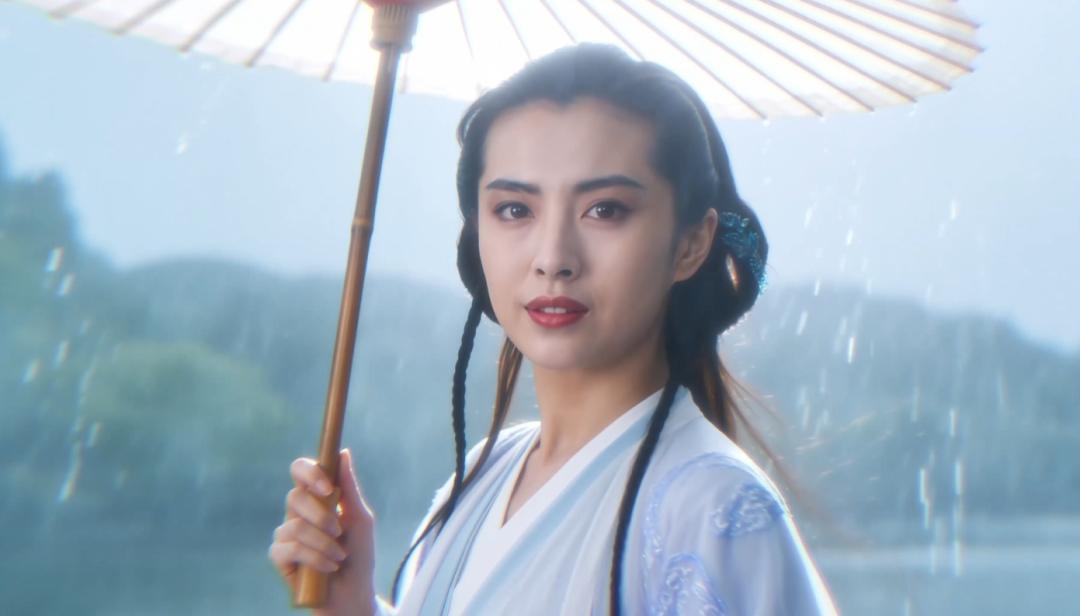
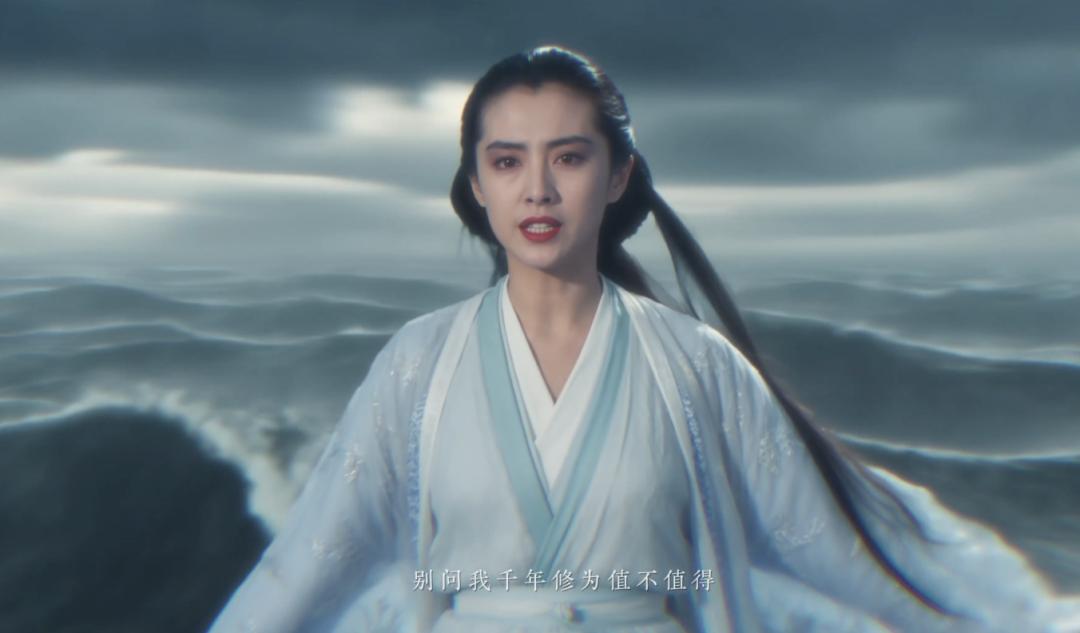
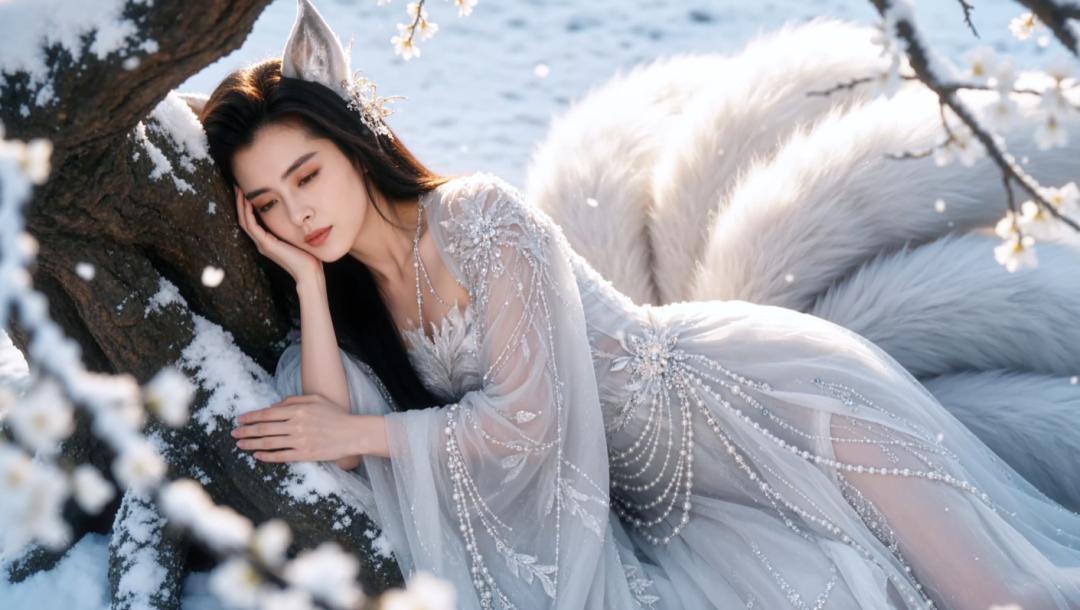
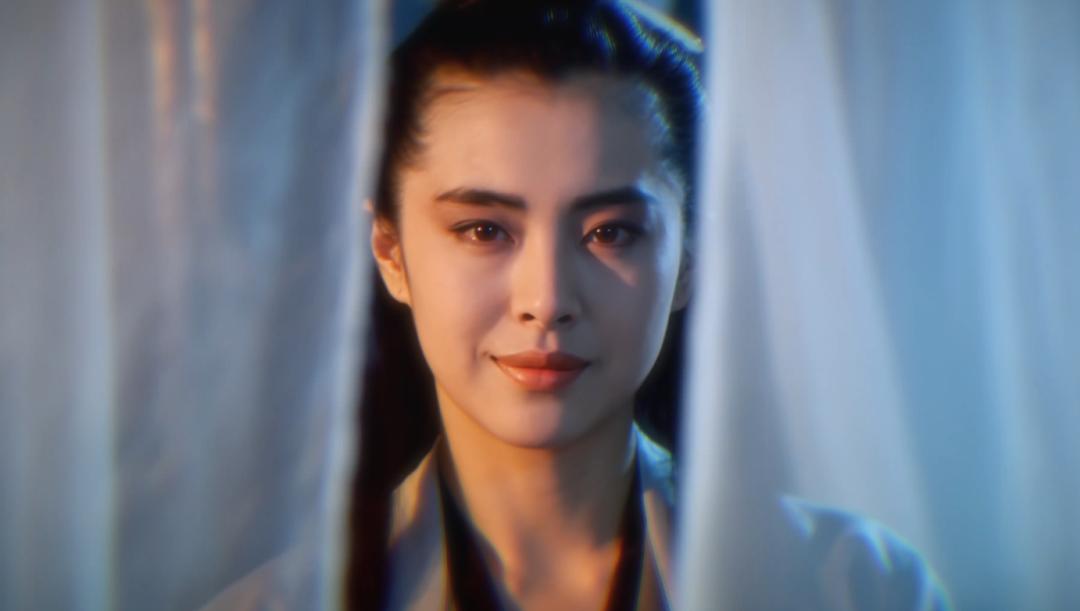
The subsequently launched AI short film Shadow of a Beauty recreates the classic on-screen characters portrayed by Joey Wong, including Nie Xiaoqian, Bai Suzhen, and the spirit fox. The end credits clearly mark the credit as "Joey Wong (AI)".
While stars like Zhang Ruoyun rushed to release statements overnight rejecting AI branding, Joey Wong, who has been out of the public eye for 22 years, voluntarily offered the rights to her peak-era portrait. This could be the cruellest metaphor of the AI era: active celebrities are desperately clinging to their physical presence, while those who have stepped away are earning passively by leveraging their iconic faces.
1
Who is paying for the "retired stars"?
The last time Joey Wong appeared in the public eye was in an almost resolute manner.
In 2004, after finishing the film Shanghai Story, she officially announced her retirement from acting and moved to Canada, never taking on new roles, making public appearances, or showing her face in public events. In the 22 years since, news about her has only consisted of sporadic sightings by passersby and images of her at Buddhist temples.
That is why, when Tianxia announced that Joey Wong would be its brand ambassador at the 18th anniversary milestone, many people's first reaction was: Why would a 18-year-old game that has been operating for so long choose a female star who has been out of the public eye for 22 years?
The answer lies in the game's user profile.
Since its launch in 2008, Tianxia has accumulated millions of registered users, with its core player base ranging in age from 30 to 45. These players were exactly the first generation of audiences who watched the 1987 film A Chinese Ghost Story when it was released. Nie Xiaoqian's graceful backward glance in white robes is the most profound imprint in their youthful memories. Therefore, the essence of Joey Wong's endorsement is not just hiring a celebrity, but awakening the collective memories of an entire generation.
Under this logic, choosing Joey Wong is far more precise than selecting any popular traffic star. The fans of traffic stars are too young to play Tianxia; the images of powerful actors are too modern to carry that nostalgic filter.
Meanwhile, Joey Wong's classic on-screen roles such as Nie Xiaoqian, Bai Suzhen, and the spirit fox themselves constitute a complete set of emotional assets. What AI has reactivated is not just a face, but a whole set of emotional memories from the golden age of Hong Kong cinema.
More importantly, this AI commercial Shadow of a Beauty has set a precedent: it is the first commercial film in China's gaming sector that has obtained celebrity authorization and is entirely created with AIGC technology. The entire production process involved no real-person shooting and no stunt double recreation. The short film was technically supported by NetEase Interactive Entertainment's DM Monet Canvas and Volcano Engine. The line at the end of the film, "Having walked through the mortal world, I am still myself", precisely strikes the emotional soft spot of veteran players.
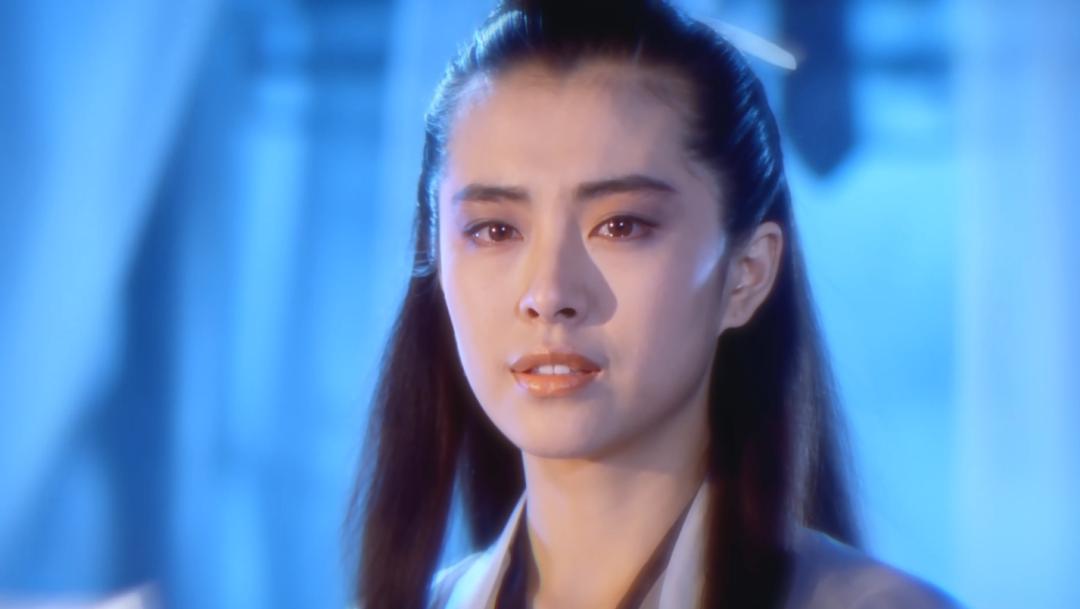
In fact, Tianxia's marketing layout for its 18th anniversary goes far beyond this. Joey Wong's AI image does not only exist in the promotional short film. In addition to producing fully digital promotional videos, her AI image will also be integrated into the game world in the form of a digital NPC and exclusive in-game outfits. The game has also launched a limited-edition exclusive outfit called "Shadow of the Ghost" for players to obtain for free.
Extending Joey Wong's AI image from a single commercial film to an interactive digital NPC and a wearable virtual outfit within the game is a key step for the brand to transform emotional nostalgia assets into in-game assets.
Behind this strategy is Tianxia's precise grasp of its users' psychology. For a game that has been operating for 18 years, the scarcest resource is not new gameplay, but the emotional hook that can bring back veteran players. A single digital NPC and a set of limited-edition outfits are enough to make veteran players willingly re-download the game, log in to their accounts, and wander around the "Great Wilderness" game world once more.
2
Why do retired artists dare to do this?
In April 2026, iQiyi's launch of its "AI Celebrity Library" ignited public controversy, with photos of stars like Zhang Ruoyun, Chen Zheyuan, and Zeng Shunxi prominently listed in the library.
iQiyi CEO Gong Yu put forward a highly tempting business vision: AI can allow actors to increase their annual number of film appearances from 2 to 4, and real-person shooting might become a "world cultural heritage" in the future.
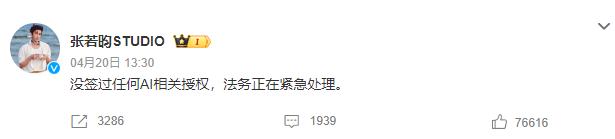
However, before this grand vision could be fully realized, a storm of denial statements swept across the industry. Zhang Ruoyun's studio was the first to speak out: "We have never signed any AI-related authorization agreements, and our legal team is handling this matter urgently."
Yu Hewei, Wang Churan, and Li Yitong followed closely, all unanimously denying that they had signed any AI authorization agreements. The phrase "iQiyi has gone crazy" quickly topped Weibo's trending search list.
Celebrities' fears are well-founded. Once they authorize the use of their AI image, it is equivalent to turning their own face into an infinitely replicable branded product. Today, it might endorse a game; tomorrow, it could appear in a competing brand's advertisement; the day after, AI could even generate a scene of them acting in a bed scene that they never actually filmed.
For active celebrities, their commercial value is deeply tied to their real performances. Against the backdrop where AI technology has not yet been widely recognized by the market and relevant authorization mechanisms are still unclear, rashly signing an AI film and television authorization agreement may trigger a crisis of fan trust and pose risks to their professional image.
Even more fatal are the hidden legal risks. The legal attributes, authorization scope, revenue distribution mechanism, and data security boundaries of AI-generated digital avatars all have a large number of gaps under the current legal framework. Once the authorization is granted, artists can hardly control what their digital image will be used for.
But retired artists or veteran celebrities have no such worries at all.
Earlier this year, 62-year-old Lawrence Ng Kai Wah publicly revealed that he had licensed his portrait rights to an AI film and television production company.
The production team completed exclusive AI modeling by collecting early video materials, perfectly recreating the facial features, expressions, and physical characteristics of Lawrence Ng during his youth, and used this digital image to complete the creation of an entire AI movie. From script generation and shot rendering to post-editing, the entire process did not require Lawrence Ng to be present for blocking or perform on real sets.
Shortly after that came 93-year-old You Benchang. Due to his advanced age, he cannot handle high-intensity shooting, so he chose to authorize his portrait and voice to the brand for AI video production, restoring the young Jigong in digital human form. The two parties co-produced the micro-short drama Jigong: The Fake Dragon Subduing Monk. The contract stipulates that the AI image can only be used for positive Jigong IP derivative content, and the artist retains the right to review the script and the final film.
You Benchang's daughter You Sihan previously confirmed this cooperation to the public, revealing that You Benchang's attitude towards AI is open yet cautious. He is willing to give it a try, but insists on retaining the right to review the content.
This "open yet restricted" stance is precisely the ideal cooperation model for retired artists: embracing the technological dividend without giving up the final control over their own image.
3
The new pricing power of a single face
The reason why Joey Wong's case is regarded by the industry as a landmark case of full commercial authorization of a Hong Kong star's AI face is that it has pioneered a brand-new business model: only licensing the portrait rights from the peak years, restricting use to a single project, no generalized authorization, and no real-person promotional activities.
Joey Wong has authorized the AI portrait rights of her peak years between 20 and 30, with the scope of application limited to within the Tianxia game. In addition to shooting fully digital promotional videos, her AI image will also be integrated into the game world in the form of digital NPCs and exclusive outfits. She herself does not appear in public, attend promotional events, or host livestream sales, completing the commercial closed-loop by monetizing her digital assets.
This logic is equally attractive to brands. Compared with inviting real celebrities to shoot traditional commercials, which requires coordinating schedules, paying high appearance fees, and bearing shooting and production costs, the AI approach greatly reduces costs and communication expenses. An AI short drama can be completed in just a few days, with the cost being less than one-tenth of that of real-person shooting.
Real actors require schedules, makeup, transportation, and accommodation, while digital actors only need one-time modeling and can be reused infinitely, which means maximizing monetization efficiency.
Veteran actors represented by Joey Wong and Lawrence Ng are scarce portrait resources in the industry. These artists have deeply rooted on-screen images that come with inherent audience nostalgia premium. Producers of long-form AI films and high-quality digital films are willing to pay high fees for targeted authorization. The contract process is standardized, with complete legal review, clearly marking terms such as AI model ownership, theme restrictions, and post-expiration destruction clauses, resulting in relatively low infringement risks.
But the flip side of the coin is harsh.
In the first quarter of 2026, around 128,000 micro-short dramas were launched across the entire industry, of which AI short dramas accounted for more than 95%.
Actor Xu Peng's experience is very representative. In 2025, he landed leading roles in multiple short dramas with his solid acting skills, and the viewership of these dramas skyrocketed. However, with the explosion of AI digital human short dramas in 2026, his career faced a fatal test.
In sharp contrast to the high-priced and compliant authorizations of veteran artists, the underlying portrait trading in the industry is plagued by unfair terms and low-price traps. The trading subjects are mostly newcomers in the film and television industry. Some AI short drama producers only pay small fees ranging from 100 yuan to 500 yuan to induce industry newcomers who lack legal awareness to sign lifetime portrait authorization agreements, collecting a full set of facial materials at one time and permanently retaining the rights to AI modeling and cross-platform secondary resale.
Many newcomers only realize after signing the contract that their digital images are being mass-distributed in short dramas and information flow advertisements, and they have to bear huge liquidated damages if they want to terminate the contract.
This is the polarization of the AI portrait rights market. Joey Wong can sell her face for a sky-high authorization fee, while a bottom-tier actor's face is only worth 500 yuan. Active celebrities are desperately guarding their faces from being "branded", retired celebrities are "earning passively" by leveraging their faces, and the faces of more unknown actors are being acquired at a bargain price and reused infinitely.
From Lawrence Ng to You Benchang and then to Joey Wong, retired artists are becoming the pioneers of AI portrait authorization. Capital has bypassed the active actors who are full of concerns, and torn a breakthrough from those who have stepped away from the spotlight.
When the "face acquisition price" drops as low as 100 yuan a year, and AI short dramas account for more than 95% of the market, the underlying employment structure of the film and television industry is being completely restructured. AI may not make all actors unemployed, but it may first take away the first chance to be seen from those who have not yet entered the core of the industry.
A-list celebrities can control boundaries and maintain their bargaining power by limiting authorization to individual projects, but bottom-tier actors are being deprived even of the chance to be seen by AI. This is not a question of whether AI will replace actors, but a class issue of who AI will replace and who it will leave behind.
When a face can be priced independently of the physical body, and youth can be infinitely recreated by algorithms, the underlying logic of the celebrity economy is being completely rewritten. Joey Wong's Shadow of a Beauty is not the end, but just the beginning.
The next question to watch is: Who will be the next to sell their face? And whose face will become less and less valuable?
This article is from the WeChat official account "Mou Yu", authored by Mou Yu, and published with authorization from 36Kr.