AI PCs are outdated, AC has experienced explosive growth overnight. Do Agents really need dedicated computers?
The PC industry has been going through a really tough time lately.
Back when users held onto their old PCs instead of upgrading, manufacturers could blame their slow incremental performance updates. But now, performance gains have accelerated dramatically almost like turning a slow squeeze of toothpaste into a powerful water gun, yet the prices of memory, storage, and graphics cards have become absurdly high. Looking at new product launch events, performance has indeed improved significantly, but even thin and light laptops are now priced at levels once reserved for workstations.
Consumers take one look, realize their old PC still boots perfectly fine, and decide: I'll stick with this for another three years.
Manufacturers are obviously anxious too, which is why over the past two years, every PC has been redesigned to lean heavily into AI features. Processors now come with built-in NPUs, keyboards get dedicated AI keys, and systems are loaded with AI assistants that can summarize meetings and cut out subjects from photos. But when consumers actually buy a new PC, they still prioritize performance, battery life, and price — very few people seriously say they're buying the device specifically for those AI features.
At the end of the day, the term "PC" stands for Personal Computer, and its core purpose remains being a tool built for human users.
This gave AMD a brand new idea: if consumers aren't buying into the expanded definition of an AI-powered PC, what if I introduce a completely new term — Agent Computer — how would everyone respond to that?
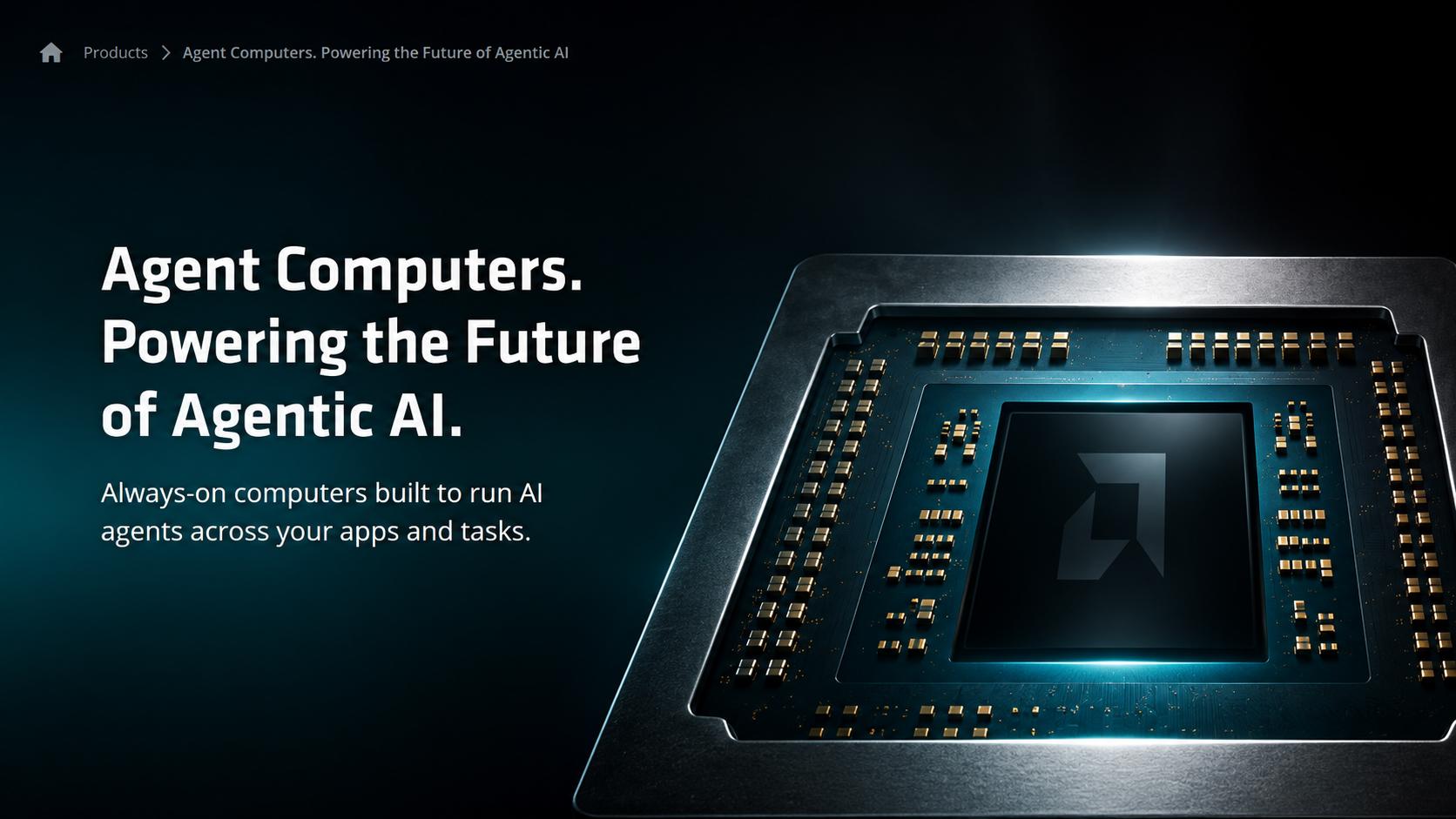
(Image source: AMD)
Wow, my AI agent hasn't even started "earning" for me yet, and it's already asking me to buy it a dedicated computer?
A computer built for Agents, short for AC
First, let me explain what an Agent Computer (hereafter referred to as AC) actually is.
As AMD defines it, an AC is a device purpose-built for AI Agents to run continuously, designed to be always-on, always-available, and always-operational.
If an AI PC is like hiring an assistant to work on your existing computer, and an Agent PC is the assistant operating your computer on your behalf, then an AC is essentially a dedicated personal computer you give exclusively to that assistant. Users don't need to sit in front of it clicking a mouse — they can assign tasks through their phone, a chat app, or another PC, and the Agent will call on models, files, and tools in the background, working nonstop for hours or even days on end.
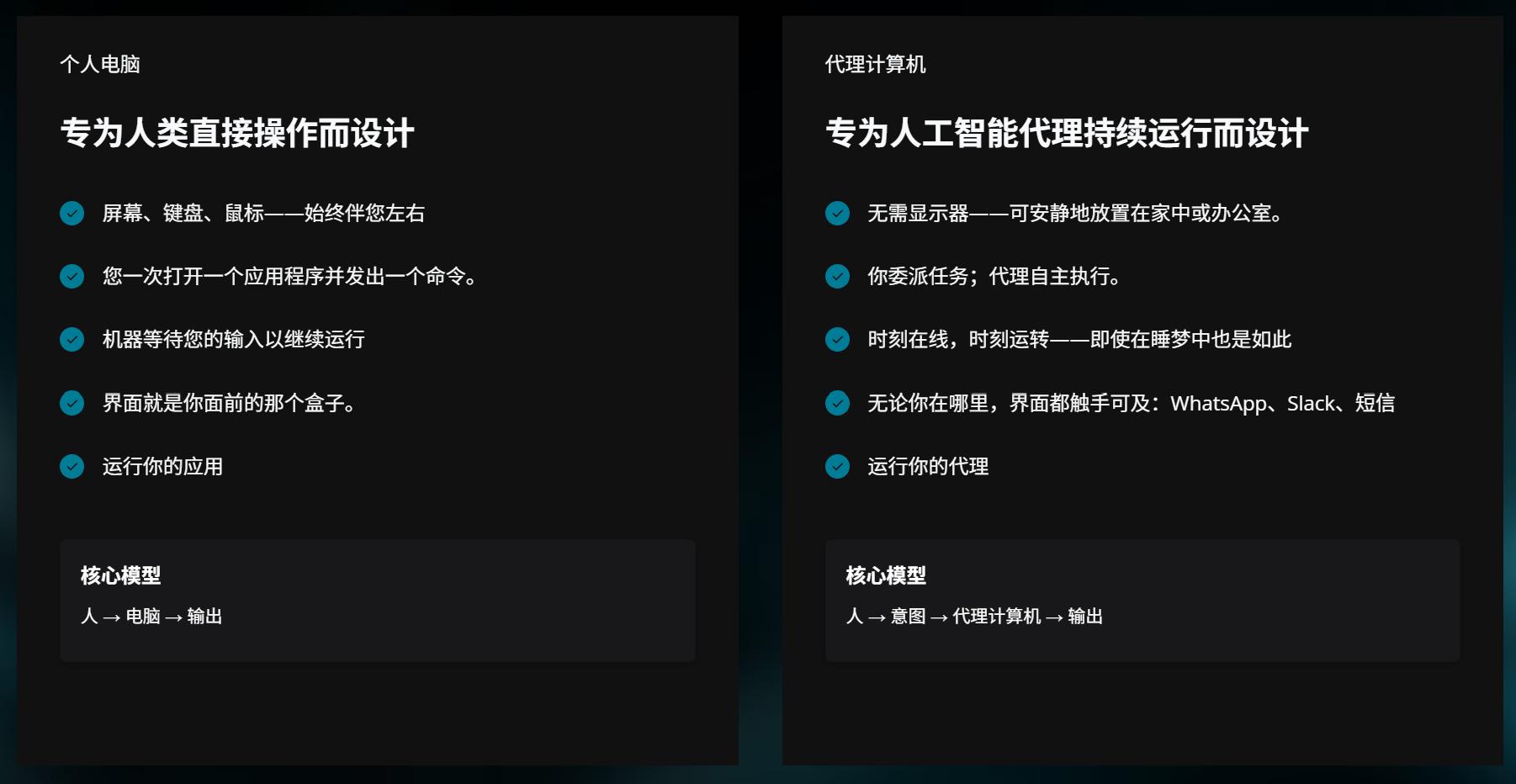
(Image source: AMD)
Because of this, an AC doesn't even necessarily need to come with its own screen, keyboard, or mouse.
To promote this new category, AMD has listed a series of recommended products on its introduction page. Most of the devices classified as ACs are compact mini PCs packed with massive memory and dedicated AI computing power, marketed for silent operation, ultra-low standby power consumption, and relatively high performance.
Exactly like the wildly popular Mac mini that blew up earlier this year.
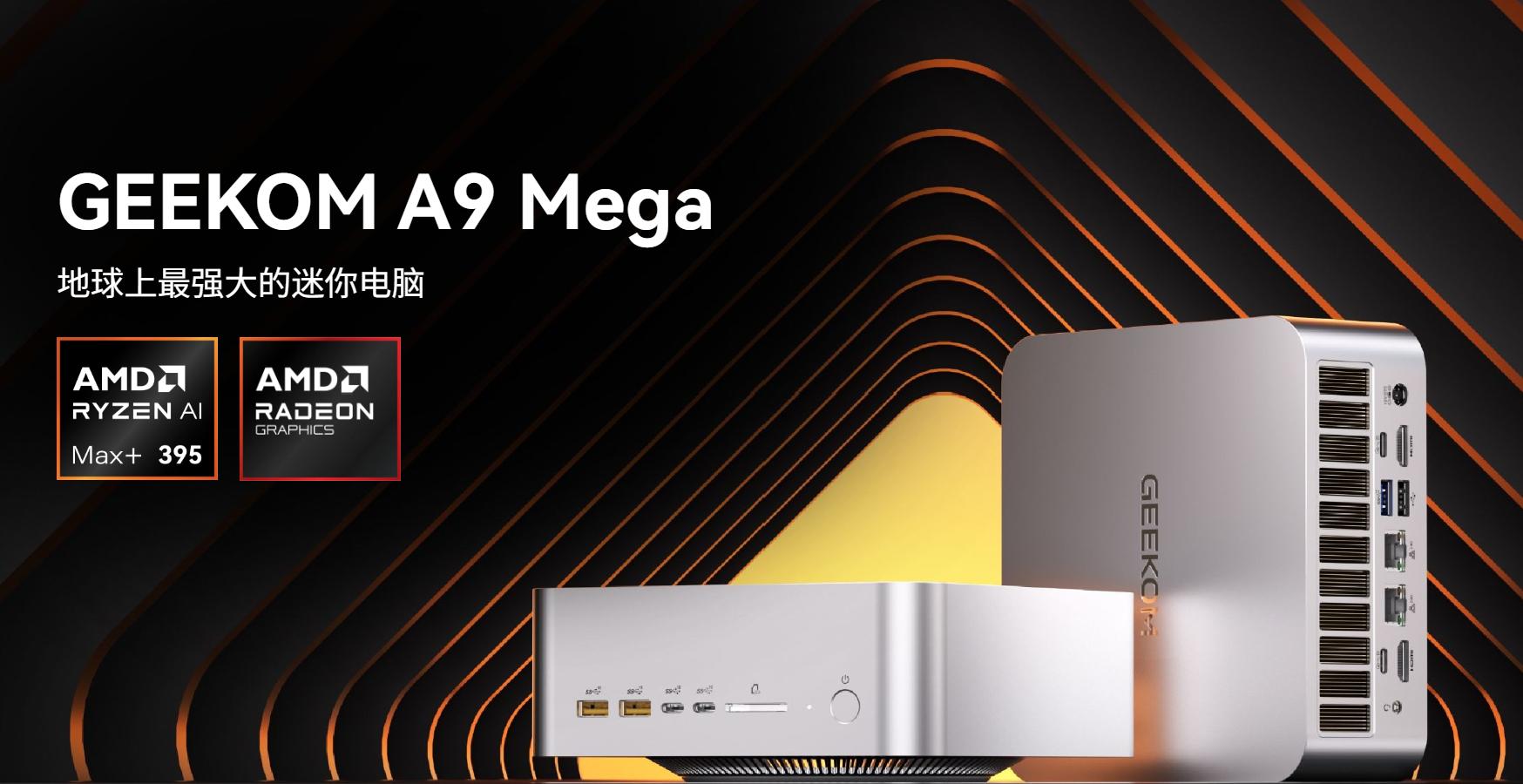
(Image source: AMD)
At this point, you've probably already figured out where this concept came from.
Interestingly, at this year's WAIC (World Artificial Intelligence Conference), even though different brands used different promotional language, we spotted quite a few products that fit this exact definition.
Take Lenovo for example: at this year's exhibition, they showcased their newly launched Lenovo AI Mini Host.
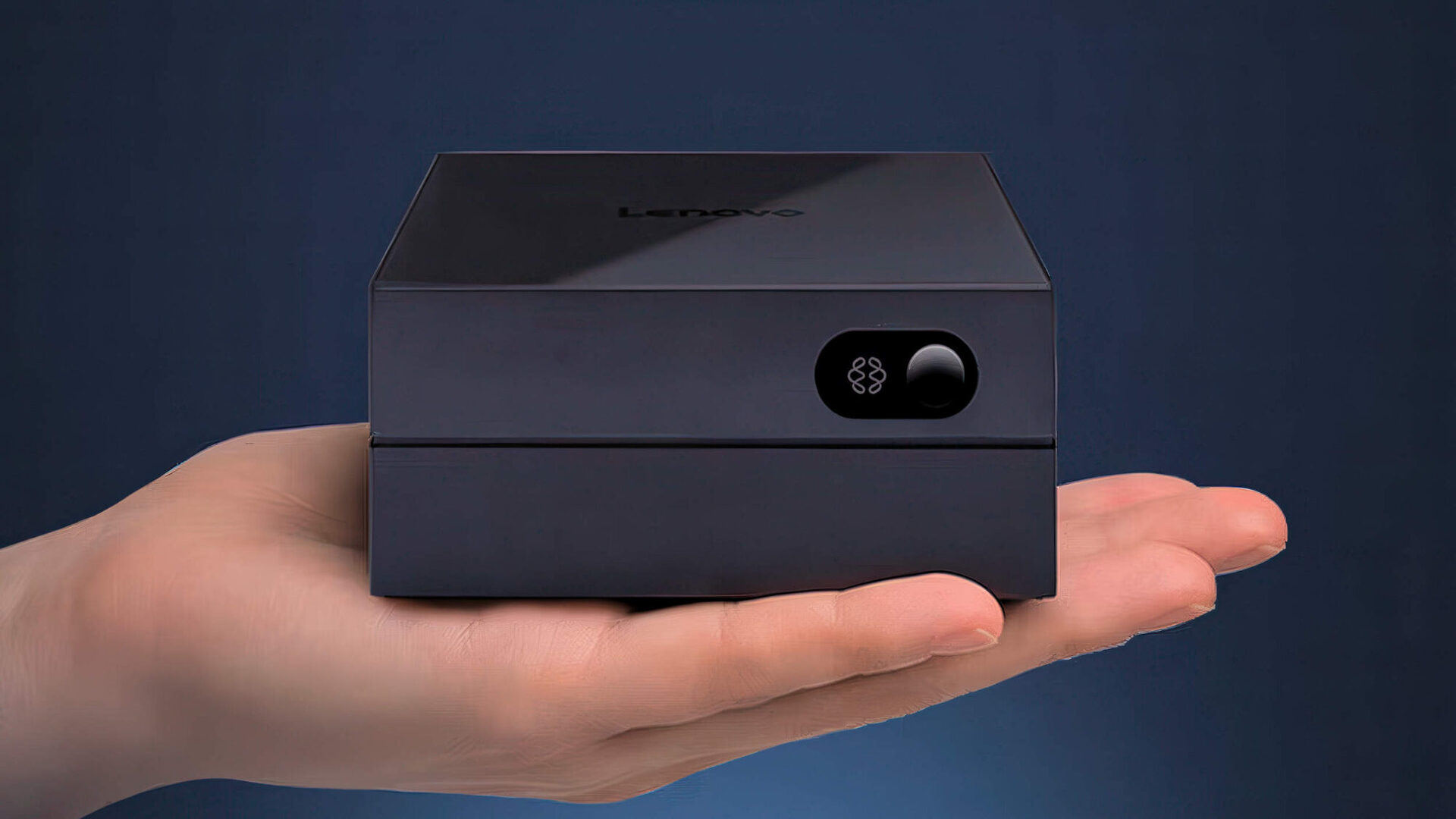
(Image source: Lenovo)
According to reports, this device comes pre-installed with the Ubuntu system out of the box, and users complete device setup by scanning a QR code with their smartphone.
Its biggest highlight is that it runs on a domestic computing platform — the Xinchip P1 Processor. This processor uses a 6nm manufacturing process with an Arm architecture, equipped with a 12-core CPU and G720 MC10 GPU, plus a dedicated NPU that Lenovo claims delivers a total computing power of 45 TOPS.
The local computing performance of this device is pretty modest, but its core value is letting an entire family or team connect to the same Tianxi Agent to enable task sharing across multiple users. Lenovo positions it as a 24/7 always-on local AI hub.
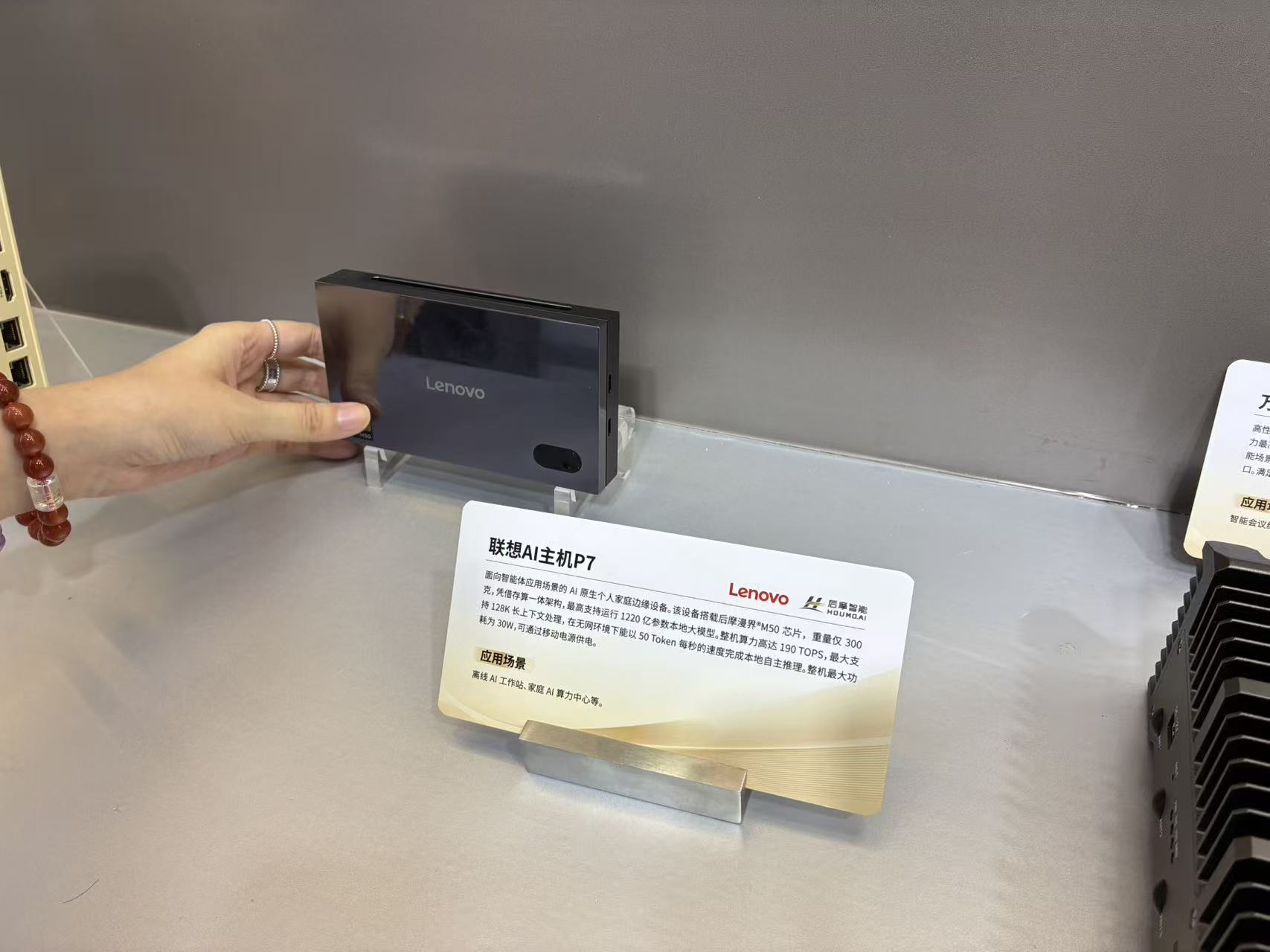
Of course, if you need more powerful local computing performance, Lenovo has you covered too. The Lenovo AI Host P7, co-developed with MoreSense Tech, weighs only about 300 grams, claims to deliver 190 TOPS of local computing power, and supports deployment of up to 100-billion-parameter level models.
(Image source: Leitech)
Most importantly, this device can run on a portable power bank, and it can run AI models whether you have internet access or not. You can easily think of it as a personal AI server small enough to slip into your pocket.
Though at a price of 6999 yuan, it's definitely not cheap by any standard.
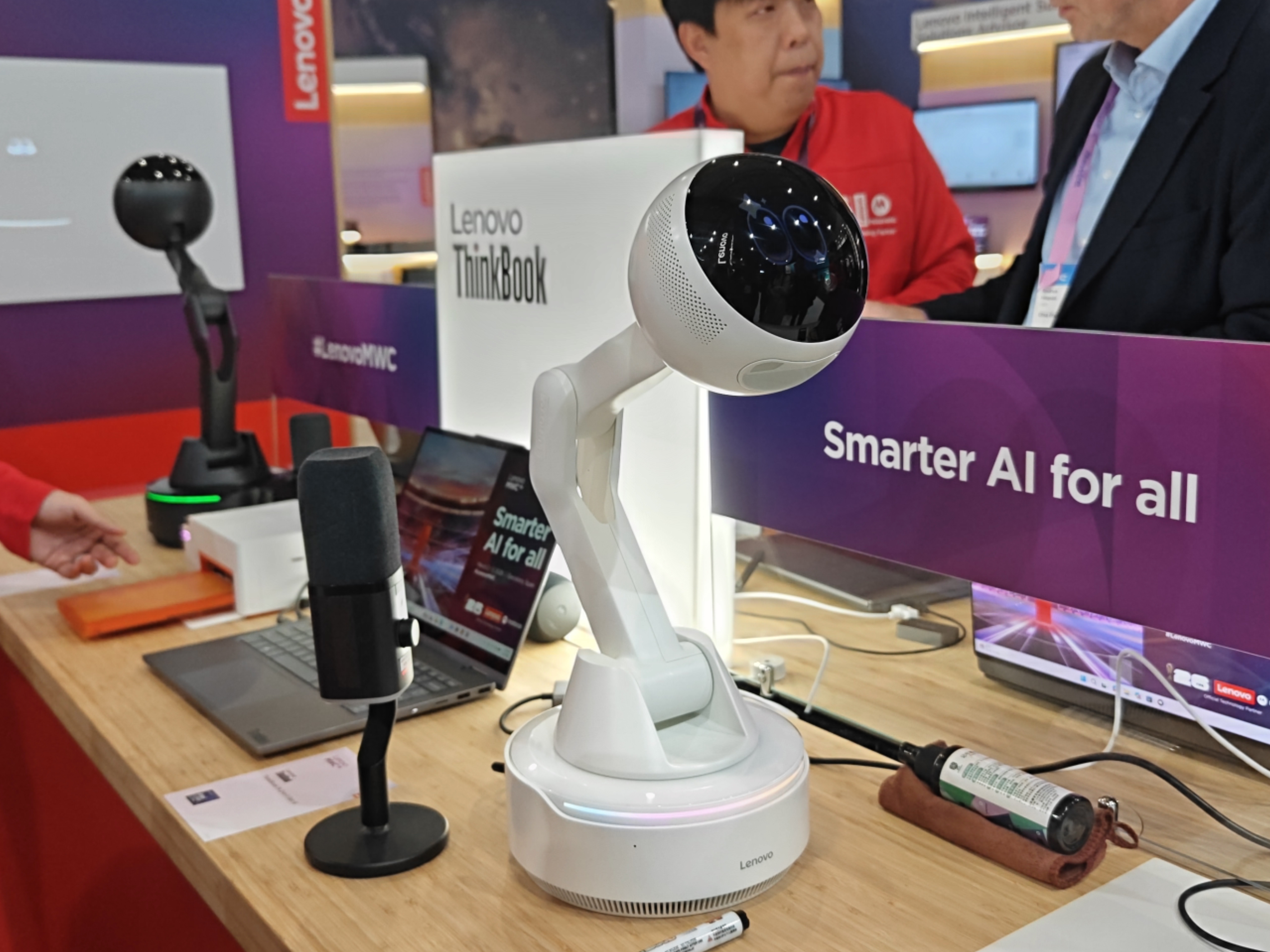
Apart from that, there were also Agent desktop devices like the AI WorkMate, which comes with a built-in camera, voice interaction features, and a projector. Its design has clearly moved far beyond traditional PCs, edging into the territory of desktop robots.
(Image source: Leitech)
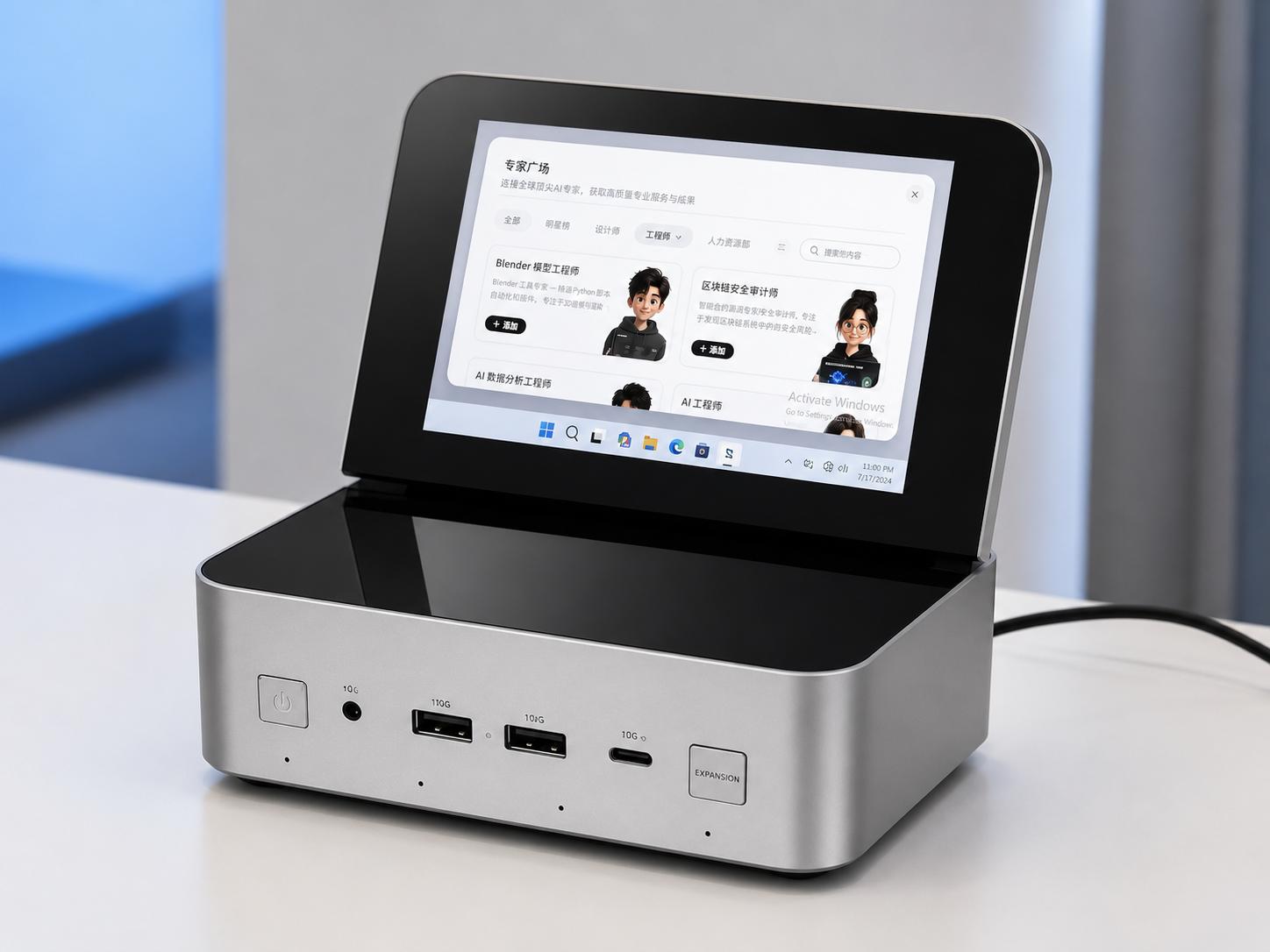
As for SenseTime and Coretronics, they also showcased a device called the "Shrimp Box" at this WAIC event.
(Image source: Leitech)
It's easy to see that from hardware manufacturers and chip makers to AI model developers, many companies are now prioritizing integrated software-hardware solutions, all working toward the Agent Computer vision to achieve deep synergy between hardware and intelligent agents.
Do humans and Agents really need separate dedicated devices?
Reading this far, some people are bound to ask: is it really necessary to buy a separate computer exclusively for an Agent?
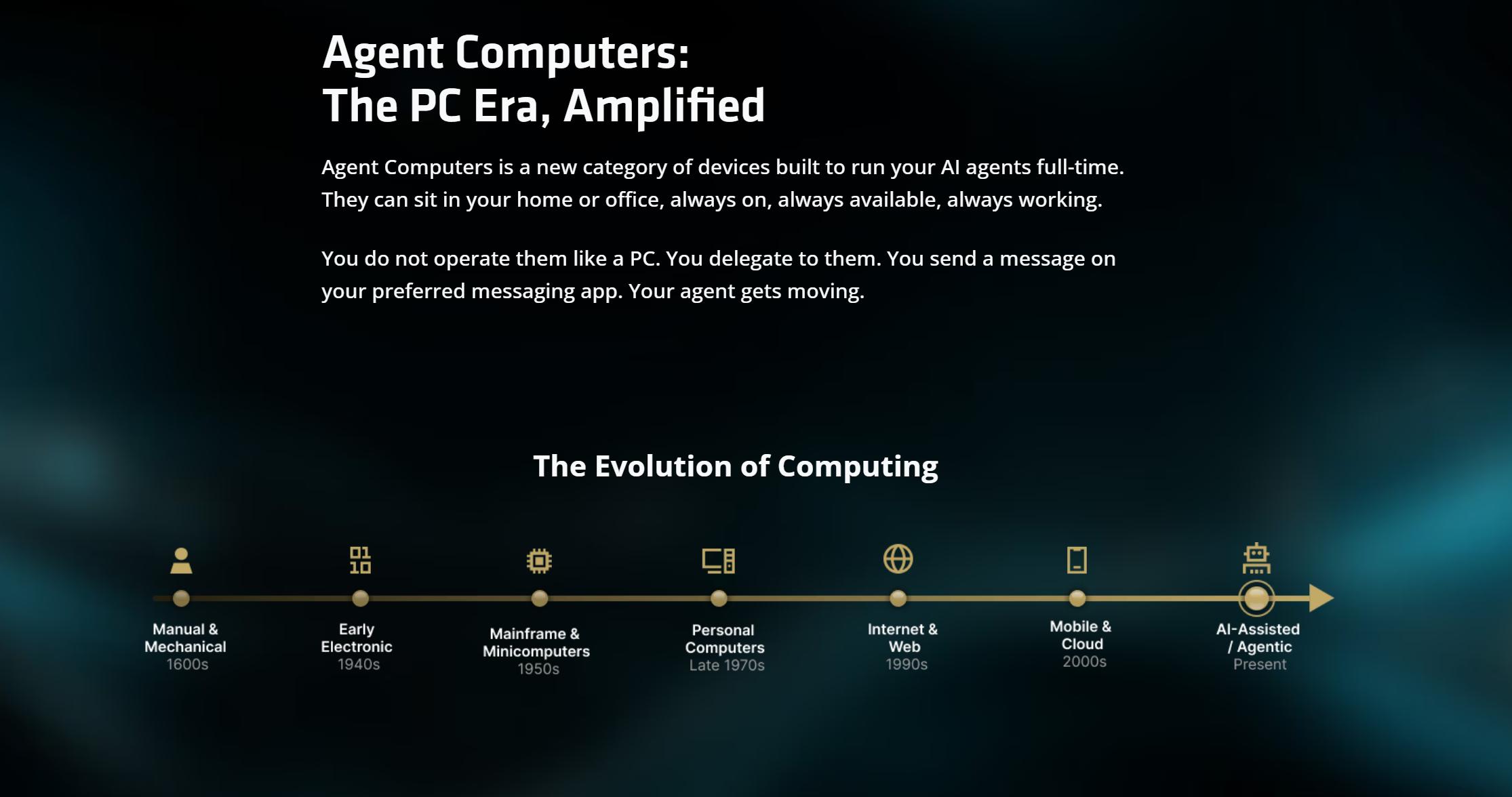
Well... AMD clearly thinks it's necessary, and even goes a step further, arguing that humans and Agents shouldn't have to share the same PC all the time.
(Image source: AMD)
The reasoning is simple: a human's PC usage is intermittent. You write documents, edit images, play games, and then shut it down when you're done. But the ideal operating state for an Agent is closer to that of a server — it needs to constantly wait for new tasks, work on multiple projects in parallel, retry after failures, and even keep running while you're asleep.
This is especially true for applications like Codex, which are built for multi-Agent parallel processing and long-running tasks. If you shut down the PC it's running on, how is it supposed to keep working?
As for performance issues... personally, I don't think they're that big of a problem.
To give you an idea of my current setup: the PC I use every day is equipped with an i5-13600KF CPU, RTX 4070 Ti GPU, 10TB of total SSD storage, and 64GB of RAM. This configuration can't run extremely large local models, but when I run Codex on it, I've never experienced noticeable lag, resource overload crashes, or situations where the Agent somehow takes control of my mouse.
You have to remember that a lot of Agent computation actually happens in the cloud — the local device mostly handles reading files, calling tools, and displaying results. Plus, I rarely run large batch operations or scheduled tasks, so I'm nowhere near the point where I need to buy a separate dedicated PC just for my Agent.
But that smooth experience is largely thanks to my high-end specs covering for the flaws. In reality, there's no shortage of feedback online complaining about Agents hogging system resources, failing to release occupied memory, and crashing mid-long tasks.

(Image source: Reddit)
Many college students today use thin and light laptops that usually start with just 16GB of base memory. If they have browser tabs, WeChat, documents, and video editing software all open at the same time, then let several Agents run tasks in parallel — the experience will be nothing short of miserable.
Humans get frustrated when Agents eat up all their memory, and Agents get frustrated when humans shut down the PC — it's a mutually annoying situation.
That said, compared to minor performance hits and clashes with regular usage habits, access permissions are probably the real, far more important reason humans and Agents should use separate devices.
For an Agent to do work on your behalf, it needs access to your files, email, browser, code repositories, and even your company's internal systems. But the more capable the Agent gets, the more damage it can cause when something goes wrong. We've seen more than enough horror stories on X from veteran programmers who accidentally triggered database-wiping level disasters with AI tools.
That's why AMD recommends putting highly autonomous Agents on independent dedicated devices, instead of handing over all your main accounts, personal information, and company confidential data to them right off the bat — you don't want them to accidentally gamble away your entire digital life.
So will ACs completely replace regular PCs?
I believe ACs will continue to exist as a distinct category in the future, and they'll be extremely useful for specific groups of users.
For example, developers, researchers, and content teams already have tons of tasks that need to run for hours on end. Having Agents live on a dedicated independent device, processing materials, running code, and organizing databases — without stopping the second an employee closes their laptop lid — makes perfect logical sense.
This category is a bit like NAS (Network-Attached Storage): it might seem pointless to many people at first, but once you start using it to build a personal media library, back up footage, and manage your photo collection, you'll never want to go back.

(Image source: Leitech)
But if you're saying ACs will completely replace regular PCs? That's just total nonsense in my opinion.
For the average user, using AI to summarize documents, touch up an image, or look up information is already perfectly doable on existing PCs with cloud-based large models. In fact, most people's needs are more than satisfied with consumer-facing AI chatbots. Expecting everyone to abandon their current familiar interaction methods and switch entirely to command-based AI interactions is nothing short of wishful thinking.
Plus, considering the current market environment where component prices are skyrocketing, expecting regular consumers to shell out extra cash for a high-performance mini PC exclusively for their Agent is pretty unrealistic.
Maybe one day, when those currently overpriced storage and memory components become affordable again, we'll finally be able to buy new computers without breaking the bank. At that point, the ideal scenario will be a world where PCs and ACs coexist: humans don't have to share a screen with their Agents, and Agents no longer get forced to clock out the second their human user shuts down their PC.
This article is from Leitech, authorized for re-publication by 36Kr.