After BW2026 concludes, what is left for Bilibili?
By LIU Shiwu
On the opening day of Bilibili World 2026, my colleague Guopu and I walked through the exhibition hall from the National Exhibition and Convention Center. After a full tour, we found that this year's BW was truly distinct from previous editions.
We stopped at the "BW First Look" booth in Hall 4, right after Guopu had explored the main stage and returned to the demo area. He asked, "Do you think Bilibili Games is quietly evolving this year?" We didn't finish our conversation that day, but the question lingered in my mind for a whole week.
A week later, looking back, the most vivid impression BW2026 left on us was not that Bilibili was "rebetting on games," but that the platform had truly begun to blossom across multiple fronts in the gaming sector. It wasn't a single explosive hit from one major title, but a collection of projects advancing simultaneously, a deliberate path to support indie games, and a gesture of feeding the platform's ecosystem back into game content.
BW, Packed with Game Developers
This year's BW carried a stronger international flair.
The overseas development teams behind *Assassin's Creed: Black Flag Memory Remastered* and *Kingdom Come: Deliverance 2* made in-person appearances at the event, creating some of the most memorable moments of the show. This internationalization didn't happen because BW suddenly became upscale; rather, the active engagement of Chinese players in overseas games over the past two years motivated exhibitors to bring their international teams to the event.
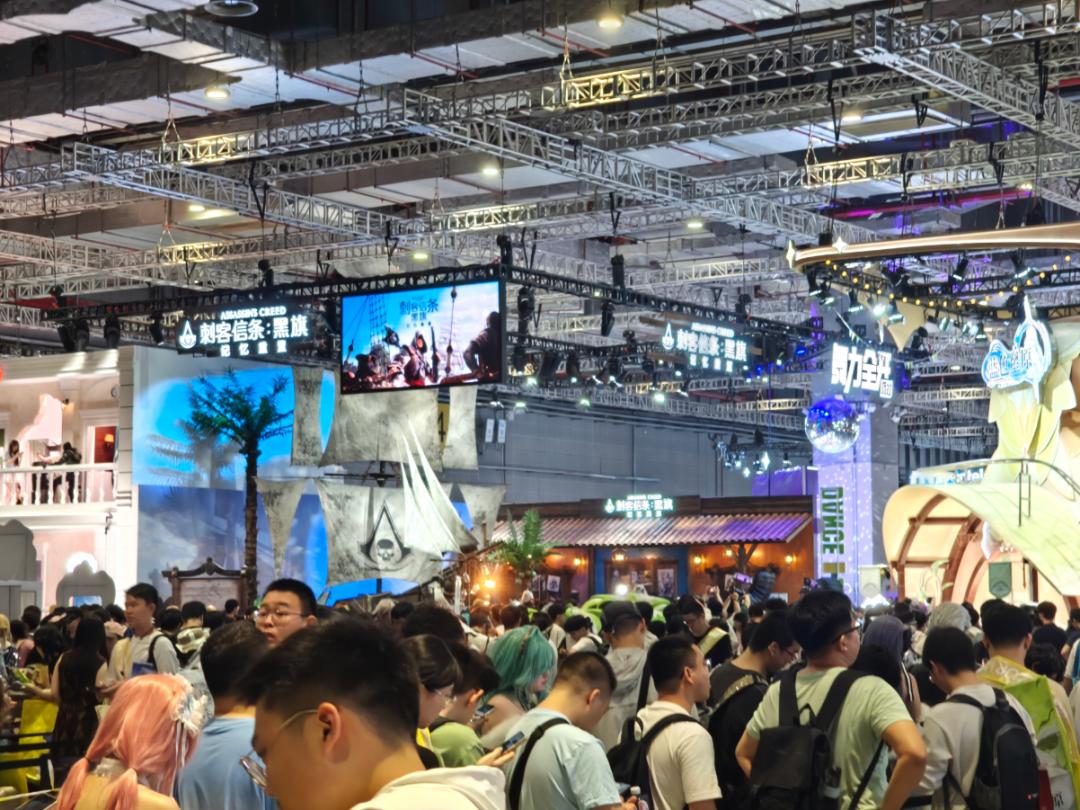
The BW venue was crowded with visitors
The shooter genre was another densely packed highlight at this year's BW. Ubisoft's *Rainbow Six: Siege Operations* and *Assassin's Creed: Black Flag Memory Remastered* were positioned adjacent to each other, while Tencent's *Delta Action* continued to occupy the central spotlight as the representative of the "search-and-strike-and-exit" game track. The cumulative revenue and player engagement of *Delta Action* in the first half of this year have already proven the domestic player base for this genre, making it unsurprising that such a large-scale category could occupy an entire dedicated booth area at BW.
The anime-style and simulation genres still took up a large portion of BW's exhibition space this year. Manjuu's *Azure Star* continued its route of "mid-sized studio, high-quality output," with the booth's distinctive design and long demo queues showing that players have embraced this "small but polished" product positioning. Tencent's *Lili's Tiny Kingdom* took a different direction, focusing on the integration of casual simulation and UGC, emphasizing the combination of "low-threshold nurturing + social sharing." Compared to the hardcore quality path of *Azure Star*, *Lili's Tiny Kingdom* feels more like Tencent has embedded its native social capabilities directly into the simulation game.
In addition, *Fan Ying* also had a standout performance at BW.
Developed by YHKT (Tencent Holdings), it was one of the titles at this year's BW that received dedicated attention and reviews from multiple foreign media outlets. This is the core project marking the studio's first foray into the gaming space, after gaining recognition for domestic animation works such as *Ling Long*. The game is a long-form narrative fantasy ARPG, developed synchronously for PC, console, and mobile platforms, with a large-scale beta test scheduled for the second half of 2026.
*Fan Ying* opened its hands-on demo at the BW site, and the Chinese division of Automaton gave it high praise in its preview report: "The camera movement, angle selection, lighting, and vocal-accompanied music during the critical moments of the boss battle all reach the standards of a high-budget AAA game, with a presentation quality that can even rival film production."
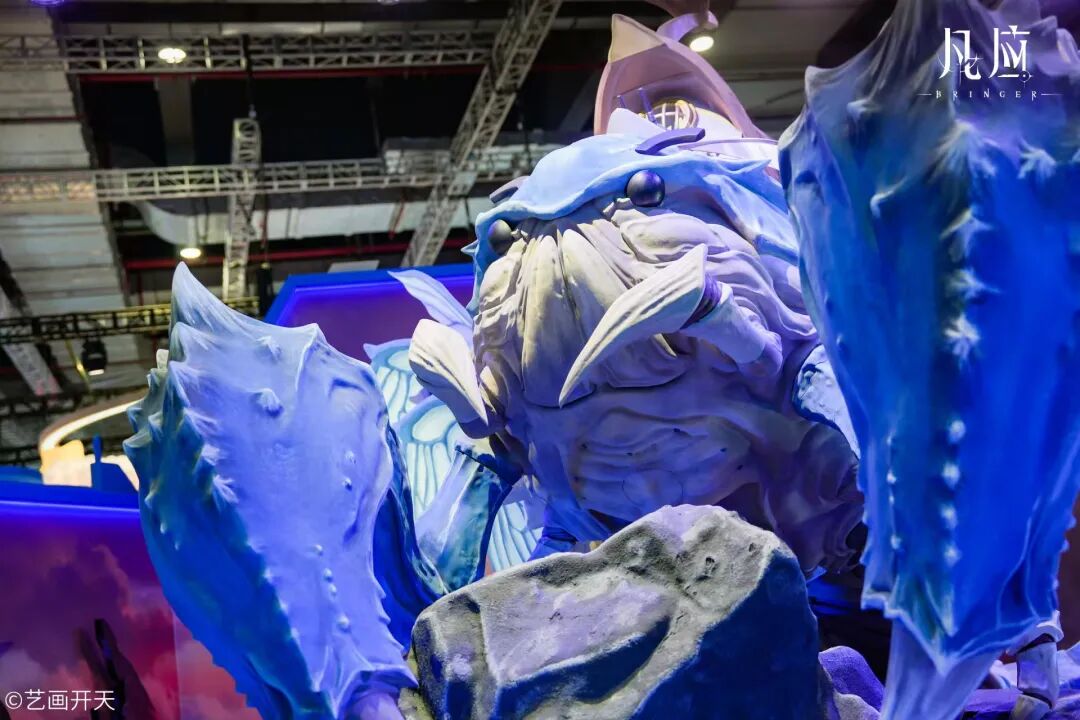
*Fan Ying*
In terms of combat mechanics, *Fan Ying* adopts the conventional framework of character switching, dodging, skills, and ultimate moves common in domestic anime-style games. Of course, YHKT's core expertise has always been in animation, so the biggest differentiator of *Fan Ying* is the novel experience brought by the integration of animation and combat.
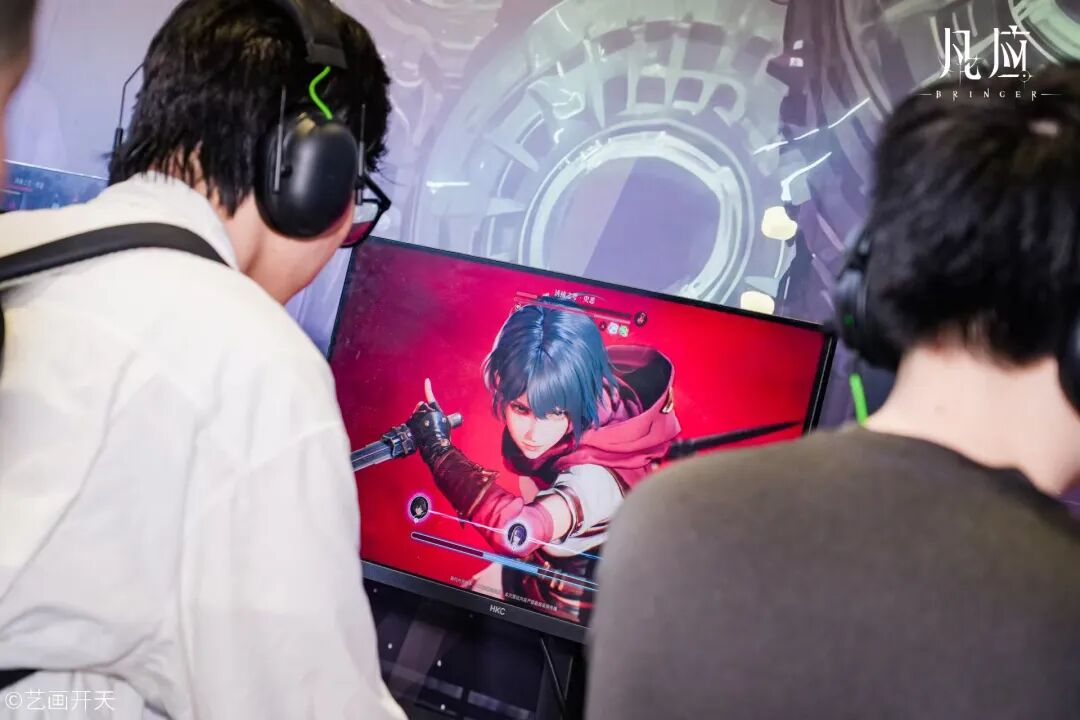
*Fan Ying*
Furthermore, the Vsinger booth is also worth mentioning. As Bilibili's own virtual idol IP, their presence at BW is not unexpected, but this year's booth location and product collaboration methods are more prominent than ever, serving as the most intuitive signal of Bilibili's "using BW to drive cross-linkage of the platform's IP ecosystem."
Of course, beyond anime-style games, the presence of other genres has also increased at this year's BW. The cooperative gameplay booth for *Palworld* adopted a relaxed motion-sensing direction, FunPlus's *Imo* presented a lightweight demonstration of open-world pet-catching gameplay, and Le Elements' *Silver City* continued to deepen the content of the anime-style urban genre.
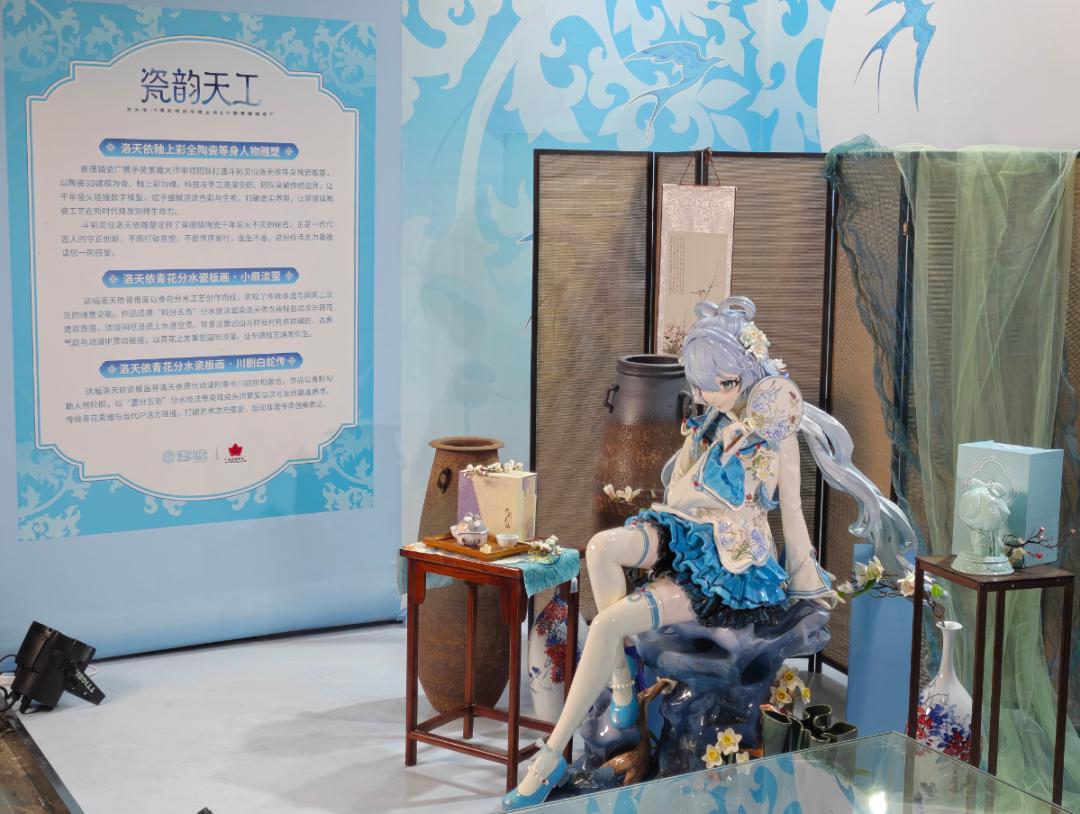
Overglaze porcelain life-sized character sculpture at the Luo Tianyi booth
The most notable highlight of Bilibili's gaming business at this year's BW is not any of its in-house products, but its supportive stance toward indie games.
More than 80 indie games with playable demos were available at this year's BW, a record high across all previous editions, with a significant portion coming from the publishing chain supported by Bilibili. The most representative is the "BW First Look" zone in Hall 4, where Bilibili has officially upgraded its indie game support from scattered, random collaborations across individual projects in the past to a dedicated column brand with continuous investment.
On the publisher side, 2P Games' exhibition area this year covers different categories including indie games, overseas publishing, and anime-style titles. *Creation of Immortals* is one of the more accessible titles for Chinese-speaking players, integrating story choices, skill building, and map exploration into a unified system; *Sultan's Game* offered players the experience of on-site demos plus merchandise sales. In addition, other works such as *Cohen 1939*, *Little Miss of the Fairy Village*, *Records of the Tomb Monsters*, *Cats and Dogs Travel Together*, *Three Points for Safety*, and *Meow Meow Workshop* — all titles with more life-oriented, lightweight themes — were also on display.
For indie games, the value of large-scale exhibitions like BW is often more than just exposure: it allows target players to sit down, play for a while, and experience the game's systems, narrative, artistic style, and gameplay rhythm.
Bilibili's stance on supporting indie games this year feels more like a natural extension of a content platform venturing into gaming. The platform already has a large number of indie game creators and an active indie game discussion community, so Bilibili's move into publishing, support programs, and dedicated columns is a logical progression. This path of "content platform doing publishing" is difficult for other major tech companies to replicate.
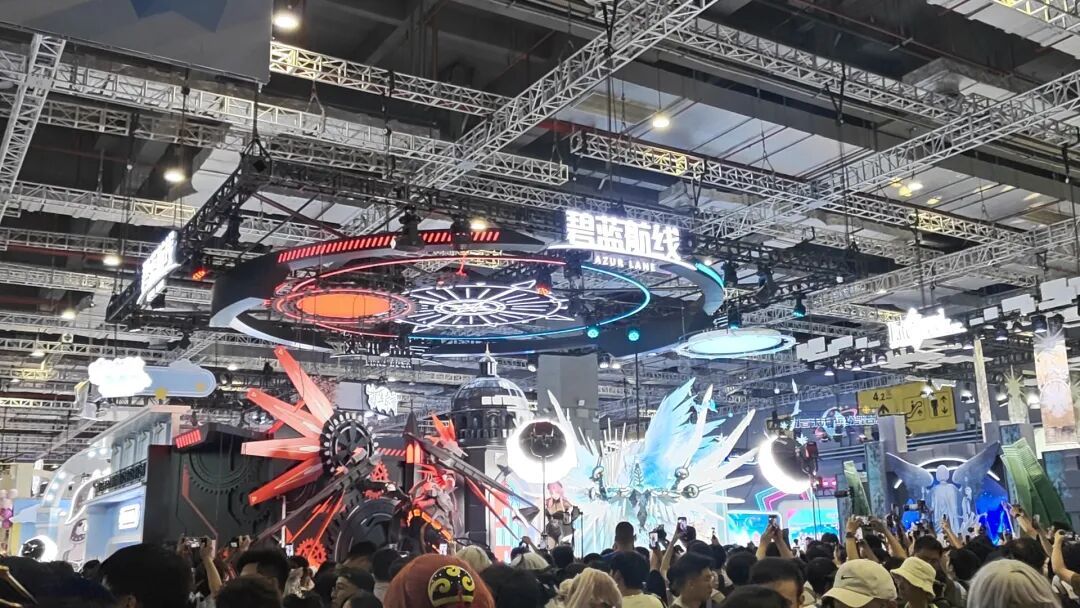
Photo by 36Kr Games
Indie Games and New Teams
At the same time, Bilibili itself has two landmark titles worth discussing separately. They represent two distinct product logics: one is a small team creating a breakout indie hit, and the other is a long-term premium title built around the platform's IP.
*Escape from Duckov* is the best example of a "small-team breakout hit" at this year's BW. Published by Bilibili and developed by Team Soda, the entire team has only 5 members. Launched on October 16, 2025, the game immediately topped the Steam China regional sales chart and ranked second on the global sales chart. Six days after launch, sales exceeded 520,000 copies, with revenue surpassing 6.1 million USD. Half a year later, the game's total global sales have exceeded 3 million copies, with a 96% positive rating on Steam (Overwhelmingly Positive), and the peak concurrent players on the Steam platform alone have surpassed 300,000 — a number that has refreshed the PCU historical record for domestic single-player indie games on PC.
At the BW2026 venue, *Escape from Duckov* has been updated with "Summer Special Content," adding a tropical island-themed challenge map, where the NPC "Coal Ball" that players first met in the ice-themed challenge can be rehired for new adventures.
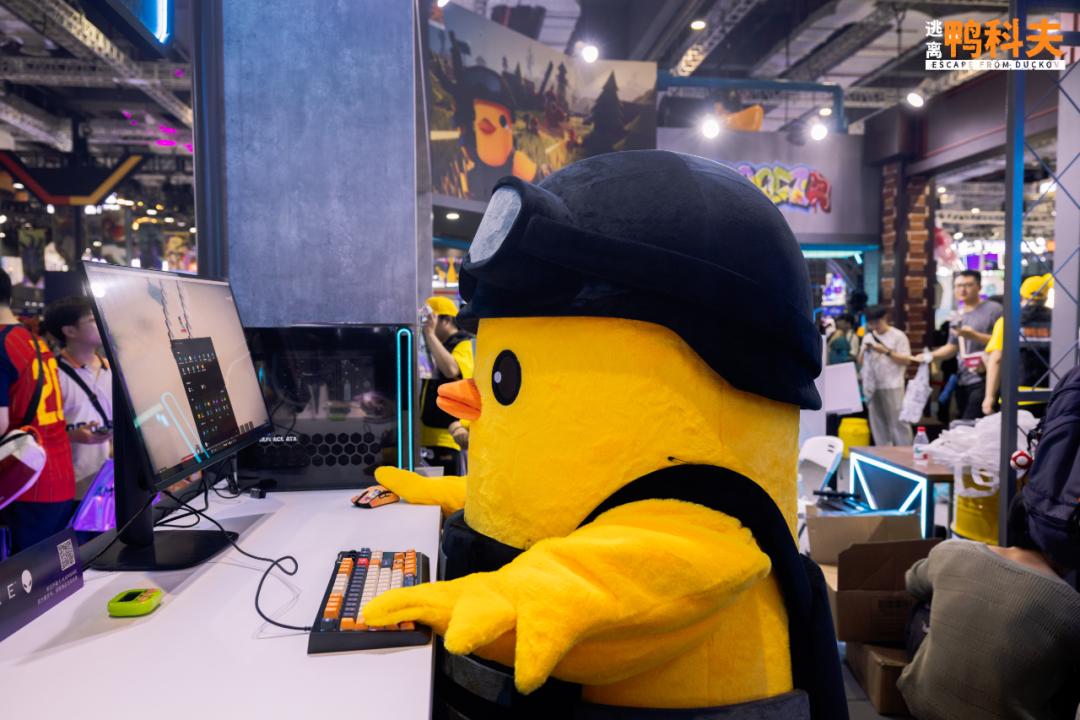
*Escape from Duckov*
This 5-person team generated total revenue of over 170 million RMB with a game priced at 58 RMB per copy, a figure that is not insignificant even in the annual financial reports of many listed companies. For this publishing project, Bilibili did not rely on huge advertising budgets, celebrity endorsements, or large-scale discounts; instead, it leaned into creativity, community, and word of mouth from players. This is precisely the most notable shift in Bilibili's gaming business stance over the past two years.
*Three Kingdoms: The Blazing Phoenix* is a representative self-developed and self-published title from Bilibili, adapted from the Hong Kong cartoonist CHAN's manhua *The Ravages of Time*. Serialized since 2001 for 25 years and published in over 80 volumes, this manhua is the longest-running Three Kingdoms-themed comic in the world. Its first and second seasons of animation were co-produced by Bilibili and CMGE, produced by Lingxi Culture, directed by FU Haiqing, and developed using the UE5 engine. After its 2023 premiere, it accumulated over 200 million views on Bilibili and received an 8.7 rating on Douban. The game is self-developed and self-published by Bilibili, with the animation also streaming on Bilibili. This ecosystem where "the IP grows on the platform itself and the game is developed by the in-house team" represents a combination of resources that is difficult for other developers to replicate.
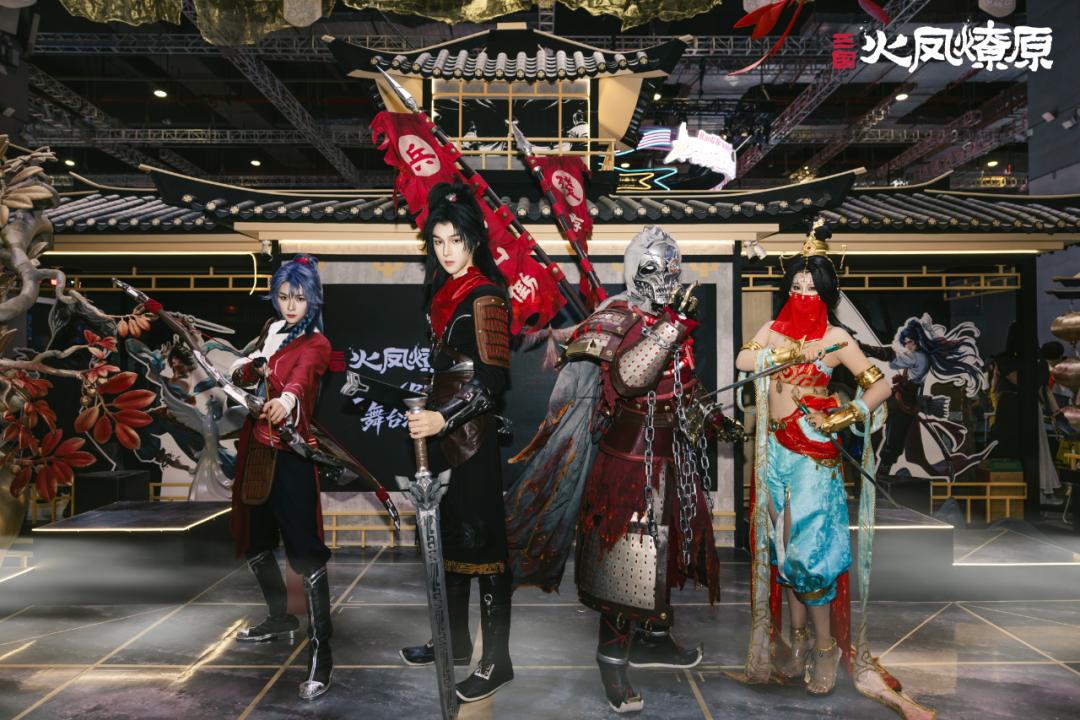
*Three Kingdoms: The Blazing Phoenix*
This time, *Three Kingdoms: The Blazing Phoenix* launched its first offline global hands-on demo, and the first closed beta test (CBT1) officially kicked off on July 30.
The game adopts the dual-protagonist perspective of Sima Yi and Liaoyuan Huo, recreating the dark Three Kingdoms worldview of the original work with warring factions and resourceful strategists. Its art style follows the route of "dark Chinese style + comic-style storyboards," with ultimate moves, UI elements, and health bars all outlined with thick lines, dot-matrix textures, and onomatopoeic effects to create an "immersive battlefield on paper." The core gameplay differentiator is the "strategist's tactics system." Strategists including Sima Yi, Zhou Yu, Jia Xu, and Xu Lin all have unique "tactical" traits that subvert the traditional numerical combat of tactical RPGs, turning "outsmarting the opponent" into a fully playable mechanic.
Overall, compared to last year, Bilibili Games didn't make any particularly grand moves at this year's BW, but every aspect is steadily moving forward. The fact that they are advancing toward the gaming sector across multiple directions is itself the most distinctive and memorable feature of Bilibili's gaming business over the past year.
As for the question Guopu asked at the "BW First Look" booth in Hall 4 — "Do you think Bilibili Games is quietly evolving this year?" — looking back a week later, the answer might be: The changes are not silent, they are blossoming across multiple fronts. It's just that none of these blooms are overly ostentatious, making them easy to be overlooked by visitors who are just passing through.
This article was first published on "36Kr Games".