Frequent Breakdowns Under High Temperature, XPENG X9's Air Suspension Crisis Exposes Quality Control Challenges Amid Low-Price Expansion
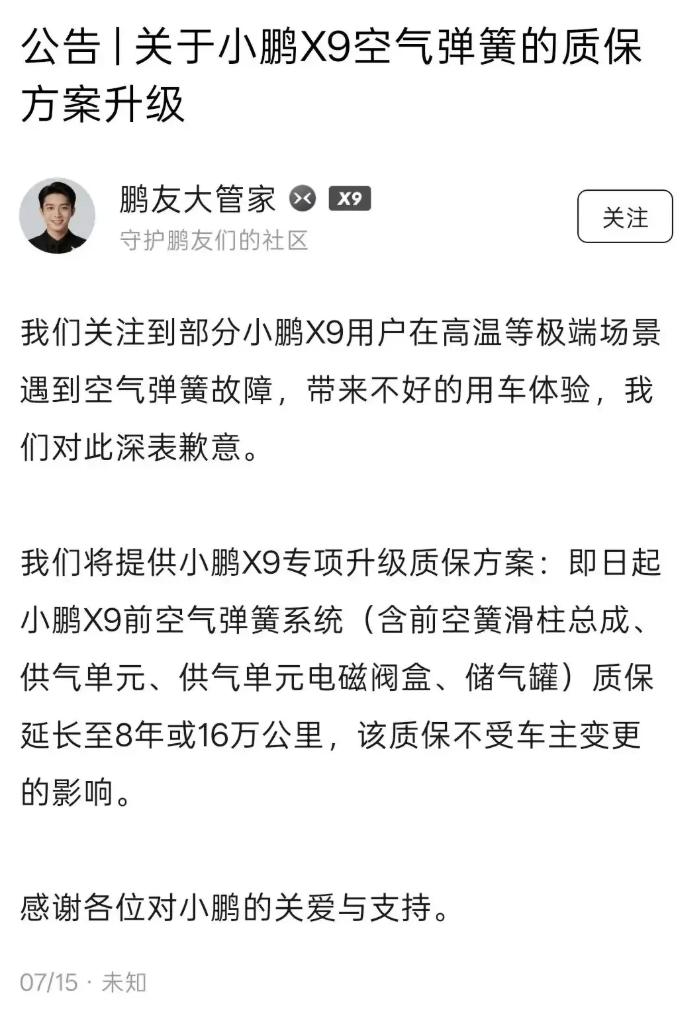
On July 15th, XPeng officially released an apology announcement on its community and announced a specially upgraded warranty policy: the front air spring system of the XPeng X9 will have its warranty extended to 8 years or 160,000 kilometers, and the warranty follows the vehicle rather than the owner. The reason that prompted XPeng to issue this apology was the mass breakdown of its vehicles in Chongqing during the high-temperature period in July.
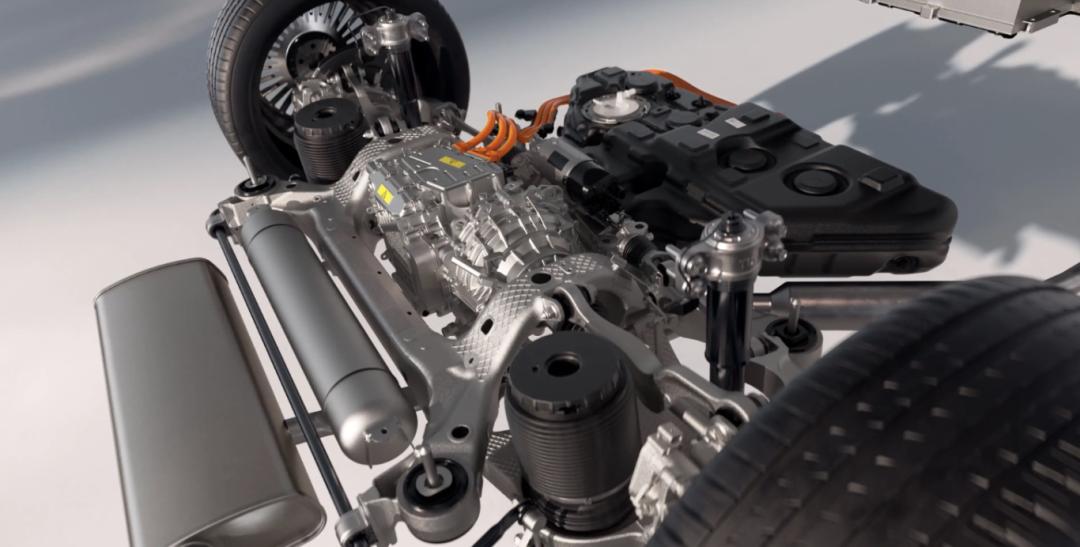
One XPeng X9 owner in Chongqing recently went through a terrifying experience: while the vehicle was driving normally, the air suspension suddenly triggered an alert, one side of the vehicle body collapsed completely, and the car became immobile and stalled on the road. However, this was not an isolated case — numerous owners reported the exact same type of fault in a concentrated manner during the hot summer season.
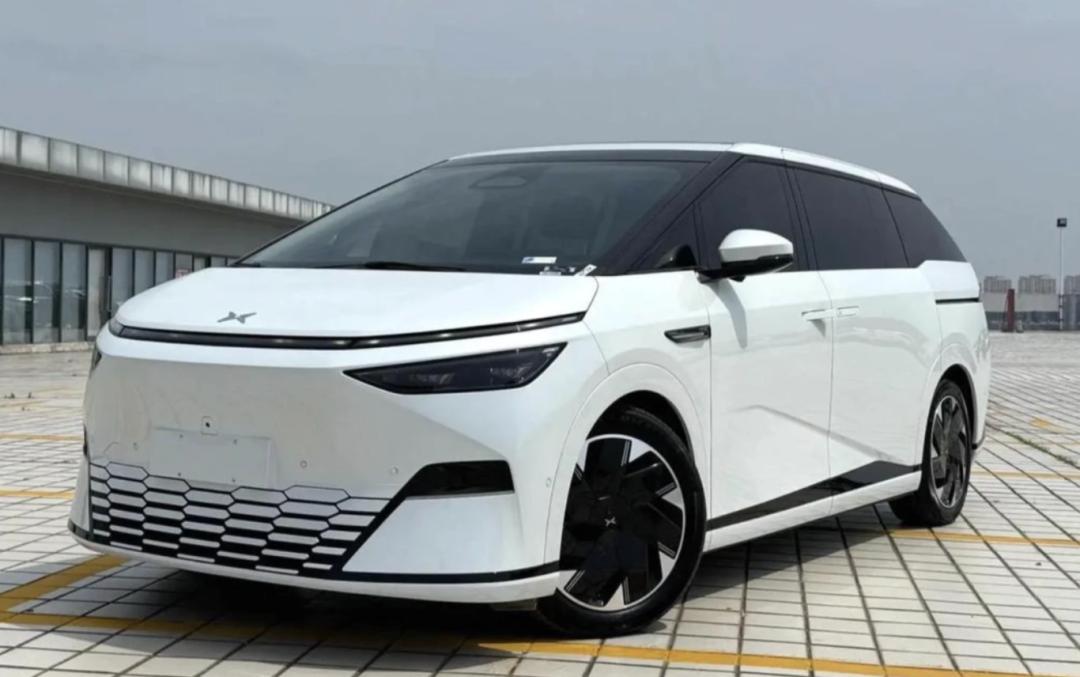
As the highest-priced flagship MPV under XPeng Motors, the XPeng X9's breakdown incidents not only exposed the vulnerability of the air suspension system under extreme operating conditions, but also brought XPeng's long-standing hidden quality control concerns, supply chain cost reduction controversies, and structural risks caused by its low-price strategy fully into public view.
When an automaker that positions itself around "intelligent driving technology" cannot even guarantee the most basic driving reliability, the market has every reason to ask: where exactly does the root of the problem lie?
XPeng X9 Repeated Breakdowns: The Air Suspension Failure Wave That Erupted Concentratedly in the High-Temperature Season
Since July 2026, multiple XPeng X9 owners in Chongqing have reported nearly identical fault scenarios: after parking their vehicles in underground garages for several hours during the daytime, shortly after driving onto the road in the afternoon, the air suspension suddenly alerts, a continuous hissing air leak sound comes from the chassis, the vehicle body sinks rapidly, and one side or the entire vehicle collapses directly. One owner from Yubei District stated that with an outdoor temperature of 39℃, after parking in the underground garage for 5 hours, the rear of the vehicle suddenly collapsed only 10 minutes after he drove onto the expressway, adding that "the body tilted noticeably to one side, so I quickly pulled over and called a tow truck". In one car owner group, a large number of owners shared almost identical fault experiences.
After the incident gained widespread attention, the initial explanation provided by XPeng's customer service was thought-provoking: in hot weather, the air suspension adjusts frequently, which may cause the compressor to enter a thermal protection state, and it is recommended to park the vehicle and wait for it to cool down. However, the crux of the problem is that the XPeng X9's air suspension is equipped with AI intelligent adjustment functions, which automatically adjust the height while driving, and are not entirely controlled by the driver. In other words, the customer service's response led many owners and market observers to believe that the AI-equipped chassis on the XPeng X9 continuously and actively adjusts the suspension, increasing the compressor's operating frequency and exacerbating the risk of overheating under high-temperature conditions.
By attributing the cause to "AI control and frequent activity", the customer service seemingly explained the technical principle, but in reality shifted the blame to the system logic, instead of facing up to the potential defects that may exist at the hardware level. The official has never clearly specified the exact trigger temperature for thermal protection, nor how many similar feedback reports they have received.
Under public pressure, on July 15th, XPeng officially released an announcement to apologize, and announced a specially upgraded warranty policy: the front air spring system of the XPeng X9 will have its warranty extended to 8 years or 160,000 kilometers, with the warranty following the vehicle rather than the owner. After this policy was introduced, many car owners gave positive feedback, as the 8-year/160,000-kilometer warranty term is indeed a sincere gesture, reflecting XPeng's attitude of appeasing its existing owners.
However, a calm analysis reveals that this delayed measure still has deep-seated risks. The extended warranty only solves the problem of "being able to get free repairs when faults occur", rather than "completely preventing faults from happening in the first place". When a flagship MPV priced close to 400,000 yuan suddenly collapses while driving normally, the owner faces life safety risks caused by the sudden loss of vehicle balance at high speeds.
When mass failures have already occurred, why doesn't XPeng proactively recall the potentially problematic vehicles, but instead uses an extended warranty as a "safety net"? The essence of this handling approach is to use after-sales commitments to offset quality control risks, and replace fundamental solutions with "free repairs".
What is even more worth questioning is that XPeng's warranty policy explicitly targets the "front air spring system". Does the rear air spring system have the same problem? If the logic that high temperatures cause compressor overheating applies equally to the front and rear air suspensions, does only extending the front air suspension warranty imply that the rear air suspension is not covered by the fault scope? The announcement says nothing about this point.
In fact, this is not the first time the XPeng X9 has drawn public attention due to air suspension issues. According to feedback from online users, in the summer of 2025, multiple owners in a Guangzhou car owner group reported air suspension breakdowns or abnormal noises. But a year later, the same faults erupted in a concentrated manner again during the same high-temperature season. The fact that the problem from a year ago was not prevented from recurring a year later itself shows that the issue is far from being resolved.
Air Suspension Technical Routes and the Test of Extreme Operating Conditions
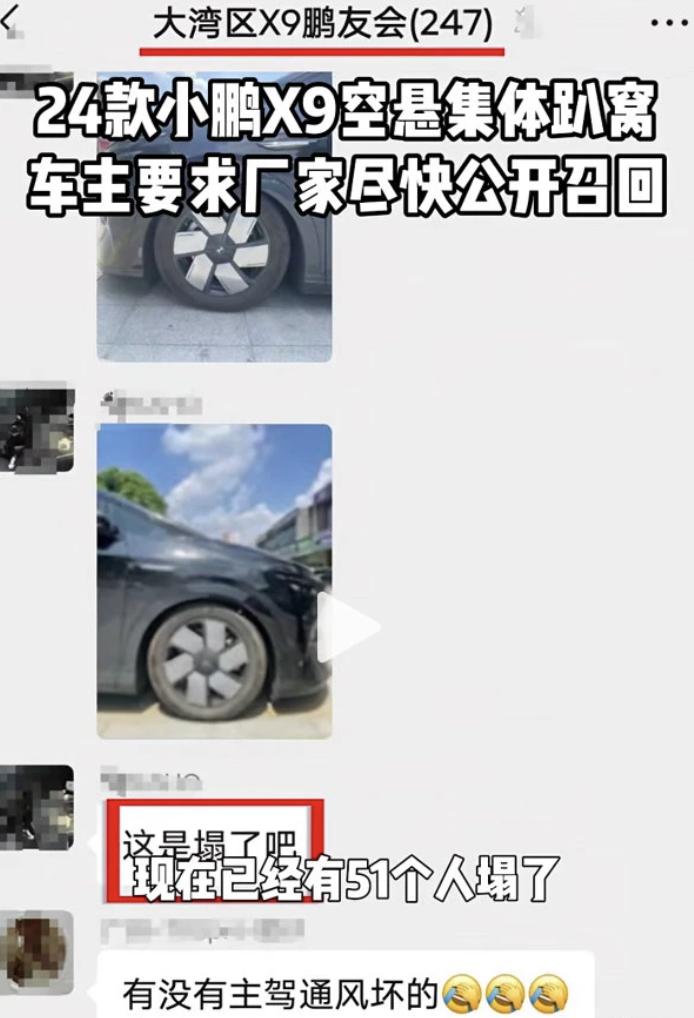
To understand the underlying reason why the XPeng X9's air suspension breaks down in high temperatures, we need to start with the technical principles of air suspension. According to the degree of air exchange between the system and the outside atmosphere, air suspensions can be divided into two categories: open systems and closed systems. The XPeng X9 adopts the open air supply system, which is the most widely used type in the Chinese domestic market.
The air circuit of the open air supply system is connected to the outside environment, and the air pump needs to compress the outside air to a high pressure of about 16 to 18 bar in a short time and store it in the air reservoir. When it is necessary to lift the vehicle body, the high-pressure gas from the air reservoir is pumped into the air spring; when it is necessary to lower the vehicle body, the high-pressure gas inside the air spring is directly discharged into the atmosphere. The heat generated in this process mainly comes from the air pump — every time air is drawn from the outside and compressed to high pressure, a large amount of heat is produced.
In a high-temperature environment, the outside air itself is already at a high temperature. When the temperature rise caused by compression overlaps with the ambient temperature, the operating temperature of the compressor rises sharply. Once the temperature exceeds the thermal protection threshold, the compressor is forced to shut down, the air spring cannot be inflated to maintain its height, and the vehicle body will sink or even collapse under the effect of gravity.
The XPeng X9's AI chassis function further aggravates this contradiction — relying on the road preview system to actively adjust the suspension while driving, the compressor starts and stops far more frequently than in traditional air suspension vehicles, leaving almost no heat dissipation gap under high temperatures. From this perspective, the XPeng X9's high-temperature breakdown is not an accident, but an unexpected situation arising from the combination of the open air supply system and high-frequency intelligent adjustment under extreme operating conditions.
In comparison, multiple vehicle models such as the NIO ES8 adopt closed air supply systems. The air circuit of a closed system is essentially sealed, with air circulating between the air spring and the air reservoir driven by the compressor, and outside air is only replenished when the pressure drops below the threshold. Since there is no need to draw in and compress outside air to high pressure for every adjustment, the operating load of the compressor in the closed system is significantly reduced, and the heat generation is also lowered accordingly.
At the supplier level, the XPeng X9 is factory-equipped with a dual-chamber CDC air suspension, which is positioned for balanced performance that takes into account both comfort and handling. BOLIAN Technology is the core supporting manufacturer for the XPeng X9's air springs; Vibracoustic, as an overseas air suspension supplier, mainly supplies components for the XPeng G9.
Between Expansion and Cost Reduction: Quality Control Challenges Brought by the Low-Price Track
The XPeng X9's air suspension breakdown is not an isolated incident of product quality issues from XPeng. In September 2025, the State Administration for Market Regulation issued an announcement that XPeng would recall a total of 47,490 units of certain P7+ vehicles, due to poor contact in the steering assist motor sensor wiring harness. However, before the official recall, XPeng's after-sales department secretly applied composite industrial glue to the steering gear connector during vehicle maintenance, which was playfully referred to by owners as the "Glue Friend" incident; after the glue was applied, some vehicles still experienced the same fault.
Additionally, a Zhengzhou-based XPeng G6 owner reported a dangerous fault in the powertrain; on car complaint platforms such as Chezhiwang and Heima Complaint, G6 and G7 owners have long been reporting various issues related to radar performance, paint finish, and other aspects. The successive emergence of quality problems across multiple vehicle models has exposed deep-seated hidden dangers in XPeng's quality control system.
It is thought-provoking that XPeng's R&D investment is not low. From 2021 to 2025, XPeng's R&D expenditures reached as high as 4.114 billion yuan, 5.215 billion yuan, 5.277 billion yuan, 6.457 billion yuan, and 9.49 billion yuan respectively, placing its R&D investment scale at the upper echelon of the industry. According to data from Tianyancha, as of the date of writing, Guangzhou XPeng Automotive Technology Co., Ltd. has accumulated 1,568 published invention patent applications, of which 650 have expired or been abandoned, and 918 are under review; there are 1,471 granted invention patents, with 1,461 of them remaining valid.
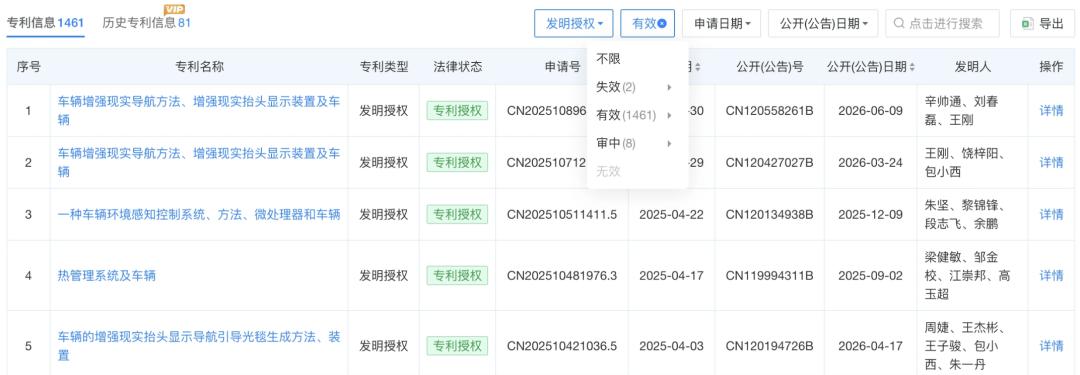
Against the backdrop that a large amount of capital is being invested in cutting-edge sectors such as autonomous driving, the market is also discussing whether basic chassis engineering and vehicle-level quality control have received sufficient R&D resource allocation.
In stark contrast to its high R&D investment, the average selling price per vehicle of XPeng has continued to decline. The brand's sales volume is highly dependent on the MONA M03, which has a starting price of only 119,800 yuan; this model accounted for over 40% of XPeng's total sales in 2025, dragging XPeng into the low-margin, fiercely competitive low-price market.
Lower selling prices inevitably lead to necessary cost compression. In January 2023, former Great Wall executive Wang Fengying joined XPeng as President. Multiple media reports stated that Wang Fengying promoted anti-corruption efforts in procurement, restructured the supplier system, and pushed for localized substitution of more than 100 core components in one go.
The key point is: when cost reduction measures target core safety components, are the quality control verification processes being updated and kept in pace? The market subsequently raised questions: during the large-scale localization of components for cost reduction, whether the high-temperature resistance indicators of components and the durability test standards under extreme operating conditions have been maintained at their original levels. XPeng's financial performance was once impressive — in the fourth quarter of 2025, XPeng achieved its first single-quarter profit of 380 million yuan, but this reversed to a loss of 1.78 billion yuan in the first quarter of 2026. There is nothing wrong with saving costs, but if cost cuts are made in areas that are not easily noticeable, consumers will ultimately be the ones who pay the price.
The XPeng X9's "breakdown" incident, on the surface, is an air suspension fault in a high-temperature environment, but at a deeper level, it reflects the imbalance of an automaker between scale expansion and the bottom line of quality control. The market is continuously discussing a risk: under the background of continuous price cuts and large-scale cost compression, how automakers can maintain the bottom line of vehicle manufacturing and component quality control.
This article is from the WeChat public account "DeepDive Atom", written by Meng Fanliao, and authorized for release by 36Kr.