After fining Apple, India fines HP—India is taking tough measures against US companies, with Indian experts stating: We would rather buy Chinese goods than trust the United States.
After penalizing Apple, India has now targeted HP — is the country increasingly taking aggressive actions against US corporations and defying conventional norms?
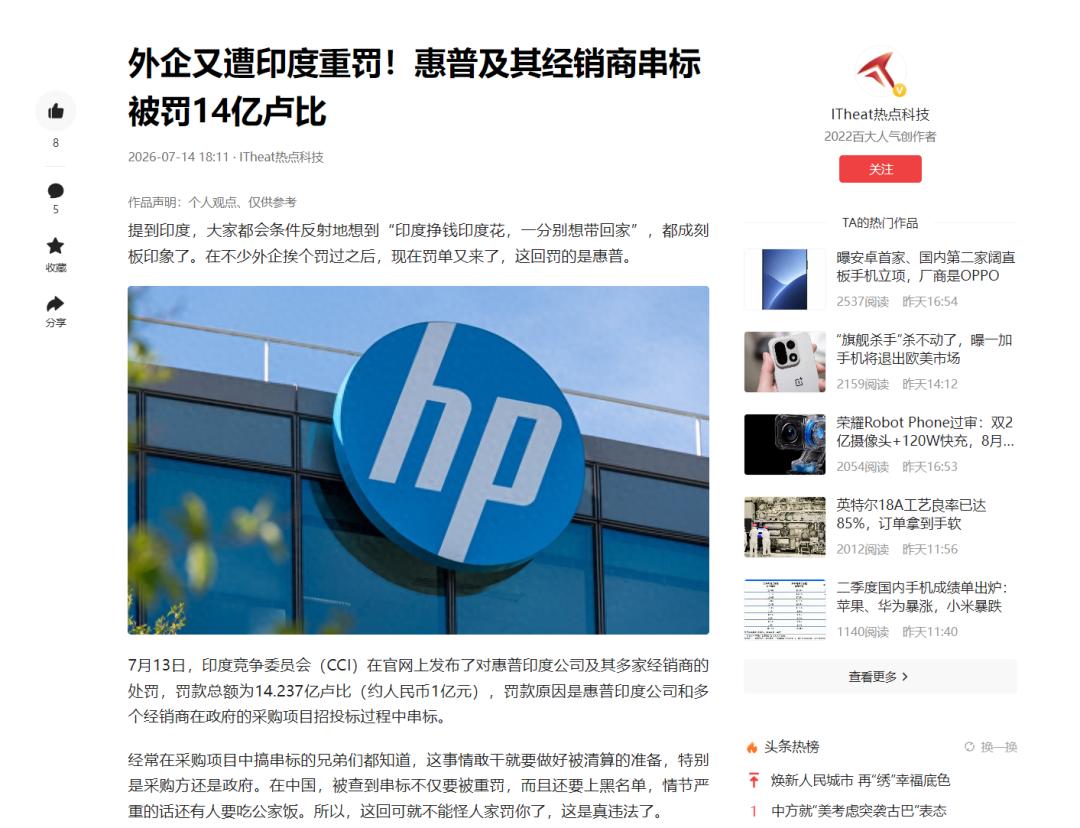
On July 13, the Competition Commission of India issued a penalty order: finding HP's Indian subsidiary and 21 distributors guilty of bid-rigging and price manipulation on the government's e-procurement platform, with total fines exceeding 1.42 billion rupees, equivalent to roughly 13.3 million US dollars.

In public perception, India's antitrust crackdowns in the past were frequently directed at Chinese enterprises: Chinese smartphone makers faced frozen funds, repeated tax investigations, and forced equity acquisitions.
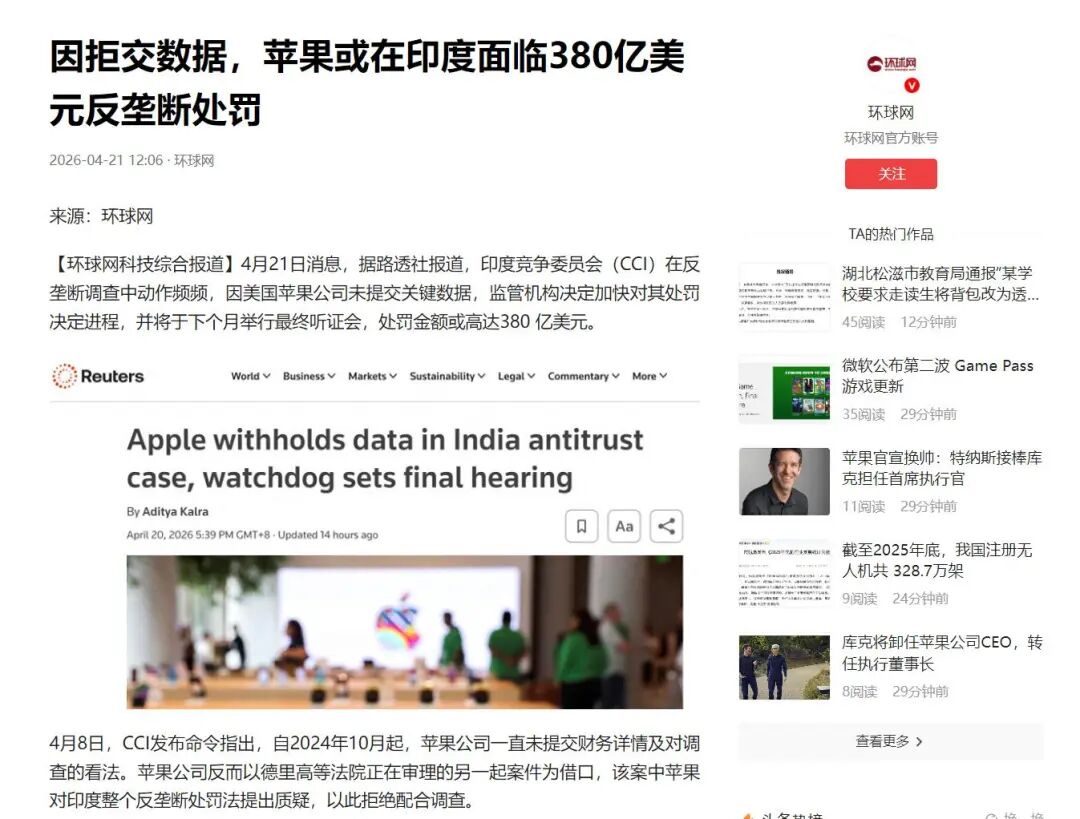
But the tide has clearly shifted in the past six months: First, Apple was confronted with an unprecedented antitrust fine of up to 380 billion US dollars in India, and now HP has been heavily penalized as well — giving US companies no leeway whatsoever.
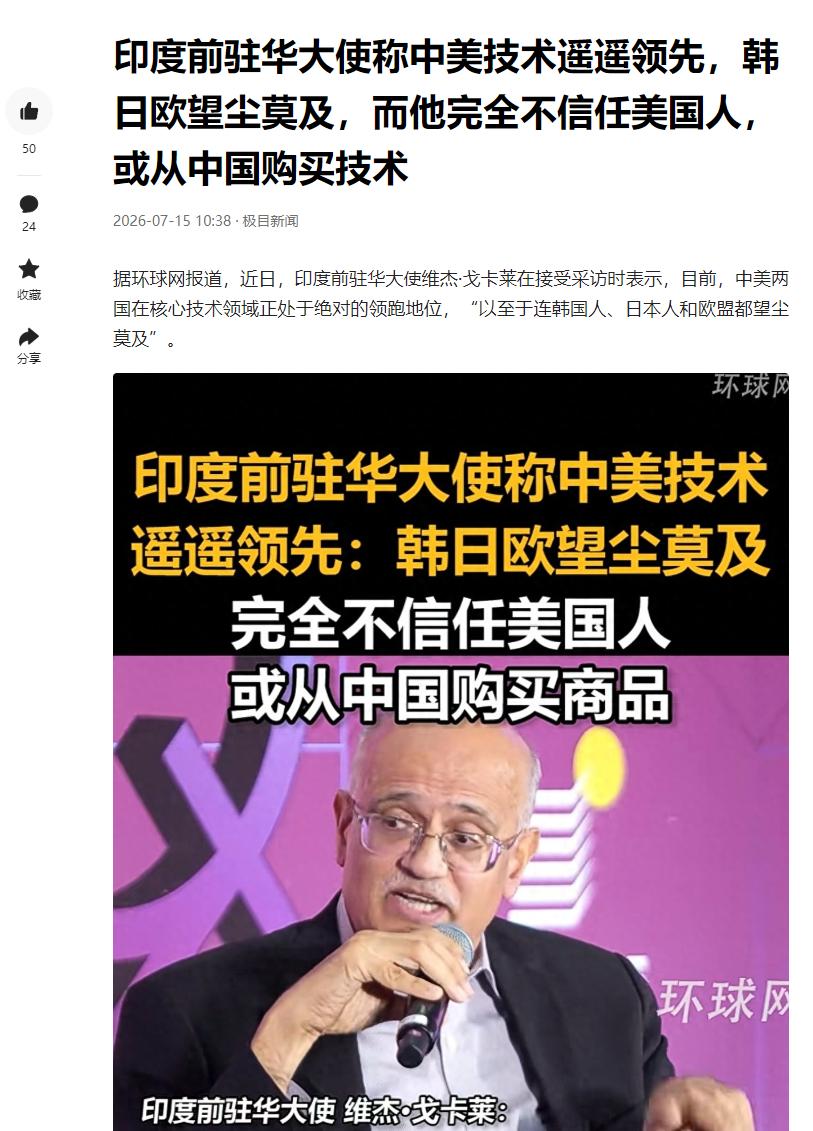
Meanwhile, India's former Ambassador to China Gokhale publicly stated that he no longer trusts the United States at all, and that India may turn to sourcing Chinese technology and products in the future.
While cracking down on US firms and extending an olive branch to China, a deeper look reveals that this is a shrewd, calculated move by India after weighing its interests.
The "targeted exploitation" tactic knows no borders, and India retains full authority to interpret its rules
India's penalties on HP and investigations into Apple once again prove that it treats all foreign investors equally — any company making profits on its territory will be squeezed for revenue, with the only difference being the extent and intensity of the squeeze.
The core of this playbook is "I make the rules".
Take antitrust regulation as an example: India quietly amended its Competition Act in 2024, directly changing the fine calculation base from "local Indian revenue" to "global revenue", with maximum penalties reaching 10% of a company's worldwide turnover.
This is equivalent to the house secretly changing the rules mid-game, meaning all the profits you have earned previously can now be counted toward the penalty base.
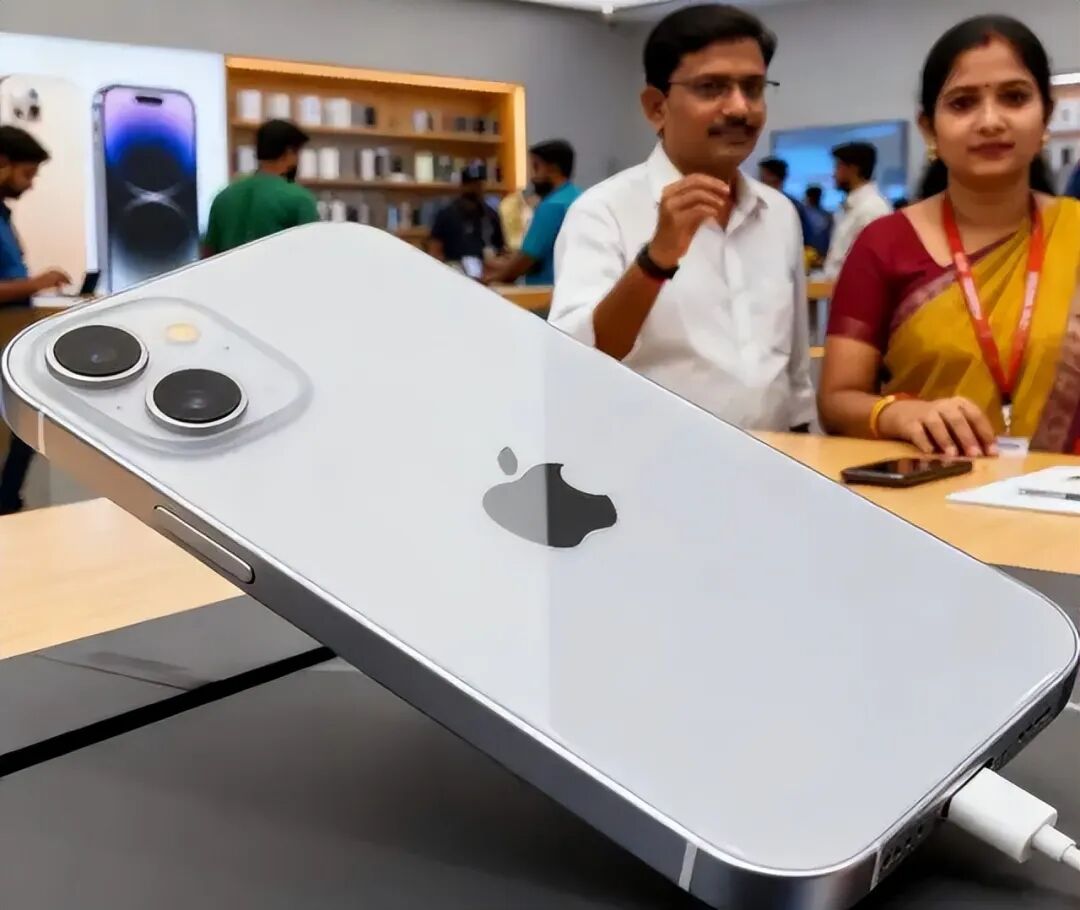
Apple fell victim to this new rule, with the potential fine amounting to the sum of its profits in the Indian market over more than a decade.
The recent penalty on HP follows the same logic, accusing HP and its distributors of "bid-rigging and price manipulation" on the Indian government's e-procurement platform. This essentially means that as long as you do business in India, the authority to interpret the rules will always rest in the hands of Indian bureaucrats.
The so-called "Government e-Marketplace" was originally established to enhance transparency and reduce corruption.
But now, it has become a tool for the Indian government to conduct targeted entrapment operations against multinational corporations. Definitions of government procurement bidding rules and authorization boundaries are entirely decided by Indian regulators — they can label you as bid-rigging or price-fixing arbitrarily, with almost no room for defense.
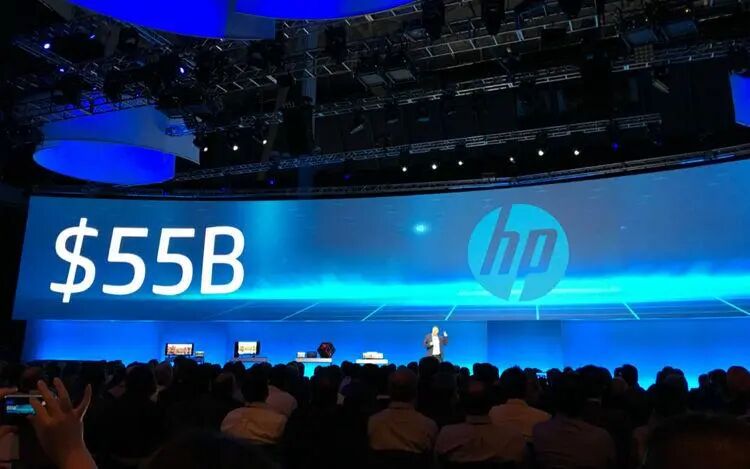
As soon as the government believes you are earning excessive profits, or local firms cannot compete with you, the antitrust hammer will fall without warning.
Chinese companies, which expanded the fastest and made the most substantial profits in India in recent years, happened to be the first targets of this exploitation.
Now that US companies have grown increasingly large in India's electronics and internet sectors — with Apple relocating its entire supply chain and HP dominating the Indian PC market — they are ripe for being squeezed after being fattened up.
Put simply, India has never held a rigid "pro-US anti-China" or "pro-China anti-US" stance. On its territory, all foreign companies are crops waiting to be harvested, with antitrust measures, tax audits, and data localization rules all serving as its harvesting tools.
India wants foreign investors to set up factories and create jobs, while also being able to siphon off a portion of their profits at any time, and force them to leave their technologies and supply chains locally.
From assembling smartphones to investing trillions in chips, India's industrial upgrading demands Chinese technology
India's confidence to aggressively squeeze foreign profits stems from the progress it has made in manufacturing in recent years.
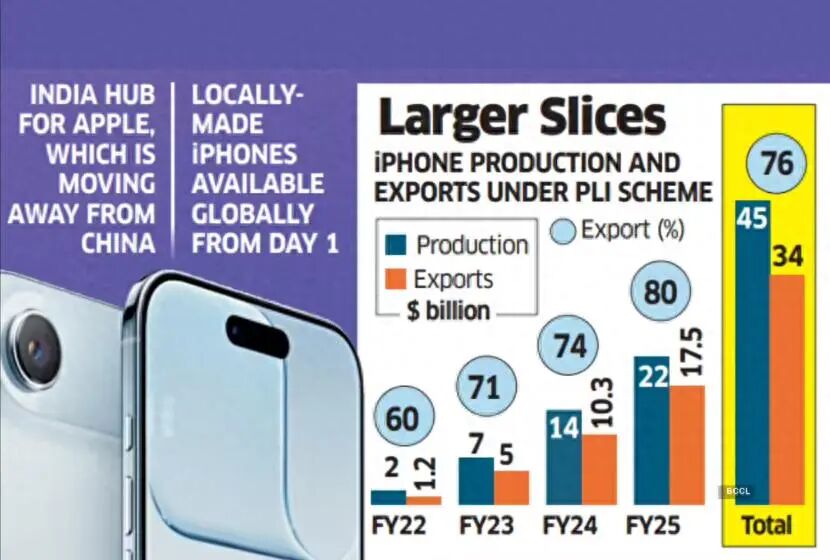
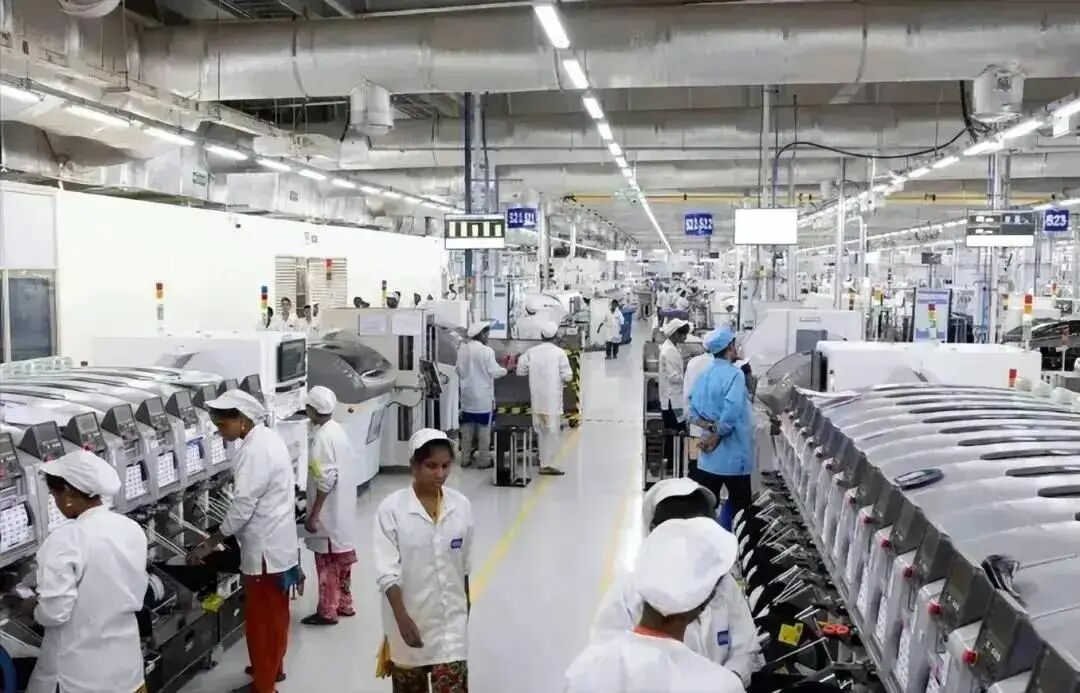
The most obvious example is the smartphone industry: today, 1 in every 4 iPhones worldwide is assembled in India.
Chinese smartphone manufacturers built a large number of factories in India in the early years, relocating their mature domestic systems for production management, quality control, and supply chain coordination. They trained hundreds of thousands of skilled workers and tens of thousands of technical and management talents, effectively turning India into the world's second-largest smartphone producer.
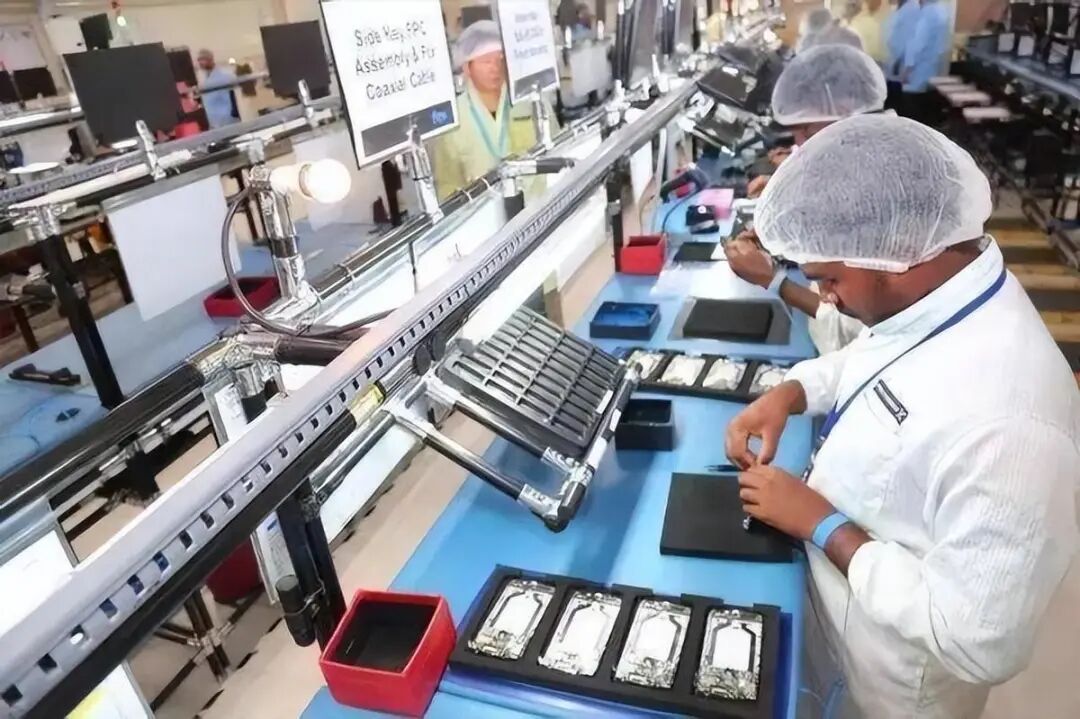
Back then, when Chinese smartphone makers entered the market, India lured foreign investors with promises before closing the door to extract benefits, fostering low-end supporting industries such as phone casings, batteries, and chargers. Now that Apple's supply chain has moved in, it has set its sights on higher-end electronic components.
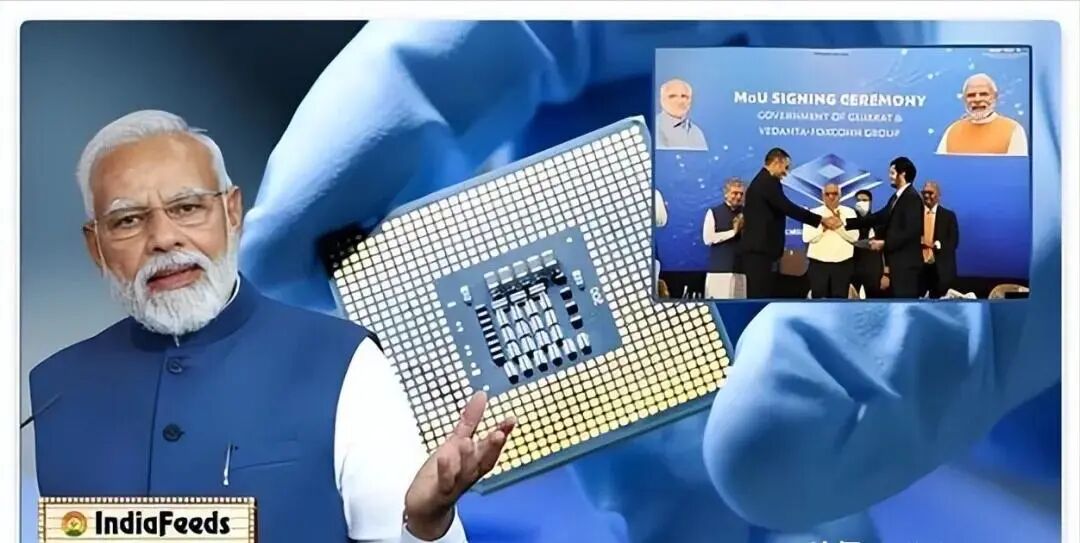
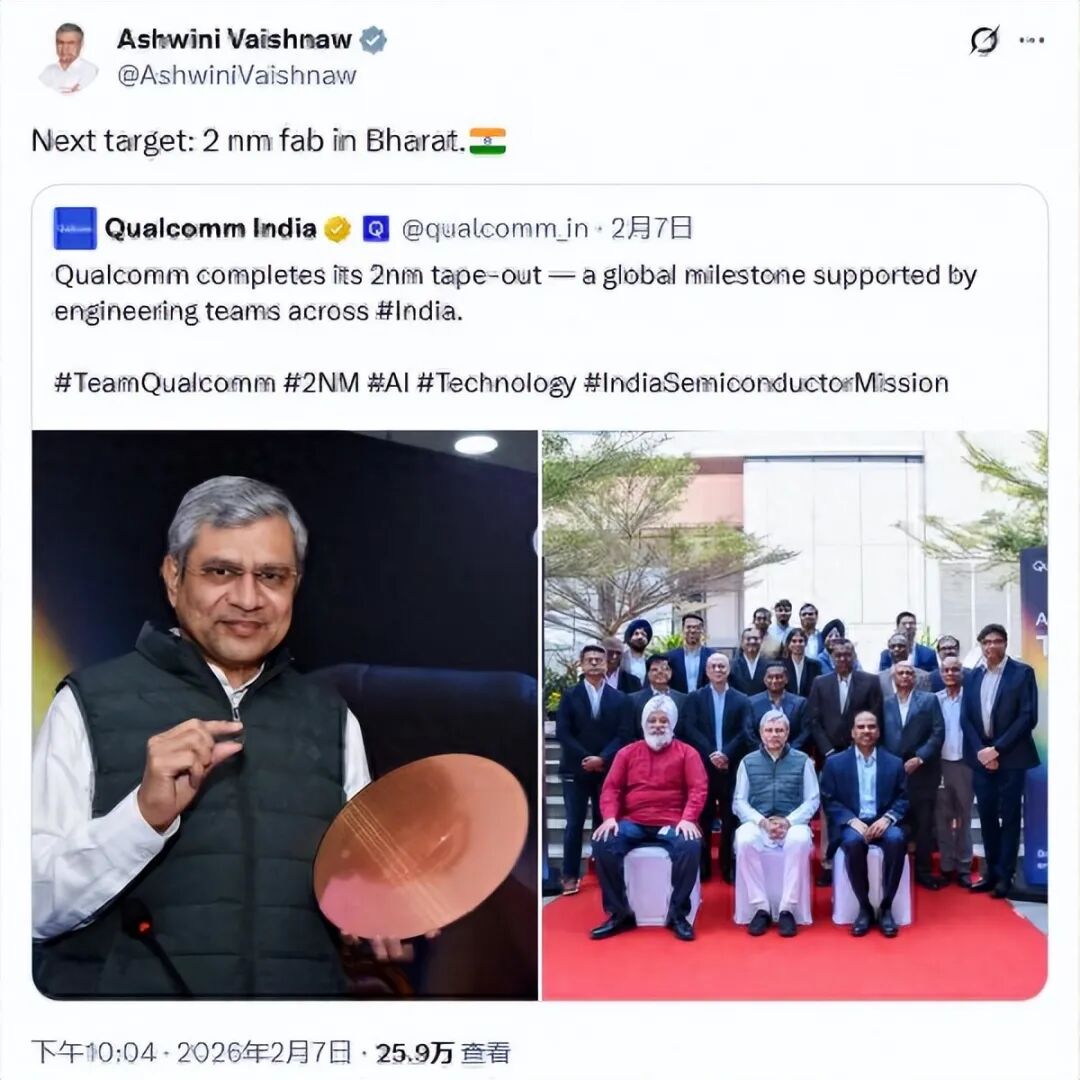
On July 15, India officially approved its "Semiconductor 2.0 Program", allocating 1.275 trillion rupees (roughly 13.3 billion US dollars). Combined with the 760 billion rupees invested in the earlier 1.0 version, total investment is approaching 2 trillion rupees, with the explicit goal of filling the high-end gap in semiconductor manufacturing.
In India's calculations, with smartphone assembly already secured and the electronics manufacturing ecosystem nurtured by Chinese firms, a successful semiconductor industry would allow it to evolve from low-end to high-end production, emerging as a global factory with a complete electronics supply chain capable of rivaling China.
It has even set targets to make its first domestic wafer fab operational by 2028, and advance from mature process nodes to more advanced manufacturing technologies.
Yet ambition far outstrips reality. The two basic requirements of ultra-pure water and stable power supply alone are enough to completely derail India's semiconductor dreams.
Semiconductor manufacturing has extremely strict requirements for water quality: a 12-inch wafer fab producing 40,000 wafers per month consumes 10,000 to 15,000 tons of ultra-pure water daily, equivalent to the daily water consumption of a medium-sized city. But even India's tech hub Bengaluru cannot guarantee stable water supply, let alone the severe shortage of industrial water nationwide.
Power supply is an even more fatal weakness. Wafer fabs require non-stop 24/7 operation, and even millisecond-level voltage fluctuations can ruin entire batches of wafers, resulting in losses running into millions of dollars.
But India's power grid has an average transmission loss as high as 25%, with industrial zones experiencing 112 power outages per year on average, and voltage fluctuations regularly exceeding ±10% — far beyond the ±5% tolerance limit required for semiconductor manufacturing.
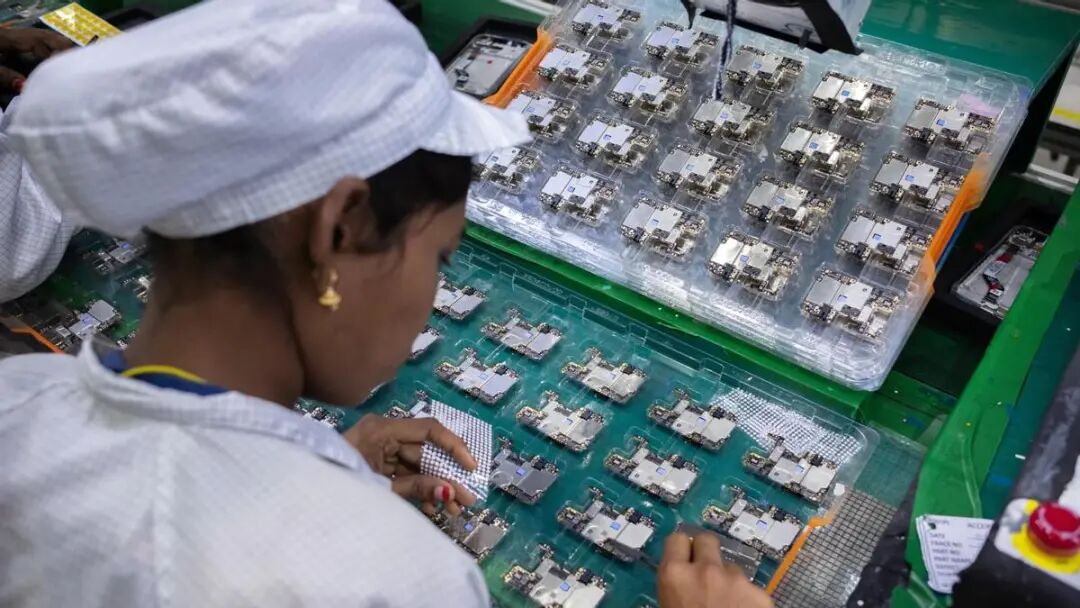
Not to mention the silicon wafers, photoresists, specialty gases, and high-end equipment required for chip manufacturing, which India almost entirely relies on imports for. Raw materials need to be shipped from Japan, South Korea, and China, resulting in persistently high logistics and time costs that make its industries completely uncompetitive.
India's "de-Americanization" essentially stems from its greater need for Chinese technology at this stage
Looking back at India's recent "distancing from the US and moving closer to China", its underlying logic is very clear.
Gokhale's statement of "distrusting the US and sourcing Chinese technology" is not a sudden change of heart. The US is now tightly hoarding its technologies, and any link — export licenses, end-user reviews, software updates, component maintenance, or financial settlement — can be arbitrarily blocked.
The US has explicitly stated that it will not repeat the "mistakes" it made with China in India, and will never transfer its core technologies to India.
India has realized that aligning with the US as an anti-China pawn would cost it resources while yielding no real benefits, and instead erode its own strategic autonomy.
As for China, in Foxconn and Pegatron's Indian factories, hundreds of Chinese engineers from Shenzhen and Dongguan were on-site guiding Indian workers on operating sophisticated machinery and solving yield-related problems.
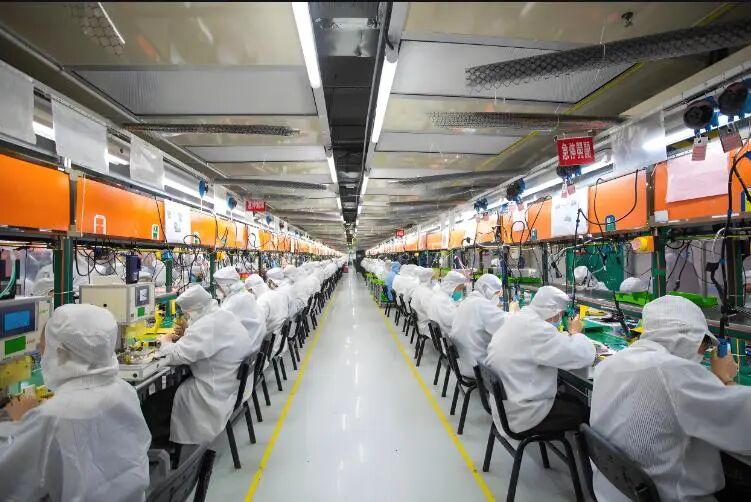
China's industrial chains offer faster delivery, relatively lower costs, stronger engineering capabilities and mass-production capacity, while Chinese firms can provide end-to-end solutions covering equipment, components, and technical personnel. For a country like India that wants both cost efficiency and speed, this is a very tangible draw.
Senior commentator Talukdar from India's Firstpost noted that only by gradually reducing its strategic dependence on the US and adhering to an independent path can India establish a more mature model of engagement with China.
Therefore, while cracking down on US firms, India is quietly relaxing restrictions on Chinese enterprises, approving Chinese capital to enter sectors such as electronics and solar energy, and actively considering sourcing Chinese technologies. It is not aligning with China, but leveraging China's supply chains, production capacity, and cost advantages to rapidly grow its own manufacturing sector.
Looking at this series of moves by India, you can see its pervasive shrewdness: it shows no mercy in squeezing foreign profits, and has mastered the art of great-power balancing. But its fatal flaw is its excessive preference for shortcuts, lacking the patience and resolve to pursue long-term, in-depth development.
Penalizing HP, investigating Apple, pouring money into chips, and reaching out to China do not mean India has become friendlier. It simply needs these resources at this stage, especially China's mature manufacturing ecosystem and technologies. Its shift is fundamentally driven by calculated interests.
The realization of India's semiconductor ambitions and its dream of becoming a global factory does not depend on China or the US, but on whether it can address its most fundamental shortcomings. Yet India believes all of this