Highly Anticipated: Changxin Technology’s Stake Investment Yields 80x Returns, At Least 157 Multimillionaires May Emerge
The milestone moment for domestic memory chip listing is approaching, and the long-awaited wealth bonanza is about to land on the A-share market.
On July 16th, Changxin Technology officially launched its subscription, with an issue price of 8.66 yuan per share, corresponding to a market value of approximately 579.2 billion yuan.
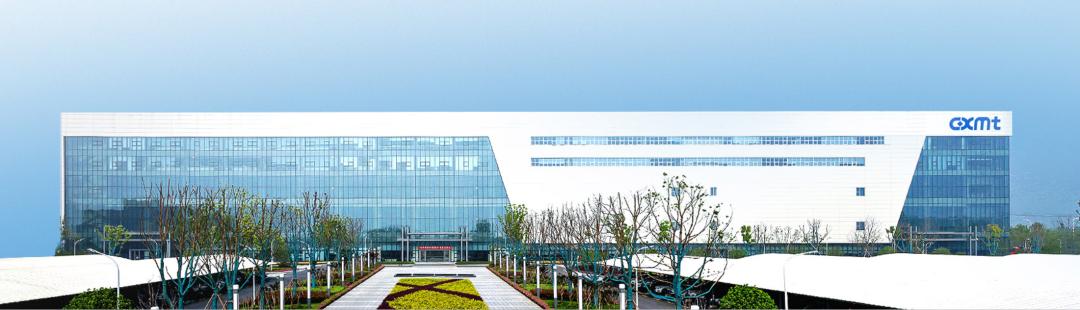
Image Source: Internet
This company, founded in 2016, accumulated losses of over 30 billion yuan between 2022 and 2024. Thanks to the super memory cycle driven by AI, it is expected to achieve a net profit of over 50 billion yuan in the first half of 2026.
If this issuance is successful, before the exercise of the over-allotment option, the total expected raised funds will be approximately 57.9 billion yuan, making Changxin Technology the largest IPO on the A-share market since 2026, and the second-largest in the history of the Sci-Tech Innovation Board, second only to SMIC.
A capital feast is thus kicking off — over 6,000 employee shareholders, 36 strategic shareholders, and the Hefei state-owned capital that has accompanied the company for ten years are about to reach the starting point of wealth realization.
01 Zhu Yiming's Net Worth Is Expected to Exceed 90 Billion Yuan, With the Semiconductor Industry Chain Offering Collective Support
Changxin Technology's IPO has long attracted various capitals to seize positions in advance.
According to the equity structure disclosed in the prospectus, old shareholders, industry chain partners, and national team capitals have gathered to share the capital dividends of domestic memory chips.

Image Source: Internet
Chairman Zhu Yiming indirectly holds a total of about 1.59 billion shares through multiple platforms including Qinghui Jidian, Hefei Jixin No.41, and GigaDevice, accounting for 2.64% of the total share capital before issuance. Calculated solely based on the issue price, the book value corresponding to this equity exceeds 13.7 billion yuan.
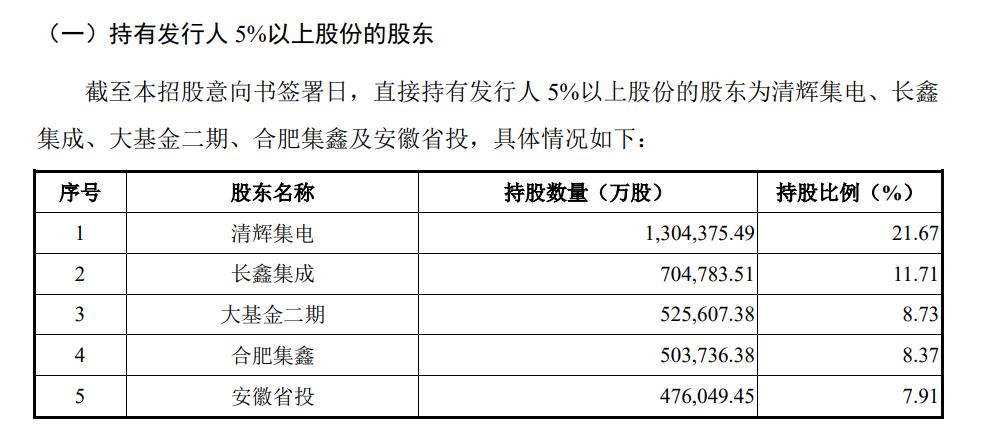
Image Source: Changxin Technology's Prospectus
The book assets of the core old shareholder camp are also considerable. The Hefei state-owned capital system holds a total of about 36.79% of the shares, with assets corresponding to the issue price exceeding 210 billion yuan; the China Integrated Circuit Industry Investment Fund Phase II holds 8.73% of the shares, corresponding to a market value of about 50.6 billion yuan; Anhui Provincial Investment Group holds 7.91% of the shares, corresponding to about 45.8 billion yuan.
These are only the static wealth figures based on the issue price.
Currently, the neutral expectation given by many institutions is that the reasonable market value range of Changxin Technology after listing is between 2 trillion yuan and 3 trillion yuan, corresponding to a stock price of about 30 to 45 yuan, and the most optimistic institutional quotation even exceeds 65 yuan.
If the optimistic expectation of 3 trillion yuan is reached, combined with the 5.13% stake in GigaDevice held by Zhu Yiming, his net worth will directly exceed 90 billion yuan, and the book value of the equity of the Hefei state-owned capital system will also jump to over 1 trillion yuan.
Participating in this wealth-creation feast are also many key enterprises in China's semiconductor industry chain.
A total of 36 institutions participated in this strategic placement, divided into three camps, with a total subscription amount of 14.437 billion yuan.
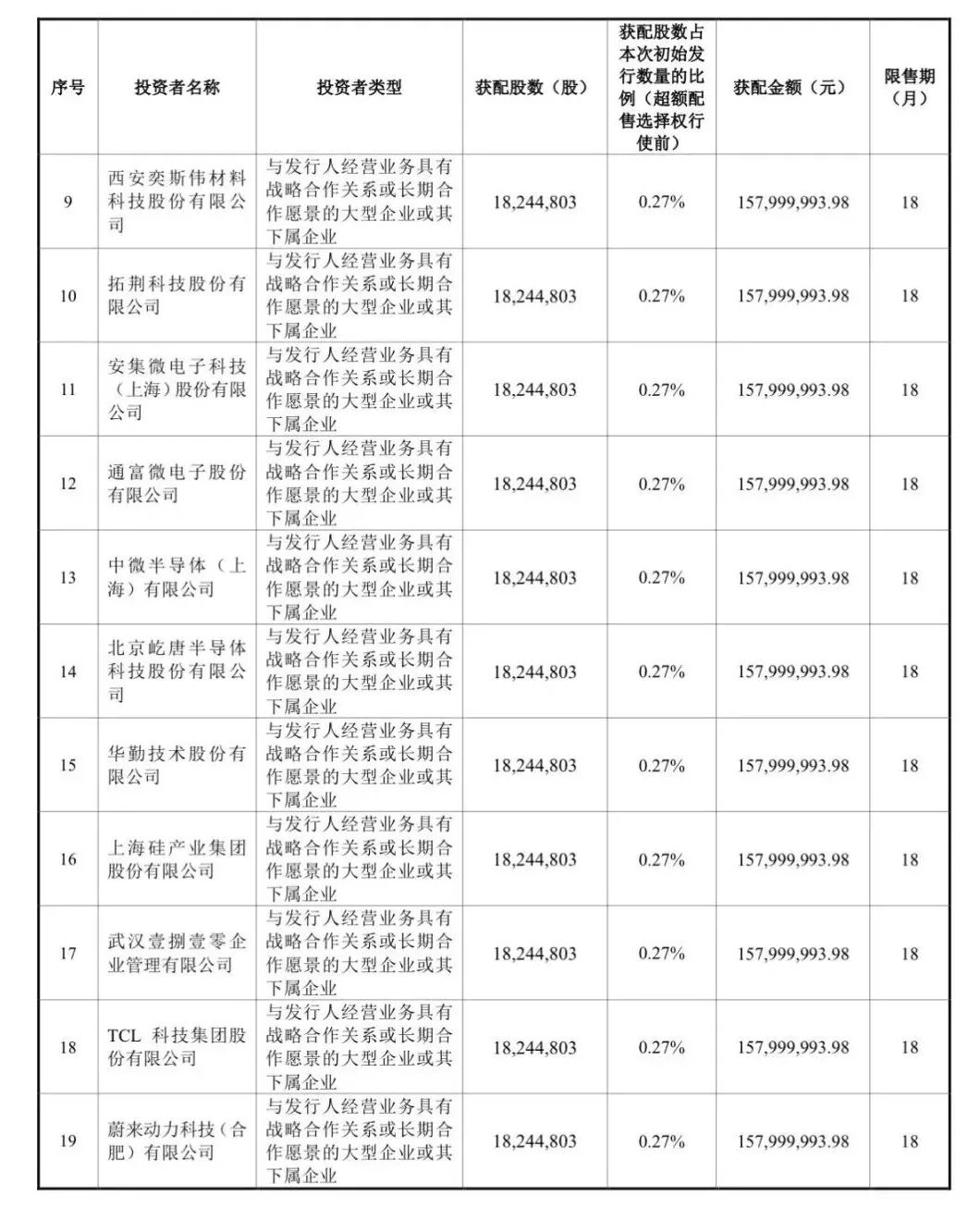
Image Source: Changxin Technology's Prospectus
First, the leading enterprises in the upstream and downstream of China's semiconductor industry chain, such as Advanced Micro-Fabrication Equipment Inc., Montage Technology, Anji Technology, Tongfu Microelectronics, Tuojing Technology, Yita Group, Shanghai Simgui... These leading domestic companies in the semiconductor equipment, materials, and packaging & testing sectors are almost all included, each subscribing to shares worth about 158 million yuan. The amount is not large, but it shows the signal of deep integration between the upstream and downstream of the industry chain. The leading enterprises in each link take equity as the bond to tie their respective interests to the growth of domestic DRAM.
Downstream major customers have also contributed real money to support, with numerous well-known mobile phone manufacturers, cloud vendors, smart car companies, and home appliance giants all stepping in. All of them are heavy users of DRAM. For these companies, subscribing to Changxin's shares is more like buying a "supply chain security insurance", because Changxin is currently the only local enterprise that can mass-produce high-performance DRAM. In today's context of increasing geopolitical uncertainty, no one wants the lifeline of memory to be completely controlled by Micron and Samsung.
Finally, the national team provides a stabilizing force, with the Social Security Fund, Pension Insurance Fund, China Reform Fund, and several major life insurance companies all participating, adding strategic significance to this IPO.
What makes this IPO even more distinctive is the presence of thousands of employees in Changxin Technology's shareholding structure, who are also the winners of this IPO.
02 Wealth Creation Feast: Zhu Yiming Allocates Another 20 Billion Yuan in Equity to Retain Talents
Changxin Technology implemented two phases of employee stock ownership before listing, both at the low points of the enterprise's development.
The first phase was in July 2020, with a grant price of 1.05 yuan per share, covering 3,596 people. At that time, Changxin's DRAM memory chips had just been mass-produced not long ago, and the future was uncertain.
The timing of the second phase stepped on the very bottom of the cycle, launched in June 2023, which coincided with the darkest moment of the memory chip industry.
At that time, the demand for consumer electronics continued to be sluggish, giants such as Samsung and Micron launched a price war, DRAM prices halved throughout the year, Changxin expanded production on a large scale while bearing huge losses, its net assets were severely eroded, and the grant price for employee stock ownership was thus suppressed to the historical low of 0.108 yuan.
Calculated at the issue price of 8.66 yuan, employees in the second phase of stock ownership have a book return of over 80 times, and this phase covers 3,164 people.
Although there is a 36-month lock-up period for employee stock ownership, there is an internal transfer channel within the lock-up period, allowing shares to be transferred to employees in the second-phase employee stock ownership plan or other eligible employees.
Adding the two phases together, 6,760 people have received equity incentives, accounting for 35% of the company's total 19,298 employees. The incentive targets mainly include: senior management personnel, outstanding middle-level management personnel and core technical personnel, technical and business backbones, as well as high-potential technical personnel who strongly identify with the group company's culture and development strategy.
That's not all.
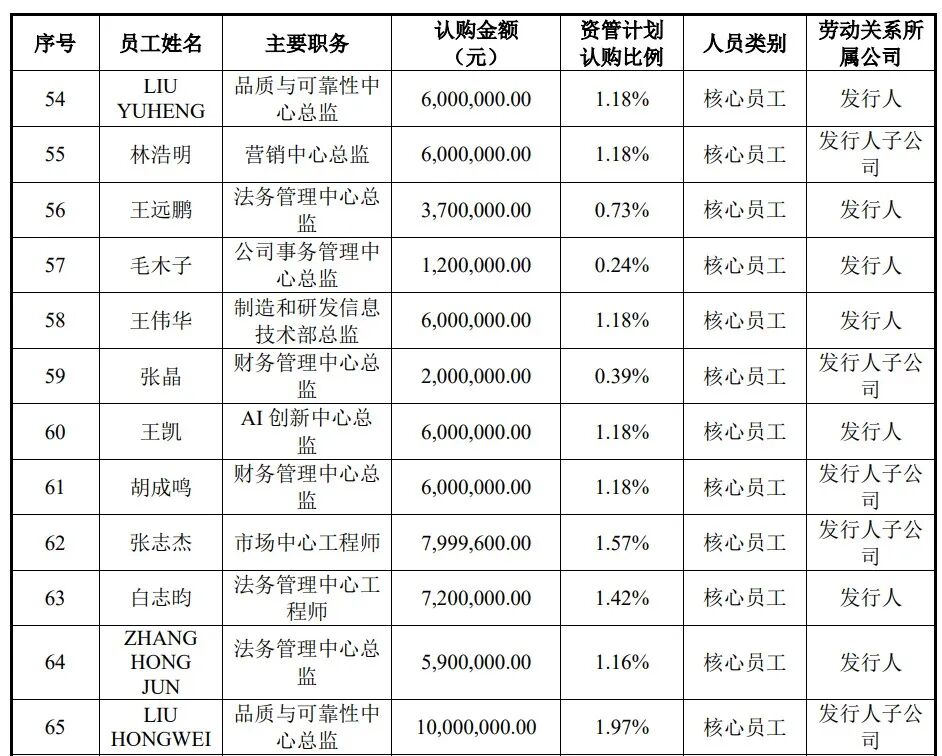
Image Source: Changxin Technology's Prospectus
In addition to the historical shareholdings before listing, a group of senior executives and core employees participated in the strategic placement through 4 asset management plans in this IPO, directly subscribing for new shares at the issue price. About 360 people participated in the subscription, with a total subscription scale of nearly 1.6 billion yuan.
12 senior executives each subscribed 12 million yuan. At lower levels, directors and vice presidents subscribed amounts ranging from several million to over ten million yuan, and even senior engineers could contribute over one million yuan to participate. Calculated solely based on employees with a subscription amount of 5 million yuan or more, if the stock price doubles on the listing day, 157 multimillionaires will be created.
However, this does not mean that later employees have no chance to obtain equity incentives at all.
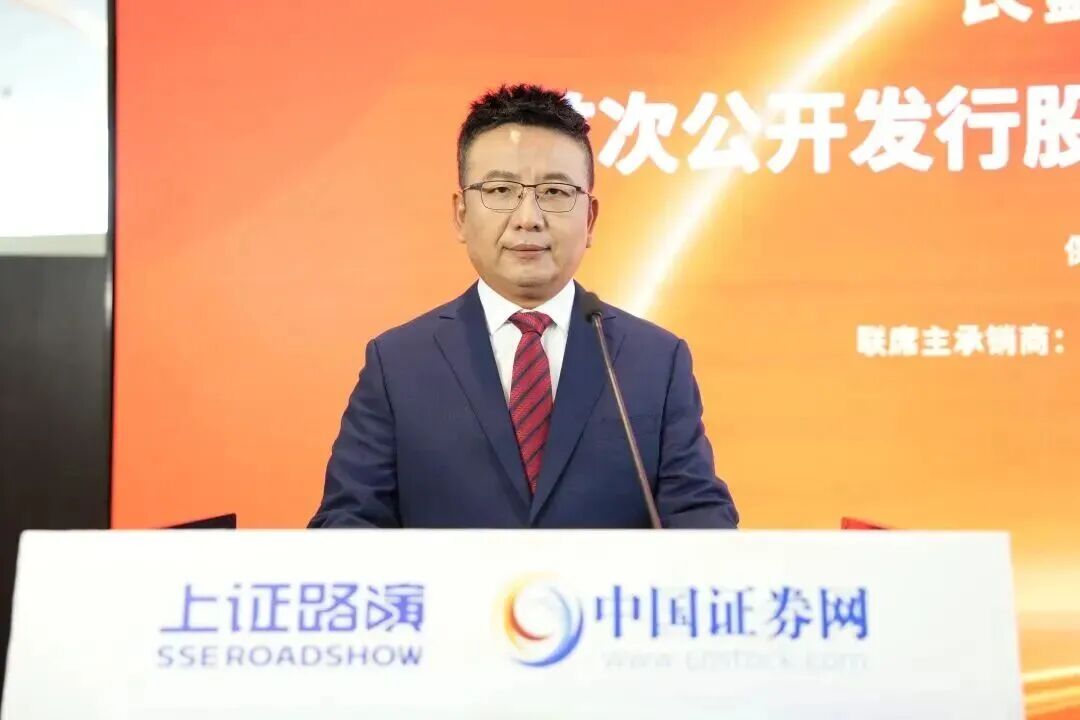
The picture shows Zhu Yiming, Chairman of Changxin Technology. Image Source: Internet
According to the disclosure in Changxin Technology's prospectus, Chairman Zhu Yiming made an even more astonishing decision: voluntarily taking out 768 million shares under his name to distribute all of them to the on-the-job employees within 10 years after the company has been listed for 36 months. Calculated at the issue price, the market value of these shares exceeds 20 billion yuan, making it the largest individual equity incentive in the history of the A-share market, without exception.
The time span of this incentive itself is a signal: Zhu Yiming offers generous returns to those who are willing to accompany Changxin for the next decade.
The reason why he dares to issue a ten-year commitment may be related to the city that has accompanied the company's growth with real money in the past decade.
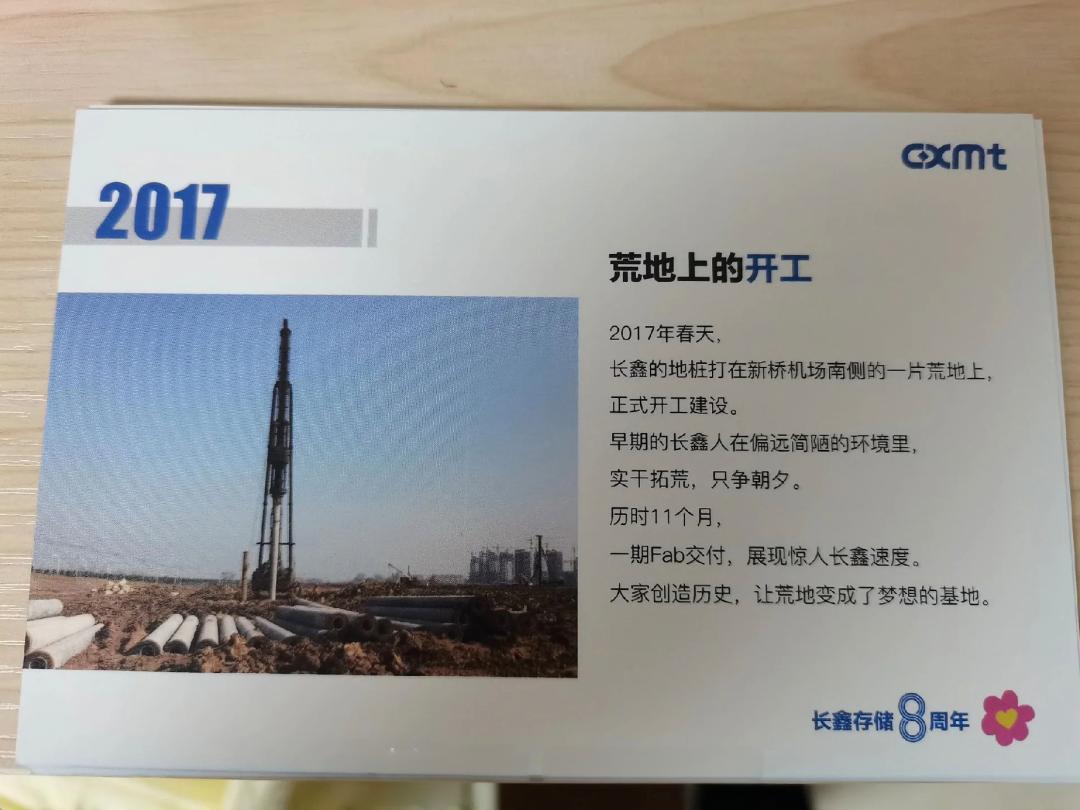
Image Source: Internet
In the spring of 2017, Changxin laid the first pile in the Hefei Airport Industrial Park.
The total investment of the project was about 150 billion yuan, which was the largest single industrial investment project in Anhui at that time. In the first phase with a scale of 18 billion yuan, Hefei Industrial Investment alone contributed 14.4 billion yuan, accounting for 80%.
Recommended reading at this point: The 1 Trillion Yuan Bet on Semiconductors, Is South Korea Really Panicking This Time?
From 2022 to 2024, Changxin lost 8.3 billion yuan, 16.3 billion yuan, and 7.1 billion yuan respectively, accumulating losses of over 30 billion yuan in three years. There is a saying in the industry: to develop and produce DRAM, the startup capital required is at least 10 billion yuan per year.
Changxin is the most extreme example of Hefei's investment model, with a return cycle of up to ten years and continuous losses throughout the process. No other city might have been able to sustain it.
Changxin was not born with a golden spoon of industry trends, but it caught the rhythm of the AI era.
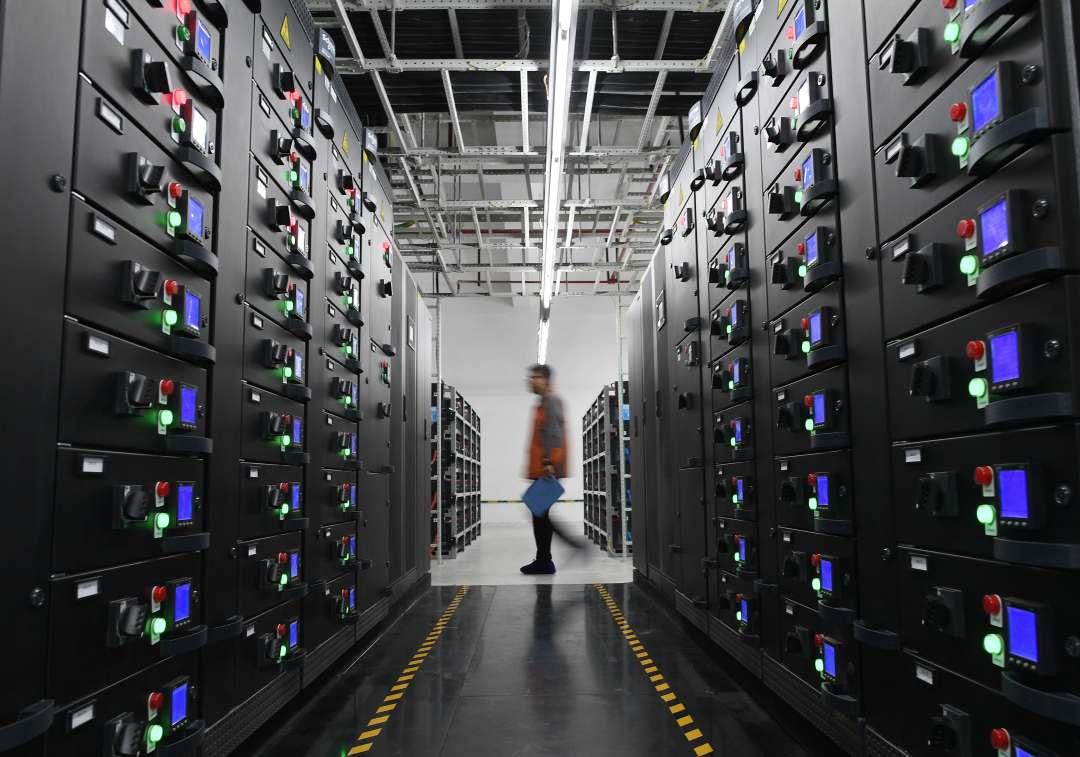
Image Source: Internet
In 2025, AI computing power triggered a super memory cycle, DRAM prices soared all the way, and the industry directly achieved a V-shaped reversal: in the first quarter of 2026, the revenue reached 50.8 billion yuan, a year-on-year increase of 7 times, and the net profit attributable to shareholders was 24.762 billion yuan, a year-on-year increase of nearly 17 times.
In just one quarter, the accumulated losses of the past ten years were almost wiped out.
The company disclosed in the prospectus that it is expected to achieve revenue of 110 billion to 120 billion yuan in the first half of 2026, with a net profit attributable to shareholders of 50 billion to 57 billion yuan.
However, the upcoming listing is not the end point for Changxin Technology.
In the global DRAM market, the three giants Samsung, SK Hynix, and Micron still monopolize more than 70% of the market share. Changxin's 7.67% global market share is only the first step of domestic substitution.
The competition for technological iteration never stops. When the next cycle will come and whether the next trough can be withstood are all unknowns.
This article is from the WeChat public account "Phoenix Finance", authored by the Corporate Research Institute, and published by 36Kr with authorization.