You really have some nerve, OpenAI, poaching people to steal a bunch of Apple's confidential information.
This time, Apple has officially broken with OpenAI.
On July 10, Apple filed a 41-page lawsuit in the U.S. District Court for the Northern District of California, suing OpenAI, OpenAI's Chief Hardware Officer Tang Tan, former Apple engineer Chang Liu, and io Products, the hardware company acquired by OpenAI.
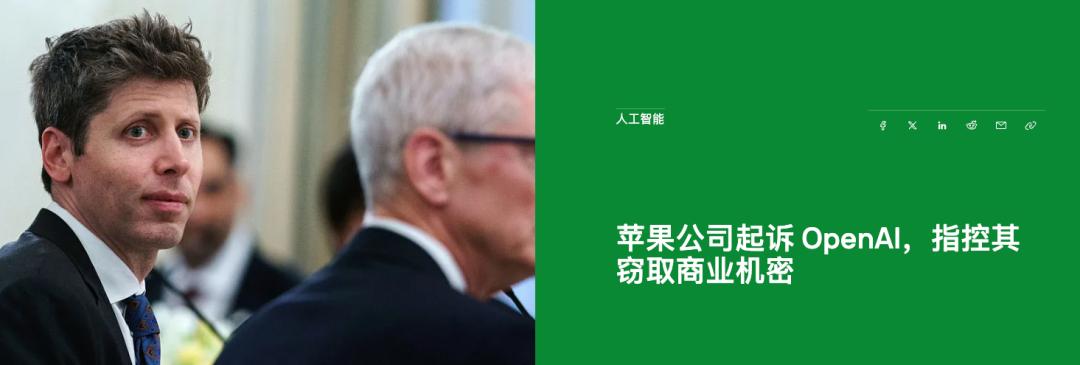
The allegations are explosive: OpenAI is accused of systematically stealing Apple's trade secrets related to unreleased products to develop its own AI hardware devices.
When I first saw this news, I thought it was just a common trade secret dispute between Silicon Valley companies. But after looking into the full context of the incident, I came to one clear conclusion — Apple is genuinely panicking.
According to Apple, OpenAI has turned the hiring process into a systematic method of stealing their trade secrets. If Apple doesn't take action now, their core intellectual property will be completely pilfered.
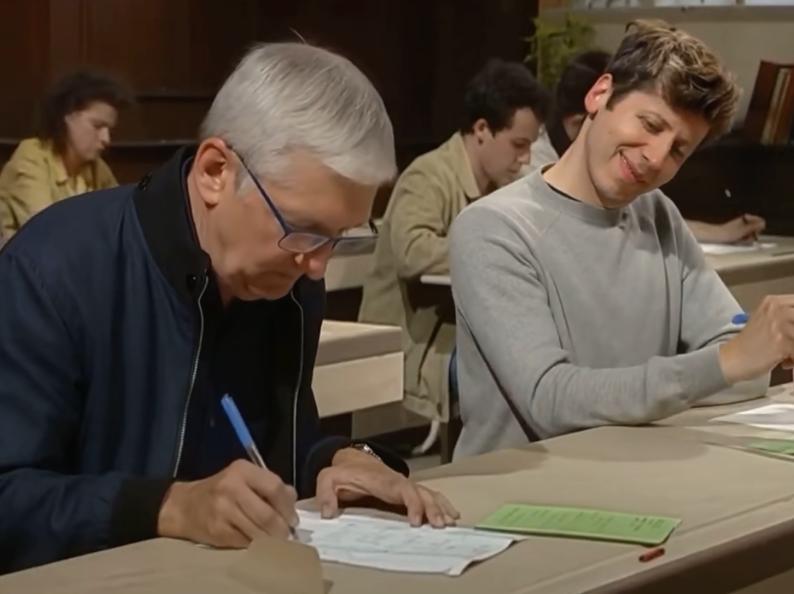
Apple laid out exactly how OpenAI is "raiding their house" through hiring, describing a full set of operational steps.
Tang Tan, former Apple Vice President of Product Hardware Engineering, became OpenAI's Chief Hardware Officer after joining the company. When interviewing current Apple employees who wanted to switch jobs, he would ask them to bring physical Apple proprietary components to the interview, and required them to demonstrate and explain the components on site.
These included core hardware components such as batteries, main logic boards (MLB), system-in-package (SiP) modules, and shielding parts, even the product CAD drawings.
To ordinary consumers, these are just a few parts and a drawing. But for hardware engineers, they can basically reverse-engineer what architecture the product uses, who the suppliers are, how the internal space is laid out, and even map out the R&D team's entire design thinking.
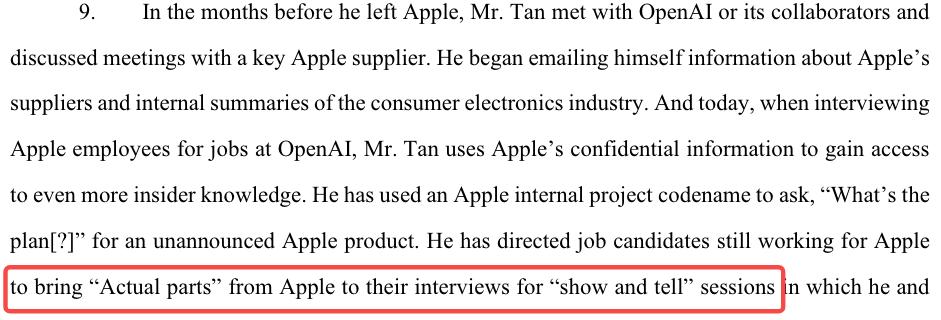
And that's only the first step.
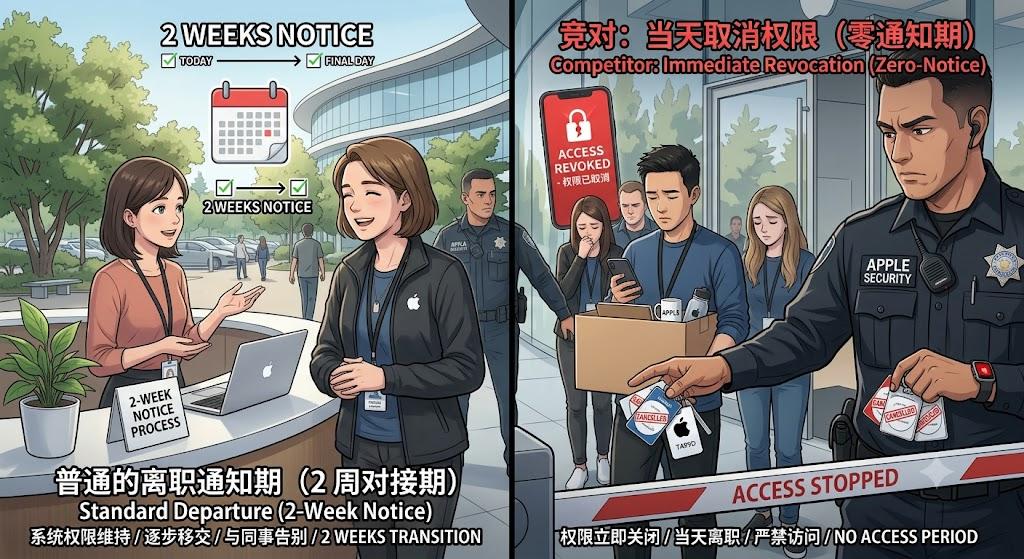
After the candidate successfully passes the interview, Tang Tan will ask them to hide the fact that they have already accepted the job at OpenAI. The purpose of this is to take advantage of the "notice period" after submitting a resignation.
This "Notice Period" usually lasts two weeks, designed for departing employees to hand over their work and complete formalities, during which most system access permissions remain active.
But at Apple, if you are leaving to join a direct competitor, there is no two-week notice period — your access permissions are revoked the very day you submit your resignation. Apple claims that Tang Tan exploited this loophole, allowing these soon-to-depart employees to continue gathering internal confidential information.
Additionally, to prevent leaks, Apple has long adhered to the internal "Need to Know" principle: access to information is not based on job level, but strictly limited to what is necessary for each employee's specific responsibilities.
For example, if you are responsible for the iPhone's main board, you can only access materials related to the main board. If content like camera modules, exterior designs, or antenna systems have no connection to your work, the system will not grant you access permissions.
So even as the Vice President of the Hardware Department, Tang Tan could not single-handedly collect all confidential materials. But as an executive, he clearly knew every detail of Apple's internal "Need to Know" management system and its enforcement processes.
Therefore, when these employees officially resigned from Apple, Tang Tan used the "Need to Know" management documents he had taken from Apple to tell them exactly what the security department would check, and what review processes they would face. This helped these employees avoid triggering security checks, allowing them to smuggle out the confidential materials.
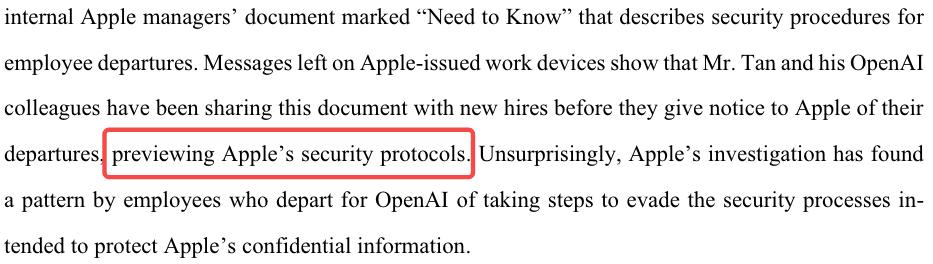
When did Apple start to suspect something was wrong?
They noticed that a large number of employees who switched to OpenAI showed highly similar abnormal behaviors before leaving: deliberately hiding their new workplace, starting to download large volumes of data before departure, forwarding work files to personal email accounts, and even attempting to access internal systems after resigning.
One or two cases could be dismissed as individual misconduct, but when so many people moving to OpenAI all performed these unusual actions, no one would believe there was no behind-the-scenes guidance.
Apple then detailed the actions of two core executives after they joined OpenAI.
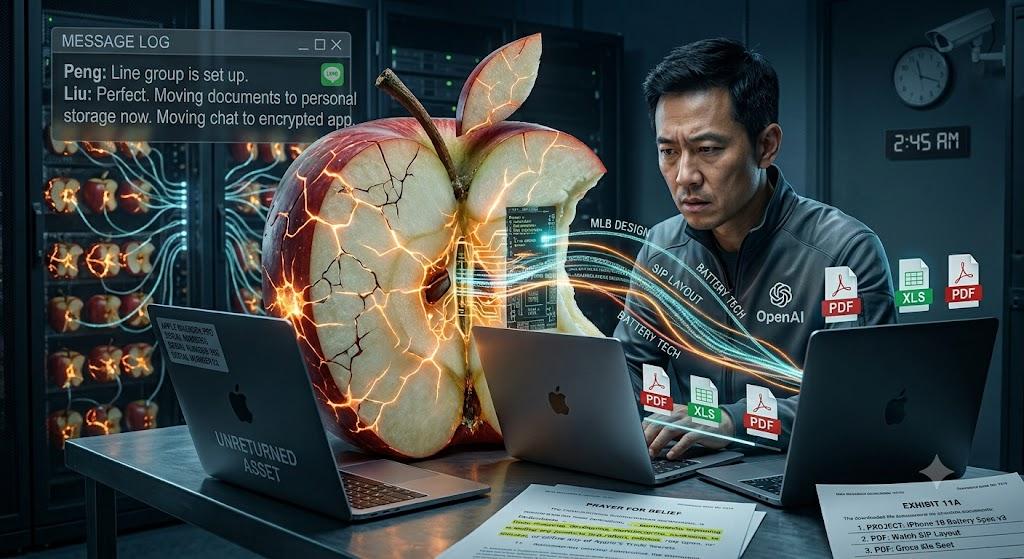
The first is Chang Liu, who worked at Apple for 8 years as a senior systems electrical engineer, participating in many highly confidential hardware projects.
On January 22, 2026, he left Apple to join OpenAI. But when he resigned, he not only evaded the security review, but also took his work computer with him.
After his official departure, he discovered that this work computer still had access to Apple's internal network. Instead of notifying Apple of this vulnerability, he immediately recruited a still-employed colleague Alyssa Peng as his insider. Over the following weeks, even after formally joining OpenAI, he used this access to filter, open, and download dozens of confidential files from internal repositories.
To avoid Apple's internal monitoring, they moved their communications to private messaging apps such as LINE. It was not until April 2026 that Peng also resigned from Apple and joined OpenAI.
While other employees might steal some company information to facilitate a job switch, this individual was clearly going above and beyond to serve OpenAI's interests.
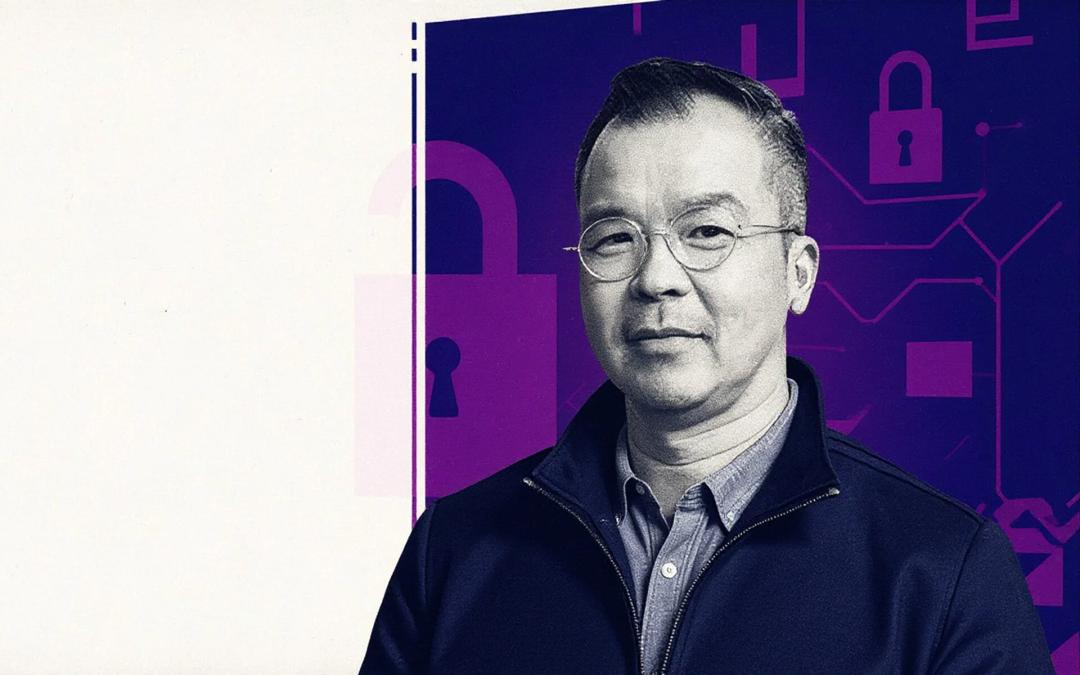
The other key figure is OpenAI's Chief Hardware Officer Tang Tan, whom we mentioned earlier.
He spent a full 24 years at Apple, working his way up from a product design engineer to Vice President in charge of hardware engineering for core products including the iPhone and Apple Watch — he is truly a "veteran" of Apple's hardware team.
You would think such a long-tenured veteran would have deep loyalty to the company, yet most of the allegations in Apple's lawsuit center on him.
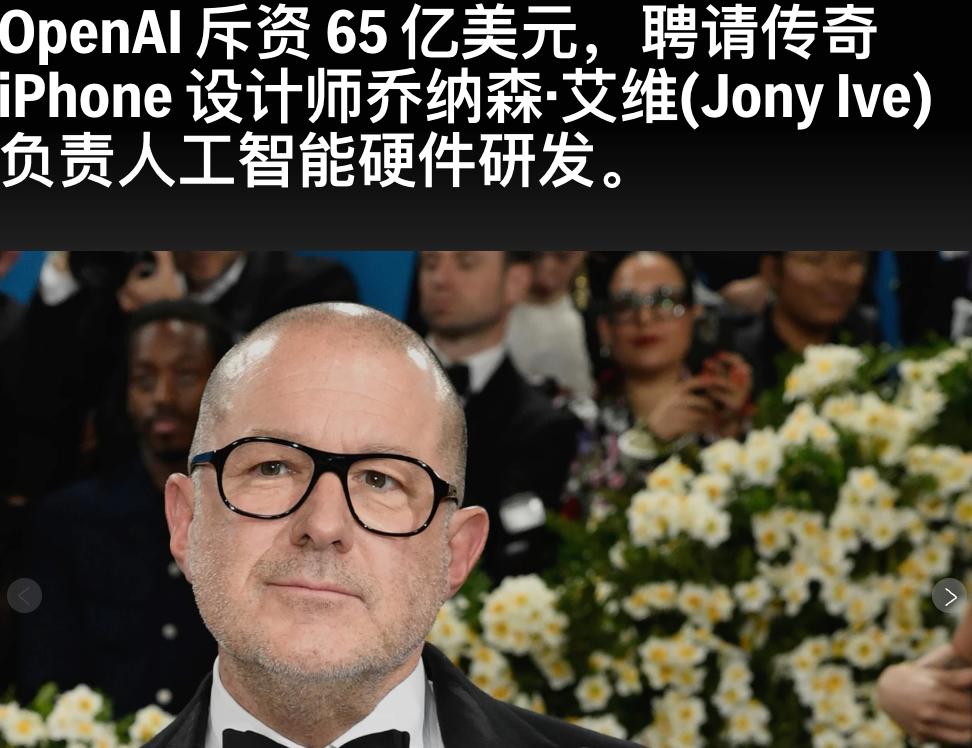
In 2024, Tang Tan left Apple and co-founded AI hardware company io Products with former Apple Chief Design Officer Jony Ive and former Apple Industrial Design Head Evans Hankey.
At its founding, the company claimed to focus on the R&D of next-generation AI consumer hardware. But after a full year, the company had no released products, no press conferences, and not even a single concept image made public.
This is the very company that OpenAI eventually acquired for a staggering $6.5 billion, after which Tang Tan naturally became OpenAI's Chief Hardware Officer.
On the surface, this just looks like a perfectly normal Silicon Valley executive job transition. At the time, everyone assumed that what OpenAI really wanted was the "Apple hardware legends" on the company's team.
But Apple believes things are far more complicated than that.
Apple found that Tang Tan had already been in contact with OpenAI or its partners before leaving Apple, and had sent files including supplier data and internal consumer electronics industry reports to his personal email account.
More importantly, Apple claims that after joining OpenAI, Tang Tan used his intimate knowledge of Apple's R&D system to help build a targeted recruitment process for Apple employees, turning what was supposed to be a regular job interview into a channel for stealing Apple's trade secrets.
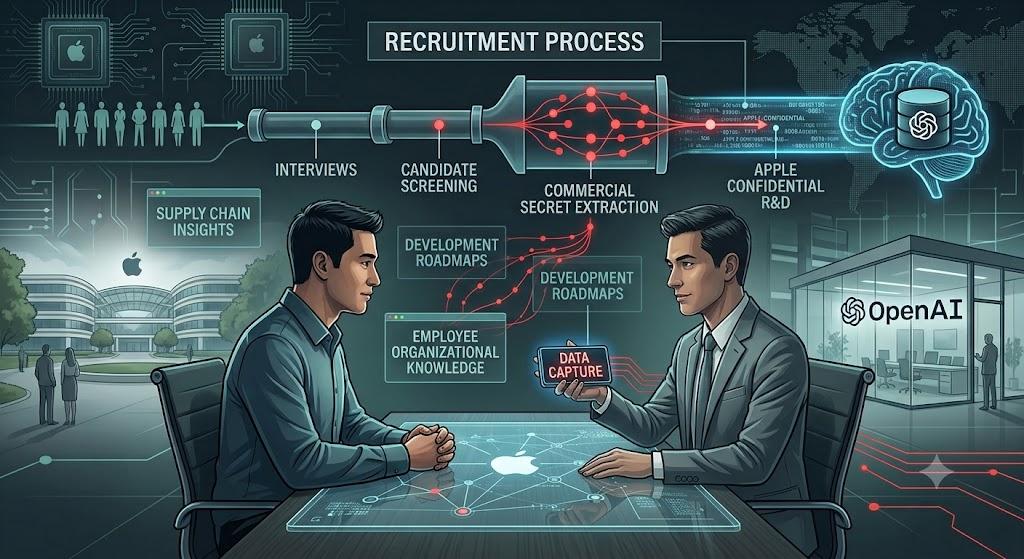
Another key detail: Apple states in its lawsuit that OpenAI has already started directly contacting Apple's supply chain through these poached employees. Many people think Apple's most valuable assets are its designs, chips, and operating systems. But for a consumer electronics company, the real hard part is being able to manufacture products reliably and at scale.
Now OpenAI is not only directly contacting these suppliers, but also demanding to use Apple's proprietary manufacturing processes. From Apple's perspective, this is no longer just poaching a few employees — this is a full-on raid on their core business foundations.
But Apple didn't immediately turn hostile. Back in February this year, Apple privately contacted OpenAI about the situation, stating they had evidence that Apple's confidential information had flowed to OpenAI, and demanded an investigation and corrective action. But OpenAI never gave a substantive response.
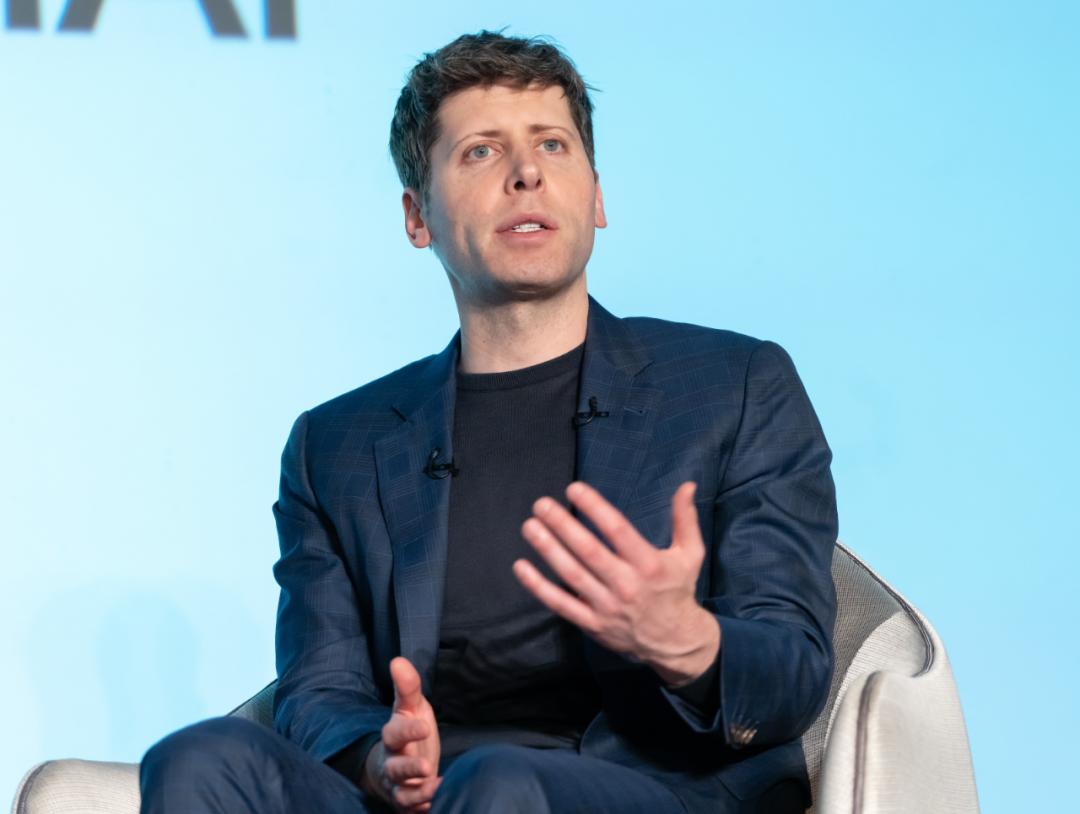
It wasn't until Apple filed the lawsuit a few days ago that OpenAI's principals grandly declared that they "have no interest in other companies' trade secrets."
The obvious problem is: as one of the world's leading large language model companies, OpenAI could hire talent from anywhere. Why go to such great lengths to poach people specifically from Apple? Even if you poach frontline designers and engineers, it's absurd that your top leadership is now stacked with Apple alumni like Jony Ive and Tang Tan.
What, are you planning to build an "Apple Avengers" team inside OpenAI?
Put simply, OpenAI is panicking.
As a model developer, their user access points have always been controlled by other companies, which would relegate them to being a mere component supplier forever, picked over at will in the market. Just look at this year's WWDC: with one announcement, Apple swapped Siri's underlying model from ChatGPT to Gemini.
Without the initiative in their own hands, when everyone's model capabilities become comparable in the near future, what will they rely on to retain users?
The answer is simple: build hardware.
And when it comes to manufacturing hardware, Apple is arguably the most formidable player on the planet.
All the capabilities OpenAI currently lacks — industrial design, hardware engineering, supply chain management, and mass production experience — can all be "learned" from Apple.
Of course, Apple is fully aware of this. That's why the requests in their lawsuit go far beyond demanding financial compensation: they are asking the court to ban OpenAI from using any designs that are alleged to infringe on Apple's intellectual property.
If necessary, every product OpenAI has developed so far may need to be scrapped and redesigned from scratch.
There have long been rumors in the industry that OpenAI originally planned to release a screenless mobile speaker this year that could access ChatGPT. If Apple wins this lawsuit, OpenAI's first-generation AI hardware will likely have to be completely reworked.
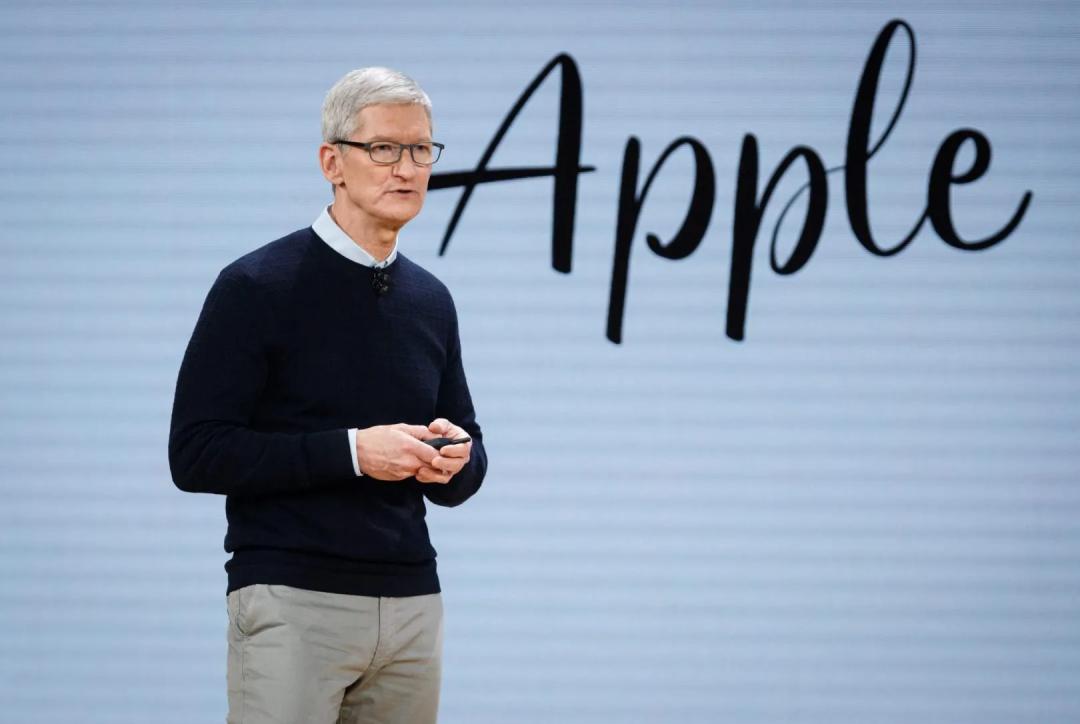
Apple's concerns are the exact opposite of OpenAI's.
Over the past two decades, the iPhone has tightly guarded the gateway to the mobile internet. But now, as we enter the AI era, native AI devices such as AI glasses, AI earbuds, and AI Companions are beginning to emerge. Meanwhile, Apple's own Apple Intelligence has yet to deliver a truly compelling competitive experience.
If a new hardware device suddenly appears in the future that displaces the iPhone the same way the iPhone displaced Nokia, where would that leave Apple?