The tide of sweet treats recedes, and the catering industry enters winter
The catering industry is never short of viral hits and trending tracks.
Discerning Chinese diners always have abundant choices, which forces brands to keep innovating and iterating amid the tides of the times.
From butter rice cakes to lemon milk, among the numerous growing categories and tracks in the past two years, Chinese-style sweet desserts are definitely one of the fastest-growing and most eye-catching segments.
According to data from Zhaimen Catering Eye, as of July 2025, the sweet dessert category saw over 70,000 new stores open within a year, with its market size expanding rapidly. From consumers' intuitive perception, the number of sweet dessert brands in shopping malls has visibly increased.
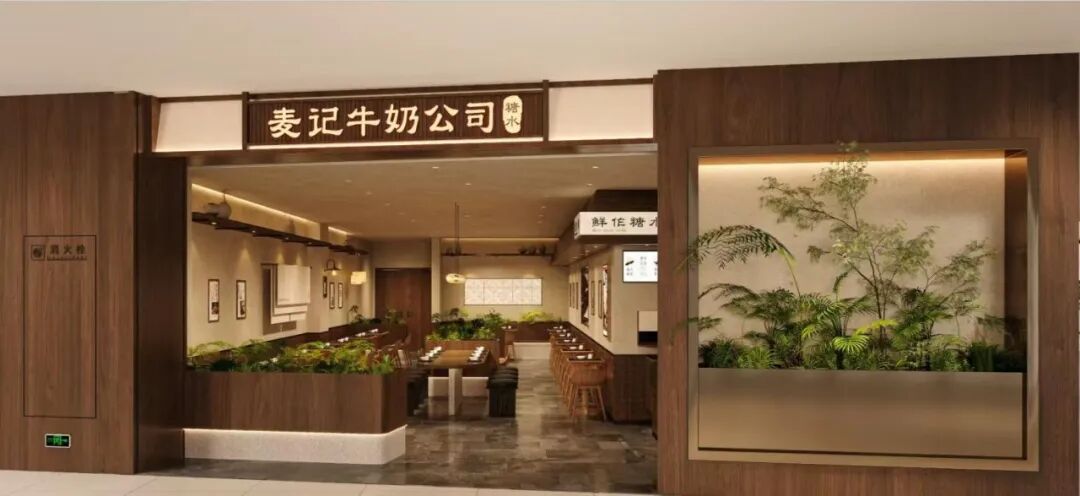
Caption / Makkie Milk Company, Image Source / Provided by the interviewee
In this track, there are established strong players: Xian Yu Xian restarted its journey after being acquired by CFB Group, and Honeymoon Dessert also found new opportunities through cooperation with retail partners like Sam's Club. There are also emerging brands such as Makkie Milk Company and Zhao's Heritage that are advancing rapidly.
Makkie Milk, in particular, saw its store count exceed 1,000 within ten months, bringing the category back into the mainstream spotlight of the industry.
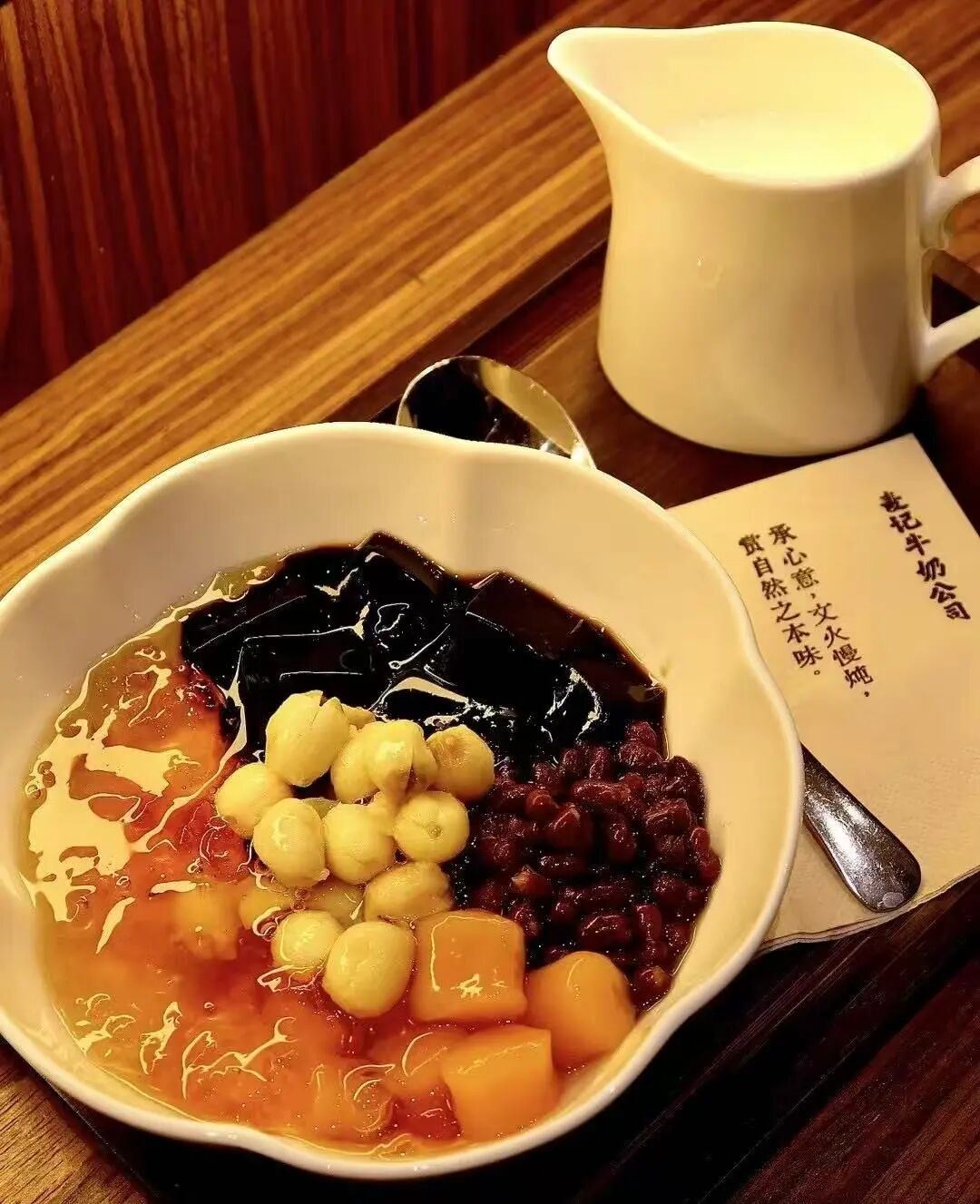
Caption / Signature product "Makkie Grand Slam" from Makkie Milk Company, Image Source / Provided by the interviewee
For a while, capital flooded into the sector, and franchisees flocked in, with everyone expecting Chinese-style sweet desserts to become the next new tea beverage and replicate its success story.
However, just a year later, the industry's trend began to shift subtly.
The number of stores decreased, franchisees became cautious, and the expansion pace of leading brands slowed down. The topic of discussion among many practitioners also changed from "which brand is the most profitable to open" to "how long can we survive".
So why has a category with a history of several decades suddenly exploded again today? And why did it quickly enter a reshuffling phase right as its popularity rose? For players in this track, is Chinese-style sweet dessert a viable long-term business?
With these questions, we conducted in-depth observations of the industry. Through an in-depth conversation with Xie Yongliang, CEO of Makkie Milk Company, we found that the underlying business logic and survival rules of this track are far more complex and harsh than the surface-level boom suggests.
Why has Chinese-style sweet dessert become popular again today?
If we turn back the clock five years, amid the "10,000-store war" between coffee and new tea beverages, very few people would have regarded sweet desserts as a new consumer track worthy of heavy investment.
This is an "ancient" category. As early as the 1920s and 1930s, sweet desserts represented by sweet potato soup and Qing Bu Liang were widely present in the daily street life of Guangdong, Hong Kong, and Taiwan.
Honeymoon Dessert was founded in 1995, and Xian Yu Xian was established in 2007. They marked the highlight moments of Hong Kong-style and Taiwanese-style sweet desserts, successfully upgrading sweet desserts from street-side stalls to a chain operation model.
Unfortunately, neither of them made the sweet dessert category achieve the nationwide explosion that milk tea and coffee did.
The most frequently cited reason for the "resurgence" of Chinese-style sweet desserts in the past two years is the change in consumers, with "emotional value" being the most commonly mentioned term among industry insiders.
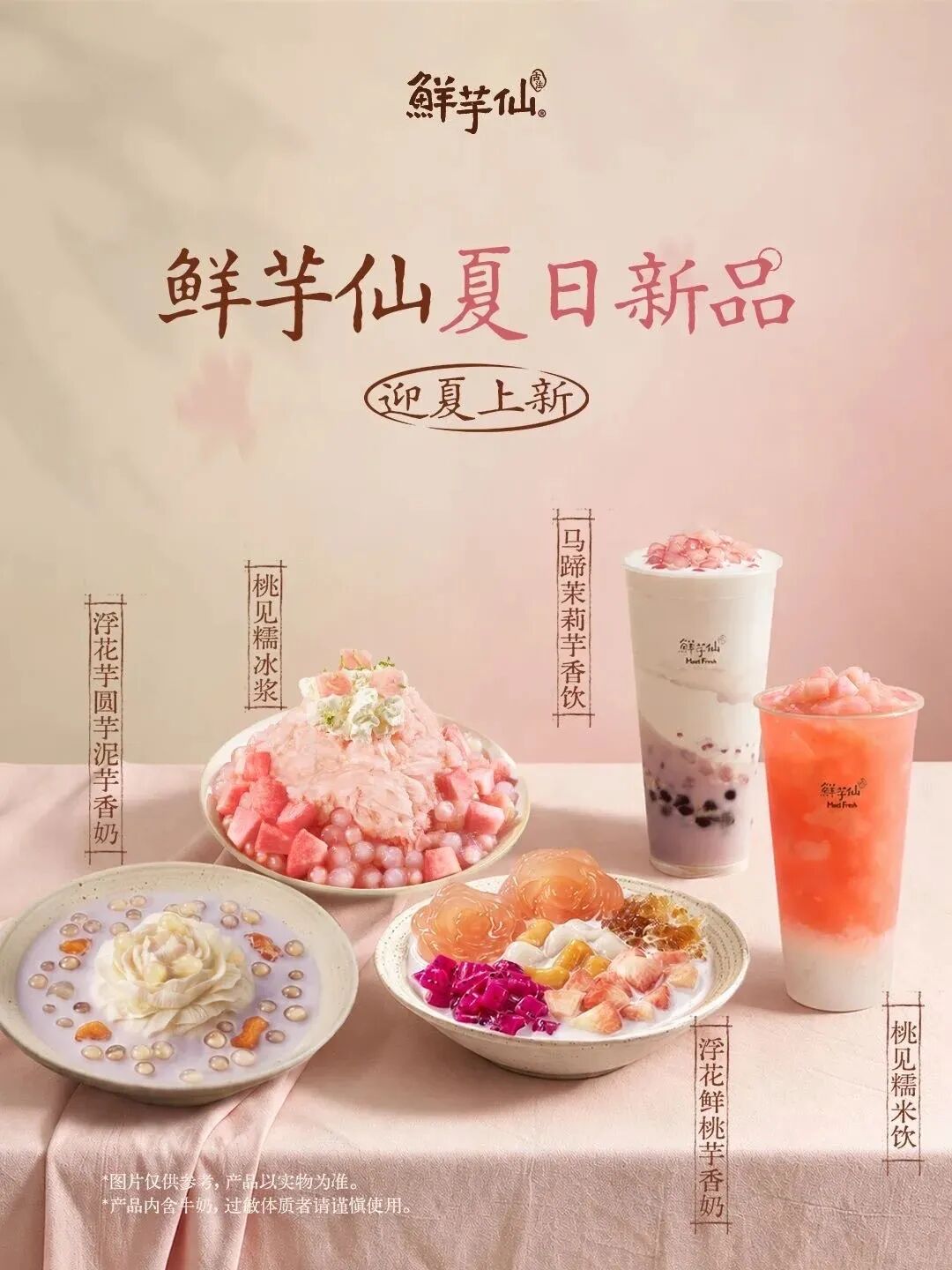
Caption / Xian Yu Xian launched several new summer products inspired by flower petals, Image Source / Xiaohongshu @Xian Yu Xian MeetFresh
Against the backdrop of macroeconomic pressure, the emotional stress accumulated by consumers in daily life has to be released through products that provide high emotional value, such as aesthetically pleasing items and sweets, triggering a compensatory surge in demand.
However, the boost from consumer psychology alone is not enough to explain this round of industry growth. What truly drove the category back into consumers' view is a comprehensive upgrade centered on products, brands, and experiences, as Xie Yongliang, current CEO of Makkie Milk, shared his perspective with Pangjing.
In the past, many consumers' impression of sweet desserts remained fixed on classic products like Hong Kong-style Yangzhi Ganlu, Taiwanese taro balls, and red bean double-skin milk. Severe product homogenization, coupled with a traditional brand image, failed to give young consumers a reason to try the category.
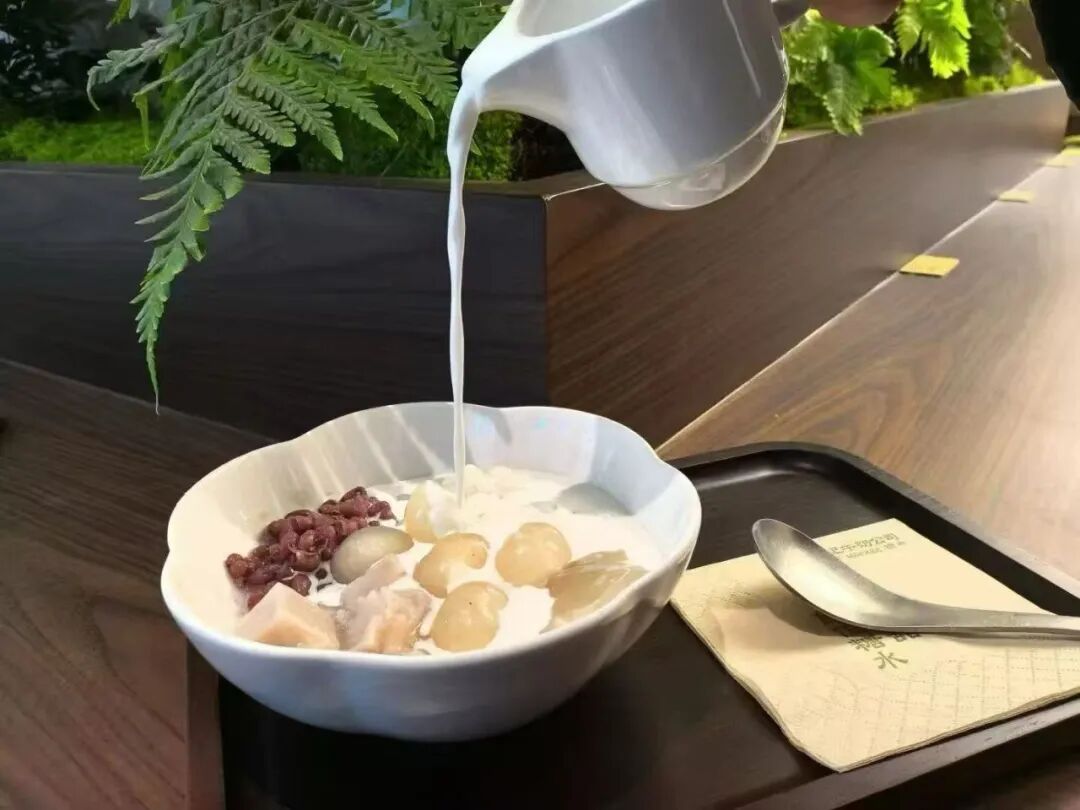
Caption / New product "Longan Coconut Qing Bu Liang" from Makkie Milk Company, Image Source / Provided by the interviewee
A new generation of brands has begun to redefine sweet desserts. Products no longer blindly pursue high sweetness, but instead emphasize natural ingredients, fresh on-site preparation, and low sugar; store interiors and packaging highlight a sense of design; brand communication also revolves around emotional values such as comfort, happiness, and nature.
At the Xian Yu Xian brand renewal experience day, Pangjing observed that after being acquired by CFB Group, Xian Yu Xian has undergone earth-shaking changes in store decoration, brand philosophy, and menu design — its stores feature a Chinese-style aesthetic and emphasize traditional handcrafted methods, which stems from a progressively clearer understanding of consumer insights.
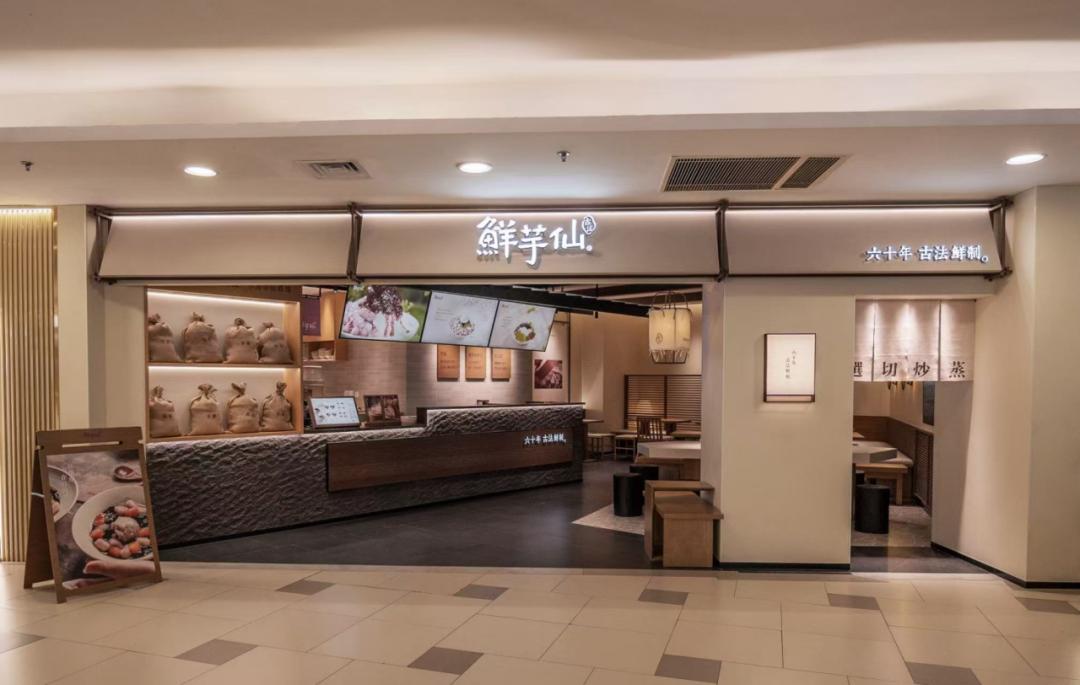
Caption / Xian Yu Xian's upgraded new-generation store, Image Source / Online
Taking Makkie as an example, the sweetness issues that many consumers criticized in the past actually stemmed from highly industrialized production, which used a large number of packaged foods and industrial canned products to simplify standard operating procedures. Xie Yongliang stated that all Makkie stores use agricultural and primary agricultural products, and insist on using pressure cookers for on-site boiling, creating a distinct taste difference from traditional sweet desserts. At the same time, they launched low-sugar and reduced-sugar versions to cater to modern people's health needs for sugar control, establishing a healthy and fresh brand perception in consumers' minds.
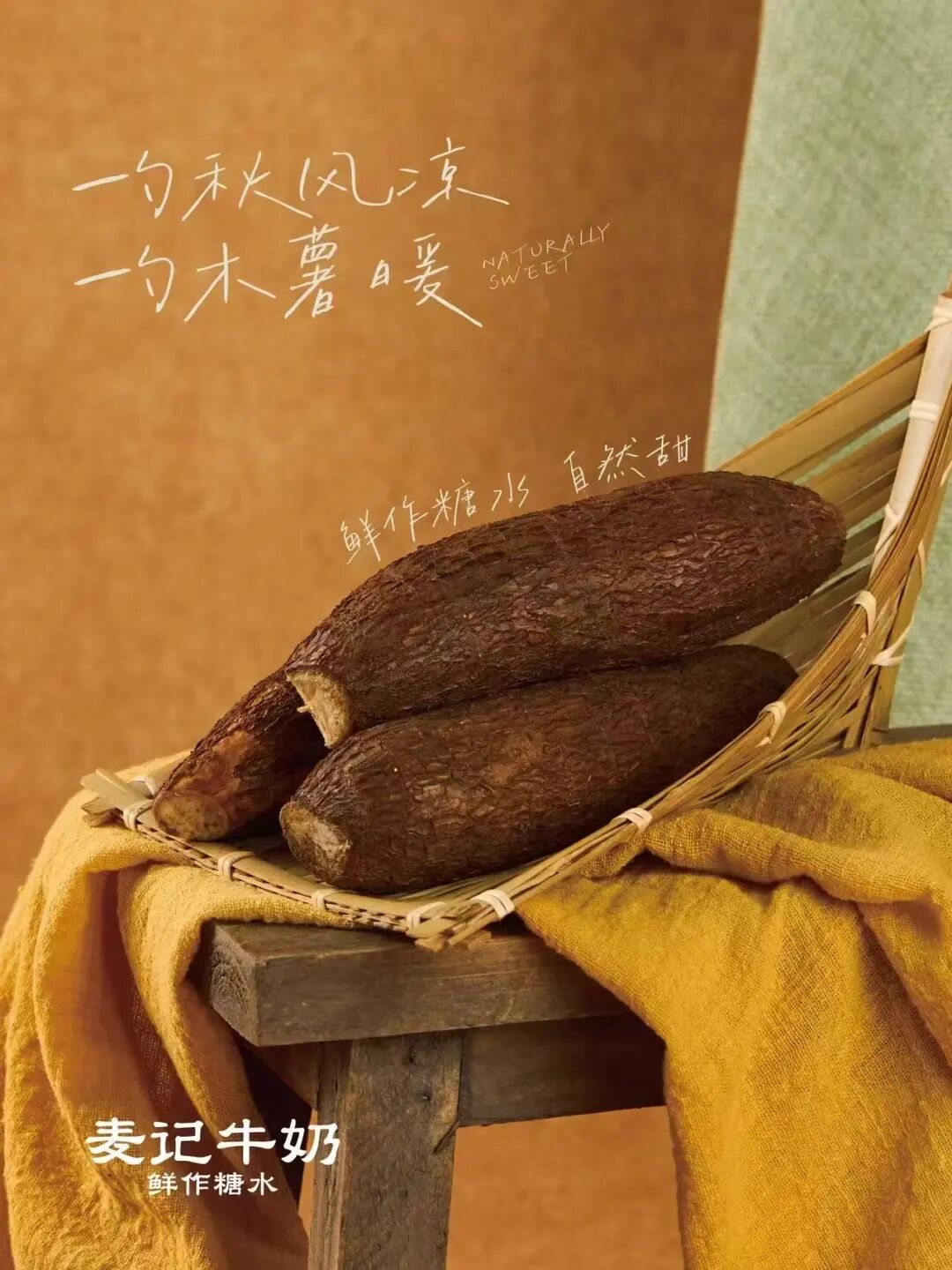
Caption / Tapioca is an important component of new Chinese-style sweet desserts, Image Source / Provided by the interviewee
Secondly, in the macro context of subdued consumption, the new generation of consumers is becoming more discerning, demanding both a good experience and affordable prices. New Chinese-style sweet desserts are meeting consumer demands in this dimension by improving product quality. For example, in terms of visual presentation and packaging, Makkie has created differentiation by designing a dust-proof lid for takeaway scenarios, solving the pain point where consumers cannot finish their dessert in one go.
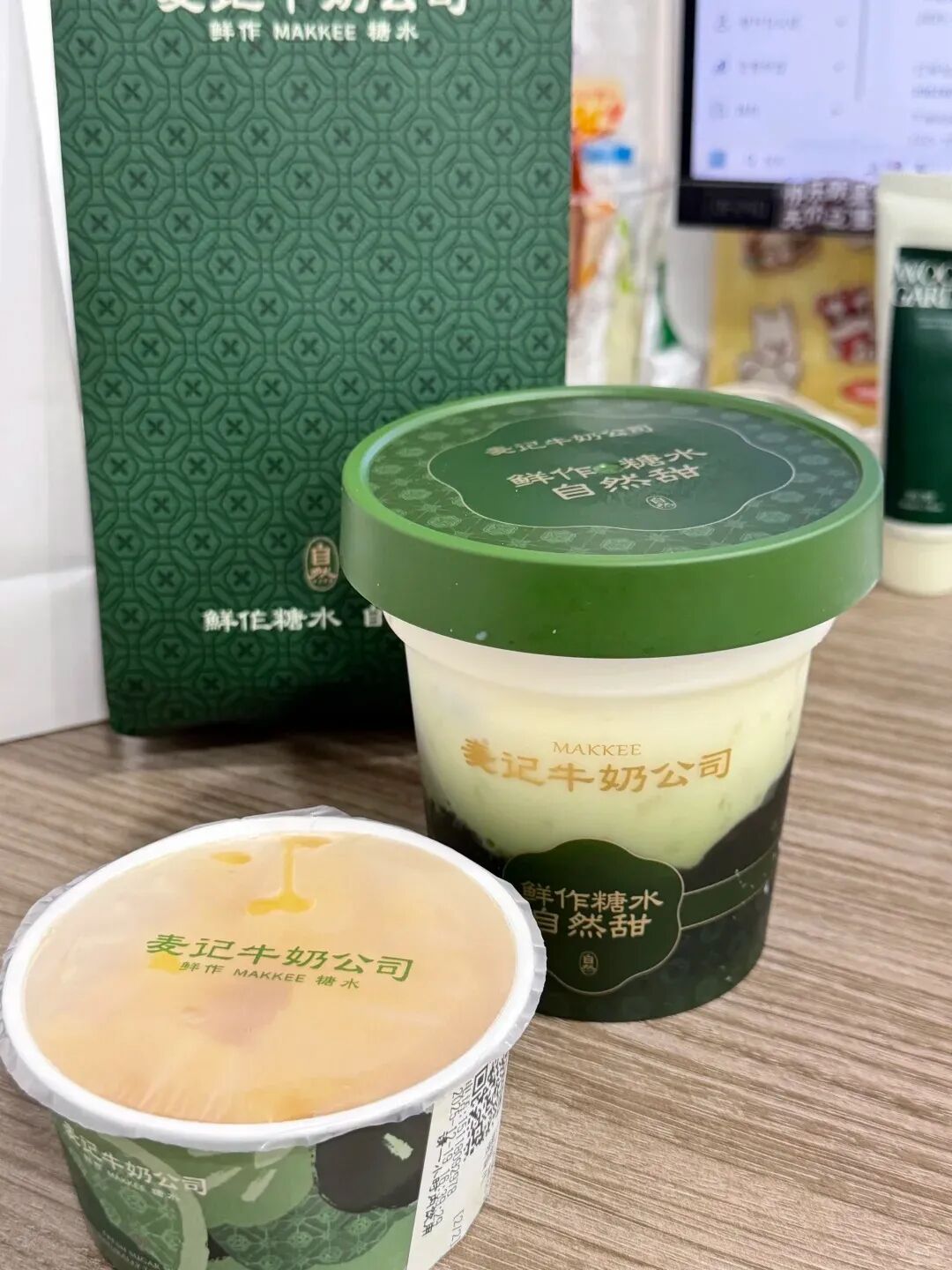
Caption / Makkie Milk's takeaway packaging design, Image Source / Xiaohongshu @HHoboK^^
In terms of products and pricing, new Chinese-style sweet desserts control their average customer spending at around 20 yuan, using a rich combination of toppings and set meal sales to meet diverse consumer needs with a streamlined number of SKUs.
Xie Yongliang concluded, "An average customer spending of around 20 yuan allows consumers to experience freshly made tastes, exquisite aesthetics, and a comfortable space, while feeling a cost-performance that exceeds their expectations."
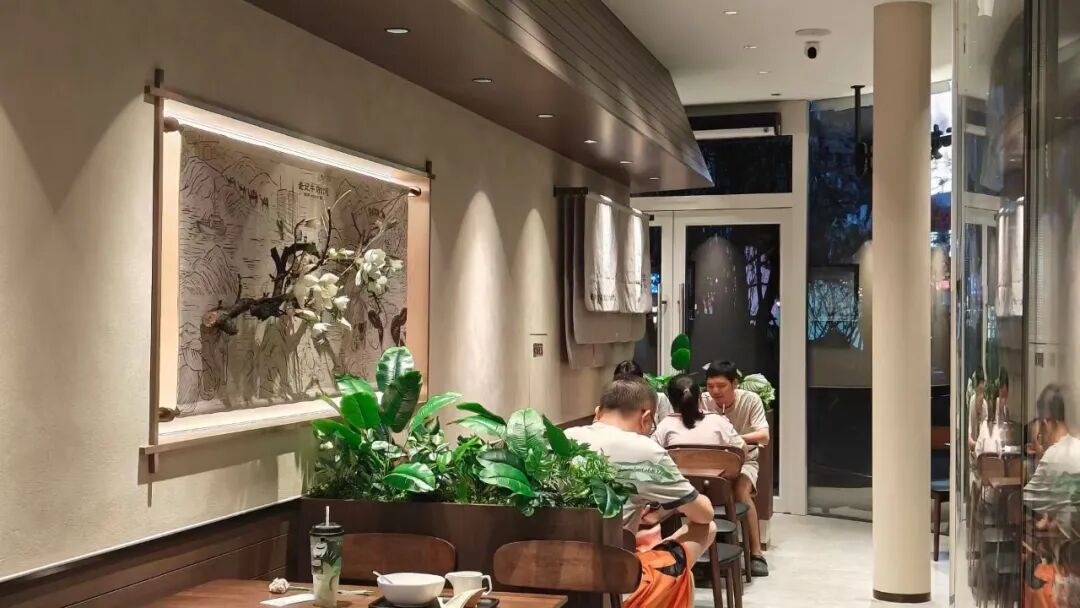
Caption / In-store environment of Makkie Milk Company, Image Source / Provided by the interviewee
Finally, the "third space" provided by Chinese-style sweet dessert shops endows the category with stronger social attributes. In shopping malls, sweet dessert shops are natural resting and social scenes: girlfriends can sit down and chat for an hour, and mothers can bring their children to replenish energy. For shopping malls, a brand that can increase customer dwell time is of higher value.
Overall, it is not so much that Chinese-style sweet desserts have become popular again, but rather that they have completed a new-style transformation.
This is also the path that many new consumer brands have been following — instead of creating an entirely new category, they re-win young consumers in a mature category through upgrades in products, experiences, and branding.
Positioning battle in a narrow lane: How long can this business stay popular?
Discussions about Chinese-style sweet desserts cannot avoid comparisons with new tea beverages.
This is not only because the two share similar product structures, business models, and target audiences, but also because their franchisee groups largely overlap. Xie Yongliang's team is no exception: as an investment and operation team focused on the catering industry for 15 years, they have also invested in multiple stores of brands such as Cha Baidao and Ba Wang Cha Ji.
However, unlike new tea beverage brands that can easily reach 10,000 stores, the limited market ceiling of the sweet dessert industry is almost a consensus in the industry.
Yet this ceiling is easier to reach than imagined. Since the second half of last year, many franchisees have found that business is not as easy as before. Entering 2026, Makkie Milk, which has reached 1,000 stores, has also seen a clear slowdown in store growth.
Xie Yongliang is not surprised by this: "2025 was the only window of opportunity. By 2026, it will be very difficult for the Chinese-style sweet dessert market to achieve large-scale growth."
Through further conversations with him, we can see that there are multiple underlying factors at play.
The primary limitation lies in the inherent capacity ceiling of the category.
Consumers can walk around with a cup of milk tea, but they cannot easily carry a sweet dessert. Sweet desserts are a category heavily dependent on in-store dining, and the limitations of their scenarios lead to a naturally lower table turnover rate, with overall demand far less than that of new tea beverages.
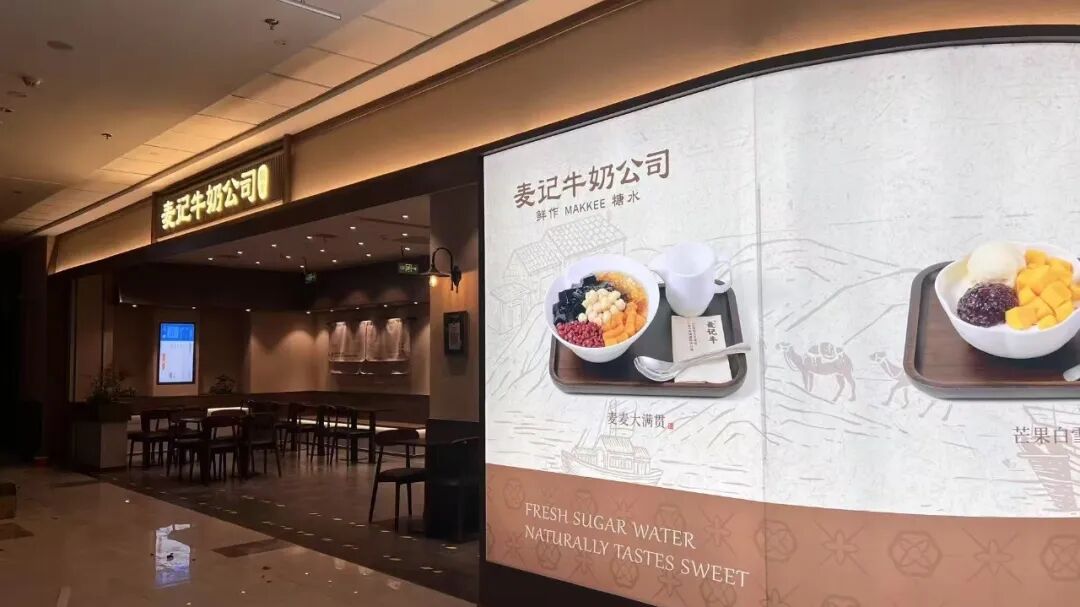
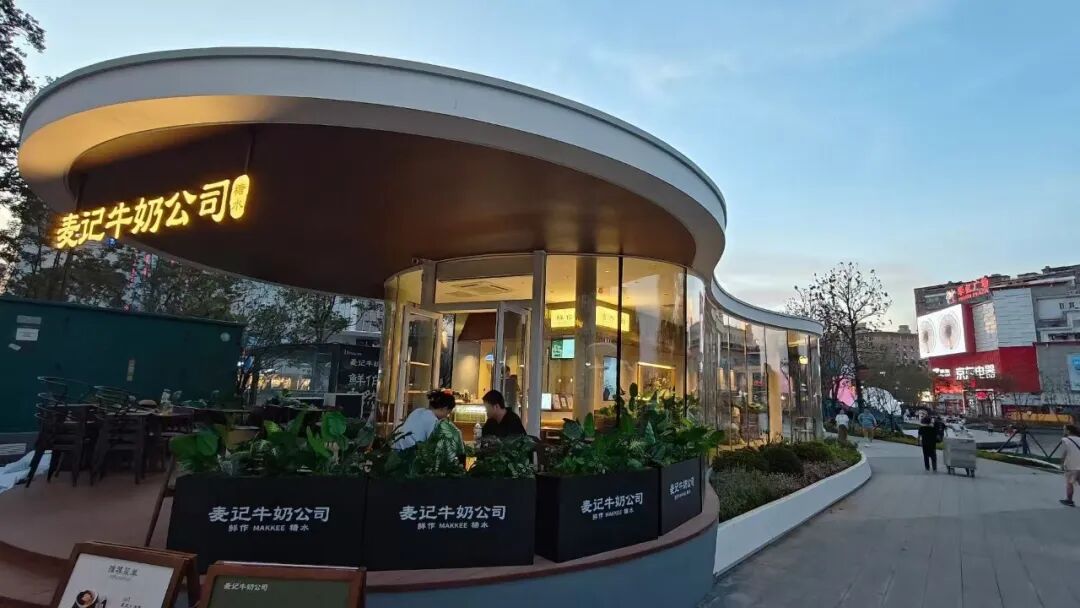
Caption / Makkie Milk Company's shopping mall store, Image Source / Provided by the interviewee
Historical data also confirms this judgment. Over the past three decades, Honeymoon Dessert, the representative of Hong Kong-style sweet desserts, and Xian Yu Xian, the benchmark of Taiwanese-style sweet desserts, were once highly sought-after outstanding brands. However, their store count only reached around 800 at their peak. Makkie Milk, with over 1,000 stores today, has already set a historical record for a single brand in the entire category.
"The market itself is not that large," Xie Yongliang has a clear judgment on this. The entire Chinese market may be able to accommodate three to five thousand sweet dessert shops, but this market will be divided by numerous local family-run shops and niche brands, making it extremely difficult for a single brand to achieve a monopoly of several thousand stores. Players are competing for a small but definite cake.
Precisely because of the limited market capacity, sweet dessert brands are almost pathologically dependent on high-quality shopping malls.
Xie Yongliang gave a comparison: "A shopping mall may accommodate 10 milk tea stores coexisting profitably at the same time, but having one sweet dessert shop is already very 'excessive' — if there are two (sweet dessert shops), neither of them may make money."
The limited capacity of shopping malls means that competition between sweet dessert brands is a cruel zero-sum game from the very beginning. If one brand moves in, another will be forced out.
This further determines the shortness of the development window.
"From the end of 2024 to the beginning of 2025, various brands were opening stores, and almost all shopping malls were occupied," Xie Yongliang observed. Then the turning point came: "Starting from March this year, various sweet dessert shops have been closing one after another... In this situation, do you still think people will be willing to open new stores?"
Xie Yongliang's assertion that "2025 is the only window that determines the life and death of sweet dessert brands" may not be an alarmist statement, but a conclusion based on the realities of the frontline market.
All available prime locations have been occupied.